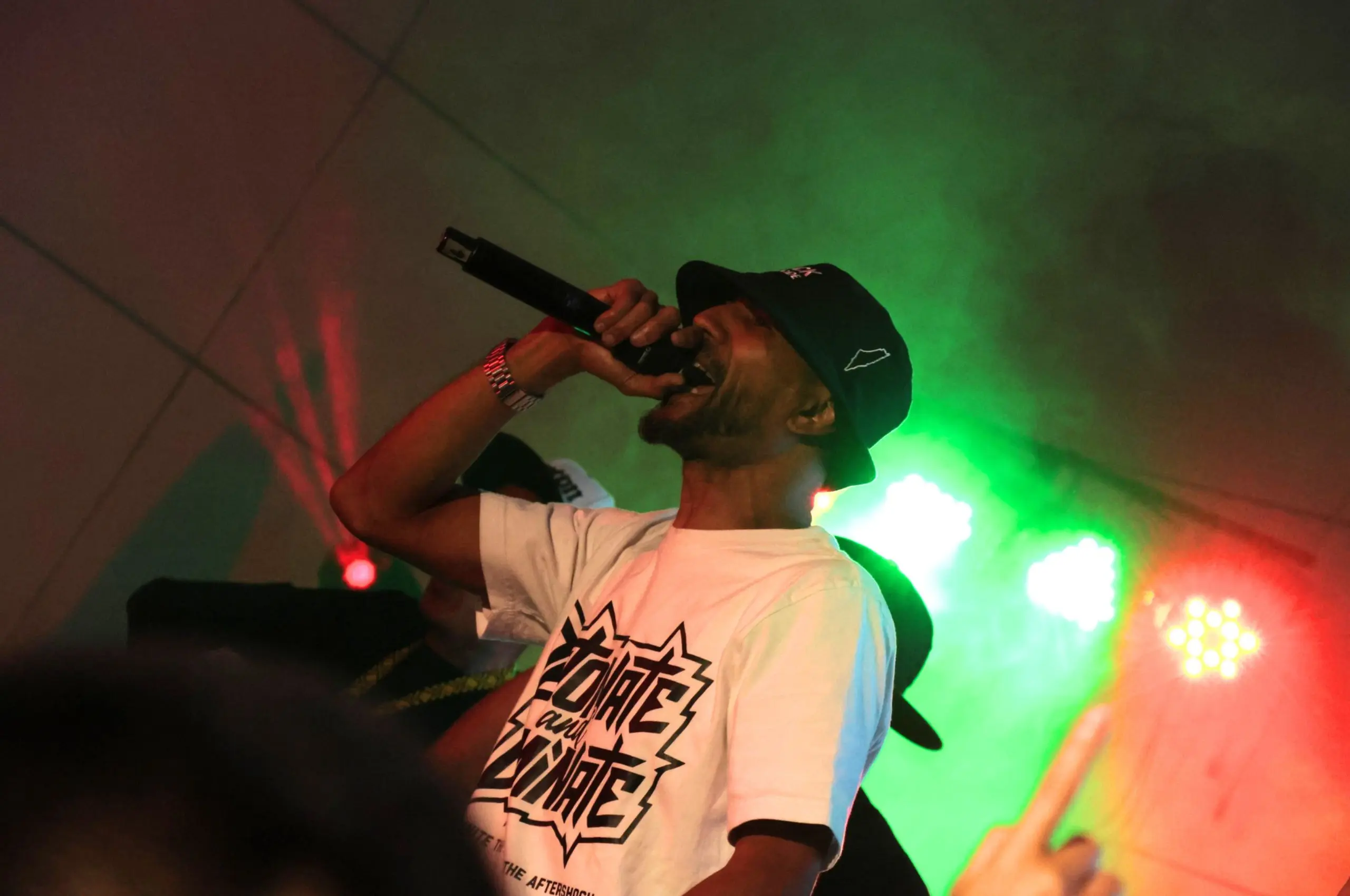
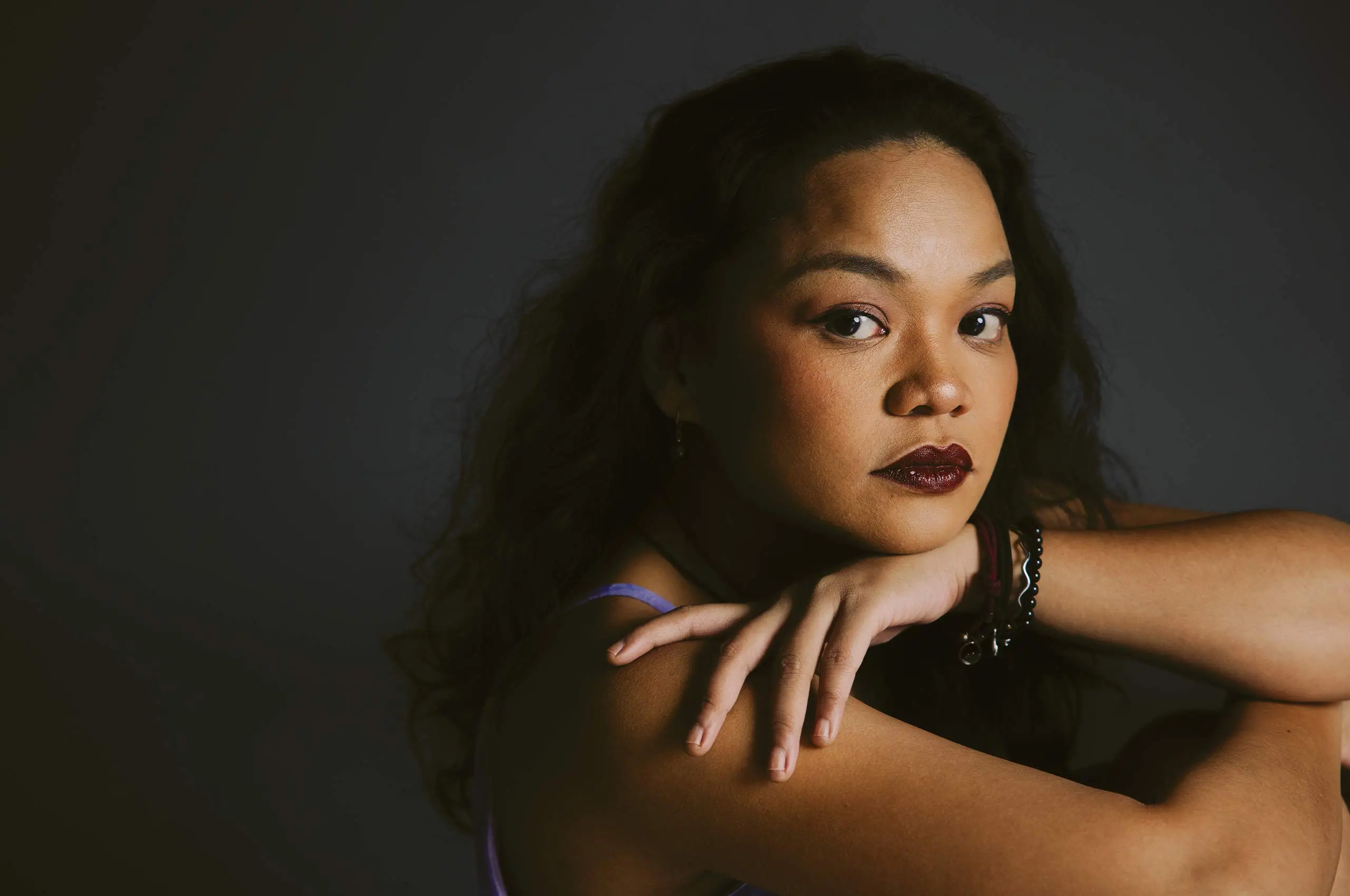
When you grow up in the Philippines, the name Morissette often arrives as shorthand for power. She is the mythos, the one and only “Asia’s Phoenix,” a balladeer whose high notes have defined what many Filipinos consider to be vocal excellence.
I first heard about Morissette in 2018 often pitted in conversations as one of the country’s greatest singers alongside Regine Velasquez, “Asia’s Songbird,” and Lani Misalucha, “Asia’s Nightingale.” Her voice felt larger than life as she graced the stage with performances of “Akin Ka Na Lang,” “Gusto Ko Nang Bumitaw,” and “Di Mapaliwanag, carrying an aura that belonged to the big stage.
That intimidating image shifted when I met Morissette inside her manager’s apartment in Pasig City. It was a humble setting that doubled as both a recording space and the headquarters of Underdog Music, the independent label she co-runs with a small circle of fellow artists.
Here, the myth gave way to the person. Between walls that housed microphones, instruments, the hum of creative work, and surprisingly, her small collection of vinyl records that she brought for the sheer love of music. On October 28, Morissette is performing at Smart Araneta Coliseum for her comeback show, aptly titled Ember, as she celebrates her 15 years in music. This milestone, however, unfazes her: Morissette moves with an untroubled ease, and a down-to-earth presence more grounded than the soaring titles attached to her name.
More Than Meets The Eye


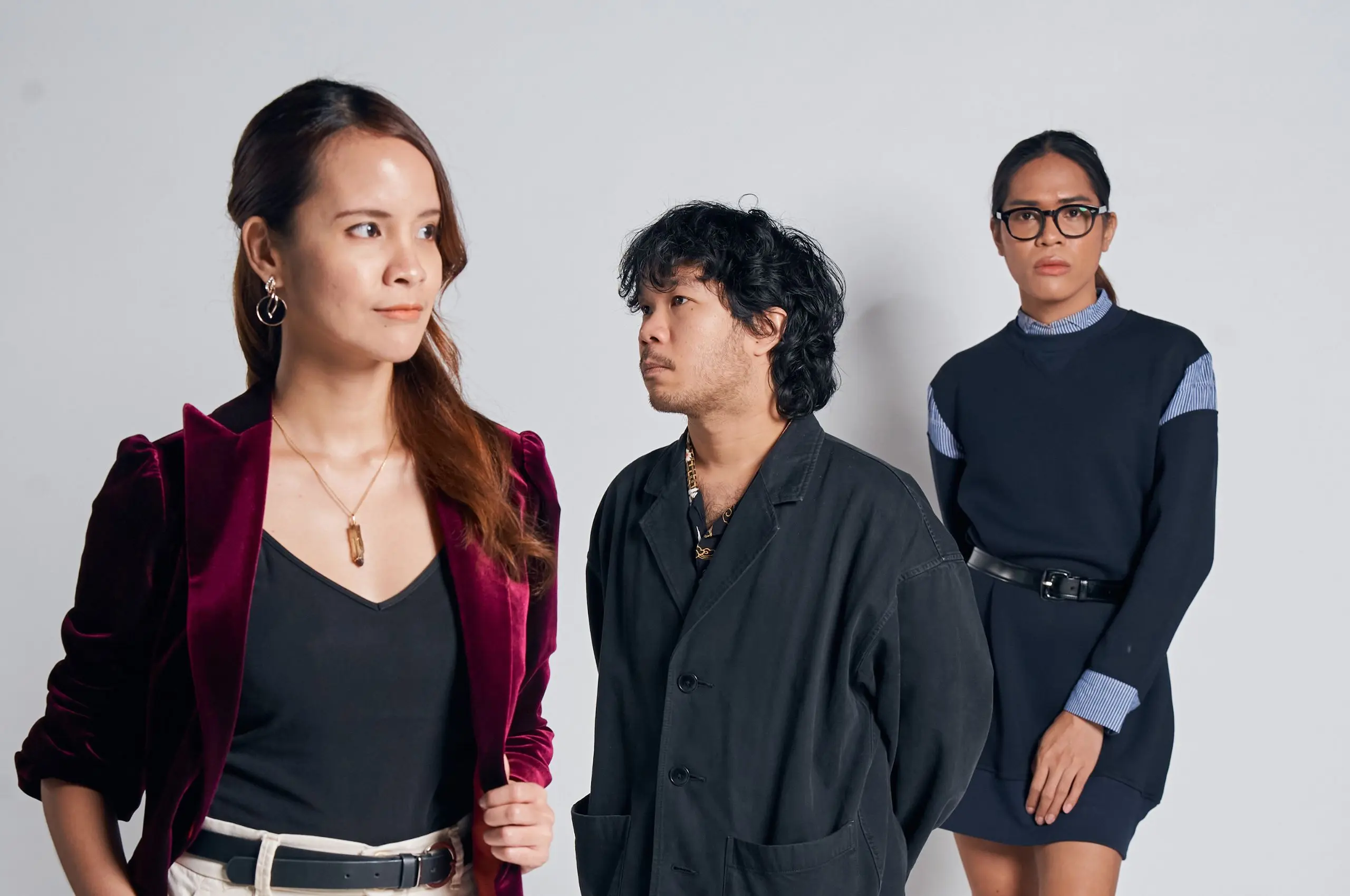
At Underdog Music, Morissette is not only a performer, but also a mentor. Since the label’s inception in December 2020, she has made space for artists like indie folk songwriter Chezka, experimental rock outfit serro, and the pop-punk band (e)motion engine. These acts reflect the breadth of her taste and her belief in nurturing sounds that sit outside the mainstream.
“What I’m after now is more growth,” Morissette tells Rolling Stone Philippines. “That’s why we started a music label with my friends. I wanted to help other artists as well. But primarily for me, I really just wanted to also be in a place where I can create freely and express myself in other ways and not just be typecasted to a certain sound.”
Morissette spoke with a quiet determination as she reflected on her career, aware that she has already lived through multiple eras in her artistry. She knows the weight of expectations around her voice, and the past decade and a half has seen her booked for performances and projects that demanded constant reinvention, despite balancing song interpretation and originals.
“I don’t know how Taylor [Swift] did it. I mean, this is 15 years worth of material and there’s been a lot of original music that I got to work on,” she says about her upcoming Ember concert. “That really is the highlight. I realized, upon putting my setlist together, that my songs are really rare. This is why I don’t do [these kind of shows] all the time.”
She mentions Swift as a reference point of admiration but also contention; many of her loyal fans, she says, have no idea she’s a Swiftie. “I love listening to Taylor Swift, to which people are lke, ‘You listen to Taylor Swift, as a biritera?’ They find it a little weird.” She praises not only Swift, but also Bruno Mars as well-rounded songwriters, producers, and performers to aspire to. The connection she draws to these pop figures is revealing: for Morissette, artistry is as much about storytelling and worldbuilding as it is about vocal acrobatics.
Beyond the Biritera Label
What comes through in these moments is her insistence on identity beyond labels. The word “biritera,” often used in the Philippines to describe powerhouse vocalists whose careers revolve around belting, does not capture the entirety of what she hopes to achieve. Morissette does not want to be confined to technical prowess; she wants to be recognized as a storyteller.
“My core is more than my high notes. My core is storytelling,” she says. “My core is interpreting and bringing the message of the song out there for you guys to understand… I’m interpreting the song in the way I am capable of doing. I want to be remembered for that, and not just be a biritera.”
“I’m interpreting the song in the way I am capable of doing. I want to be remembered for that, and not just be a biritera.”
Like many artists, the pandemic forced her to reconsider pace and priorities. While earlier years were marked by relentless momentum, Morissette now speaks with the clarity of someone who knows she can strike when she chooses.
“That’s where I am with my life now,” she says. “I may not be as sobrang dere-derecho as I was pre-pandemic or back in 2018,” she says. “But anytime I want to make a big fire, I can. I’m so fortunate and grateful to be in a position [where] I can enjoy my personal life. I can travel. I can rest. But also, if todo, todo, diba?”
Her upcoming concert carries this reflection in its title. As the title of her upcoming concert suggests, flame symbolizes her light as an artist, but also her endurance to smolder until the moment is right to ignite. In a decade defined by digital virality, trends, and fleeting moments of fame, Morissette’s approach feels both measured and refreshing. She is aware of the pressures of technology, of the algorithmic chase for relevance. Yet, she refuses to be reduced to that cycle. Asia’s Phoenix may have risen long ago, but in this new phase, she reminds us that embers, too, can burn with lasting light.
“Sometimes, an ember lasts longer than just a quick fire,” she says. “Right now and with this concert, I’m in my Ember phase. It’s gonna be a major fire. They know na, anytime, I’m just gonna spark out something different.”

Rolling Stone Philippines Anniversary Issue, Now Available at SariSari Shopping