

On the morning of June 8, the first day of the school year, children across Mindanao stood in their courtyards for a routine flag ceremony.
In the middle of national anthems across the SOCCSKSARGEN region, the ground moved.
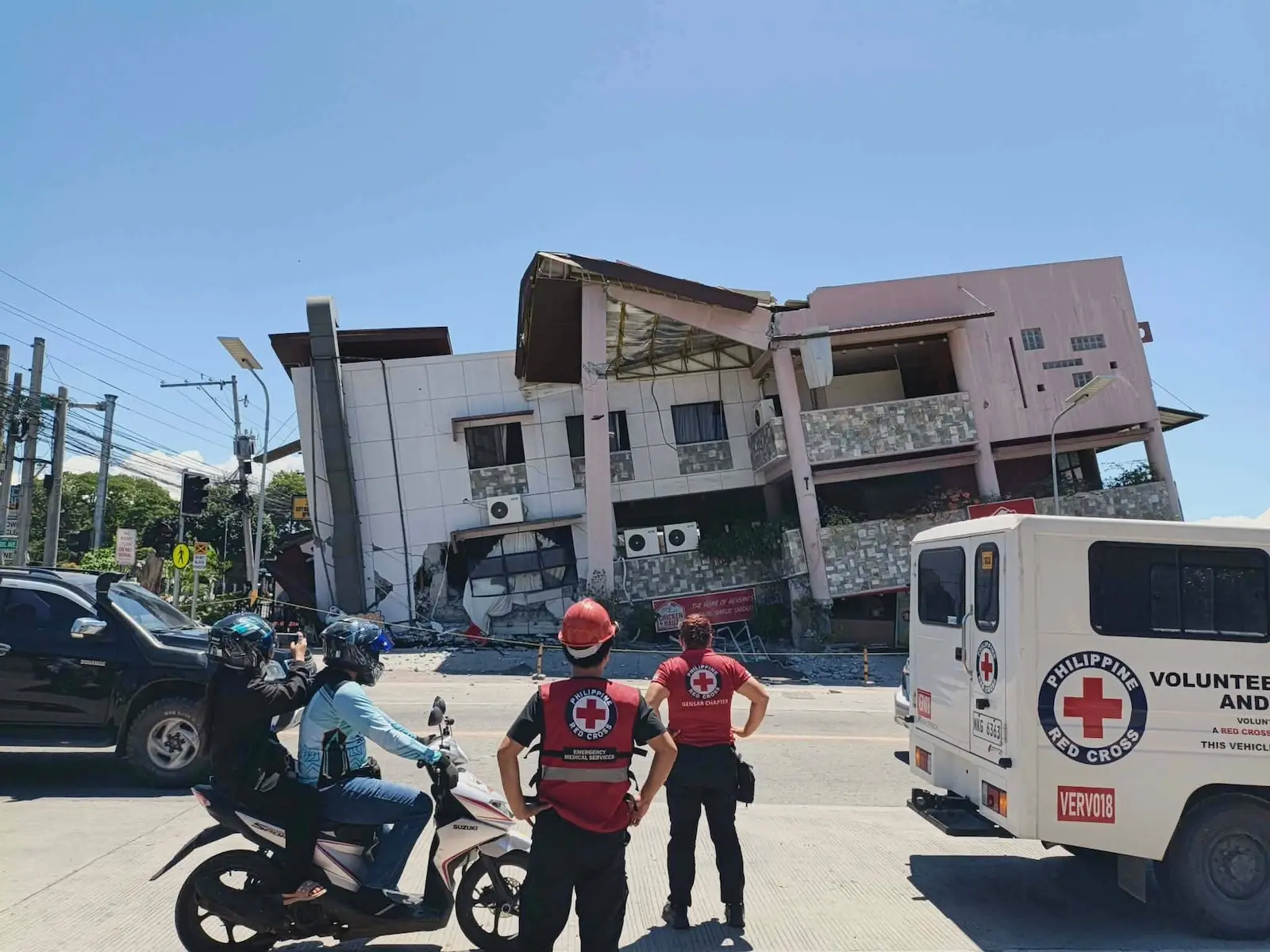
Earthquakes are almost a monthly occurrence in Sultan Kudarat. But this one was different. Our ground, our foundation, shook relentlessly. A magnitude 7.8 earthquake broke out of the sea off Sarangani and tore through the southern provinces. Plastered on social media and unwillingly etched into our memories are the screams of children whose routine flag ceremony turned into tragedy.
By the count of the Office of Civil Defense, the earthquake killed 88 people and damaged more than 87,000 homes, with over 15,000 of them beyond repair. The Department of Education recorded nearly 2,000 classrooms totally destroyed and more than 8,000 others damaged. Sultan Kudarat, South Cotabato, Sarangani, and North Cotabato were among the provinces with the most damaged schools in the country.
Many will blame our country’s geology, its geography. To that, I say: the earthquake was geology. The death toll was the result of a more ominous force.
Why has so little changed?
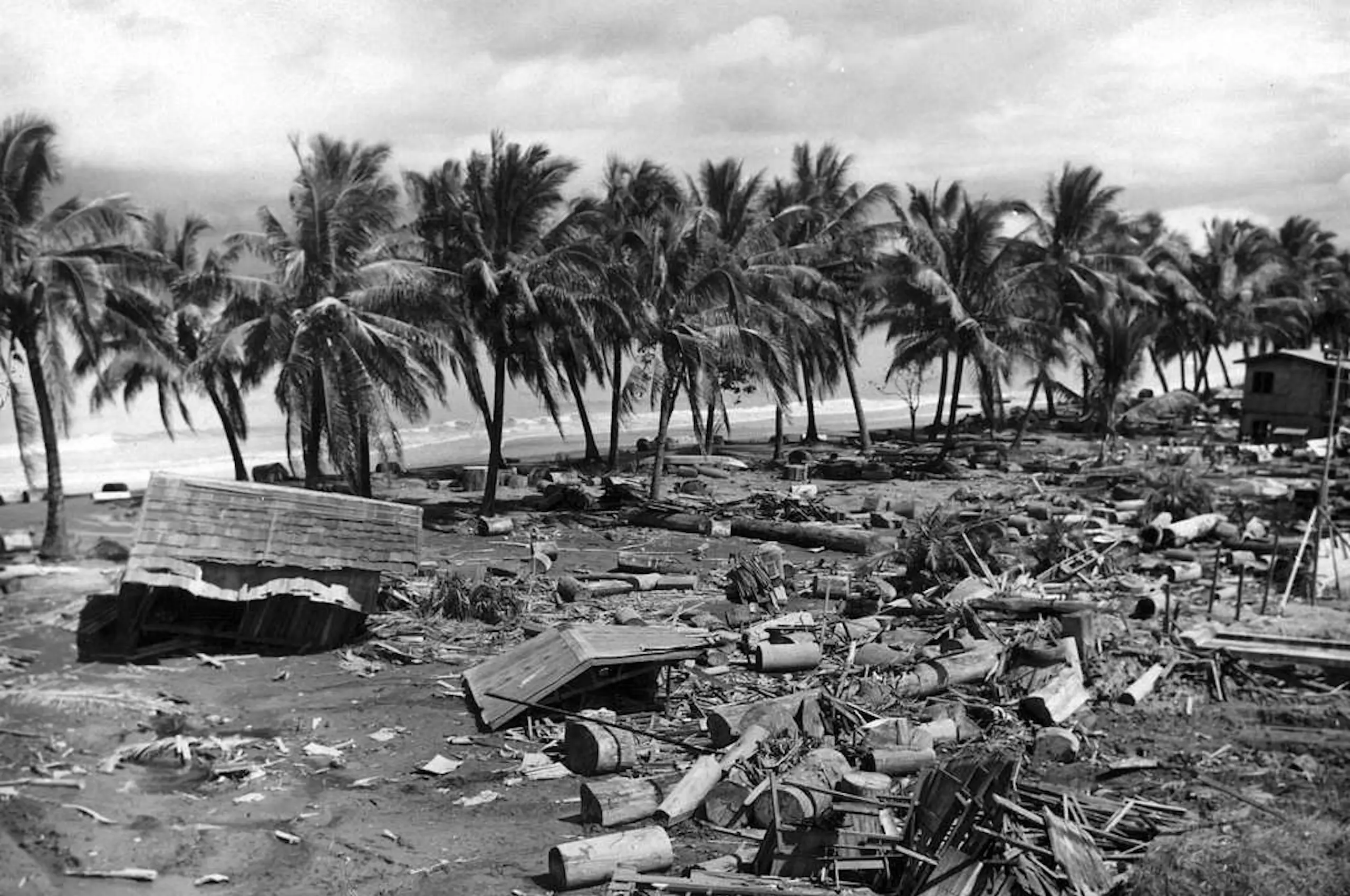
We have been here before. We experienced a tragedy much more devastating, and we forgot. The same Cotabato Trench produced the Moro Gulf earthquake, August 17, 1976. 12:11 am. Estimates run up to 8,000 dead or missing, with the Philippine Institute of Volcanology and Seismology (PHIVOLCS) noting that about 85 percent of deaths were attributable to the tsunami that followed the earthquake. To this day, it remains one of the deadliest disasters in our history.
Ask a student in any other region what happened in the Moro Gulf in 1976 and you will probably get a blank look. Ask an elder in Lebak or Palimbang where and how the water destroyed everything they had within five minutes and they will tell you every minute detail. They were never allowed to forget. The fear of another tragedy lingers in those who remember. The problem is: the youngest of those who remember are now 60. The knowledge acquired from tragedy and the indigenous tools of disaster preparedness are not passed to the young, who are most vulnerable to future tragedies, not only by way of earthquakes and tsunamis, but more frequently and devastatingly, storm surges, landslides, and flash floods.
“We build programs that only last months after a tragedy, never long enough and never comprehensive enough to prepare for another one as destructive.”
That night was a great equalizer, and the disasters that have hit the country have exposed the same truth every time: no one is prepared enough when the systems around them fail. The trauma of 1976 was supposed to change that, with the government ultimately creating a disaster council in Manila, which has since become what is now known as the National Disaster Risk Reduction and Management Council (NDRRMC).
But if that were the case — if we have known all this since 1976 — why has so little changed since then?
Everyone believes in disaster preparedness. But the issue remains: our disaster preparedness is myopic. We build programs that only last months after a tragedy, never long enough and never comprehensive enough to prepare for another one as destructive.
This is no secret. The 1978 study prepared by the Manila Observatory for the government’s own tsunami warning committee called the Moro Gulf the most tsunami-prone shoreline in the country, counted roughly one great earthquake there every 17 years, and recommended that plans aim for evacuation to higher ground within five minutes of a violent shaking. Thirty-three years later, when journalists asked the report’s author whether the government had acted on any of it, Fr. Victor Badillo answered: “I do not know what has been done.”
But hazard maps for the area did not arrive until December 2007, and, as reporting from MindaNews has documented, almost no one living in the danger zone knows they exist. On our own stretch of coast, a tsunami warning system was not inaugurated until 2026, and we inaugurated it ourselves.
But why must our elders continue to relive their past trauma, and why must internally displaced persons continue to suffer because foresighted and comprehensive disaster preparedness have yet to become a national priority?
Education As A Warning System
Here is what should happen, and most of it is not complicated. Update the building code we have had since 1977. Inspect every classroom for disaster resilience. Rebuild and retrofit schools in the exposed provinces so they can survive a June 8 morning. Print the hazard maps, mark the evacuation routes, run the drills. And protect the coast through means that are actually effective, using both green and gray infrastructure.
For 50 years, our answer to a dangerous shoreline has been a concrete seawall, poured and forgotten. The better answer, studied since the 2004 tsunami in Aceh, is to let the coast defend itself first. A wide belt of mangroves can absorb a large share of a wave’s force. The coral reefs and seagrass, which we have allowed to degrade, slow the water down. The same ecosystems feed the fisherfolk who protect them. None of it is a miracle: the biggest waves can climb over a mangrove forest, which is exactly why you layer it with engineering.
“We need Filipino leaders who realize that the solutions they must innovate have never been created before, for a crisis whose scale no world leader and no expert scientist can precisely predict.”
On the Moro Gulf coast, in Lebak, where the June 2026 tsunami reached its highest run-up of 2.5 meters, our communities are already restoring those mangroves through sustainable livelihood programs.
The model exists. All that remains is making disaster resilience a true national priority.
There is one more lesson, and it is the one I devoted my greatest work to. When the sea comes two to five minutes after the shaking, no siren can save you. The warning is the earthquake itself. What saves a coast is people who already know what to do.
In Kamaishi, Japan, the great quake of 2011 killed more than a thousand people, but nearly every schoolchild in the city survived. Not because of seawalls; their teachers had told them for years never to trust the seawalls. They survived because they had practiced, over and over, until running for high ground had become instinct. Their teachers built it on an old rule handed down from their grandparents: when the earth moves, go, and do not wait to be told. Education was the warning system. The children saved themselves.
We do not lack the means. We have a National Adaptation Plan. We have a Congress that can investigate climate risk and order the money to follow exposure instead of proximity to the capital. The country’s adaptation bill will run close to $100 billion by 2040, and the losses we will take by doing nothing are far larger. The knowledge exists. The tools exist. The money can be found.
What is missing is the political will to act before the next earthquake. The World Risk Reports ranks the Philippines as the most climate risk-vulnerable country in the world. In plain terms, the Philippines faces the greatest brunt of a phenomenon never before tackled by even the most well-resourced countries in the world. Inaction in the international realm is not a secret. No one will come to the Filipino people’s rescue but the Filipino people.
This blunt reality means that our leaders cannot simply wait for disasters to happen before responding and taking disaster preparedness seriously. The disasters of the past pale in comparison to the disasters we face and will face in the next decades. The warming of our planet verifiably increases the intensity and frequency of our typhoons and droughts. Our monthly storm surges now approach the height of our most historically destructive tsunamis. Our geography and geology make us especially exposed.
We need Filipino leaders who realize that the solutions they must innovate have never been created before, for a crisis whose scale no world leader and no expert scientist can precisely predict. We need leaders who have the foresight to adapt to a world too rapidly shifting before our eyes. Most importantly, we need leaders whose love for and devotion to their people surmount any self-interest, a love that will lead them to listen to the unbridled accounts of the pain and anguish of the Filipino people.
Our elders in Sultan Kudarat have now lived through this twice. They were children when the sea came in 1976. Last June, they watched their grandchildren run from the same shaking ground. In half a century, a whole lifetime, almost nothing changed for them. A coast left exactly as it was.
The children who ran from their flag ceremonies on June 8 survived. That is not the same as being protected. They were first in line for the harm, the way they have always been first in line. The only question worth answering now is whether we will finally put them first in line for help.
It happened in 1976. It happened again in June. Our people survive. What we owe them should be much greater than survival. What we owe them is the chance to live a life without fear.
Recommended Video