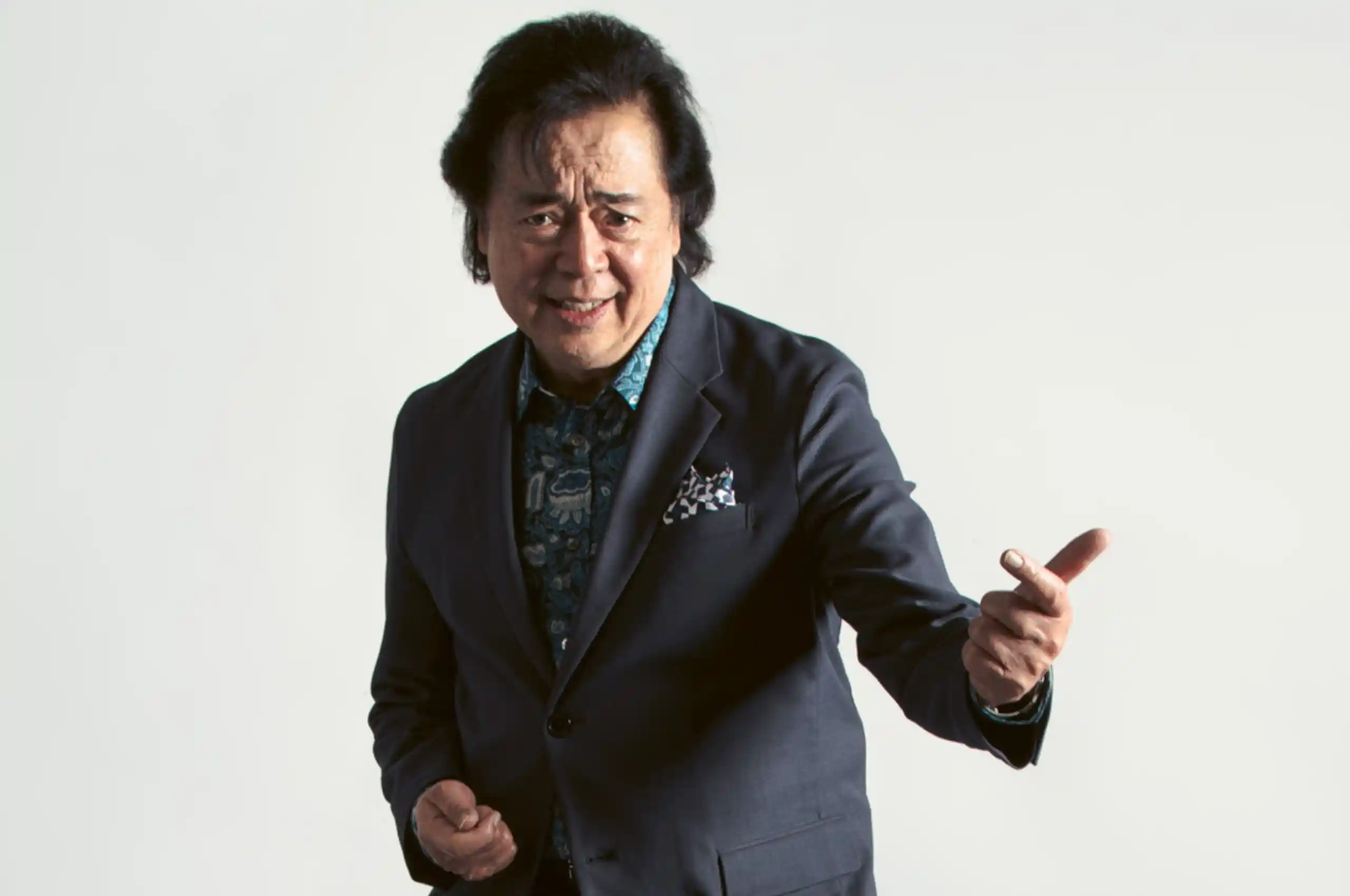
Ramon “RJ” Jacinto never set out to become a pioneer. He was a teenager fiddling with guitars and radio equipment, importing records from the U.S. — which took six months to deliver — and playing them for classmates who had never heard anything like it. In the early ‘60s, that hobby turned into RJ and the Riots when he was 15 and eventually RJ 100.3, the FM radio station that introduced generations of Filipinos to the Beatles, the Beach Boys, and the electric promise of rock ’n’ roll. His slogan, “Your teenage station, serving the teenage nation,” helped define youth culture at a time when local airwaves were still dominated by Spanish ballads and traditional kundiman.
Jacinto’s influence didn’t stop at broadcasting. When he returned from exile in the U.S. in the late ‘80s throughout the Marcos regime, he saw how inaccessible instruments still were. Through his own guitar company, RJ Guitars, and live music venue Bistro RJ, he built spaces where Filipinos could learn, play, and make a living from music again. He pushed for affordable instruments and live venues, determined, as he put it, “to bring street music back — the music of the people.”
Jacinto also played a direct role in the 1986 People Power Revolution through DZRJ Radyo Bandido, the underground station that broadcast from DZRJ when pro-Marcos forces shut down independent media. The station became a lifeline for Filipinos gathered along EDSA, airing real-time updates, protest coverage, and music that helped unify the crowds during the uprising.
“Music is one of the most powerful forces in the world because you can make people retreat with music, you can make them attack in war, you can make them cry.”
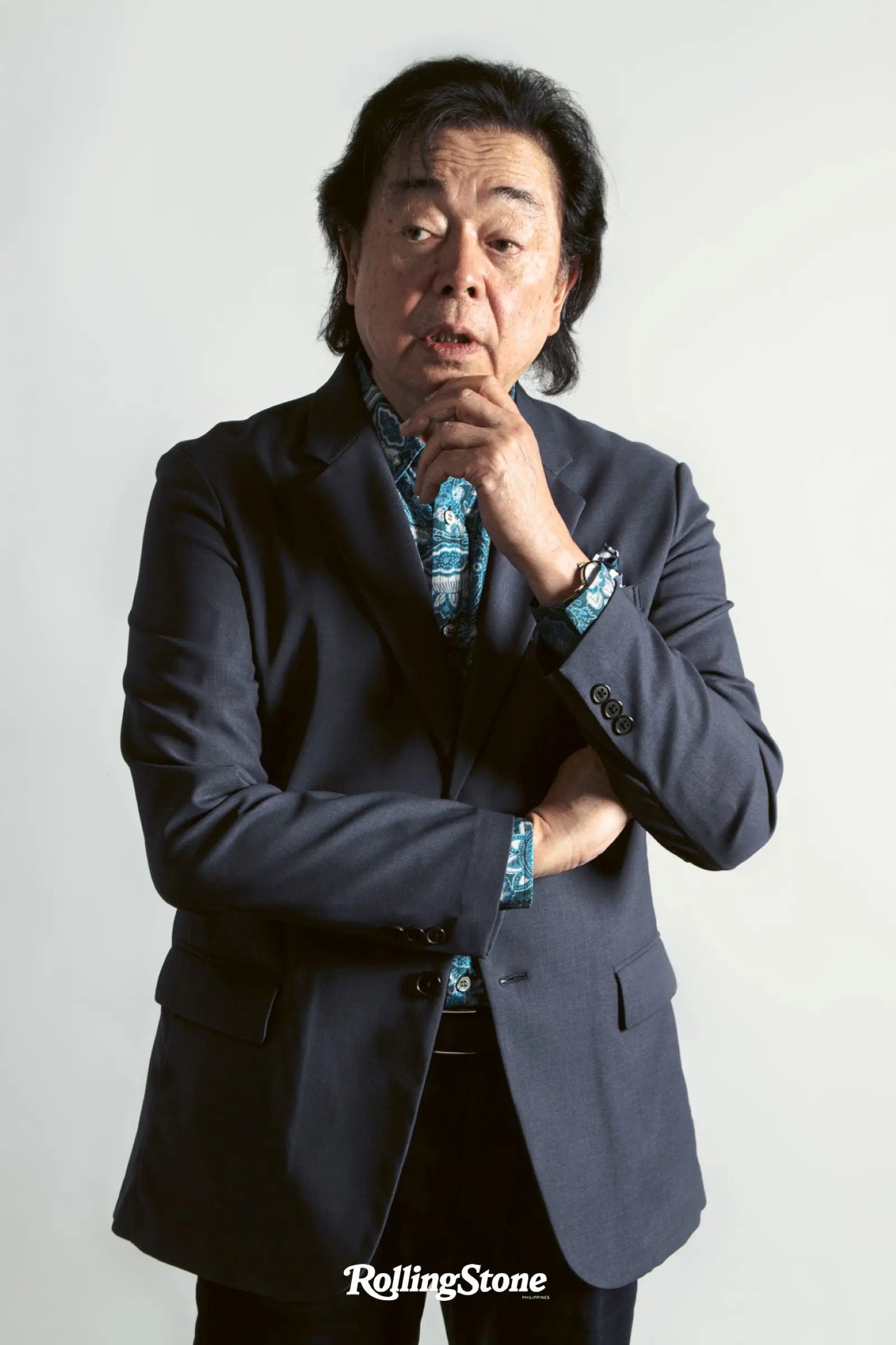
In The Rolling Stone Philippines Interview, Jacinto is convinced the Philippines could have led Asia’s music industry if it had believed in its own talents sooner.
“We should be the Hollywood and the entertainment center of Asia. Not Singapore, not Indonesia,” Jacinto tells Rolling Stone Philippines. “We have the soul. We had 400 years of Spanish and 50 years of Hollywood. We speak English without an accent. We can write scripts. We were ahead of Asia in entertainment, and who is entertaining the world? Filipino musicians.”
Street Music
Bistro RJ went on to become one of the longest-running live music venues in the country, giving steady work to generations of Filipino musicians at a time when disco and prerecorded entertainment had pushed bands out of regular rotation. In doing so, Jacinto helped restore the idea that Filipino music belonged not just on recordings, but in public spaces.
“I want to bring street music back. The music of the streets, the music of the people,” he says. “So I started Bistro RJ and bands again to prove that you can hire bands and still make money. We had two to three bands a night, even on Sundays.”
For Jacinto, rock and roll brings people together and reminds them of their collective voice, especially when it comes to influencing Filipino politics.
“Rock and roll, it’s a good attitude because you’re free to experiment, then you’re happy, and you’re united,” he says. “Music is one of the most powerful forces in the world because you can make people retreat with music, you can make them attack in war, you can make them cry.”