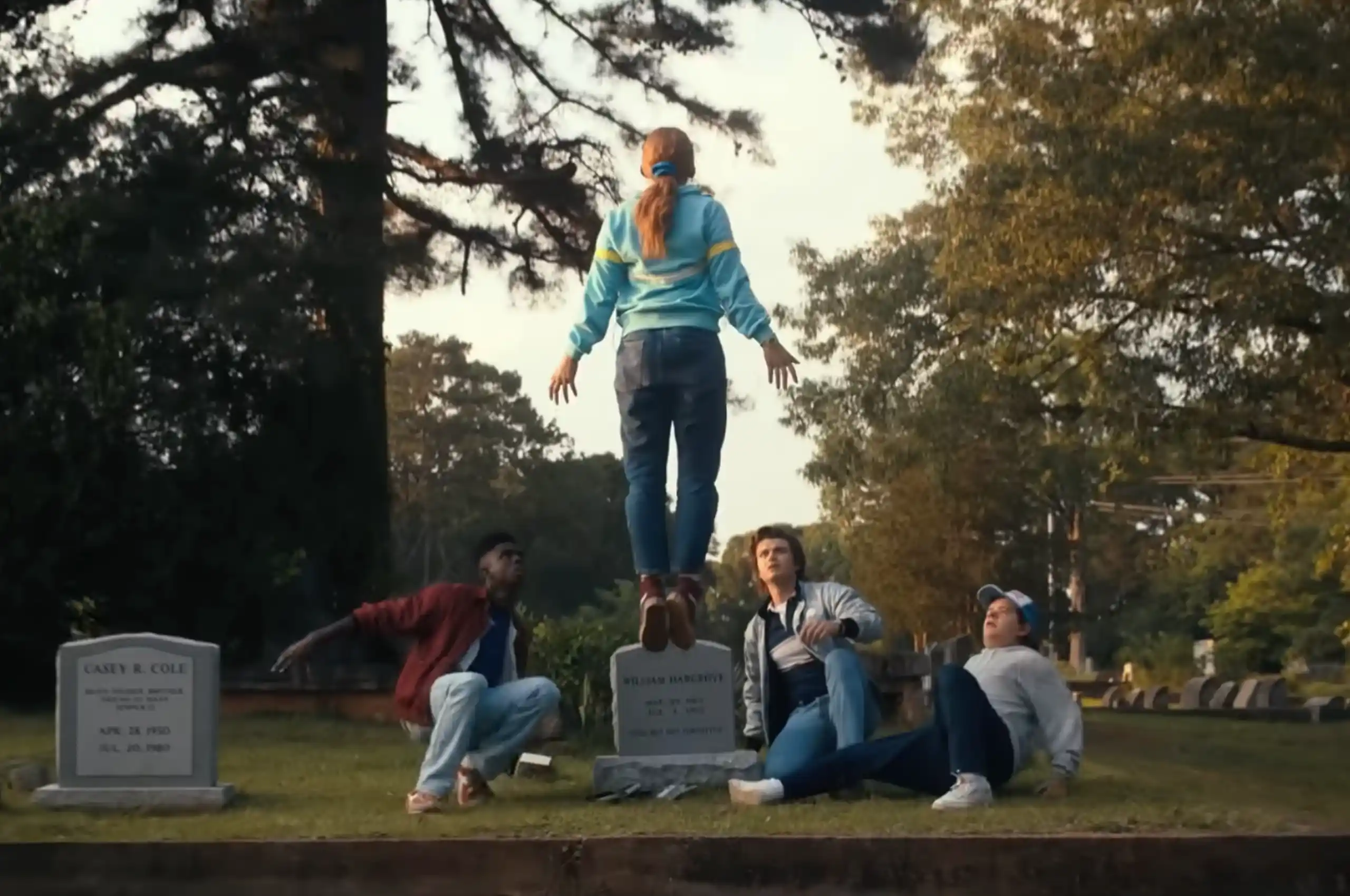
The Netflix television show Stranger Things has built its reputation on more than monsters and close calls. The show has a way of using music to shape memory as songs anchor scenes that, in a matter of seconds, move from gentle to terrifying. Tracks pull viewers into moments that nostalgically portray the pressure of growing up around forces beyond your control. Matt and Ross Duffer, the show’s creator’s,know how to build a world that feels lived in, and their soundtrack choices prove that the series did not rely on visual spectacle alone.
Across four seasons, the show paired some of the most recognizable songs of the ‘80s with leftfield choices that pushed its limits as a coming-of-age horror series. These five tracks have lived well beyond the show and continue to hold cultural sway in ways that few TV soundtracks manage.
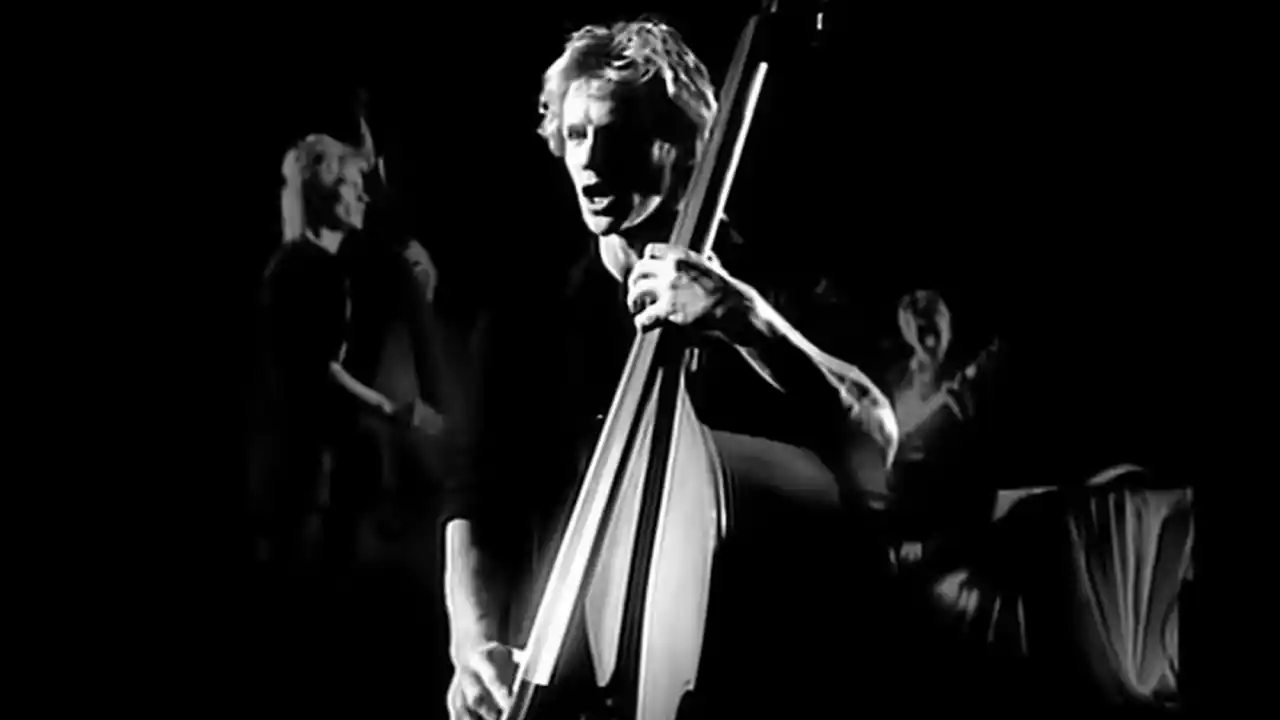
The Police, ‘Every Breath You Take’
The Police’s “Every Breath You Take” closes out Season 2 with a kind of softness that the series rarely lets its characters enjoy. Mike Wheeler and Eleven finally make it to the Snow Ball, a dance they had spent the season fighting toward, but the track undercuts the sweetness with an edge that the Duffer Brothers planted on purpose. Sting’s lyrics have always carried a possessive and unsettling tone. The choice felt like a warning dressed as a love song. It marked the end of a brief moment of peace for Hawkins and hinted that the danger from the Upside Down had not gone anywhere. The show leaned into that contrast, reminding viewers that nothing in Stranger Things stays gentle for long.
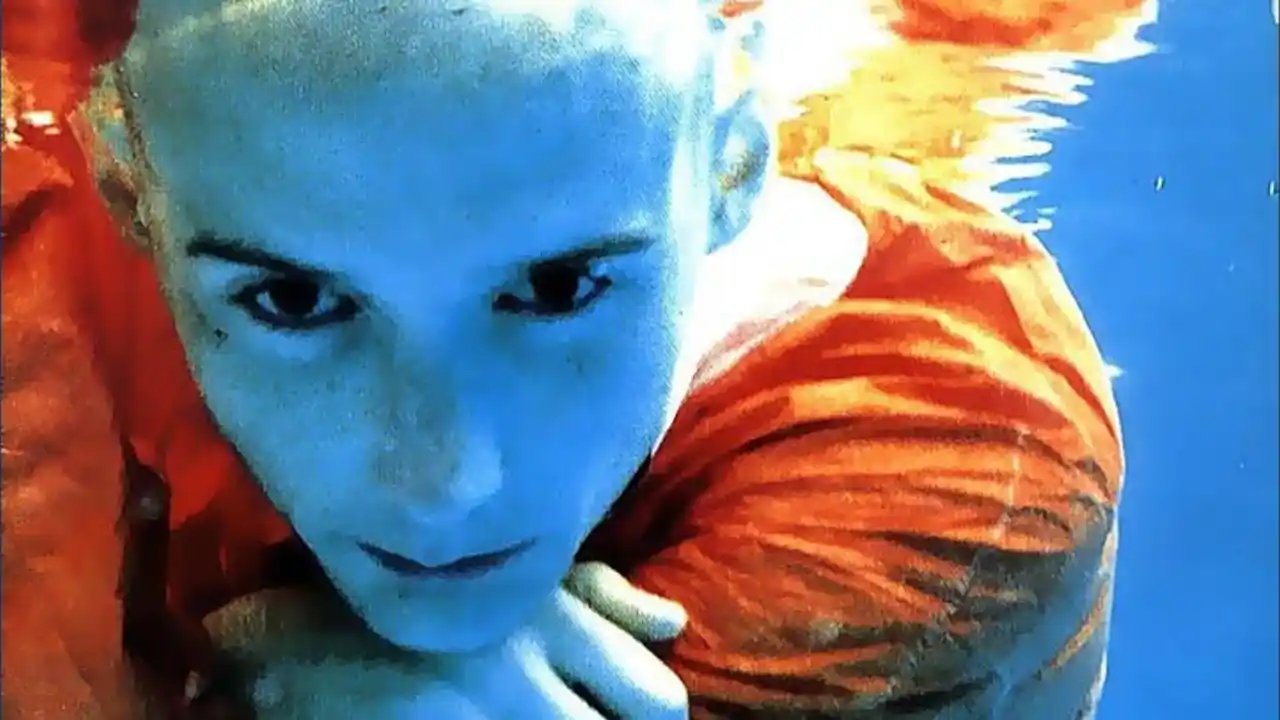
Moby, ‘When It’s Cold, I’d Like To Die’
Moby’s “When It’s Cold, I’d Like To Die” sits outside the ‘80s era of the series, but the Duffer Brothers used the track to devastating effect in the rescue scene of Season 1. Joyce Byers and Jim Hopper pull Will out of the Upside Down while the song moves under their panic and relief. The electronic swell and fragile vocals gave the moment a kind of exhausted stillness, as if the characters were holding themselves together by instinct alone. The track returned in Season 4 during one of the most crushing sequences of the show. The callback worked because the song had been burned into the emotional core of the story.
Madonna, ‘Material Girl’
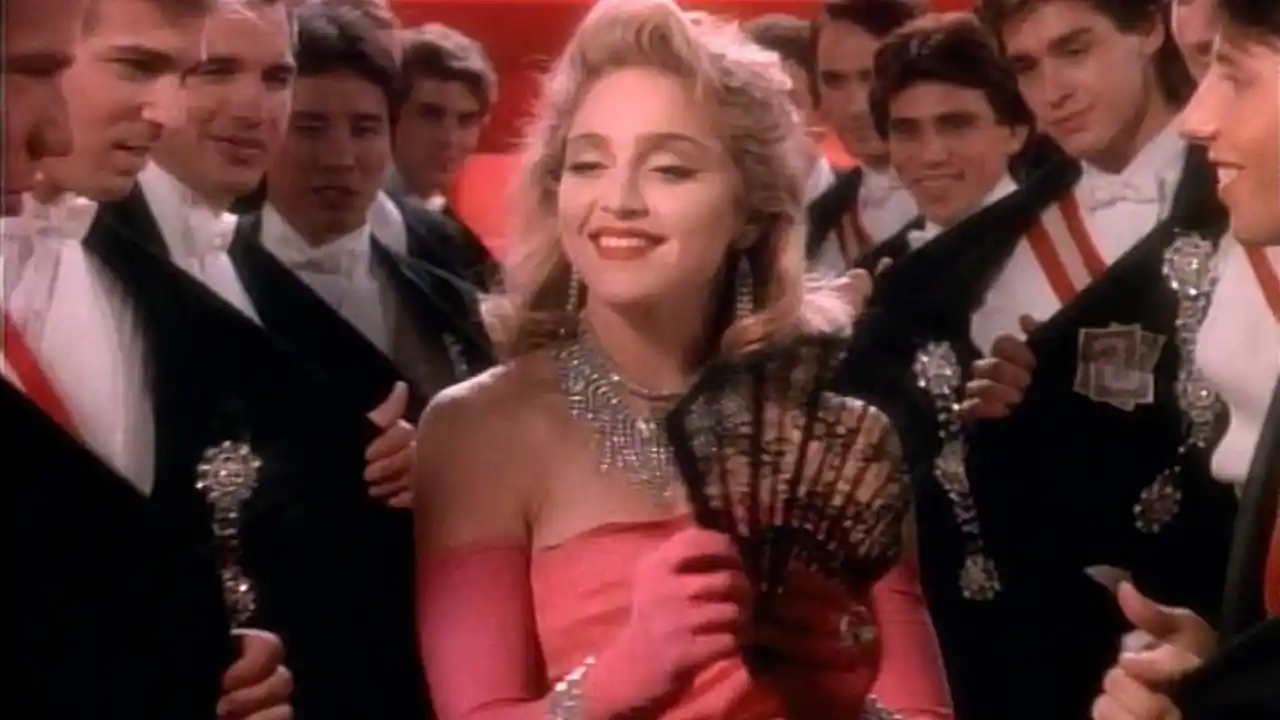
Madonna’s “Material Girl” brought a different kind of energy. In Season 3, Eleven and Max find common ground away from the constant threats and the boys who keep pulling their attention in every direction. Their mall montage plays like a break in the cycle, a moment for both characters to breathe. The track works because it fits the surface-level fun of trying on clothes and reinventing yourself in fluorescent lighting, but it also works because Stranger Things used it to show how the two girls earned their place in a story that often sidelined them. It became one of the few moments of pure release in a season that spent most of its time tightening the screws on its cast.
Metallica, ‘Master of Puppets’
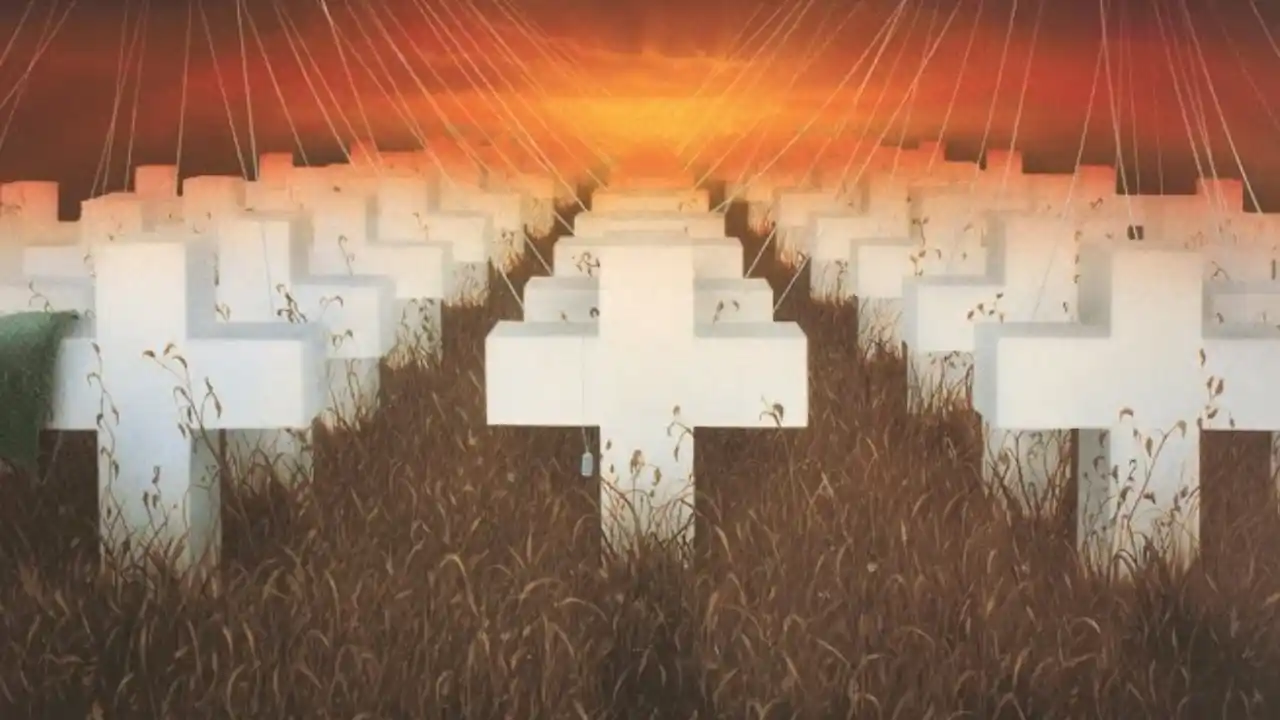
Metallica’s “Master of Puppets” took its place as one of the most memorable needle drops of the entire series. Eddie Munson had always been a character built on big gestures, noise and charm as he covered up his fear of being misunderstood. His final stand turned that personality into purpose. Playing “Master of Puppets” in the Upside Down gave the scene the intensity of a battle charge. It was loud, messy and completely in line with who Eddie was. The track had a history of its own, but Stranger Things pushed it into another generation by tying it to a moment that was both heroic and tragic. It was the kind of scene that cemented Eddie’s place in the show’s legacy, even if he did not survive it.
Kate Bush, ‘Running Up That Hill’
Kate Bush’s “Running Up That Hill” became the unexpected centerpiece of Season 4. Max had been keeping a kind of grief that Stranger Things had not fully unpacked until Vecna forced her to face it head-on. The song pulled her back from the edge. It grounded her in the small details she refused to let go of and gave her something to fight toward. Bush’s track was a standout in her catalog, but its revival through Stranger Things went beyond the nostalgia factor. The song became the show’s cultural touchstone, and listeners who were not alive when it first charted found themselves replaying it with a sense of urgency that matched Max’s situation.