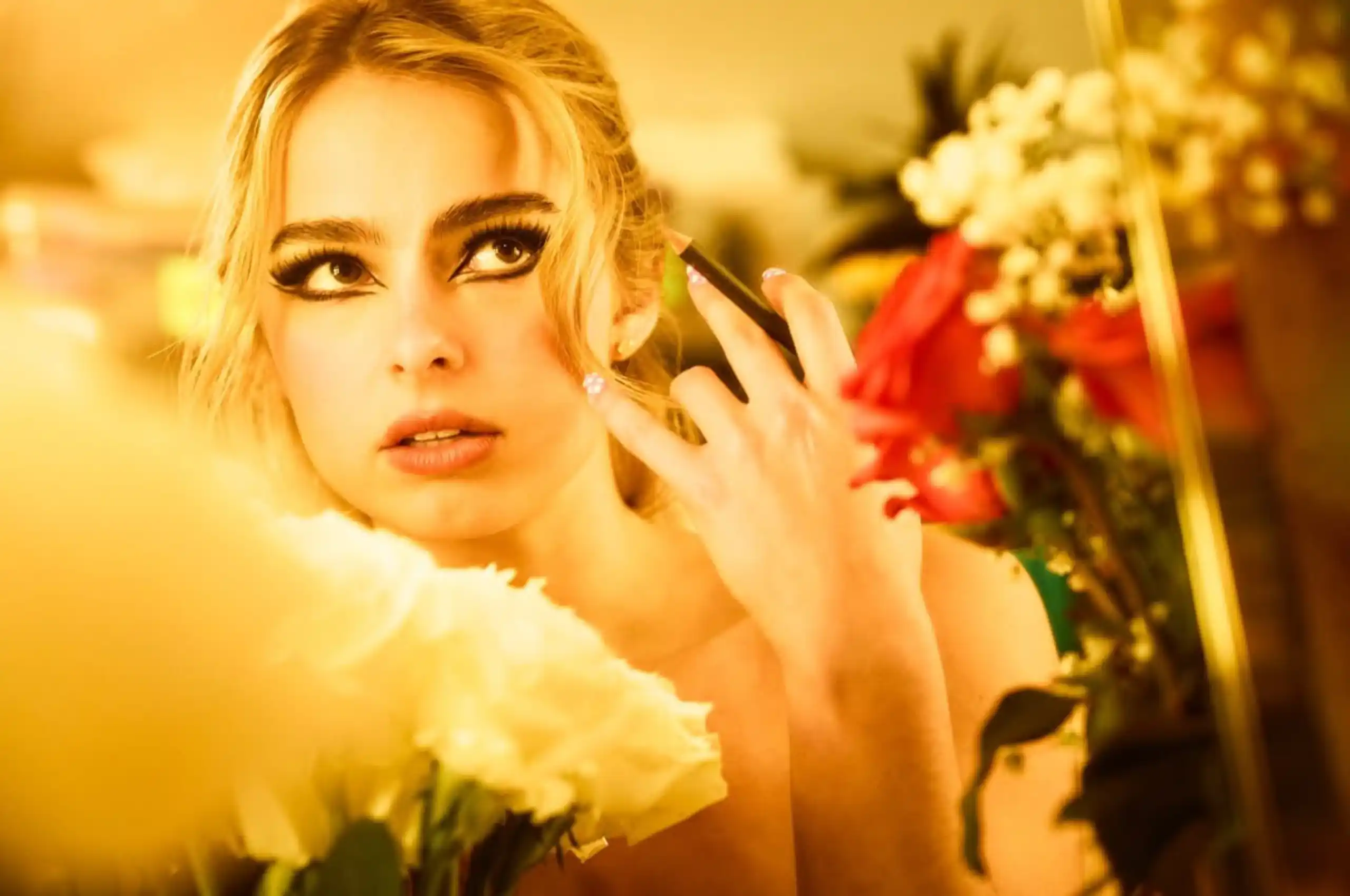
Addison Rae has caused a glitch in the influencer matrix. By treading through dreamy soundscapes and trip-hop influenced productions, her debut album Addison, debunks claims that reduce her to just a “TikTok influencer” or “TikTok dancer.” Addison has earned its stripes from pop stans and music critics alike and, in doing so, Rae has surpassed the shallow expectations set for content creators.
This isn’t a case of a social media star toying with music for vanity’s sake; this is someone who cared enough to study the form and deliver a fully realized pop project that most major-label artists can’t even land with three times the budget and double the co-writers. And it’s the kind of challenge creators in the Philippines should be paying attention to, especially those whose careers were born on the same short-form rails.
Local Influencers Should Take Note
Nianna Guerrero, AC Bonifacio, and Yanyan de Jesus have built their own digital following through dance, charm, and high-impact virality. They’ve amassed millions of followers and are recognized faces on and offline. But none of them have committed to something as artistically disruptive or culturally risky as dropping a full-length record with a point of view. Rae took it upon herself to work with boundary-pushing artists like Charli XCX and Benny Blanco, who have pushed her into left-of-center electro-pop and leaned into themes of insecurity, obsession, and sexual tension. It wasn’t built for chart manipulation. It was built for repeat plays, rewatches, and rewrites of what a pop star could be.
Sassa Gurl and Chloe San Jose — two Filipino creators who’ve dipped into music — understood the stakes. Sassa has dropped tongue-in-cheek rap tracks such as “Maria Hiwaga,” “UMA!,” and most recently, the remix of trans pinay pop singer Stef Aranas’ single “QC GURLZ REMIX” alongside. Sassa’s moments alone deliberately courted skepticism, almost daring listeners to doubt their bars before delivering them with full force. On the other hand, San Jose approaches music with a sense of purpose. Her releases have been explicitly tied to shutting down detractors and carving out space in a hypercritical online landscape, which is apparent in singles like “FR FR” and “Nonchalant.” Whether the result was perfection didn’t matter because intention remains key, and that’s where the next wave of Filipino influencers should take their cue.
It’s not enough to tease a few unreleased snippets or dance to a slowed-down track on reels. The audience, especially the younger ones, isn’t solely looking into surface-level ambition. They’re listening closely. They want intent, audacity, and evolution. Rae cracked that code with Addison — not because she sold out tour stops or topped the Billboard Hot 100, but because she made music on her own terms without using use her platform as a safety net. She risked it flopping and still dropped it anyway.
Pushing Creativity
That fear of being “cringe,” of not being taken seriously, and of failing is exactly why this next generation of creators should be pushing themselves harder. Guerrero has the charisma and international clout to pull off something massive. Bonifacio has proven time and again that she can dominate a stage, whether it’s on Dance Kids or on global screens. Yanyan, with his elastic range and unapologetic energy, could do for hyperpop or rap what Rae did for electro-pop, if he stopped leaving music as an afterthought.
The internet is littered with creators who peaked at ten million followers and fell flat trying to do anything else. But what Rae’s album proves is that longevity comes from disruption. Filipino creators need to level up — not with another dance trend or branded collab, but with a record that leaves no room for doubt.