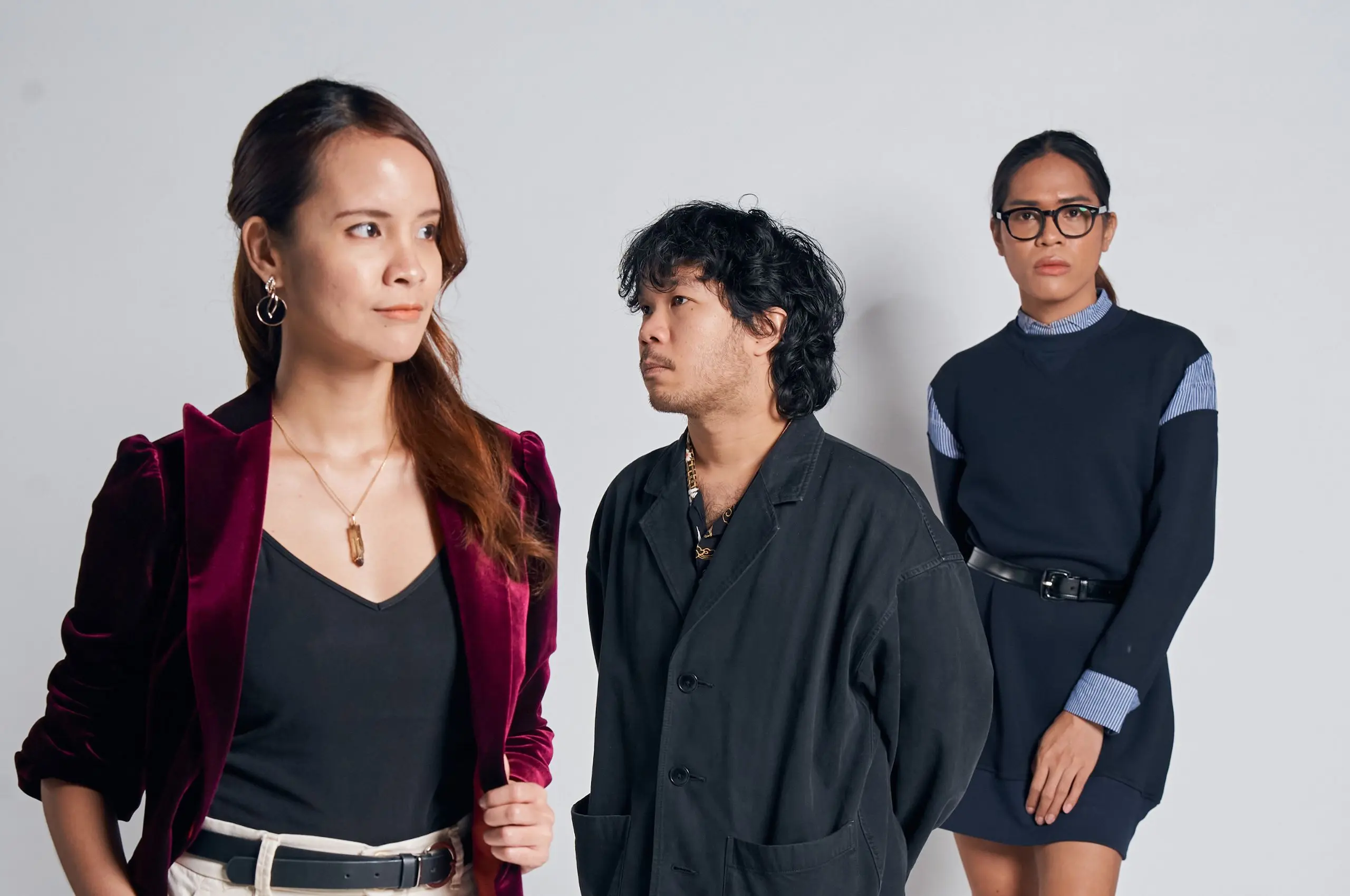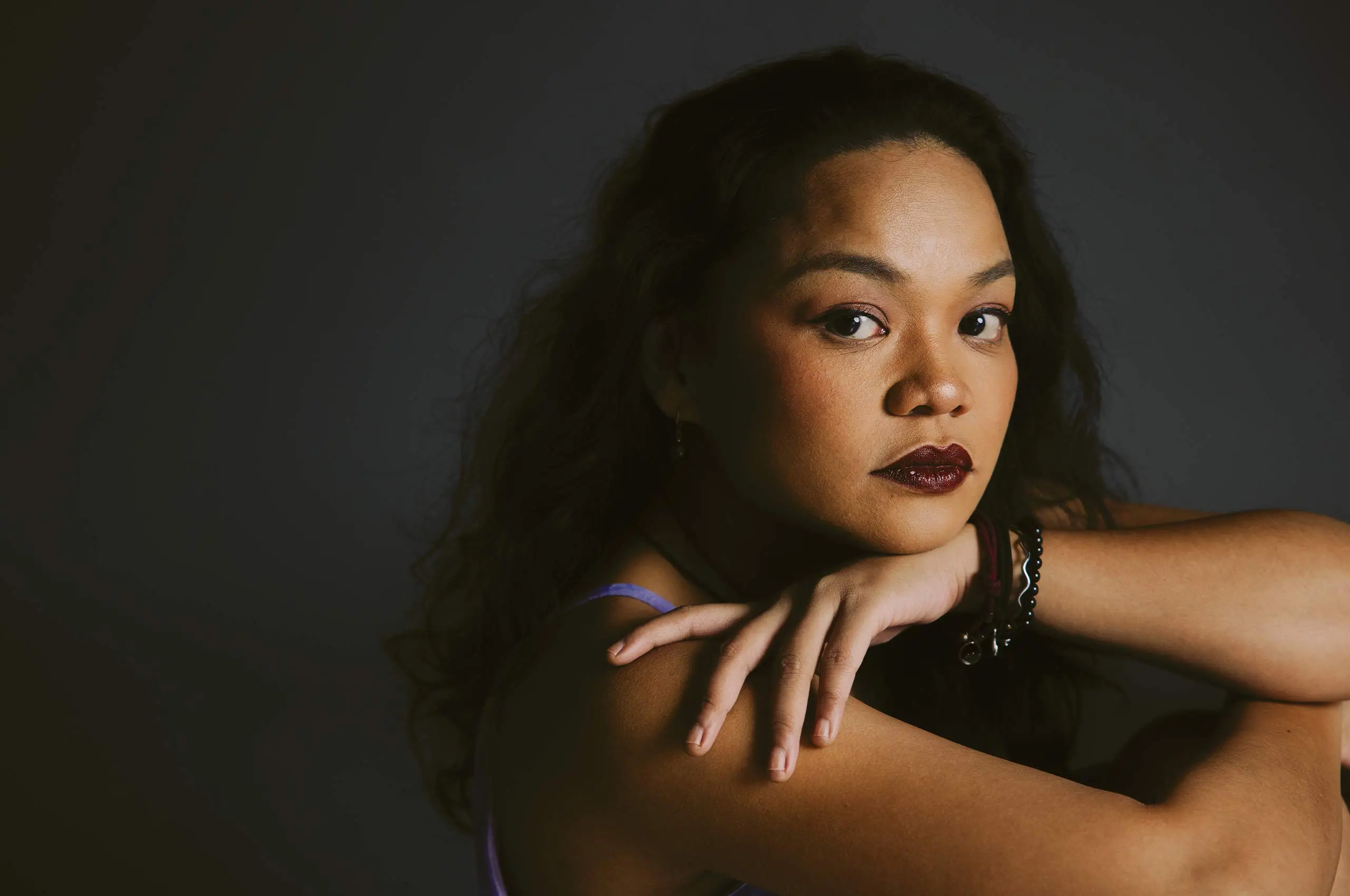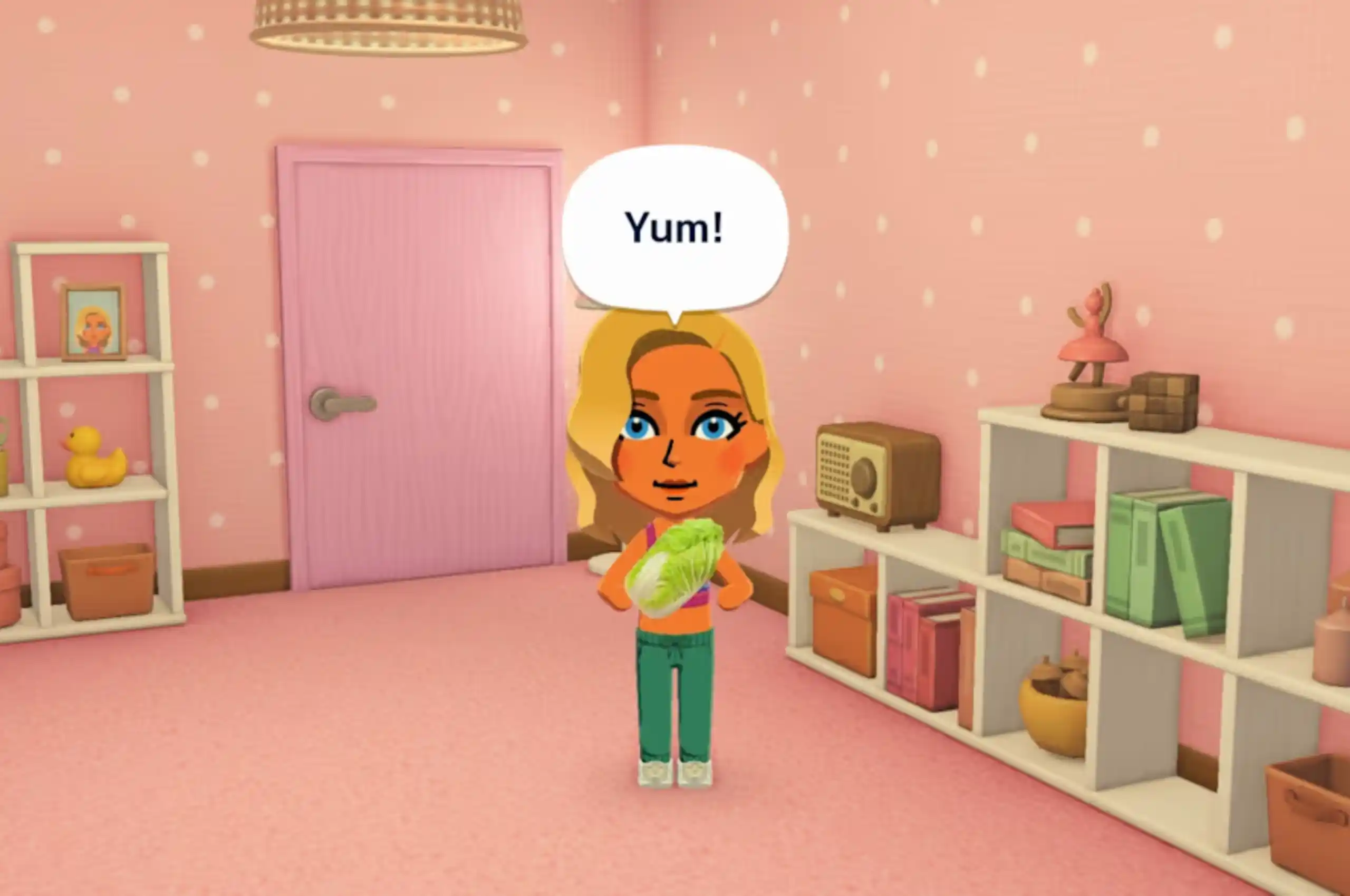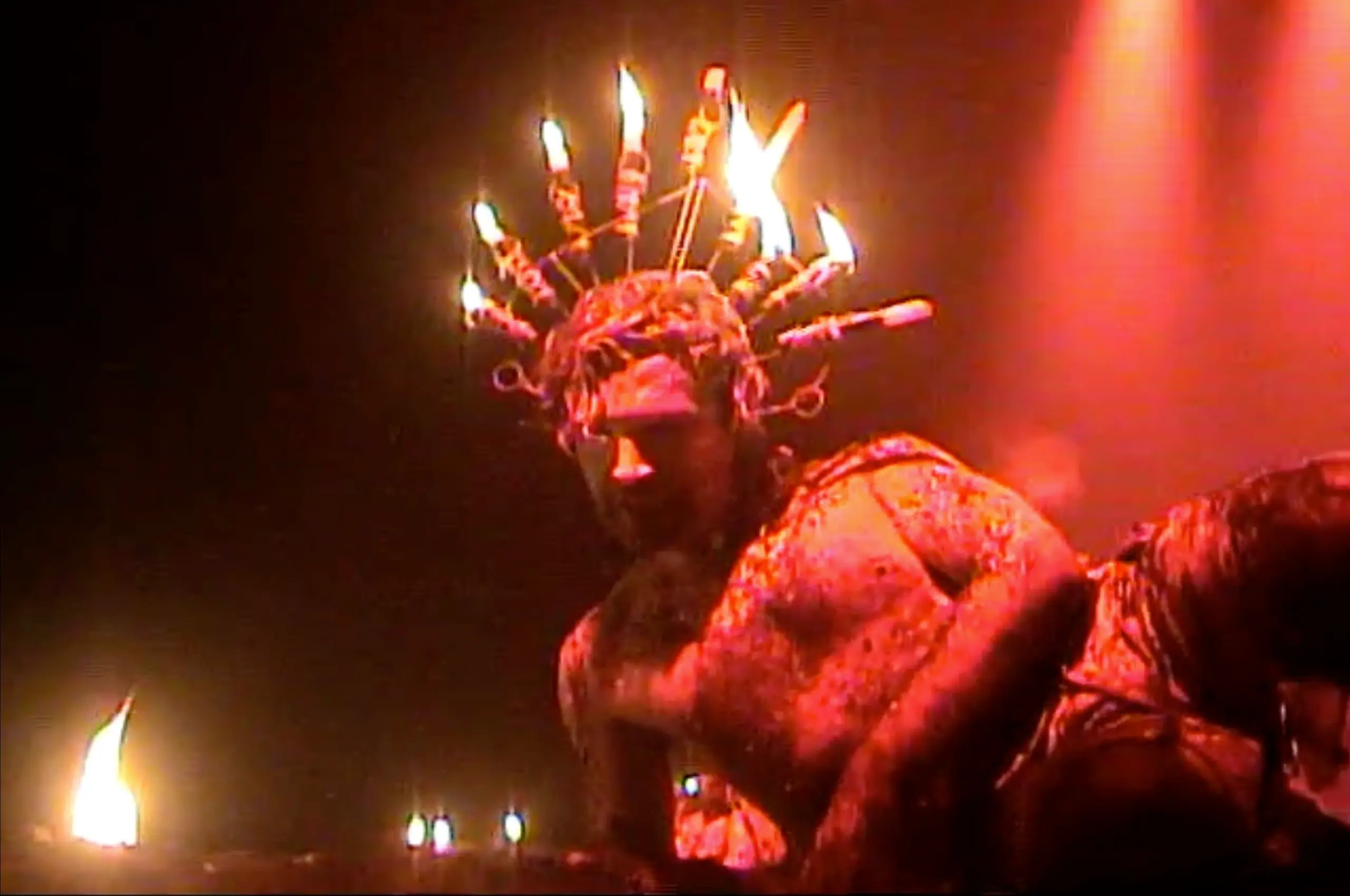
Kaput’s diverse lineup for its ninth rave event on October 4 is nothing short of a recipe for a fever dream.
To start, Apolemia, its guest collective from Brussels, is bringing two acts. First, Costa Rican-Nicarguan artist Mario Barrantes Espinoza taps into the primal energy of a seductive yet scary “spirit of the night that appears to people when they are too drunk” called “Maxhete.” In “Ornament,” Sydney-born artist Lydia McGlinchey becomes a nightlife decoration — the disco ball — in a reflection on objectification.
Add to that Brussels-based multidisciplinary artist Joshua Serafin’s new performance work that centers on their family history. Then, there’s transfeminine multidisciplinary artist Bunny Cadag, who “ruminates on the trans body as a sanctuary of feminine predicament and queer remembrance” with a performance that involves singing and sewing. There are DJ sets, of course. On top of that, tunes by saxophonist Roxy Modesto.
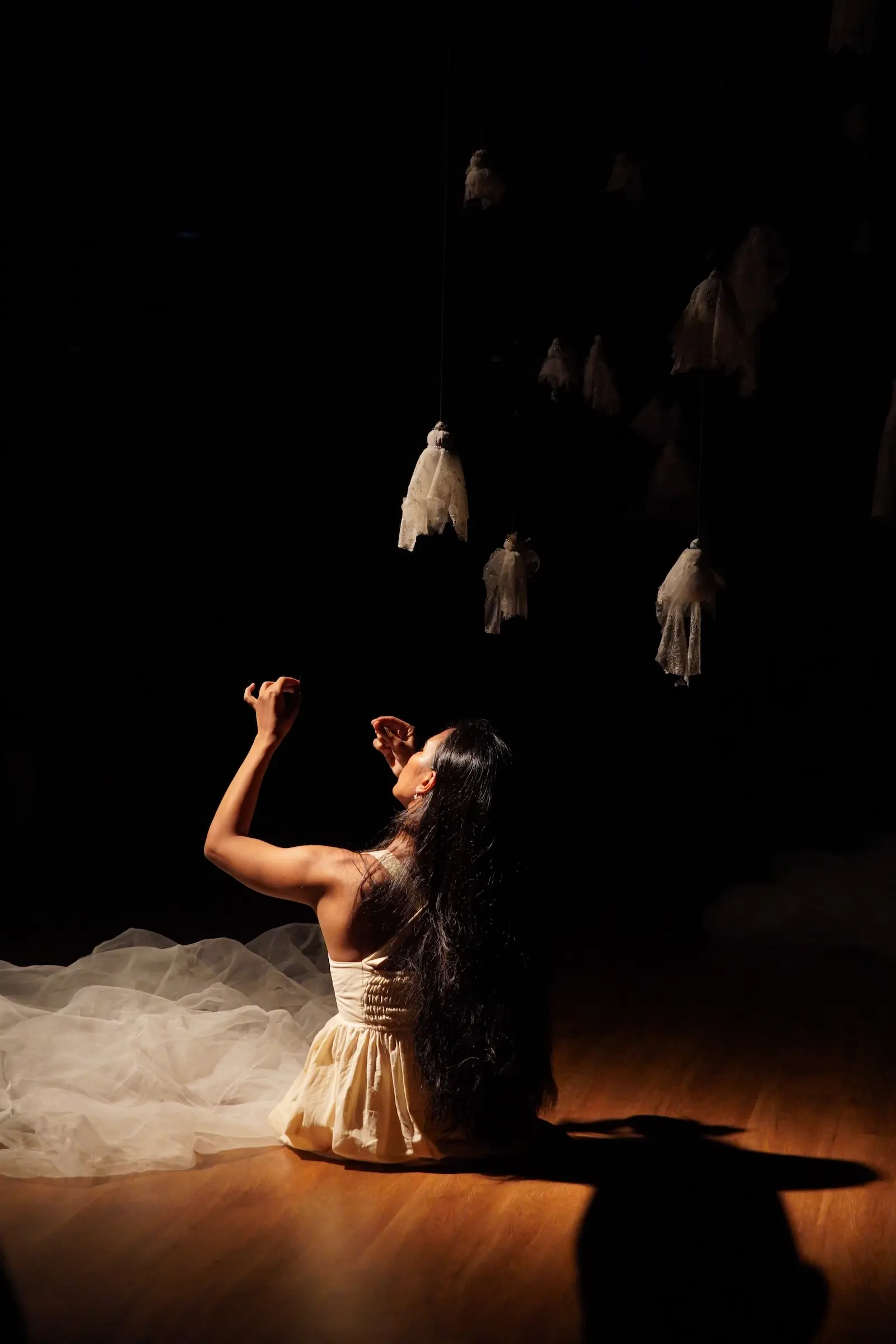
Imagining all this in the setting of a rave paints a picture of a frenzy within a delirium. There seems to be so much going on in this edition of Kaput. And it’s all apt. After all, it’s inspired by the theatrical traditions of sarswela, the indigenized version of the Spanish lyric-dramatic genre zarzuela, which combines musical numbers, spoken dialogue, elements of dance, and live music.
“Art has been vital in Kaput since the start and not an afterthought or a special showcase; it is the program.”
Dubbed “New Dreams, Old Horrors,” this is the first time the independently produced queer rave is staging live performance work since its inception in 2022.
“[It’s] a play in the sense that is not restricted to theater-making, [it’s] playfulness that brings different talents across disciplines in a rave setting,” trans-disciplinary artist and Kaput founder Derek Tumala says.
The seed for this edition of Kaput germinated when Serafin, who is based in Brussels proposed a rave that will coincide and juxtapose with the Cultural Center of the Philippines Thirteen Artists Award, which they and Tumala are part of.
“[It’s] a sort of celebration for us, [but] also maybe a form of resisting the norms of cultural programming,” Tumala says. “We want to show that the rave is a format where we can explore artistic programming.”
This rumination on programming and format is what also led to the birth of Apolemia in 2024. Created by Espinoza and McGlinchey alongside performance arts producer/writer Martín Zícari, and producer/DJ Pierre Bayet, Apolemia emerged from their yearning to gather and create beyond the confines of institutions.
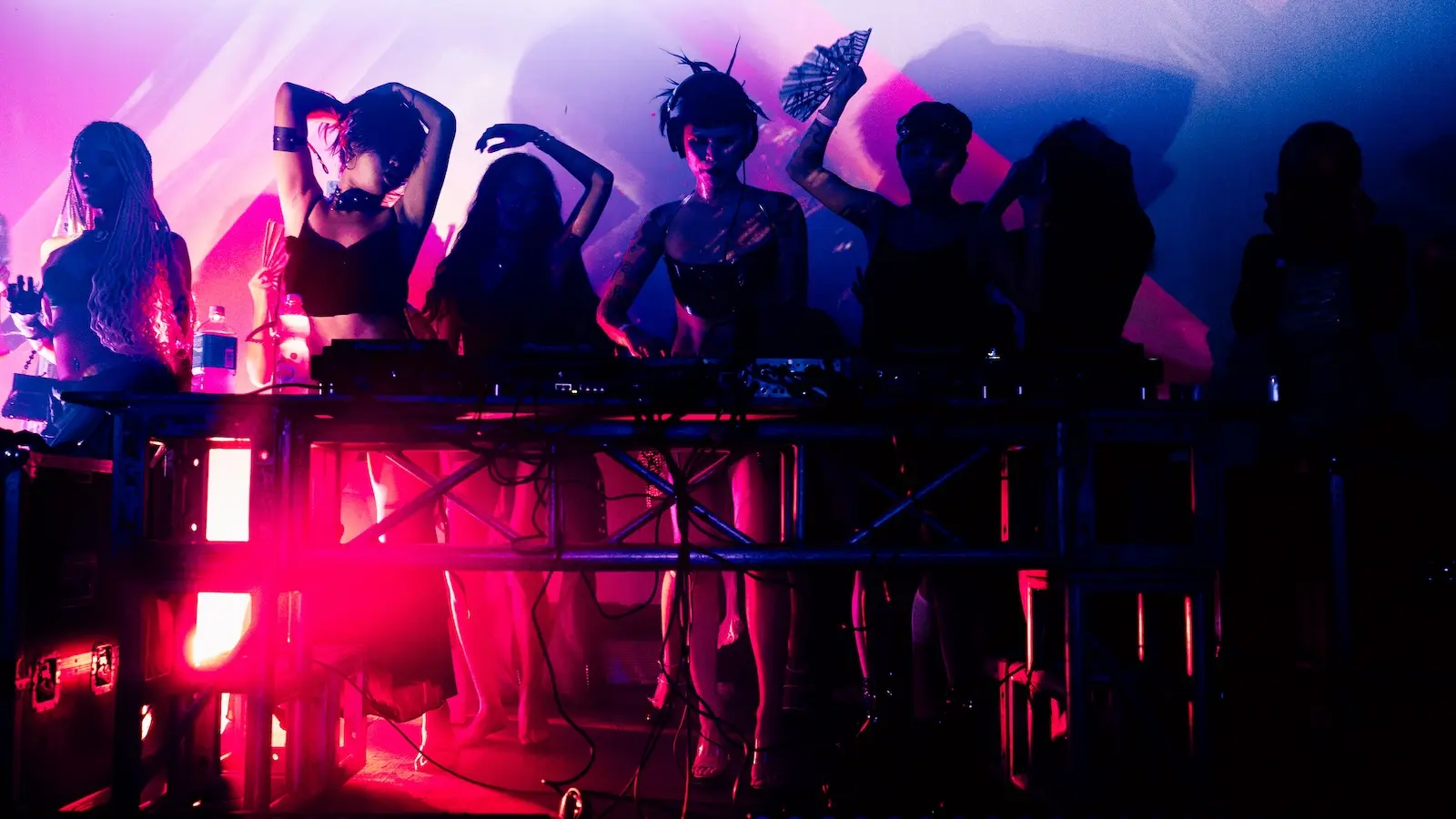
“[Growing up in Latin America], partying and celebrating are such an integral part of life; anything is an excuse to gather and socialize, and I think that’s very present in what I do,” Espinoza says.
“In Belgium, theaters stopped feeling like spaces for real social exchange, and started feeling more like buildings keeping a dead memory of community, holding art like a distant, almost ‘sacred’ object to look at.” The artist adds, “Apolemia grew out of the desire to invent a space where gathering, exchange, and performance could happen differently, embracing chaos, spontaneity, disorder, dirt.”
It’s also a response to the rigid processes within institutions. “For us, as artists who also work within institutional contexts, nightlife opens up the possibility of a different relationship with audiences,” McGlinchey adds. “Parties, with their social intensity and openness, create the conditions for connection in ways that can feel more personal and immediate than that of the theater.”
Kaput also operates on this desire to weave art into a much more intimate format.
“As an artist, my impulse is always to create an experience, rather than just have something to look at,” Tumala says. “Art has been vital in Kaput since the start and not an afterthought or a special showcase; it is the program.”
Read the rest of the story in the Arts and Culture issue of Rolling Stone Philippines. Get a copy on Sari-Sari Shopping, or read the e-magazine now here.