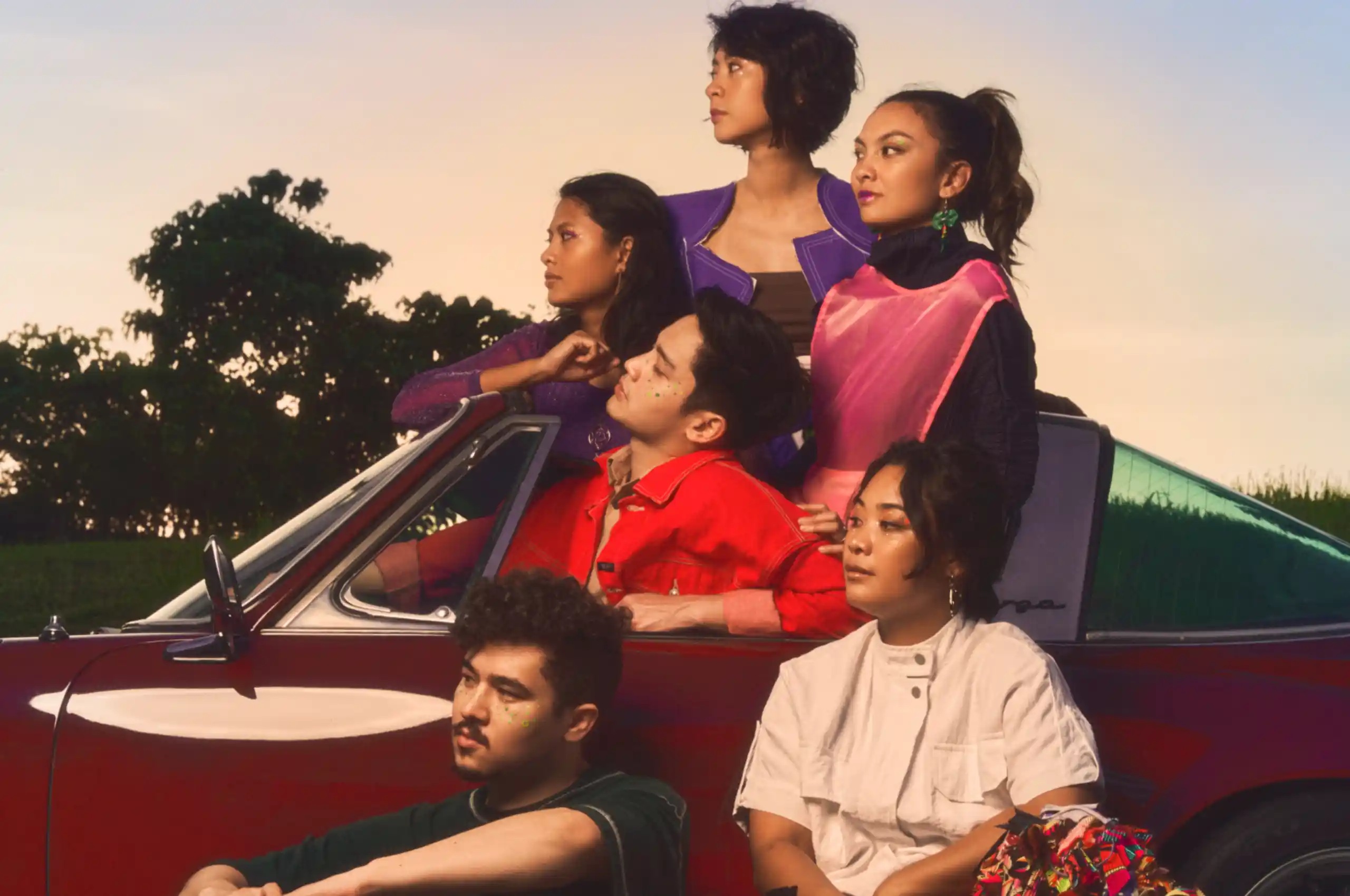
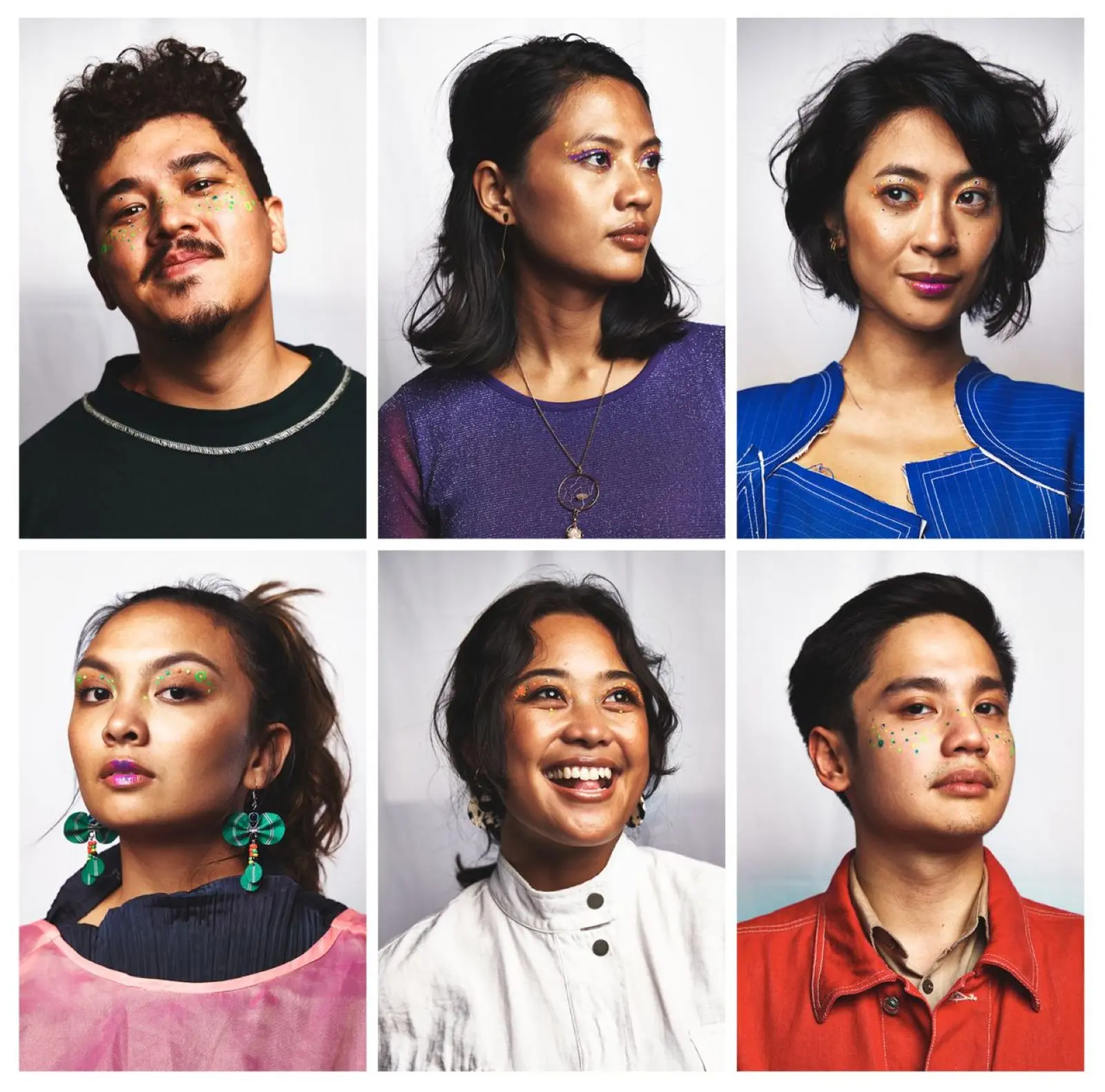
The Ransom Collective reunites whenever the time is right, not for an annual album celebration or a major concert, but simply to relive the memories they have made together. Formed in 2013, they started out as a group of college kids drawn to the indie-folk sound that defined much of their youth. The band consists of vocalist Kian Ransom, violinist Muriel Gonzales, keyboardist Lily Gonzales, drummer Redd Claudio, bassist Leah Halili, and percussionist Jermaine Choa Peck. While most of them have released solo music at this point, their goal has always been the same: meeting again, making music together, playing live, and eventually reflecting on what the past decade has looked like for each of them. That reflection now includes marriage, day jobs, and the question of what comes next for a band growing older alongside a scene that moves faster every year.
When they released their debut album Traces in 2017, much of the material came from a period when they were hiking. The band spent that time traveling across the country while also navigating different phases of their lives. In hindsight, those songs captured a moment when the group was still figuring out adulthood together. Since then, several members have pursued solo work, particularly Peck, Halili, and the Gonzales sisters.
Their latest single, “Tongue Tied,” was written in 2019, shelved during the pandemic, and revisited with new additions afterward. The song now acts as a time capsule of what life looked like for them before the world stopped. As the lyric goes, “You came along,” the back-and-forth vocal melodies between Ransom and Gonzales return alongside violins and xylophone lines that once defined the band’s earlier sound. The result feels like a bridge between two timelines: the travel-log spirit of their early years, when hiking trips and shared adventures shaped their songwriting, and a more reflective phase that highlights sparse arrangements and careful observation. “The chemistry of being together in the moment feels like it’s the same,” Gonzales tells Rolling Stone Philippines. “What’s nice is, despite all the things we’re trying to figure out as older adults, and having different lives compared to before, parang when we come together, it feels like old times pa rin.”
Looking Back
For the band, the years apart did not function as a break from the project so much as a detour that finds itself back on track. Each member’s solo work and personal milestones gradually altered the way they approach arrangements, songwriting, and collaboration. When they meet again in the same room, those separate experiences become part of the conversation inside the music.
“Parang nag-side quest ka lang para once nag-come together ka ulit with everyone parang ‘eto yung mga kwento ko, eto yung mga pinagdaanan ko, eto ‘yung nangyari sa akin,’” Peck says. “Nung nagrelease ako ng [solo music] tas nung bumalik kami as a band, ang dami ko rin natutunan musically o mas confident ako about myself in sharing ideas or sharing what I can offer to the people around me.
That period shaped the band’s identity early on. The songs from their debut album Traces, which housed the crowd favorites “Settled,” “Tides,” and “Something Better,” were written in the middle of those experiences. Now, the band has fewer eyes on them compared to when their momentum skyrocketed in 2014 with their self-titled EP. They’re more comfortable and unafraid to offer newer ideas in songs today than ever before. The band is coming out of their comfort zones, combining different genres in newer releases such as bossa nova and jazz.
“A lot of the songs that we wrote in Traces, the album, were about our lives during college. Like, we would go on adventures together. As in, we literally go on hikes together,” Peck says. “Parang pinagusapan namin [recently] na ‘Luh, ganon parin ba tayo hanggang ngayon? Or ‘Wala na bang pagka-adventure spirit [natin]?’ but then [my bandmates] were like ‘No, we’re still the same actually.’ Like, a lot of the songs that we wrote then, we can still resonate a lot with now. We’re still the same, but mas may wisdom.”
Folk as a Human Genre
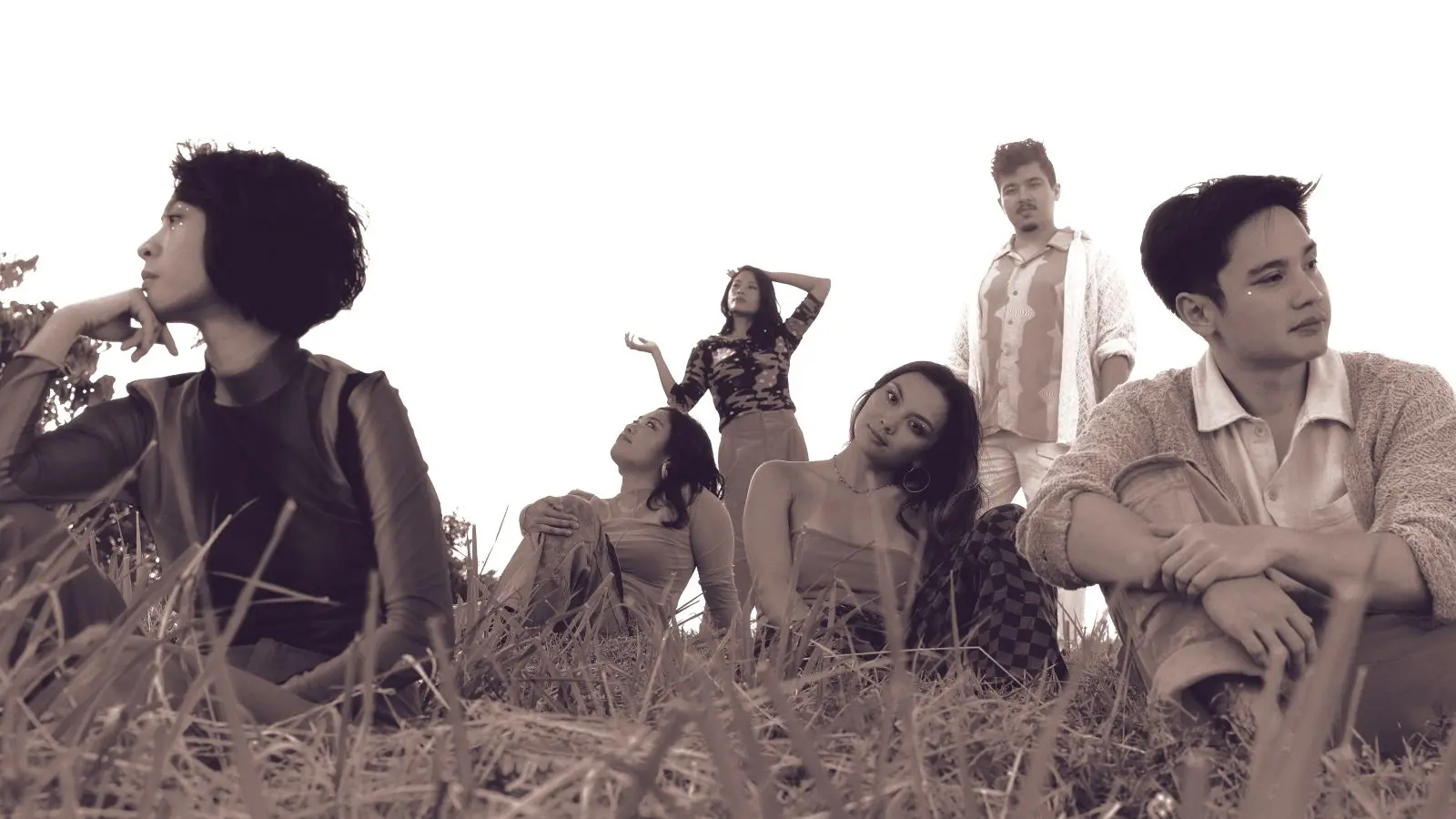
The band recognizes that the moment that once carried indie folk into the mainstream has largely passed. The early 2010s saw a wave of artists whose music leaned on acoustic instruments, tight harmonies, and the shared language of folk revival, such as Ben&Ben, Coeli, The SunManager, and Johnoy Danao, to name a few.
“Indie folk as a genre is really connected. The way 80s music is 80s music, indie folk is kind of like, at least for me, it’s like, that’s 2010s,” Ransom says. “That’s a genre that lives in that era. And you can kind of hear music kind of shifting away from it.”
That particular subgenre of music eventually gave way to other currents in pop and indie music, leaving bands like The Ransom Collective in an interesting position: part of a scene tied to a specific time, but still continuing to write and perform within it. For the band, that distinction still matters. The way their songs take shape depends on bodies in the room: a violin line adjusting to a vocal phrase, percussion responding to the rhythm of a chorus, harmonies settling into place through repetition. The music grows out of interaction rather than software presets, which is why the band continues to return to that process whenever they reunite.
“Indie music is now this generic, happy-go-lucky kind of vibe and sound. But I think it’s also interesting, especially with AI affecting music and creation, and a lot of songs moving to electronic [music]. I think that what I find special about not just indie music, but our genre is that it’s very acoustic. You need real instruments. There’s a violin. That’s a synth, so on and so forth.”
In the end, The Ransom Collective may come and go depending on where life leads them, but every reunion carries the same purpose: to pick up the instruments again and see what stories remain worth telling.
“Sometimes we forget how much the music means to people until we see fans saying they’ve waited years to see us again,” Ransom says. “That connection reminds us why we keep doing this.”