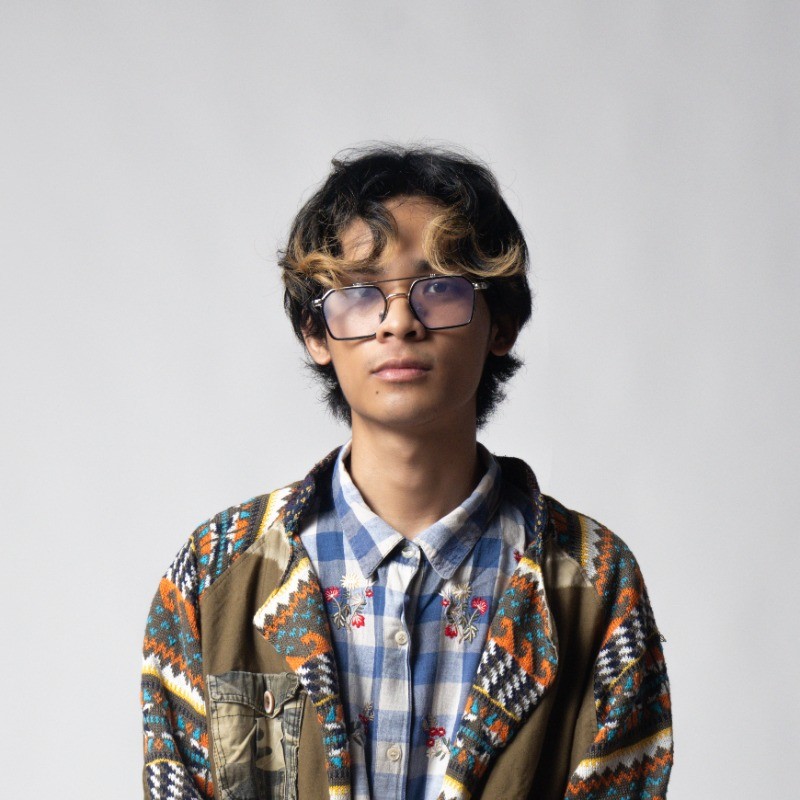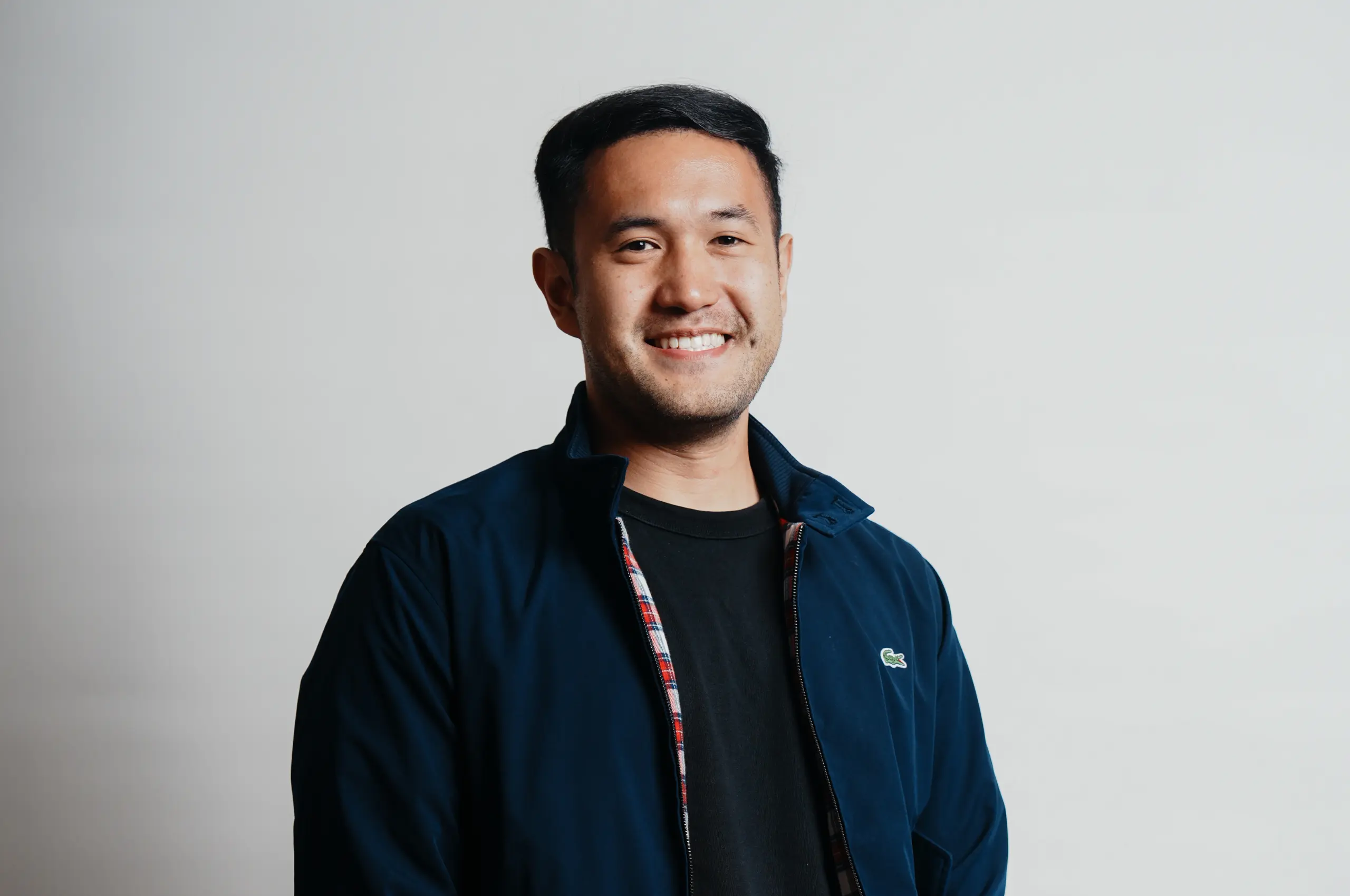


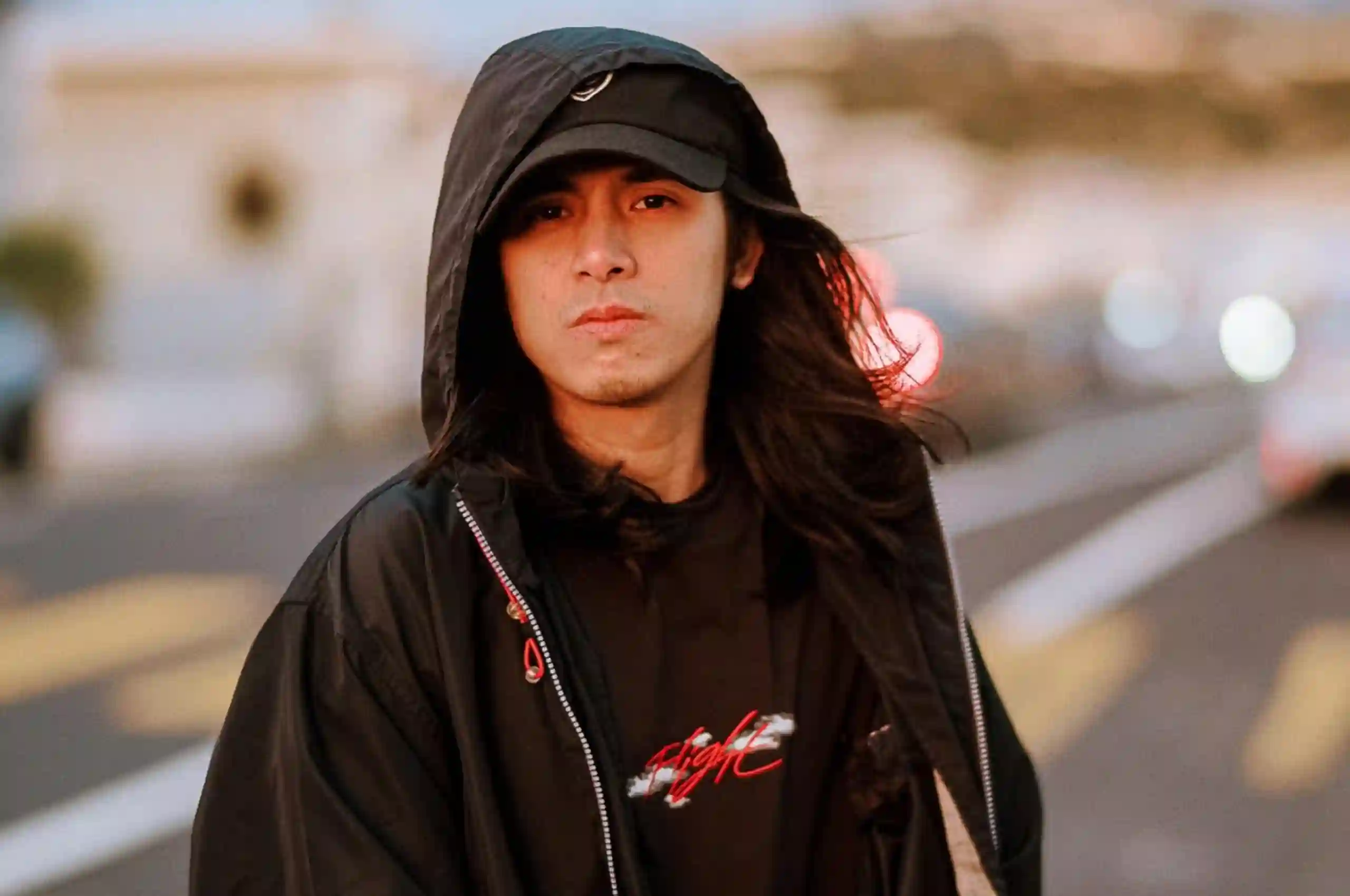
Rapper Abra hasn’t released new music in a year. His last album came out more than a decade ago. And yet, his 2013 socio-political hit “Ilusyon” made a comeback in recent weeks, amidst the flood control corruption.
For nearly three weeks in August, the National Capital Region bore extreme monsoon rains that caused flash flooding in the most vulnerable of areas. The constant flooding and lack of progress has been largely seen as the result of billions of pesos in public funds lost to hundreds of non-existent “ghost projects” and substandard flood control projects. The scandal sparked Senate probes, mass protests, and widespread public anger over the government’s failure to protect its citizens. Abra’s “Ilusyon” became the perfect soundtrackSoundtrackThe music that accompanies a film, series, or game, including original scores and licensed songs. A good soundtrack sets the mood and can become a hit on its own, turningGo to Soundtrack Glossary for the righteous anger so many Filipinos are experiencing today.
Rolling Stone Philippines reached out to Abra, known for other Filipino hip-hopHip-HopA culture and genre built on rap, DJing, breakdancing, and graffiti, born in New York in the 1970s. Filipino hip-hop has grown into a powerful voice, with artists rapping inGo to Hip-Hop Glossary hits such as “Diwata,” “Gayuma,” and “Cerberus,” to talk about why “Ilusyon” still resonates today, why hip-hop is an effective tool to address social issues, and how artists and listeners can be compromised when consuming and creating art.
Can you take us through those days when “Ilusyon” was shared and played during the heavy rains and flooding? What did you take from that, and why do you think it sort of resonated again today?
I think social media helps, kahit it being a double-edged sword. There’s more awareness now, and people can share their opinions more openly. People get more access to it and it doesn’t have to just come from the big guys. It’s about time that they saw it, a little bit too late now, but at least from here, I just hope that we do not fall back into the trap where people are just like “The illusion that everything is in bliss, everything is just fine.”
What would you tell politicians now 13 years since that song first came out?
The flood control in “Ilusyon” is just one of the checklists that [these politicians] have to check out. Honestly, I think we need to change the usual name [because] the usual people take the seats. The familiar names take the seats. This is where we ended up, in my opinion. You can’t blame [the people] kasi mahirap na naman when you get flashed with all these ads and then they’re gonna trap you into poverty so that they can buy you just as easily. It’s nice to see that people are slowly waking up. People have a sense of awareness and unity and are trying to make this country better for everyone.
What makes hip-hopHip-HopA culture and genre built on rap, DJing, breakdancing, and graffiti, born in New York in the 1970s. Filipino hip-hop has grown into a powerful voice, with artists rapping inGo to Hip-Hop Glossary the best platform to speak on social issues?
Hip-hopHip-HopA culture and genre built on rap, DJing, breakdancing, and graffiti, born in New York in the 1970s. Filipino hip-hop has grown into a powerful voice, with artists rapping inGo to Hip-Hop Glossary has always been political and social. Being that it’s the art that comes from the streets, it gives a voice to the people who can’t speak out or don’t have enough of a following to be heard. It gives them a fighting chance in all this noise. So you just come up with the right music, rhyme, rhythm, timing, topics, and just come from the heart. I think that’s the most important because now I think people are going to capitalize on it. So there’s going to be a blur on who’s really into it for change or into the trend. If we can change the way things are for the Philippines and for the better, then go on and make those political songs.
“[Rap] is like the modern-day Umalohokan, speaker of the village saying the news, not coming from the rulers, but coming from the people.”
Hip-hopHip-HopA culture and genre built on rap, DJing, breakdancing, and graffiti, born in New York in the 1970s. Filipino hip-hop has grown into a powerful voice, with artists rapping inGo to Hip-Hop Glossary is bigger than ever. Do you feel you have a responsibility to tackle the issues now more than ever?
I think every artist has their responsibility and art is the best way to get the message through. Sometimes the message can be harsh and hard to hear, or it can be complex. Rap is a good way because in rap, you can say more things. You have more space in the verse to say what you want, and you can do three hooks. If you want to use it for changing the wrong things in society or pointing out the wrongs of society, sobrang ganda niyang tool. You don’t have to hold back. I just like how rap and poetry is like the modern-day Balagtasan. This is like the modern-day Umalohokan, speaker of the village saying the news, not coming from the rulers, but coming from the people.
How do you see the hip-hopHip-HopA culture and genre built on rap, DJing, breakdancing, and graffiti, born in New York in the 1970s. Filipino hip-hop has grown into a powerful voice, with artists rapping inGo to Hip-Hop Glossary scene evolving from here? And how does the political or cultural landscape now compare to when “Ilusyon” first dropped?
I think in terms of the hip-hopHip-HopA culture and genre built on rap, DJing, breakdancing, and graffiti, born in New York in the 1970s. Filipino hip-hop has grown into a powerful voice, with artists rapping inGo to Hip-Hop Glossary landscape, there’s still room for more growth. I mean, it’s really big right now, like everyone’s rapping. Hip-hop is so big compared to more than a decade ago. It was like there were only a few, and it was still a mystery. And they still don’t know what it really was for or what’s really the hidden gems in the culture. It’s not so hard for them as it was for us. The challenge is how do you get the attention going and not lose it?
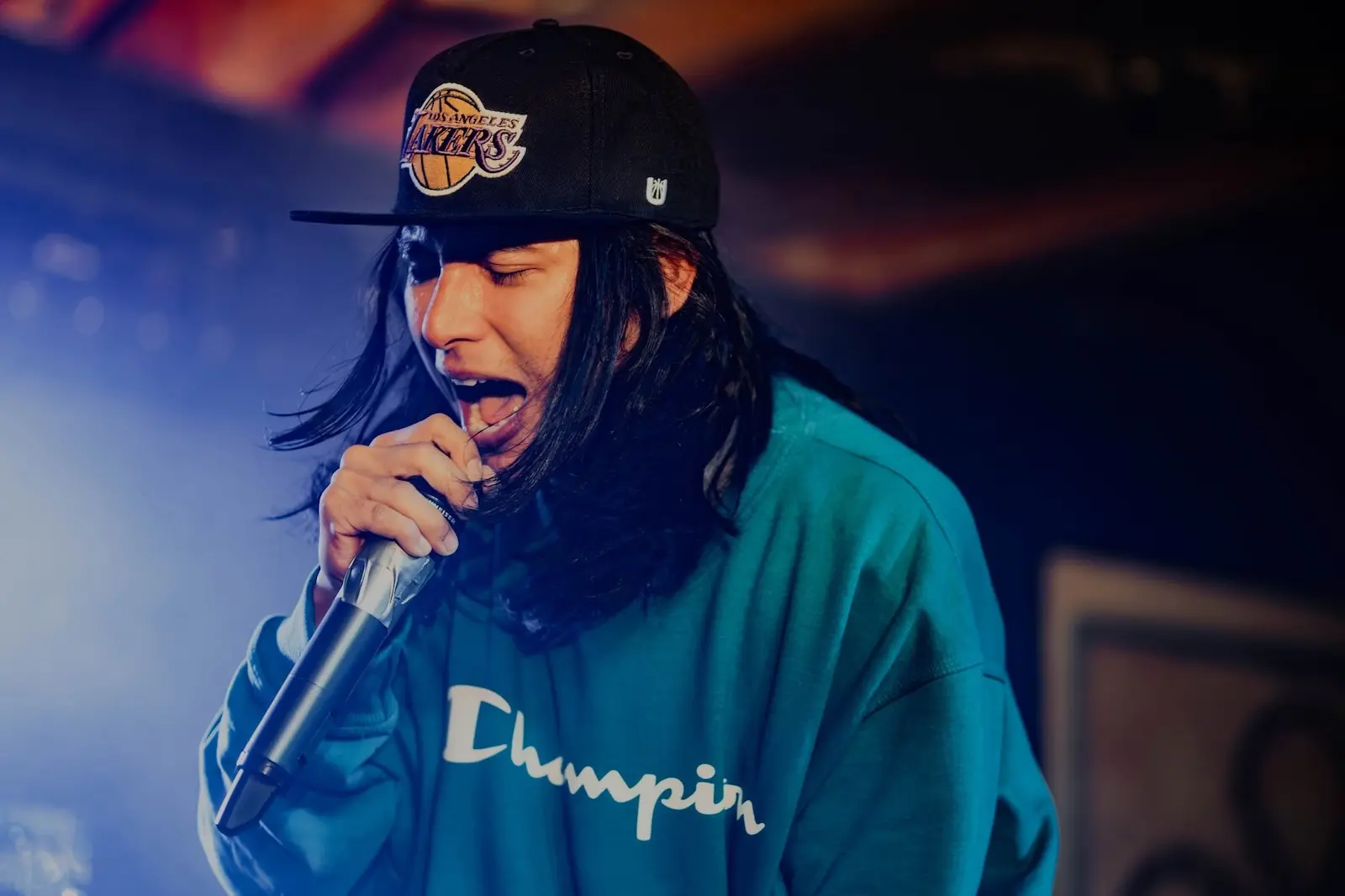
Do you see more of your peers speaking up now? What would you like to see in the industry today when it comes to representation and tackling important issues?
I think artists should have the freedom to do what they want because you can’t really force it upon them, because they have to feed their families, they have to get by. So there’s factors to consider in this. But for me, I’m blessed that I have the freedom to not give a fuck and not compromise. So, I hope people can draw inspiration from that because if the compromise is the trap, we have to break free from it slowly but surely.
I don’t want to be biased, but I think art is probably on top when it comes to being one of the best ways to change the perception of the people because when they love the art and the message that comes with it, you don’t gotta force it into their throats every day, or you don’t gotta force them. They just consume it willingly and they enjoy it, so they get the message along with it. Give a good track for the people, but find the balance in giving some essence into your art and into the time and effort that you put into your craft, because at the end of the day, if you’re sharing it with people, might as well share it in a way that uplifts them or opens their minds.
Frequently Asked Questions
“Ilusyon” was released in 2013, a collaboration between Abra and Arci Muñoz.
Abra’s greatest hits include “Diwata,” “Gayuma,” “Cerberus,” to name just a few.
Abra starred in Respeto, playing an aspiring battle rapper Hendrix, and that the film tackled social issues and the country’s history.
Abra released Hendrix EP in 2018 as a concept EP where he performs his character Hendrix.
Abra released “Kontrol,” produced by DJ Medmessiah of Morobeats, in January 2025.
Recommended Video