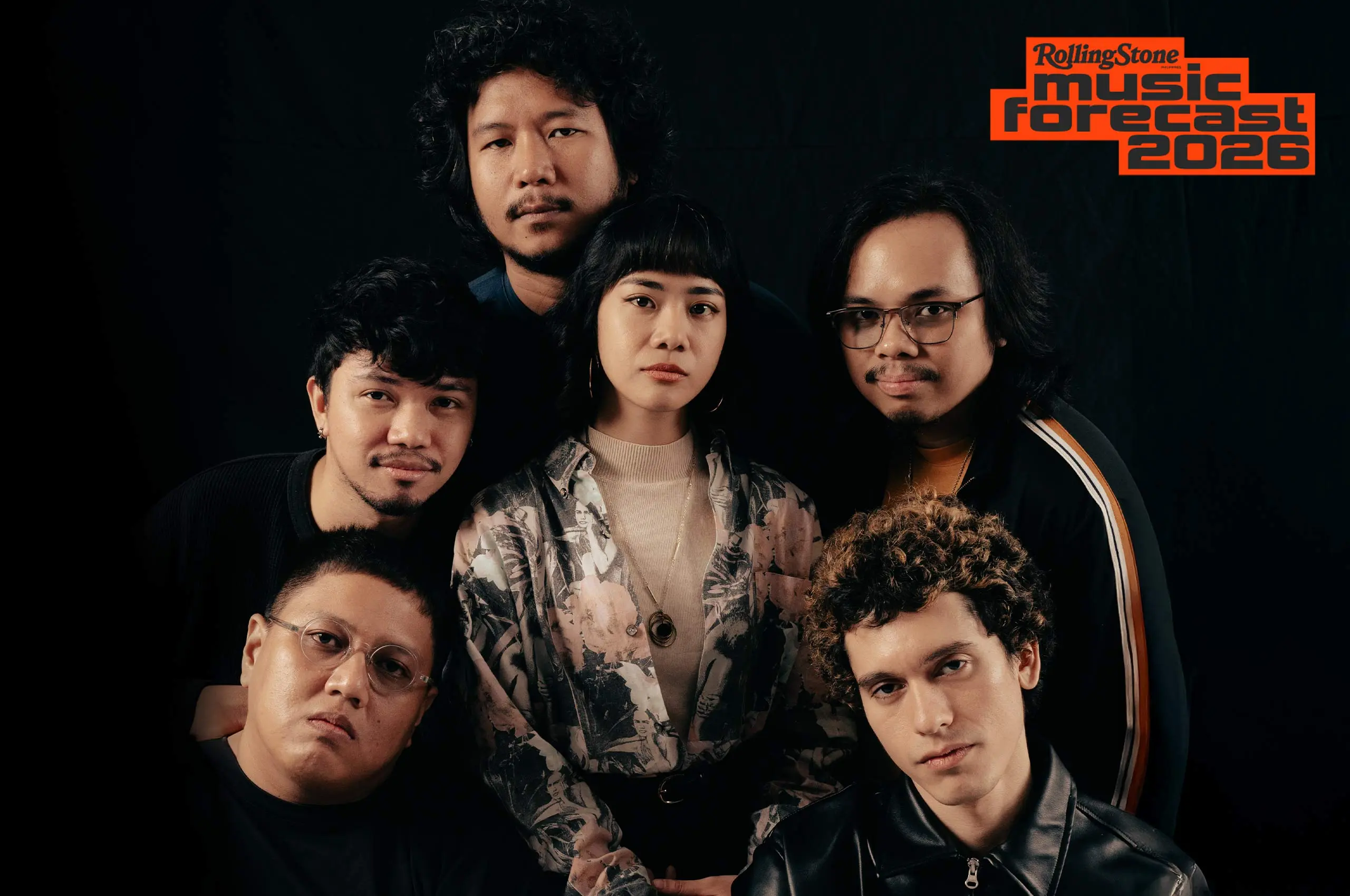
Project Yazz is a jazz band that thrives on experimentation, constantly testing ideas and situations simply because they can, within their small circle of musicians in Tago Bar, a jazz cafe located in Main Avenue, Cubao, Quezon City. But like the genre itself, the deeper story is in the details. Bergan Nuñez and vocalist Faye Yupano, the project set out to make the kind of music they loved feel more accessible, especially for Filipino listeners who often hear jazz as distant or overly academic. The early goal was straightforward: strip things down, focus on bass and voice, and let the songs breathe. Tracks like “Haraya” swiftly moves between frantic drum patterns to smooth organ parts and “Yamot/Ennui” has harmonizing brass and bass parts that doesn’t lose its groove.
As years pass, the band’s shape and sound continued to evolve. Project Yazz was never meant to be fixed in terms of membership. Players rotated in and out, sometimes out of necessity, sometimes by chance. Drummer Jacques Dufort eventually joined, followed by keyboardist Lui Tan, trumpeter Gab Lazaro, and guitarist Kenneth Castillo. Castillo’s background leaned more toward rock and metal, a contrast that helped push the group beyond traditional jazz expectations, echoing the genre’s own history of bending the rules.
All That Jazz
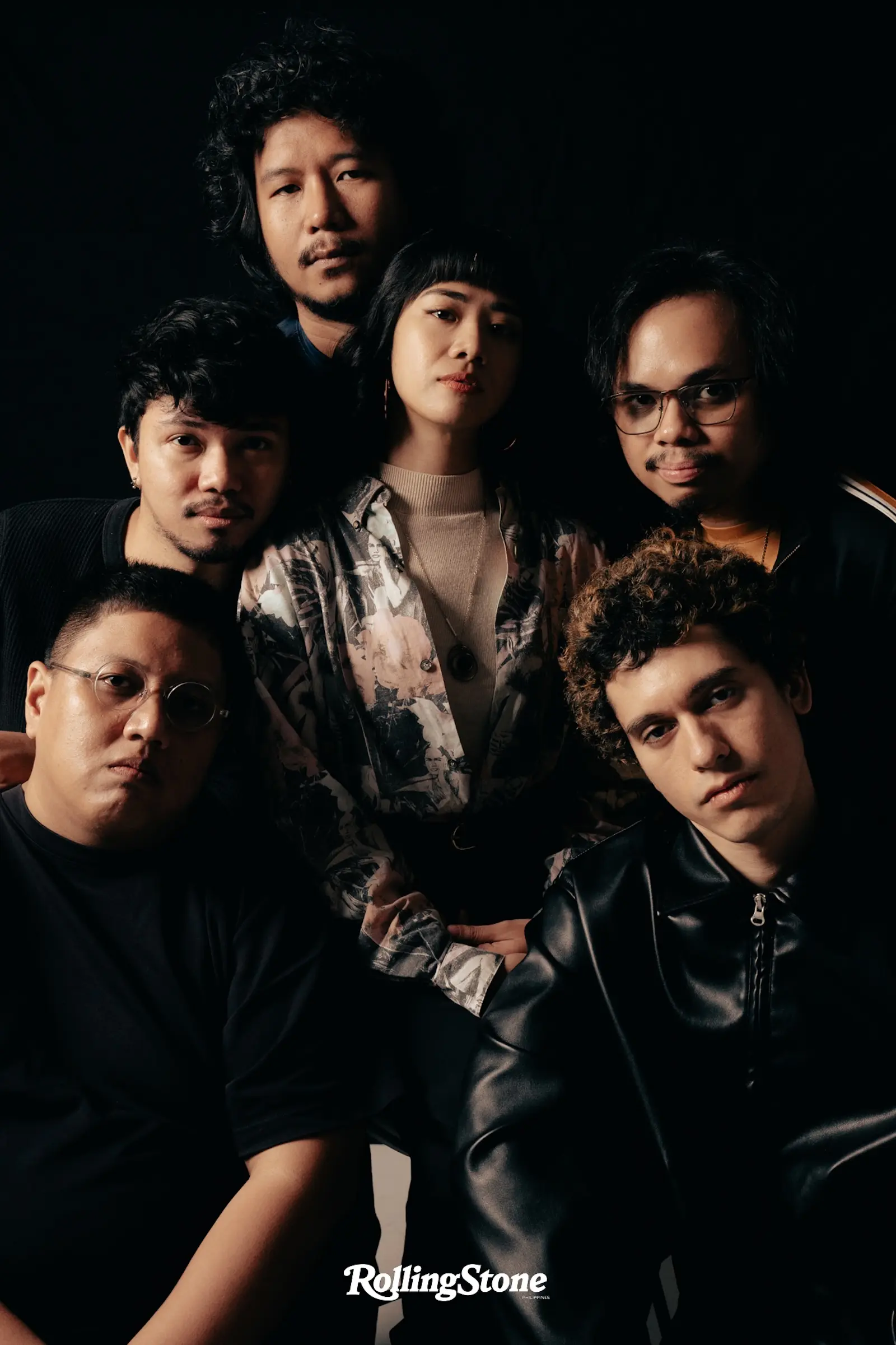
In our interview, Project Yazz comes across as freely expressive, especially when compared to the group’s earliest iteration. Depending on the night, the band could take shape as a duo, trio, quartet, or quintet. Each configuration brought a different texture, a different energy, and a slightly altered version of the same songs.
“’Yong tugtog para siyang bonding moment,” Dufort tells Rolling Stone Philippines. “Kung ano ‘yong naked truth mo hindi maitatago sa stage. So kaya nalalaman namin kung ano kang klaseng tao pag tumutugtog [ka]. Walang judgement. Friendly competition siya enough na parang ‘Oh, kaya kitang abutin. Shet! Ang galing ng ginawa mo last week.’”
That openness grew out of friendship as much as it did from musicianship. Rehearsals often stretched into late-night meals, conversations, and long hours of simply being around one another. Those moments carried into the music. What they played reflected a shared comfort and the understanding that judgment had no place in the room.
“You have to understand jazz as an idea. It’s like a monolith,” Castillo says. “It’s a big thing that you have to respect and fear the first time you encounter it. When you go into a project like this, thinking, oh, it’s gonna be a jazz band, there are some preconceived notions of what a jazz guitarist should sound like or should be like. But eventually, I realized that Project Yazz is a space for people to express themselves freely within reason.”
Project Yazz’s music moves through a shared awareness of when to step forward and when certain key players can step on stage on any given night, with each member bringing their own history and improv into the room. With varying music backgrounds in conservatories at the University of the Philippines (UP) and the University of Santo Tomas (UST), or the halls of Berkeley College, they have songs that shift depending on who is present. The group treats jazz as something that’s always receptive, molded by the people sharing the stage at that moment. What carries through is a sense of honesty and collective trust, whether the set calls for two players or a full ensemble.