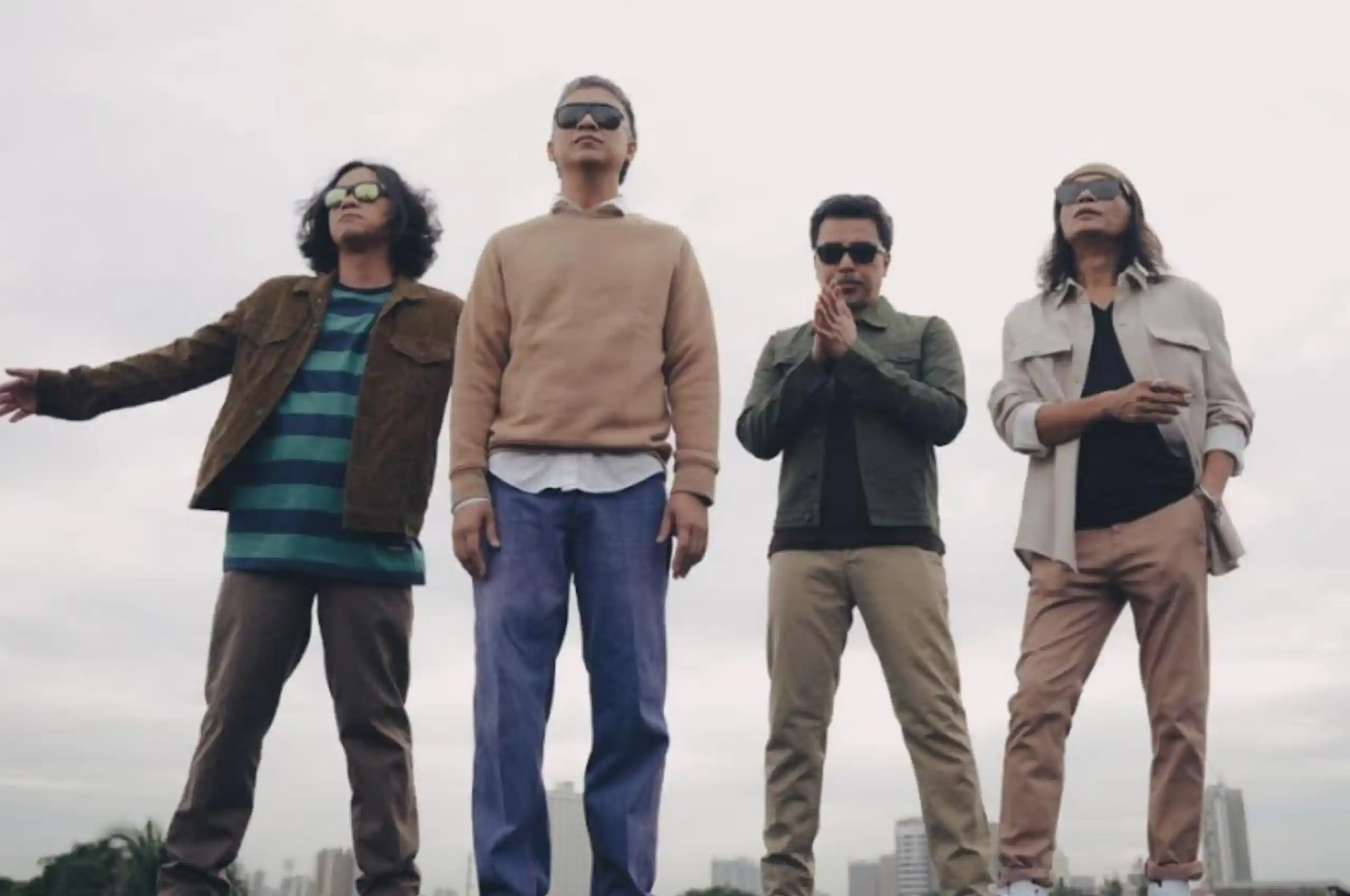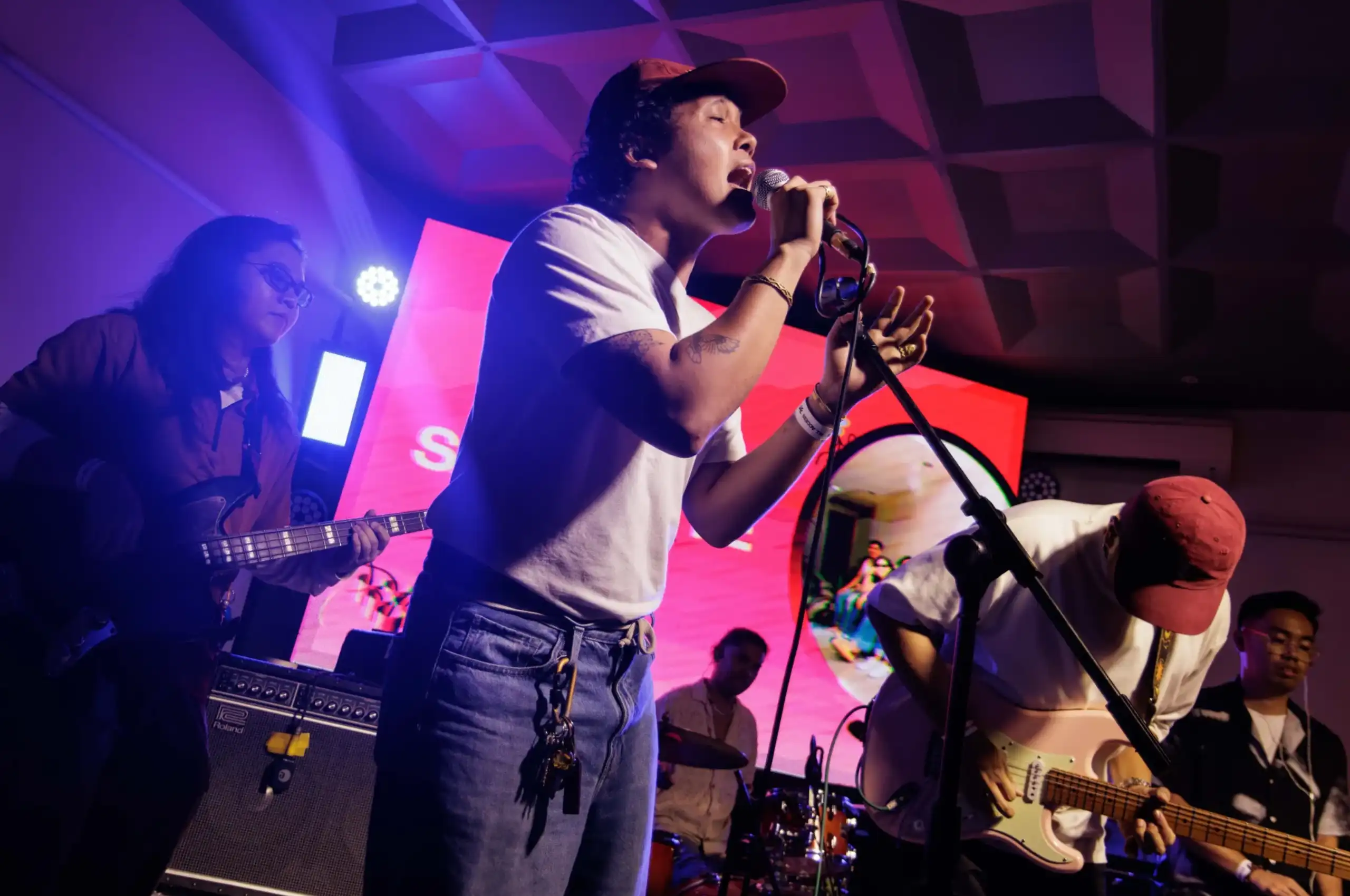
September Fever, an independent music festival in Cebu, returned for its eighth edition from September 6 and 7 with its most ambitious staging yet. What began as a grassroots celebration of homegrown talent in 2017 has grown into a multi-day convergence that includes Visayan and Mindanaoan acts, but also artists from Manila, Singapore, and South Korea, cementing its place as a counterpoint to the crowded music circuit in the Philippines’ capital city.
Festival co-director Kara Angan described September Fever as Cebu’s “indie weekend” on several occasions, but this year’s edition stretched far beyond that label. Alongside the music were panel discussions, art exhibits, and record pop-ups, building an ecosystem that went deeper than a single night of performances.
On their seventh edition in 2023, Manila delegates Ian Urrutia of the music and entertainment public relations company NYOU spoke about music marketing, while Cebu musician Mich Pacalioga shared lessons on regional touring. Producers and industry leaders including KC Salazar from Cagayan de Oro, Bobby Olvido and Josh Alipe from Cebu, Sandy Kiamko from Davao, and Philip Biboso from Koronadal took part in a roundtable on how to push VisMin artists onto national stages while maintaining the integrity of independent music-making.
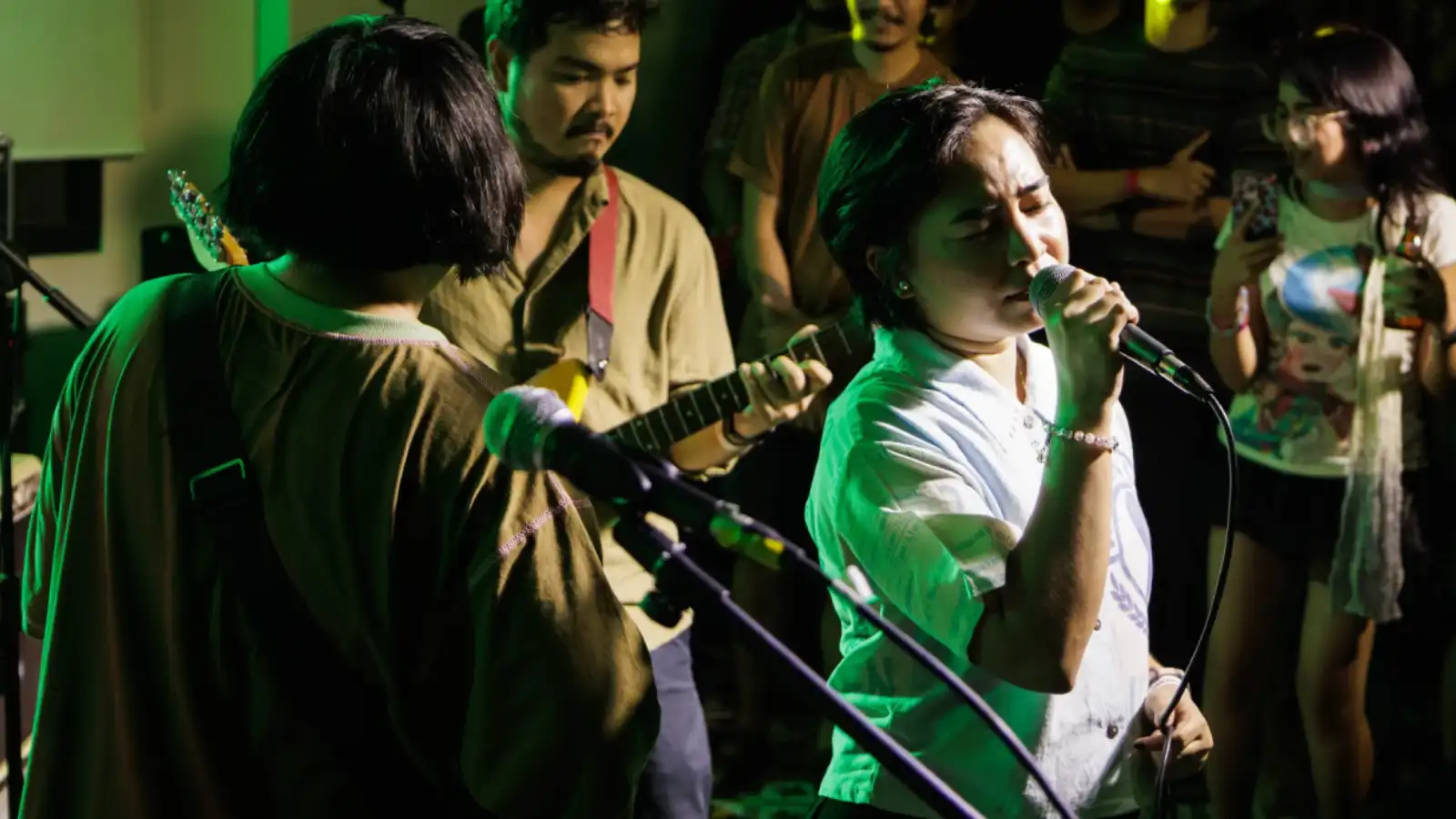
This year’s lineup made good on the promise of expansion. Singaporean indie rock pioneers Subsonic Eye headlined, arriving fresh from their fifth record Singapore Dreaming. They were joined by South Korean indie pop trio Hathaw9y, math rock band Dabda, and rapper San the Wordsmith from Singapore. Cebu R&B breakout Zeke Abella and the long-awaited reunion of Honeydrop, one of the city’s seminal indie rock outfits, added weight to the homegrown front. Manila-based collaborators Muri and crwn brought an exclusive joint set, creating bridges between scenes separated by geography but united in shared scenes.
The roster also carried some of the best from the Visayan and Mindanaoan circuits. Singer-songwriter Vincent Eco, who represented the Philippines at Music Lane Okinawa alongside Barbie Almalbis, played a full band set that highlighted his lyrical depth. Surf-pop band Sansette, Bisaya R&B artist Jericho Streegan, and hip-hop collective Bakeshopboyz showed the range of Cebu’s current crop of pop rock and rap music. From Mindanao came jazz-pop group Cerise from Davao and blues-fusion act Evita from Cagayan de Oro. These artists reinforced what many have argued for years: the nation’s cultural capital may sit in Manila, but some of its most daring music continues to come from elsewhere.
Cebu’s ‘Indie Weekend’
Getting to Cebu for September Fever carried its own sense of pilgrimage. Arrivals from Luzon and Mindanao, as well as a small wave of international visitors, turned the city into a temporary hub for independent music. For first-timers, the festival was anchored by visits to landmarks like Magellan’s Cross, Basilica Minore del Santo Niño, and Puso Village. These stops highlighted Cebu’s unique blend of historical significance and contemporary energy, setting the stage for a weekend that blurred the lines between cultural tourism and music gathering.
On September 5, the day before the main event, it became its own festival of sorts. Out-of-town visitors began arriving, and the city buzzed with anticipation. The Cebu Art Book Fair hosted a poster exhibit at Atua Midtown, while the Filla Killa shop — run by Karl Lucente of Mandaue Nights and Honeydrop, along with Angan — offered a curated collection of local records and a party that serves as a pre-game for the entire music festival. These spaces mirrored Manila’s small but resilient record-store ecosystem while emphasizing Cebu’s independent spirit in championing local acts from all genres.

By September 6, the sense of convergence was unmistakable: UP Cebu’s Performance Theater housed an array of publishers and printmakers, with participation from both local artists and guests from Manila. Just a kilometer and a half away, Unity Coffee and Vinyl, a two-floor venue in Don Jose Avila Street, became another central hub. Its ground floor restaurant, hidden vinyl room, and main stage provided the backbone for September Fever’s programming. The venue hosted both the September Fever showcase and Coast2Coast, an event organized by VisMin music publication C2C. Performances began around 5 p.m. and stretched deep into the night, with sets averaging half an hour to 45 minutes.
All Eyes on September Fever
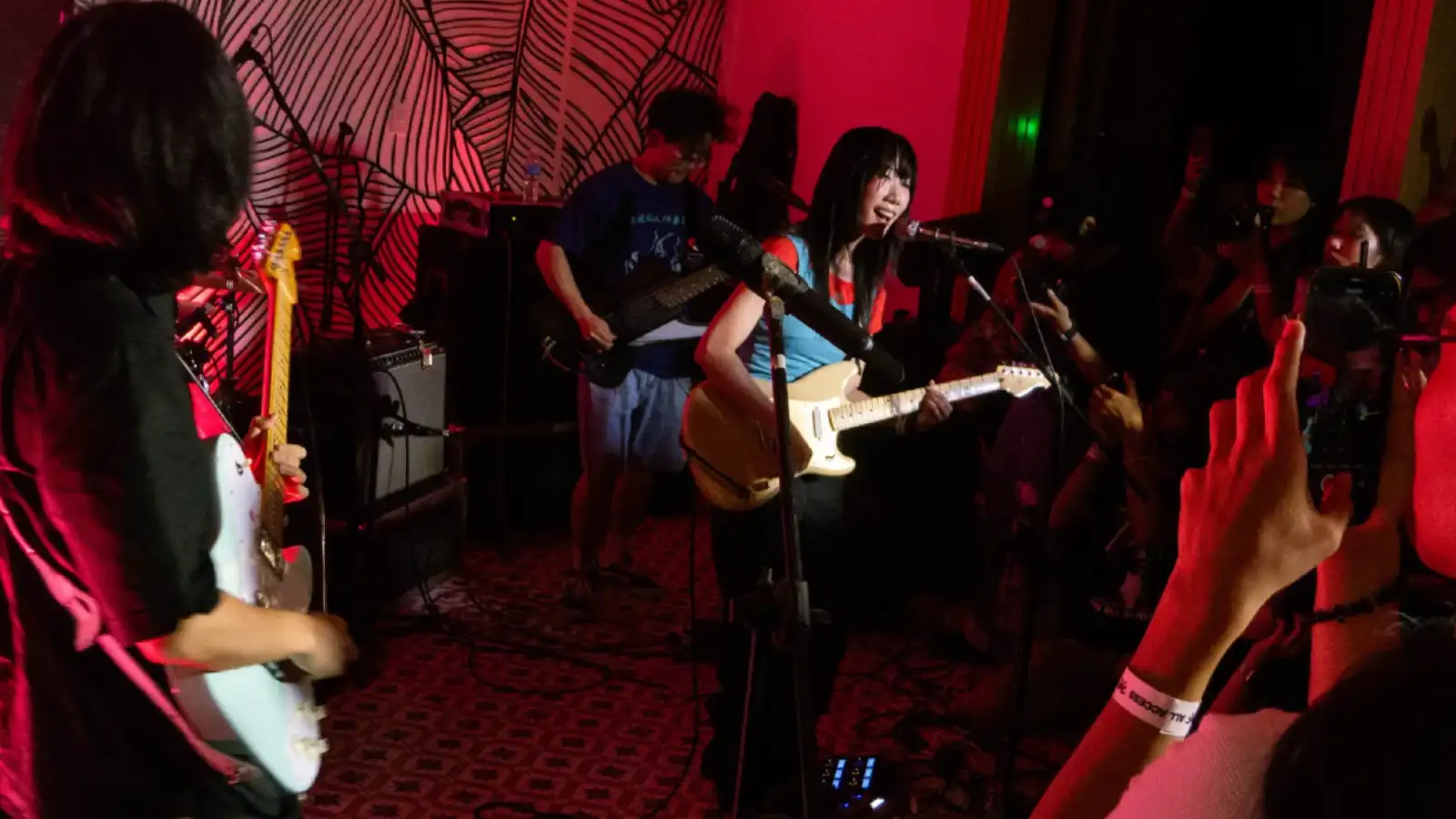
The music itself demonstrated the range and ambition of the festival. Cebu R&B singer Sauf opened with vocals that shifted easily between classic rock stylings and contemporary smoothness; Honeydrop’s reunion set brought a wave of nostalgia, with tracks like “Just A Man” reminding audiences why the band had been so pivotal a decade earlier. Lead singer Debb Acebu’s heartfelt delivery added weight to the moment, making their return one of the night’s highlights.
Cerise from Davao showed off jazz-pop sophistication, while Evita leaned into heavier textures that nodded to the grunge era. Surf-pop band Sansette kept the energy bright, building a communal atmosphere that carried through to Zeke Abella’s performance. The young R&B singer, known as much for his TikTok presence as for his vocal ability, proved he could command a live crowd with equal skill.
The international acts expanded the horizon further. Dabda’s intricate math rock compositions filled the venue with shifting tempos and melodic complexity, while Hathaw9y leaned into dreamy pop textures that played well to Cebu’s growing appetite for indie pop. Subsonic Eye’s headlining set was a masterclass in tight, chaotic slacker rock, with songs like “Fruitcake” and “Yearning” reminding audiences why the band is one of Singapore’s most vital indie exports.
Putting VisMin on the Map
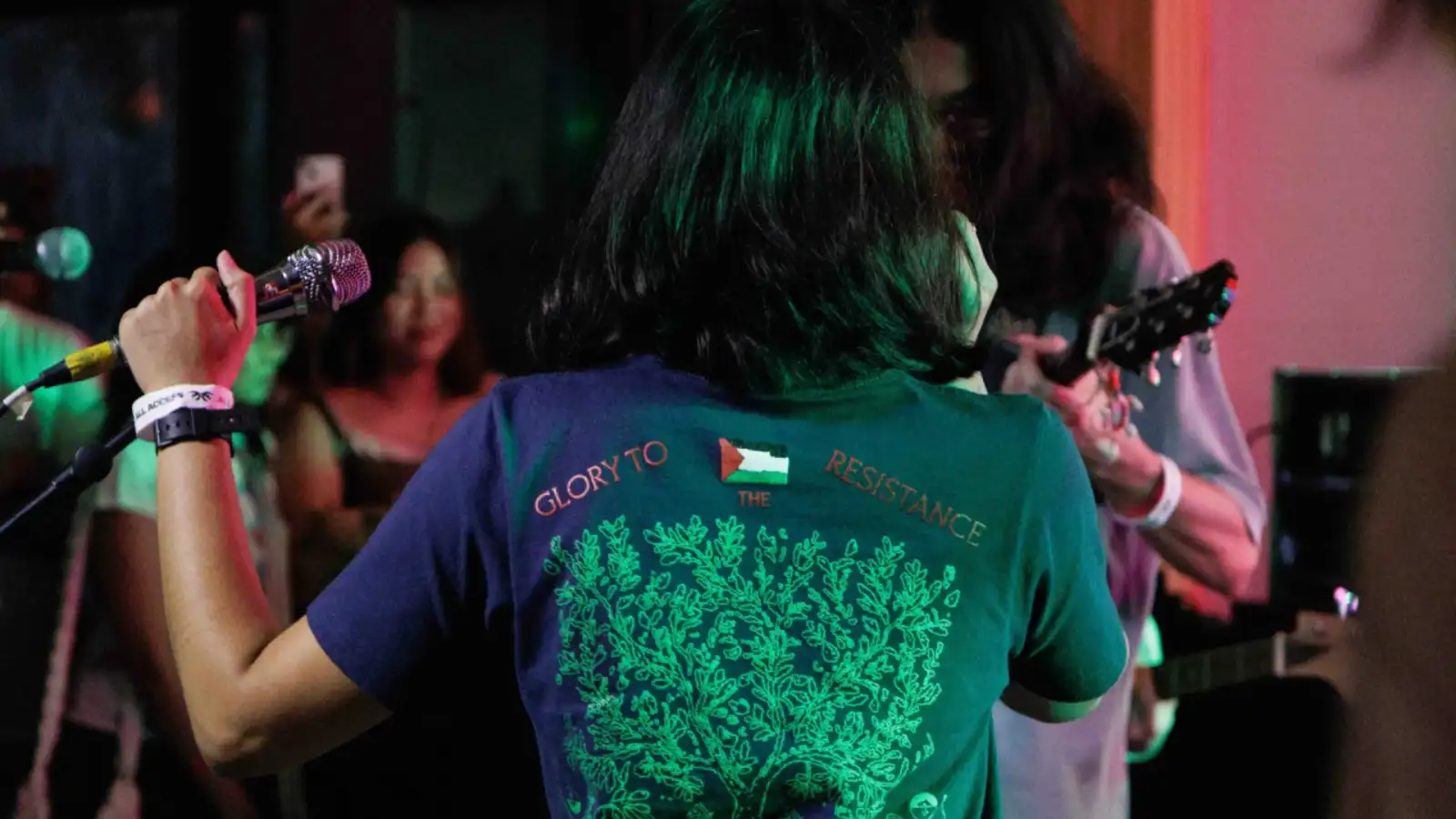
What made this edition of September Fever stand out was how it functioned beyond the performances. The presence of industry leaders, the integration of art and vinyl culture, and the steady involvement of artists from across the archipelago created a sense of community that built bridges between other regions. Cebu became a gathering point where different strands of Philippine independent music could intersect.
September Fever has always promised to celebrate the South, but in its eighth year, it put Cebu firmly on the map as one of the region’s cultural centers. For VisMin artists, September Fever is proof that a festival rooted outside Manila can attract international acts, draw visitors from across the country, and still retain its local character. It challenged the notion that the nation’s independent music scene had to center on the capital, offering an alternative that was as vibrant as it was self-sustaining.