

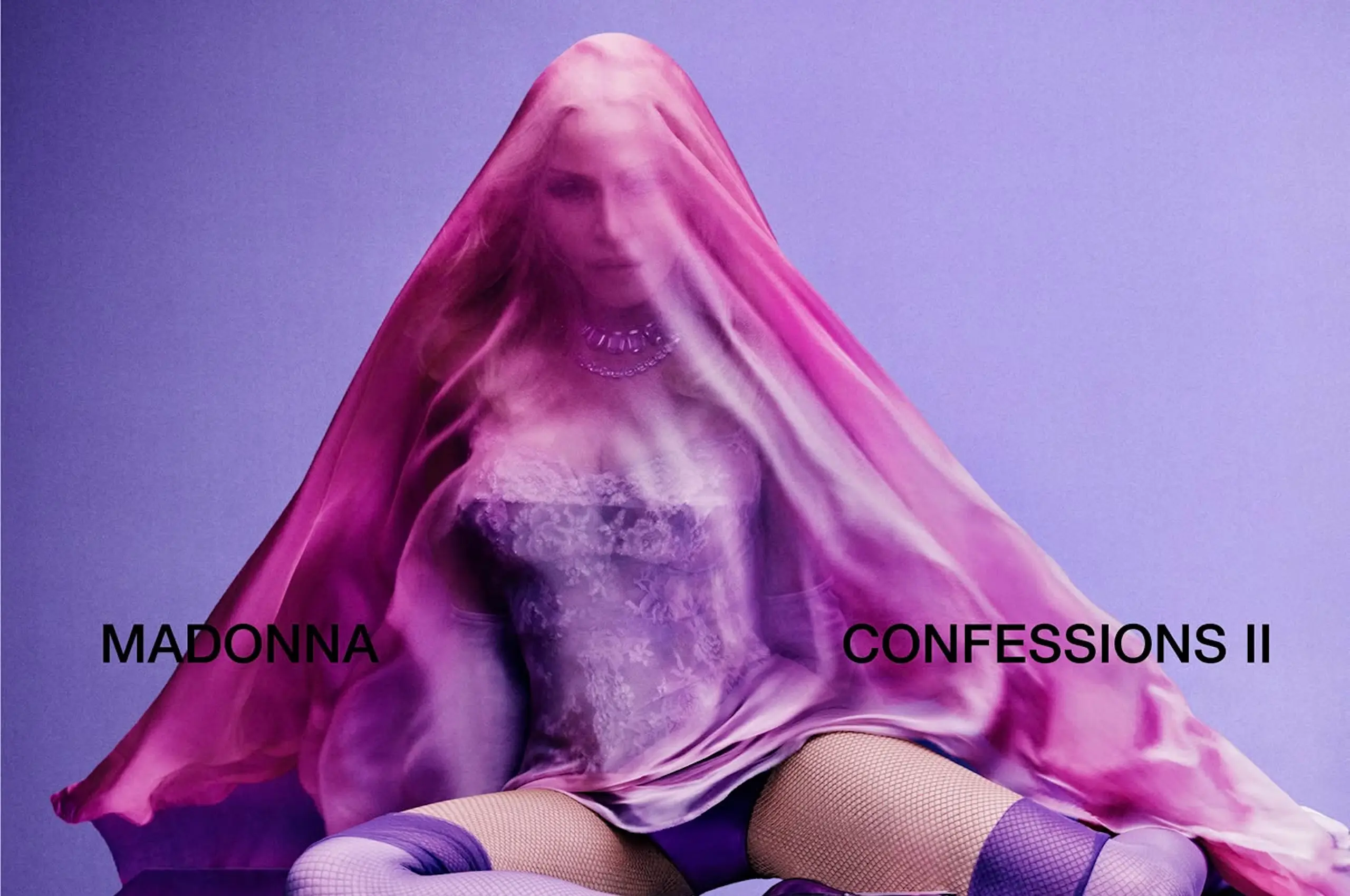
On Confessions II’s eleventh track, “School,” Madonna opens the song with the lines “There’s only one thing I like more than sharing what I know with other people; and that’s learning. Please, someone, teach me something I don’t already know.”
It’s no secret (nor is it a surprise) that the rest of it is inherently sexual in nature, but the very ethos of that introduction is what has consistently defined the Queen of PopPopShort for popular music, a broad genre built on catchy melodies, clear hooks, and polished production that aims to reach a wide audience. Pop constantly borrows from other styles, andGo to Pop Glossary’s artistry over the past four decades. Madonna’s constant curiosity and bold embrace of new sounds, subjects, or even sub-genres has become a signature aspect that’s found in the majority of her discography — even if some of those efforts had failed to impress critics or barely resonated with the general audience.
Yet as her artistic ambition continued to grow over time, it’s almost as if Madonna and her legacy had begun to fade away in a digital landscape that’s constantly bombarded with algorithmAlgorithmA set of rules a platform uses to decide what content appears in your feed, search results, or recommendations. Algorithms shape which songs, stories, and opinions get seen, and theyGo to Algorithm Glossary-heavy machinery. Sure, her accomplishments were recognized from time to time, but a new generation of listeners (particularly loud-mouthed Gen Z pop stans!) began to dismiss her relevance to pop music, resorting to online jabs, comments, and discussions that ridiculed her for still being active and present in a scene that supposedly no longer needed her.
Though in typical Madge fashion, pushing through ageism, misogyny, and a near-death incident, Madonna didn’t give up, nor did she allow herself to become boxed-in and comfortable in being touted as a legacy act.
With Confessions II, this pop diva dispels any notion that she’s in any way past her prime — considering there is still a whole lot more that she wants to say, do, teach, and even learn at 67 years old. “School” is indeed in session, and it’s undeniably clear that everyone can still, and definitely should, learn a thing or two from her.
New Sounds, New Stories, Same Madonna
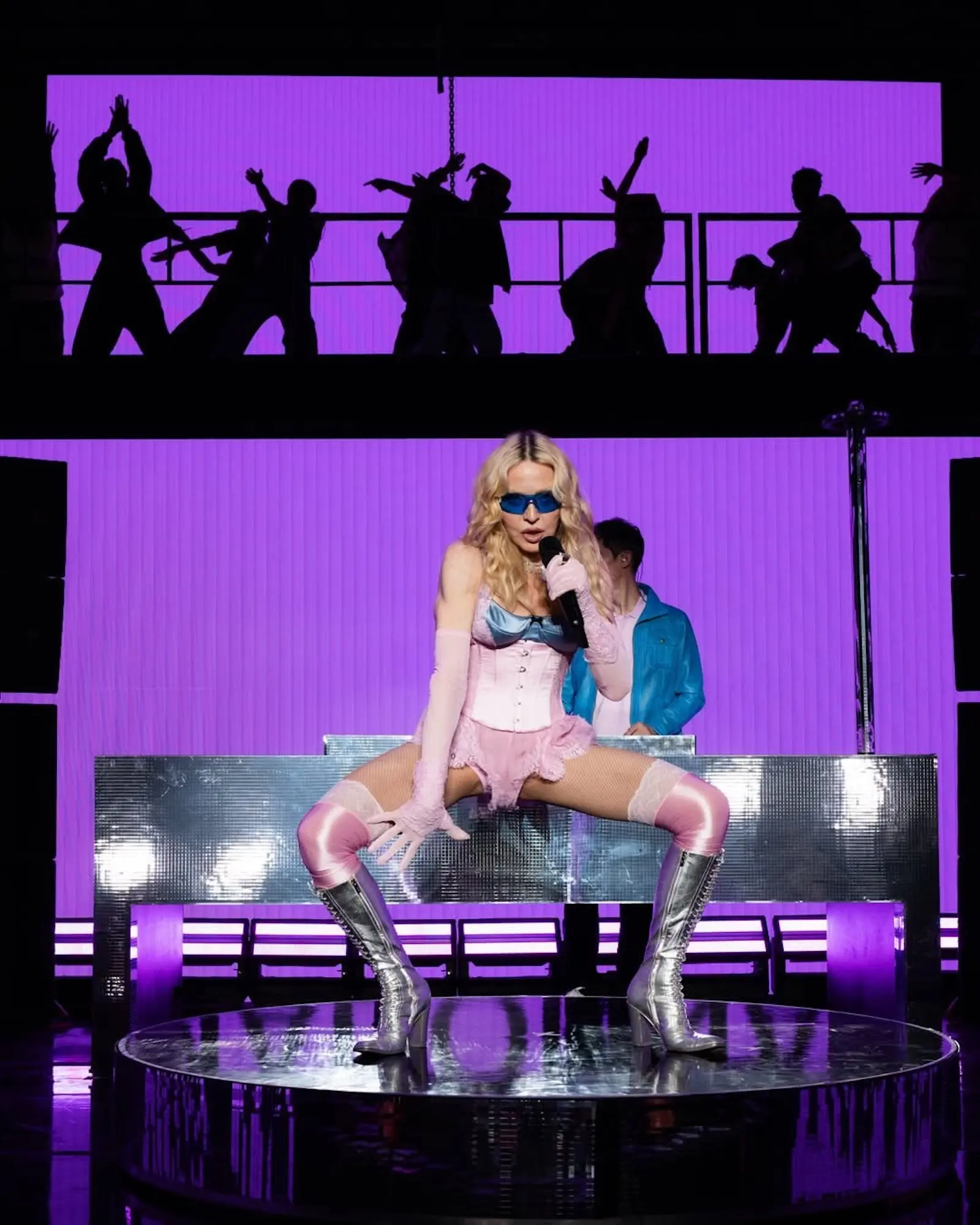
Promoted as the sequel to the widely acclaimed Confessions on a Dance Floor, Confessions II arrives 21 years after its predecessor, and surprisingly shares fewer similarities than one would expect from the two albums. Esteemed collaborator Stuart Price (Kylie Minogue, Dua Lipa, Jessie Ware) is back to co-write and co-produce the entire project, and dance is still very much a central component to its identity — yet Madonna dabbles into uncharted territory on both the musical and narrative front.
While it’s surely not as left-field as 2019’s Madame X, Confessions II expands Madonna’s foray into the electronic realm significantly, introducing sub-genres like French house, industrial techno, liquid drum and bass, and even that of acid house into her discography’s canon. Still, there is some proclivity in the latter half of the record that playfully nods to her ‘90s trifecta of records, borrowing subtle bits and pieces from Erotica, Ray of Light, and even Bedtime Stories. It may sound like an ambitious effort to connect these sounds into one cohesive effort, but both Price and Madonna’s helm at the sonic architecture of the record kept its 16-track flow as seamless and as polished as possible.
But as layered, lush, and innovative as the production all throughout the record is, the songwriting on Confessions II surprisingly shines and strikes a chord even in one’s moment of bliss on the dancefloor. Considering each track comes off like an entry or chapter from her very own journal of musings or memories, the whole album serves as a look back to Madonna’s storied experience and unique perspective as someone who has witnessed the industry gradually change over time with a sense of reverence and transparency.
Songs like the budding, disco-tinged earworm “Bring Your Love” highlight Madonna’s defiant spirit against the industry’s adherence to algorithms, while the bass-heavy “Everything” acts as a critique against social media and its effect on forming genuine connections. Others, like the ethereal “I Feel So Free,” groovy “Love Sensation,” and prismatic “Love Without Words,” focus more on the joy and escapism that come with rejecting shame in favor of expressing oneself on the dancefloor.
Though as astute as the popPopShort for popular music, a broad genre built on catchy melodies, clear hooks, and polished production that aims to reach a wide audience. Pop constantly borrows from other styles, andGo to Pop Glossary icon’s observations can be, Confessions II shines best (and brightest) when Madonna doesn’t shy away from getting autobiographical and delving deeper into her personal lore. “Danceteria” — named after the very place where she first got her start in the scene — is without a doubt the centerpiece of this album, and pays homage to the early days of her career by going through an abundance of name drops that enumerate friends, peers, and ex-lovers of hers who later became icons in their own right. Beyond being a “Vogue” 2.0 hit-in-the-making, it also serves as a frank reminder (especially to any naysayer) of Madonna’s legendary status as someone who’s seen it all in the scene.
Even as heavier techno tracks such as “Bizarre” and “My Sins Are My Savior” directly reference unresolved controversies and tabloid fodder from the past, healing seems to be a central theme within the context of the album. The ‘90s-esque “One Step Away” sees Madonna alluding to the pain and trauma of her near-death experience three years back, while the surprisingly emotional “Fragile” and “Betrayal” reflect upon the turbulent relationship she shared with late family members as a way to heal and move past such periods of mourning. Yet amidst such ruminations, “The Test” enters as a moving, conversational collaboration between Madge and her daughter, Lourdes Leon, to work through their personal demons together.
It’s fitting, then, that Confessions II closes off with the contemplative, guitar-laden “L.E.S. Girl,” a song that strips away the glamour of Madonna’s celebrity and pulls back the curtain on a candid, vividly detailed portrait of her life before fame. As though making peace with the life she might have lived, she ends the record by repeating the wistful refrain, “Everything fades away.” It’s a quietly devastating conclusion, one that reveals a rare and untapped vulnerability beneath the larger-than-life persona of a cultural icon who is so often revered as untouchable, sometimes even godlike.
One Last Confession: Madonna’s Legacy
We don’t know if Confessions II will be Madonna’s final album, though it could very well cap off her career on an extremely high note. As an artist who often prides herself on reinvention, it’s a welcome surprise that the Queen of PopPopShort for popular music, a broad genre built on catchy melodies, clear hooks, and polished production that aims to reach a wide audience. Pop constantly borrows from other styles, andGo to Pop Glossary’s open embrace of her past is what has pushed her artistry to move forward 40 years on. The mere act of exorcising her personal demons has provided her with the exhilaration to keep on going, and has opened the doors for her to once again explore unfamiliar territory with the same fearless curiosity that has always defined her.
And perhaps that’s the greatest confession Confessions II has to offer. Beneath the dazzling production, intimate songwriting, and career-spanning reflection is an artist who, even after changing popPopShort for popular music, a broad genre built on catchy melodies, clear hooks, and polished production that aims to reach a wide audience. Pop constantly borrows from other styles, andGo to Pop Glossary music forever, still believes there will always be something new to discover and evolve alongside. Though overlong at points, each track in the record is still a vital entry in Madonna’s well-established canon that never fails to be exciting.
Frequently Asked Questions
Madonna’s latest album is titled Confessions II, which is a direct nod to her 2005 record, Confessions on a Dance Floor. The album marks her fifteenth studio album after over 40 years in the music industry, and continues her exploration of dance and electronic music.
Confessions II is a welcome addition to Madonna’s discography, as it blends the dance-pop energy of Confessions on a Dance Floor with deeper, more personal songwriting. Compared to previous albums, it stands as a return to her club roots while incorporating the emotional reflection and experimentation found in albums like Ray of Light and Bedtime Stories.
Standout tracks from Confessions II include “Danceteria,” “One Step Away,” “I Feel So Free,” “Bring Your Love,” “Bizarre,” “School,” “Love Sensation,” “My Sins Are My Saviour,” and “L.E.S. Girl,” among others.
Confessions II is a welcome addition to Madonna’s discography, as it blends the dance-pop energy of Confessions on a Dance Floor with deeper, more personal songwriting. Compared to previous albums, it stands as a return to her club roots while incorporating the emotional reflection and experimentation found in albums like Ray of Light and Bedtime Stories.
Madonna primarily worked with English producer Stuart Price on the entirety of Confessions II. Artists like Sabrina Carpenter, Stromae, Martin Garrix, and her daughter, Lourdes Leon, appear as guest performers on the record, while producers like Arca, Cirkut, Andrew Watt, Mirwais, Tainy, Parisi, and Garrix also contributed to the project.