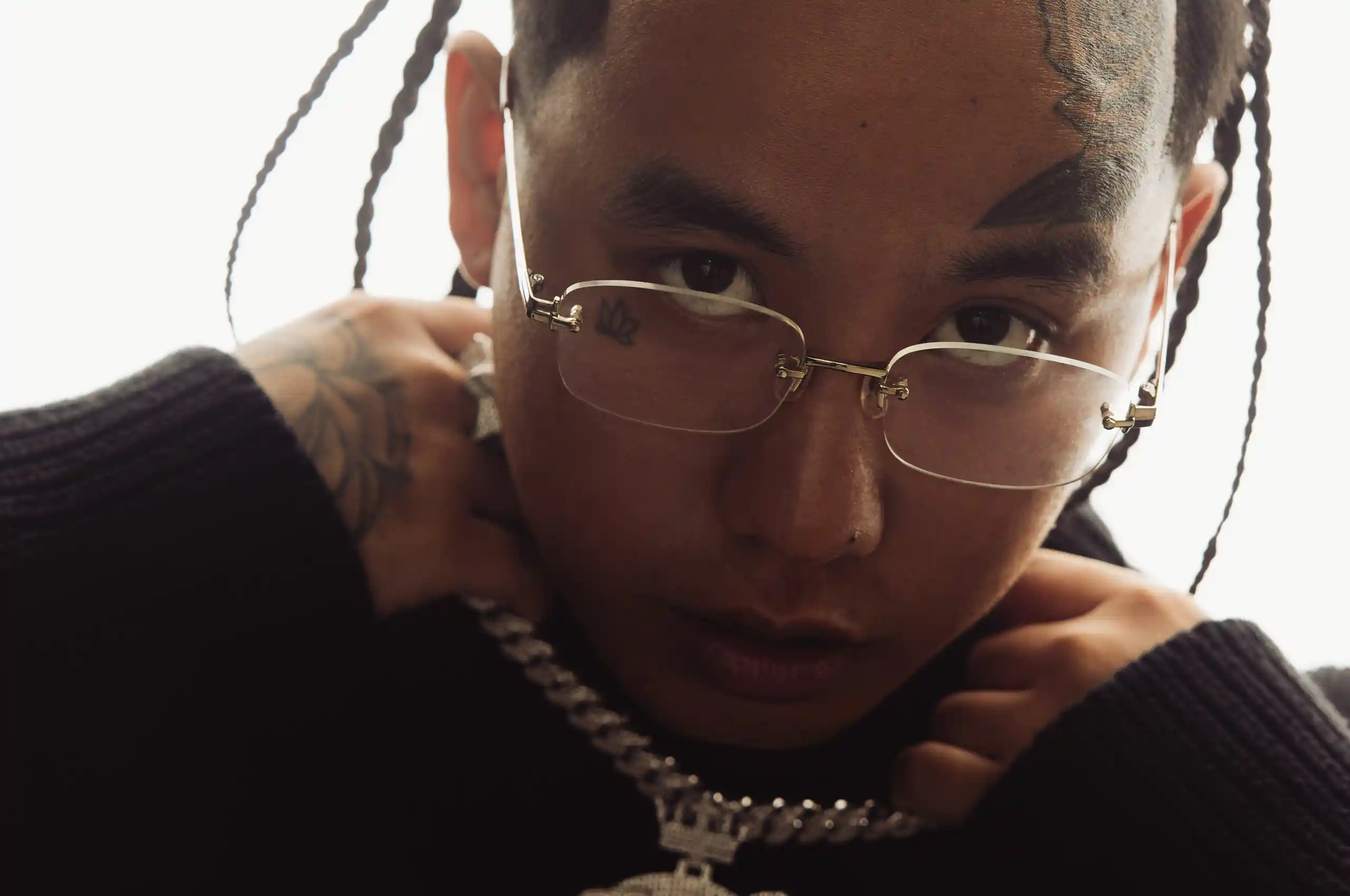
Shanti Dope, whose chameleonic style of rap created hit tracks like “Nadarang,” “City Girl,” and “Amatz,” has opened up about undergoing a rehabilitation program in late 2024.
For the fourth episode of The Rolling Stone Interview, Shanti sat down with me about the highs and lows of his hard-earned fame. After first finding inspiration from the legendary Flip-Top rap battles as a young teenager, Shanti slowly chipped away at building his music career, writing songs with the encouragement of his uncle and fellow producer, DJ Klumcee. At only age 16, Shanti signed with his first record label. “Natatawa nga ako minsan pag naaalala ko na meron na akong hit song,” Shanti tells me. “Ang dami na nagpipicture sa akin, tapos umuuwi pa rin ako sa nanay ko.”
Shanti celebrated milestone after milestone as he witnessed his childhood dream unfold before him; the lifestyles of his favorite rappers was an aspiration he initially thought was harmless. “Hindi ko siya nakikitang mali, kasi ang saya e,” he says, “Dati kasi, ang taas ng expectation ko na gusto kong mangyari sa akin. Dapat may chicks akong ganito. Dapat ganito ang buhay ko kasi mga rapper sa America, gano’n e.”
But after experiencing the death of a close friend, he found ways to distract himself from both the loneliness and pressures of his high-profile career. “Na pa trip ako ng kung anong-ano,” he says. “Noong panahon bago akong dalhin sa rehab, sobrang lala ko na rin e. Kung ano-ano na tinitake ko para makatulog.”
Not a Linear Path
Shanti, now age 24, recounts how he began his rehab journey after moving back to his home in Bacoor, Cavite. Recovery, he admits, is a process that is anything but linear. “Araw-araw ko talaga nilalabanan… ‘yung tawag ng laman ba,” he says about how urges don’t just disappear overnight. He points to external factors such as boredom, social settings, and working from home as key triggers. Despite this, he finds the will to do better — not just for himself, but also for his family, as a newly minted father.
“Buti na lang, kahit paano ngayon, nagkaroon ako ng laban,” he says. “Maski paglabas ko ng rehab, yung recovery ko, habang buhay na siya e. Kailangan maging matibay talaga ako… Ang hirap din, pero alam ko kaya ko rin maging sober talaga. Kaya.”
Shanti says his spirituality helps motivate him to stay on the path of recovery as he begins each day with a prayer. He recounts his familial upbringing in the Hare Krishna faith — a movement within the Vaishnava tradition of Hinduism — where, as a child, he often spent weeks living in temples. “Isa rin ‘yon nakakatulong talaga sa sobriety,” he says. “Lagi lang akong naniniwala may nag g-guide saakin. Lagi ko din pinapagdasal na sana hindi ako maligaw. Minsan kasi nakakalimutan ko rin ang diyos, sa kaka lifestyle ko… Ayoko yung kakausapin ko lang ang diyos pag magulo na ang lahat.”
When asked whether life is a matter of fate or luck, Shanti believed in both. “Ewan ko kung anong paniniwala ko, kung tadhana o swerte kasi parang pareho siyang may sense e.”
He continues: “Pero isa din sa natutunan ko na halos lahat ng nangyayari, maski pag galaw ng dahon, pag may hangin dito, [o] may dumaan na halaman, kumbaga, arrangement siya ng diyos. ‘Yon si Krishna e. ‘Yon ang gusto ng diyos.”
Watch the full interview on Rolling Stone Philippines’ YouTube channel.