


Forgive me for getting hyperbolic, but when aespa released the April trailer for their newly released album LEMONADE — out on May 29 — I rejected the idea that scientists cannot predict seismic events, because that trailer certainly felt like it was signaling an oncoming motherquake. “Imma have you shake-shakin’” the girls rap in the teaser, which features them strutting in bussdown wigs through studio sets of their past eras. The group’s maknae, Ningning, was given a lethal sidebang. I was, in fact, shaking.
aespa holds a special place in K-pop as one of the only groups to maintain a consistent brand since they debuted in 2020 with “Black Mamba.” While others venture into different concepts and sounds, aespa has always been a little cyber-surrealist and mildly campy. Nearly six years into their career, and with their latest single “WDA (Whole Different Animal),” which features “King of K-popK-popSouth Korean pop music, known for polished production, precise choreography, and highly organized fan communities. With a massive following in the Philippines, K-pop shapes fan culture, concerts, and fashion, andGo to K-pop Glossary” G-DRAGON, aespa is a lot more confident in surprising and weirding out their audience.
Their catalog is always a joy to go through, but this is also what makes their songs so difficult to rank. Even their most divisive songs tend to contain at least one completely deranged production choice (like slurping) or a vocal hookHookThe catchy part of a song, often a melody, riff, or line in the chorus, that sticks in the listener's head. A strong hook is what makes people hum aGo to Hook Glossary that stays with you forever. So, from cybernetic club bangers to dreamy R&B-pop B-sides, these are the 20 best aespa songs that capture why they remain one of K-pop’s most exciting acts.
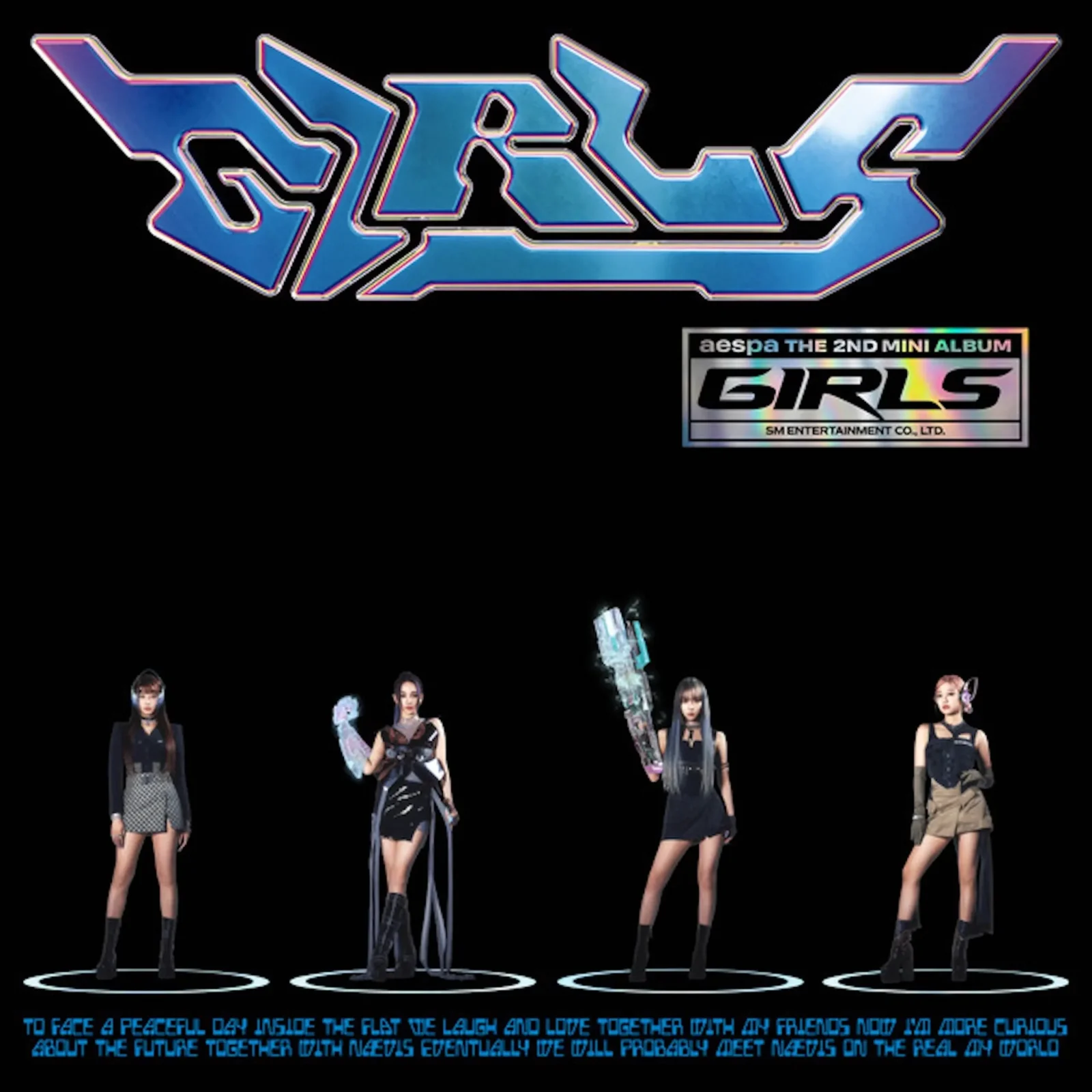
“Girls” sometimes feels like three different songs fighting for dominance at once, with crunchy guitars, a string section, and a massive dance break in the bridge that make the whole song feel overproduced. Even so, its chanting “We them girls, we them girls, we them girls” makes the track a memorable one worthy of being put in this list.
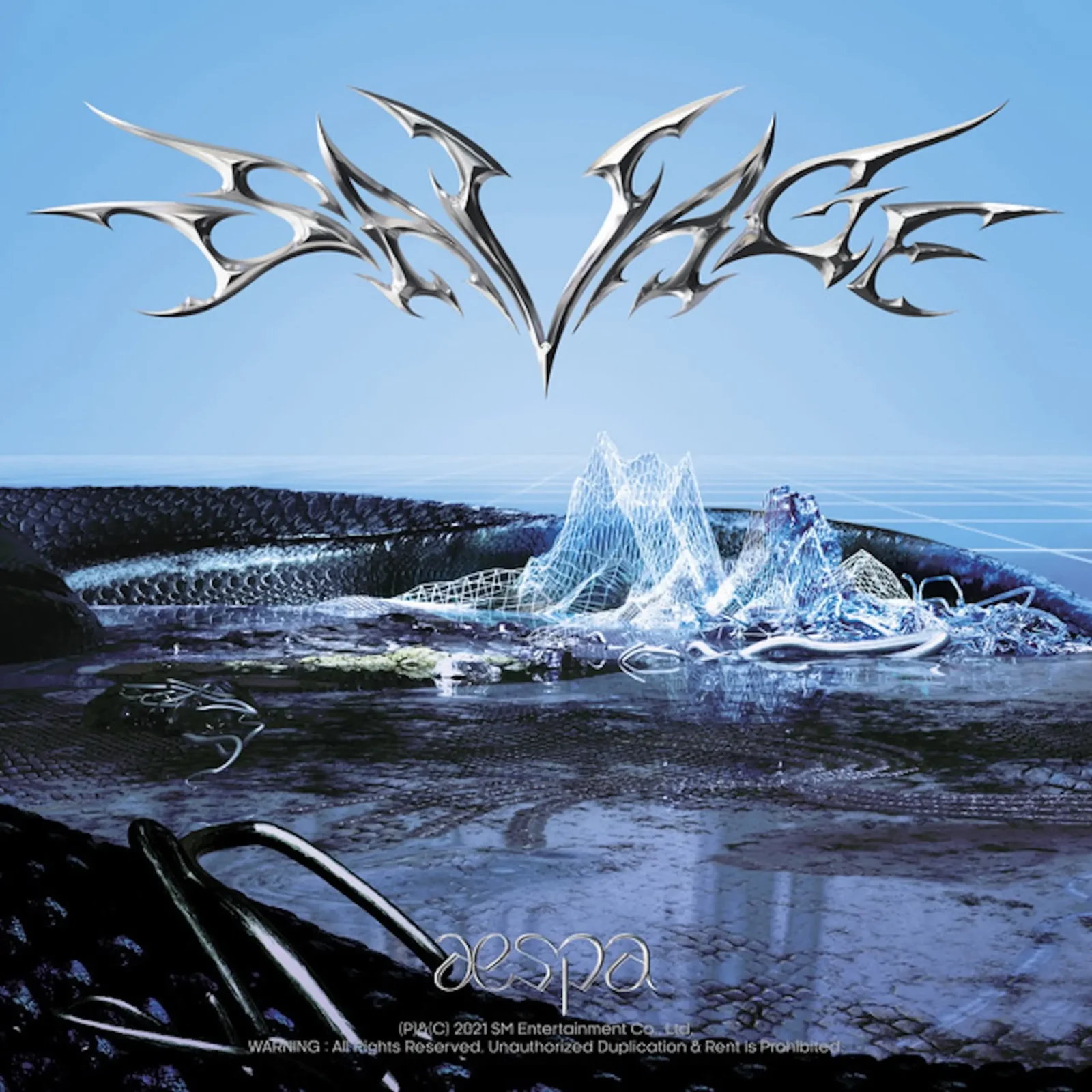
“ICONIC” is one of the least iconic of aespa’s songs, although it’s up there for being catchy and fun. Despite an almost cringy self-declaration of iconic-ness, the pop track, part of the group’s debut EP Savage, manages to convince the listener anyway that aespa is indeed “I-C-O-N-I-C.”
Borrowing loosely from Cher’s iconic quote about being the rich man she needs, “Rich Man” aims for glamorous bad-bitch rockstar energy through its overdriven guitars and swaggering attitude. aespa has done this vibe better elsewhere, but the commitment is still entertaining.
aespa’s remake of S.E.S.’ 1998 song “Dreams Come True” modernizes the classic with trap-pop production while preserving the dreamy synth hook that made the original — itself adapted from the 1996 song “Like a Fool” by Finnish pop duo Nylon Beat — so beloved. It’s a nostalgia project done well.
“Illusion” remains one of aespa’s weirdest and most instantly memorable B-sides. Between the alarm intro and the slurping sounds, the song constantly threatens to derail itself, but remains catchy enough to be argued by some fans to be the deserving title track on the Girls EP.
“I’ll Make You Cry” is basically Winter and Ningning’s personal vocal Olympics. The sheer amount of belting borders on excessive, but it is exactly what makes the song so fun to try to sing along to.
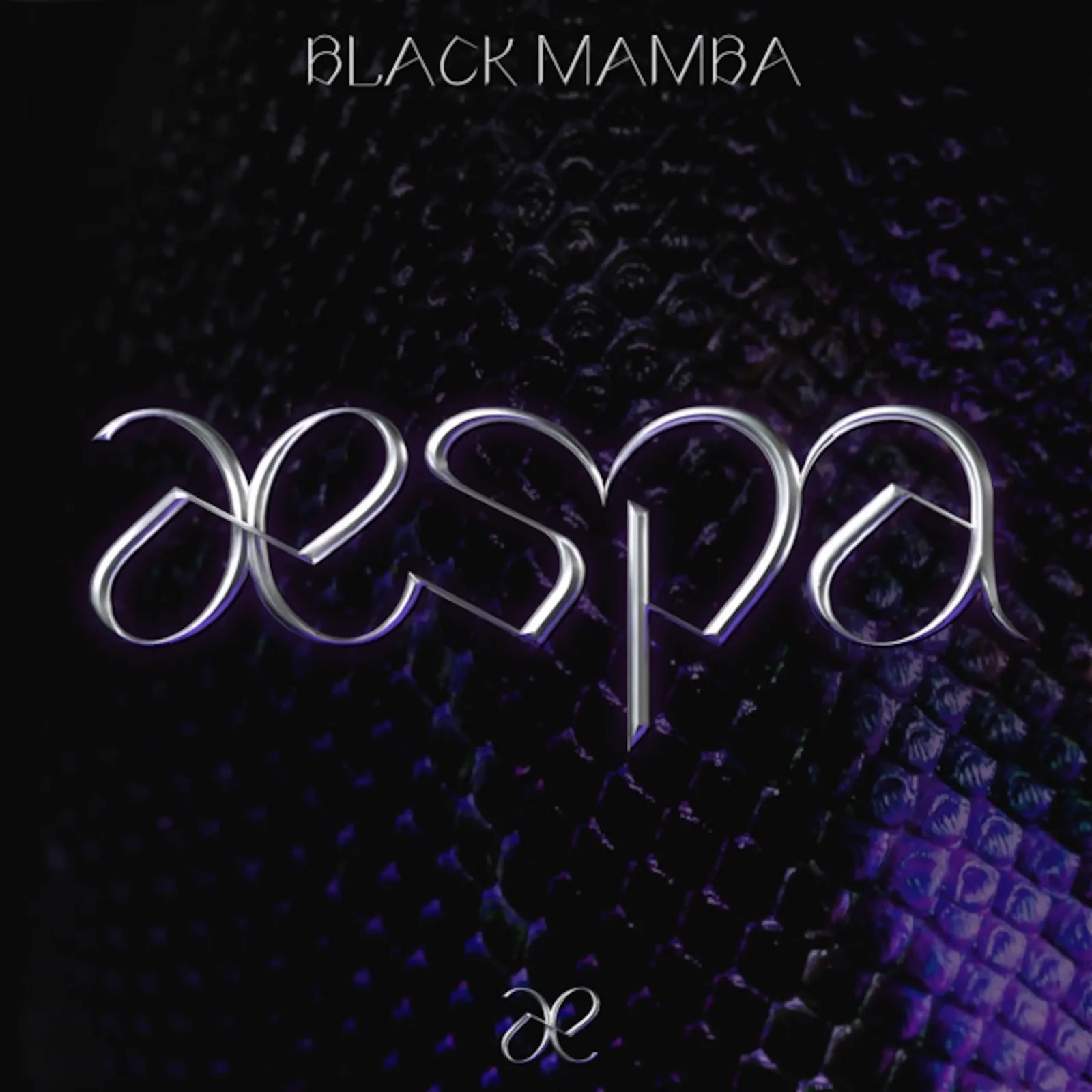
aespa made its debut in the K-pop world in November 2020, amid the COVID-19 pandemic, with “Black Mamba,” an explosive track rife with synths and horns just brassy enough to herald the girl group’s arrival.
“Spicy” is a playful mean girl anthem, built around a nasty cheerleader-style beat that demands hair flips. The song briefly pushes them into girl-crush territory, brushing against the bratty confidence of their peers in ITZY (one thinks specifically of the grittier, SOPHIE-produced “24HRS”) while still keeping aespa’s sharper edge intact.
“Thirsty” proves aespa can venture and excel outside their signature industrial pop sound. Floating over glossy 808s and glittery production, the song delivers the very specific sensation of feeling like the prettiest girl at the party.
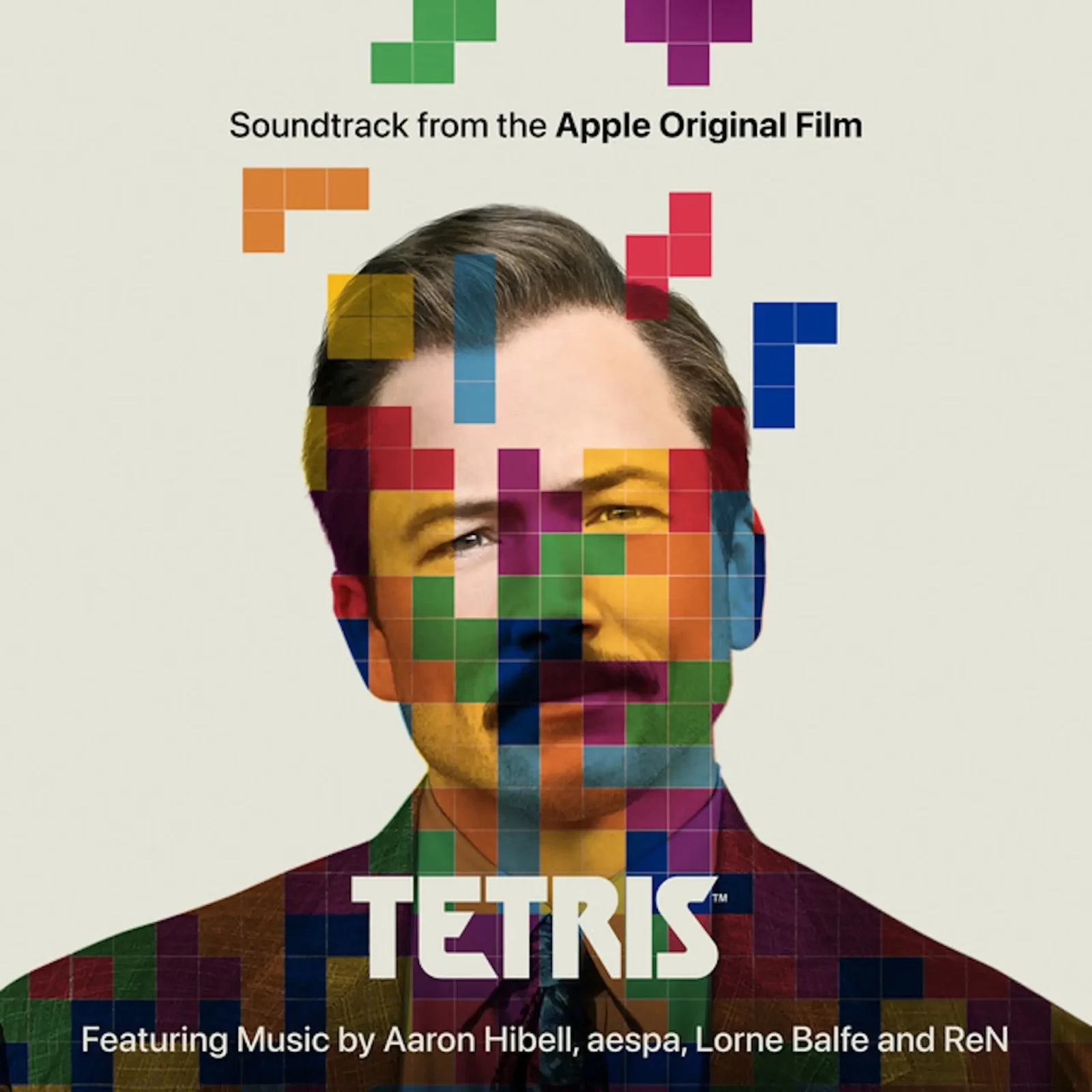
Dark synth-pop suits aespa so naturally that one cannot picture another K-pop girl group pulling off this track off the Apple TV film Tetris. With melodies borrowed from Russian folk songs “Kalinka” and “Korobeiniki,” which were used as the theme for the arcade game, “Hold On Tight” is sleek, dramatic, and genuinely addictive, especially with that brain-scratching arpeggiating bassline.
“Dirty Work” was a divisive one for fans because aespa avoided the vocal showboating that SM Entertainment’s singers are known for. Instead, the song is cold and controlled. The delivery is detached and icy, while the production brings in rock textures in its elastic basslines and punchy drum fills, which keep the track from collapsing into generic hip-hop-inspired pop. It’s a riskier song than people give it credit for, and MYs (the collective name for aespa fans) should be grateful that the girl group gave them a song to shake ass to in the first place.
Even at their smoothest, aespa can’t resist making things slightly weird. “Lucid Dream” floats along a sultry R&B-pop groove, all soft melodies and dreamy textures, before suddenly warping itself with distorted vocals and a genuinely trippy bridge. It captures the surrealism of aespa’s early days without relying on the aggressive production choices of tracks like “Savage” or “Black Mamba.” Among their other beloved B-sides, this remains one of the clearest examples of how well the group balances beauty and weirdness.

“WDA” is divisive largely because it asks listeners to meet aespa on barely-traveled terrain. Hip-hop isn’t new to aespa, but the song prioritizes talk-singing, rhythmic delivery, and attitude over huge vocal showcases in a way that underwhelmed some fans. But “WDA” is a strong comeback single exactly because it’s surprising. The track’s swagger is infectious, especially in the line, “Give me all smoke / gunpowder-powder woo!” G-DRADON evokes Kendrick Lamar in his delivery style, which shouldn’t fit aespa as naturally as it does, yet the group pulls it off through sheer force of charisma.
In “YEPPI YEPPI,” aespa channels bubblegum pop without sacrificing their weirdness, which really goes for much of Savage. Beneath the bright melodies and sugary energy is the same maximalist production style of their grittier tracks: pounding synths, beat switches, and little moments of chaos that keep the song from becoming too clean. It feels spiritually connected to f(x) while still sounding unmistakably like aespa.
If someone asked what aespa’s early sound was supposed to feel like, the best answer would probably be “Savage.” The production is hyper-percussive, abrasive, and completely unlike anything else we’d heard from K-pop at the time. Every section feels like it’s trying to outdo the last, culminating in the immortal camp of lines like “I know your sacrifices” and “My Naevis, we love you” in the bridge. The song is ridiculous at times but still excellent, helped even more by choreography that, to this day, is burned into every fiber of every muscle in my body. When I hear “Gimme, gimme now / gimme, gimme now / zu zu zu zu,” I am activated like a sleeper agent.
One of aespa’s greatest strengths is that they know exactly when to soften their edges. “Flowers,” from the Whiplash EP, sees the group once more venturing into R&B-pop, with lush, shimmering guitars, airy melodies, and some of the strongest vocal performances in their catalog. There’s an Ariana Grande-like sweetness to the song, but aespa never loses their sense of coolness underneath all that gloss. It’s sultry without trying too hard, and summery. For a group known best for clanky (in a good way) cyber-pop, “Flowers” is proof that their softer moments can be just as compelling.
The synth bass on “Supernova” is genuinely filthy. It’s wavy, gritty, and constantly threatening to swallow the entire track whole, but aespa meets it with cold, slick vocal performances, full of little vocal fry embellishments that make the song feel even more smug. Then the bridge arrives, and the production is pared down into percussive, enveloped bass. Released ahead of Armageddon, aespa’s first full-length album, “Supernova” was an introduction to a new aespa: louder, stranger, and somehow even cooler than before. The music video, in which the girls wreaked havoc on a city with their superpowers, only made the era more iconic.
“Armageddon” is the best of aespa’s slower-paced songs. The 2024 track proves that the girls can dial the intensity down without losing any charisma. The bouncy, swinging hip-hop beat gives the song a looser cadence than their usual dance-pop bombast, and members slip between coolness and full-on vocal flexing. The “oh-eyo-eyo” hook is catchy, and when matched with falsettos and runs over a restrained groove, you get one of aespa’s best songs ever.
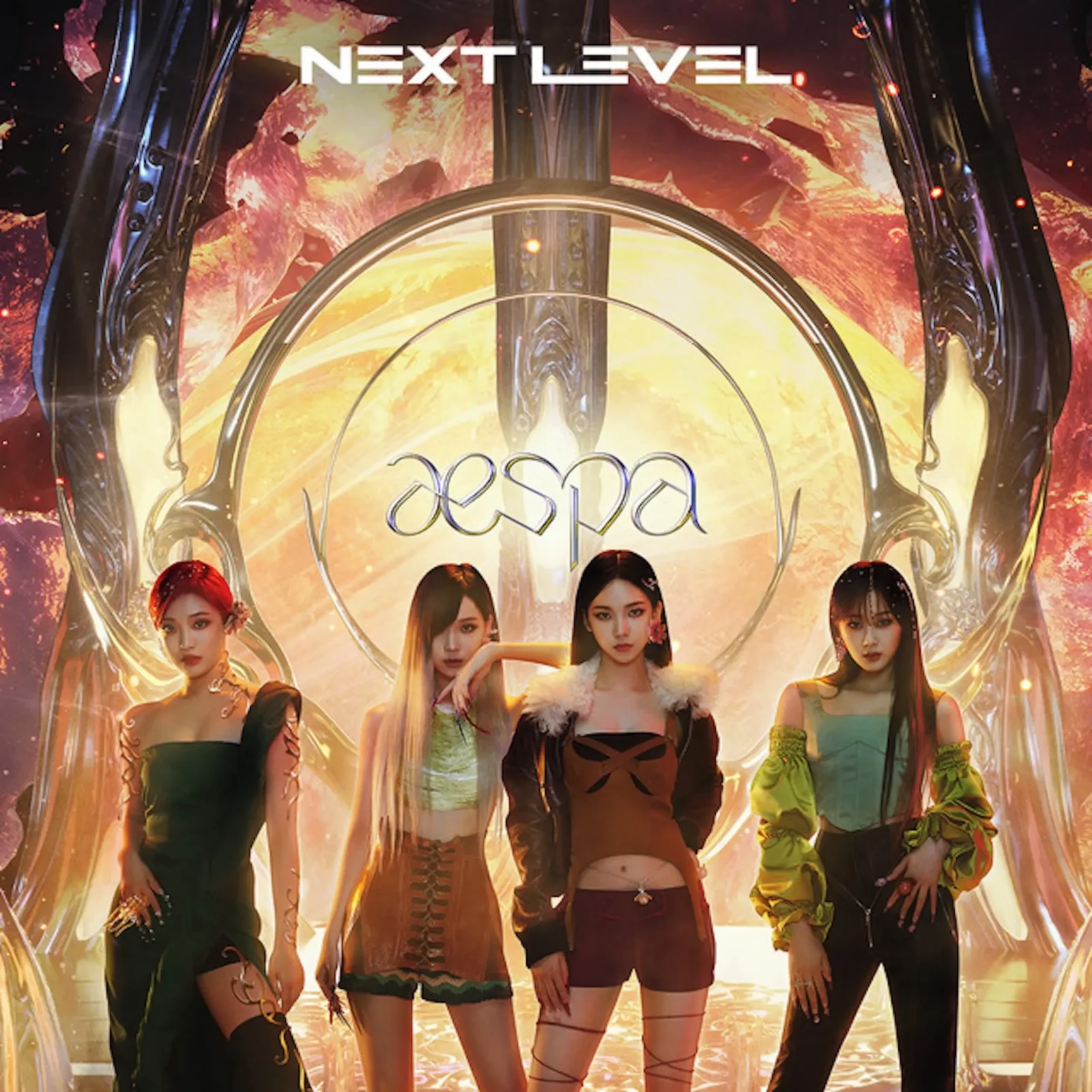
There are hit songs, and then there are songs that put artists on everyone’s radar. “Next Level” did exactly that for aespa. With dizzying beat switches and towering belts, the song transformed a soundtrack cut from Fast & Furious: Hobbs & Shaw into something that is totally aespa’s own. It’s the perfect showcase for SM Entertainment’s obsession with vocals pushed to their theatrical limits, but it also captures the maximalist weirdness that would define aespa’s early years. “Black Mamba” introduced them; “Next Level” made them unavoidable.
“Whiplash” is proof that aespa doesn’t have to prove anything anymore, if that makes sense. Instead of overloading the production with gimmicks or explosive drops, it’s restrained coolly on a thumping house-pop beat, muted horns tucked into the bassline, and the girls delivering every line with the confidence of artists who already know they’ve won. Vocal fry abounds. No fourth-generation girl group has really grown into their brand the way aespa has, and on “Whiplash,” the girls carry themselves with a cunty coolness that is, if not authentic (a notion I rebuke), at least believable.
Frequently Asked Questions
“Whiplash” is widely considered aespa’s best song, praised for its restrained house-pop production and the group’s confident, vocally distinct delivery.
aespa debuted in November 2020 with “Black Mamba,” an explosive synth-and-horns-driven track that established the group’s cybernetic, surrealist identity in K-pop.
“Next Level” is aespa’s most commercially impactful song, transforming a Fast & Furious soundtrack cut-out into a maximalist K-pop anthem that made the group unavoidable.
aespa primarily operates in pop, blending industrial synths, dance-pop, and R&B-pop, creating a signature sound that sets them apart from most fourth-generation K-pop groups.
aespa consists of four members — Karina, Giselle, Winter, and Ningning — who debuted under SM Entertainment in November 2020.
Recommended Video