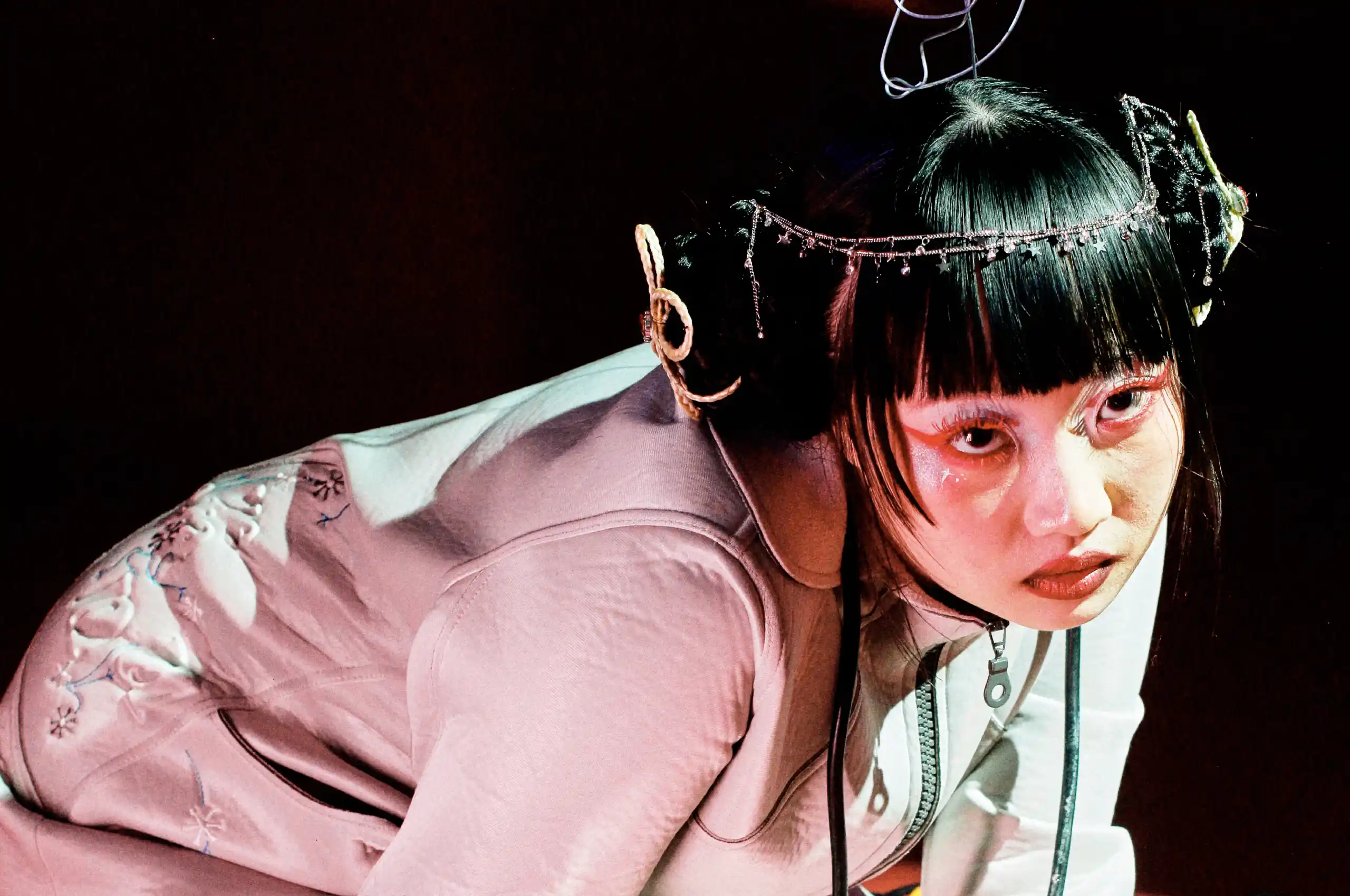
ena mori has never treated pop as something to soften herself into. More than half a year after rOe arrived in August, that stance has only sharpened. At the time, the Awit Award–winning artist was already moving through festival circuits abroad, steadily refining how sound, image, and performance could exist on equal footing.
The influences have always been readable — Björk’s willingness to disrupt form, Imogen Heap’s precision with harmony — but ena mori has never relied on those references as shorthand. With Ore, she pushes further into electronic territory. The record dwells in friction, distortion, and moments that feel unresolved on purpose. This is pop music that resists easy entry, and her latest release acts as a gateway to push the envelope of sound further.
Released on February 28 midnight, Ore is the result of continued collaboration with Tim Marquez, the drummer and producer of One Click Straight. Together, they treat the synthesizer as an expressive tool rather than a cosmetic layer. In songs like “Funny,” an explosive synth and drum pattern chaotically spatters left and right; “19 Underground” features a buzzing synth attacking in the form of a UK garage two-step drum pattern; “Insomnia” combines trance synth buildups with her haunting, soaring vocals. These tracks unfold through texture, repetition, and pressure, allowing discomfort to stay in the frame.
“I’ve always been drawn to sounds that are a little bit unsettling,” ena tells Rolling Stone Philippines. “Some people might find them ugly or irritating, but for this record, I really leaned into sounds that not a lot of people would enjoy auditorily, and that was also the point for Ore.”
Note to Younger Self
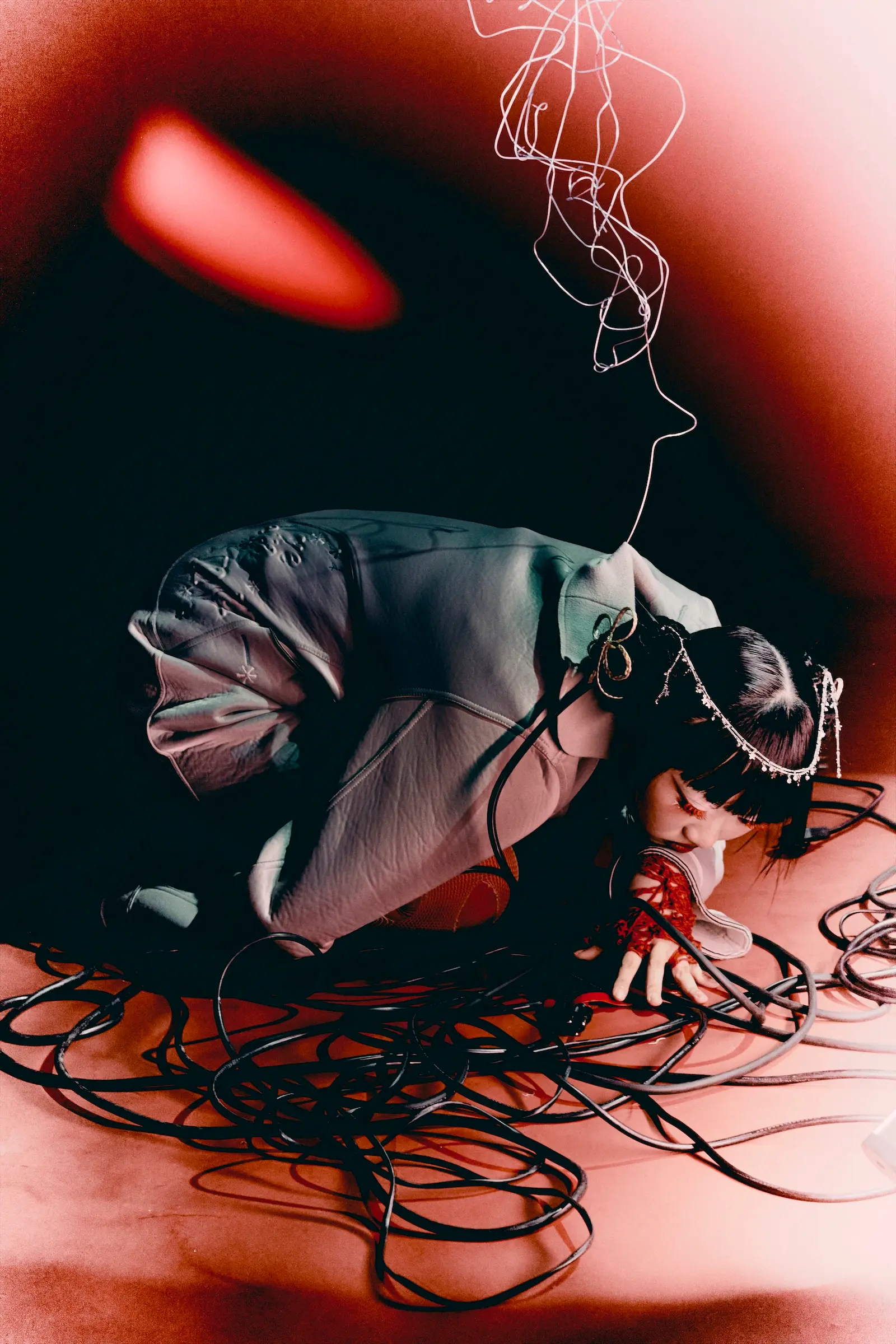
That attraction is not aesthetic posturing. For ena, sound is tied directly to emotional honesty, even when that honesty feels abrasive. “Whenever I look for sounds, I want it to be true. I want it to be the auditory version of what I feel,” she says. “That’s what I really care about.”
She traces the creative process as something she continues to learn even now. ena fully entrusts the soundscapes to Marquez, who orchestrated the synth selection on Ore. “Probably the reason I’m drawn to unsettling or irritating sounds is because maybe I am irritated. Maybe I am unsettled and unstable at times,” she says. “There are moments where it feels uncomfortable to be in my own mind. I think that’s where the sound is really coming from.”
Much of Ore circles back to her teenage years, a time when she felt misunderstood. The record becomes a space where she allows herself to reopen moments she once dismissed or minimized. “There are so many moments where I opened boxes of memories from my teenage years,” she says. “I didn’t really give myself that much credit when I was younger. And I think that, as an artist, I’ve learned to see the importance of that. You know, all the small things I’ve done that make me cringe are things I don’t want to erase. Those are all beautiful things that shape who we all are.”
That reckoning gives Ore its emotional core. The songs do not resolve into neat conclusions. She also speaks candidly about the tension between creative momentum and mental pause, particularly in an industry that rewards constant output. “I think about creative ways to take a brain rest,” she says. “And that can feel scary. It can feel dangerous, creatively.”
Ore moves as though it understands the cost of slowing down. ena documents choosing to remain present with herself, even when that presence is uneasy. She insists on occupying that space slowly but surely. The record stands as a reflection of an artist willing to let sound carry memory and uncertainty without compromise — like a true pop artist.