Bamboo’s sophomore album Light Peace Love , a fearless mix of rock, funk, and soul, turned 20 in 2025. But the story begins with a phone call that shouldn’t have worked. Bamboo Mañalac, halfway across the world in the United States, dials old friend Nathan Azarcon, who picks up. Azarcon’s voice carried the weariness of Manila’s grind, the kind that breaks bands and musicians: “Things are tough here right now,” he told Bamboo. “It’s not as easy as you think. The music scene isn’t up to what you remember before.” Most would have taken the warning and stayed put. Bamboo booked a flight home.
That decision would reshape OPM.
By 2004, the landscape was fractured. Rap-rock and post-grunge dominated the airwaves, while the underground bubbled with emo and hardcore. Bamboo, returning to a scene that had moved on without him, could have played it safe. He could have relied on the legacy of Rivermaya, the band he once fronted, or chased the sounds that sold. Instead, he trusted his instincts.
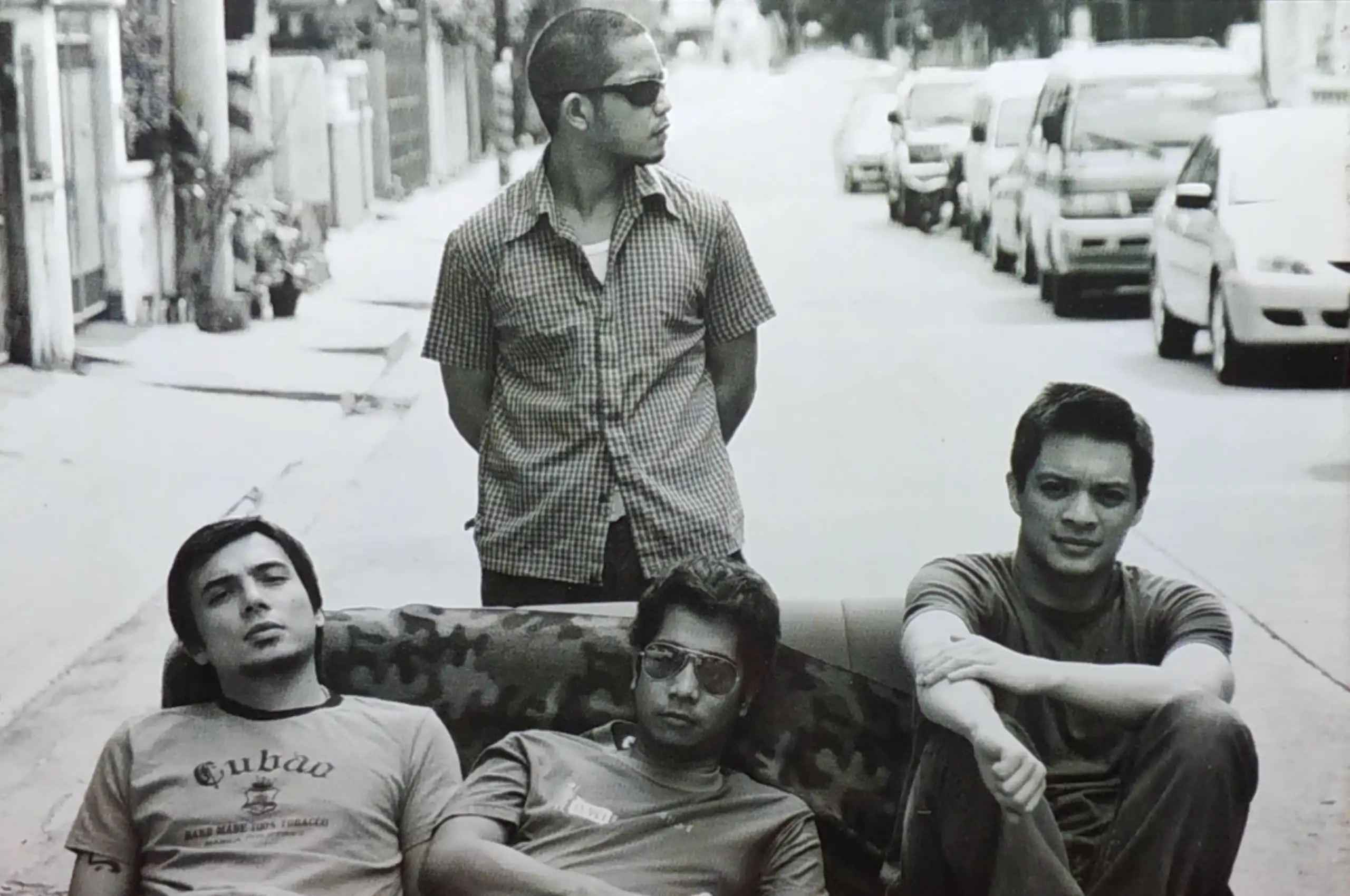
Early jam sessions told the story. In a small studio owned by guitarist Ira Cruz’s father, Mañalac, Azarcon, Cruz, and drummer Vic Mercado found a chemistry that defied the era’s trends. “From that first jam, we knew it was something special,” Bamboo recalled in one interview. “The songs were going places.” Those places weren’t necessarily commercial. As told in his PolyEast Records biography online, when the band shopped for early tracks such as “Pride and the Flame,” “Take Me Down,” and “Noypi,” labels shrugged. “Nice, but where’s the hook?” detailed in one record executive asked. Another wanted control over singles. The band walked away.
What emerged from that defiance was As The Music Plays, a debut that announced Bamboo’s return with polished ferocity. But it was 2005’s Light Peace Love that cemented the myth. Here was an album that shouldn’t have worked: too soulful for the rock purists, too jagged for the pop charts, too smart for the room. Yet it succeeded regardless. The singles alone read like a manifesto: “Much Has Been Said” balanced adult contemporary rock restraint with explosive release of jazz, “Hallelujah” married rock gospel warmth with razor-sharp lyricism, “F.U.” and “I-You” proved Bamboo’s voice, that impossible blend of grit and glide, could elevate even the simplest phrases into arena-level anthems. The album was a recalibration of what OPM could be.
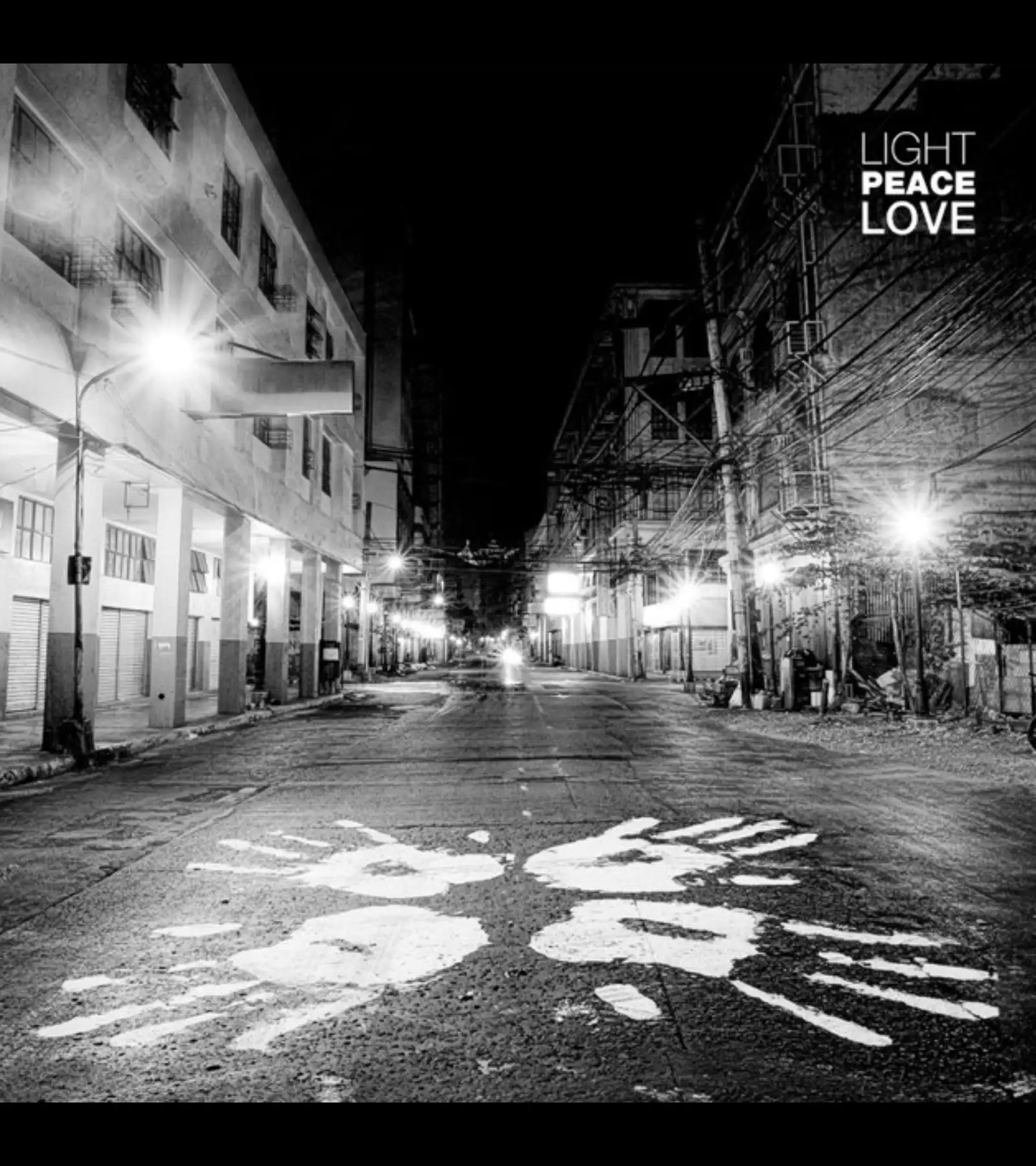
Critics called it alternative, but the label never fit. Light Peace Love was funk in a rock shell, jazz in punk clothing, a record that treated genre like a suggestion rather than a rule. Where contemporaries leaned into distortion and angst, Bamboo’s band — Azarcon’s basslines slithering against Cruz’s guitar work, Mercado’s drums both tight and unpredictable — played with a looseness that felt revolutionary. It was music for musicians, yes, but also for the kids air-guitaring in their bedrooms, the uncles who still remembered their chops, the outsiders who didn’t fit anywhere else.
At its core, Light Peace Love wasn’t a genre album. Bamboo wasn’t following templates. He was writing new ones. And that’s where its bite remains, even decades later. Even its visuals — the stylized cover art, the understated fashion, and the posture of every performance — suggested a band unconcerned with its polish. It was more of a show-and-tell type of band, and it wore its rawness proudly. There was no need to shout when every note was already locked in a stance. They made difficulty look easy.
Read the full story and more in the Arts and Culture issue of Rolling Stone Philippines. Order a copy on Sari-Sari Shopping, or read the e-magazine here.