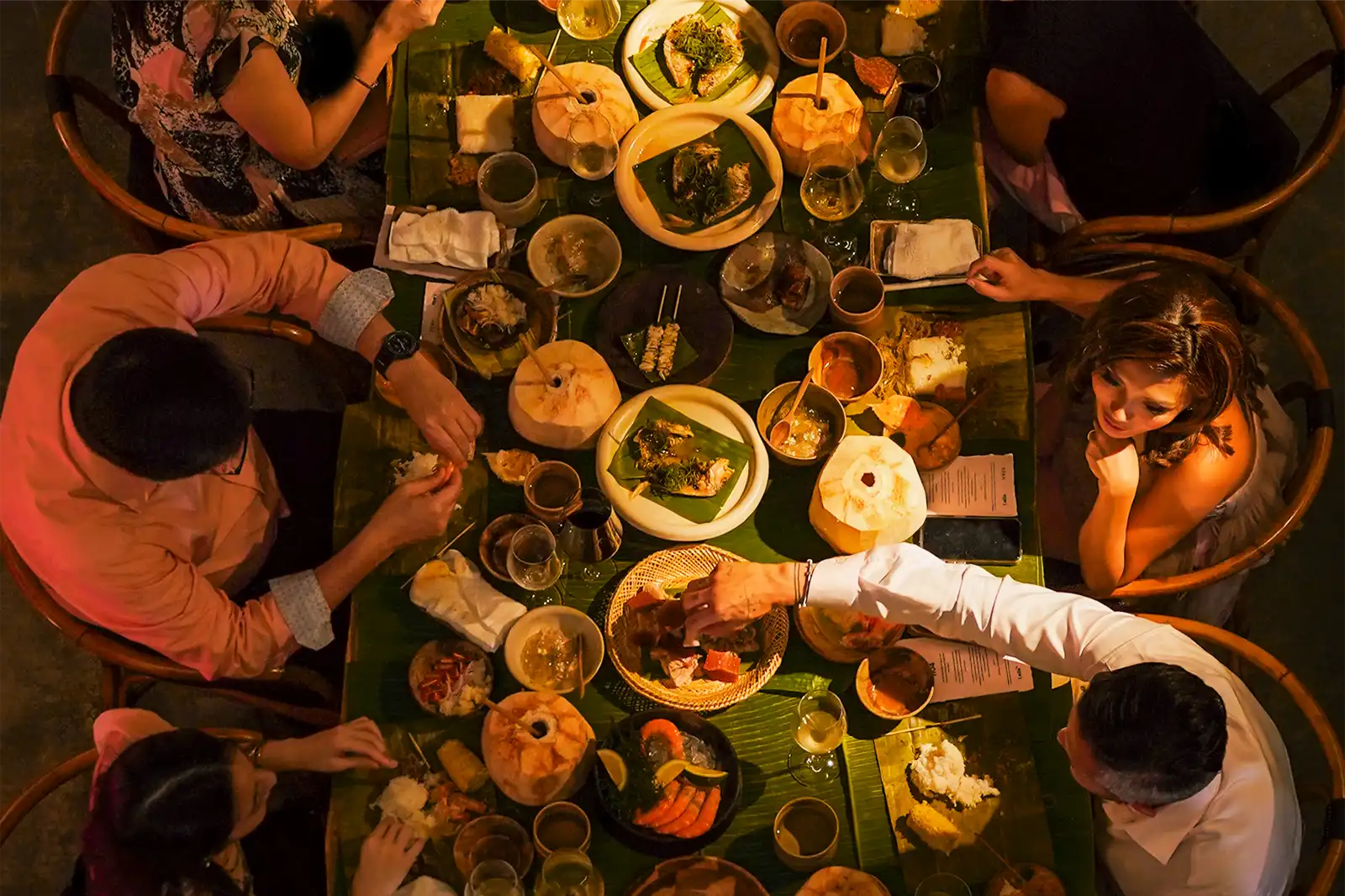
From June 3 to 6, Baken and Toyo Eatery presented Baken 1104, a chef-led dining experience that reimagined bacon in the context of Filipino cuisine. Set in the acclaimed Toyo Eatery, the event featured a bold, multi-level tasting trail where Baken’s signature products became the canvas for two celebrated chefs: Toyo Eatery’s Jordy Navarra and Lolla Singapore’s Johanne Siy.
Drawing from Filipino classics and the childhood flavors of Baken founder and CEO Rachel Carrasco, the collaborative menu treated bacon more than an indulgence, but also as as a medium, one that could bridge memory and modernity, comfort and creativity.
For generations, Filipino cuisine has thrived on memory. From the sour depth of sinigang to the comforting warmth of arroz caldo, it’s a cuisine built on heritage, community, and adaptation. Still, it’s fighting for global recognition. Not because it lacks flavor, but because it’s rarely given the space to evolve in public view.
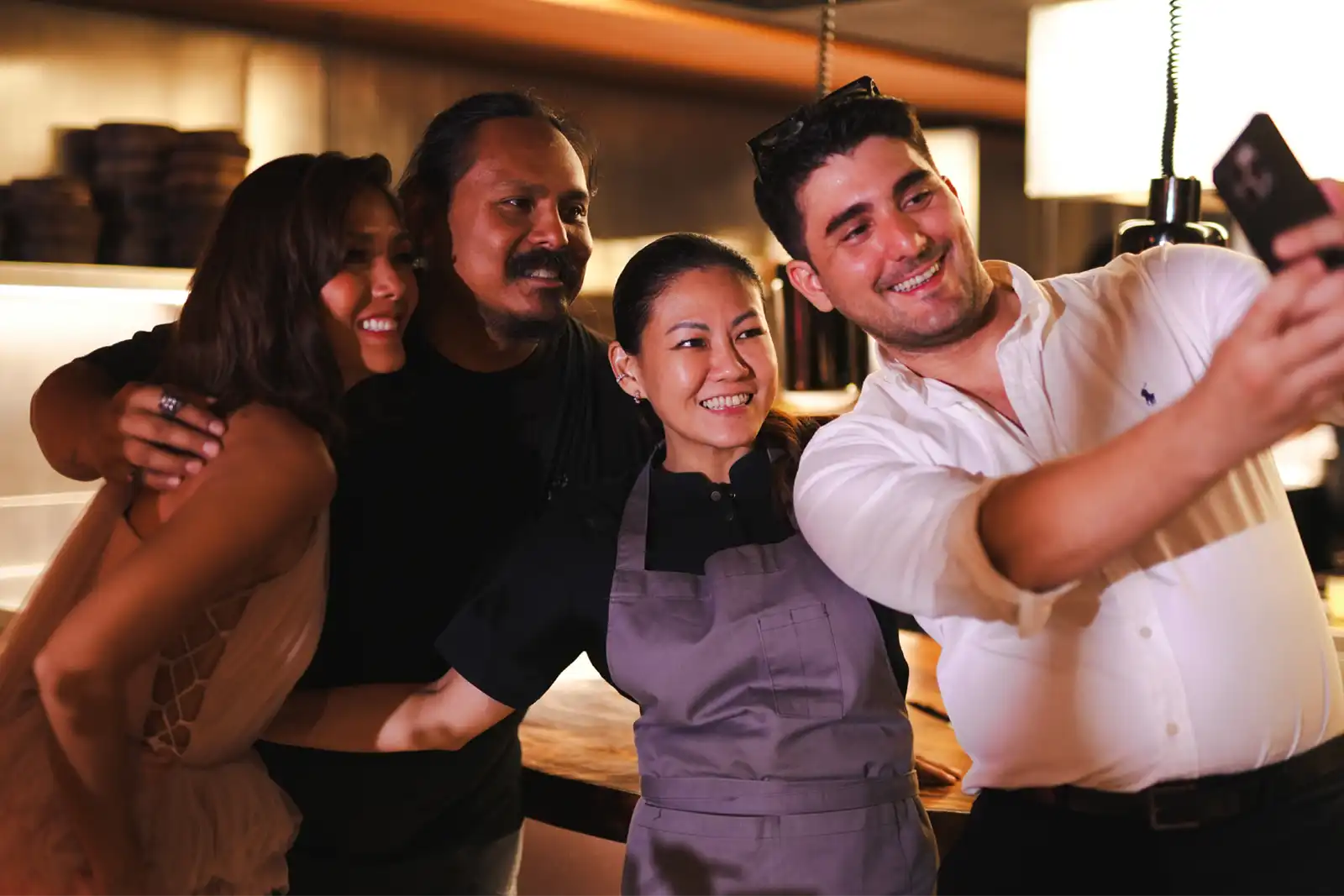
That’s what made Baken 1104 different. The four-day, five-act experience pushed bacon beyond breakfast plates and bar chow. It treated a humble, crunchy snack as a legitimate building block for expressive food. By inviting award-winning chefs to interpret its lineup, Baken initiated a conversation. It was a dialogue about how Filipino cuisine can be expanded to embrace experimentation while staying rooted in tradition.
The truth is, Filipino food isn’t static. It moves across generations, regions, and borders, and Baken 1104 offered it a new way to move forward.
The First Bite of a Bigger Future
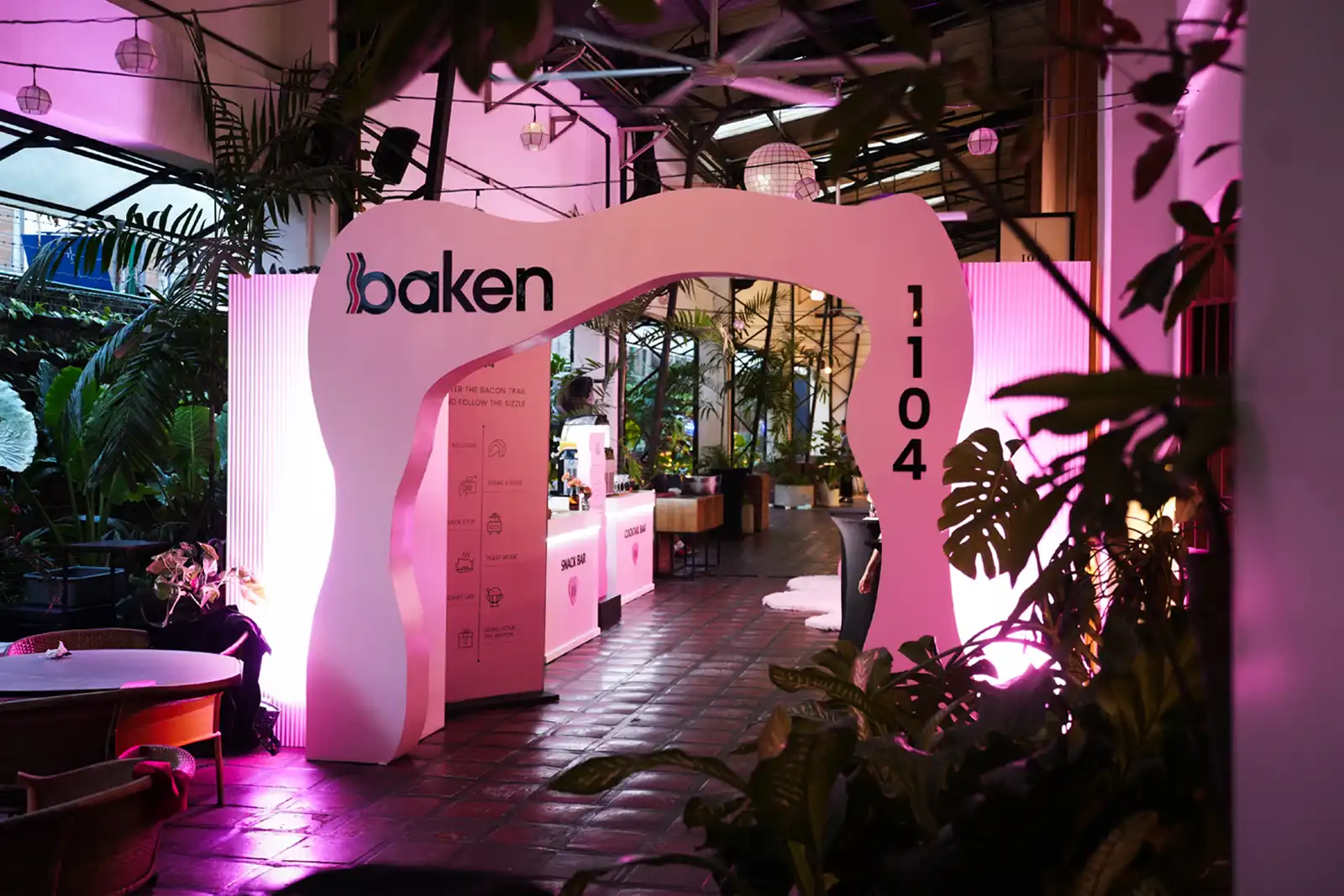
Baken 1104 was designed with a clear narrative arc: the prologue, the hero, the feast, the playground, and the send-off. At each turn, bacon broke free from its breakfast stereotype — crispy, crumbled, or stirred into cocktails — and took on new life.
Guests began their evening in a street food-inspired alley, where Baken’s Real Bacon Crisps were reimagined into small plates and street classics. Dishes included fish balls with bacon jam sawsawan, piaya with sambal and bacon crisps, and smoked bacon and fermented pork empanadas. The flavors were bold and playful, but grounded in familiar formats.
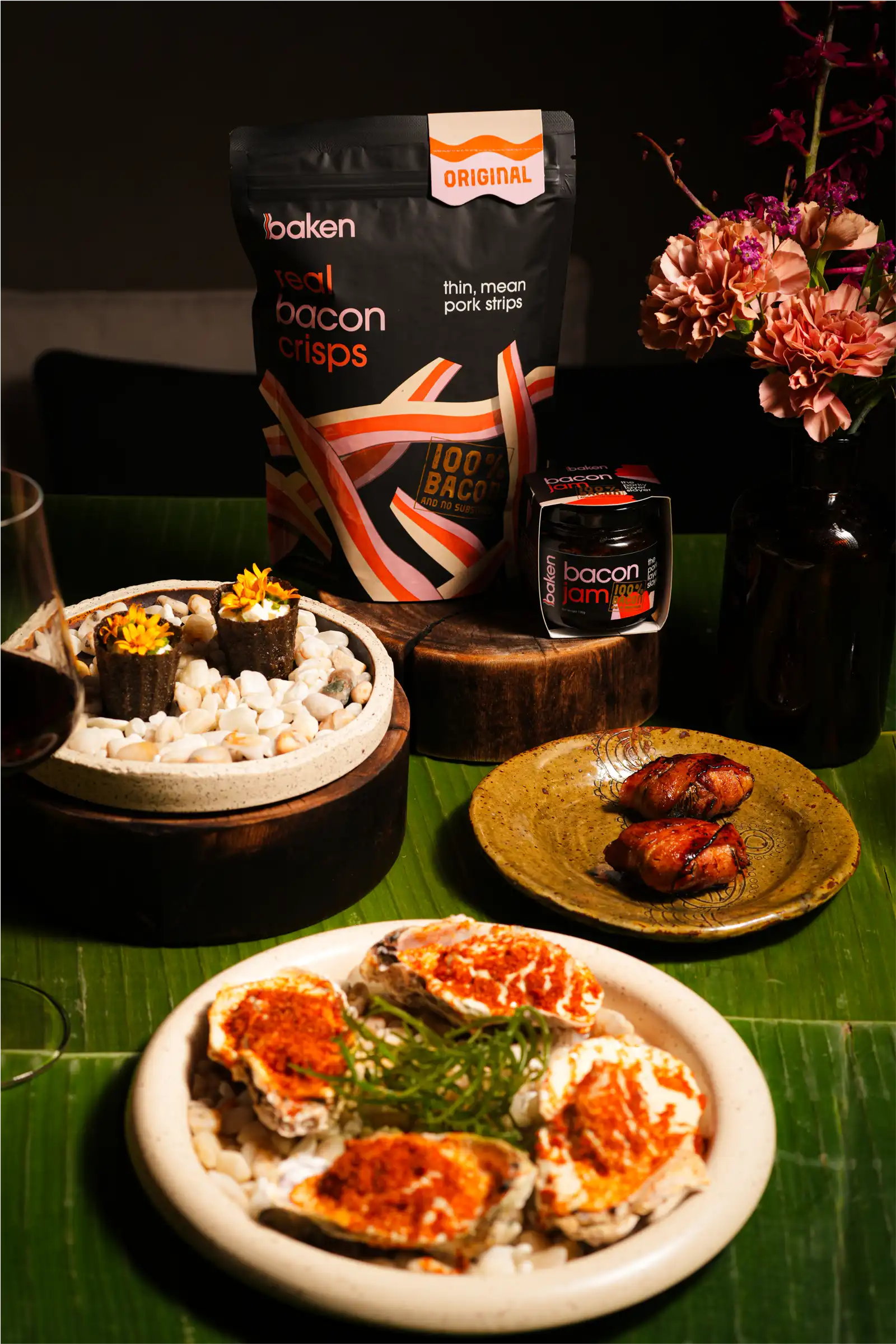
From there, the experience moved into the main dining hall, where a kamayan-style long table showcased the full range of Baken’s products through thoughtfully crafted dishes. Guests were served Kueh Pie Tee with kesong puti, tuna layered with grilled Real Bacon Crisps and calamansi, crab relleno, grilled bisugo with a bacon-based palapa, and a lechon centerpiece. Every course was paired with inventive cocktails and premium local spirits, deepening the sense that this was both a celebration and a statement.
Guests then stepped into the private room to experiment with dessert. It was a hands-on, no-rules approach that invited creativity: bacon-infused halo-halo, kakanin, and polvoron formed the base for build-your-own combinations.
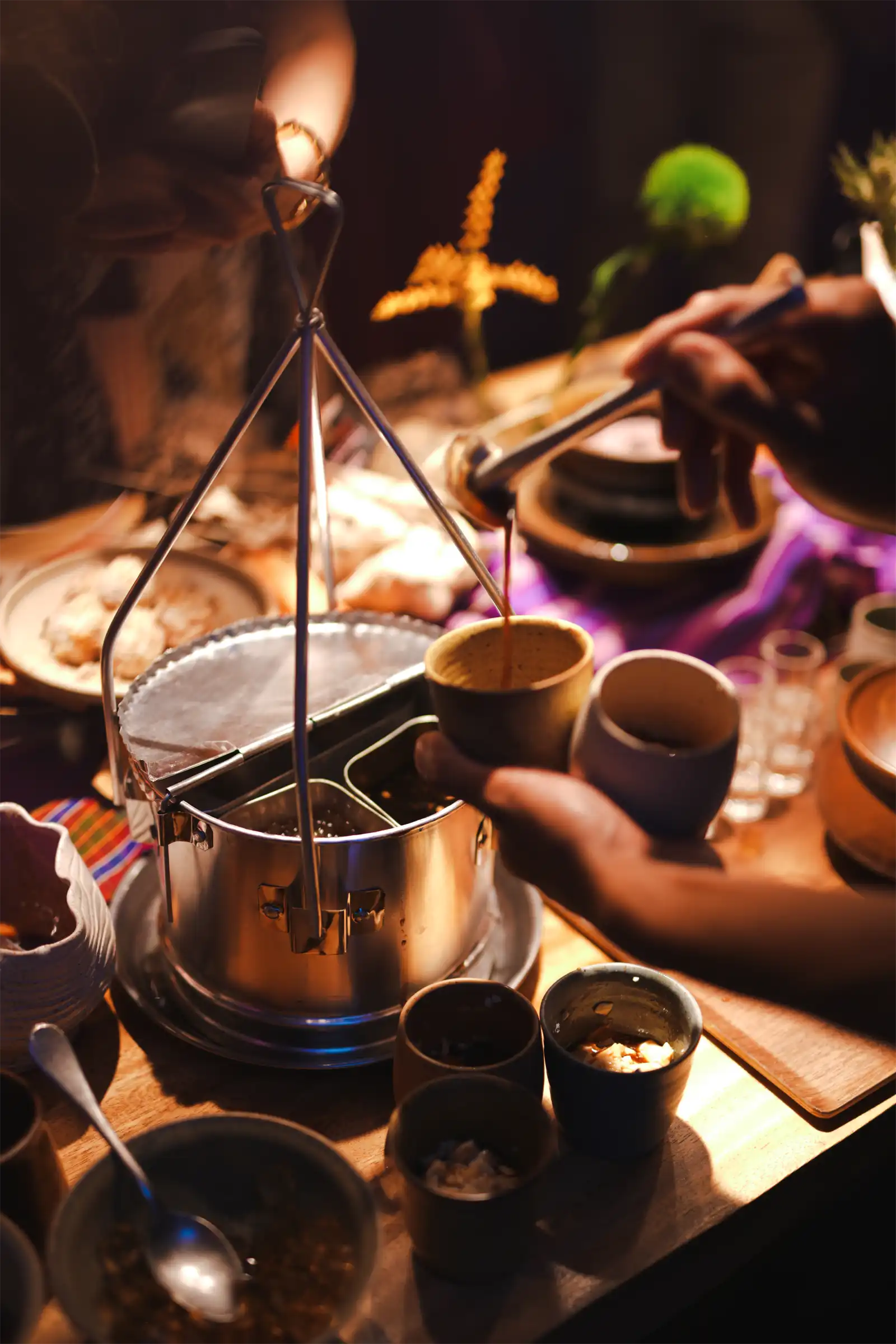
Even the parting gift — a thoughtful pabaon of handcrafted tsokolate bicho from Panaderya Toyo and Baken — was a reminder that Filipino hospitality always finds a way to follow you home.
it Starts with Flavor
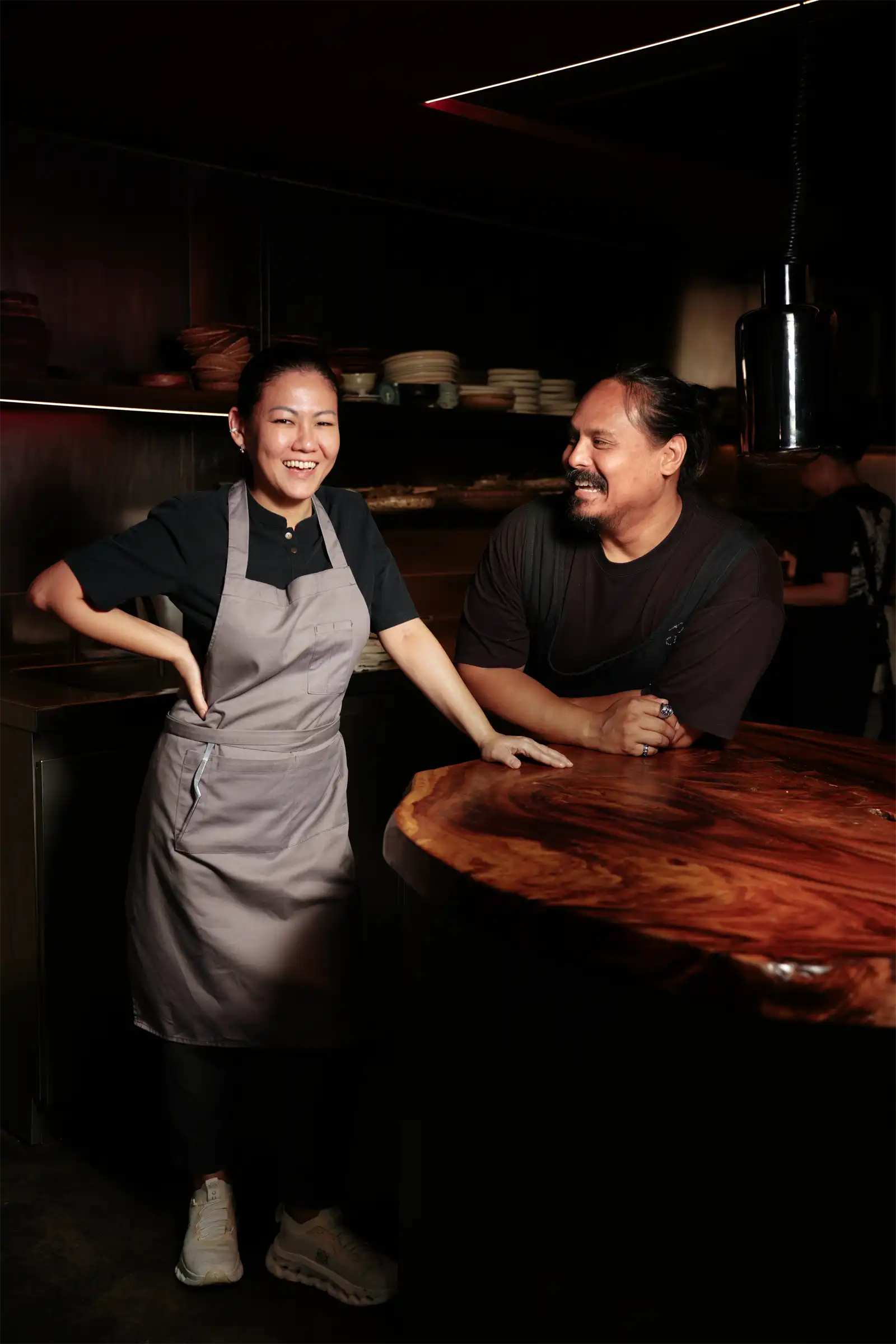
At the heart of this world-building were two culinary icons rewriting what Filipino food can look like on the world stage: Navarra and Siy. Both chefs have made careers out of remixing tradition and elevation. Together, they interpreted Baken’s products not as novelties but as tools to break boundaries.
Baken 1104 also marked something radical: that a product-first food brand could exist in dialogue with fine dining. Looking back, the event reads like the opening scene of a much bigger story, one about redefining Filipino flavor not as static heritage but as a living, evolving language.