


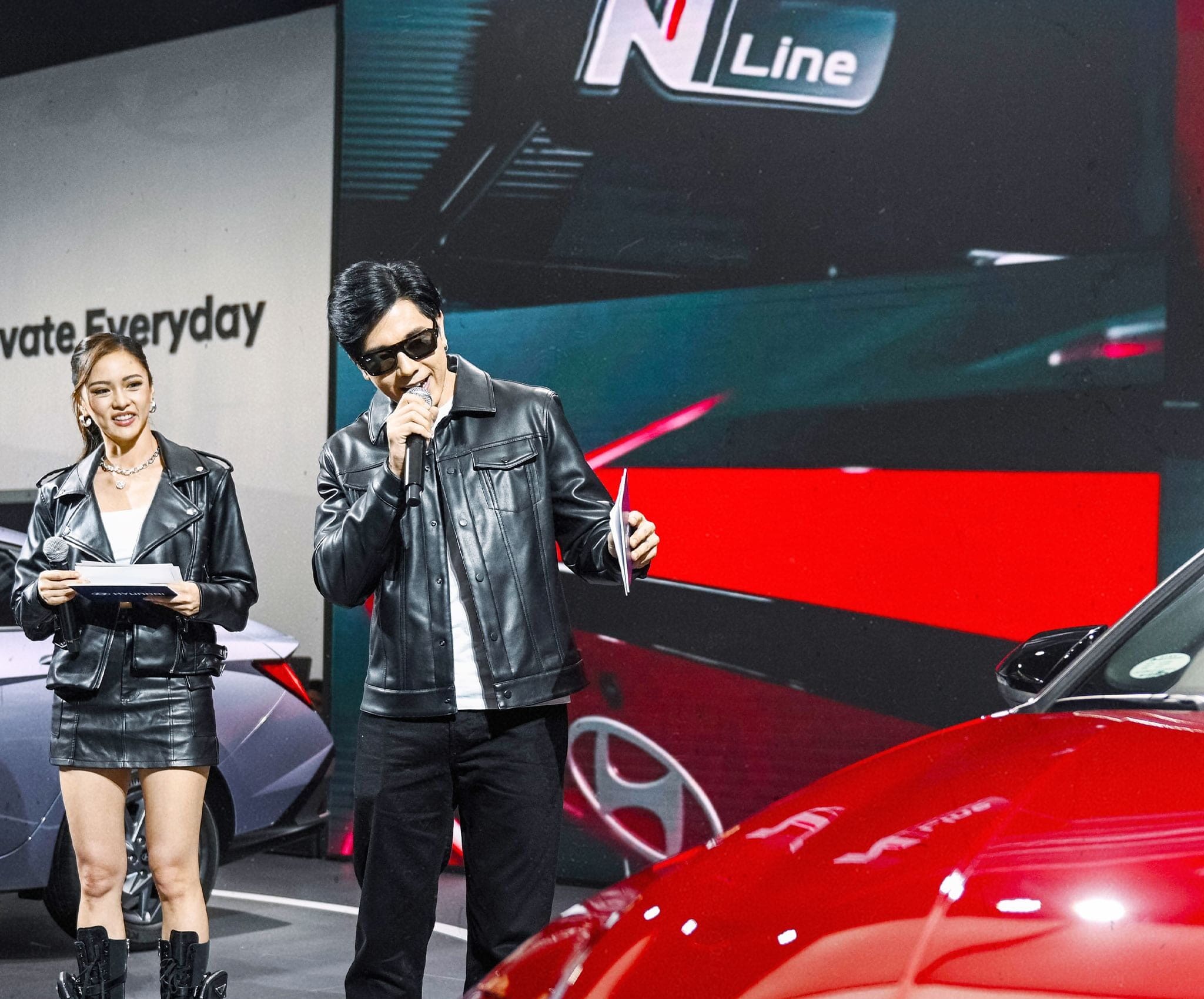
As the automotive industry faces increasing pressure to deliver sustainable solutions, the idea of performance often feels at odds with environmental responsibility. For decades, high-speed, high-performance vehicles have been synonymous with excessive carbon footprint and gas-guzzling engines. But as climate concerns become an inescapable reality, a new generation of cars has emerged: hybrids that strike a balance between thrilling speed and eco-consciousness.
Enter hybrid cars that pair a combustion engine with an electric motor, offering a more fuel-efficient ride that cuts emissions. By reducing fuel consumption, it brings a cleaner spin to the driving experience without sacrificing the power expected from a traditional engine. For performance-minded drivers, hybrids promise something close to the classic experience with minimal environmental toll.
But can hybrid cars actually deliver the thrill of high-performance driving while living up to their claims?
Rethinking the Formula
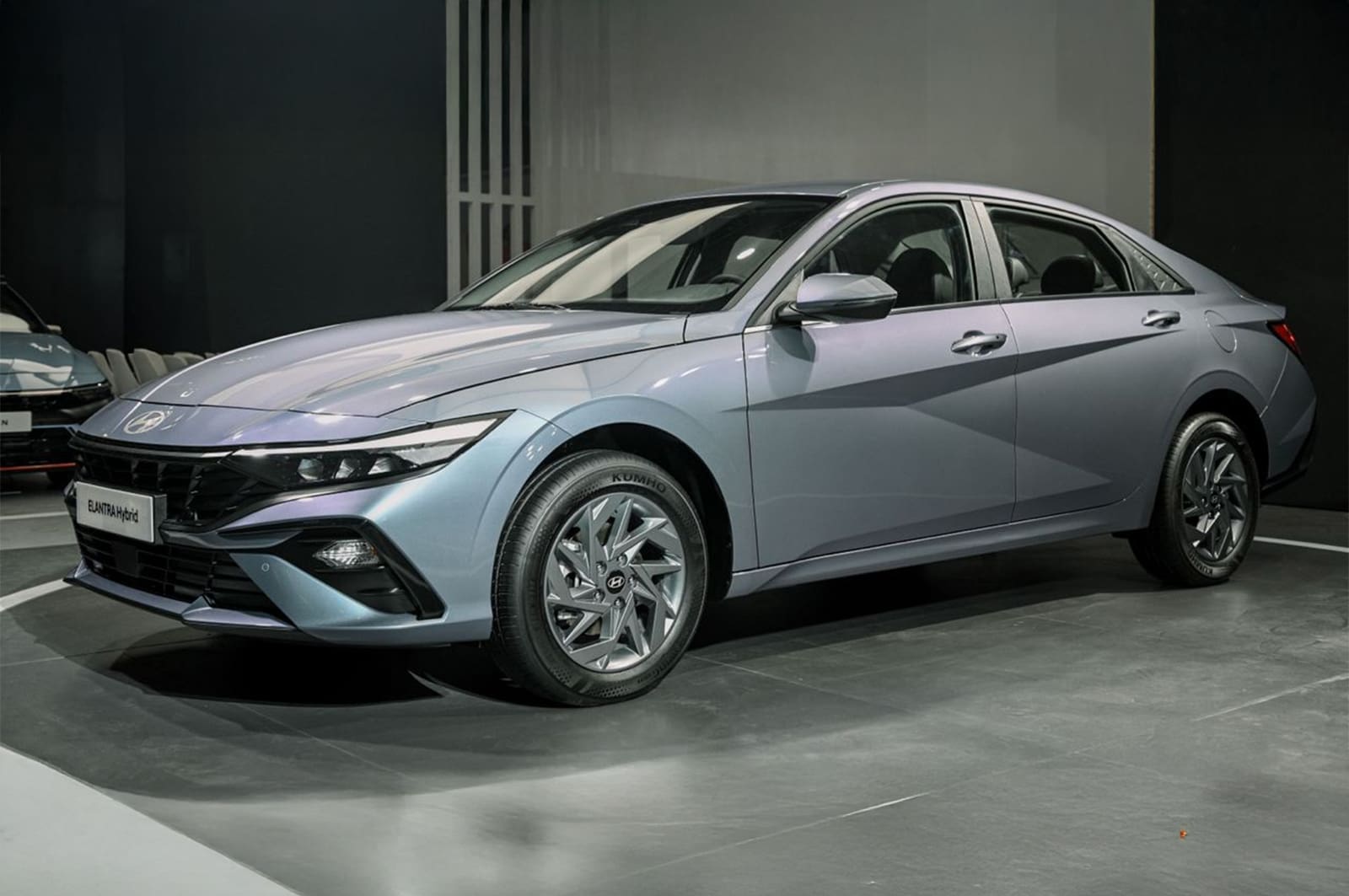
At the forefront of this shift is Hyundai, whose latest Elantra lineup challenges the idea that drivers must choose between speed and sustainability. With two distinct models aimed at two evolving mindsets, the Elantra represents a kind of choose-your-own-adventure for the modern driver.
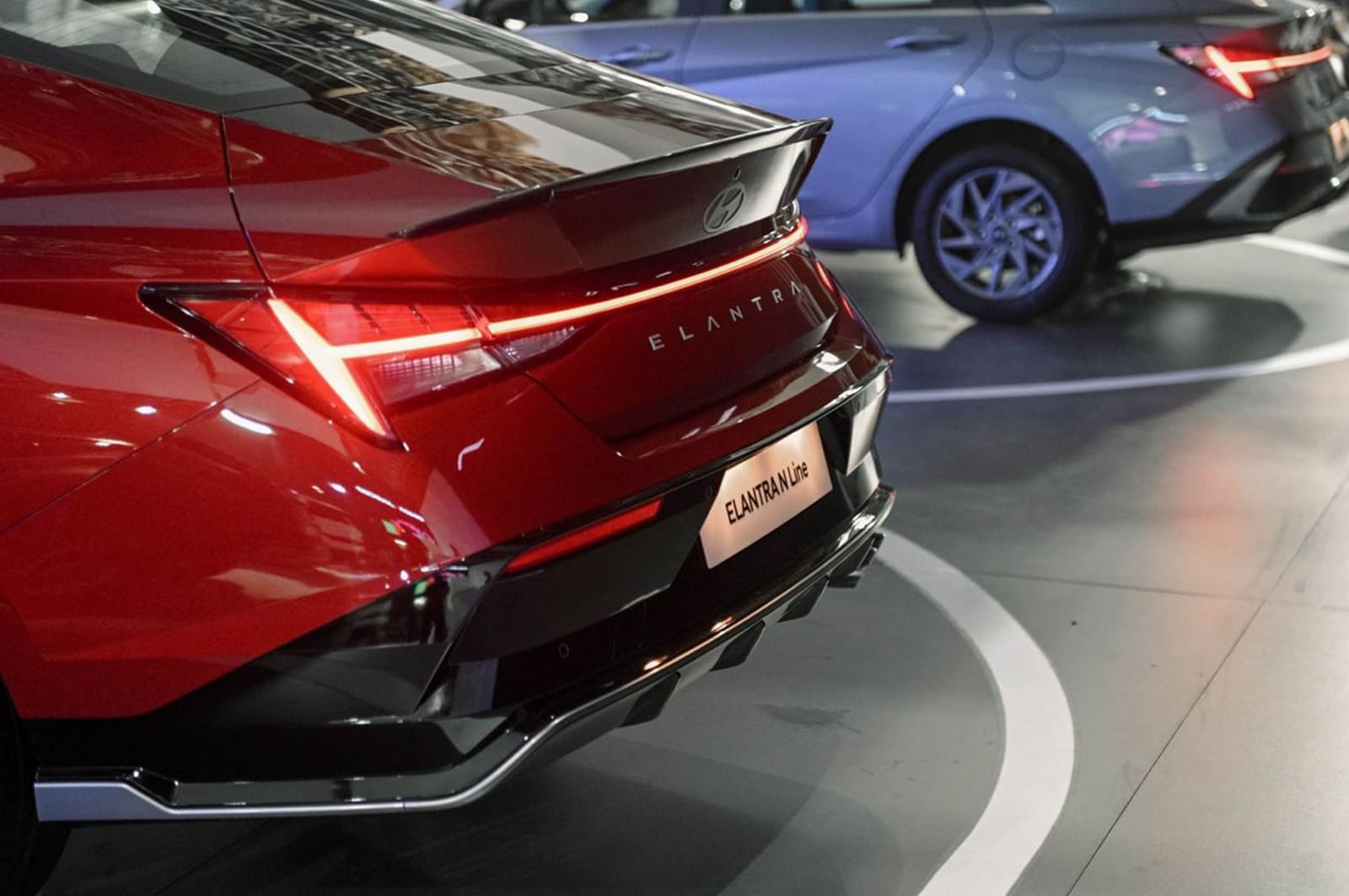
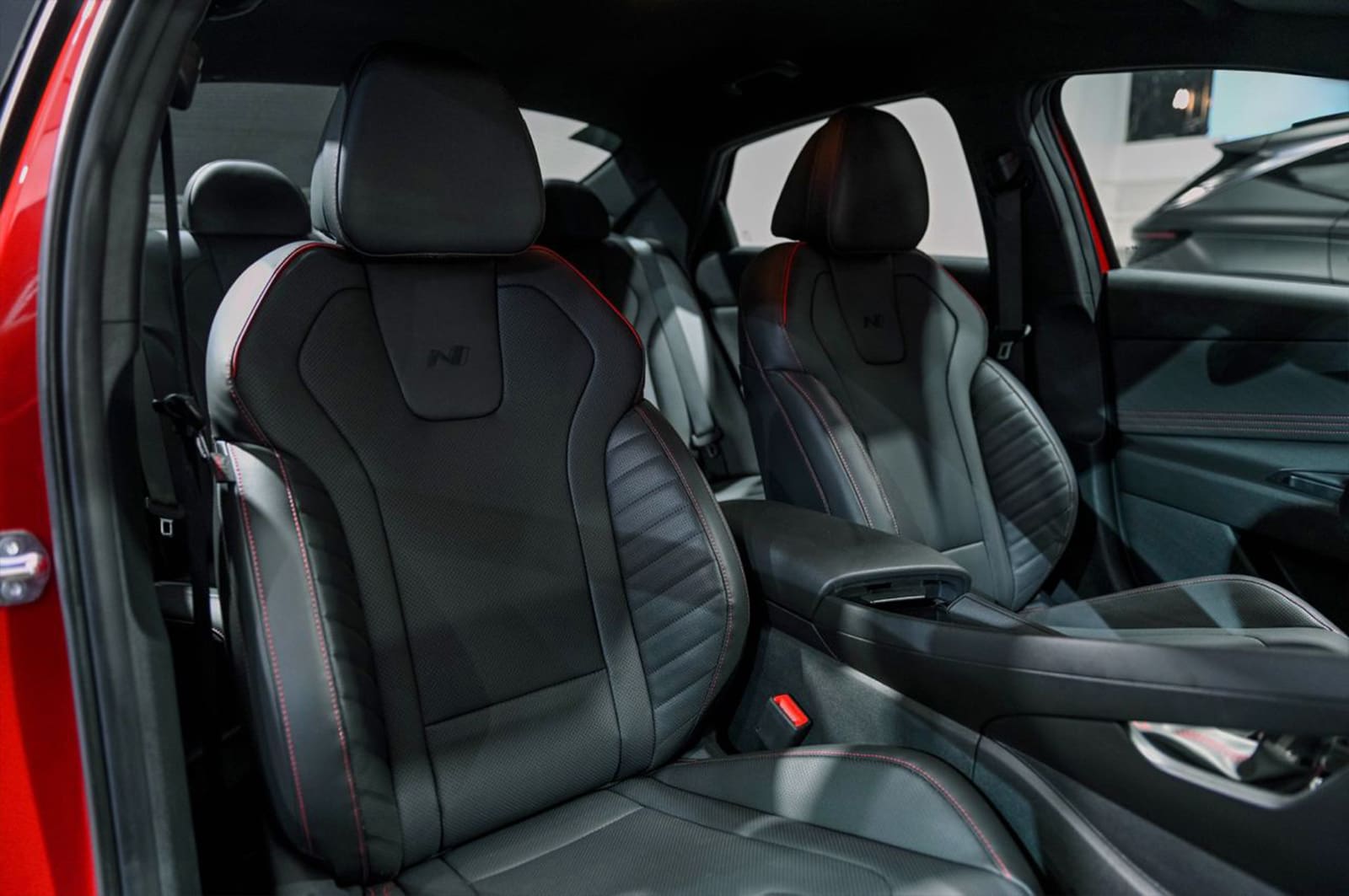
For those chasing visceral performance, the Elantra N Line delivers with a 1.6-liter turbocharged engine and a motorsport-inspired design. Paddle shifters, 18-inch alloy wheels, and sport bucket seats make the experience feel like a track day without tipping into excess.
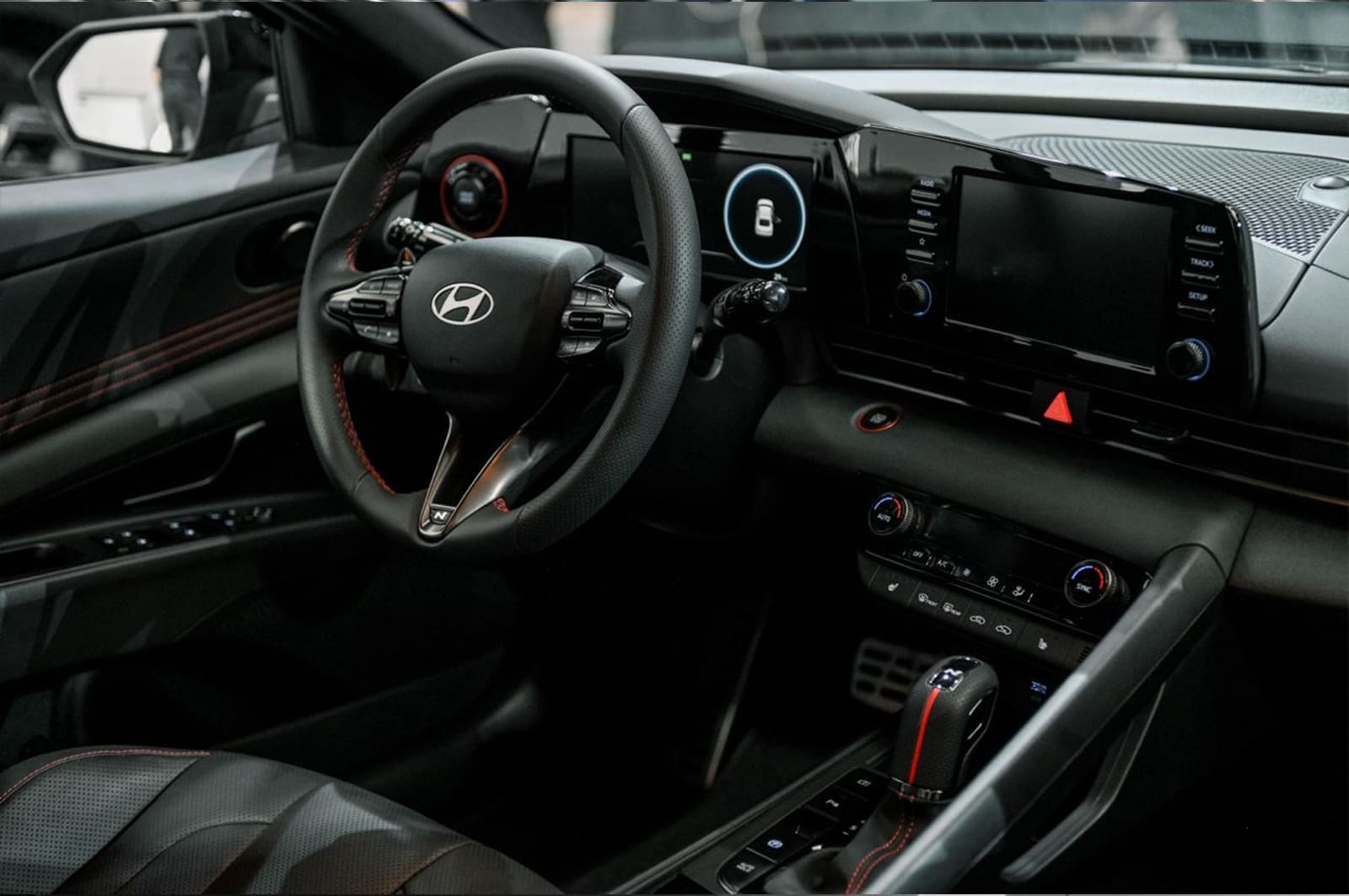
On the other side of the spectrum, the Elantra Hybrid Premium is proof that being eco-conscious doesn’t mean being underwhelmed. Its 1.6 Hybrid Electric Vehicle engine, paired with hybrid technology, offers a quiet yet powerful ride that conserves fuel without compromising features. With advanced safety systems and seamless connectivity, it’s a car that feels both intuitive and efficient.
But here’s the bigger picture: This isn’t about choosing between performance and sustainability; It’s about recognizing that both can — and should — exist in the same vehicle.
Power with a Purpose
In the past, pushing a car’s limits often meant pushing the planet’s boundaries. Today, innovation is about delivering excitement without the environmental cost.
The Philippines is seeing a steady rise in electric vehicle (EV) sales, projected to grow by 7% in 2025, with annual purchases reaching 20,000 units for the first time. Rommel R. Gutierrez, president of the Chamber of Automotive Manufacturers of the Philippines (CAMPI), noted that EVs are expected to make up 4% of the estimated 500,000 vehicle sales this year.
In January alone, 1,600 EVs were sold—5.36% of total car sales—with hybrid electric vehicles (HEVs) leading at 1,445 units, followed by battery electric vehicles (BEVs) at 146 and plug-in hybrid electric vehicles (PHEVs) at nine.
This momentum is bolstered by government initiatives such as the Electric Vehicle Industry Development Act (EVIDA) and Executive Order No. 62, which offer incentives like zero tariffs on imported HEVs until 2028. These policies are designed to make cleaner transportation more accessible while reducing greenhouse gas emissions.
As hybrid technology gains ground, vehicles like the all-new Hyundai Elantra are helping drive the Philippines toward a more sustainable future.
The Future Is Balanced, Not Binary
We’re at a pivotal point in car culture. The narrative around performance is no longer dictated solely by horsepower and top speed, but by impact on the environment, the economy, and the everyday driver.
The 2025 Hyundai Elantra, in both its N Line and Hybrid trims, offers a compelling counterpoint. It shows that the future of driving does not need to choose between power and principle. Whether you’re chasing the rush of a turbocharged engine or choosing a cleaner path forward, the Elantra delivers without settling.
As hybrid technology continues to evolve, the real challenge is whether we’re ready to rethink what performance truly means.
If the answer used to be a hesitant maybe, brands like Hyundai are turning it into a confident yes. The future of driving is not about sacrifice; it’s about smarter solutions. And if the road ahead is paved with hybrids that don’t hold back, we’re all better off for it.