


The internet has changed what it means to be within reach.
Reaching the world once required Kenneth Cobonpue to cross it first. When the Filipino industrial designer began showing his work in countries such as Italy and France, local design was often only lauded for our local craftsfolk’s manufacturing capabilities and skilled artisanship rather than original ideas coming from Filipino designers themselves.
Cobonpue began with his Yin & Yang collection, weaving rattan into steel frames, a design he used on sofas, an armchair, a bedframe, a loveseat, and an ottoman.
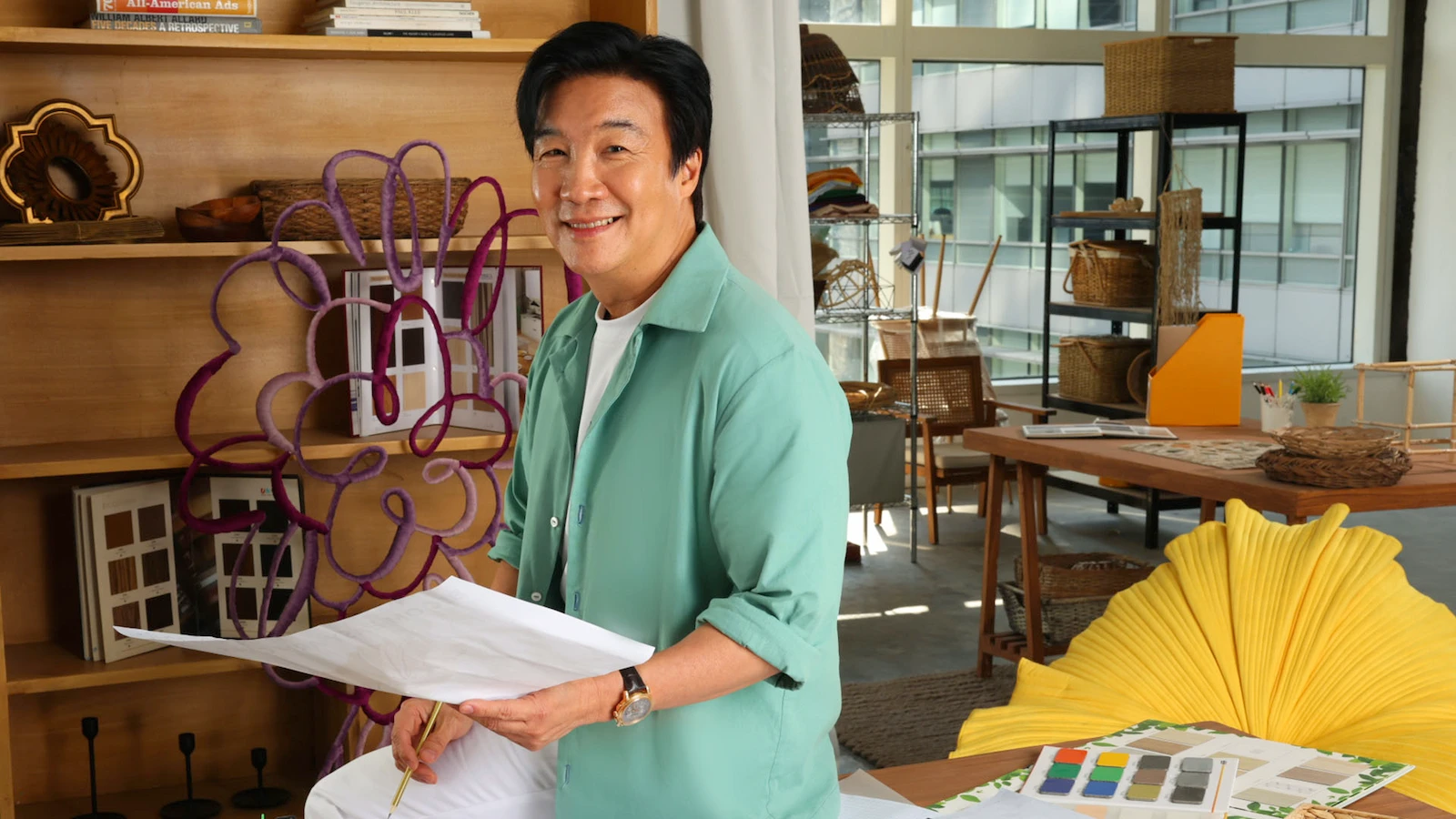
“Presenting original ideas under a Filipino name was considered an unconventional, and in many ways, a bold undertaking,” he says.
Finding a market for his pieces meant traveling to trade fairs across the globe, meeting people in person, and spending years cultivating relationships with them. Today, those borders are easier to cross.
“We can share concepts, prototypes, drawings, and feedback in real time with clients, artisans, manufacturers, and partners located in different parts of the world. The distance between ideas and execution has become much shorter,” he adds.
Building Wider Connections
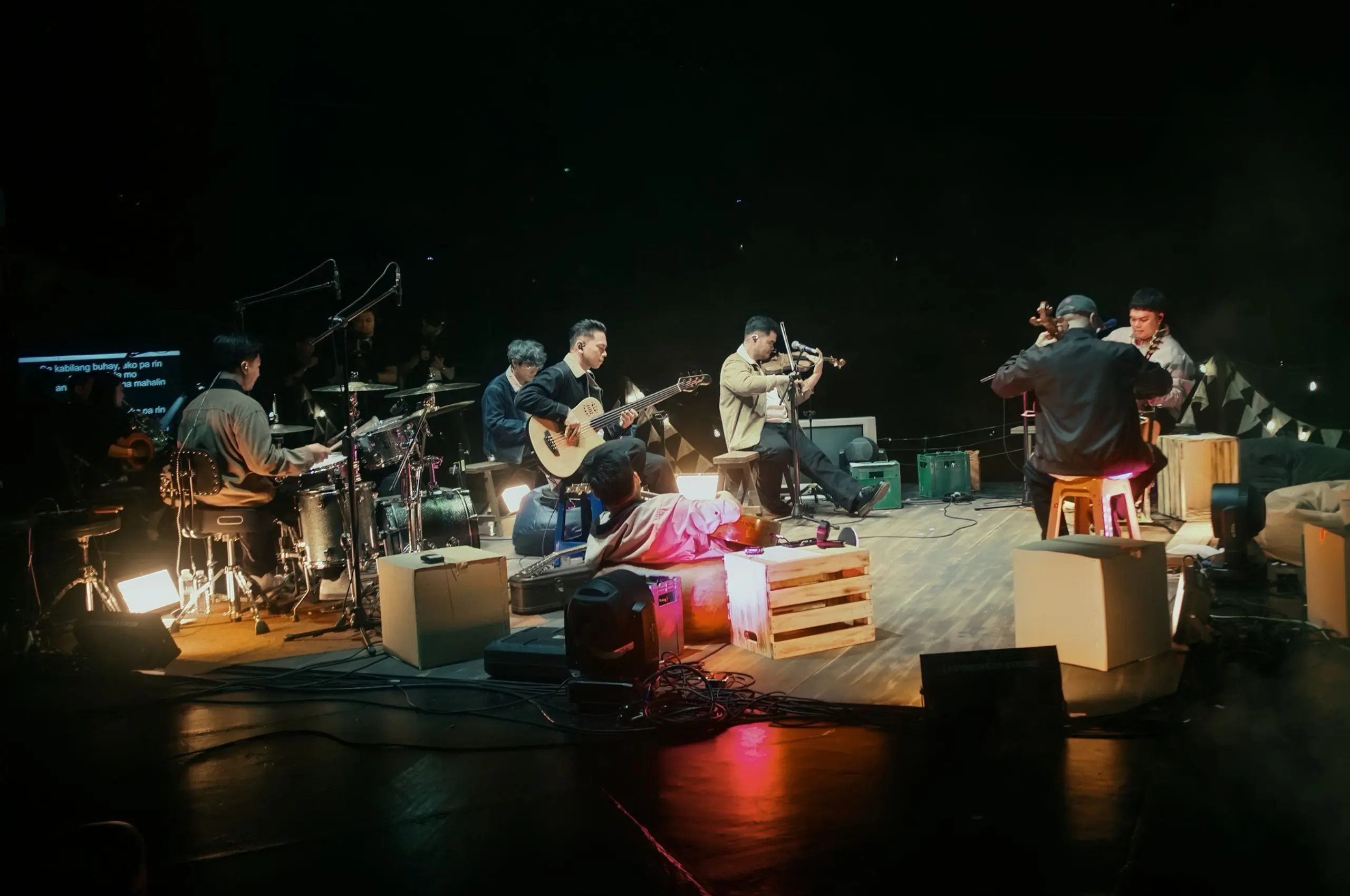
The same shift can be seen in music. Hit by a global pandemic in 2020, everything became digital. For one, concerts turned into online gatherings. Artists had to learn how to integrate technology, livestreaming, and other digital tools into their lives, as in-person interactions were no longer viable.
Despite these limitations, there were more people to reach, says KZ Tandingan.
The pandemic made that especially clear for Tandingan during the lockdown when she was able to produce and release a wedding album with her husband despite being unable to leave home.
“Kung walang connection nung time na ‘yon, walang technology, walang internet back then, hindi mabubuo ‘yung album,” she recalls.
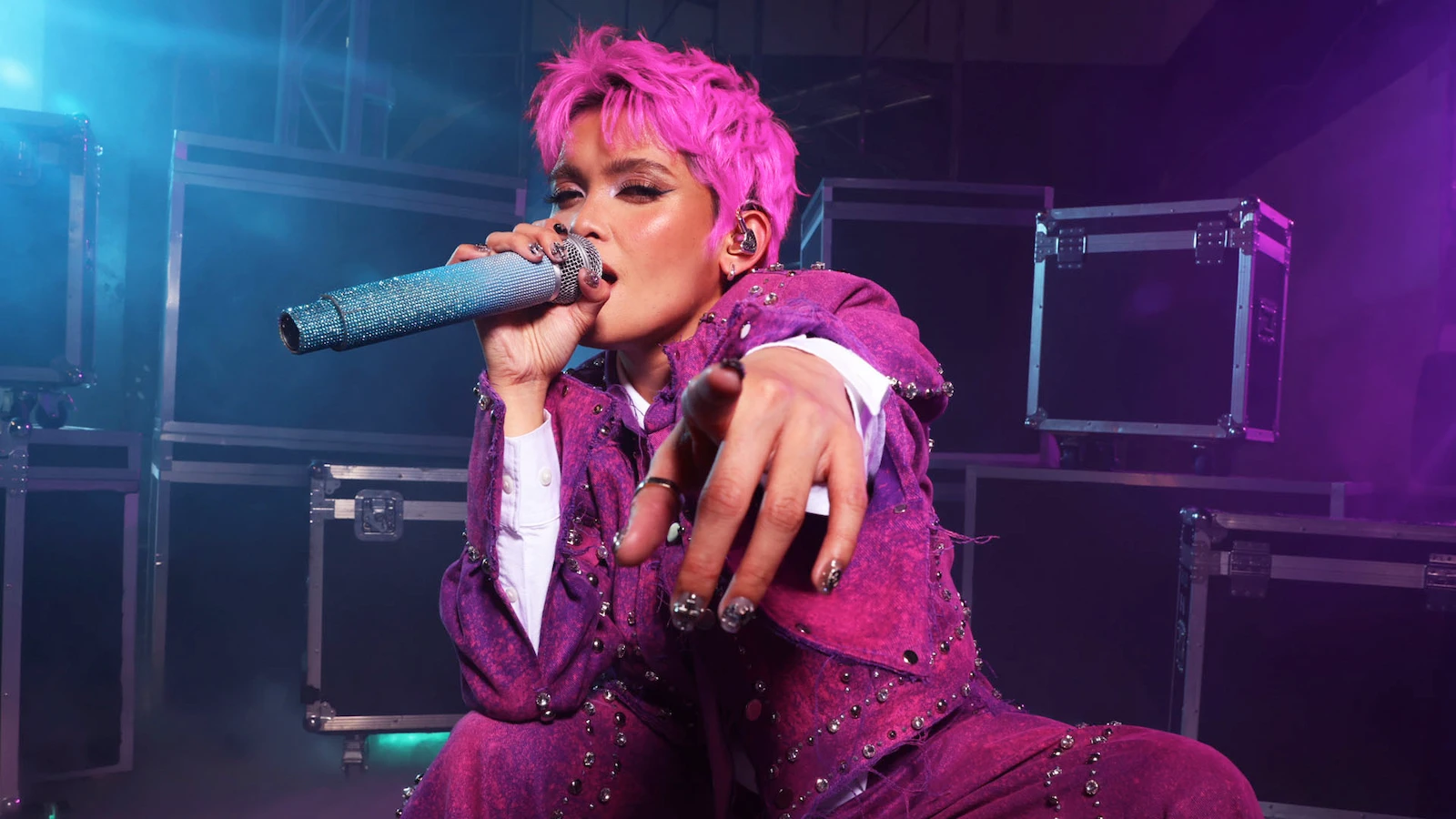
And even when conditions started to normalize, being an artist still meant staying in touch with fans beyond concerts or song releases. Today, artists need to engage with their fans a whole lot more but they don’t always have to be in-person encounters.
With their busy production and promotion schedules, artists like Tandingan have evolved to cultivate connection virtually. She admits that the digital side of being an artist pushed her outside her comfort zone as someone who doesn’t naturally post all the time.“Kahit hindi ka kumakanta, kahit hindi ka nag-pe-perform, your fans appreciate it when they just get an update from you,” she says.
“Mas lumawak pa ‘yung connection naming mga artists sa mga tao, hindi na lang sa Pilipinas,” she adds.
That ability to maintain relationships across distances extends to the collaborative aspect of creative processes. Cobonpue also sees this firsthand in the way technology allows his teams and international partners to work together. Ideas can be shared and refined without waiting for everyone to be in the same room, keeping the creative process moving even across continents.
“It allows us to maintain close relationships with international partners while remaining deeply connected to our teams and craftspeople in the Philippines,” he says.
Expanding Possibilities
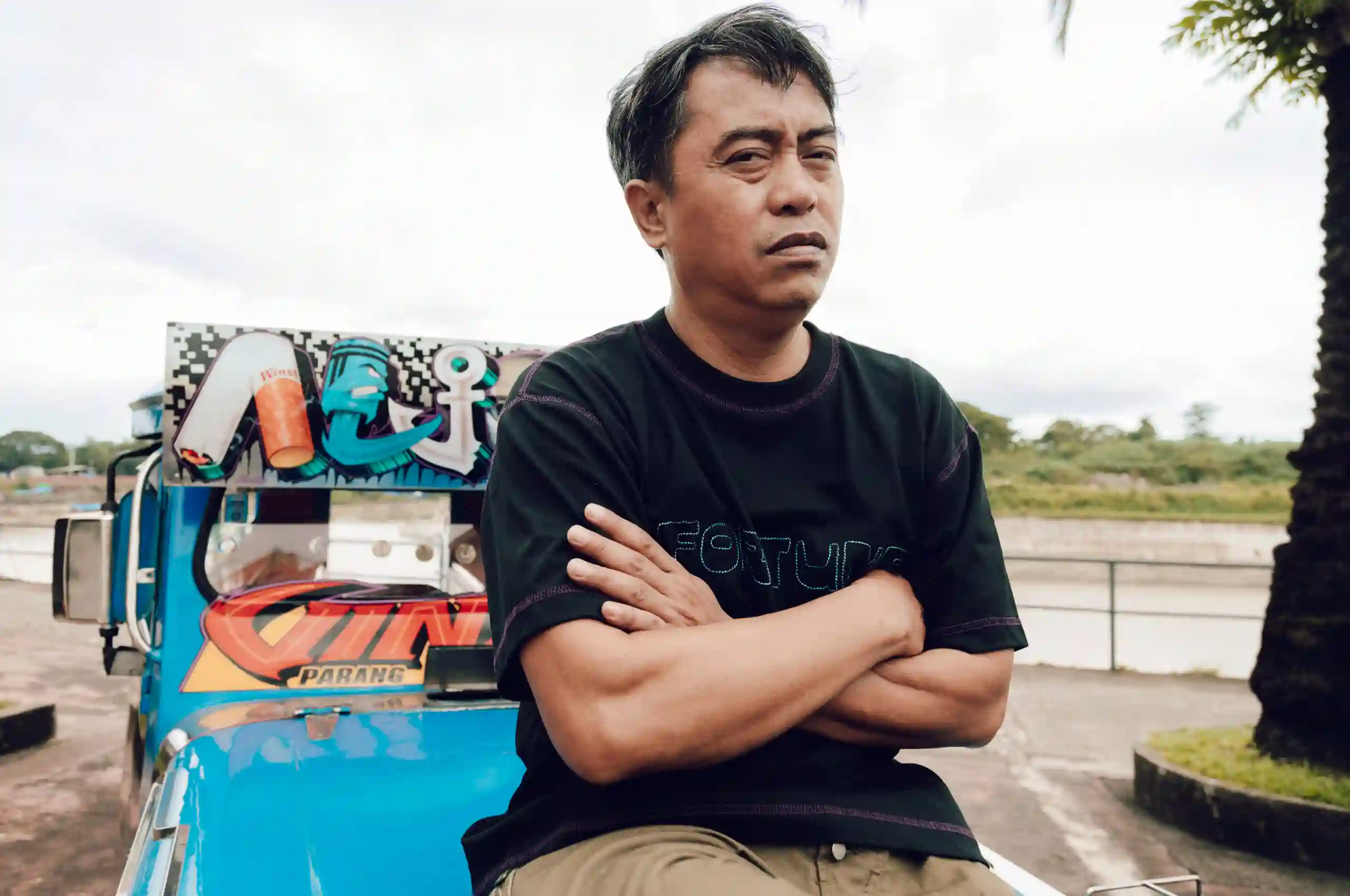
Filipino skater and 2018 Asian Games gold medalist Margielyn Didal, meanwhile, has harnessed the same ease of connectivity to tap into the skateboarding community around the world. While the sport is known for cultivating camaraderie within local skaters, it also pays for Didal to keep in touch, find inspiration, and learn from skaters around the world.
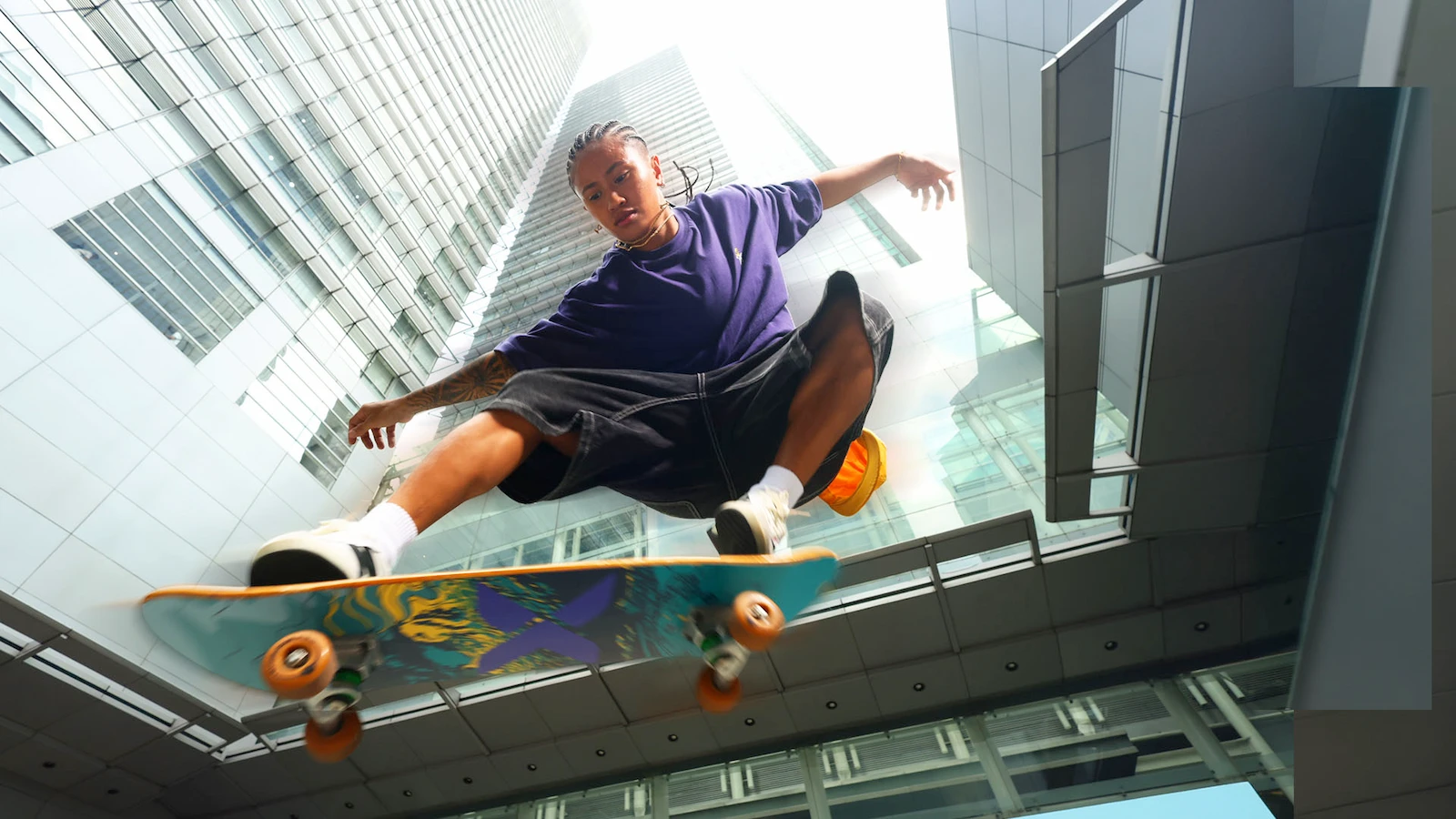
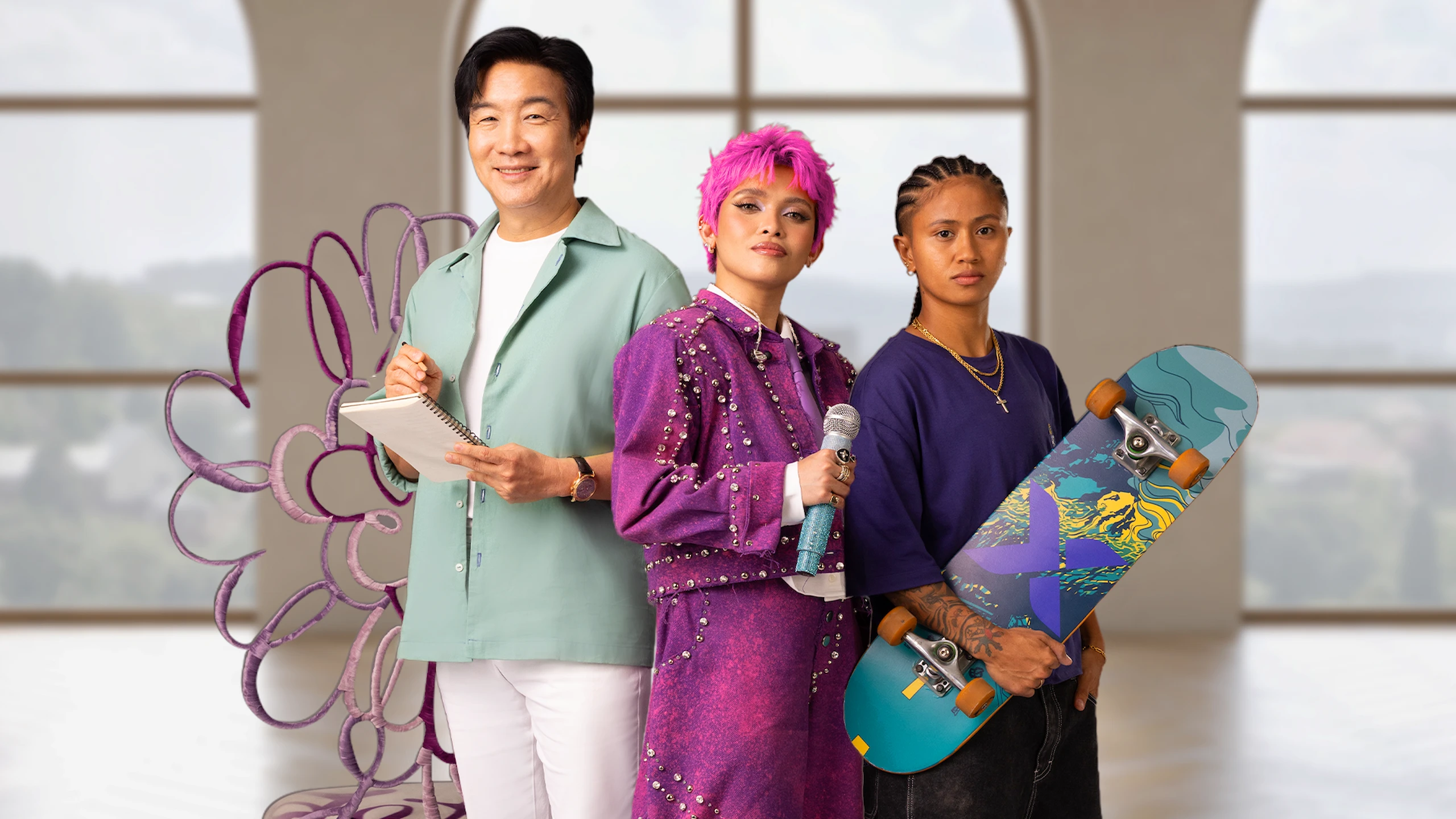
Unparalleled digital access has enabled Filipino creative figures such as Cobonpue, Tandingan, and Didal to go beyond what is geographically and physically possible, seeking growth in their respective fields past the usual guardrails.
Still, they seek more. Growth has always come from challenging herself, says Tandingan. Every time she reaches a goal, she sets another one. Sometimes that means going higher; other times, it means going deeper.
“I always stayed hungry the entire time,” she says.
That mindset matters in a digital landscape where the possibilities are constantly expanding.
Cobonpue similarly encourages young creatives to think globally while remaining rooted in their own identity. Technology can give them access to international opportunities, but it is their perspective that gives the work meaning.
“Let your culture, experiences, and environment shape your work. Trends come and go, but an authentic point of view will always stand out,” he says.
Despite different worlds, the same thread runs through all three. What starts as a way to connect becomes something more consequential. For each of them, the internet has become part of how they work, create, learn, and find their way forward.
Converge FiberX is building the infrastructure behind that increasingly connected way of working and living, powering the possibilities that emerge when people are able to stay connected wherever their work takes them. Recognized by Ookla for its speed for four consecutive years, Converge FiberX continues to grow its network, particularly across Visayas and Mindanao, to reach more Filipino households.
Technology itself can be easy to overlook when it works seamlessly in the background. But its impact becomes visible through what people are able to do. Thanks to the connections that are always there.
And with the right connection, there will always be more room to grow.