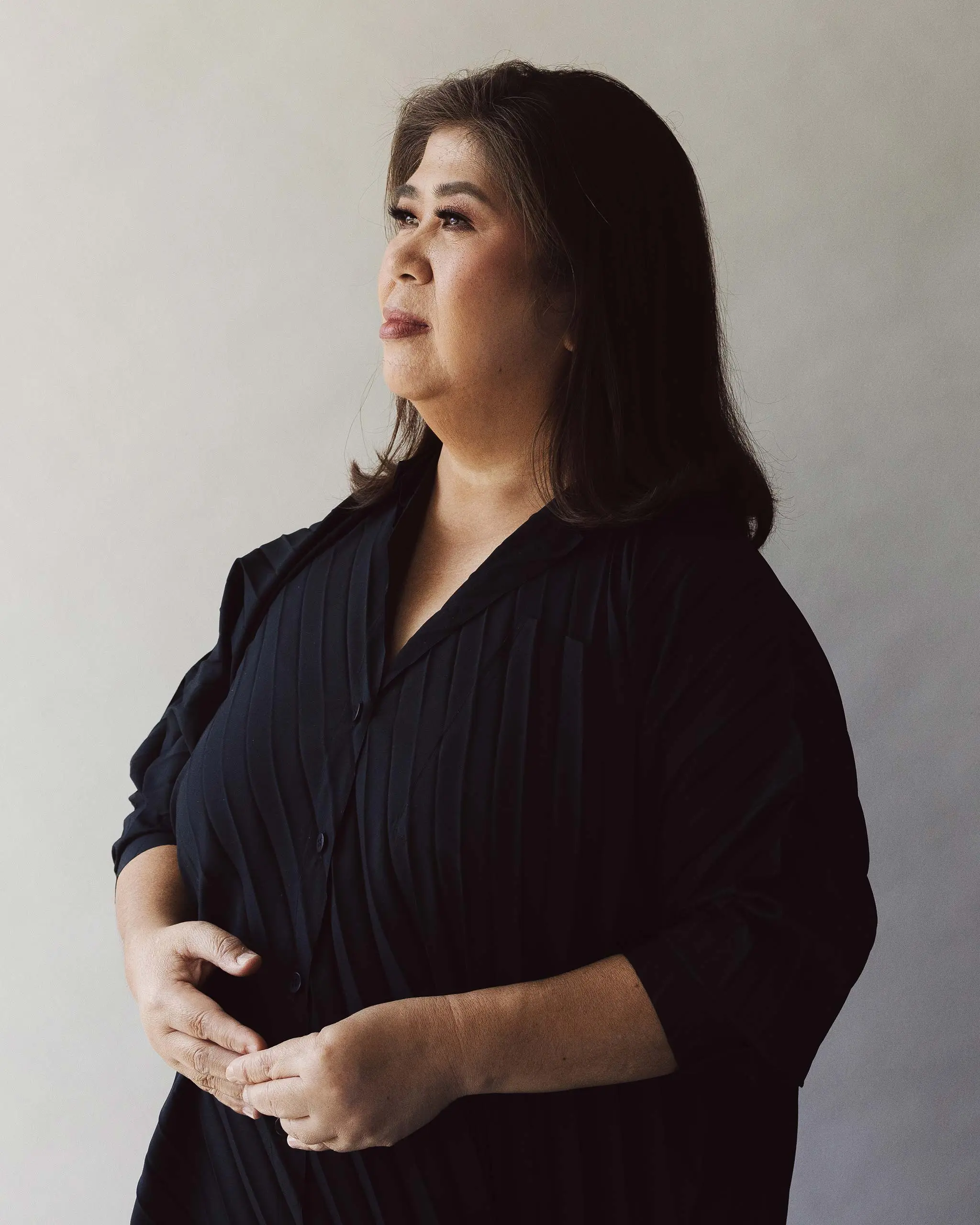
“Parang ang hirap pong paniwalaang seryoso kayong tao,” Jessica Soho tells the King of Comedy Dolphy in a 2010 interview. Soho, herself — a multi-awarded broadcast journalist who’s covered conflicts in Kabul, Afghanistan, and in Mindanao, surveyed the aftermath of earthquakes and typhoons, and exposed underground trades and operations — is regarded as “serious.”
Most of her photos were of a corporate figure standing upright, lips pursed, looking straight ahead with leveled eyebrows, hands daintily crossed, or clutching her many accolades, which include the country’s first George Foster Peabody Award in 1999.
That was before her news magazine show Kapuso Mo, Jessica Soho, which first aired in 2004 and has since become a household program, known for its wide-ranging features that include travel, food, oddities, and human interest stories, among others.
Jessica Soho, warm and ever-curious, with an innate gift for bringing out in anyone — politicians, celebrities, farmers, laborers, and mothers alike — the best stories, greets us on the 8th floor of GMA Network Center.
Soon, she was telling us about her upbringing in La Union, where she was exposed to different milieus.
“Alam ko ‘yung buhay ng palengke, alam ko ‘yung buhay sa baryo, alam ko ‘yung mga chini-chismis sa mga parlor; tatay ko news junkie,” she proclaims. “Kaya siguro magaling din akong maka-relate sa iba’t-ibang klase ng tao.”
Add to this a quick wit. In a nearly two-hour interview with actor, news anchor, Drag Race Philippines judge, and fellow University of the Philippines alumna Jervi Wrightson (formerly known as KaladKaren), Soho has landed shots, shade, and even self-deprecating jokes that put to rest any claim that she is all business and no fun.
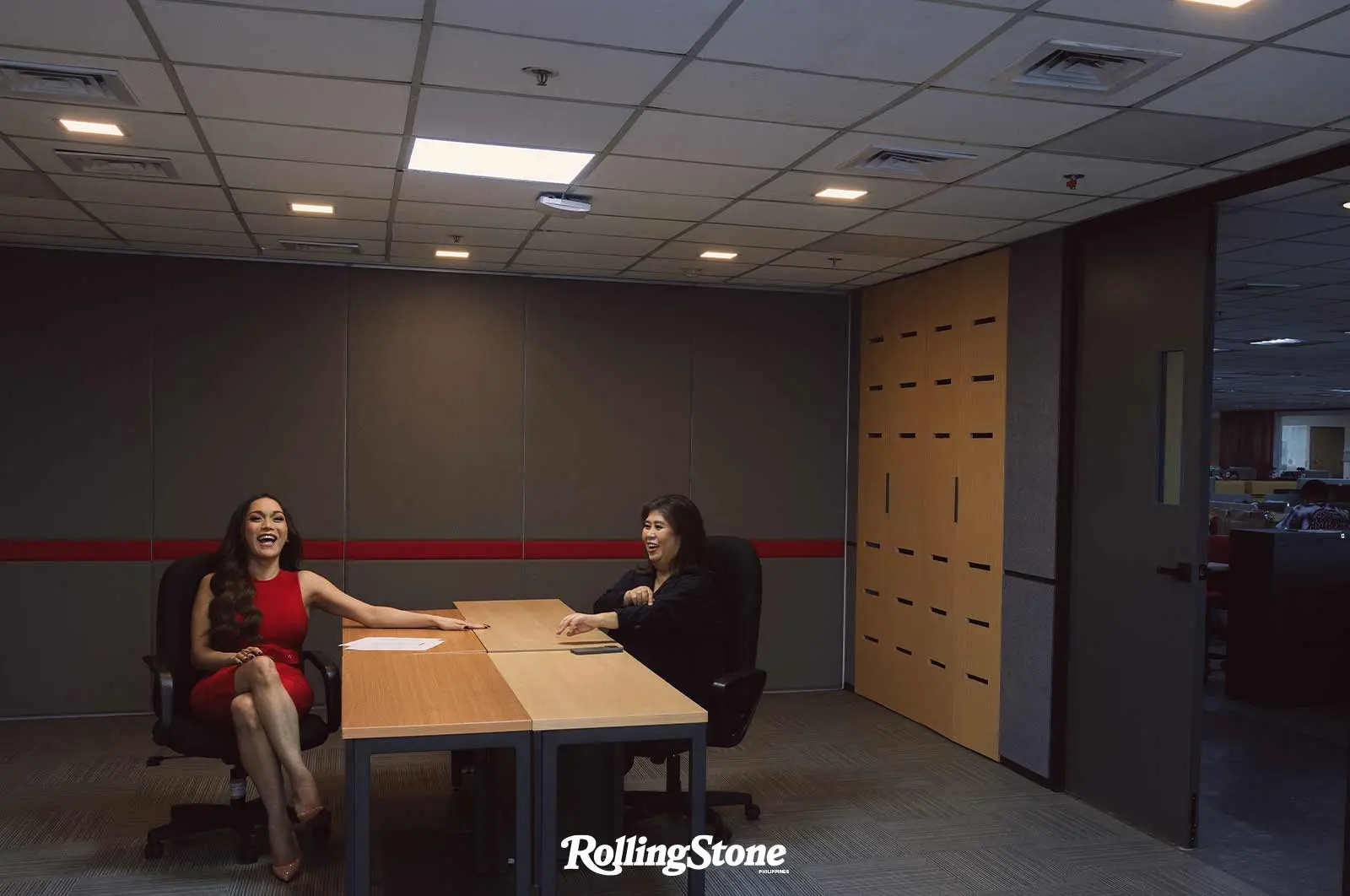
She finds comic relief as she reflects on her near-death coverage of the Cagayan Valley hostage back in 1990 that others would have considered traumatic. “Hahalungkatin ko na naman siya from my core memory. O ‘di ba nakaka-Gen Z?” she tells Wrightson before admitting, “It’s painful.”
But then she comes back and says, “Sabi ko, ‘Kawawa naman pala ako. Ganyan ‘yung itsura ko noon. Mukha kaming mga basang sisiw na na-hostage.’”
The opposite side of this range, Soho is also in touch with. At 61 and four decades on the job, she, too, can be weighed down by the realities she exposes. She visibly becomes upset, spiralling into a rage when the subject of the cyclical corruption scandals renewed by the surfacing of flood control ghost projects comes up.
“I’m not shocked, but I just feel so old, and drained, and exhausted that it’s the same problems. Parang na-re-recycle lang ‘yung mga problema natin as a country. Bakit ganun?”
But despite her bouts of pessimism, she believes in the younger generation’s potential to effect change, and in the goodness in Filipino people, something she encourages a new crop of journalists to uphold. “Kalimutan nyo na lahat ng mga tinuro ko about honing your skills and perfecting your craft. Just be good and do good.”
Soho and Wrightson talk about their university days at UP, her dreams of once becoming a lawyer (and subsequent disillusionment with the law), how the news and media consumption have changed since she was thrust into the fire pit that is broadcast journalism, the curse of knowing, and the unlikelihood of retirement: “You don’t really retire from this job… I will never ever stop being a journalist,” says Soho. —Christian San Jose
Jervi Wrightson: Magandang umaga po, Ma’am Jessica. Nice to meet you po. Pangarap ko pong ma-interview ninyo pero ako po ang mag-i-interview sa inyo today.
Jessica Soho: Anytime.
Noong time namin ‘pag sinabi mong broadcaster, may fame. “A lucrative ‘tong profession.” Noong time na namin ‘to a kasi we’ve seen how popular journalists were na during our time. Pero noong time niyo, walang ganun?
Kasi I took up journalism; kami ‘yung mga nasa library, kayo [mga BroadComm] ‘yung mga nasa lobby. Mga mouse kami. We just keep to ourselves, stay in the library, we talk about serious stuff.
Kami ‘yung mga mabilis maglakad sa lobby kasi ang iingay ng mga BroadComm na ‘yan. So, I wasn’t really into the glamor of it. Saka, even when I was already a practicing journalist in GMA, [napatanong ako,] “Nasaan ba ‘yang glamor na ‘yan?”
Kasi nasa giyera ka…
We were always… until now, I’m still sleep-deprived. And then you’re always rushing, always running after the story, you’re always trying to beat the deadlines.
I started as a beat reporter. At the time, in GMA kasi, ang newscaster namin was Tina Monzon-Palma — the Tina Monzon-Palma. And she was not exactly known to be fond of appearing all glammed up on TV.
Medyo bago na ‘yang trend e.
Hindi kasi ako ganun na-train. Ang training ko was Journalism. Hindi kami nakikita sa TV. We are just supposed to be a byline for print, ‘di ba? Hindi ko alam ‘yung language ng TV. I didn’t even know how to operate the machines. I actually started with a lot of handicaps kasi print ako e. Iba ‘yung writing for print, iba ‘yung writing for TV. And ang first language ko was Ilokano and then English. Hindi ako marunong mag-Tagalog kasi sa La Union nililista kapag nagsasalita ako minsan ng Tagalog until it started becoming required because it was the national language. So, I had to learn a lot of stuff on the spot. Marami akong mali. I required a lot of rewiring kasi iba e.
“The story landed on my lap. I have a duty to fulfill. And it was not like I was so thrilled to be part of it because we were hostaged e.”
And when you started reporting in front of the camera, how did you manage that?
Maybe instincts. Or maybe because things were happening fast. ‘Di siyempre, i-report mo na lang kung ano ‘yung nakikita mo sa likod mo. It took some time before I got into the groove.
Of course, iba din po ‘yung nagsusulat ka sa nagsasalita.
It also took some time before they told me, “You have to dress up. You have to look presentable.” Ang sabi nga ng cameraman ko noon, “Sino ba ito? Mukha siyang pinabili ng suka; naligaw sa newsroom.”
Because I came from UP, we’re in jeans, sneakers, and T-shirts. And then alam ko lang, “Ay kumuha po ako ng Journalism.” I didn’t know the glamor part of it.
Ngayon, at least may makeup artist, stylist na kami. It didn’t start out that way e. Tinutukso nga ni Jose Mari Velez — her co-anchor at the time — si Tina Monzon-Palma. “Tina, ano ba ‘yan? Magsuklay ka naman!” E uso ‘yung frizzy na buhok. Kasi si Tina ‘yun e. ‘Di naman siya nag-aayos. ‘Yun ang role model namin.
E ngayon, nag-iba na.
Oo. The whole landscape and practice of journalism changed so many times over the decades.
You can report on your phone, post ka na lang social media.
Yes. Dati ang unang matututunan sa Broadcast Journalism is how to get along with your cameraman and your assistant. Kasi kung hindi ka nila like, naku, they can make life difficult for you. E ‘di ba, ‘pag new grad ka, mukha kang nene, and then, ang cameraman ko medyo matanda na, ‘yung assistant cameraman medyo tuso. So, kailangan matuto kang maki-blend sa kanila. And then, nakita naman siguro nila na, “Okay naman ‘tong batang to, nanlilibre ng tanghalian.” [Laughs] Tapos, ako lang ang babae yatang reporter noon? ‘Pag tapos na ‘yung araw, mag-iinuman sila sa Timog, sasama ako. Hindi naman ako umiinom, makikinig lang ako sa mga kwento nila.
Noong nag-ko-cover na kayo ng mga malalaking balita, one of the most memorable is the Cagayan Valley hostage crisis in 1990.
Yes, that was the first international award for GMA, and I think for the Philippines, pagdating sa news coverage.
Anong hindi niyo makakalimutan dun sa coverage na ‘yun?
Things happened so fast. Parang ganyan lang [snaps], magbabago lahat. That was the time of the coup attempts. Ang gulo ng Pilipinas noon. Nag-EDSA, nagka-falling out between then President Cory Aquino and Juan Ponce Enrile, and sumunod din ‘yung mga officers who were aligned or allied with Enrile: sila Gringo, etc. So, maya’t-maya may kino-cover kaming mga attempts. One of those attempts, ‘yung isang dating rebel officer, Colonel Rodolfo Aguinaldo. Na-elect siyang governor of Cagayan Province. Dahil sumali siya sa isa sa mga coup, huhulihin siya ngayon. So, there were high-ranking officers and generals who went to Cagayan to issue the warrant of arrest for joining one of the failed coup attempts. E ‘di syempre coverage ko ‘yun kasi I was covering the military and defense beat at that time.
They were all staying at Hotel Delfino. Doon na din kami nag-check in. So the day before, na-i-interview ko pa si Aguinaldo in some clandestine place at the foot of the mountain ba? Kasi hinahanap siya e, tinutugis siya. Nagpa-interview naman si Aguinaldo.
And then, ‘yun pala, the following day, he hostaged the whole hotel. So ginising ako ng crew ko. “Napapaligiran ‘yung hotel.” Parang pelikula. So, nagbihis na ako, nagmumog. Pagbaba ko sa lobby, wala na ‘yung mga hotel staff. Kami na lang ‘yung nasa lobby. And then, true enough, kasi glass, nakikita ko na si Aguinaldo and his troops na nandun sa labas. May mga baril sila. At noong nakita niya ako, sabi niya sa akin, “Buksan mo, buksan mo!” Pinapabuksan niya sa akin ‘yung pinto. Sabi sa akin ng cameraman ko, “Huwag mong bubuksan. Aiding the enemy ‘yan.” So, hindi ko binuksan. E binasag nila ‘yung salamin. Pagpasok niya, ako ‘yung dinuru-duro. “‘Di ba sinabi ko buksan mo?” Ito ‘yung mukha niya o. [Puts a palm centimeters away from her face to illustrate the colonel’s proximity]
Ilang taon po kayo nito?
Mid-20s mga ganun ako.
“Hostage kayo!” sabi niya sa amin. “Hindi kayo pwedeng umalis dito.”
So, nandun lang kami all this time they’ve taken over the entire hotel. At some point, nagkakagulo na, pwede namang lumusot, lumusot na kami. ‘Di na kami bumalik ng hotel. At then at some point, nagkaroon ng putukan. Early on, before binasag ‘yung door ni Aguinaldo, may mga generals na nasa taas, kasama naming na-hostage, bumaba sila. May dala-dala silang mga baril. Sabi ko — a 20-something telling the generals and the colonels — “Huwag po kayong pumunta dito sa lobby kasi mapapahamak po kami.”
It was so messy. Mabuti na lang nakalabas kami.
Pero nakapag-report po kayo noon?
Kailangan e. Hindi mo naman iniisip na, “Scoop ito!” Walang ganun. Parang iniisip mo lang, “Nandito ako, ang tanga-tanga ko naman kung hindi ko i-re-report.”
It’s your responsibility.
Parang the story landed on my lap. I have a duty to fulfill. And it was not like I was so thrilled to be part of it because we were hostaged e. We were just so lucky to be alive, na hindi kami naipit sa loob.
So, ano pong feeling ninyo na nanalo pa ‘yung istorya ninyo after all of the things that you’ve experienced there?
You don’t have that luxury while things are happening, ‘di ba? When news is breaking, you just have to get as many details as possible, put it together in your story, make sure your story is factual and correct. And you told the story the best way you can. And then you report it. Laser-focused ka na on your story. And then later on mo na lang maiisip na, “Diyos ko, napanuod kaya ‘to ng tatay ko?” Baka nahimatay na ‘yun; atakihin sa puso. You don’t think of those things kasi while things are breaking.
Hindi niyo po ba inisip na, “My God, napakadelikado pala ng trabaho ng isang journalist? Pwede kang mamatay, pwede kang ma-kidnap.”
Noong araw, PTSD was not even invented as a term, ‘di ba? May ganun pala. I didn’t have that luxury na “Baka po na-trauma ako kasi dinuru-duro ako ni Aguinaldo. Pwede nyo po ba akong ipa-counsel?”
But recently, na-re-realize ko, kasi we have to put together some speeches during graduation so kailangang balikan ko siya, hahalungkatin ko na naman siya from my core memory. O ‘di ba nakaka-Gen Z?
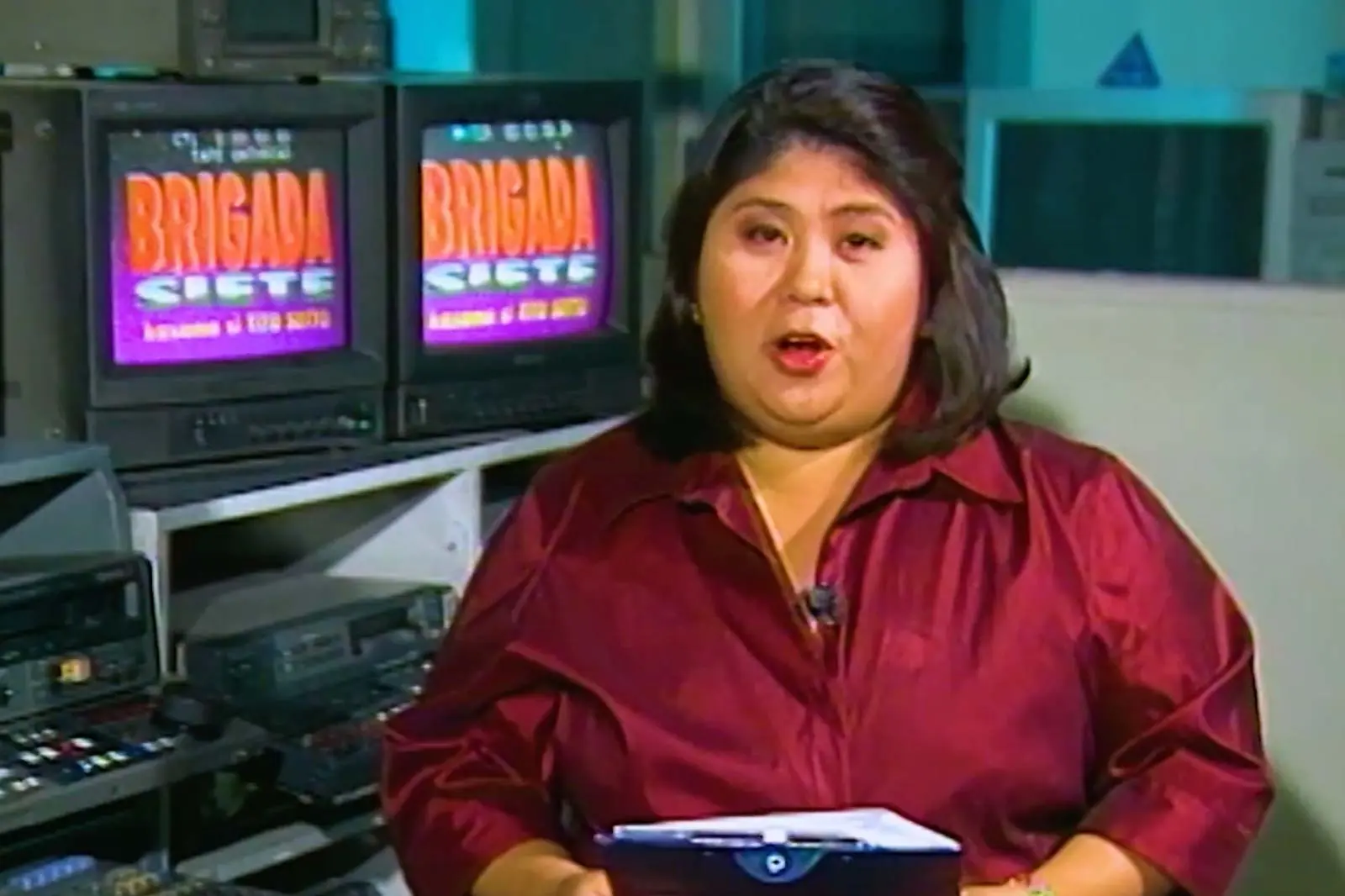
It’s painful, especially to see the video. Sabi ko, “Kawawa naman pala ako. Ganyan ‘yung itsura ko noon. Mukha kaming mga basang sisiw na na-hostage.”
“A good story is a good story. Kahit saang program pa ‘yan, kahit saang platform pa ‘yan. Ang pinaka-importante sa akin is you preserve or you respect the integrity of the story. ”
Now, i-Witness was born in GMA in 1999. I remember watching it when I was in elementary…
Jusko, ang tanda ko na.
…learning different stories mula sa iba’t-ibang panig ng Pilipinas and mga taga-kwento natin ‘yung mga magagaling na dokumentarista. Sa tingin niyo po ba ngayon, in the age of shortform content — TikTok, YouTube, vlogging — importante pa ba ang mga gantong klase ng documentary? And how effective it is in our current society?
Documentaries are now shown on big screens, and they’re part of the most important film festivals worldwide. Ang Oscars mayroon nang documentary category. Also Cannes. So, I don’t think people will ever tire of watching documentaries. I think they’re part of storytelling.
Ang kwento ng i-Witness, the inspiration, kasi I was a news reporter from ‘85 or late ‘84 up to mga early ‘90s. And then, ‘yung newscasts namin at the time, during weekends, GMA News Reports, because we had a lot of airtime ‘pag weekends, and then wala naman masyadong breaking news, they would give us 15 minutes to do special reports and then the reporters would take turns. So, noong na-experience ko ‘yun, I wanted more. Sabi ko, “Mas magandang mag-sulat ng longform.” Kasi after some time pare-pareho na lang ‘yung news churn of the day. You go out into the field, you go home to the station — at that time, “umuuwi” pa ‘yung mga reporter — and then you write your story. One minute, 30 seconds, kung swerte ka, two minutes.
I started yearning for more longform so, pinitch ko ang i-Witness. Mayroon naman nang mga documentary siguro in the past, I don’t know. Pero ito ‘yung regular, weekly. Tapos kasi hindi ko naman kaya on my own, sabi ko I will include Cheche Lazaro, Mike Enriquez, Vicky Morales. Later on, we had Luchi Cruz-Valdes. Kami ‘yung mga first gen. Sila Kara David came later. So pinitch ko ‘yun, but it took some rough sailing para ma-approve siya kasi longform siya. Marketing thought initially na baka hindi ‘yan maibenta. But I fought for the concept and today, i-Witness is still around. We brought home the first Peabody Award for the Philippines and GMA.
Kahit naman ‘yung mga lumalabas ngayon sa digital, docu style ‘yun…
Yes, ‘yung mini vlogs.
That is actually docu style. You just let the camera roll.
Nag-evolve lang into a different [format].
Oo. Nilagyan lang ng mas maraming palabok. Ganun din naman ang news. I remember covering a rally dispersal. Tapos sabi ng editor ko, “‘Wag mong i-edit ‘yan! Let it roll. Actually hindi ko na kailangan ‘yung script mo. I-roll mo lang ‘yung video mo.” Documentary style of storytelling pa rin ‘yun in my view.
Kapuso Mo, Jessica Soho first aired in 2004. Can you tell us something about shifting from docu-style journalism, straight news, to a news magazine program?
So, reporter ako dati sa news, covering the defense and military beat kasi namatay ‘yung reporter who was covering it. Kasi parang ako ‘yung pinakabago, babae pa.
So, accidental lang din po ang ‘pag punta ninyo sa beat na ‘yun?
Yes. Wala akong plinano sa buhay ko, ‘di ba? The unplanned life.
Ako ‘yung nauto so, ako ‘yung nilagay doon. E, nagkataon naman, ‘yun ‘yung pinakamagulong yugto ng contemporary Philippine history after Marcos.
And then, naghanap ako ng longform, so napunta ako sa iWitness. Before that, sabi ko, “Gusto ko ring matuto ng production.” Na-curious ako doon sa mga nag-be-behind the scenes. Naalala ko ‘pag nag-nu-newscast, umaakyat ako sa control room kasi gustung-gusto kong pinapanood ‘yung director namin na halos mahulog-hulog sa silya niya. Masaya e. Gusto kong matutong mag-char gen, mag-feed ng mga tape — ako pa ‘yung nagtatakbo ng tape sa taas minsan.
I wanted to learn production. So, tamang-tama naman, nagkaroon na ng Public Affairs division or section ‘yung news dati. And then, they were putting together specials so, nakikisawsaw ako, nakikiintrimidida ako doon. Parang, “Sige nga, patingin.” Hanggang sa naisip ko nga longform.
Then I trained as a producer. Nag-ko-conceptualize na kami ng mga programs. Nauna akong na-conceptualize ang i-Witness and then Brigada Siete. I was an on-cam reporter. But I was also behind the scenes, as a producer. I was helping put the program together every week.
Noong producer na ako, nag-conceptualize ako ng Emergency.And then, so many other shows later. Tapos at some point, sabi ko, “Teka, parang ako na lang yata ang walang solo program.” Nahuli kong isipin ‘yung sarili ko.

After everything you conceptualized! [Laughs]
So then I started pitching Jessica Soho Reports. Eventually, it did good, nilagay nila naman sa prime time, so naging Kapuso Mo, Jessica Soho. Because on prime time, you have to attract a bigger, wider audience and you’re up against entertainment programs, so mas varied ‘yung story mix, ‘yung line up of stories namin. So, that’s when we started doing profiles, personality interviews, food stories.
Tsaka mga kakaibang story, pwedeng i-KMJS.
Yes. Kababalaghan. Pero, ‘pag kailangan naman, nag-nu-news pa rin kami.
So, one thing led to another. It’s a long process.
Tsaka parang nag-evolve din po ‘yung mga stories ninyo?
Yes. I ran the newsroom also for 10 years. I never saw any conflict kasi a good story is a good story. Kahit saang program pa ‘yan, kahit saang platform pa ‘yan. Ang pinaka-importante sa akin is you preserve or you respect the integrity of the story.
Even when we’re doing horror stories. Kasi ang KMJS, ang producers ko are mostly young creatives. Alam ko na nangangarap silang mag-pelikula. ‘Di ba ‘yung mga budding filmmakers, gustung-gusto nila ang horror genre. Ako naman, I’m not really a fan of the genre but I respect the creativity of my producers. So sabi ko sige, at saka sa totoo lang masarap naman talagang pagkwentuhan ‘yung mga nakakatakot — well, masarap pagkwentuhan ang pagkain at ang mga nakakatakot. So, that’s how we got all of these stories and put them all together in KMJS.
And now, KMJS is a movie. So, good luck sa amin.
Wow! We’re looking forward to that.
Read the rest of the story in the Hall of Fame issue of Rolling Stone Philippines. Pre-order a copy on Sari-Sari Shopping, or read the e-magazine now here.
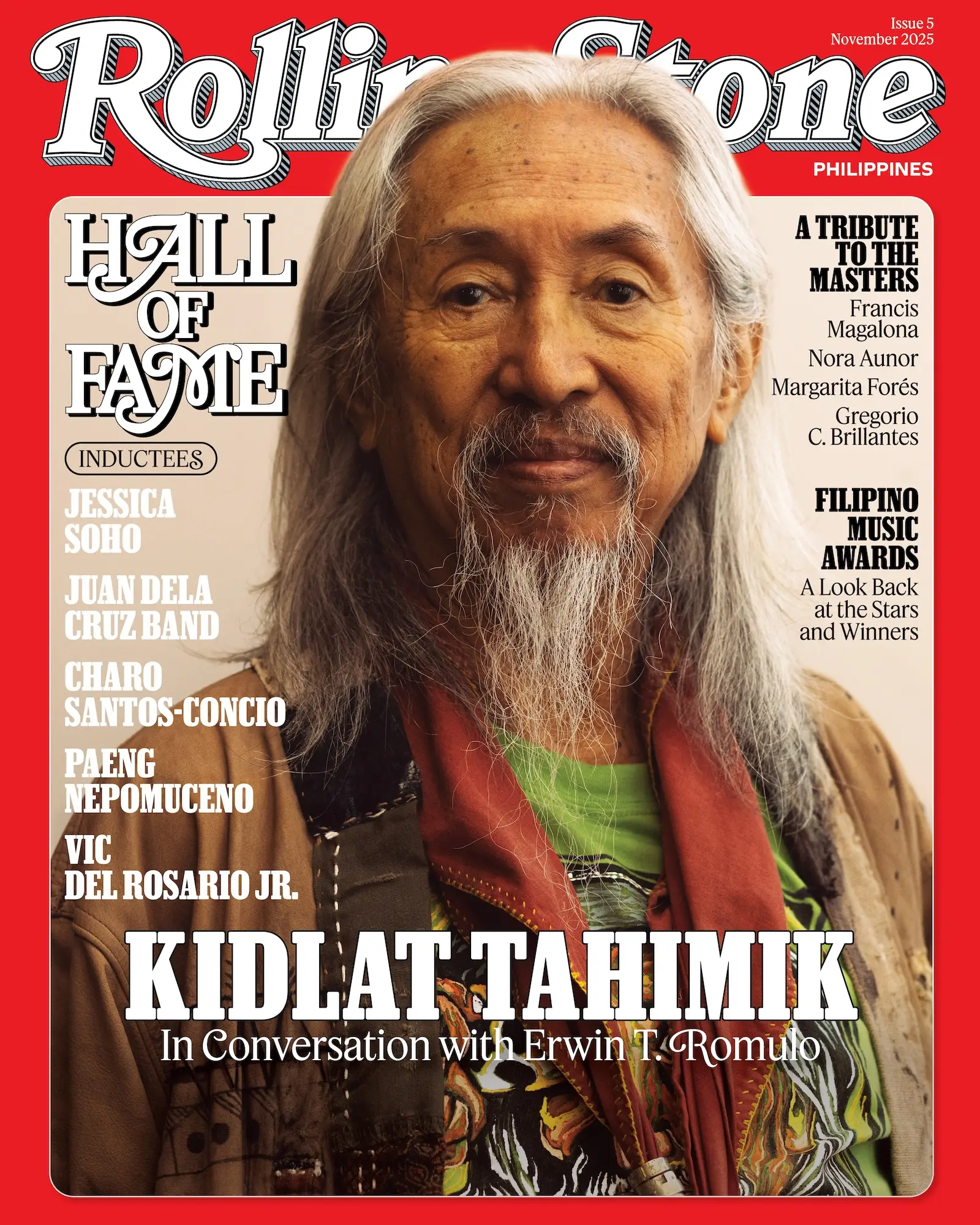
Rolling Stone Philippines November 2025 Issue, Now Available at SariSari Shopping