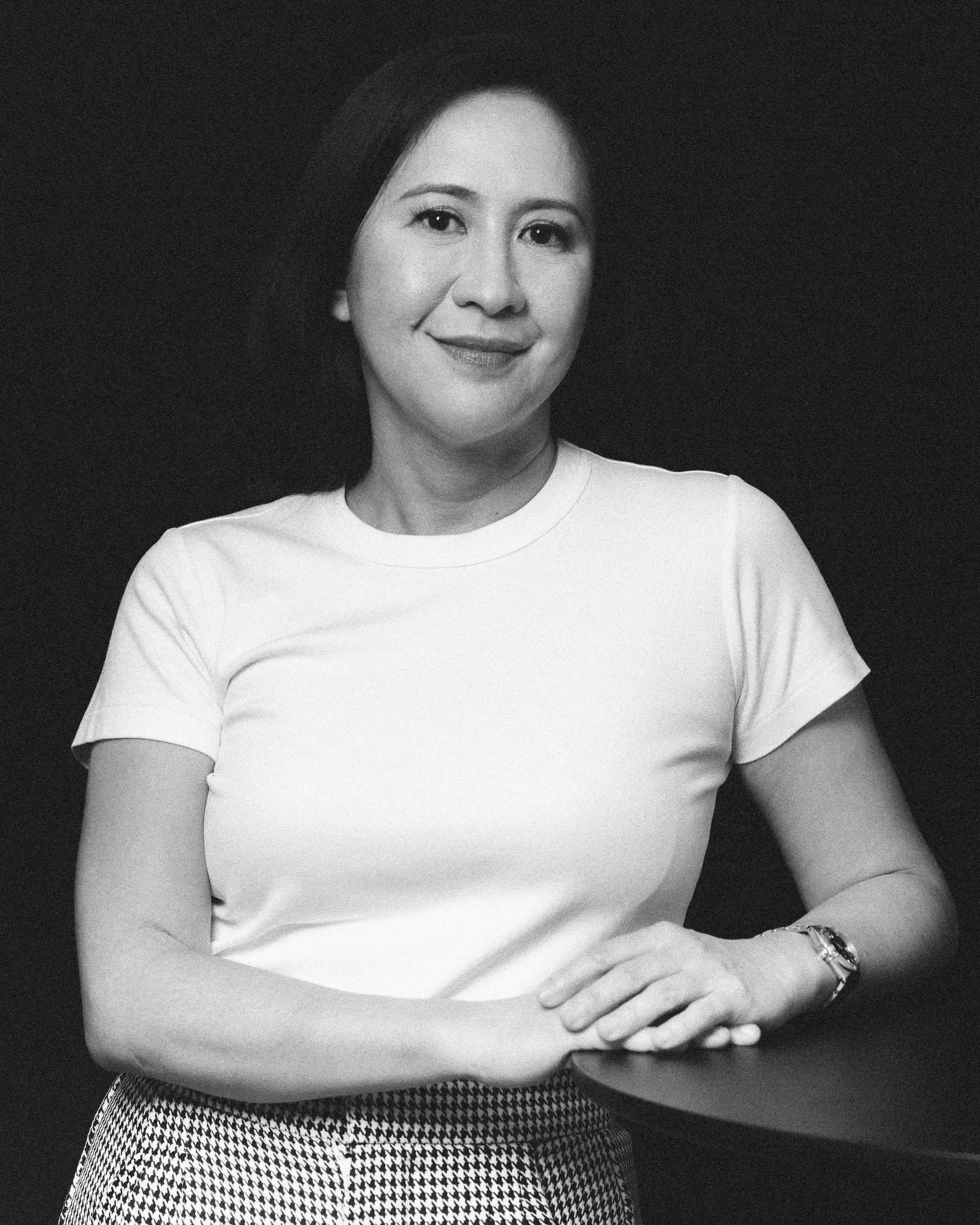
In the last midterm elections, more than a million people handed Joy Belmonte a third term as Quezon City mayor, the biggest vote share in the city’s storied history. Meeting Mayor Joy, as her constituents call her, one can understand the root of her widespread appeal. Her office is comfortable and well-lit, her staff relaxed but attentive to every need. She welcomes the Rolling Stone Philippines staff warmly, without any pretensions or air of intimidation. She moves at her own professional pace, not rushing others around her.
First, I wanted to address her unconventional background before formally entering politics. When I was an undergraduate anthropology student at the University of the Philippines Diliman, my archaeology professors often spoke of her fondly as one of the early pillars of the Archaeological Studies Program, now the School of Archaeology.
“My childhood dream was really to be an archaeologist,” she tells me. There were no undergraduate programs in archaeology, so she took up social sciences at Ateneo de Manila University and then a Master’s in Museum Studies at the University of Leicester with a focus on archaeological remains. She had wanted to go to UP for anthropology, but her mother, Betty Go Belmonte, out of maternal protection, was worried she would be swept up in activism, and so encouraged her to go to Ateneo. But even in the Jesuit university, she participated actively in outreach programs and joined Jesuit Volunteers Philippines, where she was assigned as a high school teacher at a fifth-class municipality in Bukidnon, where she was exposed to “real-life” problems.
Everyone should have an opportunity to live in Quezon City. In our model, even if you’re a vendor, a blue collar worker, or a minimum wage worker, you can afford housing.
She says, “I was teaching children of farmers. They would grow corn and dry them on the street. If it rains all of a sudden, the harvest gets washed away, the kids can’t go to school because the parents can’t pay the tuition, which is P70/month. And there were no farm-to-market roads back then.” Her social consciousness developed, and she realized what it truly meant to be of service to the people.
While she would have wanted to finish her doctorate in archaeology, familial circumstances compelled her to begin trekking the path of public service. Her mother sadly passed away while her father, Sonny Belmonte, was mayor, so the duties of Quezon City First Lady passed onto her. “We’re not a dynasty, it really is just my father,” she says. Unlike many political scions, she wasn’t handed her position. She began with women-centered projects in Quezon City before running for vice mayor. Her heart was in public service, but she also acknowledged that heart alone wasn’t enough. She took online classes and short courses in public policy to familiarize herself with the technical aspects of bureaucracy.
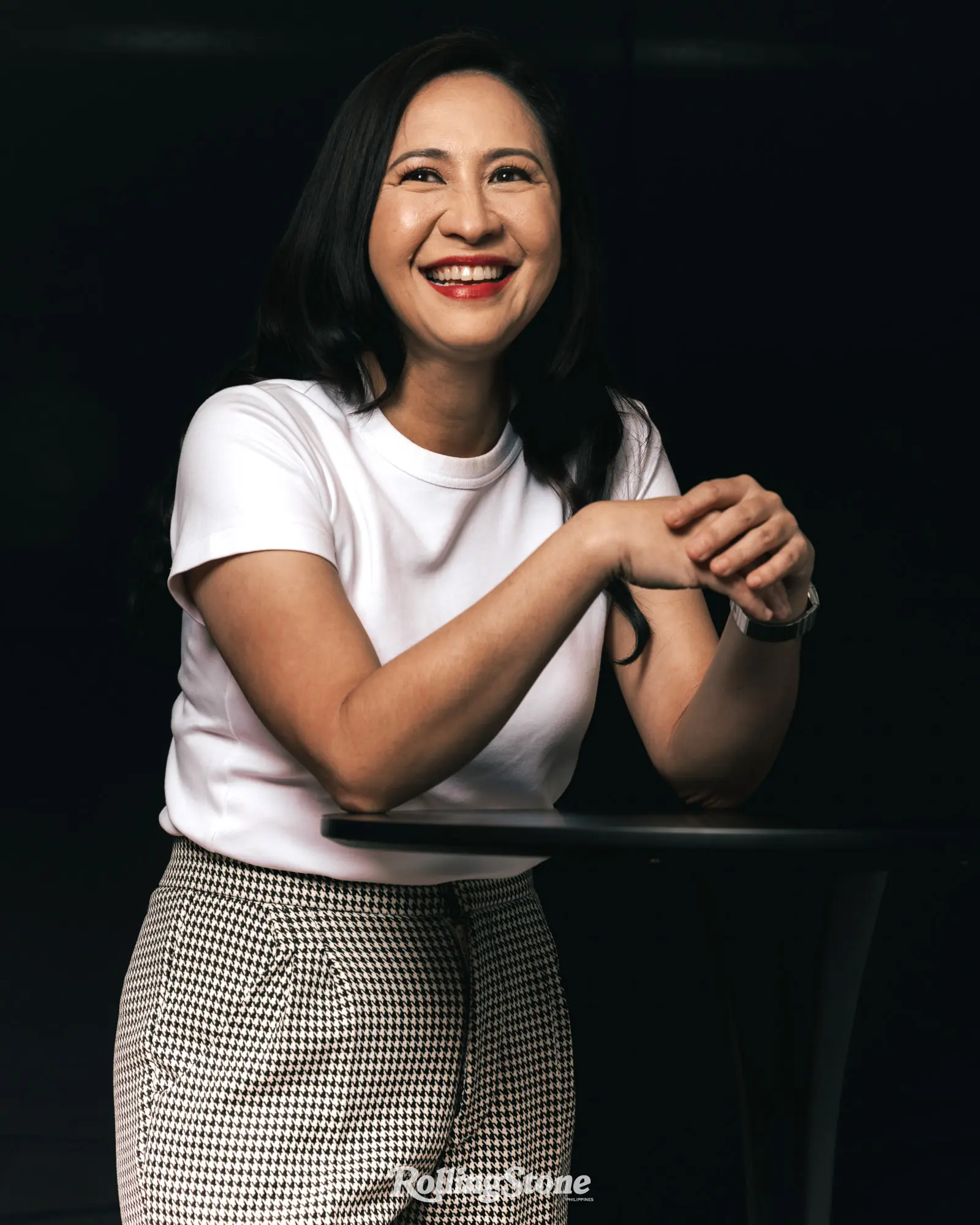
“Entering local government is very notorious. You always hear these stories, right? And some of them are really true… But I was able to make some reforms as vice mayor, as the head of the legislative department,” she answers when asked about the challenges in her first days of public office. “And that prepared me to get to the position of mayor.”
Routinized corruption, under-the-table deals, suspicious and nauseating procurement practices, these all plagued any government institution. Approaching existing problems, she laser-focused on the necessary foundations to make any office work, whether one is overseeing a staff of 10 or a city of nearly three million. “It all starts with housekeeping,” she says. She emphasizes the importance of keeping an orderly house, where checks and balances are in place to prevent any gross breaches of power, and where everyone works towards a united vision.
Belmonte is a yapper, but not just any yapper. Each question receives an answer with clear statements, concrete examples, and specific ways of achieving what she aims for. In a heartbeat, she gives specific figures on the amount of microloans her office has given out (P100,000), the number of informal settlers in the city (200,000), and the current number of scholars the city is supporting (40,000). She offers alternatives to traditional politics and ways of governance based on research and data, which have a direct impact on making people’s lives easier. She credits automation with easing business in Quezon City, where it can take seconds to renew a business permit, eliminating fixers and pesky middlemen.
Entering local government is very notorious. You always hear these stories, right? And some of them are really true.
During the pandemic, they focused on efficient tax collection and the reduction of unnecessary programs, increasing the city’s revenue annually. Unlike other local government units, they didn’t have to rely on banks, or other lending institutions to provide for their constituents’ needs. The approach wasn’t perfect, especially in the beginning. Belmonte read the online bashing, which she didn’t immediately dismiss, and instead tried to find ways to assuage the fear and uncertainty at the root of the vilification. She had direction and a team that she trusted, so she asked her office on what they needed to do: establish contact tracing and vaccination sites, ensure a sufficient supply of medicine, organize teams to pick-up the patients and manage quarantine facilities, and give aid to everyone, even transients from other cities, who were stranded in Quezon City. Competent people could only do so much without proper guidance, which she prioritized. Hands-on leadership resulted in her contracting COVID-19 several times. But her physical presence among communities at the height of the pandemic showed people that she cared.
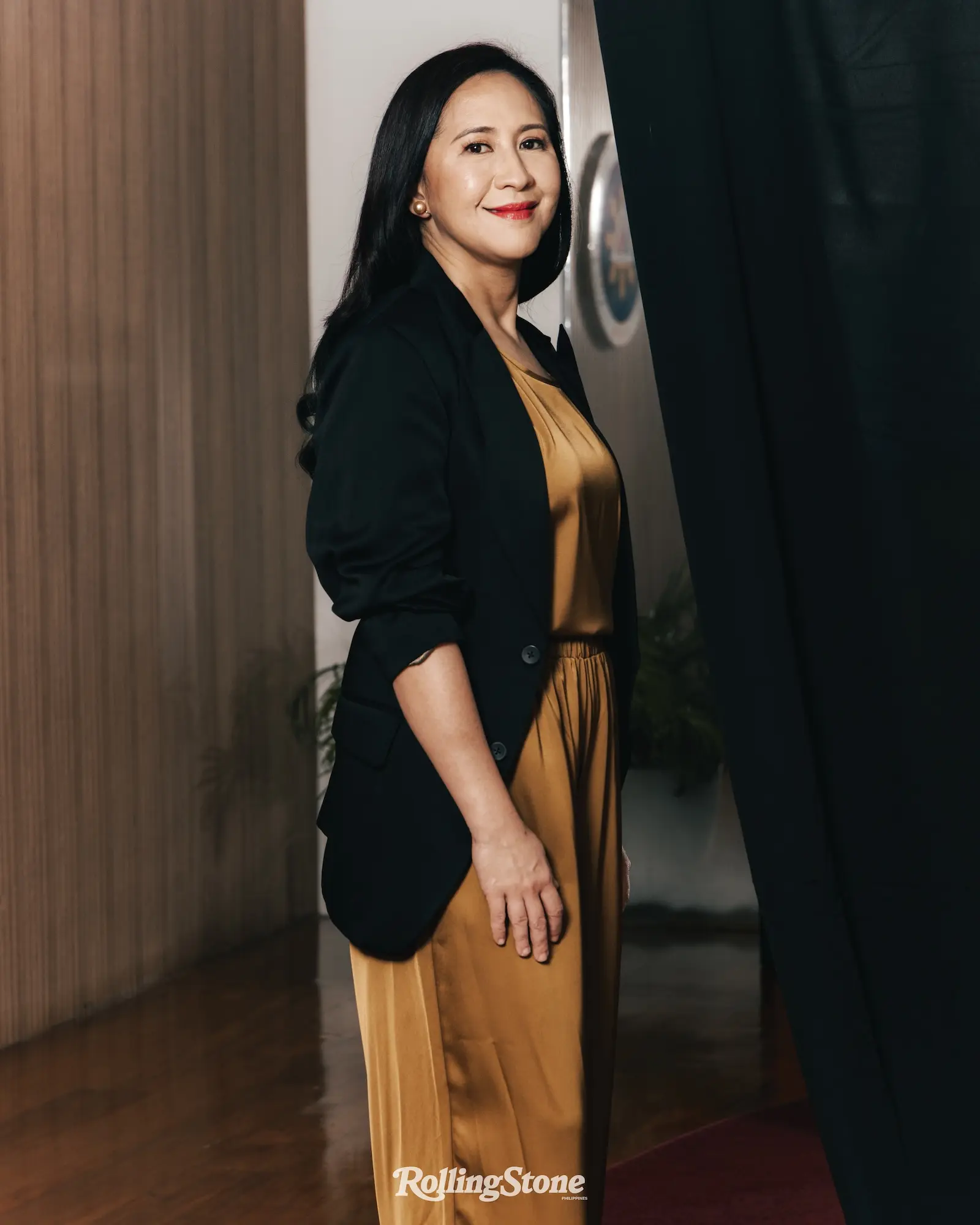
Unlike other politicians, who frame themselves as saviors of the unwashed masses, Belmonte considers the dignity of everyone and the right to decent shelter and livelihood. “Everyone should have an opportunity to live in Quezon City. In our model, even if you’re a vendor, a blue collar worker, or a minimum wage worker, you can afford housing,” she explains.
As a term-limited mayor, she wants to use her last term to fulfill the initial vision for the city that was unfortunately waylaid by the pandemic. She has a 14-point agenda, and her objectives are both ambitious and pragmatic. She aims to double the number of scholars in the city by the end of her term. She wants all their healthcare facilities to be PhilHealth-accredited and for all of Quezon City to be enrolled in universal healthcare. Her office is allocating funds to buy land at the margins of the city, which would be sold to residents at more affordable prices. The city also buys land for future administrations to build on.
Read the rest of the story in The State of Affairs issue of Rolling Stone Philippines. Order a copy from Sari-Sari Shopping, or read the e-magazine now here.
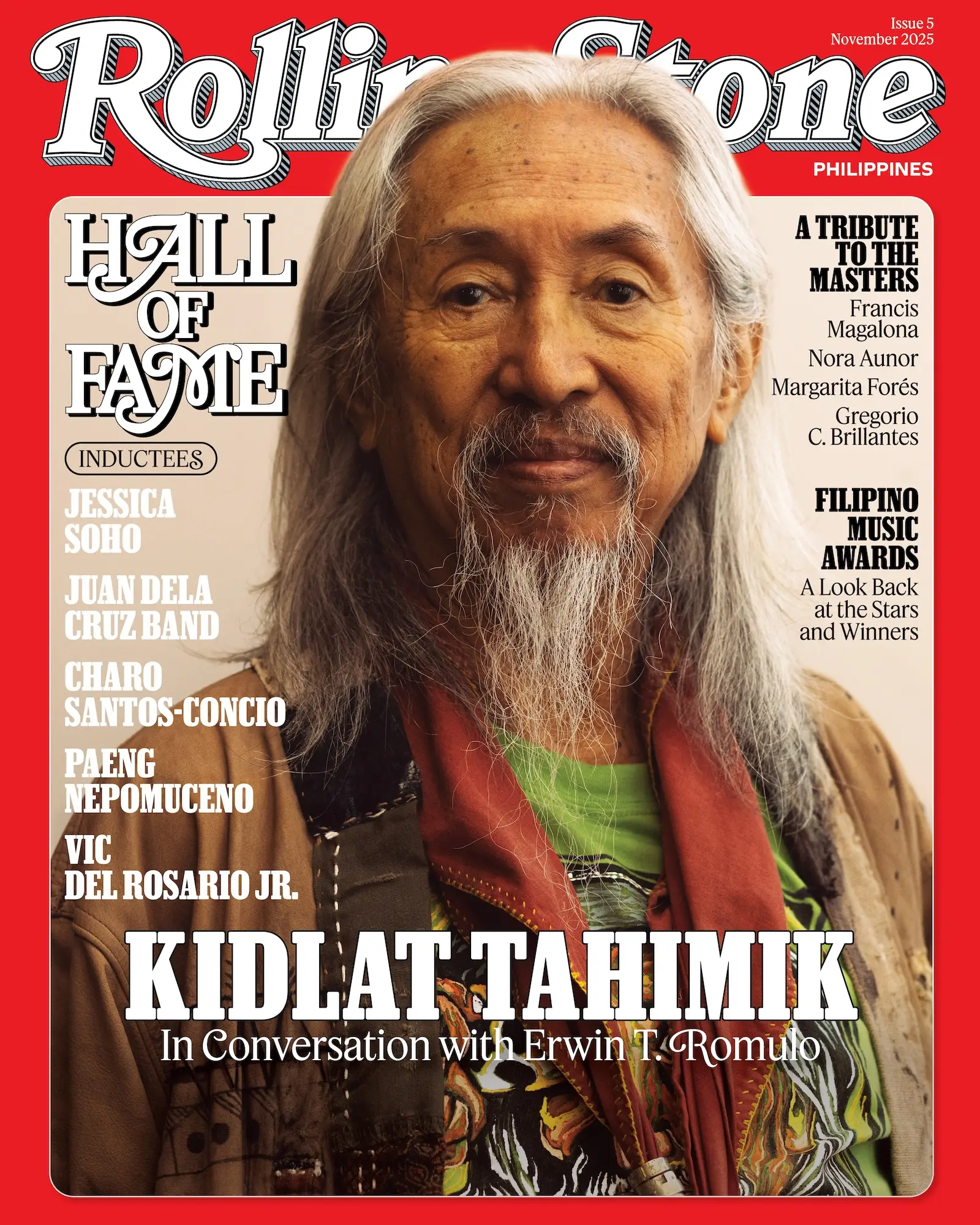
Rolling Stone Philippines November 2025 Issue, Now Available at SariSari Shopping