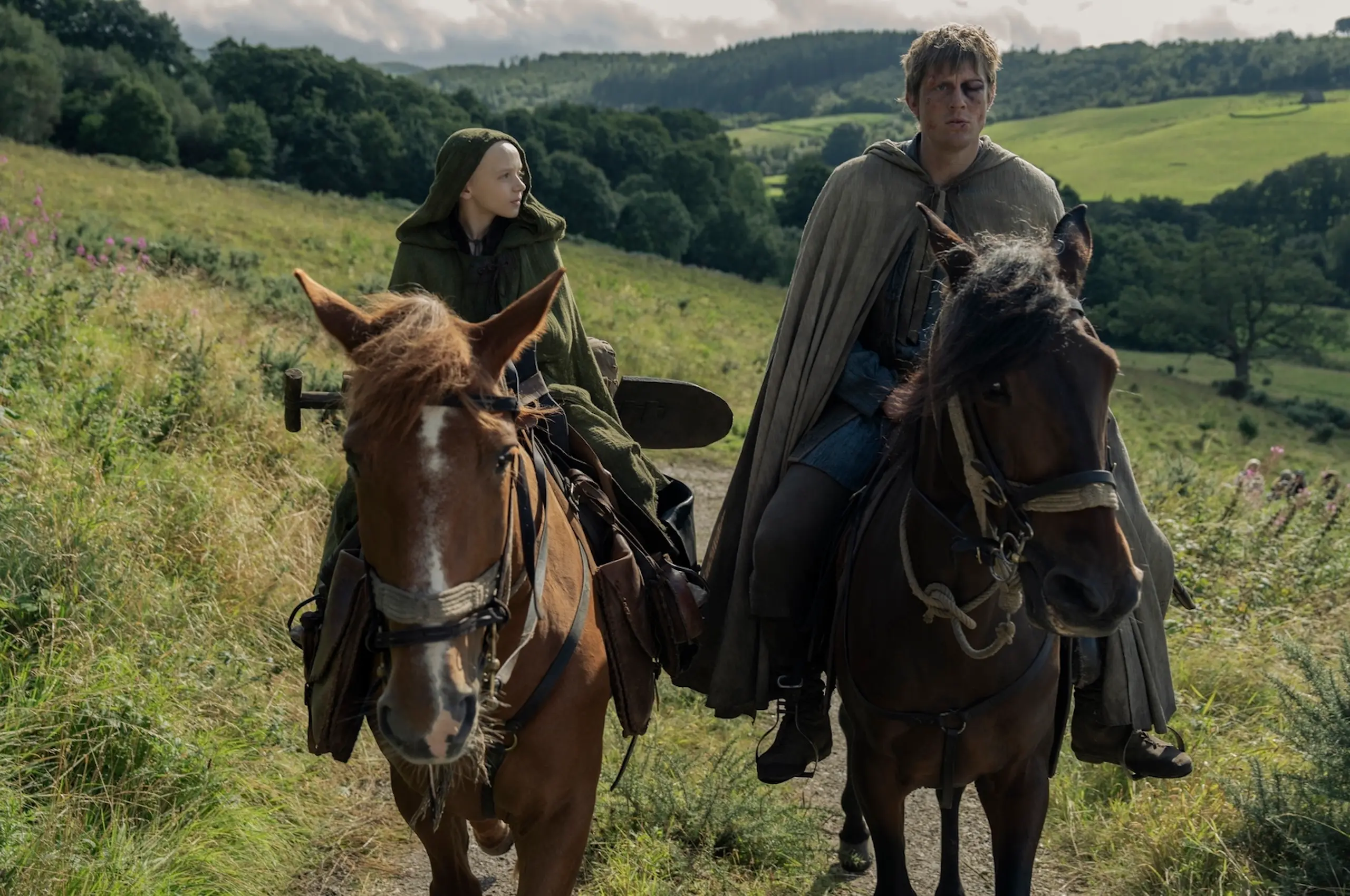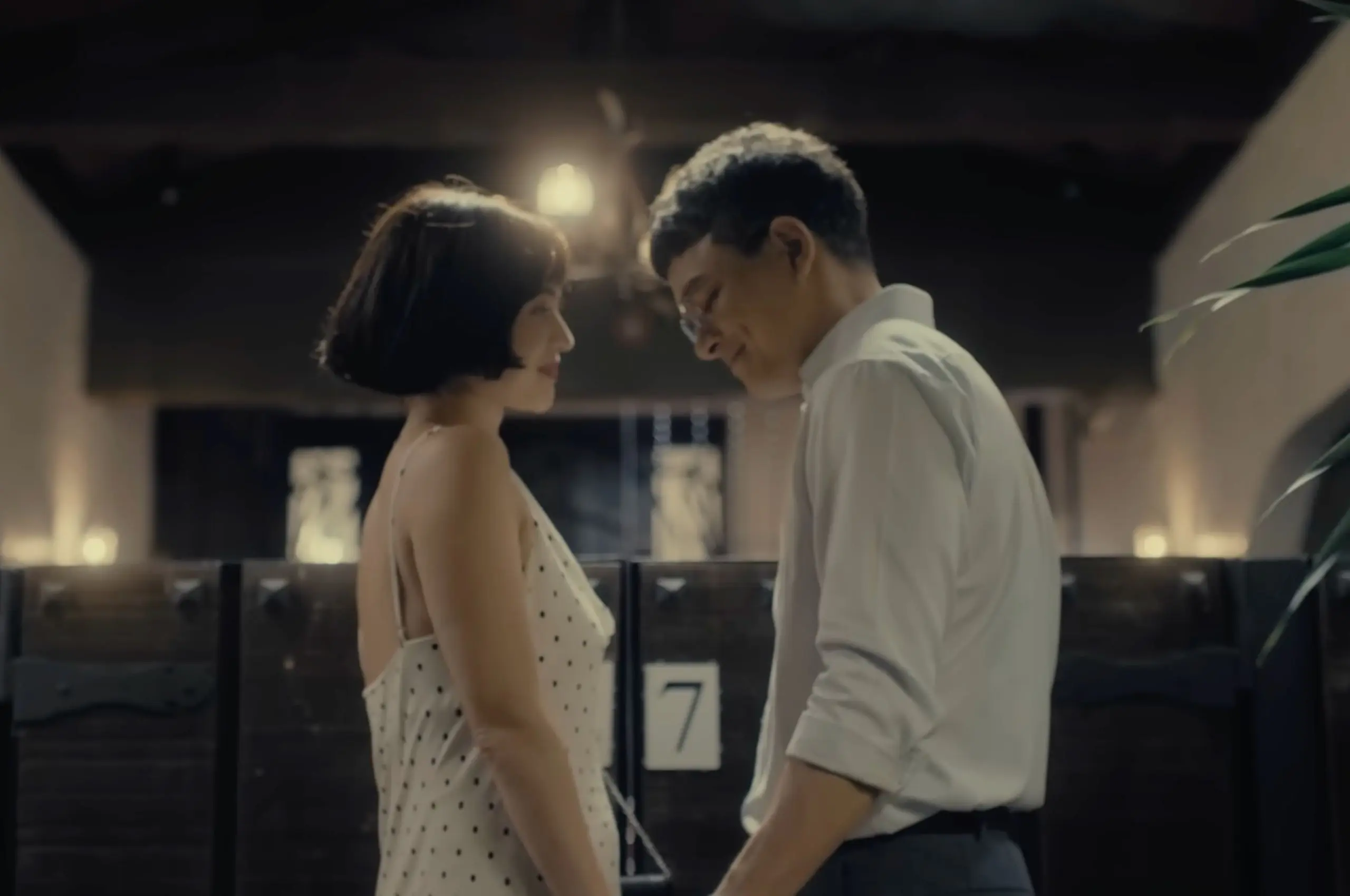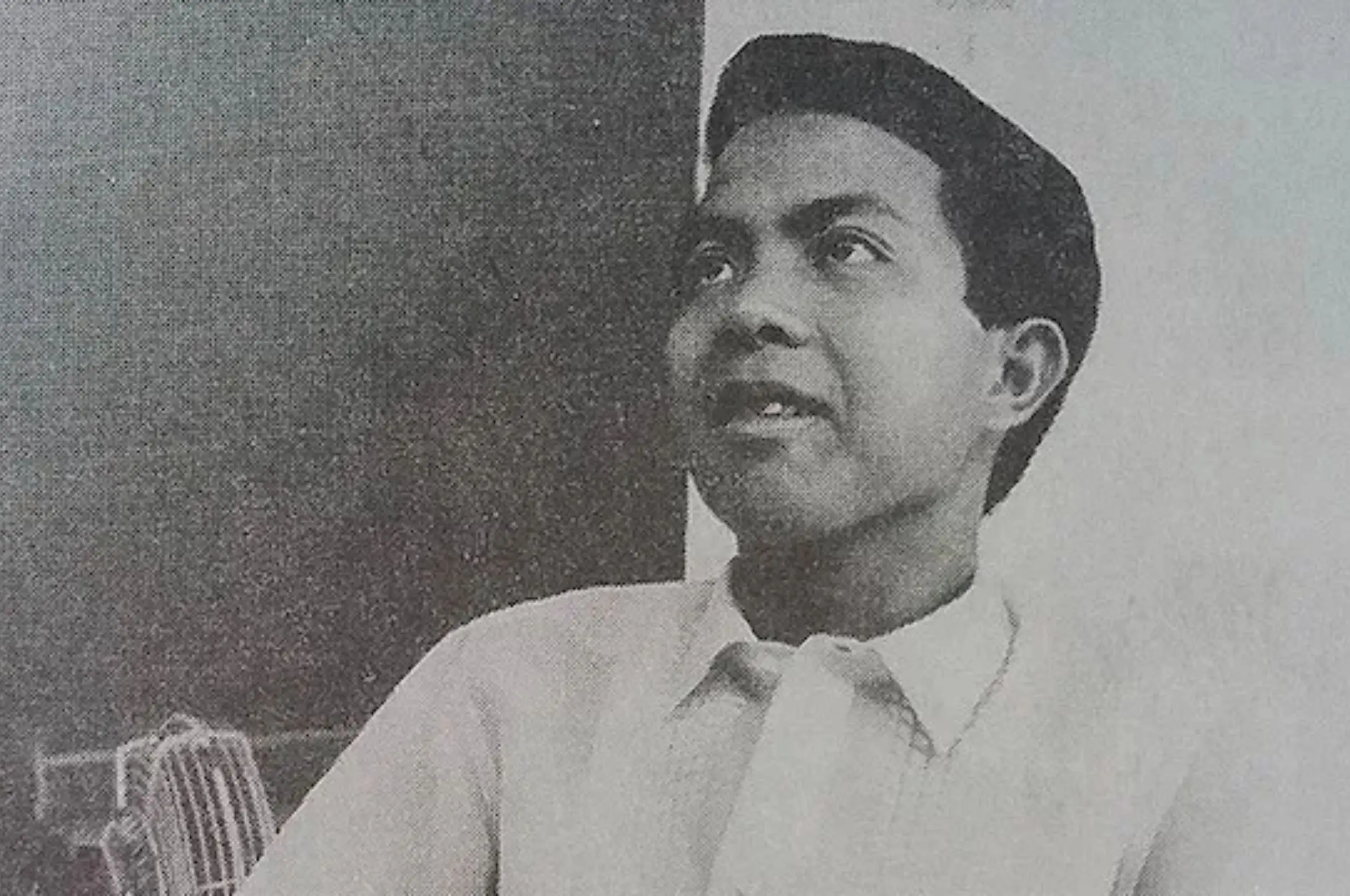
How does a reformist become a revolutionary? Edjop, directed by Katski Flores and starring Elijah Canlas, follows the life of Edgar Jopson, the storied student leader whose political awakening mirrored the radicalization of a generation during martial law under Ferdinand Marcos Sr.
Jopson, nicknamed “Edjop,” is an important figure in the student movement before and during the martial law period. On January 30, 1970, Jopson and many other student activists gathered in Manila to protest Marcos’ leadership, spurred by an economic crisis, and a dialogue with the president.
Jopson, then the president of Ateneo de Manila University’s student council and the National Union of Students of the Philippines, notably called for reform and for Marcos to promise not to run for a third term. But the would-be dictator refused, calling him the “son of a grocer” and responding to the student demonstrations with military force, thus beginning the First Quarter Storm, a series of protests and riots in the early months of 1970.
In his account of the First Quarter Storm, writer Jose F. Lacaba considered Jopson to be more “moderate” in comparison to the other student leaders who leaned further left. But after graduating later that year, the student leader went on to be a low-level clerk for the Philippine Association of Free Labor Unions (PAFLU) and helped organize the 1975 La Tondeña Distillery strike, regarded as “the first big strike” to defy Marcos’ martial law.
In U.G. An Underground Tale: The Journey of Edgar Jopson and the First Quarter Storm Generation, journalist Benjamin “Boying” Pimentel Jr. wrote that Jopson eventually joined the more radical Communist Party of the Philippines (CPP), becoming a member of its Central Committee in 1977.
Military raids pushed members of the CPP underground, including Jopson, according to Pimentel. On June 13, 1979, he was arrested in his Las Piñas home and brought to Camp Crame in Quezon City to be tortured. He eventually escaped and fled to Samal in July that year. According to the Martial Law Museum and the Bantayog ng Mga Bayani, the 34-year-old Jopson was once again captured by the military on September 20, 1982, in Davao City, shot and taken alive for questioning, and then killed for “refusing to cooperate.” He left behind his wife, Gloria Maria “Joy” Asuncion, and their three children.