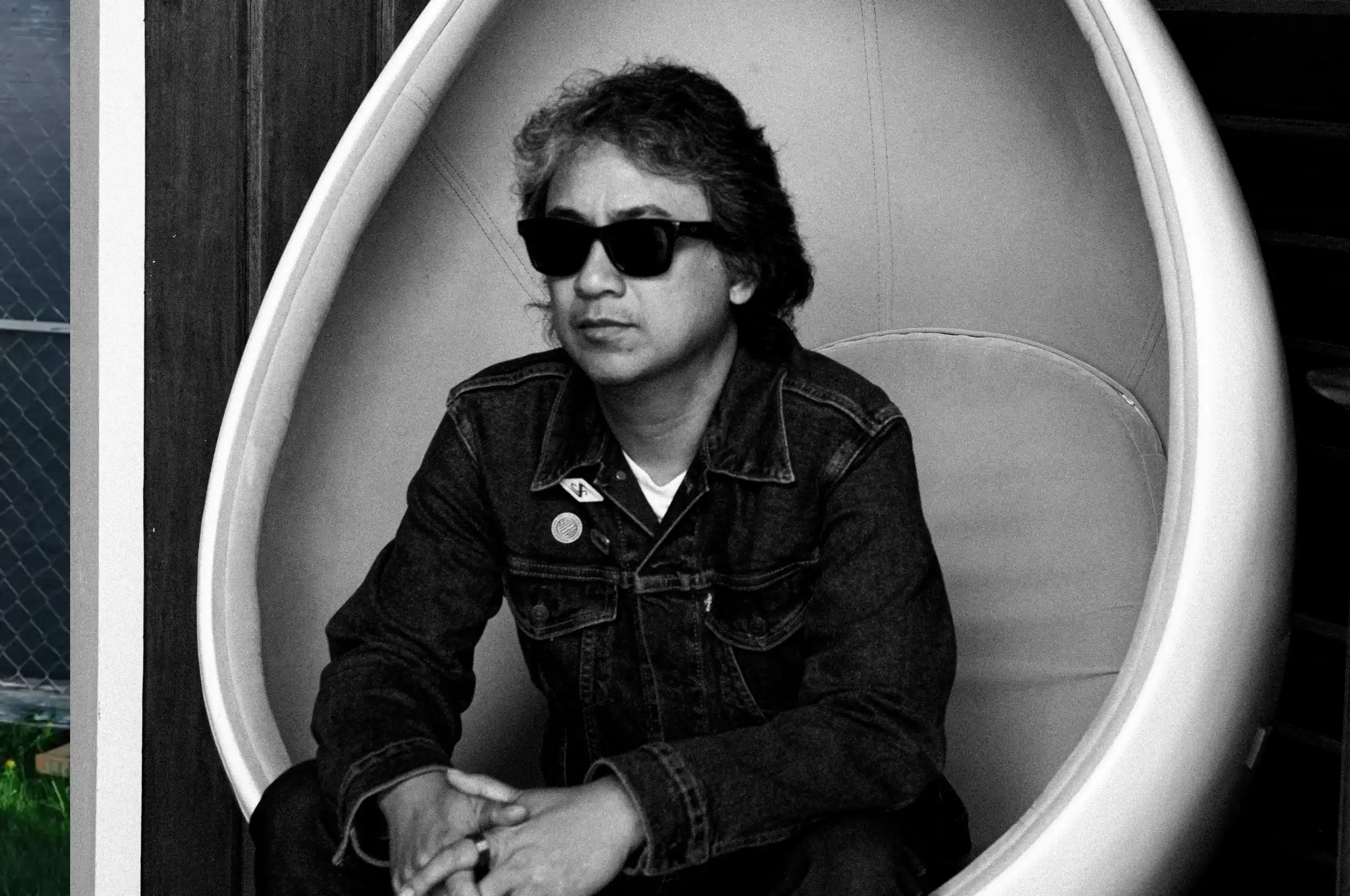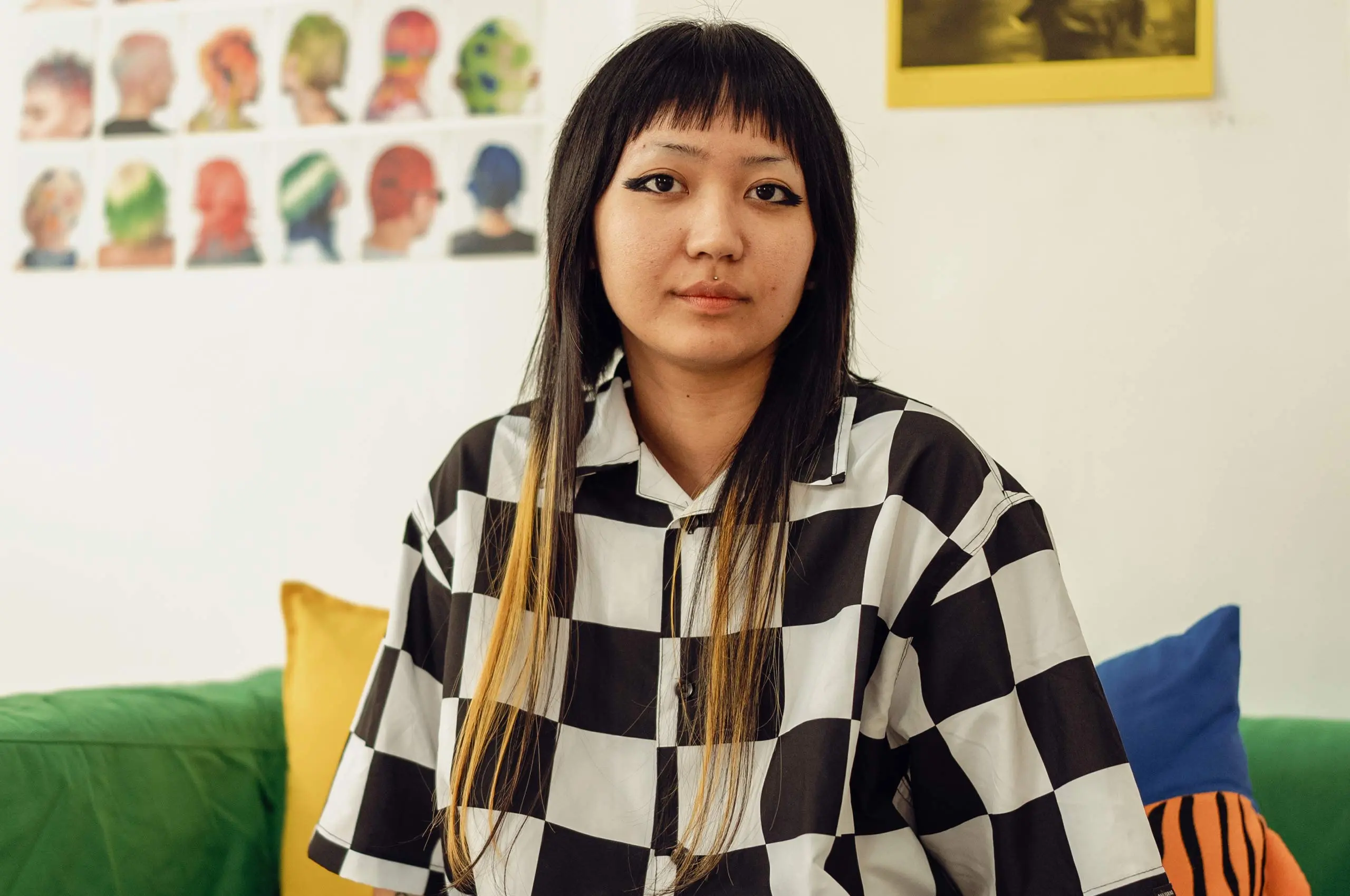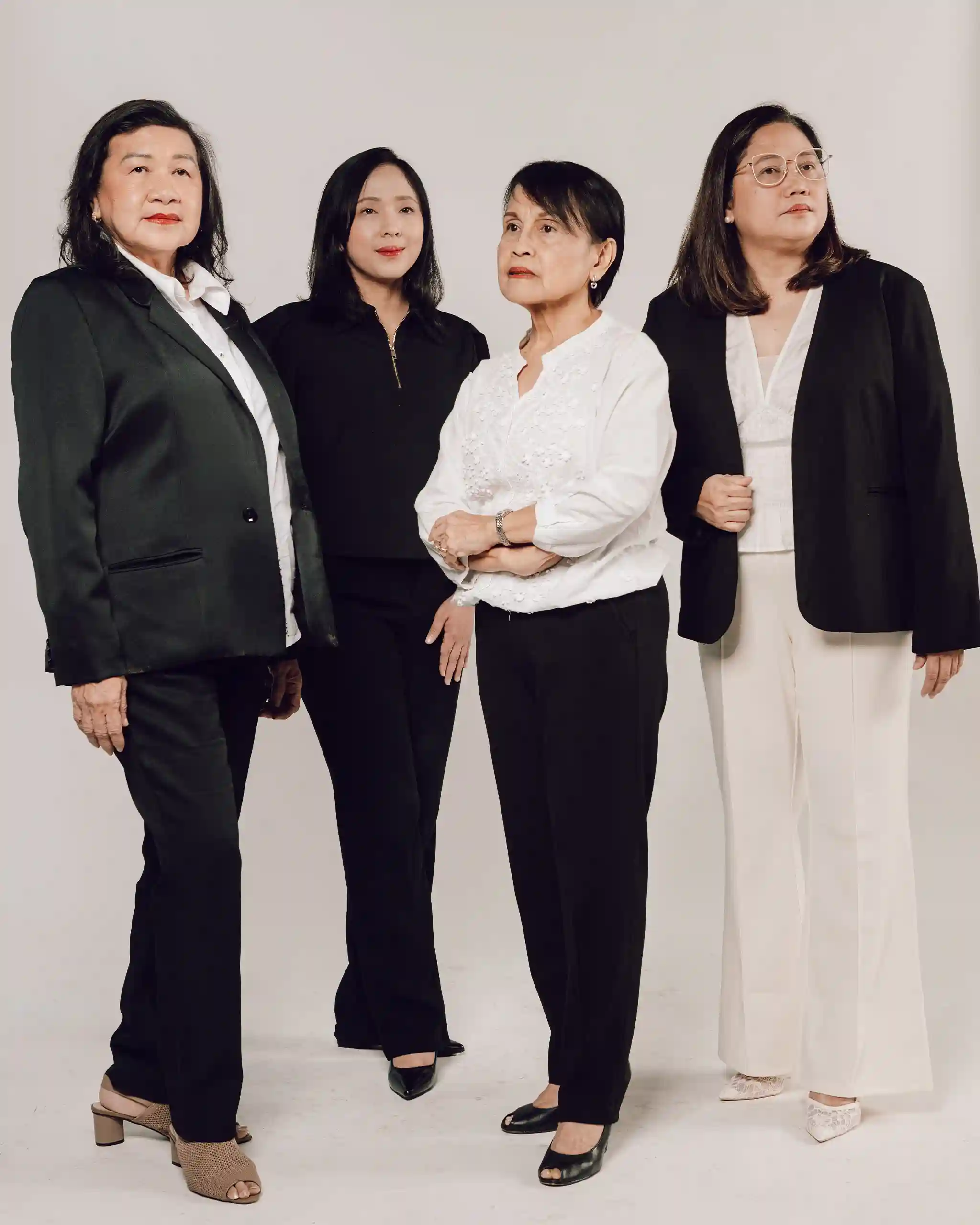
The women’s party-list Gabriela has seen four presidents, but the issues that they encountered 26 years ago when they were founded remain the same.
“Ang isang issue talaga noon ay ‘yung patuloy na pagpapatupad ng mga neoliberal economic policies, na problema pa rin ngayon: deregulation, privatization,” says former Gabriela Representative Liza Maza, who served in Congress during the administration of Gloria Macapagal-Arroyo, from 2001 to 2010.
These days, the House of Representatives is congested with party-lists that represent dynasties and politicians’ personal interests — a total opposite of the Party-List System Act, which was meant to ensure that the country’s marginalized sectors were represented in Congress. Critics call this the tragedy of our current party-list system. But in the early years of its implementation, the Party-List System Act also gave rise to authentic sectoral representation, of which the Gabriela Women’s Party is both beneficiary and product.
The party is an offshoot of GABRIELA Women’s Alliance — a feminist organization under Bagong Alyansang Makabayan (Bayan) — formed in 1984 at the height of the regime of Ferdinand Marcos Sr. In 2000, amid the anti-corruption ouster of then-President Joseph “Erap” Estrada, Bayan decided that it was high time for progressive representation in Congress. Thus, Gabriela, the party-list, was formed. It took until the 2004 elections for the party-list to win a seat.
Gabriela’s time in Congress now spans four presidents and is marked by all sorts of challenges under each administration. In a conversation with Rolling Stone Philippines, former Congresswoman Arlene Brosas remarked that the party-list’s representatives just get younger, or “pabata nang pabata.” After first being represented by Maza in 2004, Gabriela would come to be represented by other women who also made their mark in Congress, such as its former president Luzviminda Ilagan, Emmi de Jesus, and current Rep. Sarah Elago.
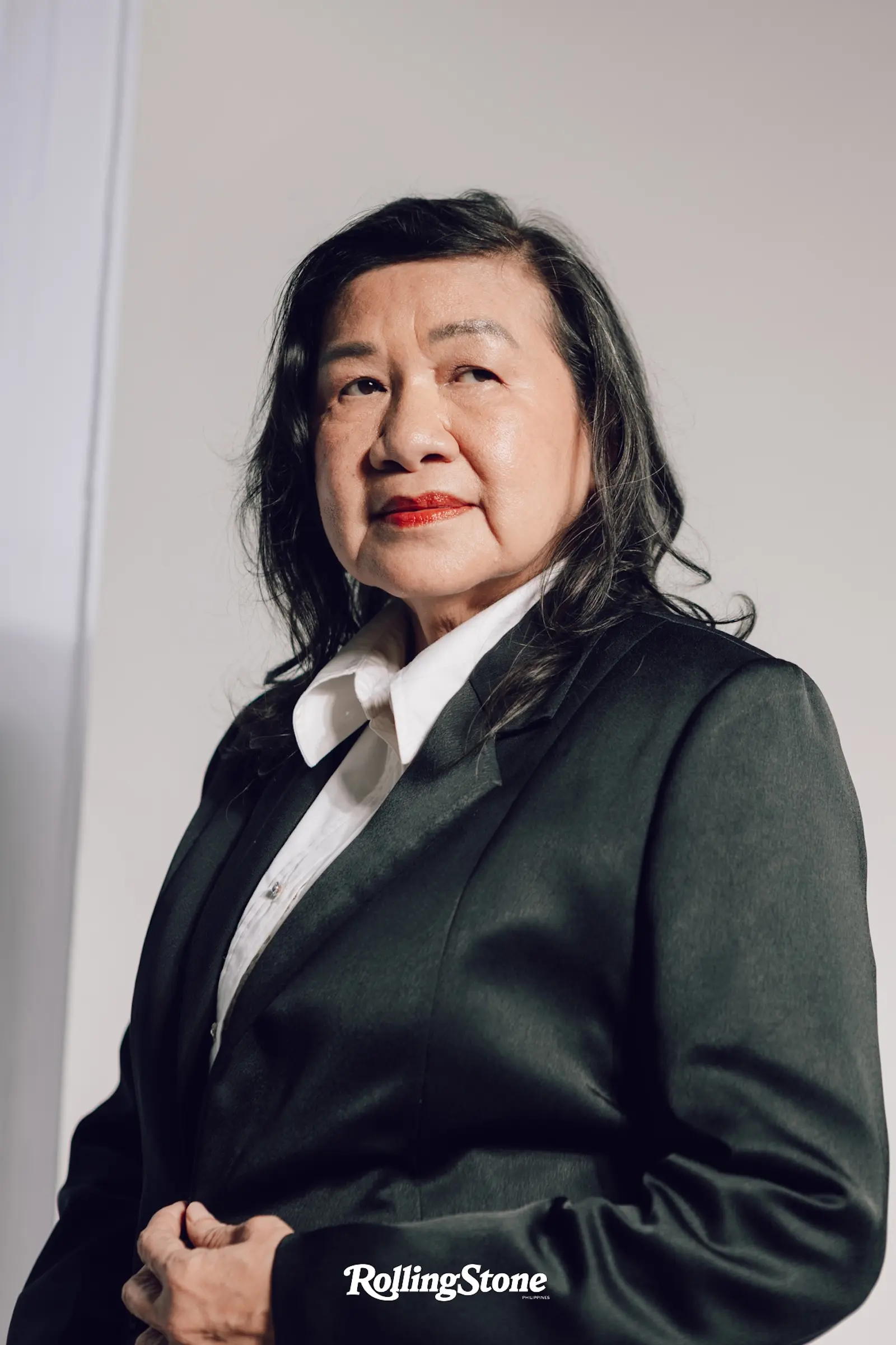
Here, Maza, de Jesus, Brosas, and Elago give Rolling Stone Philippines an oral history of Gabriela Women’s Party, and talk about what comes ahead for the country’s women’s rights movement.
Beginnings in the Arroyo Years
For the midterm elections in 2001, Bayan decided that only Bayan Muna, the party-list under Bayan, would run, according to Maza. “We decided Bayan Muna ang unang tatakbo,” she says. “But the women of Gabriela also wanted to be represented, that’s why I became one of the nominees of Bayan Muna.”
After topping the 2001 party-list race with 1.7 million votes, Bayan Muna secured three seats in Congress, one of which Maza occupied. But it was in 2004 that, with Maza’s popularity and experience as a legislator, the Gabriela Women’s Party would finally make its way to the House of Representatives.
She says, “‘Sabi ng Gabriela, ‘Ikaw na ‘yung may karanasan diyan. You can input what you learned there sa Gabriela Women’s Party.’”
But the journey to Congress wasn’t easy, and Maza says that Gabriela’s campaign was mired by “black propaganda.”
“Meron ngang mga poster kung saan in-edit nilang naka-bikini lang ako,” she recalls. “Talagang meron nang mga atake sa amin. ‘Yung aming mga bailiwicks, tinatakot. At tsaka ‘yung iba naming mga organizers, hinuhuli.”
“Ang misogyny ay part ng playbook ng mga authoritarian regimes, because in effect, pinapatahimik mo na agad ‘yung kalahati ng population. Kaya noong time na ‘yun, you really had to be bold and prepared to — every time there’s a sexist or misogynistic remark — name it, call it out, and challenge it.”
That year, alongside Gabriela’s congressional debut, Arroyo’s ascent to power would also be legitimized by 12.9 million votes during the presidential elections in 2004. Arroyo, who had served as Estrada’s vice president, succeeded him as national chief executive, becoming the second female president of the Philippines. But Arroyo’s being a woman in power did little to protect and empower other women in government.
“Overall, the challenge [is] our politics is predominantly traditional, ‘yung thinking na politics is not the domain of women,” Maza says.
Despite the harassment, the party-list powered through the elections. Bayan Muna still dominated the polls, and was followed by other leftist parties like Anakpawis, Partido ng Manggagawa, and Gabriela.
But it was further into Arroyo’s presidency that Gabriela would face more significant challenges. Aside from Arroyo’s pursuit of neoliberal policies, Maza also cited attacks on progressives in and out of government, briefly mentioning the case of Jovito “The Butcher” Palparan, the retired army general who carried out a violent anti-communist campaign under Arroyo and was convicted in 2018 for the enforced disappearances of two female student activists in 2006.
That same year, Maza was put in the protective custody of the House of Representatives with congressmen Joel Virador, Satur Ocampo, Teddy Casiño, and Rafael Mariano, after they — along with Anakpawis Rep. Crispin Beltran — were accused by authorities of inciting to sedition. In 2007, the Supreme Court ordered a Makati regional trial court to drop the case against the group now known as the “Batasan 6.”
“That was a repressive time, a state of emergency,” Maza says.
“Very repressive si GMA,” De Jesus adds.
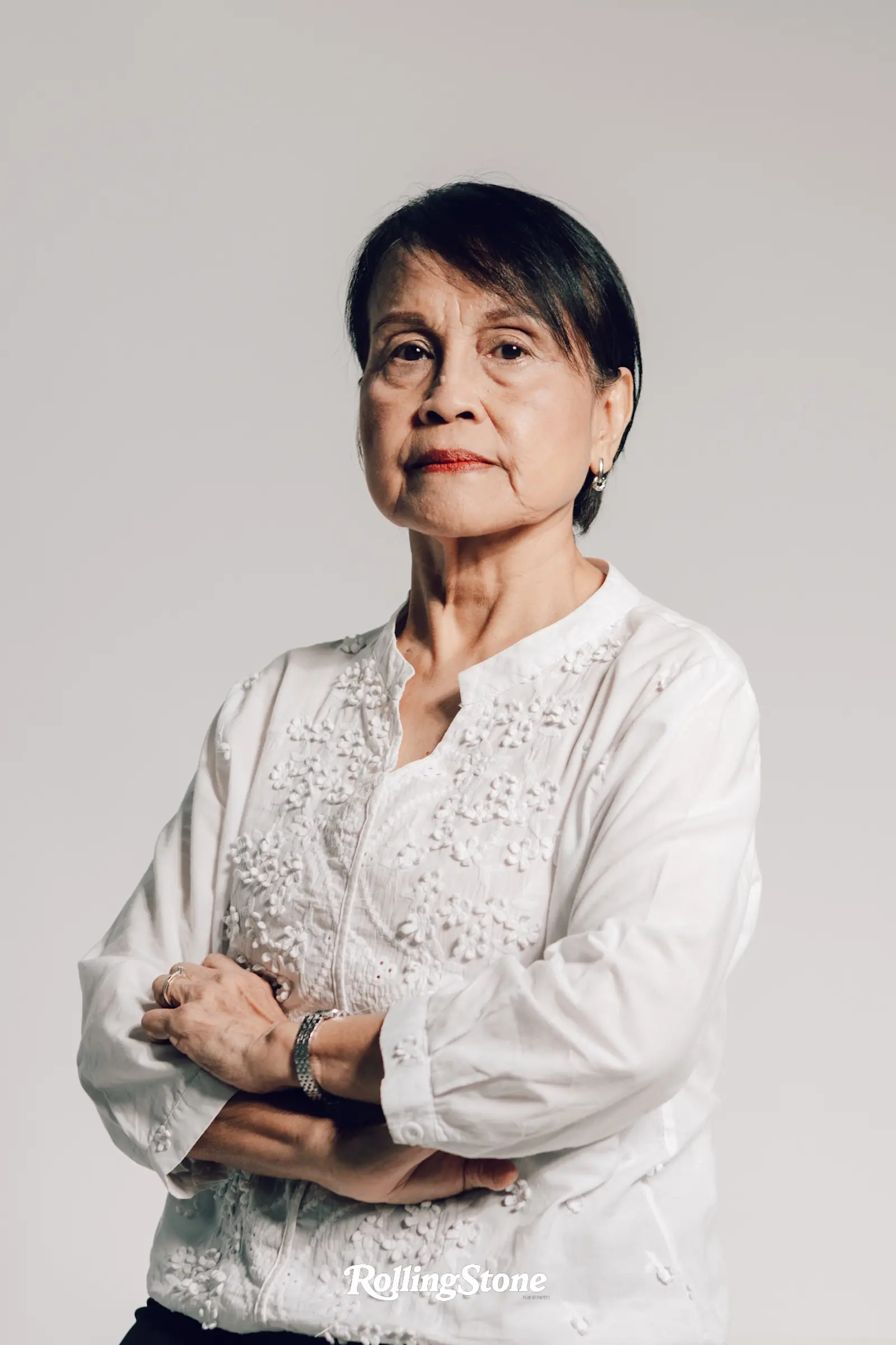
“For us, kahit pa sabihin na babaeng president si Arroyo, hindi ibig sabihin nito na ang mga patakaran niya ay mag-aangat sa buhay ng mga kababaihan,” says Brosas. “It was very clear to us, as a women’s movement, na hindi sapat ang usaping gender.”
“We were then, and still now, at the receiving end of harassment and intimidation because of Gabriela’s stances on issues,” Elago says. “Pagdating sa korapsyon, talagang nangunguna kaming magtanong, nangungunang maghanap ng solusyon. Pagdating din sa violations ng human rights, ‘yung panawagan para sa justice, hindi nananahimik ‘yung kababaihan.”
Women’s Health During the Aquino Presidency
One of the biggest controversies regarding women’s rights during the presidency of the late Benigno “Noynoy” Aquino III was the debate over the Reproductive Health Law, which Gabriela had co-sponsored.
The R.H. Law drew criticism from the Catholic Church in the Philippines because it believed the measure to be anti-life and anti-family. But within the House of Representatives, the bill received little opposition. Instead, de Jesus says the struggle with passing the R.H. Law was that other lawmakers were motivated to vote in favor of the bill because they saw it as a means for population control.
“Ang general frame ng pagpu-push namin ng R.H. Law ay ‘yung health ng kababaihan, maternal health specifically, from mental to physical,” she says. “Sadly, ang mas higit na pinag-uusapan sa debates ‘yung pagsisisi sa mga kababaihan. ‘Bakit naghihirap? Kasi buntis nang buntis.’”
“Kaya we voted ‘yes’ with reservations,” Brosas adds.
In 2014, the government was also criticized for the privatization of the Dr. Jose Fabella Memorial Hospital, or the National Maternity Hospital, which primarily serviced lower income women. During a discussion in Congress, De Jesus said, “With this privatization of Fabella, we are sure that poor mothers will experience further hardships in seeking inexpensive natal care for their families. Expect more babies to be born in pedicabs and convenience stores.”
Towards the end of Aquino’s administration, the privatization of the maternal hospital went through, but it did not go unopposed by Gabriela and other women’s health advocates. Plans to modernize the hospital would be carried out in 2016, bleeding into the administration of Rodrigo Duterte.
Misogyny and the Duterte Regime
The women of Gabriela regard the Duterte years with some harshness, unsurprisingly. At the time, Brosas and de Jesus both represented the party in Congress, while Maza served in Duterte’s cabinet as the convenor of the National Anti-Poverty Commission until she resigned in 2018. Elago was a neophyte congresswoman, representing Kabataan Partylist. And they all had to deal with Duterte’s several misogynistic remarks.
Ahead of the 2016 elections, Duterte drew flak for saying that he should have “gone first” in sexually assaulting an Australian national. In 2018, Duterte delivered a speech to former communist fighters, where he said, “We will not kill you. We will just shoot you in the vagina.”
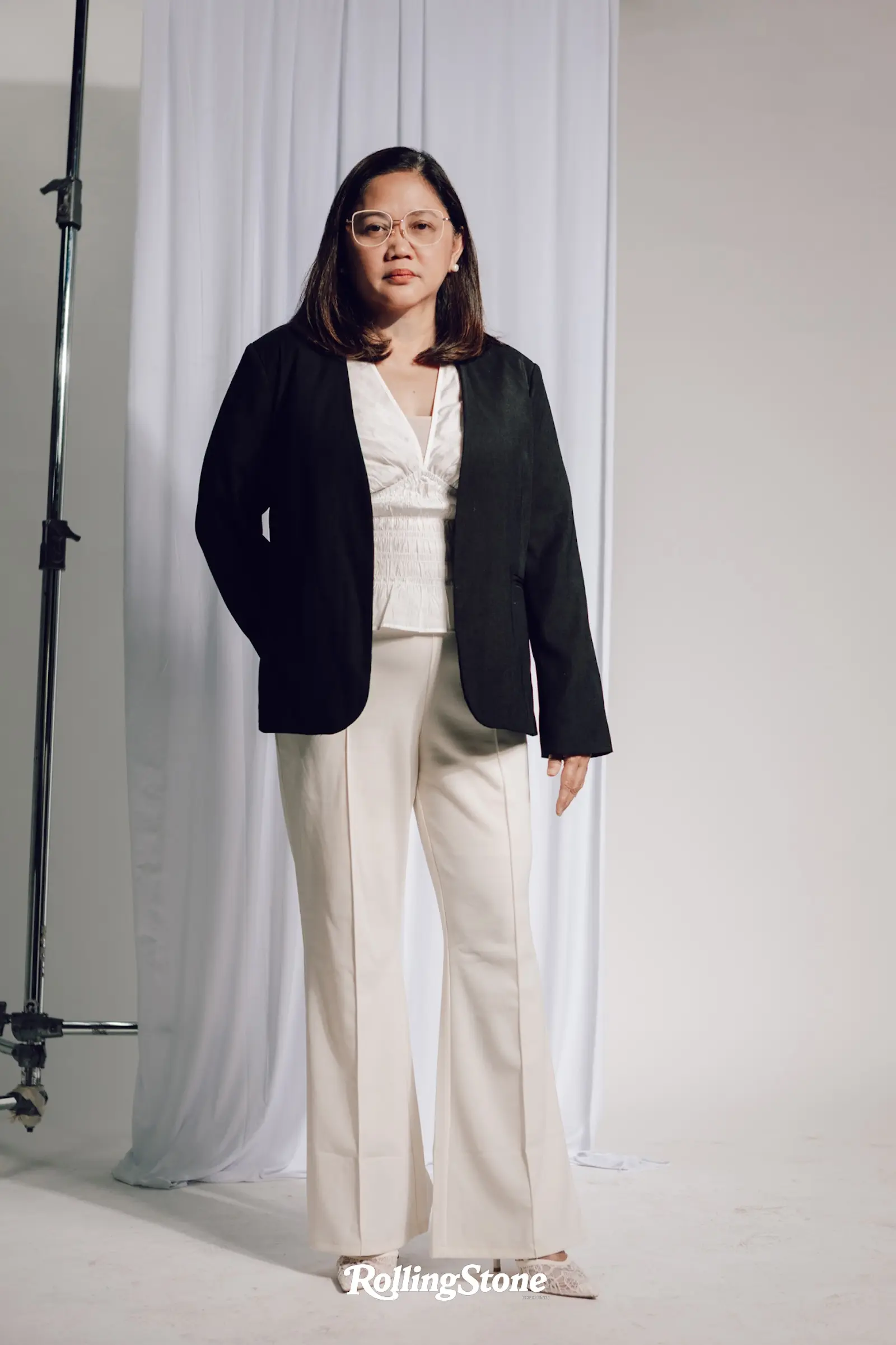
In a privilege speech, de Jesus said that with the “shoot the vagina” comment, Duterte “further presented himself as the epitome of misogyny and fascism terribly rolled into one.”
“Ang misogyny ay part ng playbook ng mga authoritarian regimes,” Elago says, “because in effect, pinapatahimik mo na agad ‘yung kalahati ng population. Kaya noong time na ‘yun, you really had to be bold and prepared to — every time there’s a sexist or misogynistic remark — name it, call it out, and challenge it.”
Ironically, it was during his tenure that the Safe Spaces Act, also called the Bawal Bastos Law, was passed. But Brosas wants to make it clear that Duterte should not be given credit for it. “[Bawal Bastos] was the effort of the Senate and Congress, at tsaka ng mga congresswomen na talagang lumalaban,” she says.
“Hangga’t may mga kababaihan na lumalaban, may pag-asa talaga tayo.”
Maza emphasizes that Duterte’s remarks, and the macho culture they espouse, can still be felt today.
“Sa panahon ni Duterte, hearing those degrading and sexist remarks, talagang he was pushing for the normalization of such attitudes towards women. Kaya mau-understand kung bakit ngayon, itong mga known na Duterte supporters, ang lakas ng loob magkawala ng mga ganyang remarks tungkol sa kababaihan. [Bong] Suntay, [Ferdinand] Topacio, [Robin] Padilla. Ang dali-dali nilang magsalita ng degrading at sexist remarks kasi they think they can always get away with it.”
Maza adds, “Pero syempre, nakita natin kung paano sila binash at nilabanan ng mga kababaihan.”
Marcos Jr. and the Fight Now
Throughout its tenure in Congress, Gabriela has consistently secured one or two seats in the House of Representatives. But in May 2025, the party-list suffered an initial first-time loss. “Noong nakita namin ‘yung resulta, hindi kami nakapaniwala,” Elago says, adding that the inclusion of more party-lists may be part of why Gabriela didn’t garner enough votes. “Bakit natin pinapayagan ‘yung mga bilyonaryo, mga contractors na tumakbo sa party-list?”
Elago represented Kabataan from 2016 to 2022, and during this term, co-authored a number of measures with Gabriela, including the Safe Spaces Act and pro-women amendments to the Occupational Safety and Health Standards.
“Pagdating sa korapsyon, talagang nangunguna kaming magtanong, nangungunang maghanap ng solusyon. Pagdating din sa violations ng human rights, ‘yung panawagan para sa justice, hindi nananahimik ‘yung kababaihan.”
When asked why she ran with Gabriela in 2025, Elago said, “Nandun ‘yung fire in me to really follow through on these victories. Kasi we know na however good these laws may sound on paper, without proper implementation and substantial funding, hindi rin mararamdaman ng mga constituents.”
In September 2025, Gabriela was finally declared a winner in the congressional elections after another party-list seat was added to the House of Representatives to meet its 20 percent party-list representation requirement.
Aside from seeing through the implementation of previously passed legislation, Gabriela’s mission now is to fight for policies that can genuinely uplift Filipino women, especially those in poverty. De Jesus says that between Arroyo and Ferdinand Marcos Jr., the president’s priority measures have consistently prioritized “globalization” over the economic conditions of women in the country. “Makikita talaga na hindi nila tinutugunan ang interes ng mga kababaihan,” she says.
“One example lang yung matagal nating dependence sa imported na rice, mga vegetables at prutas,” says Elago. “At pag nag-rely ka doon sa importation at liberalized policies, habang sobrang underfunded ‘yung agriculture natin, marami talaga mawawalan ng trabaho. Nawawala rin ang recognition ng contribution ng kababaihan pagdating sa local agriculture. Hindi talaga magbabago ‘yung situation kung hindi mo rin babaguhin ang national policies at local policies na direktang nag-aapekto sa mga kababaihan.”
Despite the lack of change, Gabriela is still convinced that the women’s movement in the country is only getting stronger.
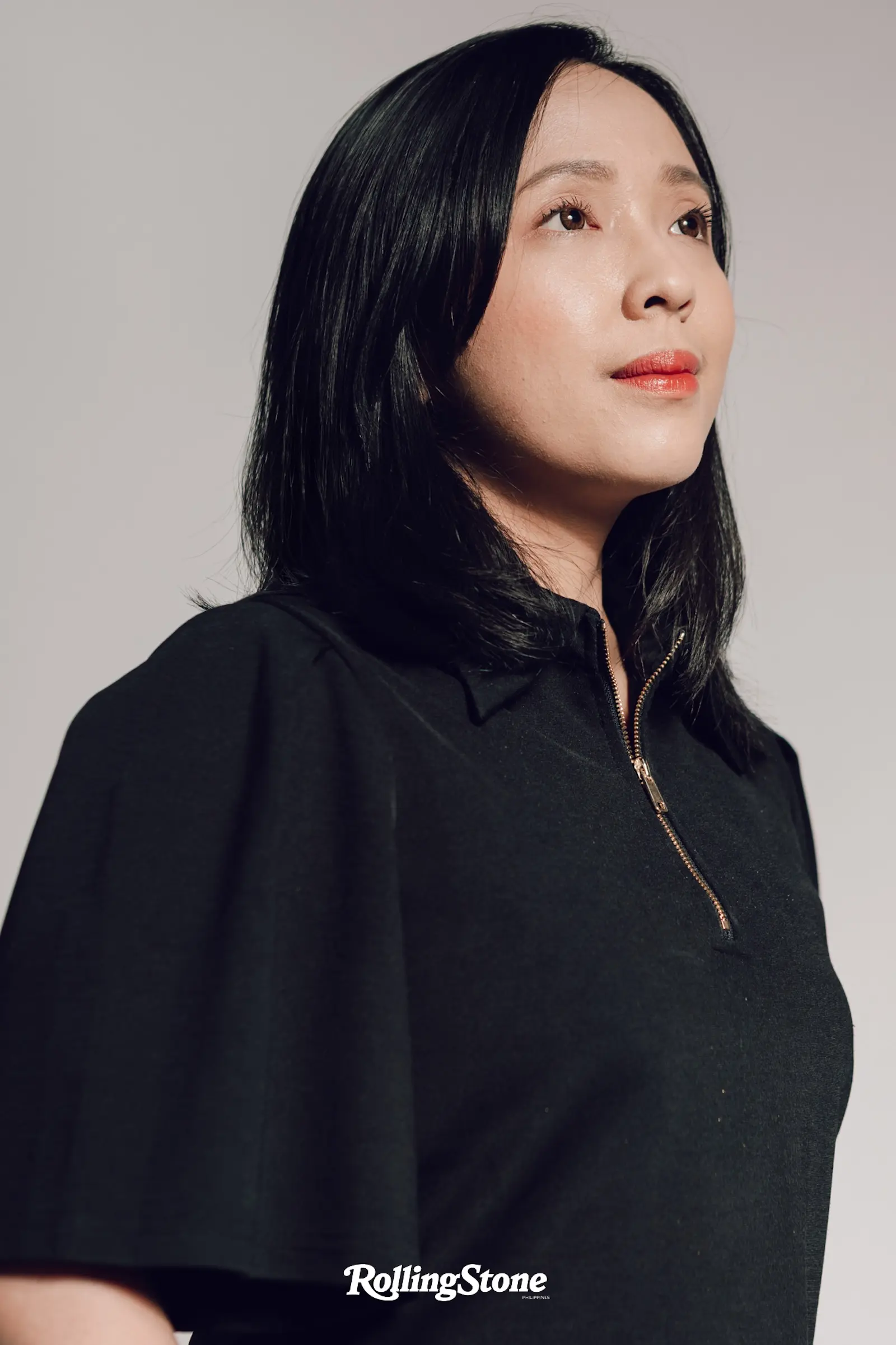
“Nag-multiply ‘yung participation ng youth sa organizing, sa protest action, sa mga pag-aaral,” de Jesus notes. “Pero nasaan pa rin ang pinakamaraming kababaihan? Nandoon pa rin sa mas depressed areas, sa mga magsasaka, mga manggagawa. We really have to organize pa rin sa kanila.”
Brosas says, “Hangga’t may mga kababaihan na lumalaban, may pag-asa talaga tayo. Kasi gustong mabago ‘yung sistema e, hindi favorable for most of our women ang mga nangyayari ngayon.”

Rolling Stone Philippines Anniversary Issue, Now Available at SariSari Shopping