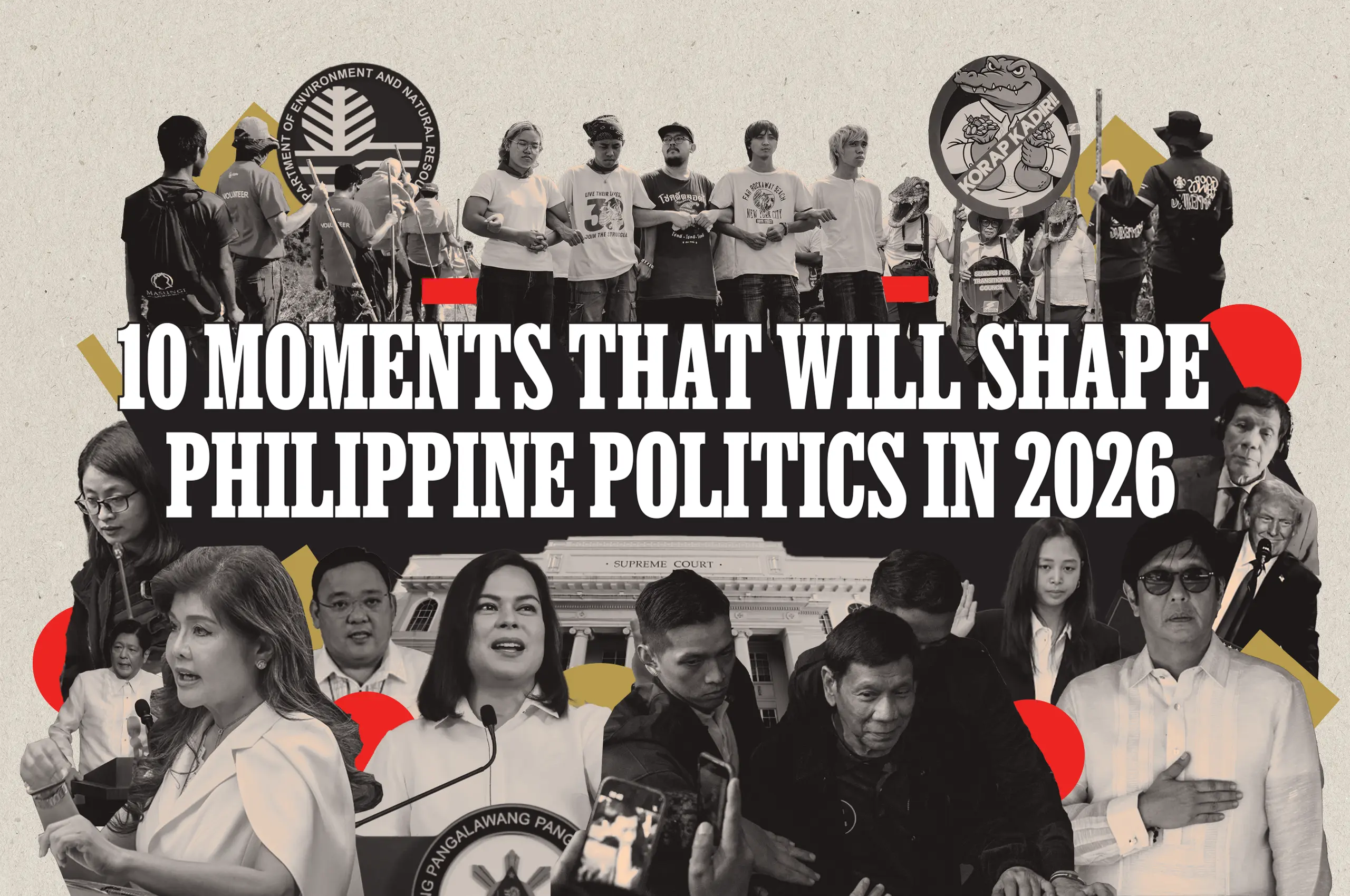
This year, Philippine politics felt like too many watershed moments, all creating an uncontrollable flood. 2025 began with the Duterte camp making national headlines with the failed impeachment of the vice president and the detention of the former president, and ended with the Marcos administration neck-deep in the Department of Public Works and Highways’ (DPWH) corruption scandal. Between those moments, Filipinos watched a government stretch itself thin: the presidential cabinet and the legislature reshuffling midstream, transport reforms arising amid longstanding issues, and politicians running and hiding from the law.
Casting a shadow over all of this is the flood control scandal. Hearings exposed ghost projects, padded contracts, and long-running patterns of public works abuse that cut across multiple administrations. The creation of an independent investigative commission signaled how the controversy had grown, but the real pressure comes from outside Congress. Protesters, community groups, and flood-prone residents began demanding accountability that transcended partisan lines.
Taken together, these events redraw power lines heading into 2026. Old blocs are repositioning, new alliances are forming, and citizens are jumping into action. The coming year will test whether these crises become catalysts for change, or if we’re in for another round of the same old political maneuvering.
The Failed Impeachment of Sara Duterte
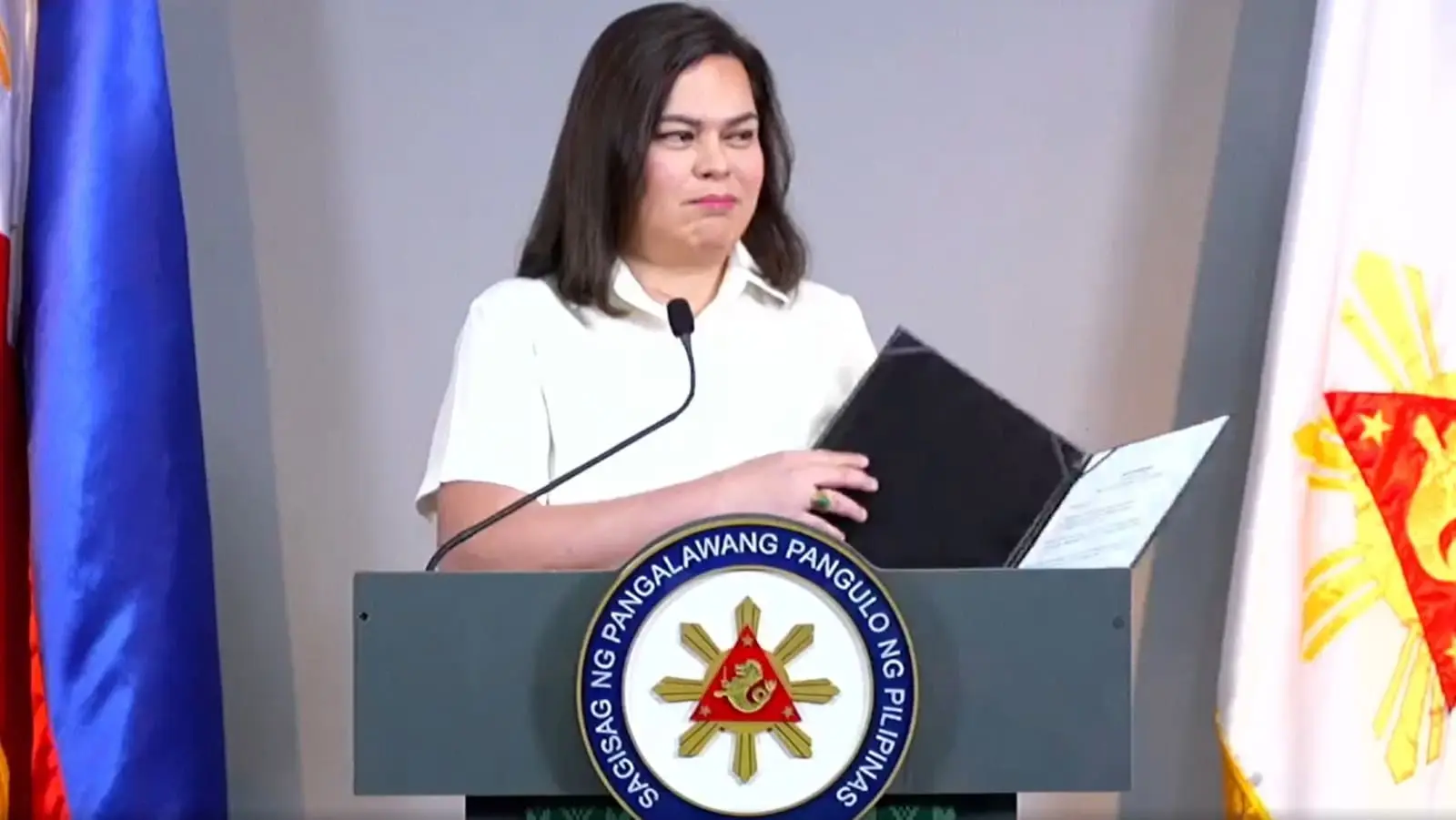
On February 5, more than two-thirds of the House of Representatives signed an impeachment complaint against Vice President Sara Duterte on the grounds of violation of the Constitution, bribery, graft, corruption, betrayal of public trust, and other high crimes. The vote technically impeached the vice president, but delays in the Senate and a Supreme Court ruling effectively blocked impeachment proceedings from moving forward.
Here, Duterte emerged as a figure under siege, energizing her supporters inside and outside the government and signaling a readiness to confront rivals openly. In 2026, this political momentum could translate into stronger influence over allies in Congress, strategic endorsements in local elections, and the groundwork for her 2028 presidential campaign.
Rodrigo Duterte Faces the ICC
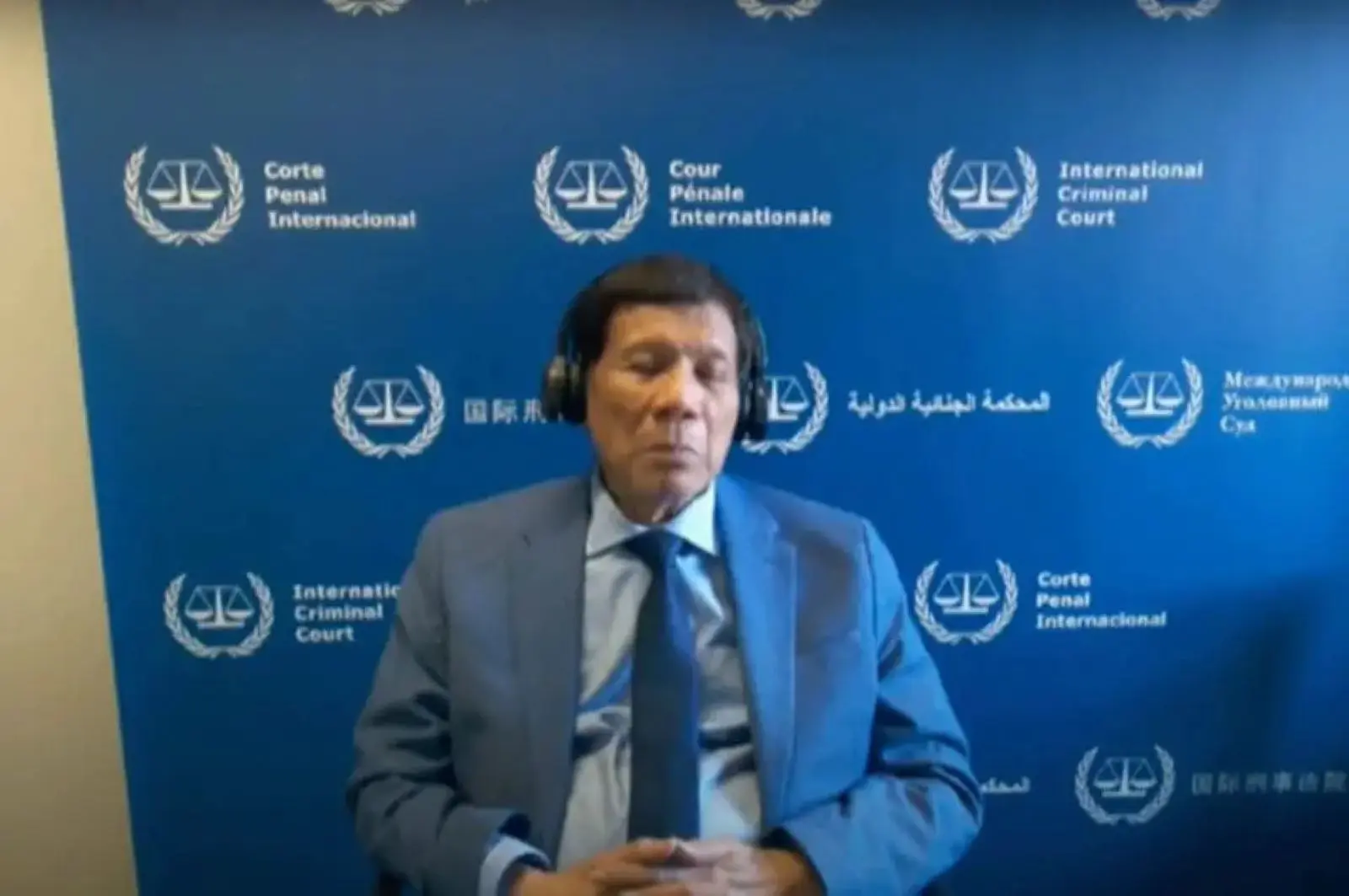
Just a month after his daughter’s impeachment, Rodrigo Duterte was arrested by the Philippine National Police (PNP) and sent on his way to The Hague, the Netherlands, to stand trial before the International Criminal Court (ICC) for the charges of crimes against humanity related to the war on drugs.
The arrest sparked uproar among Duterte loyalists, who argue that the ICC lacks jurisdiction after the Philippines formally withdrew from the Rome Statute in 2019. Beyond legal debates, the case highlights the country’s long-standing inability to hold its own leaders accountable, particularly when it comes to human-rights violations. Politically, the arrest also strengthens Sara Duterte’s narrative of persecution by the Marcos administration. In 2026, we can expect the Duterte camp to push efforts to junk the case and “bring him home” as the ICC continues to work towards a trial.
POGO Investigations Rock the Political Arena
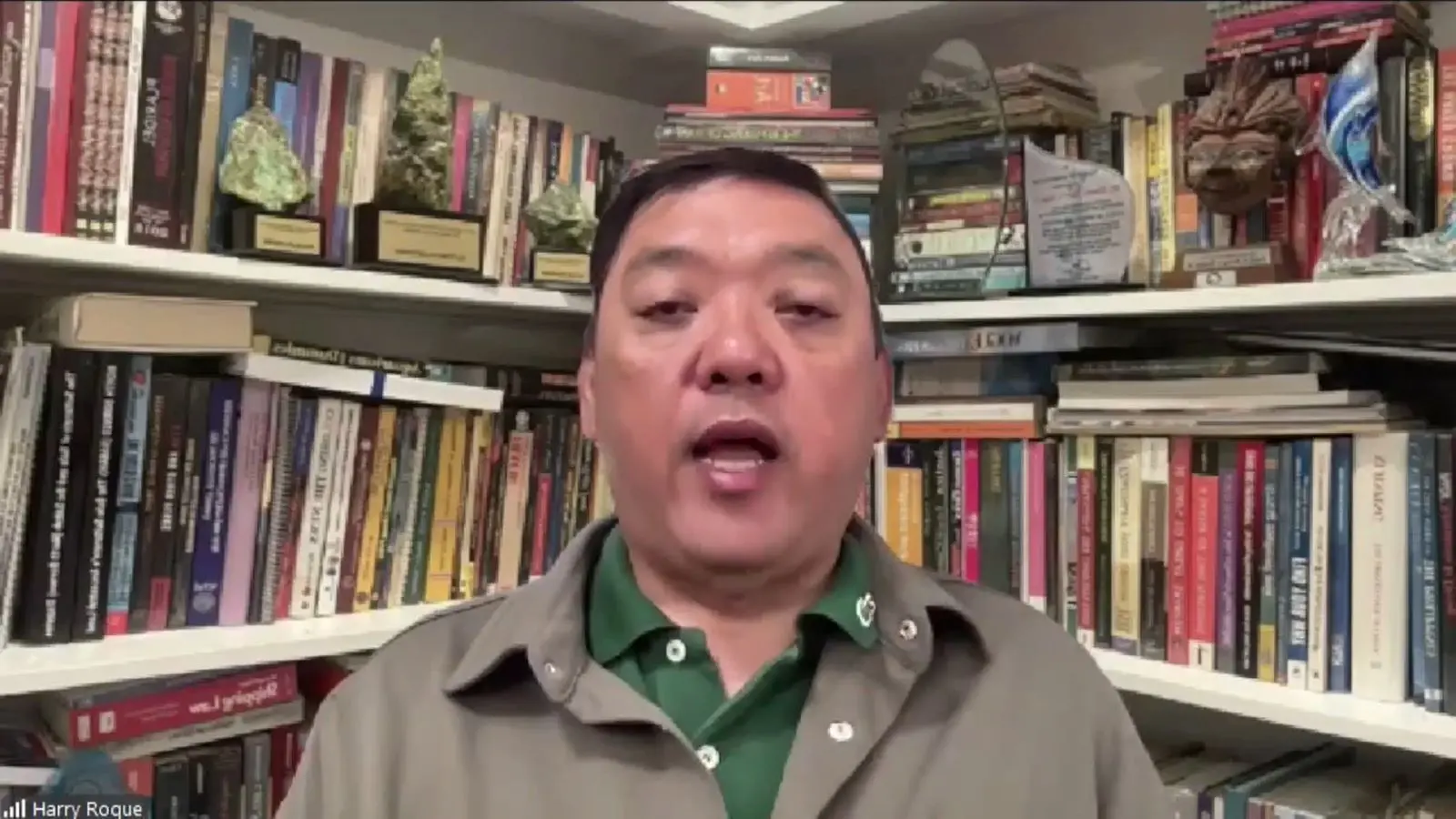
This year, investigations into Philippine offshore gaming operators (POGO) finally led to indictments and imprisonment. High-profile cases, including the Lucky South 99 operation, saw figures such as former Duterte spokesperson Harry Roque and businesswoman Cassandra Li Ong charged with qualified human trafficking. Meanwhile, former Bamban Mayor Alice Guo was sentenced to life imprisonment after being convicted of human trafficking related to POGO operations in her municipality.
The investigations exposed the deep entanglement of political influence and illegal economic incentives with human-rights violations. In 2026, the government faces pressure to continue its crackdown on POGOs — after banning them — and to hold officials and tycoons accountable.
Marcos Shakes Up His Cabinet
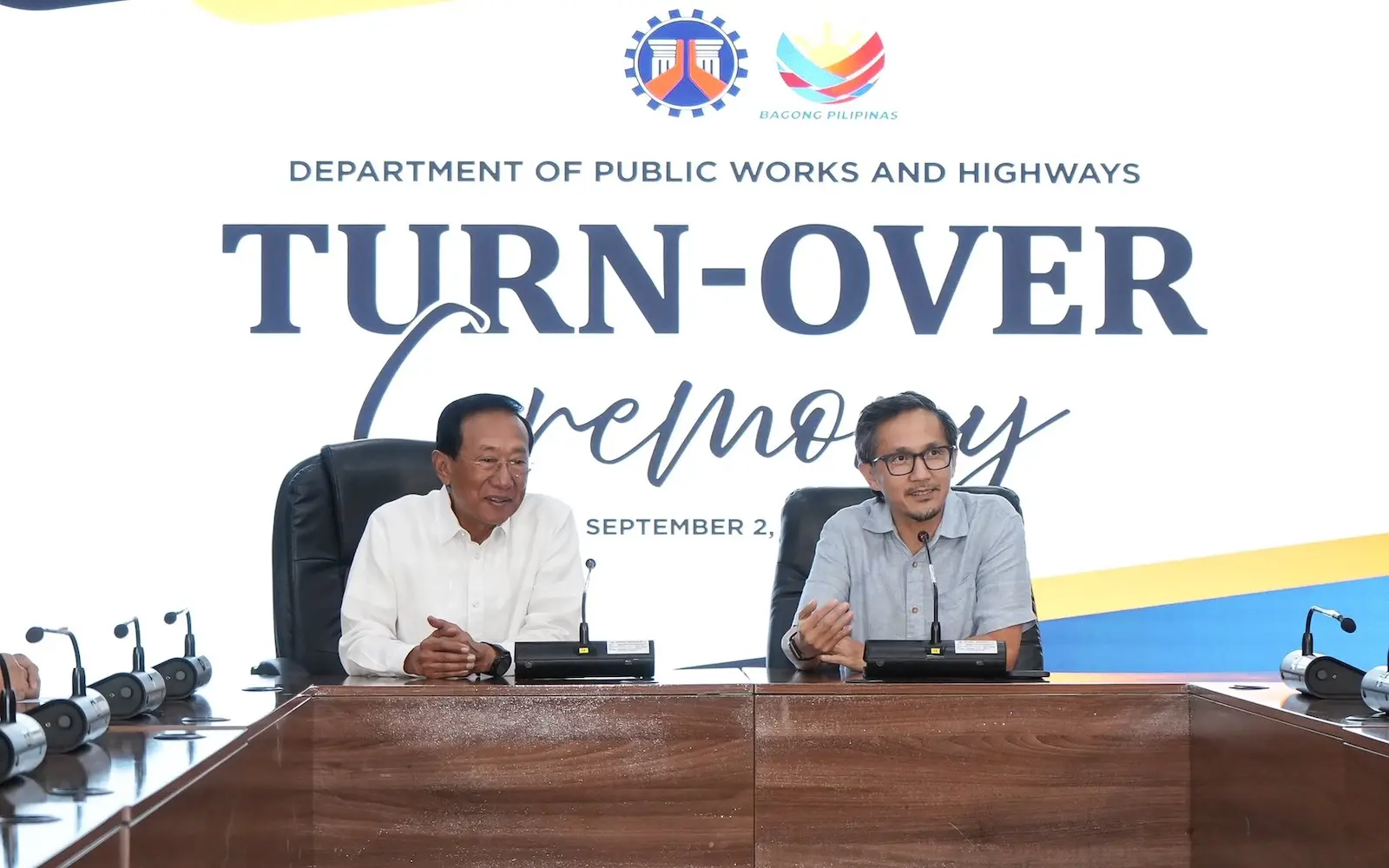
Earlier this year, President Ferdinand “Bongbong” Marcos Jr. attempted to deliver a “bold reset” by ordering courtesy resignations from all his cabinet members and executing performance reviews. Of 23 members, only five were removed from his office. In the following months, the cabinet saw more reshuffling as Vince Dizon was moved from the Department of Transportation (DOTr) to the DPWH and Nicolas Torre was removed from his position as PNP chief only over two months into his appointment.
While the administration frames these changes as improving governance, citizens are left wondering if they were all part of a strategic recalibration or a sign of internal instability. In 2026, these reshuffles will shape legislative priorities and how they’re executed, determining whether the administration can push its agenda effectively or remain bogged down in power struggles.
The Return of Trump
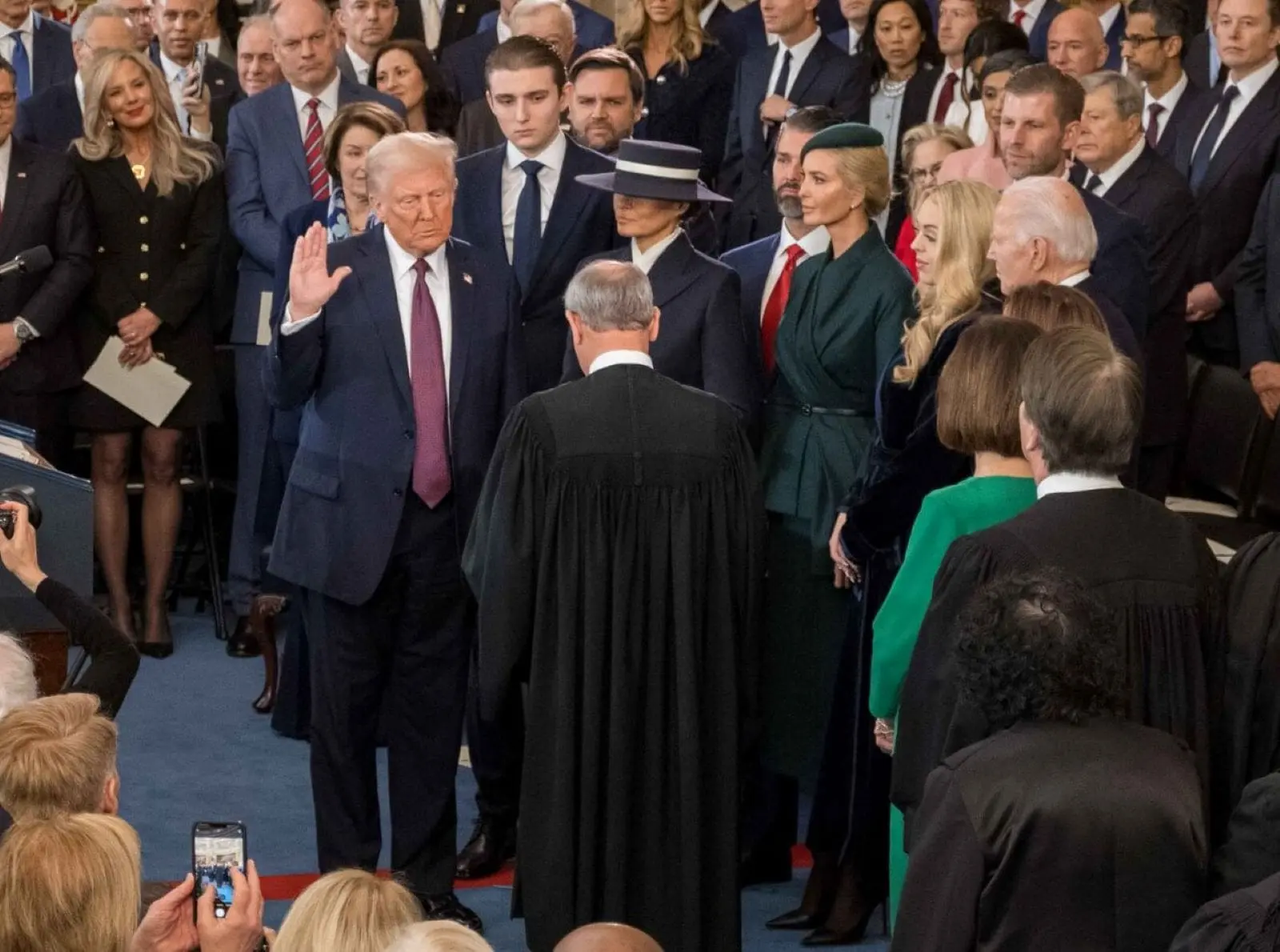
In 2025, the U.S. revived aggressive immigration restrictions under a second Donald Trump administration. Filipino migrant communities faced heightened scrutiny, deportations, and visa restrictions, prompting concern among both migrants and their families in the Philippines. Remittance flows, vital to the Philippine economy, were affected as families adjusted to these changes.
The renewed U.S. immigration crackdown has significant political implications for the Philippines. In 2026, it may shape debates around labor policy, overseas Filipino welfare, and diplomatic relations with the U.S.
DENR at Odds with Masungi
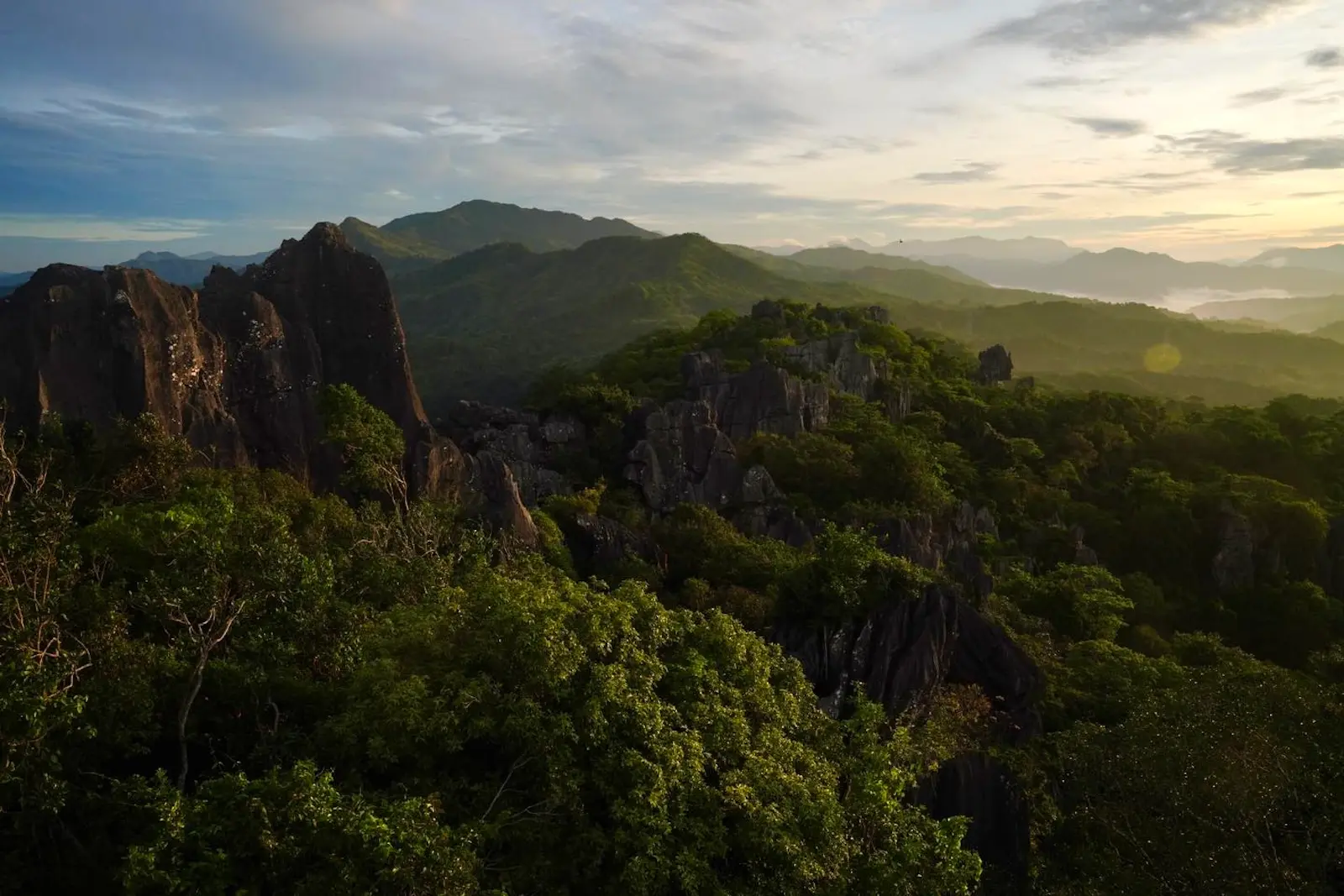
In March 2025, the Department of Environment and Natural Resources (DENR) canceled its contract with Blue Star Construction Development Corporation, the developer of the Masungi Georeserve in Rizal. The Masungi Georeserve Foundation (MGFI) and environmental advocates criticized the move, saying it undermines decades of conservation work and opens the area to commercial exploitation.
The cancellation sets a precedent for other conservation projects in the Philippines and highlights the DENR’s tensions with environmental activists and conservation workers. How this dispute is resolved, if ever, could determine whether government agencies actively support long-term environmental projects or continue to cede ground to commercial interests.
Bongbong-Imee Feud Blows Up
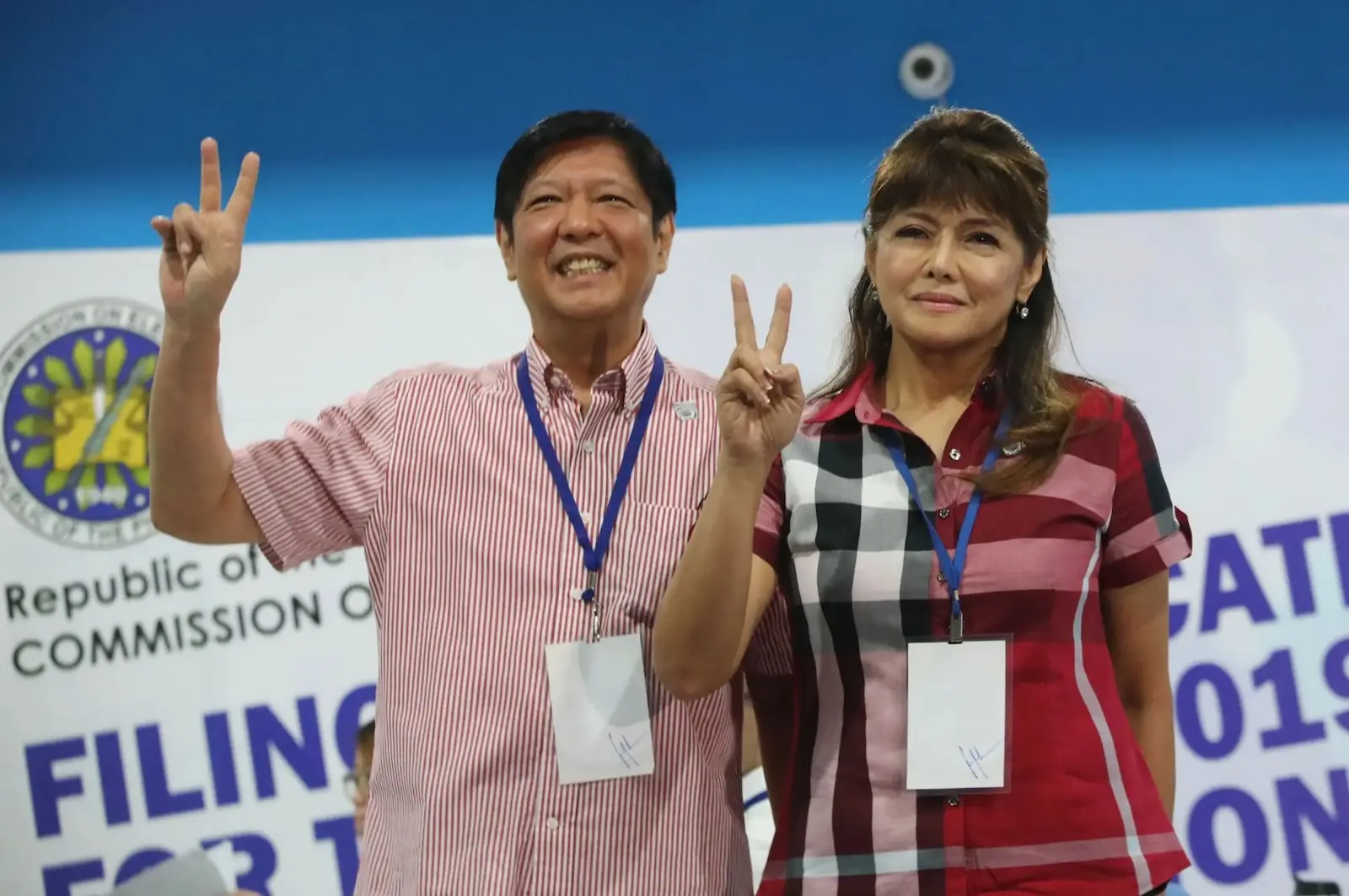
During the 2025 election period, Senator Imee Marcos withdrew from her brother Bongbong’s Alyansang Makabayan coalition and chose to run independently, instead securing an endorsement from Sara Duterte. In November, Imee appeared at the Iglesia ni Cristo anti-corruption rally and delivered a speech accusing her brother of using illegal drugs. In response, Bongbong said, “The lady you see talking on TV is not my sister.”
Will we see more public mudslinging within the Marcos clan? Observers will be watching to see if the family drama ultimately and effectively makes the case against political dynasties in the country, or if it remains a spectacle that distracts from governance.
Transport Reform and EDSA Rehabilitation
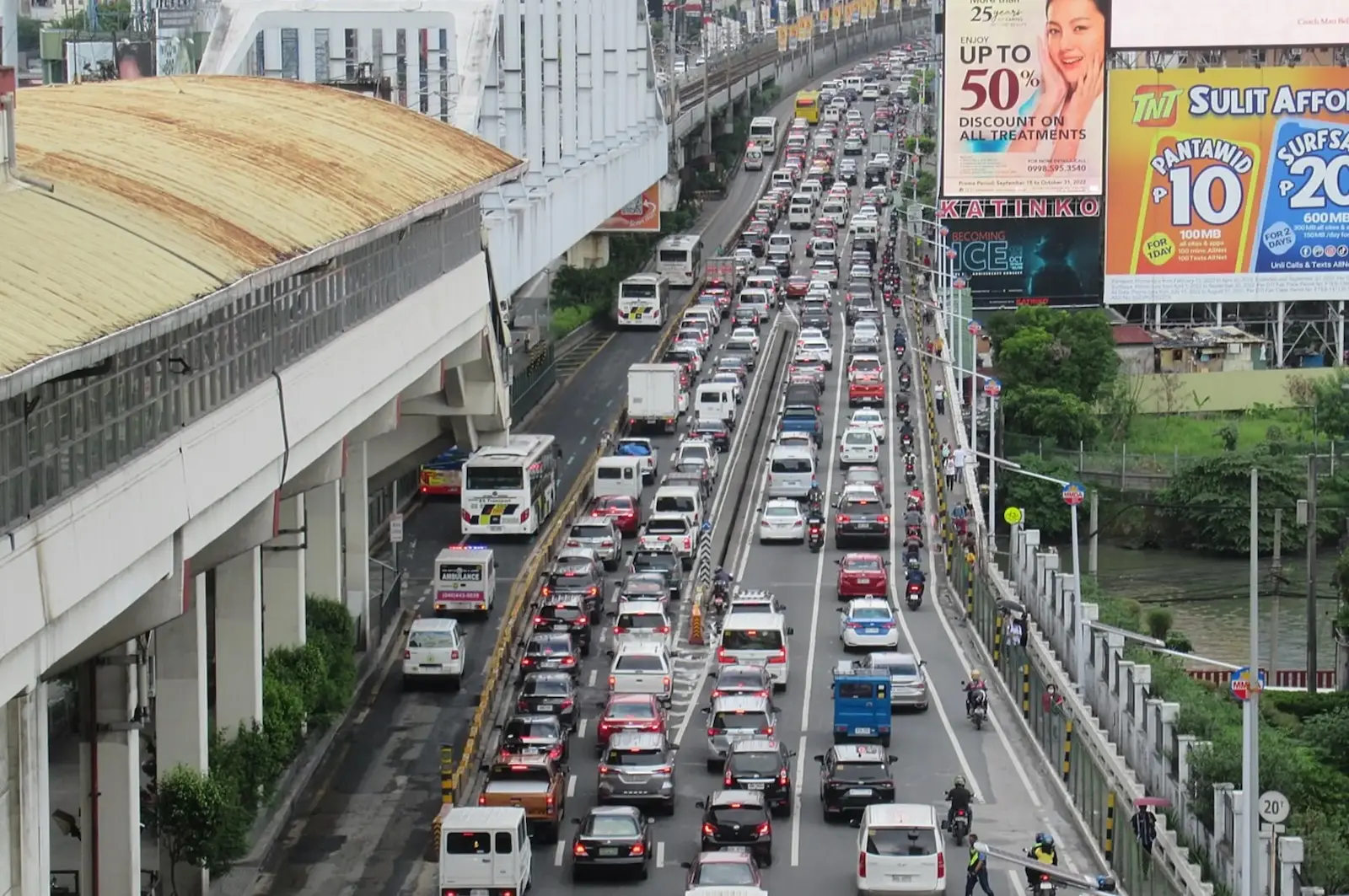
This year, efforts to rehabilitate EDSA and improve public transport were met with mixed results. While minor improvements in public transportation — especially the Metro Rail Transit (MRT) — were implemented, reform remains slow despite public pressure for more commuter- and pedestrian-friendly systems. Vince Dizon’s transfer from the DOTr to DPWH also prompted debate over the continuity of transport projects.
Chronic traffic in highly urbanized areas continues to sap productivity, and how the administration addresses these systemic issues in 2026 will signal whether it can implement meaningful, long-term improvements or struggle with piecemeal solutions that fail to meet the needs of commuters and the economy.
The Flood Control Anomalies
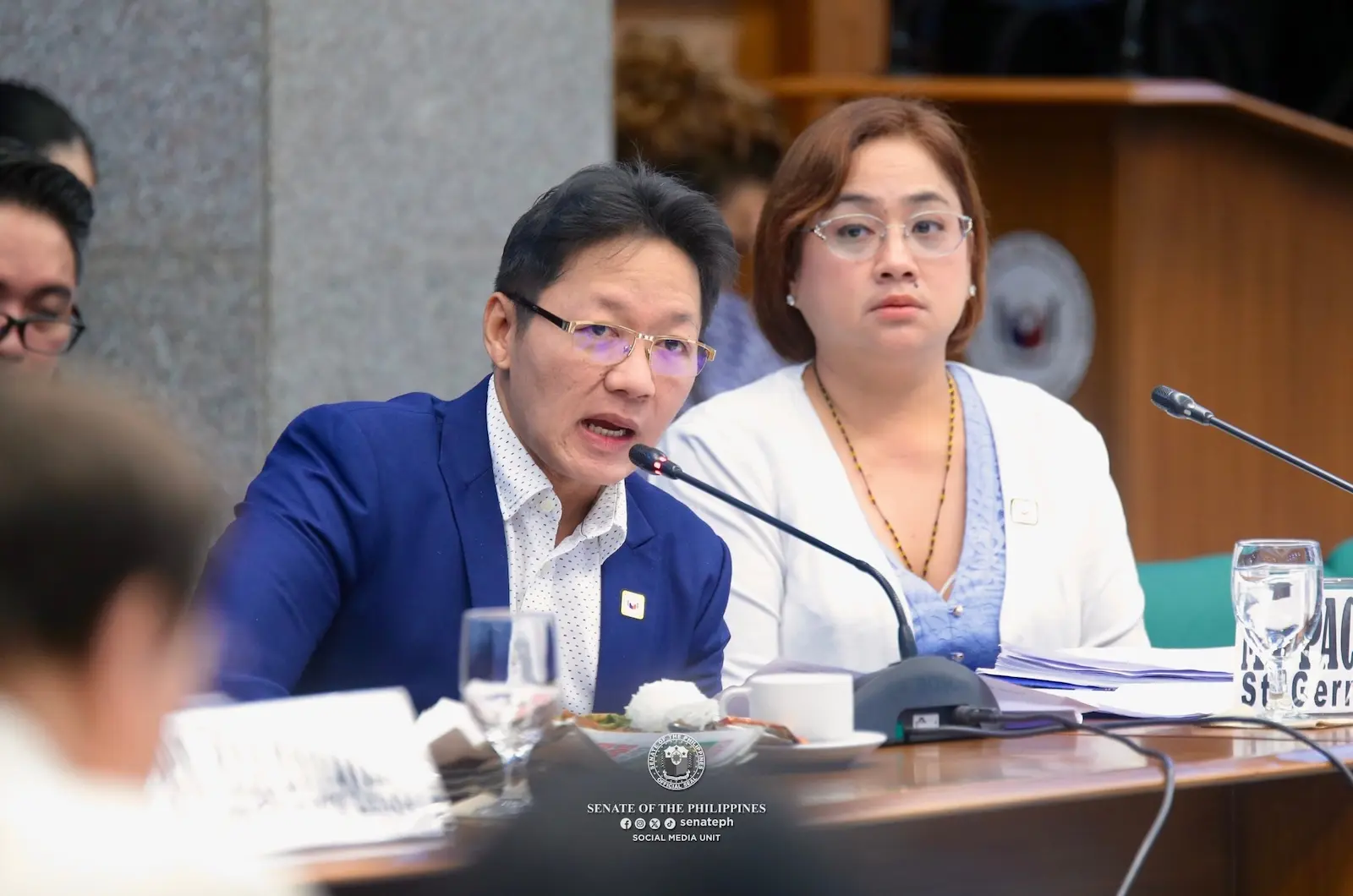
In 2025, investigations into flood-control projects exposed systemic corruption, including DPWH officials, lawmakers, and contractors like Sarah Discaya allegedly involved in kickback schemes. Budget insertions and irregular contracts also came under scrutiny, with former Congressman Zaldy Co now linked to questionable project allocations. Several projects were found incomplete or poorly executed, leaving communities vulnerable to recurring flooding the government visibly continues to unravel at each revelation. The legislature saw its leaders, former Senate President Chiz Escudero and former House Speaker Martin Romualdez, step down to quell worries that the politicians played a hand in the probes.
The scandal kicks into high gear as the government starts filing charges against the personalities involved. How these cases are resolved in the following year will determine whether the Marcos administration can regain the trust of the people.
Anti-Corruption Protests
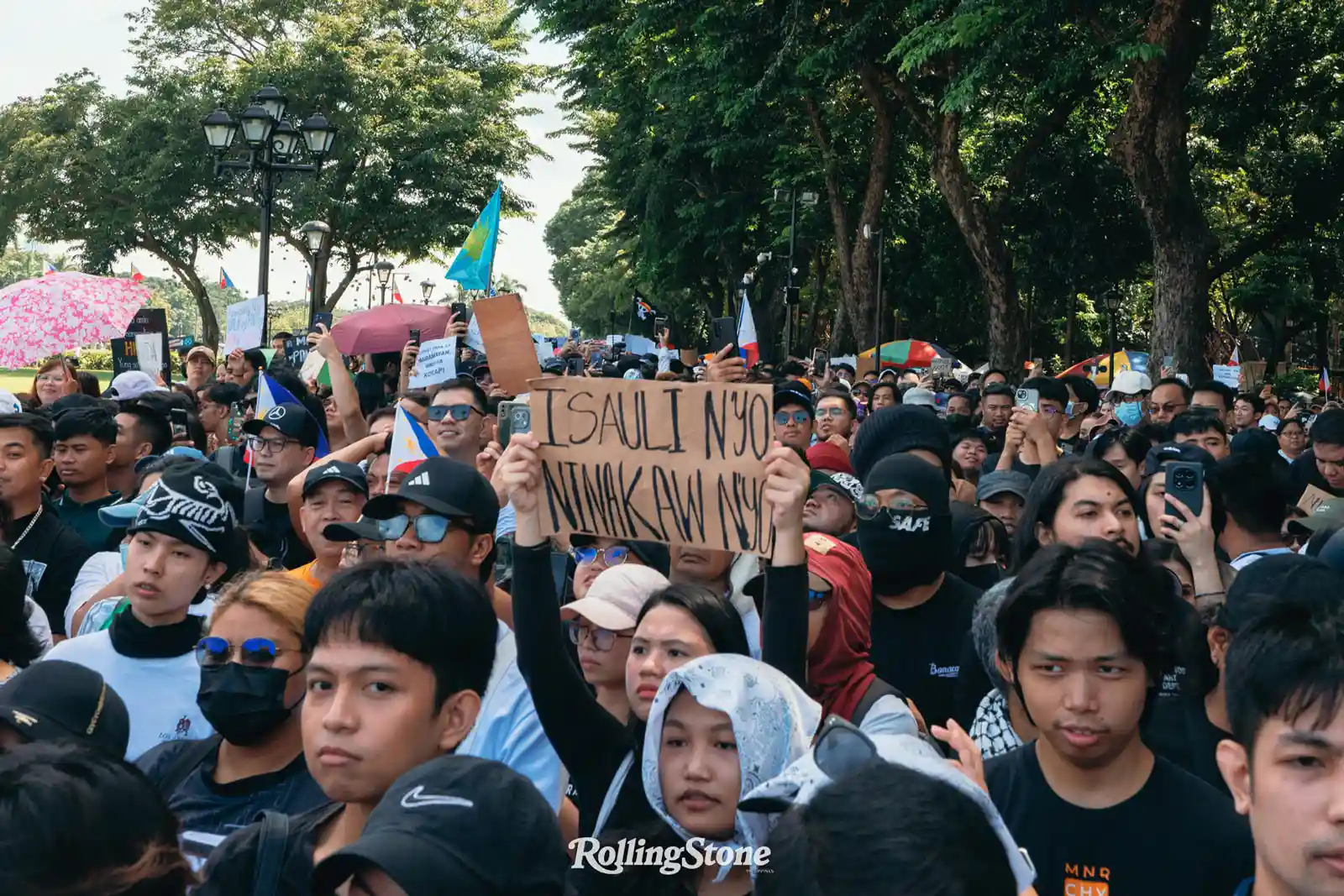
From religious groups to progressive organizations, the second half of 2025 saw Filipinos taking to the streets to challenge corruption and the mismanagement of public funds. The large-scale protests in Manila, Quezon City, and other parts of the country were prompted by the flood control corruption scandal that blew up this year, but the calls for transparency, for better wages, and even for leaders to step down are not new.
The strength and persistence of these movements could influence how officials respond to demands for accountability in 2026. If protests continue to mobilize diverse sectors, they may compel the government to hold officials to account, reinforce civic oversight, and pressure agencies to act with greater transparency, potentially shifting the balance of power toward citizens’ interests — just as it should be in a democracy.