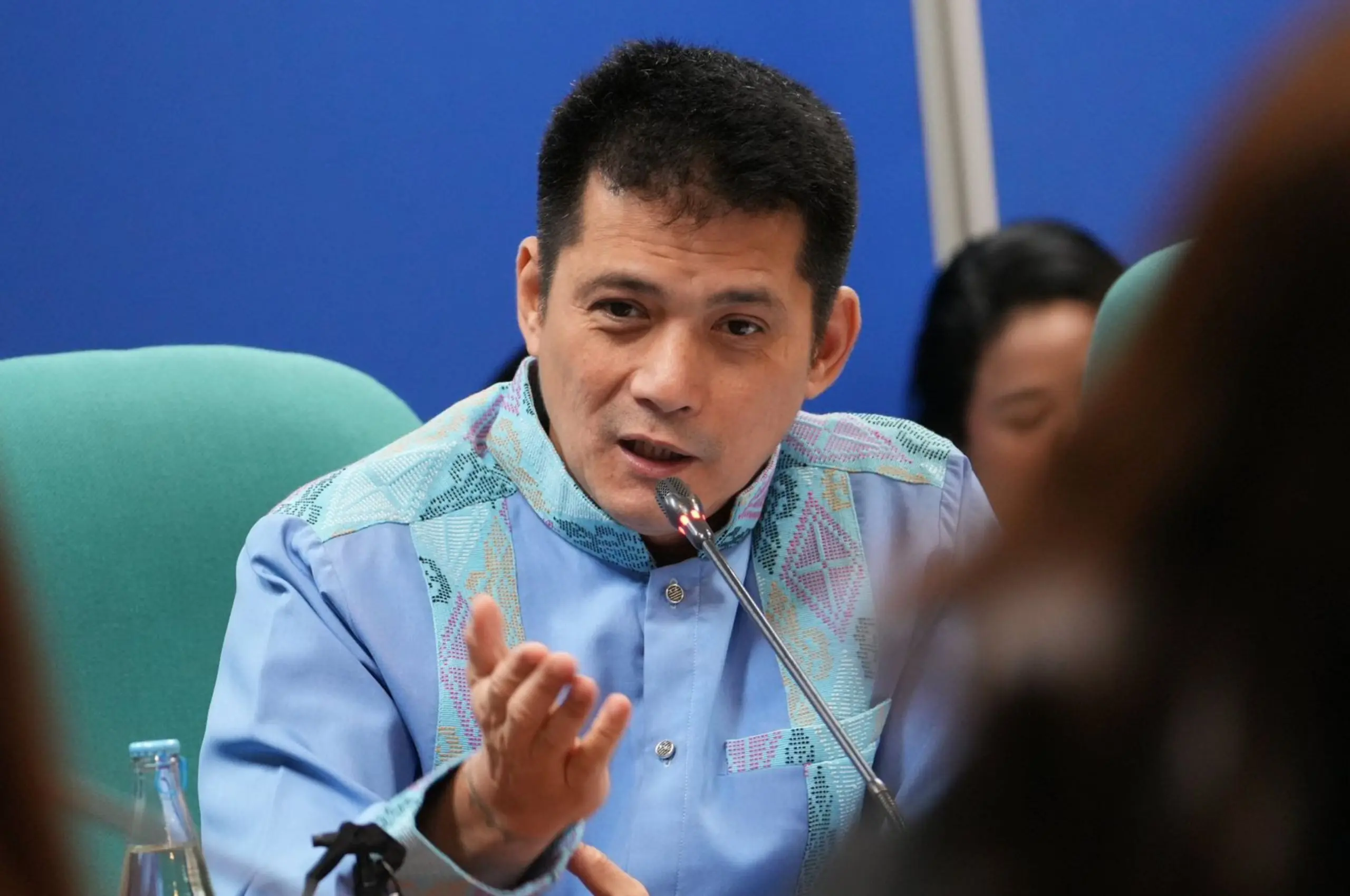
Senator Robin Padilla needs to be primed on the language of mental health and care. Last week, during a Senate hearing tackling bills for online safety, he called today’s youth “weak” and linked their supposedly fragile mental health to social media. His remarks, unsurprisingly, earned him a few days of lashings on the Internet.
There’s no contesting the link between social media and mental health. Various studies show that social media use among teenagers relates to an increase in mental distress and self-harming behaviors. Padilla attempted to make this point when he posted an explanation for his comments on Facebook. But if he purports to care about these things, then why the shaming language?
Padilla’s remarks reflect something we already know about him: that he’s a 56-year-old with outdated, limited views, a serious attachment to machismo, and a tendency to provoke rage online. In 2024, he drew flak for questioning women’s right to refuse sex with their spouses. When he chides the youth for being depressed, he says his generation is much stronger by comparison.
He also seems to gravely misunderstand what depression is. Just because he’s upset about the International Criminal Court naming Senators Bong Go and Bato dela Rosa as co-perpetrators in the war on drugs, doesn’t mean he’s “depressed.”
But, as TV presenter Kim Atienza, who has advocated for mental health care since the passing of his daughter Emman in November 2025, reportedly said in a comment to Padilla’s statements, “It’s not that simple.”
Padilla’s remarks reflect something we already know about him: that he’s a 56-year-old with outdated, limited views, a serious attachment to machismo, and a tendency to provoke rage online.
The United Nations (UN) reported in 2024 that poverty makes people more likely to suffer from mental illness. The report states that economic insecurity, disempowering work conditions, inaccessible healthcare, low quality of life, and stigma — perpetuated by the likes of Padilla — all contribute to mental illness. Social media may not have existed during Padilla’s youth, but I know that these other things did, and continue to be a problem today. The latest numbers from the Philippine Statistics Authority show that the poverty incidence rate in the Philippines was at 15.5 percent in 2023, but a survey released by research firm Social Weather Stations in January this year says that 51 percent of Filipino families consider themselves “poor.”
In our country, it’s estimated that seven million to 12.5 million Filipinos suffer from mental illnesses, the most common ones being depression and anxiety. I’d rather not speak much about the origin of my own depression, which started in my teenage years. Still, I can say that no amount of therapy and escitalopram will take away the feeling that there is no future to work and live for in the Philippines. But before I get mistaken for a doomerist, I’d also like to say that we kids deserve better. We most definitely deserve better than Padilla.
Care doesn’t stop at cutting screentime and shielding children from cyberbullying. As the UN report suggests, preventing suicides and treating illnesses ultimately means investing in mental health care, “preventing psychosocial risks at work,” combating stigma and discrimination across different sectors, and ensuring social security for everyone. Even equigenic urban planning, or accessible, high-quality environments for disadvantaged people (i.e. green spaces and better sidewalks for everyone), contributes to a population’s well-being. Pulling the “noong panahon namin” card and calling us weak does not help.