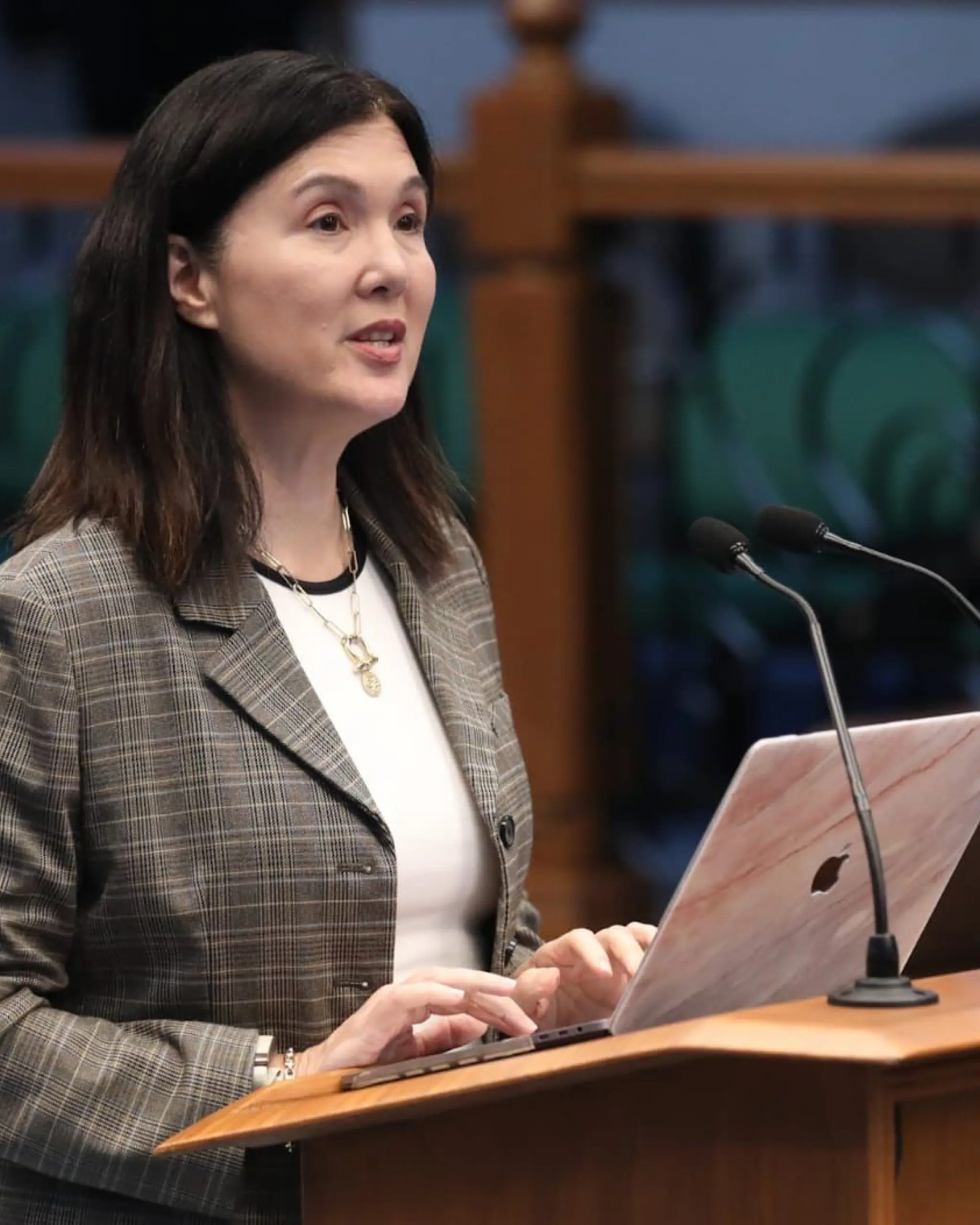
As one of only five women in the Senate, Senator Pia Cayetano’s advocacy for women and children’s rights has guided her work since she first came into national politics in 2004. “I can point out issues that bother me as a mother and a legislator,” she tells Rolling Stone Philippines, before enumerating concerns like education and health.
A member of the Committee on Women, Children, Family Relations and Gender Equality, some of the highlights of her work as a legislator include the Magna Carta of Women, the Anti-Mail Order Spouse Act, and the 105-Day Expanded Maternity Leave Act.
Late July saw the Senate decide on committee chairmanships for the 20th Congress. For the next three years, Cayetano will lead the committees on Energy, Sustainable Development Goals (SDGs), and Ways and Means, the last two of which she already chaired from 2019 to 2022.
While these seem to be a departure from the advocacies she’s well-known for, she remains committed to securing protections for women and children. “Among the SDGs, the welfare of women and children, especially those disadvantaged by poverty, has always been close to my heart.”
Her work isn’t easy. Since 2018, she’s co-authored different versions of the divorce bill, believing it to be necessary to help families out of abusive situations. The bill, however, continues to receive pushback, especially from the Senate’s more conservative male legislators.
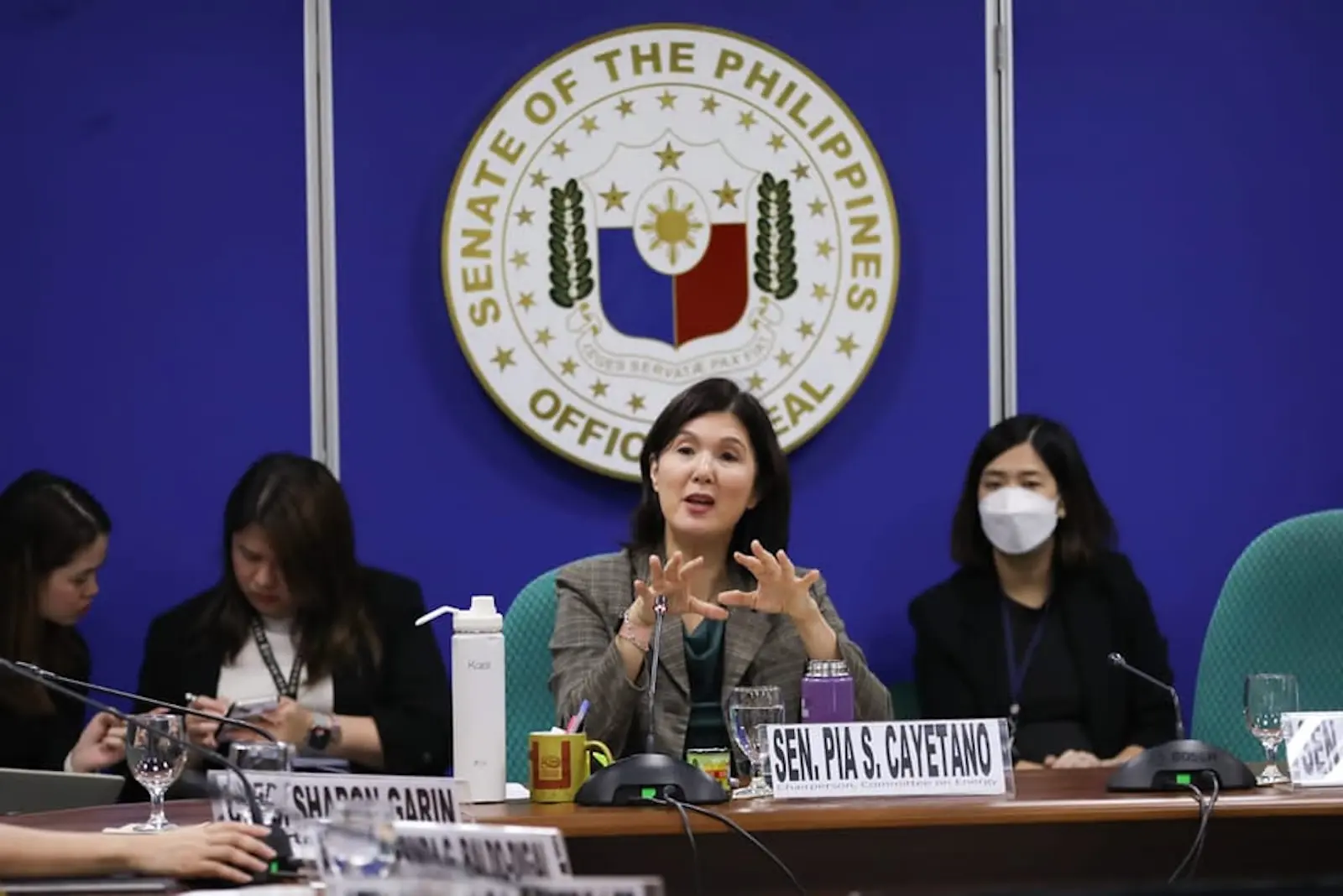
For Cayetano, the disagreement isn’t a complete setback for the legislature. “The Senate is a place of diverse voices, and that diversity is its strength,” she says. “But amidst the debates, we must stay grounded in our mission to serve.”
In this interview, Cayetano talks about her Senate plans and the advocacies that matter to her now as she comes to another six-year term as a lawmaker.
What would you say is the most pressing issue facing the country today?
As a long-time legislator, I’ve seen the importance of having a holistic approach to lawmaking. I can point out issues that bother me as a mother and a legislator: how we need to spend more on education and how better health interventions can provide a brighter future. I think every mother will agree with these struggles that families go through.
These issues are deeply interconnected and require comprehensive policy solutions rather than piecemeal approaches. Strengthening our education system will equip young people with critical thinking skills and awareness to resist harmful habits. At the same time, stricter regulations and enforcement can limit the accessibility and appeal of these harmful products to minors. Investing in public health interventions, such as school-based health programs, mental health services, and community education campaigns, helps prevent addiction and promotes overall well-being. By addressing these challenges through coordinated policies, we can create a safer, healthier, and more supportive environment for all families.
“Effective lawmaking demands not only analytical and critical thinking but also the ability to communicate clearly and build consensus. It is not just about pushing your own agenda, but being open to how you can create a better piece of legislation.”
What do you plan to focus on during your first 100 days in office?
On the first day of my new term, I filed my first ten bills in the 20th Congress. These measures focus on advancing the causes closest to my heart: better healthcare, accessible and quality education, the well-being of women and children, sustainable communities, and the unifying power of sports.
The first ten bills I filed were: Vapes and HTPs Regulation Act; Allied Health Scholarship and Service Act; Spousal and Child Support Act; Walkable and Bikeable Communities Act; Artificial Intelligence Regulation Act; Strengthening the Tertiary Education Subsidy; Tax Exemption for Incentives and Rewards of National Athletes and Coaches; Repealing Discriminatory Laws Against Women; No HTPs and Vapes in Schools Act; and Ban on Online Gambling Act.
They are designed to create a meaningful, long-term impact and help build a better future for Filipino families. My goal is to ensure that from the very start of my term, I am working on concrete solutions that improve lives and strengthen our communities.
In the coming days, I intend to file bills on the following: recognition of unpaid care and domestic work; strengthening the Energy Regulatory Commission; water sustainability; increasing the minimum age for tobacco use from 18 to 21; providing priority infrastructure for public higher education institutions; granting official passports to national athletes; prohibiting the “pink tax” or discriminatory pricing on products used by women; establishing a visa for digital nomads; allowing tax-free importation of medical devices and equipment; and promoting sustainable cities and communities.
What three programs or sectors are you most interested in helping as senator?
Health, education, and building a sustainable future for families and communities have been my long-term advocacies. These are the pillars of a strong family and a strong nation.
As Senior Vice Chairperson of the Senate Finance Committee, I fought every year for the funding needed to strengthen these sectors.
On health, I’ve spent years pushing for healthcare policies that support families at every stage of life — from maternal and child care, to mental health, disease prevention, and elderly care. Having been an athlete most of my life and raising my children as athletes, I know the benefits of having a healthy lifestyle. I’ll continue working to make quality healthcare accessible and responsive to the needs of every Filipino.
On education, I’ve fought to build more classrooms, equip our SUCs, and ensure that students and teachers are supported. I’ll continue championing initiatives to ensure quality education for every Filipino child, so they can pursue their dreams and build a future filled with opportunities.
I moved for the creation of the Senate Committee on Sustainable Development Goals, Innovation, and Futures Thinking in 2019. Among the SDGs, the welfare of women and children, especially those disadvantaged by poverty, has always been close to my heart, as their well-being is intrinsically linked to achieving sustainable development. I also supported initiatives on clean energy and climate resilience, which are fundamental to achieving equitable growth and safeguarding our environment. As chair of the Senate Energy Committee, I’ve pushed for the Philippine Natural Gas Industry Development Act to promote cleaner, more secure energy sources.
“No matter the outcome of any election — and I’ve been through four senatorial elections and witnessed four presidential elections — the issues that our people face remain the same: poverty, high prices of rice and basic commodities, as well as lack of education and health facilities and programs.”
What qualities do you believe are essential for success in the Senate?
Success in the Senate requires a unique blend of technical expertise, strong values, and genuine human connection. Effective lawmaking demands not only analytical and critical thinking but also the ability to communicate clearly and build consensus. It is not just about pushing your own agenda, but being open to how you can create a better piece of legislation. You must be able to listen, negotiate, and bring people together around a shared vision.
The Senate is a place of diverse voices, and that diversity is its strength. But amidst the debates, we must stay grounded in our mission to serve. Above all, empathy is essential: we need to truly understand people’s struggles to craft laws that make a real, positive difference.
What surprised you most about the recent midterm elections?
No matter the outcome of any election — and I’ve been through four senatorial elections and witnessed four presidential elections — the issues that our people face remain the same: poverty, high prices of rice and basic commodities, as well as lack of education and health facilities and programs. I have seen these issues addressed in various forms; I’ve also seen how much room there is to do better.
Campaigns and elections come and go, but the real work continues long after. For me, it’s about staying focused, fighting for what truly matters, and delivering lasting, meaningful change for our people.

Rolling Stone Philippines November 2025 Issue, Now Available at SariSari Shopping