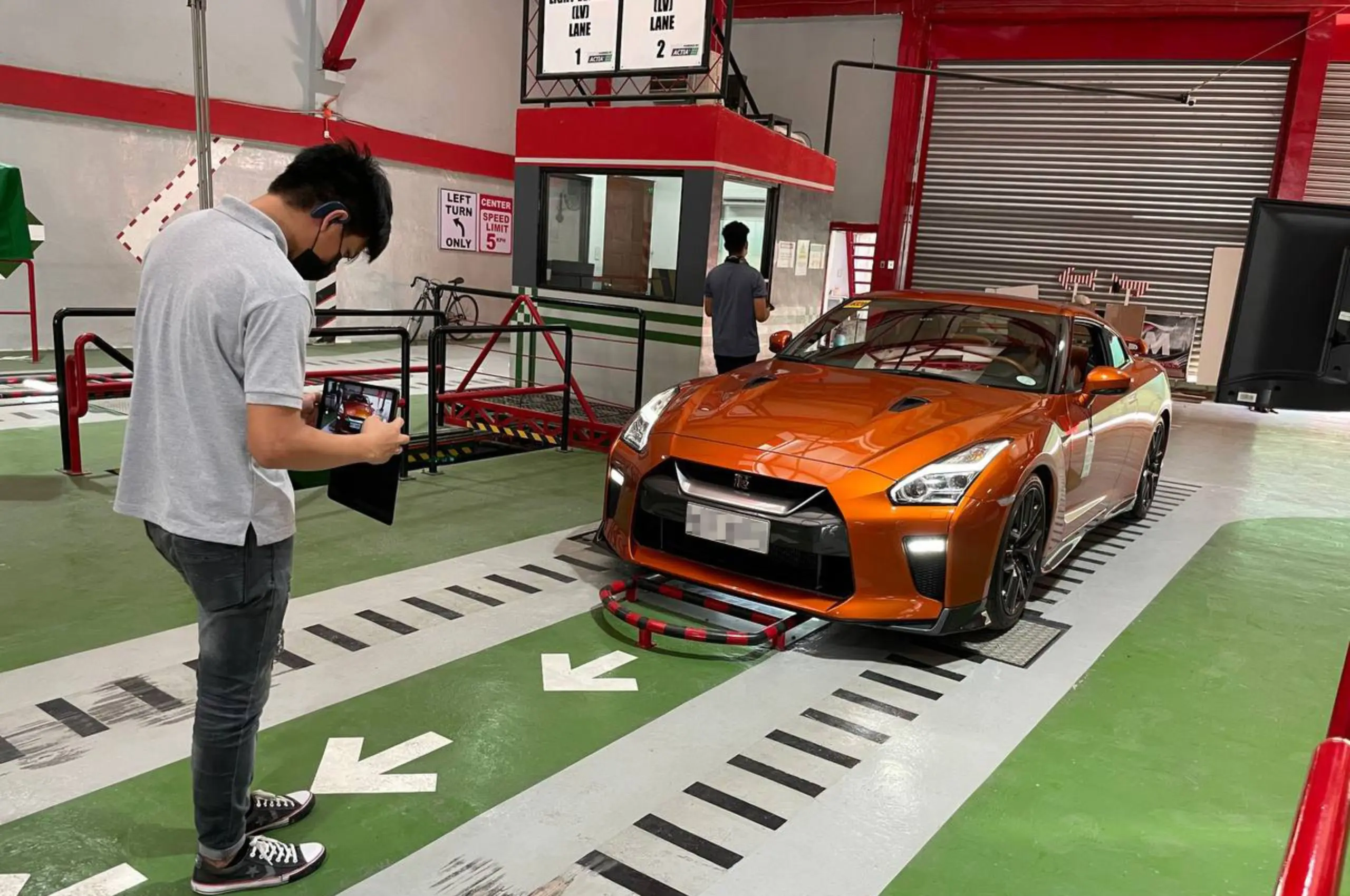
2024 saw over 30,000 road accidents in the Philippines, according to the Land Transportation Office (LTO). Two to three percent were caused by mechanical defects, says Chase Lomibao, executive director of the Vehicle Inspection Center Operators Association (VICOAP), a group of accredited private motor vehicle inspection centers (PMVICs) advocating for road safety.
“That’s [around] 1,000 vehicles that were not roadworthy,” Lomibao tells Rolling Stone Philippines. He says that those 1,000 accidents could have been prevented with regular vehicle inspections, and he hopes that more vehicle owners and motorists would make these inspections a part of a “road safety culture.”
He cites data from the LTO stating that 11.2 million vehicles were registered and renewed in 2024. “When you say that a vehicle has been renewed, it means that it has gone through vehicle inspection because it is a requirement in the renewal of a vehicle’s registration,” says Lomibao. “So ideally, 11.2 million vehicles have gone through roadworthiness inspections. But as far as PMVICs are concerned, members of VICOAP only inspected around 2 million vehicles.” While PMVICs are accredited by the LTO, car owners can also opt to have their vehicles inspected in accredited private emission testing centers (PETCs).
The lack of inspections at PMVICs compared to the number of registered and renewed vehicles can be explained by a couple of things. The first is that most car owners that get their registrations renewed typically have their vehicles inspected at the LTO facilities. But the other more concerning reason is that others choose to skip out on inspections entirely due to costs, resorting to fixers.
“We’ve heard stories of people lining up at the LTO for the whole day just to have their vehicles inspected and renewed” Lomibao says. Organizations like VICOAP advocate for other means to help car owners have more access to vehicle inspections. Beyond PETCs, which may cost less than PMVICs, PMVICs offer a more efficient alternative as they also conduct brake roller tests, inspect headlights, and test the integrity of seatbelts, among other tests for more or less the same price.
Changing Driving Culture
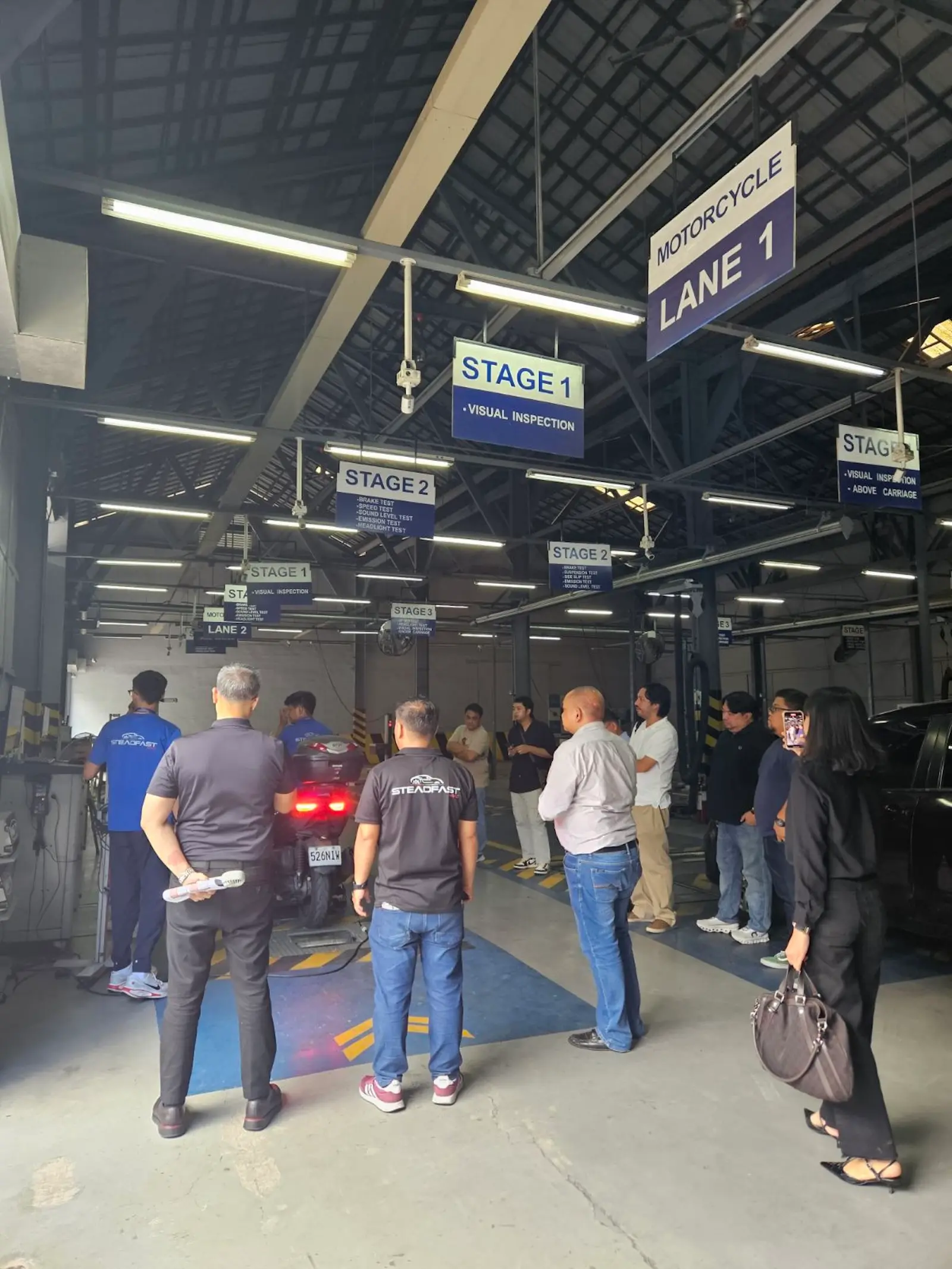
Raising awareness on more ways to inspect vehicles is a move towards improving the driving culture in the country. “Wearing seatbelts when I was growing up wasn’t a thing. But now, I feel so unsafe if I get into a vehicle and I don’t strap on,” Lomibao says. “That kind of cultural shift is what we want to bring in terms of roadworthy vehicles.”
Beyond inspections, so much still needs to change when it comes to safer roads. According to data from the United Nations, an average of 32 people die from road accidents in the Philippines every day. While it is unknown how many of those are caused by mechanical defects, around 87.17 percent of road accidents in 2024 were caused by reckless driving, specifically bad overtaking, improper turning, speeding, drunk driving, overloading, and using mobile phones while driving, according to the Philippine National Police.
Upholding road safety culture means understanding that roads are shared. It’s about taking small steps and enduring minor inconveniences — even like that of doing vehicle inspections — for the good of many others, drivers, commuters, and pedestrians alike.