

aespa has been having a year. The SM Entertainment group finally put out their first full album, Armageddon, whose dual title tracks “Supernova” and the titular “Armageddon” did very well on the charts; “Supernova”’s chokehold was such that it was still racking up music show wins even after “Armageddon”’s promotional period had ended.
On their second sold-out world tourWorld TourA series of concerts staged across several countries and continents, often lasting months and promoting a new album. A stop in Manila is a major event for local fans, andGo to World Tour Glossary, Synk: Parallel Line, each member unveiled solo songs that were then released as digital singles and again did business on the charts. To close out the year and ride on their own momentum, they’ve released Whiplash, their fifth mini-album.
K-popK-popSouth Korean pop music, known for polished production, precise choreography, and highly organized fan communities. With a massive following in the Philippines, K-pop shapes fan culture, concerts, and fashion, andGo to K-pop Glossary has recently been leaning in hard with regard to letting their title tracks fully embrace club music. Just among Loona offshoots, Yves’ re-debut had 2-step garage in “Loop,” while Loossemble’s third title track “TTYL” featured glitchy vocaloid over a frantic tempo. Last year, Le Sserafim deployed a Jersey club beat in “Eve, Psyche & the Bluebeard’s Wife” (unexpectedly bodying Unforgiven’s eponymous title track). This year, their catwalk-ready summer release, “Crazy,” took on hip house elements comfortably, with its emphasis on rap over traditional vocals.
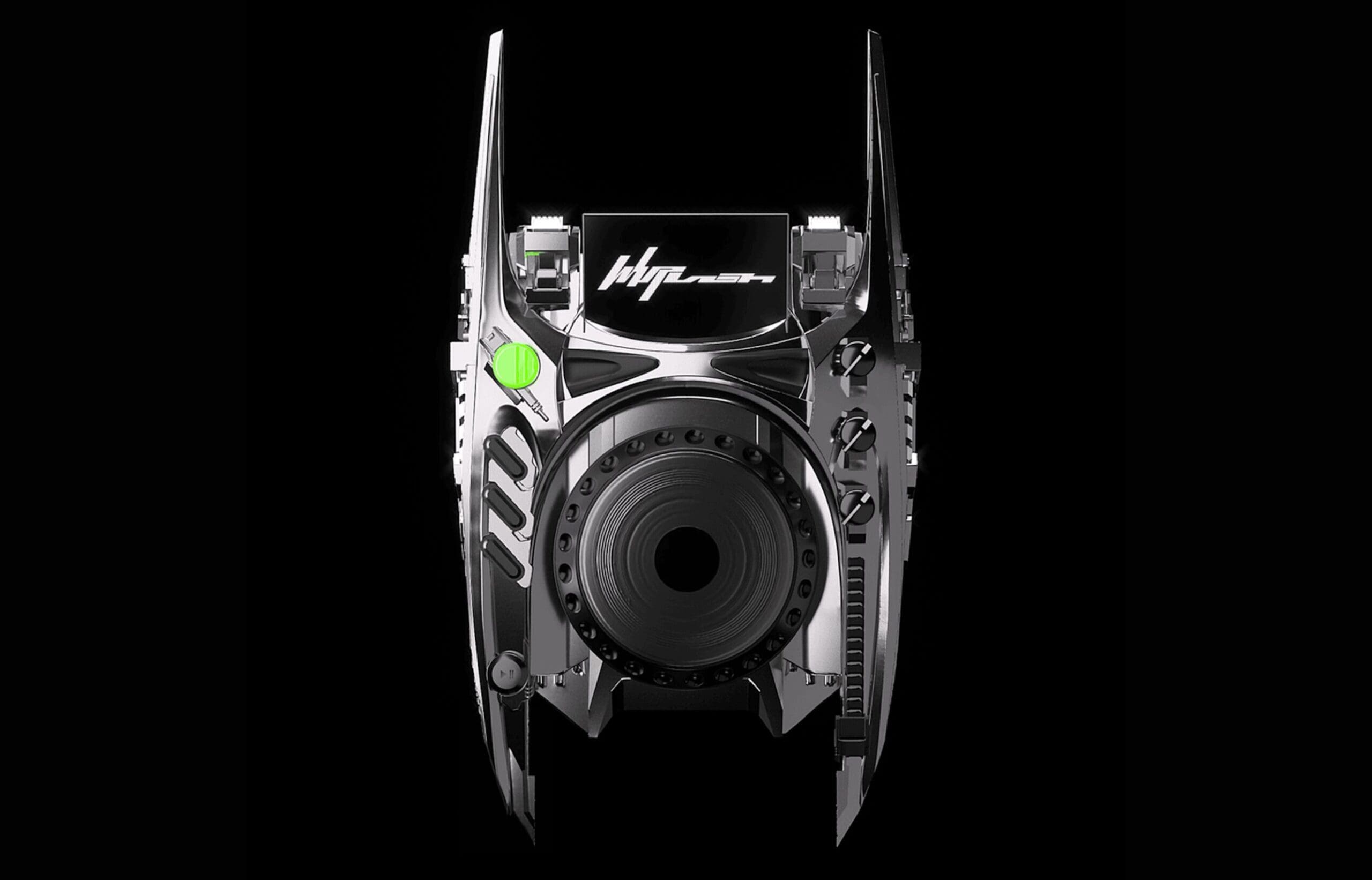
aespa’s title track, “Whiplash,” makes the same first impression, practically demanding its own runway show. Digital horns blare a fanfare before a snaky bassline lands and becomes the song’s bedrock. A primal four-on-the-floor beat carries throughout, cymbals and beeps keeping time.
Right before the chorus drop, stuttering synths call to mind Benny Benassi’s “Satisfaction” and LFO’s “Freak” — standouts of the early 2000s techno that’s been so influential in this era of K-pop. “Whiplash” is relatively spare and unadorned in its arrangement compared to “Supernova” and “Armageddon,” despite having two bridges, which is where the members get to cut loose, vocally speaking. It continues aespa’s flirtation with rap, lines just as likely to be said with pizzazz as sung. “Whiplash” may have disappointed some for not switching it up too much, but it doesn’t need to be more than what it is: a steady club banger that gets you on your feet and then dips.
“Kill It” serves up a more aggressive mood, a sinister-sounding hip-hopHip-HopA culture and genre built on rap, DJing, breakdancing, and graffiti, born in New York in the 1970s. Filipino hip-hop has grown into a powerful voice, with artists rapping inGo to Hip-Hop Glossary song with Cardi B-esque line readings. Its “kill it, kill it on the spot / kill it, kill it on the shot” chorus might remind you of “Get me, get me now” from “Savage.” Both songs are meant to dissuade naysayers; “Keep out of my sight,” they warn. The succeeding track, “Pink Hoodie” is another hip-hop jam, friendlier than “Kill It,” featuring a whistle motif and a dreamy, cosmic bridge.
The best song on the mini-album might actually be “Flights, Not Feelings,” an R&B number with a satisfying groove, laid-back with sprinkles of harp and audio drop-outs — perfect for a nighttime drive. “Flowers” is the closest Whiplash gets to a balladBalladA slow, emotional song that tells a story or expresses deep feeling, usually about love, loss, or longing. Ballads have a special place in Filipino music, where heartfelt power balladsGo to Ballad Glossary, a guitar-led tune that gives Giselle a nice spotlight with a spoken word sequence.
“Just Another Girl” goes the popPopShort for popular music, a broad genre built on catchy melodies, clear hooks, and polished production that aims to reach a wide audience. Pop constantly borrows from other styles, andGo to Pop Glossary rock route, an electric guitar-driven anthem with a sing-along chorus that feels like it’s primed to be a concert closer. It’s … fine, but doesn’t stand out, and certainly doesn’t feel like the kind of tracks aespa are known for.
No song in the mini-album shares composers or lyricists. This isn’t unprecedented; it’s in the nature of K-popK-popSouth Korean pop music, known for polished production, precise choreography, and highly organized fan communities. With a massive following in the Philippines, K-pop shapes fan culture, concerts, and fashion, andGo to K-pop Glossary that companies solicit demos from a bevy of producers from which to pick and choose. As such, a certain lack of cohesion can occur. It’s easier to go for vibes as a theme. Even if nothing on Whiplash particularly strikes you as a song of the year contender, standard aespa is still better than most fare.