

This review may contain minor East of Eden spoilers.
Florence Pugh in a period piece is my favorite Pugh. Put her in laced corsets, old houses, and a world where everyone speaks as though they have never heard of any internet slang, and I am seated. But playing an evil, menacing, and manipulative woman set in the 19th century? Oh, I was on the edge of my seat (and a bit terrified).
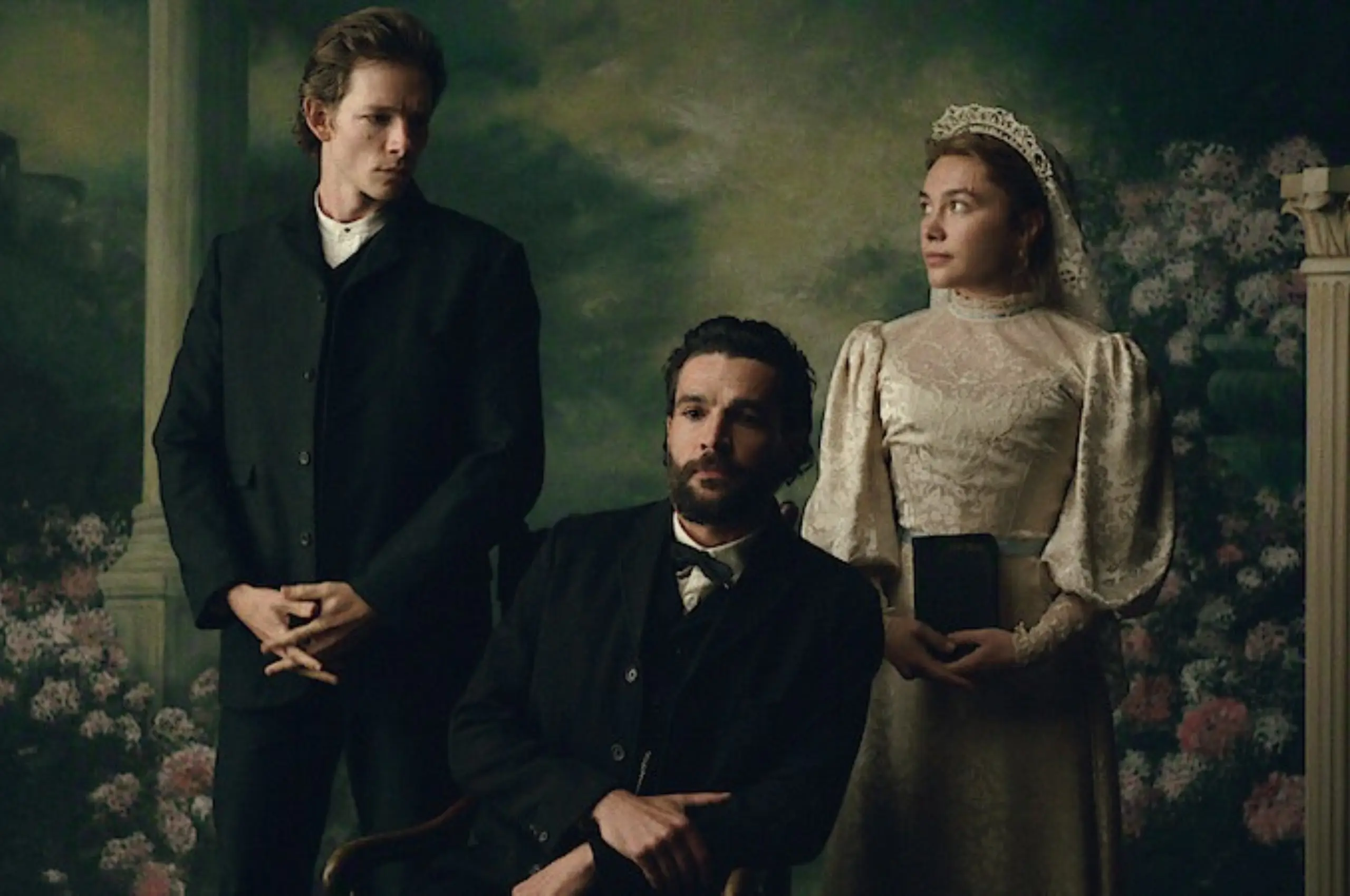
Netflix’s East of Eden opens with a badly beaten and bloodied Cathy Ames (Florence Pugh), crawling in an empty field with just enough strength to reach the house of the two Trask brothers, Adam (Christopher Abbott) and Charles (Mike Faist). After they let her into their house, we get taken back to the brothers’ childhood, where the generational trauma and the wrestle between good and evil start to unfold.
Before we even know her, Cathy tells us in the show’s monologue that there are monsters born to human parents. John Steinbeck’s East of Eden tells the story of two families — the Trasks and the Hamiltons — in a retelling of the biblical story of Cain and Abel in Genesis. In this adaptation, they zoomed in on the Trask brothers, Adam and Charles, and we get to know them long before Cathy enters the picture. The narrowing comes at a cost, as we weren’t able to see much of the Hamiltons, who play a crucial role in the story’s central theme of good and evil. We later see Cathy give birth to Cal (Joseph Zada) and Aron (Joe Anders), bringing the story’s conflict to the next generation.
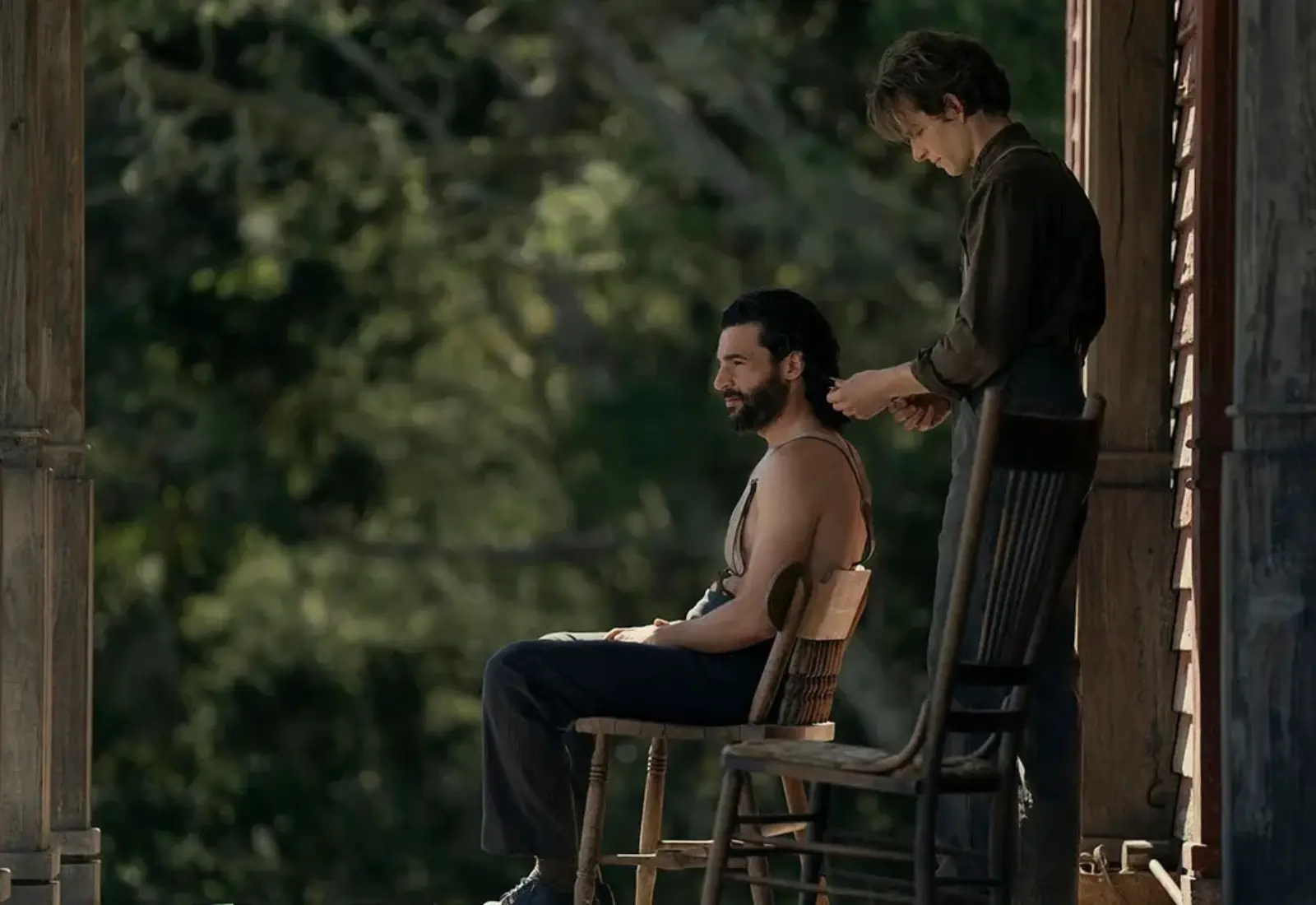
Unlike other Netflix shows, East of Eden is not something you can watch absentmindedly. Just like the 600-page book written by John Steinbeck, the show demands the same patience. Others may deem the story boring, but its deliberate pacing is part of what makes it compelling, or, at very least, what gives it room to be.
Cathy as the Central Character
Many debate over how Cathy was characterized. Readers of Steinbeck’s book could say that she was just inherently evil, with no trauma to justify why she grew up the way she is. But I personally appreciated show creator Zoe Kazan’s choice of giving Cathy a more developed psychological background rather than simply framing her as someone born a “psychic monster” with a “malformed soul,” like how Steinbeck might suggest.
Instead of making Cathy less evil, or worse, redeemable, Kazan makes her even more complex. Cathy remains cunning and manipulative, and although she has the moral agency to be good, she openly chooses not to. If anything, the show applies the very same concept of “thou mayest” to Cathy, who, unbothered by the consequences, still chose evil.
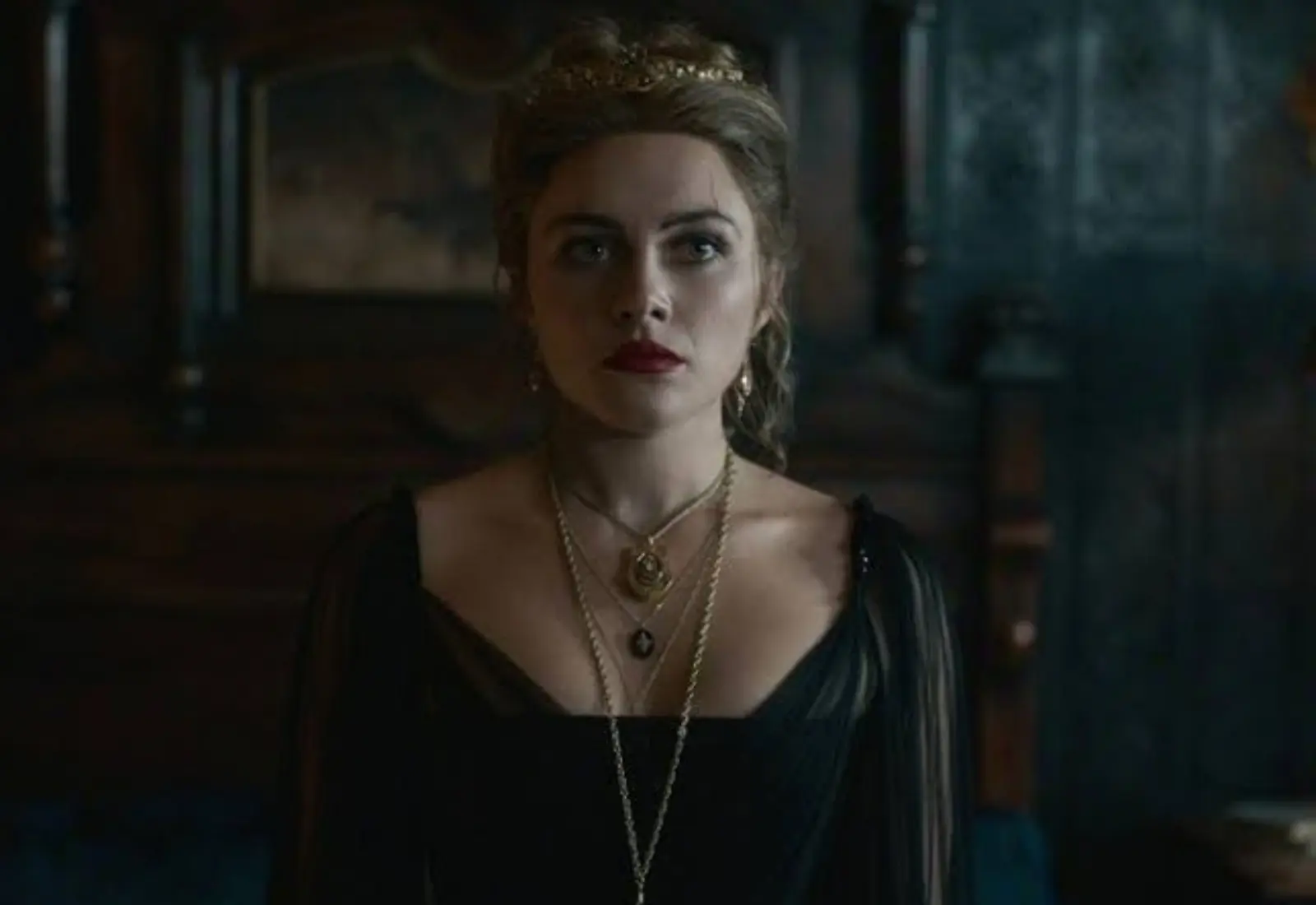
In the book, she was an allegory for Satan, plain and simple. Separate from the human characters she revolved around. If East of Eden is ultimately interested in whether people are born good or evil or whether they have the capacity to choose what they become, then the show makes it clear that Cathy cannot simply exist outside the question.
The Show Tries Its Best
I was fresh from finishing the book, and so I was highly invested and had great expectations for the Netflix adaptation. It’s safe to say that the series tried its best to remain faithful to the 1952 novel, but while running over seven hours, it still felt lacking and frustratingly incomplete.
The cast, however, was brilliant. Though I would give more praise to Florence as Cathy, Hoon Lee as Lee, and Joseph Zada (the standout, in my opinion) as the beloved Cal. I truly rooted for Lee, who was the moral and emotional anchor of the Trasks, and Cal, the son who desperately wished to be good unlike his mother. Mike Faist played Charles Trask well, but I am still conflicted about his reappearance in the latter parts despite his death in the earlier episodes, and how they seemingly made Cathy in love with him.
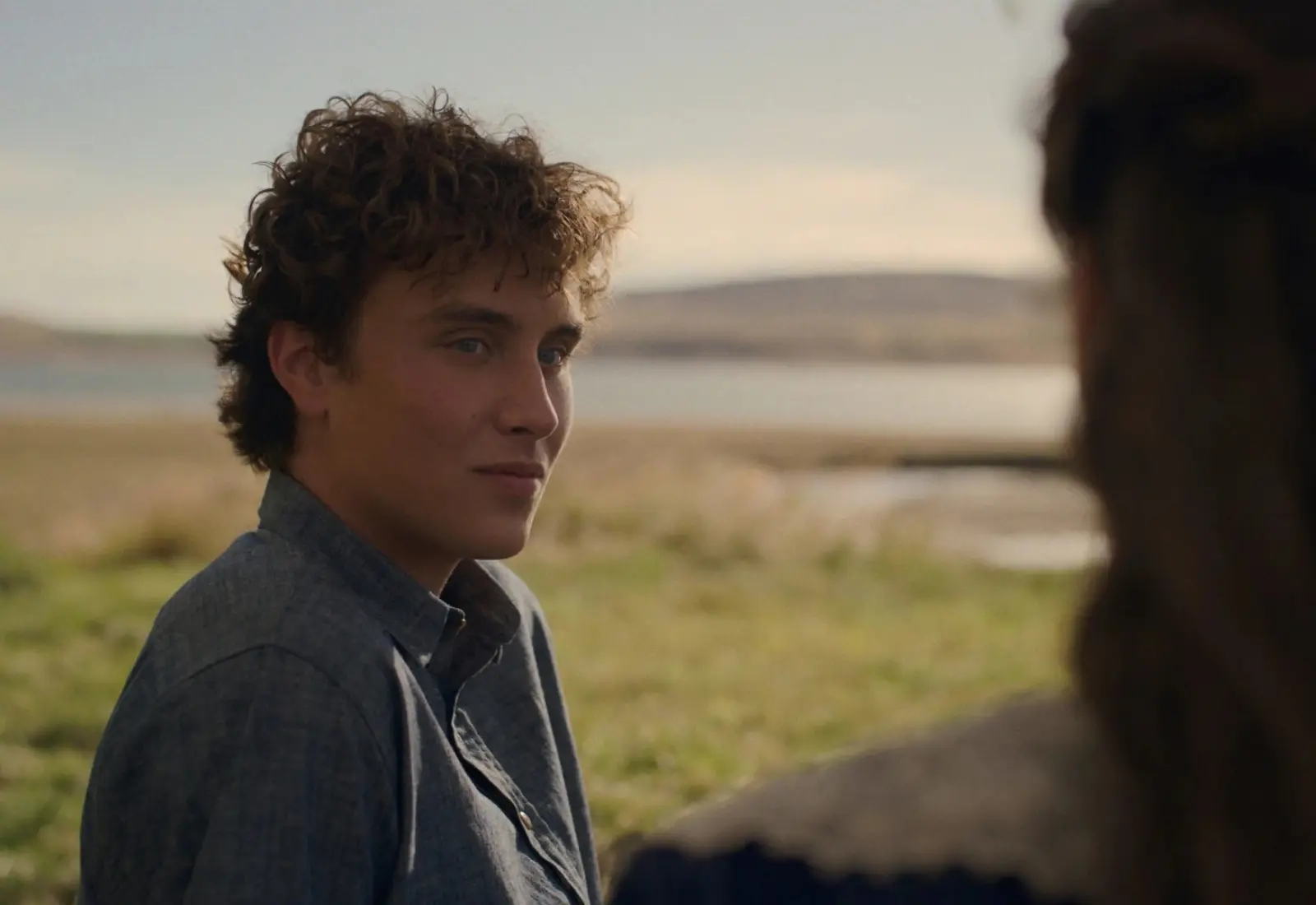
I only wish we saw more of the Hamiltons, especially Samuel (Ciarán Hinds), as they play a crucial role in the exploration of morality. Two episodes with limited scenes of them could barely capture the wisdom and spirit of Sam.
Now, good and evil are such familiar concepts that it can almost feel embarrassingly simple, yet rarely does it ever get dissected sufficiently. The book East of Eden never really made that distinction so easy, but instead, it introduces ‘timshel,’ or having a choice, and spends time asking whether sin is inherited or whether anyone can escape the nature they were seemingly handed at birth. This tension was crucial to the story, and this is why the “thou mayest” or ‘timshel’ conversations felt wanting, failing to be explored more directly through Sam, the Trasks, and Lee.
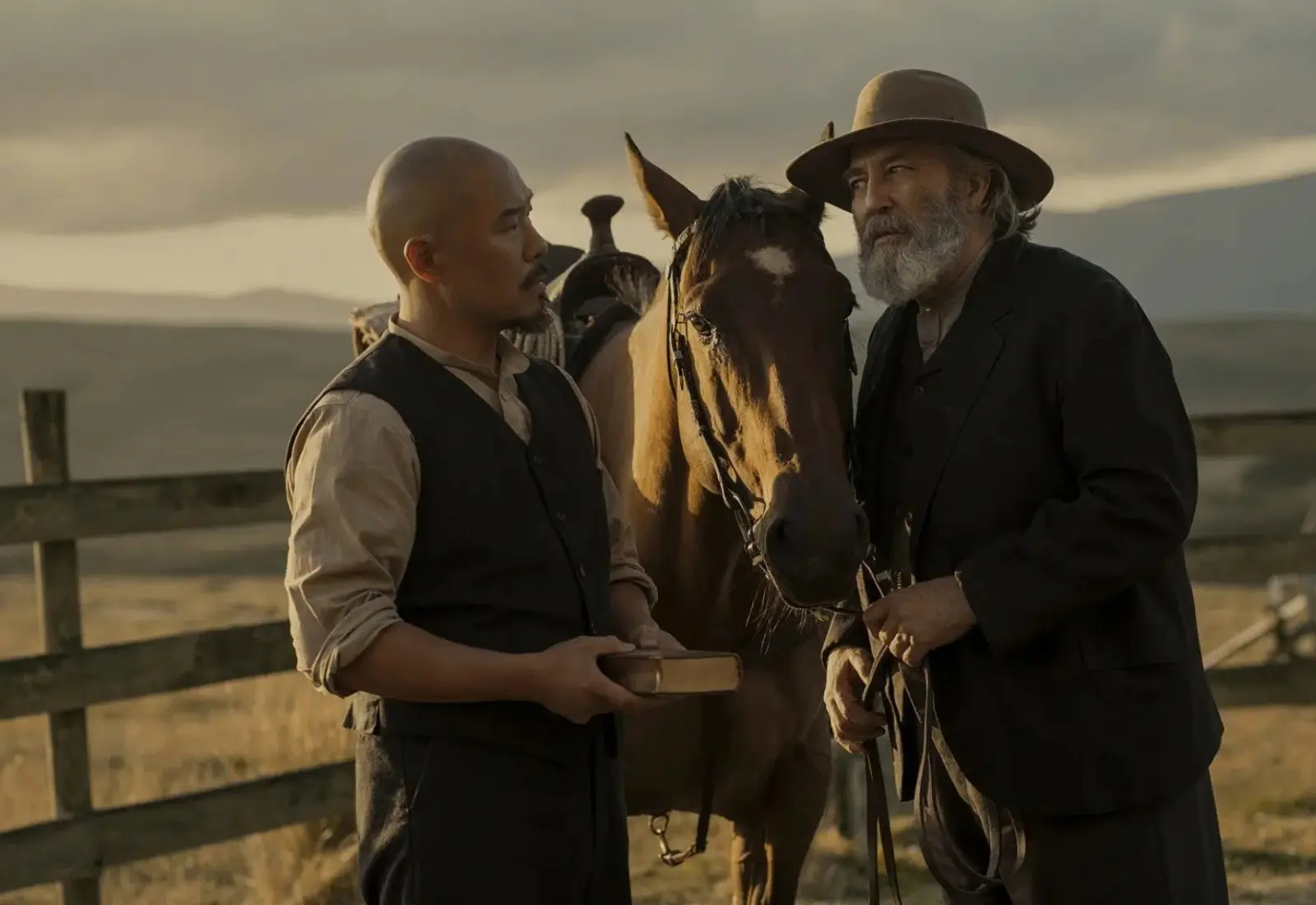
As stacked as East of Eden’s production was, it could not escape the so-called “Netflix lighting.” The cinematography was bold, but there were scenes so dark you could barely see what was happening. Atmospheric lighting is understandable, but not so when the audience struggles to decipher what’s going on even with maximum screen brightness.
But despite the shortcomings and frustrating incompleteness of the show, Kazan’s adaptation was a riveting and brilliant watch and made sufficient use of the time it had. I only wish it had a bit more.
The miniseries is now showing on Netflix.
FREQUENTLY ASKED QUESTIONS
Florence Pugh plays Cathy Ames in Netflix’s East of Eden, created by Zoe Kazan from John Steinbeck’s novel. Cathy is the cunning, manipulative woman whose arrival fractures the Trask family, and Pugh’s performance is one of the adaptation’s strongest elements.
The series gives Cathy Ames a developed psychological background, where Steinbeck’s novel treats her as an inherently evil figure, an allegory for Satan. Zoe Kazan’s version keeps Cathy cunning and manipulative, but frames her being evil as a choice.
Timshel, often rendered as “thou mayest,” is the novel’s central idea that people have the capacity to choose between good and evil rather than being fated by inheritance. It frames the story’s question of whether sin is inherited, and the Netflix series explores it less fully than the book.
The series runs over seven hours yet focuses on the Trask family, and the narrowing leaves the Hamilton’s wisdom lessened, the novel’s morality themes, especially the “timshel” conversations, underdeveloped, and dark “Netflix lighting” further obscures several scenes.
The cast includes Florence Pugh as Cathy Ames, Christopher Abbott as Adam Trask, Mike Faist as Charles Trask, Joseph Zada as Cal, Hoon Lee as Lee, and Ciarán Hinds as Samuel Hamilton.
Recommended Video