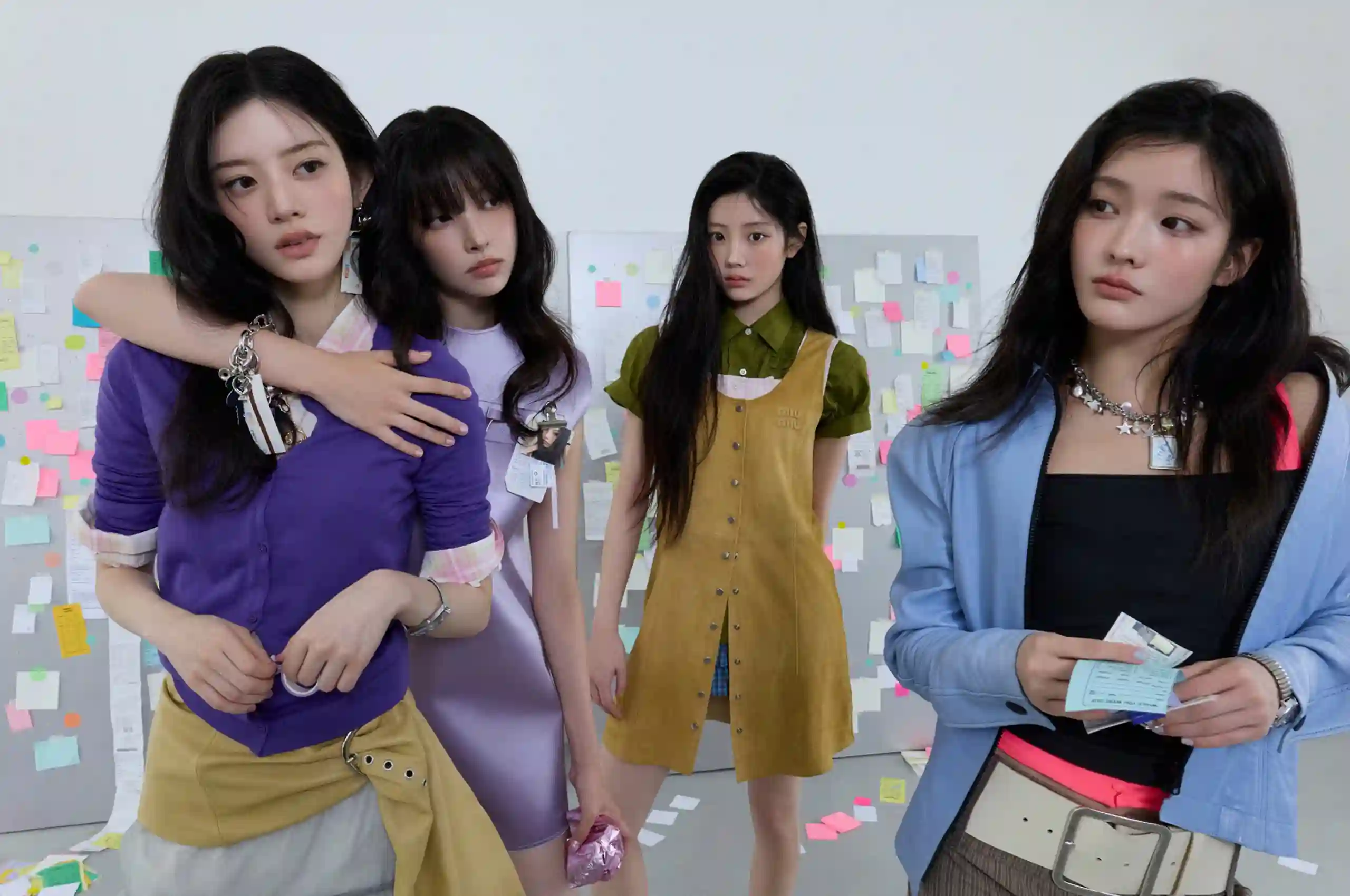


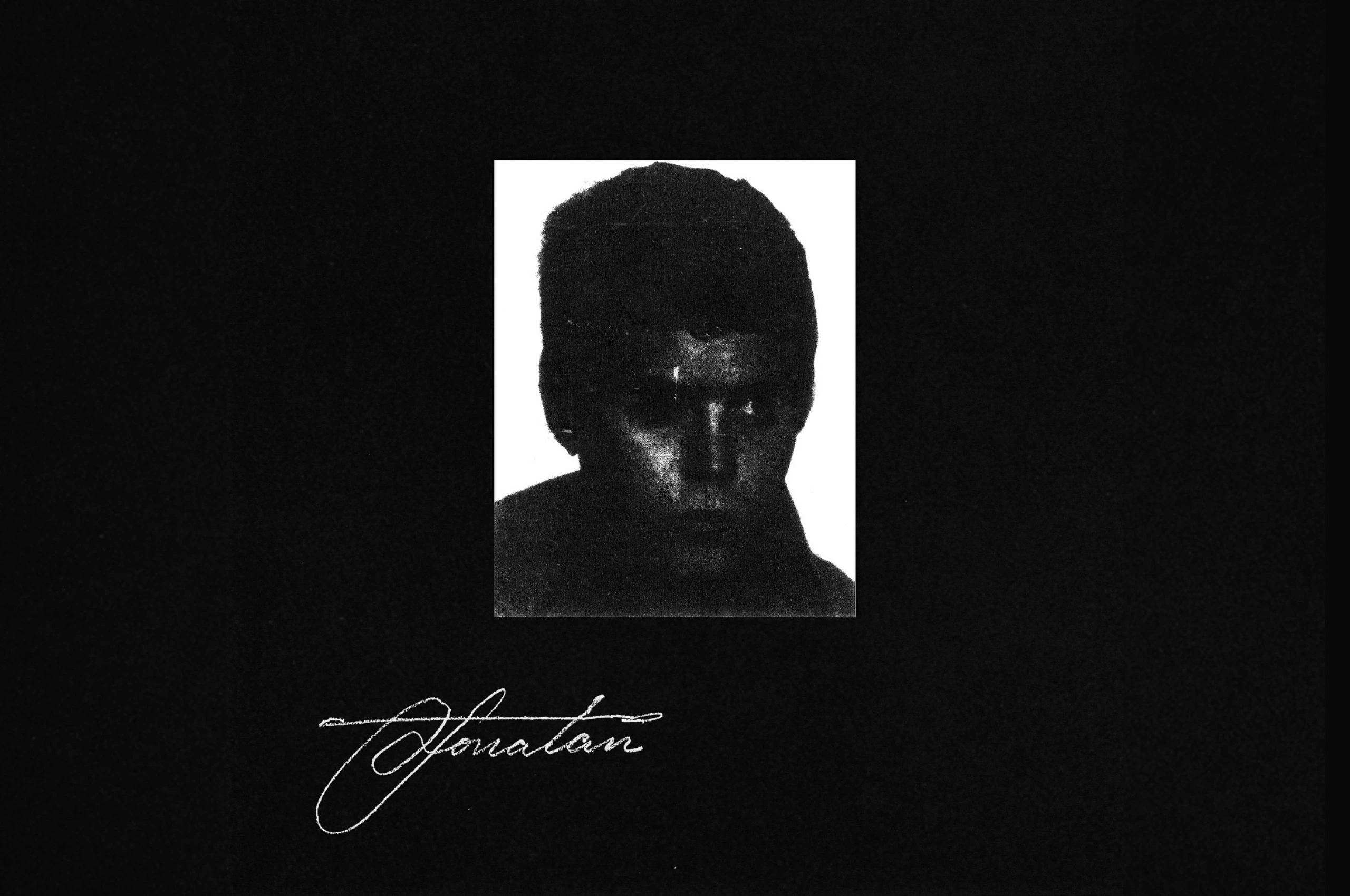
Swedish rapper and singer Yung Lean is a legend across disparate corners of the global rap undergroundUndergroundArtists, venues, and scenes that operate outside mainstream attention and commercial systems, often driven by passion rather than profit. The underground is where many new sounds begin, and its word-of-mouthGo to Underground Glossary. Over the past decade, he’s grown from a meme-riddled curiosity into one of the most influential and confounding artists in modern music. His latest album, titled Jonatan, signals another pivot; this time toward something looser, more guitar-forward, and openly indebted to slacker rock and lo-fi indie. It’s a record that recasts Yung Lean entirely in a different light.
Jonatan isn’t without context. Since his breakout track “Ginseng Strip 2002,” Lean’s catalog has been dense with foggy production, emotionally numbed delivery, and a taste for vaporous trap that built the foundation of what would become cloud rap. Alongside producers like Yung Gud and WhiteArmor, he made a name on mood rather than virtuosity. But this new record, named after his real name and loosely tied to his low-profile side project jonatanleandoer96, steps out of that haze. It’s both an extension and rejection of everything that’s come before.
A Reasonable Pivot
The surprise here isn’t that he’s switched lanes. Leandor proved how comfortable he sounds in the new one. Jonatan is messy, unpredictable, and often abstract, with Lean allowing his songwriting instincts to wander freely. There’s a rawness in the way he approaches songs like “Paranoid Papparazzi,” which jangles and stumbles with a kind of frayed urgency, or in interludes like “Terminator Symphony,” where structure seems less important than texture. These aren’t chart-chasing tracks. They don’t need to be. They sound like exactly what they are: an artist stepping out of their own shadow.
It’s not the first time Lean has hinted at this direction. His collaboration with FKA twigs on “Bliss” showed a willingness to blur genre lines, introducing post-punk and art-popPopShort for popular music, a broad genre built on catchy melodies, clear hooks, and polished production that aims to reach a wide audience. Pop constantly borrows from other styles, andGo to Pop Glossary flourishes into his aesthetic. And his brief cameo in Charli XCX’s “365” remix with Robyn showed he could play in pop’s world when needed. But Jonatan is different. It doesn’t aim to please. It pulls the listener into his headspace – grimy, detached, restless – and dares them to stay there.
That makes the album more than just a stylistic experiment. It feels like a necessary break from expectation. While many artists calcify under the pressure of branding and streamingStreamingListening to music or watching video on demand over the internet through platforms like Spotify and Netflix, rather than owning copies. Streaming has changed how artists earn and how audiencesGo to Streaming Glossary metrics, Yung Lean veers towards risk and refusal. Jonatan might alienate casual fans, but it cements Lean’s position as an artist unwilling to coast.
Recommended Video