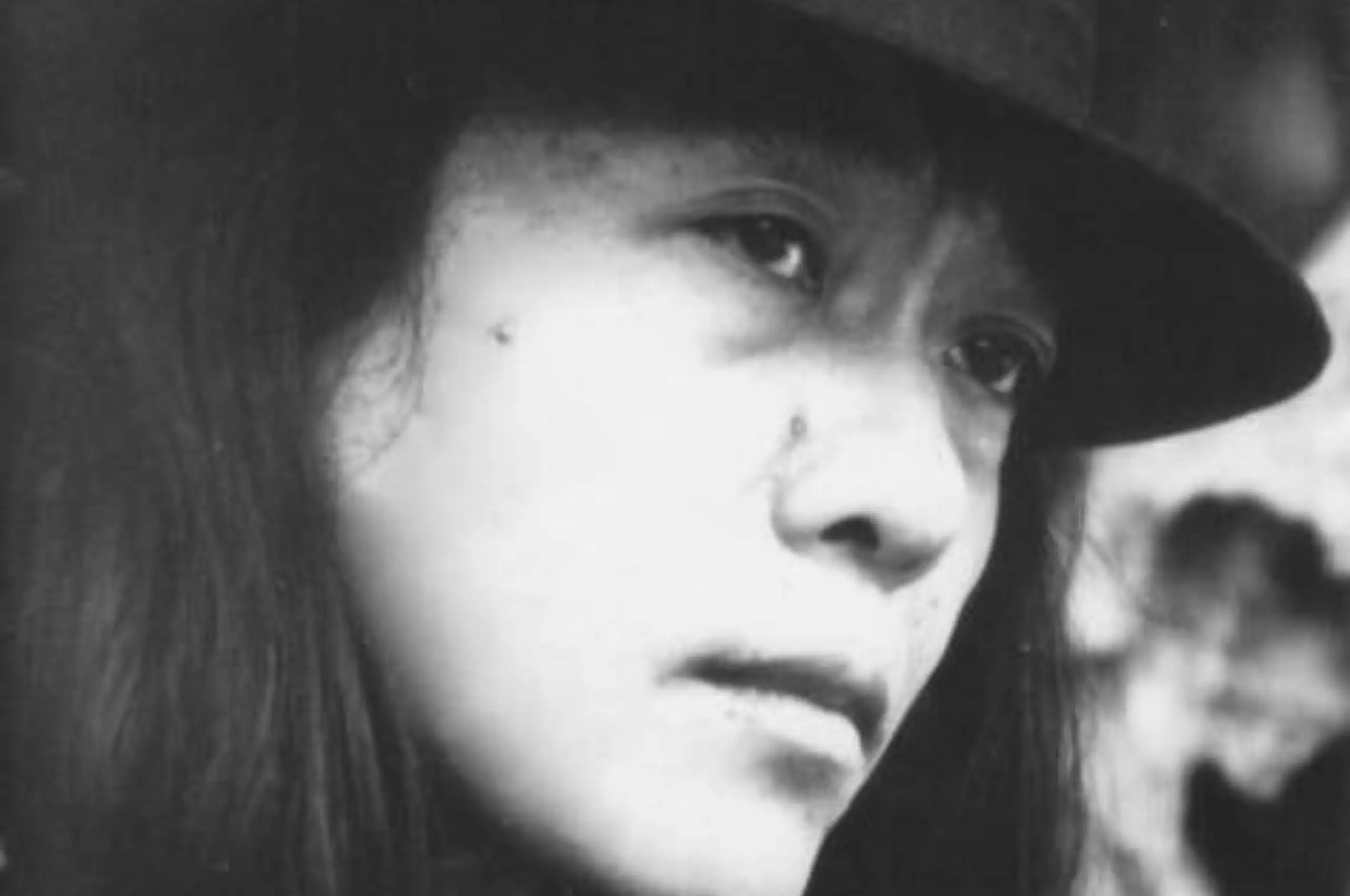
Folk singer Freddie Aguilar died early this morning, May 27, at the age of 72. The announcement was made by lawyer George Briones, general counsel of Partido Federal ng Pilipinas, confirming that Aguilar passed at around 1:30 a.m. at the Philippine Heart Center. He was survived by his wife, Jovie, and their children.
Aguilar’s legacy is deeply intertwined with the political and cultural fabric of the Philippines. He first gained national attention in the 1970s with “Anak,” a song that would go on to sell 33 million copies worldwide and be translated into multiple languages. The track not only cemented his place in local music history, but also introduced Filipino folk to global audiences. The song was originally performed in the Metro Manila Popular Music Festival, a competition that mirrored the cultural weight of “American Idol” long before televised singing contests became the norm.
During the martial law years under the Marcos dictatorship, when artistic expression was suppressed, Aguilar remained a vocal and visible critic of authoritarian rule. His rendition of “Bayan Ko” became an anthem of protest. He took folk beyond its traditional roots, infusing it with the cadence and spirit of “pasyon,” the religious chant heard during Holy Week. It gave his work a haunting intimacy and a kind of cultural memory that stayed with listeners. In 1994, he was given a Lifetime Achievement Award by NU 107.
In 2013, Aguilar attracted public criticism after revealing his relationship with a then-16-year-old girl, whom he later married under Muslim rites after converting to Islam. The decision sparked national debate, especially due to the significant age gap and the country’s laws on the age of consent and marriage. While Aguilar insisted their relationship was consensual and approved by the girl’s parents, it remains a controversial chapter in his personal life and public image.
In a 2014 interview, he reflected on the country’s political history, saying, “Ayaw kong bumalik sa Martial Law. Lumaya na ako, mahirap bumalik. We can forgive, but we must never forget.” Aguilar was appointed Presidential Adviser on Culture and the Arts under President Rodrigo Duterte, and served as a member of the National Commission for Culture and the Arts.
Recommended Video