There is a type of thrill, danger, and rush that comes with reading True Philippine Ghost Stories.
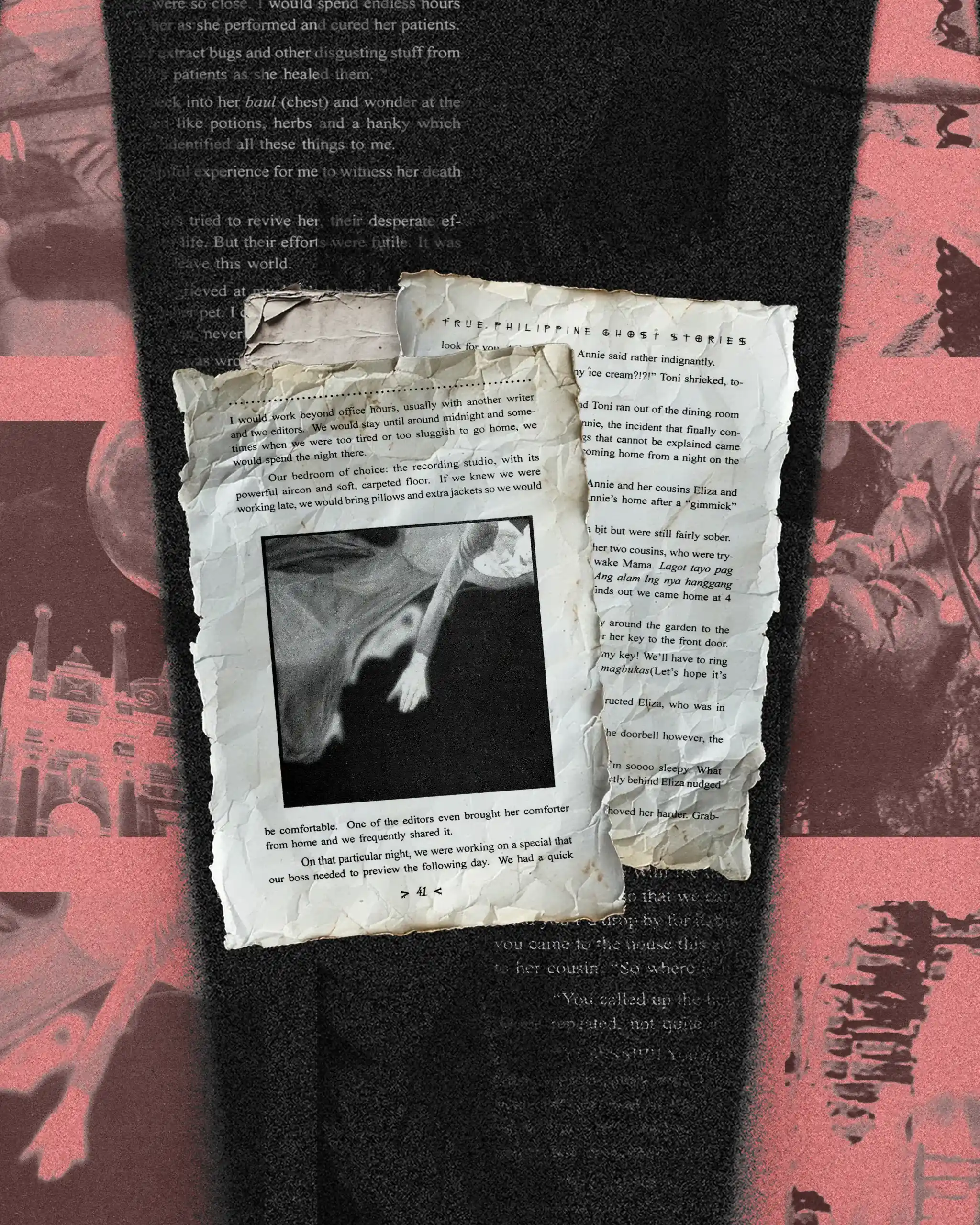
For many Filipino horror enthusiasts who grew up in the early to mid-aughts, the horror story series from PSICOM Publishing Inc. served as a gateway into the realm of the spirits and demons of local folklore. First published in 2002, editions of True Philippine Ghost Stories would be passed among young, curious hands in between classes or during recess, pages so dog-eared and spines so broken that most mangled paperbacks were held together by faith and layers of Scotch tape. Or, copies would be kept hidden away in school libraries or in forgotten boxes at home, patiently waiting for the day they’d be found again.
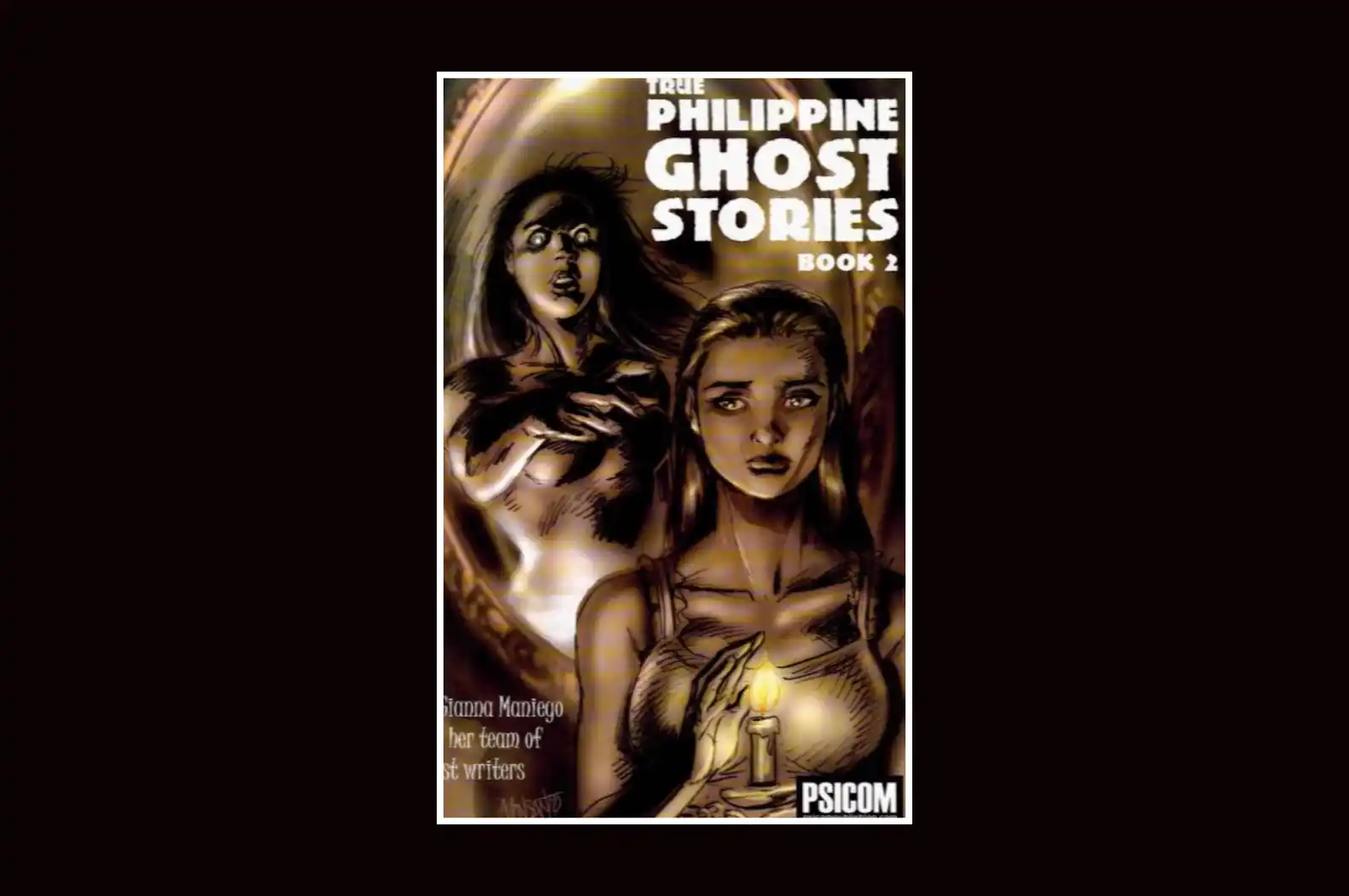
Most fans can still recall the first time they saw a copy of the series. For writer Joshua Paradeza, there was an almost hypnotic pull that drew him towards finding his first copy in a National Bookstore. “Even as a kid, I was fascinated by horror because of my mother, who also loved horror, and the stories passed down to us about white ladies, sirena, kapre, or public schools built over old cemeteries,” Paradeza told Rolling Stone Philippines. “So imagine my surprise when I saw that book cover [of True Philippine Ghost Stories Book 2]: a woman… seemingly staring straight at whoever held the book. Like Sadako from The Ring.”
For Gabby Castañeda, another longtime fan, finding her neighbor’s lost collection of True Philippine Ghost Stories brought her even closer to the supernatural. “When I was younger, I was told that I had a third eye,” Castañeda told Rolling Stone Philippines. “So reading about all these encounters seemed to validate what I experienced that I couldn’t explain in the past.”
Stories After Dark
Some stories linger with readers long afterwards, staying sharp in their memories even years after putting down their last copy of the series.
“I remember [one] about a person who took a taxi one night, even though they were trying to save money,” said Paradeza. “Along the road, they passed a woman standing by the side of the street. For some reason — or maybe out of worry because it was already late — the passenger told the driver to pick her up so she wouldn’t be waiting alone in the dark.”
“Throughout the ride, the narrator couldn’t see the woman’s face clearly (they were in the front passenger seat while the woman sat in the back),” continued Paradeza. “The woman asked to be dropped off somewhere nearby, even if there were no houses around, and handed the driver her fare before stepping out. Suddenly, she disappeared, and the driver sped off in a panic. When [the narrator] looked at the money later, it had turned into dried leaves.”
Castañeda, like many other readers, recalls the series’ different variations on the story of the White Lady. “I still think about [her],” said Castañeda. “She was an apparition that was also frequently talked about when my cousins and I would try to spook each other. [I remember] all the different stories about her sightings and certain ‘rules’ to follow if you want to avoid her.” Although the White Lady is a common urban legend across cultures — think La Llorona of Hispanic mythology or the banshee of Irish folklore — she has long been a fixture of Filipino horror, acting as a harbinger or warning to those roaming the streets late at night.
Lost to Time
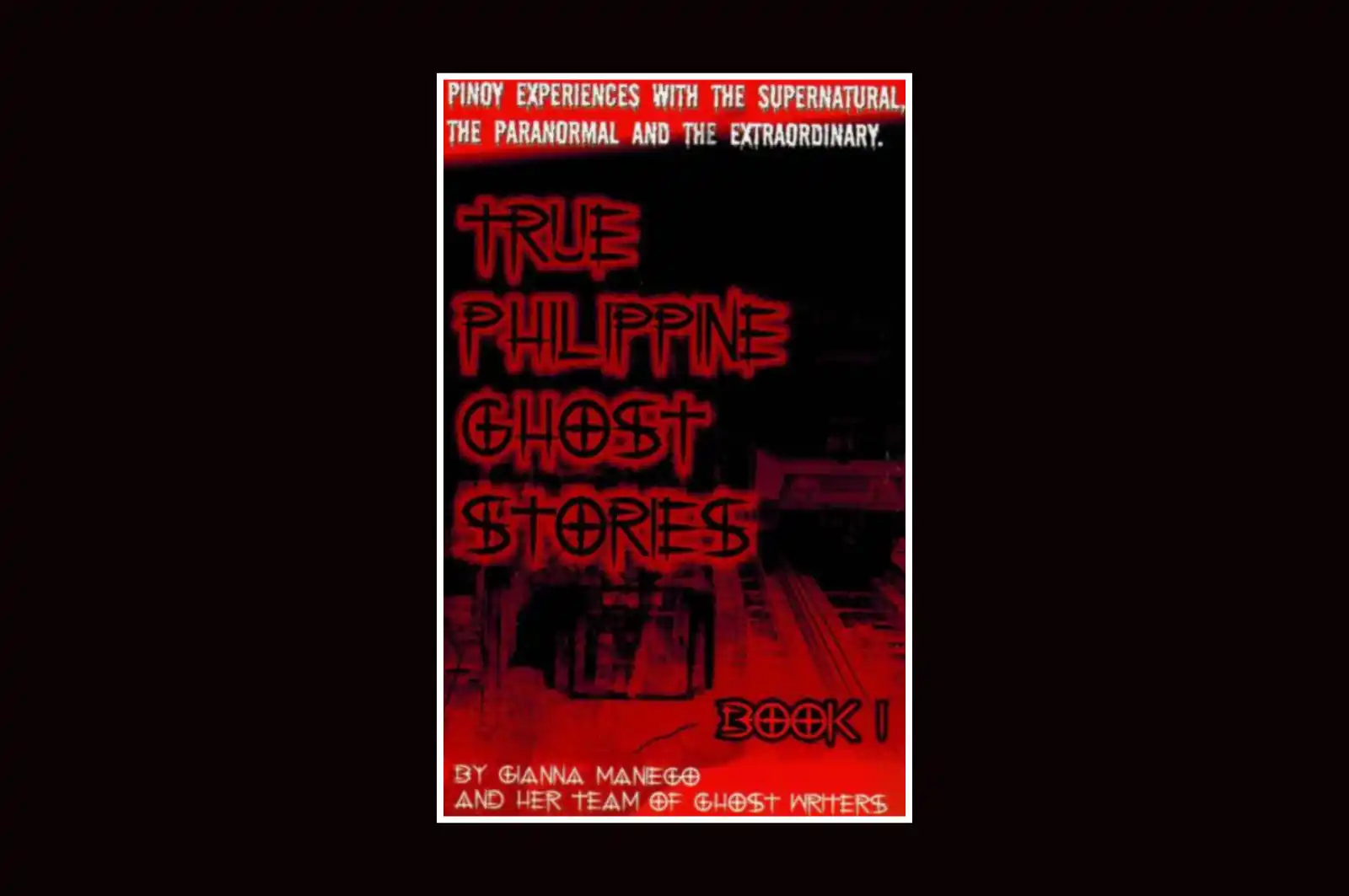
While True Philippine Ghost Stories clearly continues to enjoy a loyal cult following, its heyday of widespread popularity seems to have passed. The series has found a second life in different forms: as several episodes of the 2004 reality horror series Wag Kukurap hosted by Dingdong Dantes, as a short-lived app produced by PSICOM in 2020, and as a rebranded issue released by the publishing press titled True Ghost of the Philippines Resurrected in 2023, to name a few. But for many, especially without physical copies in bookstores, the series has been lost to time.
“Over time, the books disappeared,” said Paradeza. “Some never returned after being borrowed, some left somewhere, others torn apart from being reread too often. I don’t own any physical copies now.”
But despite its fading physical presence, the influence of True Philippine Ghost Stories endures. The series laid the foundation for fans to go on to discover new forms of horror storytelling, such as YouTube essays, podcasts, and forum horror stories. “The last time I held a copy was in high school,” fan Jairish Erfe told Rolling Stone Philippines. “But it did start my interest in the supernatural, which led me to consume [content] like Buzzfeed Unsolved, horror stories, or Reddit ghost stories.”
“I felt so alive,” added Erfe when recalling her experience reading the series. “It was so interesting looking into a world that you both don’t know much of and most people are afraid of.”
Even without the dog-eared pages in hand, fans continue to hold their favorite parts of True Philippine Ghost Stories close. The thrill remains alive in their memories, and despite having long moved on to grander horror stories, readers still see the series’ ghosts lingering in dark corners: ready to startle, shock, and haunt them all over again.
Recommended Video

Rolling Stone Philippines Voices Issue, Now Available at SariSari Shopping