

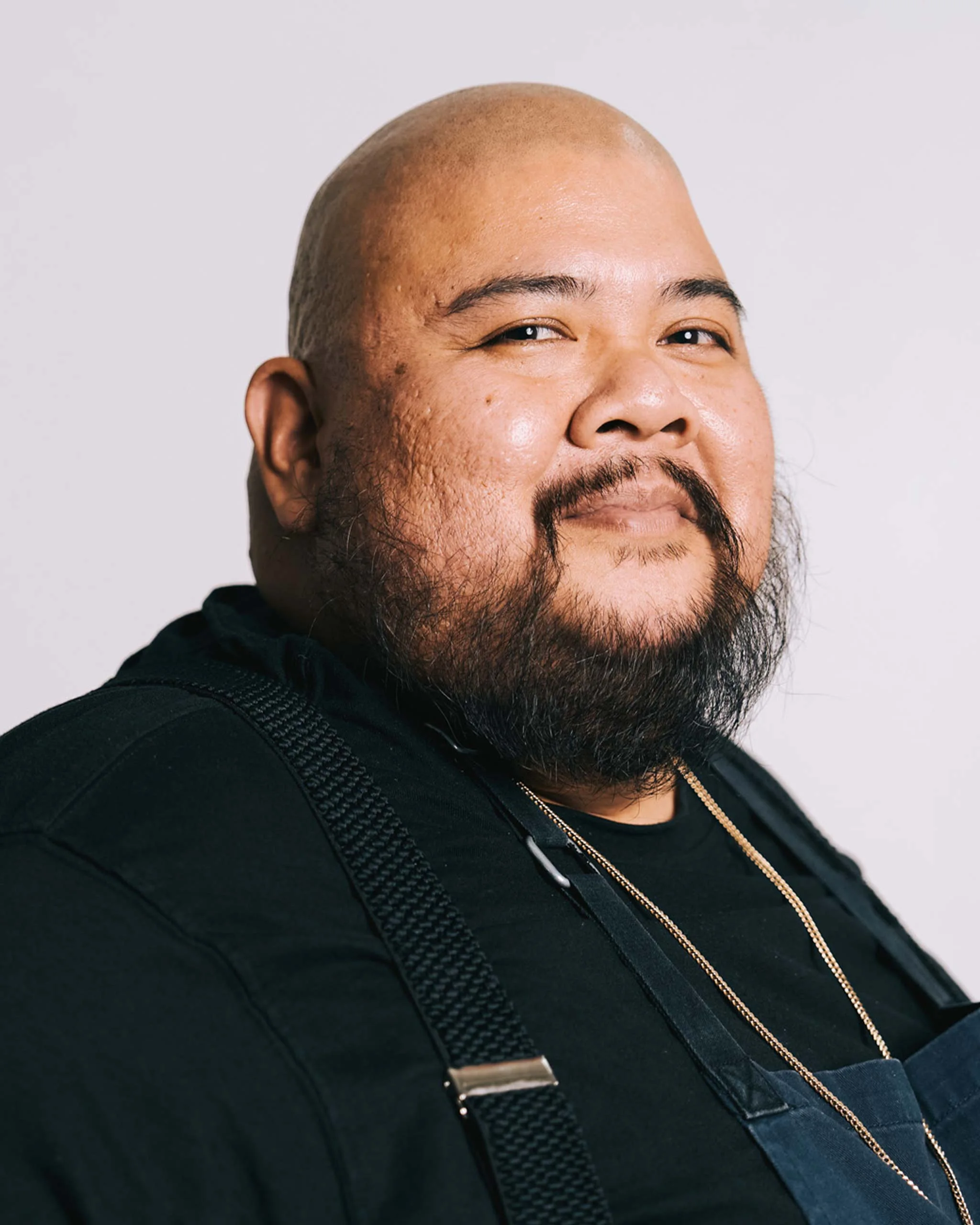
Greenlight Burgers by Chef Alvin Cailan just opened in West Gallery Place in Bonifacio Global City, with burgers selling out and posts of the new shop hitting social media all weekend.
But back in early October, at his Rolling Stone Philippines shoot, Cailan didn’t have a name yet for his new restaurant. He spent a great deal of time talking about the quality of the meat and remaking the buns again and again to make them as perfect as they could be, but the name and everything else came second. And that was by design. At a time when restaurants have made branding and social media clout the priority over the actual food, the focus here and for Cailan was the burgers.
Born in the States, Cailan grew up in Los Angeles, immersed in the city’s hip-hop, skateboarding, and street racing culture. “I was very much a subculture dude,” he tells Rolling Stone Philippines. “Conforming to what’s normal was never really a part of my DNA.”
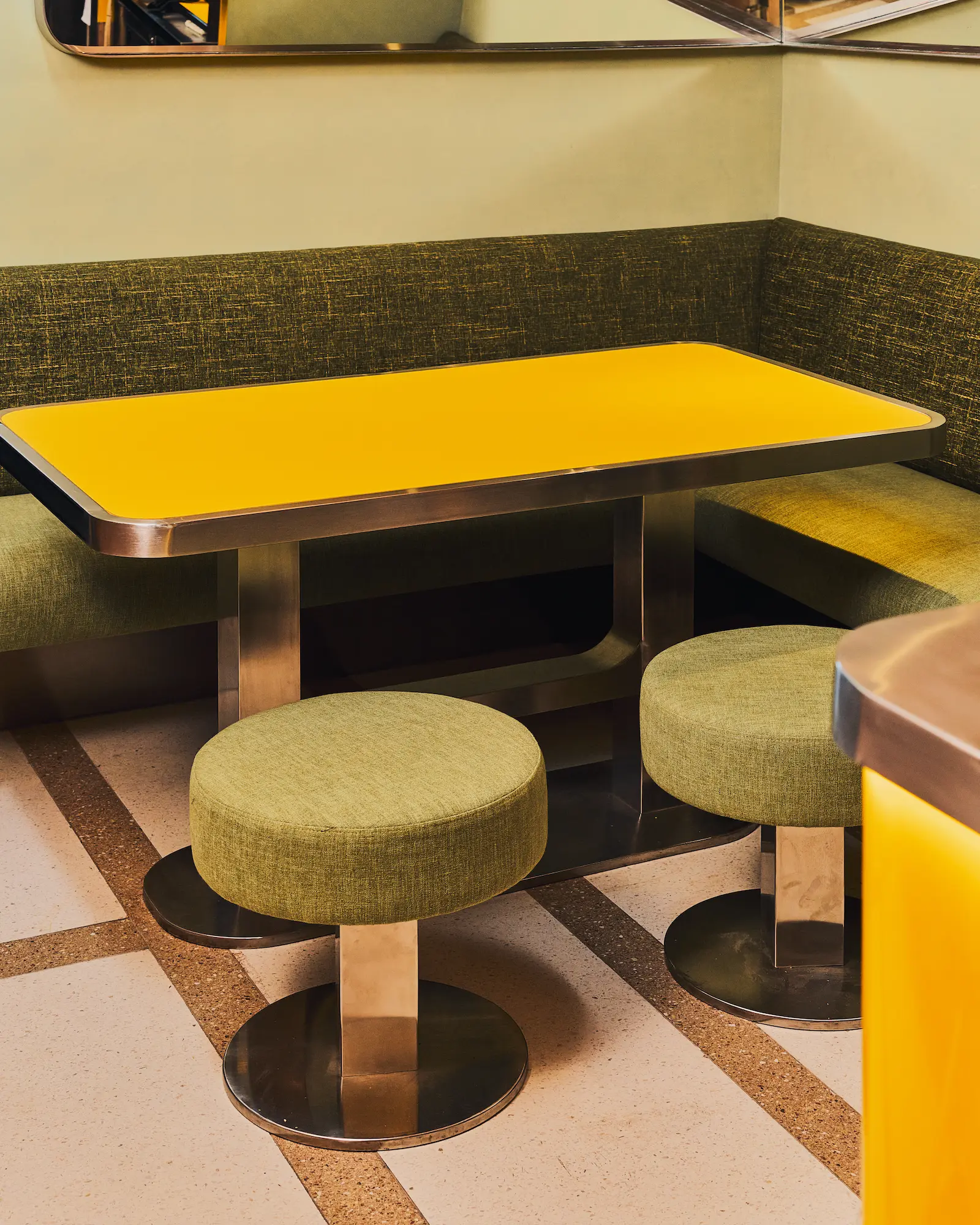
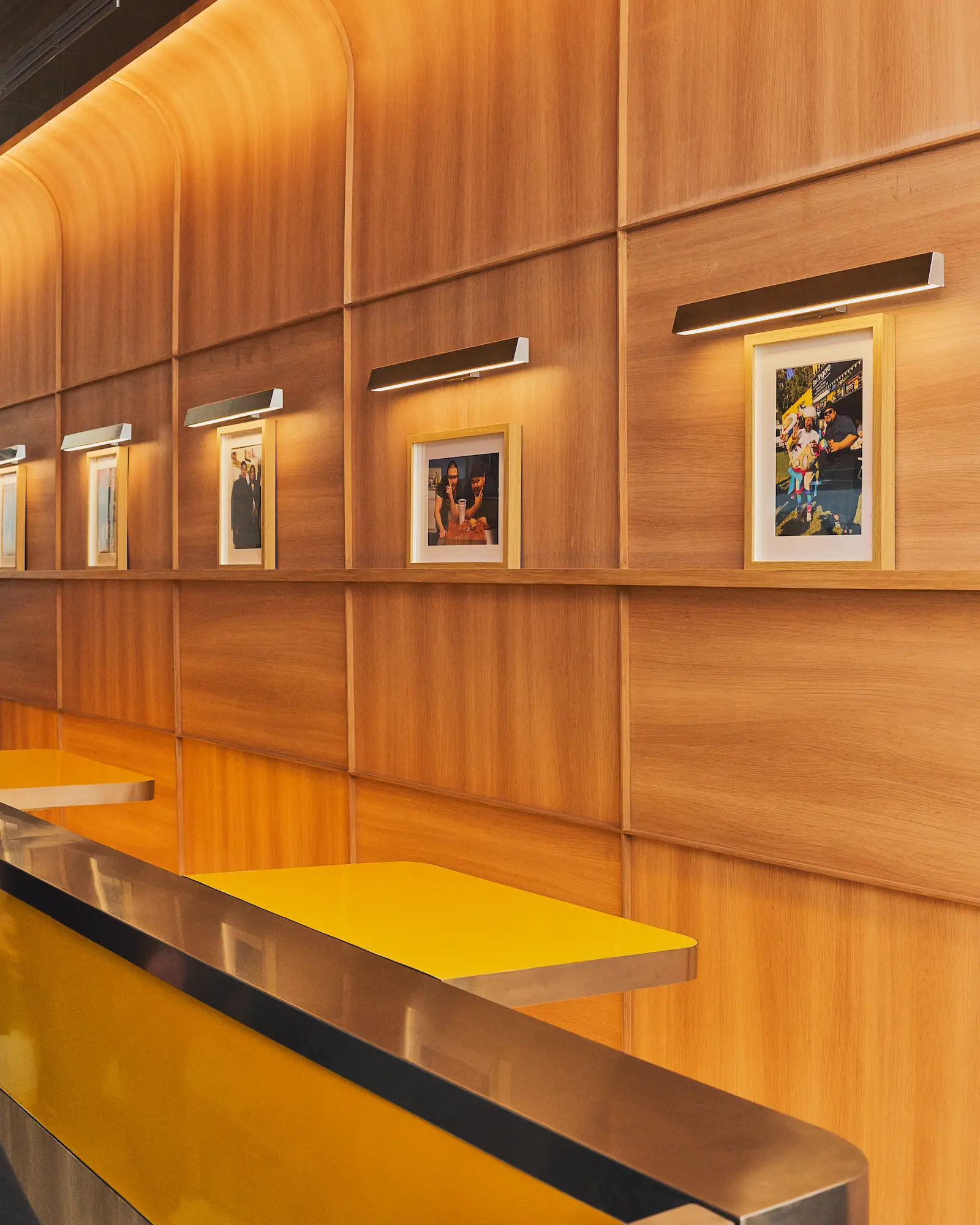
That mindset became Cailan’s north star when it comes to being a chef. From his viral sandwich concept Eggslut that took over Instagram in the early 2010s, he’s built his own empire, including Alvin’s, Amboy Quality Meats, Chez Burger, and Pan Da Sal’s, to hosting the breakout hit, First We Feast’s The Burger Show on YouTube. As a restaurateur and personality, Cailan was one of the pioneers who broke the mold of what an online food show can be and who can host it.
Cailan talks about his rise, the challenges of success at a young age, his love for hip-hop, and why he’s so excited for this era of Philippine restaurants.
You’ve been coming back to the Philippines a lot. Are there any restaurants you keep coming back to here as well?
Yeah, I come to the Philippines, like, three times, four times a year. I’ve watched the evolution of Linamnam with Don Baldosano from when he was, like, bright-eyed and bushy-tailed to this powerhouse. Metiz as well. My first soiree with Toyo [Eatery] was in 2018. I’m a lover of Filipino food and composed dishes. So being able to see that here is awesome because we’ve been doing that in the States as well for like the last 12 years, but there’s just something different about eating Filipino food in the Philippines.
You did this interview with Suzy Chase a few years ago, and one of the things that struck me was when you talked about how doing Eggslut felt like taking your PhD. Could you talk about that struggle and coming to terms with who you were as a chef before Eggslut, to then handling its success?
Man, the kind of chef that I was when I first started was very pretentious. I never ate fast food. I only cook from the farmers’ market. I worked in fine dining. I wanted to be the best. I worked in Portland. I was in Napa Valley, Beverly Hills, and at these higher-end fine-dining establishments. I only ate really crazy good food. And if it wasn’t crazy good, I would literally just eat a sweet potato.
When you work in fine dining and you’re in the beginning stages of becoming an executive chef, it’s even harder because you are now a skilled chef, but you’re not getting paid like one. So that’s when I started to dabble in making pop-ups and stuff like that, and then that’s when I created Eggslut. I took my Filipino ingenuity and my business aspirations, and created Eggslut, not knowing what it was gonna ever be. It was just something that I needed to do to make some extra money. And then, you know, I had no idea what it would have turned out to be. Honestly, I thought I was gonna fail. And then it became, you know, a really busy concept, and I wasn’t prepared for that either.
“Man, the kind of chef that I was when I first started was very pretentious. I never ate fast food. I only cook from the farmers’ market. I worked in fine dining. I wanted to be the best.”
What aspects weren’t you prepared for?
Success. Handling like $40,000 cash every week, it was like, “What do I do with it? Where do I go? Who’s the accountant that I deal with?” You get to that point, and then it’s like, answering emails, doing stuff outside of the kitchen that I wasn’t necessarily trained to do. I got a degree in business, but I didn’t really care for it. I wanted to be a chef, so I went to culinary school instead to focus on what my passions were. When it came to being an adult and being a business owner and a successful business owner, I had no idea how to do it. We all dream [of being] successful, but when you become successful, what do you do after that? And that’s why a lot of people fail. It’s because they have no plan to handle that. Once you get there, then what?
Did you just want to focus on cooking rather than the business? And is that something that translated into your next ventures?
Imagine being a 29-year-old guy. Your ego is [at] 100. I came from fine dining, and then I had a successful business. It’s everything I wanted. I was finally being recognized as a chef. I wanted to show the world that I could do more than just eggs. My ego was kind of pushing me to be on the more creative side, but my real life was pushing me to be a business person, and so finding that balance was probably the most difficult thing I had to do to date. Like, I have 40 people who work for me, and all of them have families, and all of them rely on decisions that I make. But I also want to put foie gras on scrambled eggs and completely disregard costs and stuff like that.
I had a really hard time trying to figure out all of that stuff to the point where I gave up. I was just like, you know, I’m gonna give up a lot of my business to someone who could actually run this business to make it successful. Now, I have the freedom to really find myself as a chef in this world. To be honest with you, if I didn’t do that, I wouldn’t have been able to really pivot myself into creating this really cool Filipino community of chefs. So I think success was like a gift and a curse, right?
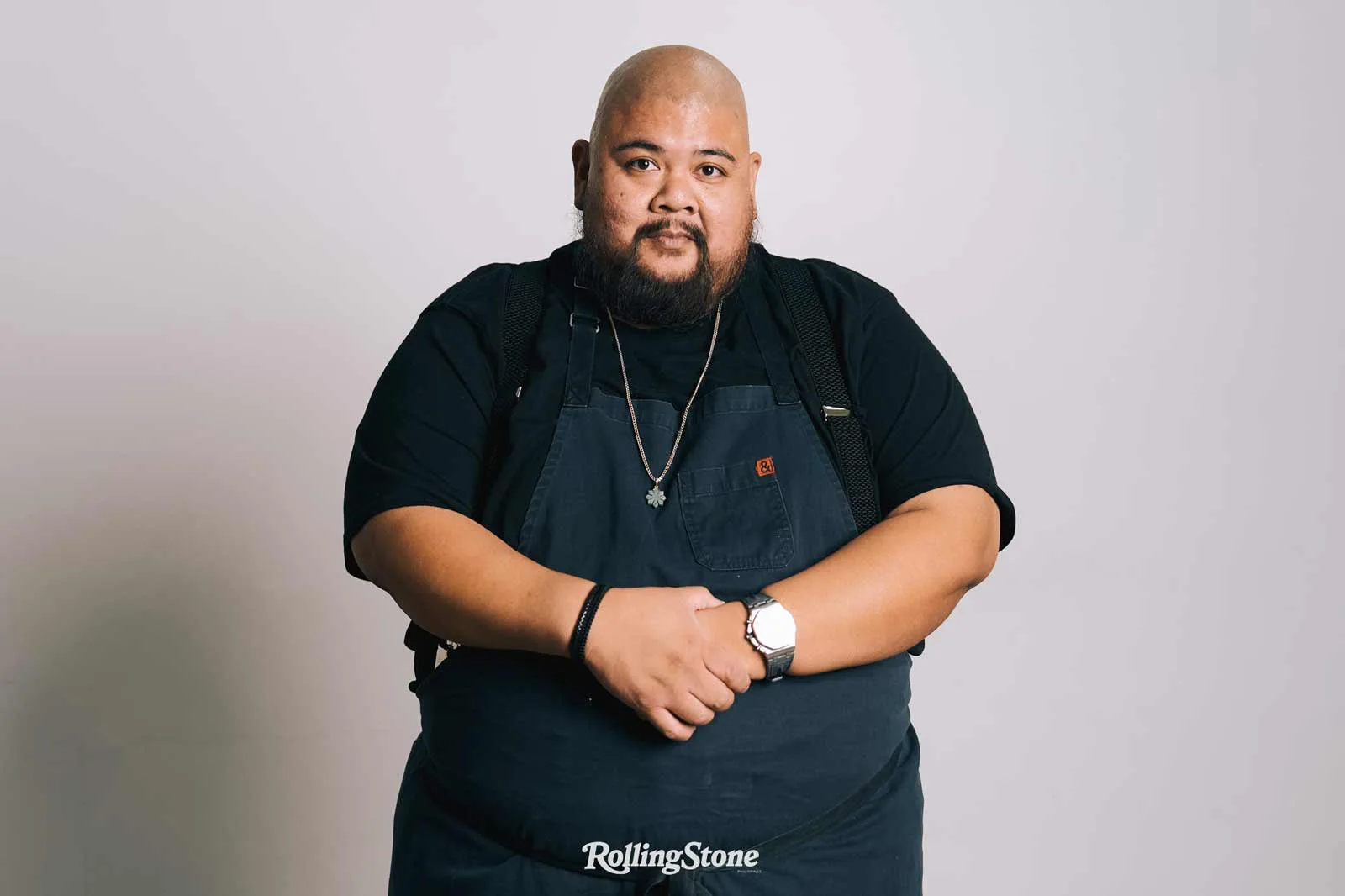
What impressed me the most about Eggslut was that it was very unapologetic. Is that the throughline of everything you do?
Yeah. When I was younger, just to paint you a picture of who I was, I was very into hip-hop and rap music. And I skateboarded, and then I got into street racing. I was very much a subculture dude. Conforming to what’s normal and right was never really a part of my DNA. And so even when it came to cooking, I never went the traditional path of working at a hotel or a steakhouse. I worked at the restaurants where the chefs were making something crazy. Creating a restaurant with a name like Eggslut, it takes a certain kind of person who doesn’t care [about] what people think.
I’ve never really been one to worry if it would embarrass my mom or dad. That never really stopped me. It’s selfish, in a sense, but also rewarding, because I don’t have that restriction when it comes to taking a gamble on myself. And if you meet me and you know who I am, then you understand that it doesn’t come from a bad place. It’s actually just creative. We’re being creative. You push the envelope. And I think most great things happen when you push the envelope. That’s the way you get recognized.
Speaking of that, I think it was clear how that paid off for you. Eggslut went viral on social media.
Dude, we were the number one Instagrammed restaurant in 2014.
But I think at the same time, looking at the menu, your fingerprints as a Filipino chef weren’t there as much yet, right? What was it like back then, in terms of showcasing yourself but not being “allowed to cook Filipino”?
To be fair, when we were a food truck, we did Filipino food. This is a funny story. I don’t think you’ve ever heard it. I had a $14 kurobura pork longganisa sandwich, and no one bought it. We would market it to the Filipino communities. I would go to Glendale and I would serve it there. We did an Adobo-style French fry that was almost like gravy fries, but with a fried egg. We used high-quality ingredients, but no one wanted to pay. So we tried.
I mean, to be honest with you, we started off using pan de sal as our bread. Before it was brioche, but it didn’t translate. I tried to make it a Filipino DNA restaurant, but in order to survive, I had to change. It phased out of being a Filipino concept. What I realized was me being Filipino, it was enough for it to be considered Filipino, which sounds crazy, right? But in a sense, we kind of have to get [known] first as a Filipino before our food can become [known] or understood.
“My ego was kind of pushing me to be on the more creative side, but my real life was pushing me to be a business person, and so finding that balance was probably the most difficult thing I had to do to date.”
Coming from that Western background in terms of your culinary upbringing, how do you see the local culinary industry? Do you get a sense that, in some ways, it’s just a version of Western culinary standards and practices, or are you seeing things here that you didn’t see or experience in America?
What’s cool about the food here is that it’s very technique-driven. Someone like Don Baldosano, right? He doesn’t just use Western techniques. He goes to the provinces on the weekends, and learns how to make certain things, traditionally, from the region of the Philippines where he’s at. That’s really what differentiates a lot of our food stateside versus the avant-garde Filipino food. Here, everyone is so blessed to be adjacent to such amazing techniques that are literally pre-colonial. We don’t have that in the States. We were doing classic French style or avant-garde style from Napa Valley or Spain but adding that element of tradition that you guys have here, it’s special, man. I brag about it to everyone in the States.
As someone who’s made it big on YouTube, I wanted to talk about that idea of Pinoy baiting, and it seems like once a week, there’s a Jolly-esque feature on Jollibee or lumpia.
I mean, it’s a real thing. We live on the internet. Filipinos live on the internet. We’re one of the biggest consumers of that content. So it makes sense why people do it. But at the end of the day, like in the West, I speak from being someone from Los Angeles, it’s almost necessary. It is 100% a necessary evil. In order for us to have our flags waving proudly for a long time.
Is it weird to become a famous chef even if people haven’t tried your food, yeah?
Yeah, people just automatically trust me with food, now. [Laughs] And I’m like, this is crazy. I’ll literally have someone message me, “It’s my wife’s birthday. Can you make them a burger? I’ll fly you to wherever. Can you make it?” I’m like, has she ever had my food? “No, she just watches your show all the time.” And I’m like fuck, if you trust me that much, okay, I’ll do it. [Laughs]
I think being Filipino also helped make the spotlight easier, because I think we’re just born performers.
I was just talking about that the other day, how my uncles and aunts would pay me and my cousins to dance like when we were 6, 7, and 8 years old. We were their form of entertainment. It’s a part of our culture to kind of have that type of personality, that type of energy. To be honest with you, I didn’t even want to be in the spotlight, you know? I wanted to just be a cook, but I actually worked for famous chefs who were in the spotlight, and I would just kind of look at it like, why do we have to do this? And then I become that. [Laughs]
Does it feel like selling out? Because we both came from a generation where the worst thing you could be was a sell-out.
Yeah, it wasn’t cool for someone who was a badass. [Laughs] And that idea of if that old guy is doing it, it’s not cool anymore. My mentality is that I’m that guy now. [Laughs] I tiptoe around kitchens and be like, “Hey, I’m still, I’m still one of you guys.” It’s kind of a weird dynamic.
Let’s talk about your burgers and your sandwiches. I think the sandwich is my favorite food subculture.
Talk about no sandwiches in this city. Sandwiches are not it. [Laughs] There are no sandwiches here.
During the pandemic, I’d just make burgers nonstop and your videos really helped a lot.
I hear that so much, dude. And it’s really flattering, because at the end of the day I just wanted to make burgers but you know I really just got into it. Even when I started cooking I’d get fixated. If you were to see my apartment when I was a young cook, it was like a lab. I would go on dates and, you know, they would come over to my house and they’re like, “Oh, can I get a drink?” They’ll open my refrigerator and I’ll have like a pig’s head inside. I get fixated on things. And when burgers became a part of my life, I might as well make the best ones. So being able to show technique on The Burger Show and then now people literally create businesses out of the technique that we made makes me super proud.
As someone who’s seen and worked in kitchens all over the world, how do you see the kitchens in the Philippines, as compared to the intensity abroad?
There are certain restaurants here where the intensity is wild, but for the most part, it’s a lot more chill. The culture here is so much more chill than in Europe. I think people here go to work and they’re genuinely happy. The higher-up chefs have more anxiety than the younger chefs, but they’re genuinely happy, and that’s cool.
I just spent a month in Europe, and it’s completely different, like I was able to have a sneak peek at the back of the kitchen during prep time for Noma in Copenhagen. Bro, you can drop a pin in there and hear it fall. You could cut the tension with a knife. But when you come here, it’s like, you go to Toyo, chef Jordy Navarra is super nice to everyone. You hang out with all the cooks at the end of dinner, and you’re having a beer. It’s completely different from the upbringing in the culinary world that I had, you know? The culture of kitchens here in the Philippines gives me hope.
Speaking of our culture here, there’s a lot of discourse surrounding the Michelin Guide. As someone who’s been familiar with that level of scrutiny and competition, what’s your take on the guide, and how do you feel it affects a chef’s career?
I think the Michelin Guide in itself is huge for us here in the Philippines. It might not be huge for France or Italy because they’ve had it for so long, but I truly believe that the Philippines is a great destination for food. The renaissance in food is amazing. If Michelin gives it even the tiniest window for other people to understand it and travel here to eat our food, I love it because it’ll keep our restaurants here open. It’ll keep the creativity flowing. The glow up after having the weight of Michelin stars is unreal. Like Thailand 20 years ago was a destination for beaches. Leonardo DiCaprio made a movie about it, but now people are going to Thailand to go eat at Michelin-starred restaurants. That could quite possibly be our future.
We can argue as a country, but it helps our economy. And I think about, you know, the seven-year-old kid who watches cooking shows, it fulfills their dream. And why can’t we have that? Like we could be proud of Manny Pacquiao for winning all of his championships, we could also be proud of our chefs who win Michelin stars, too. And just to bust the myth, you can’t buy a Michelin star. So when a chef owns a Michelin star, they really deserve it.
Okay, last question, you said in a previous interview that “Runaway” by Kanye West was your favorite rap song of all time. Is that still true?
Oh my God, times have changed. Yeah, I don’t even think I can say that anymore. [Laughs]
“The culture of kitchens here in the Philippines gives me hope.”
And it’s no fault of yours to be fair. But I want to ask: is that still your favorite song? What’s the song that you think most personifies your style of cooking?
Oh, man. “Runaway” was at a certain time in my life because I was definitely misunderstood by everyone in my life. I could not hold on to a romantic relationship because of my life, because of the way my career or the trajectory of my career took me. I lost friends, I lost all of that stuff. I felt like Kanye West, where I was like, I have all of this creativity and, like, it’s so misunderstood. Like don’t be close to me. Run away from me, because I’m like a burning bridge.
Fast forward now, 42 years old. Man. If you were to compare me to a rap song that cultivates, pretty much who I am as a chef, man, there’s a lot. I think my favorite song right now to compare my career to, I would say we would go with “Not Like Us” by Kendrick Lamar. It really means a lot to me because I’m from L.A. and “Not Like Us” is a freaking lifestyle, man. He really hit it on the head. It’s not even played out in my head, because anyone else, if you’re from New York, if you’re from Las Vegas, if you’re from Florida, you’re over it like it’s a played out song, but as an Angelino and as someone who was able to like make something of myself and pull myself out of the hood, I understand what “Not Like Us” is actually about.
Recommended Video
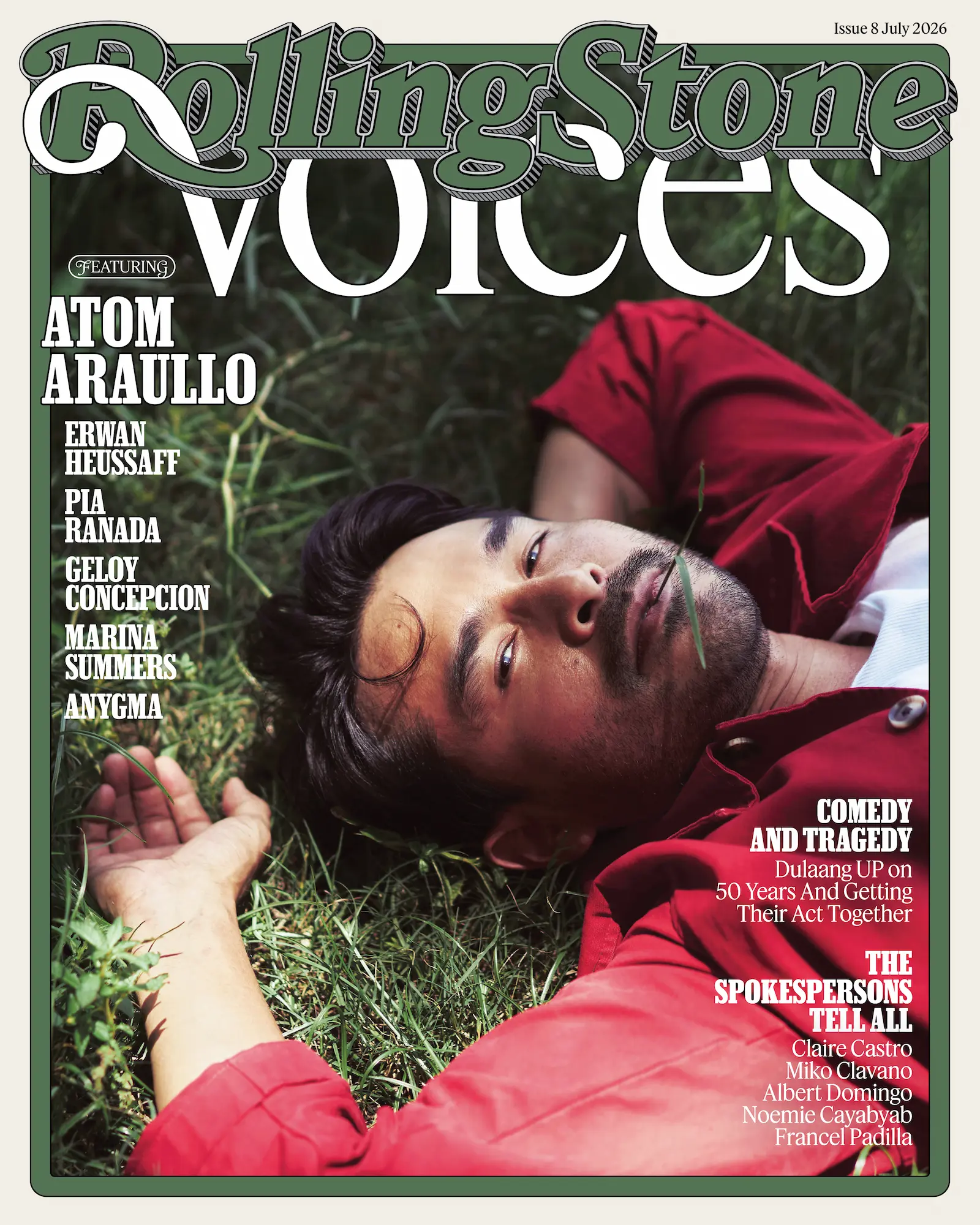
Rolling Stone Philippines Voices Issue, Now Available at SariSari Shopping