

In a 2024 interview for the podcast Print is Dead, (Long Live Print!), David Remnick, the Editor-in-Chief of the New Yorker, praised and attributed his love of magazines growing up to Rolling Stone. “Time and Newsweek seemed awfully dull… Counterculture was the news and Rolling Stone invented itself as the news of that culture, which seemed so far away and so tantalizing at the same time,” says Remnick. “That wasn’t what was in The New York Times. That wasn’t in Time and Newsweek. It was really formative.”
It’s a hefty legacy to carry and continue, especially at a time of content collapse with social media eliminating any kind of cultural gatekeeping that once made publications the supreme arbiter of what’s cool or dead.
But going back to what Remnick said: Rolling Stone wasn’t the news per se, but it was the news of the culture that it immersed itself in. Rolling Stone co-founder Jann Werner once described rock and roll as a “music of political consequence,” and perhaps, more than anything, that was what pushed our curiosity in all the stories we do. It is not enough to cover the icons of our country’s culture or the biggest stories we face today. We need to understand the impact, but also communicate the consequences that these people and events have on our society. At Rolling Stone Philippines, that’s how we’ve reflected the voices of diverse cultures and subcultures that shape how we live today.
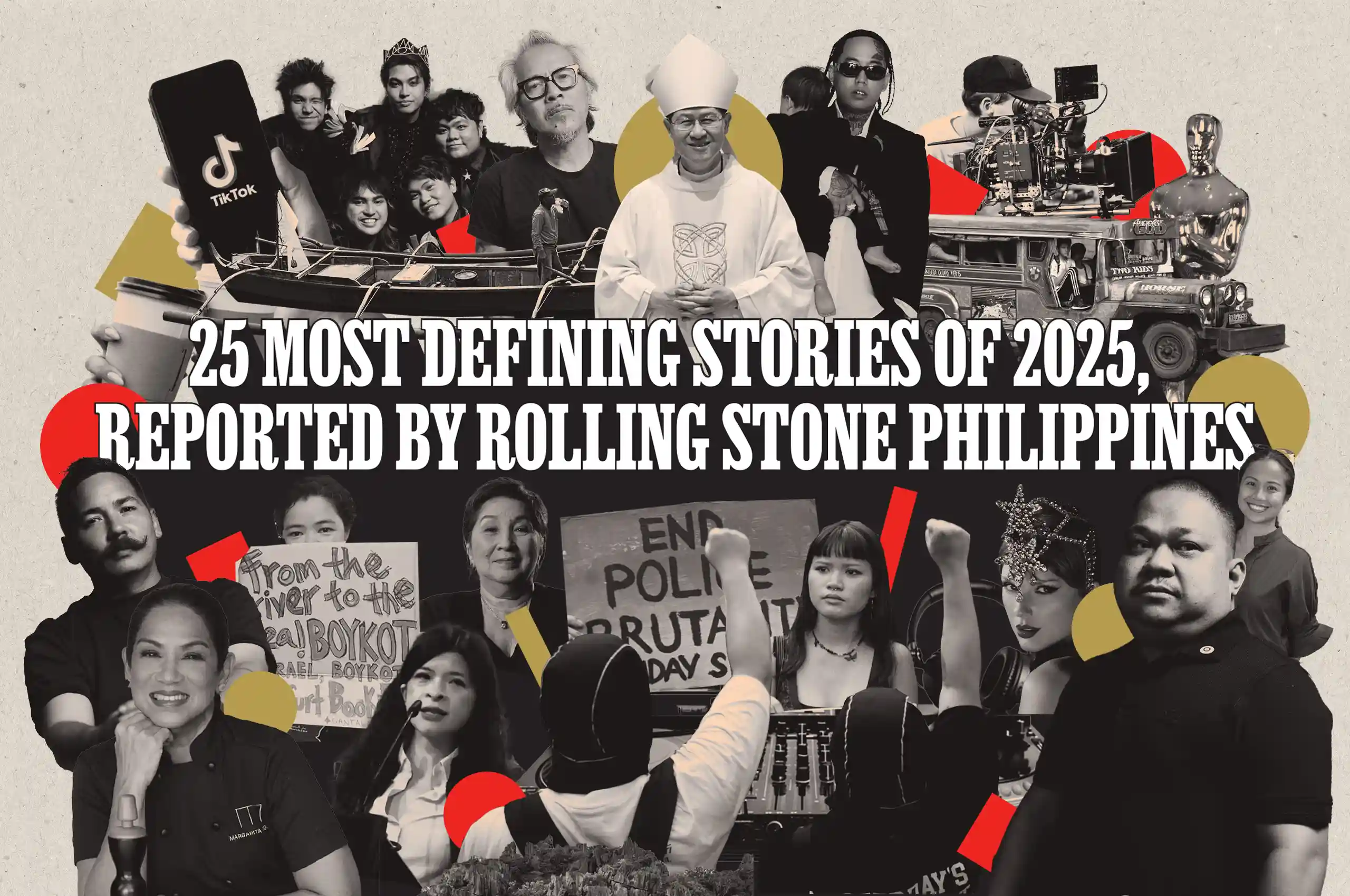
These 25 features are just some of our continued efforts in telling the stories that matter while going beyond the usual headlines. From finding the real story behind the Makati “mole people” to the hidden costs our local freelancers bear, this year has been about reframing narratives while providing a platform for stories that demand more attention.
As Rolling Stone Philippines’ digital platforms celebrate our first anniversary this December 12, we revisit the stories that cover the issues and icons that show us who we are. —Jonty Cruz
Culture
Margarita Forés Devoured Life as She Did Food
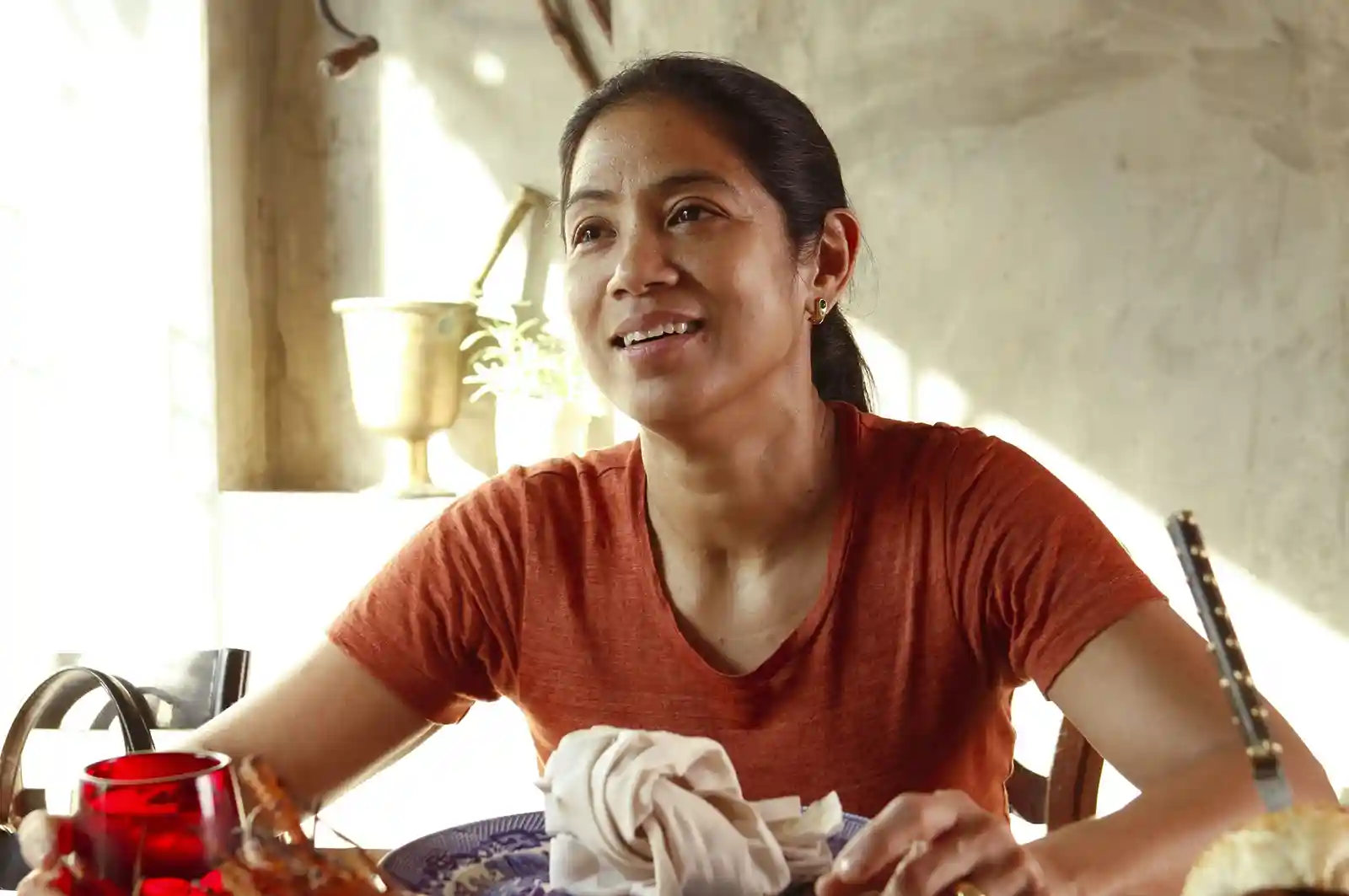
On February 11, Margarita Forés — the Filipino chef and restaurateur behind Cibo, Lusso, Grace Park, and The Loggia at Palacio de Memoria, and Asia’s Best Female Chef in 2016 — died at age 65. The news shocked both the local and international restaurant industry, as well as diners who, over her four-decade career, had come to regard her establishments as culinary institutions.
Toni Potenciano, a writer and the restaurateur behind the Michelin-selected Kodawari, attended her wake at the New Frontier Theater in Cubao, Forés’ home city. There, she reflected on the legacy of a woman who not only helped pioneer an Italian palate for Filipino diners but also championed Filipino cuisine more broadly — someone many in the Philippine restaurant community regarded as a maternal figure. The sense of warmth, care, and generosity that Forés fostered has carried through to the generations of chefs who continue to believe in the unique quality of Filipino hospitality as one of the country’s most undeniable strengths.
“There will never be another Margarita Forés, that much is certain,” Potenciano wrote. “And we will feel the weight of her loss for a long time.”
Read the full story here.
What the World Can Expect From a Filipino Pope

On April 21, a day after Easter Sunday, the Argentinian Pope Francis died at age 89, spurring a highly anticipated conclave that saw Filipino Cardinal Luis Antonio Tagle and Pablo Virgilio David thrown in as frontrunners for the papacy.
On May 7, just two days before the chimneys of the Sistine Chapel blew white smoke, indicating the election of a new pope, writer Oliver X.A. Reyes speculated what it would be like to have a Filipino head the Roman Catholic Church. Tagle, in particular, was seen as the candidate most suited to continue Pope Francis’ progressive vision, and Reyes asserts that a Filipino papacy may have shown the world a form of Catholicism that is more humorous, joyous, and spontaneous.
“In our Catholicism, the solemn tales handed to us by the friars were transformed from rituals into celebrations that, while a touch performative, give space for our spontaneous joy,” Reyes wrote. “We did not need to wait for Vatican II to translate our Roman Catholic faith into a language of our own.”
In the end, the conclave swayed in favor of Chicago-born Robert Francis Prevost, or Pope Leo XIV, who was one of the most searched people on Google in 2025.
Read the full story here.
Filipino Filmmakers on the Hard Truth of an Oscar Campaign

What will it take for the Philippines to finally be nominated for an Oscar? Once again, this question became pertinent this year as the industry geared up for an Academy Award nod for Lav Diaz’s historical epic Magellan in the 2026 awards season.
Don Jaucian, Rolling Stone Philippines’ Features Editor, set out to answer this as he spoke with filmmakers and producers about the Sisyphean climb toward global recognition for Philippine cinema. Among those interviewed were previous Oscar hopefuls: Tonee Acejo, line producer of the 2012 comedy-drama Bwakaw, and Dante Nico Garcia, director of the 2008 romantic drama Ploning. The problem, they say, runs far deeper than just budget constraints, with many filmmakers operating within an industry that has yet to fix its own bureaucratic efficiencies.
Likewise, the value for global recognition isn’t all that black and white. On the one hand, the chase for Oscar gold may well just be an “obsession for Western validation,” Jaucian said, while, “a nomination or a win isn’t just glitzy showbiz prestige. It opens up a whole new perspective for the film industry.”
Read the full story here.
Lav Diaz on the Cost of Making ‘Magellan’: ‘I’ve Seen Death’
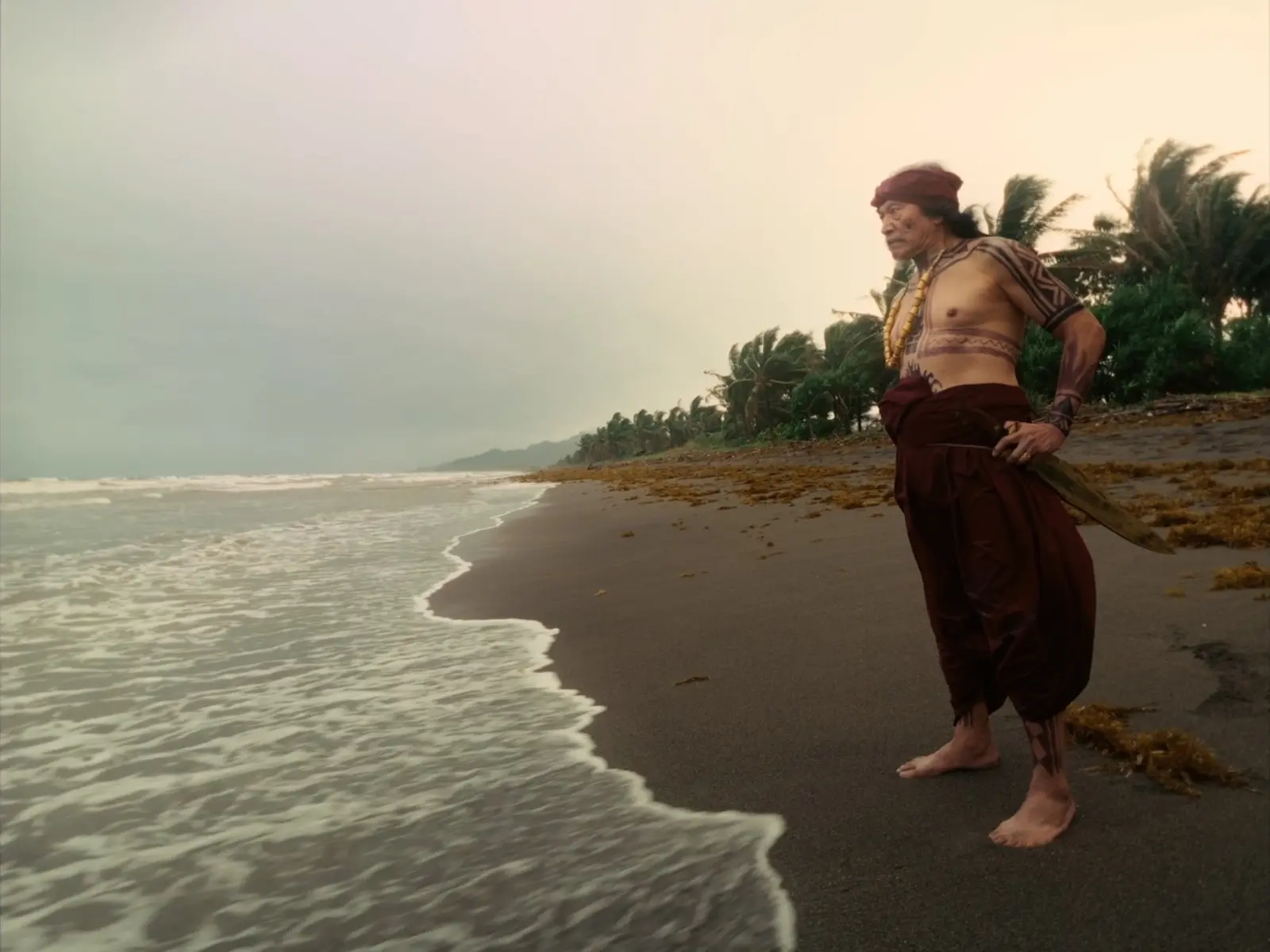
Auteur filmmaker Lav Diaz began research for his historical opus, Magellan, seven years ago, with the goal of creating an epic “acid trip” that moves beyond mythical portrayals of the Portuguese navigator. While Diaz hoped for a 40-hour saga shot completely in monochrome, what resulted was a trim, crisp 156-minute feature that made its premiere at the Cannes Film Festival earlier this year, marking the director’s return to the festival since 2019’s Ang Hupa (The Halt) at the Director’s Fortnight section. Adding even more acclaim to Magellan’s name is the fact that it is the Philippines’ official submission to the 98th Academy Awards, under the Best International Feature Film category.
In this exclusive interview by film critic Lé Baltar for Rolling Stone Philippines, the acclaimed slow cinema giant reflects on the mythos behind Ferdinand Magellan, the film’s path on the festival circuit, and his near-death, blood-retching encounter while working on his film.
Read the full story here.
In the Philippines, Creative Freelancing Comes With a Hidden Cost

On the eve of President Ferdinand Marcos Jr.’s fourth State of the Nation Address, one of the issues Rolling Stone Philippines had its eyes on is his promise to champion and protect the welfare of Filipino freelancer, some 1.5 million informal economy workers, of those who are registered as of January 2025 at least, who brought in close to P2 trillion pesos in 2024.
To get the real score from the source, we interviewed freelance workers from across the country. Across industries, the role of community building in ensuring an equitable share among local creatives is invaluable. But such niche-organized events and initiatives can only support struggling freelancers to an extent.
Another overarching challenge for Filipino creatives appears to be the challenge of pricing one’s work in an informal economy dictated by demand and supply.
Read the full story here.
Filipino Publishers Clash Over Palestine at the World’s Biggest Book Fair
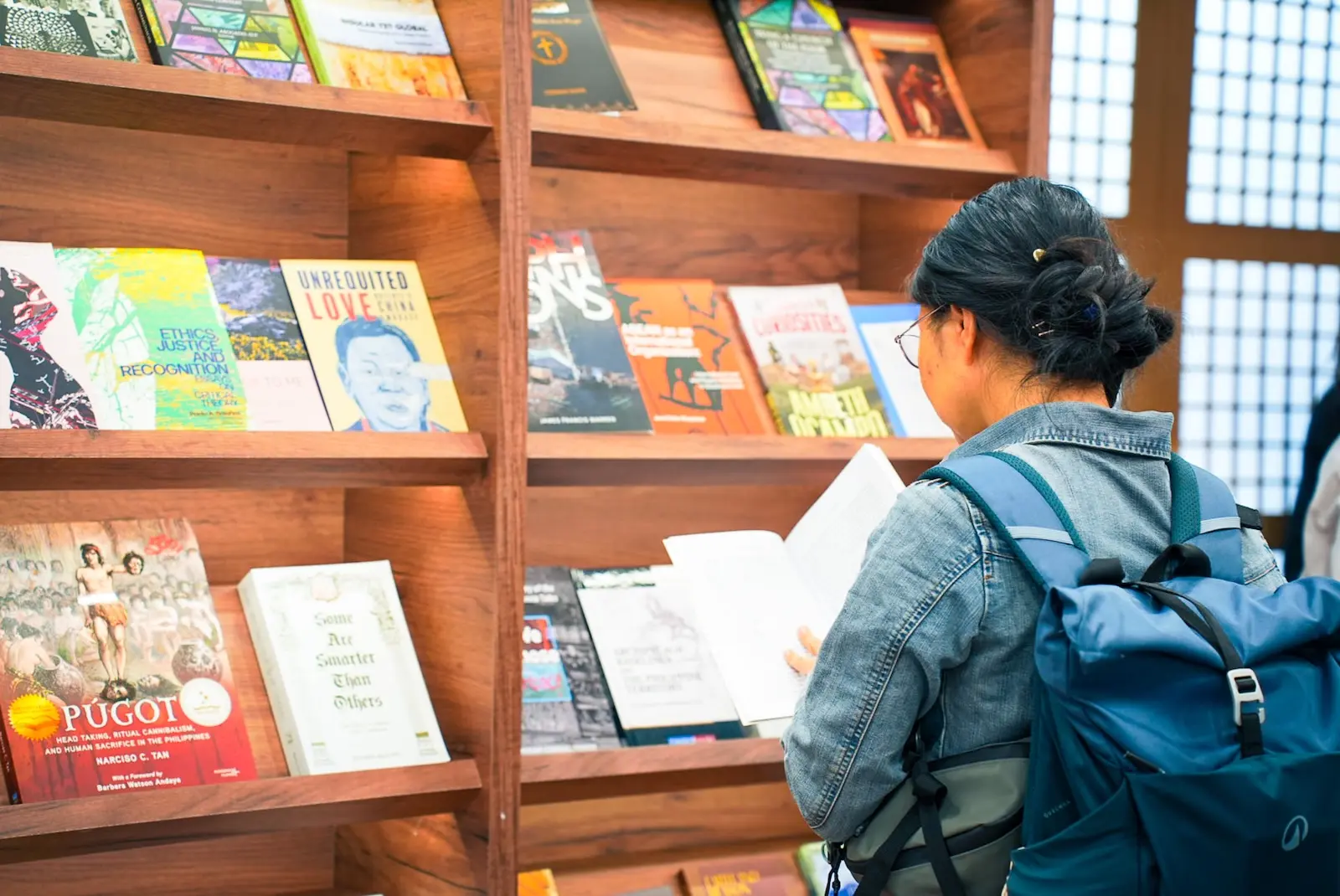
This year, the Philippines was named Guest of Honor at the largest trade fair for books, the Frankfurt Book Fair. The country’s participation — and extensive campaigning that led to a special exhibition pavilion and program — in the book fair was an issue that divided the local publishing industry, as the fair’s stance on the ongoing war between Israel and Palestine has come under scrutiny.
Multiple Filipino authors and publishers have joined the boycott, arguing that the fair’s alleged economic benefits do not outweigh the moral cost of being, in any shape or form, complicit with the genocide. In the piece, our Culture staff writer, Mel Wang, was able to interview the Executive Director of the National Book Development Board, Charisse Aquino Tugade, who insists on the benefits of being on a global platform, something writers like Glenn Diaz dispute.
Read the full story here.
Helm’s Josh Boutwood Feels the Pressure of Winning Two Michelin Stars
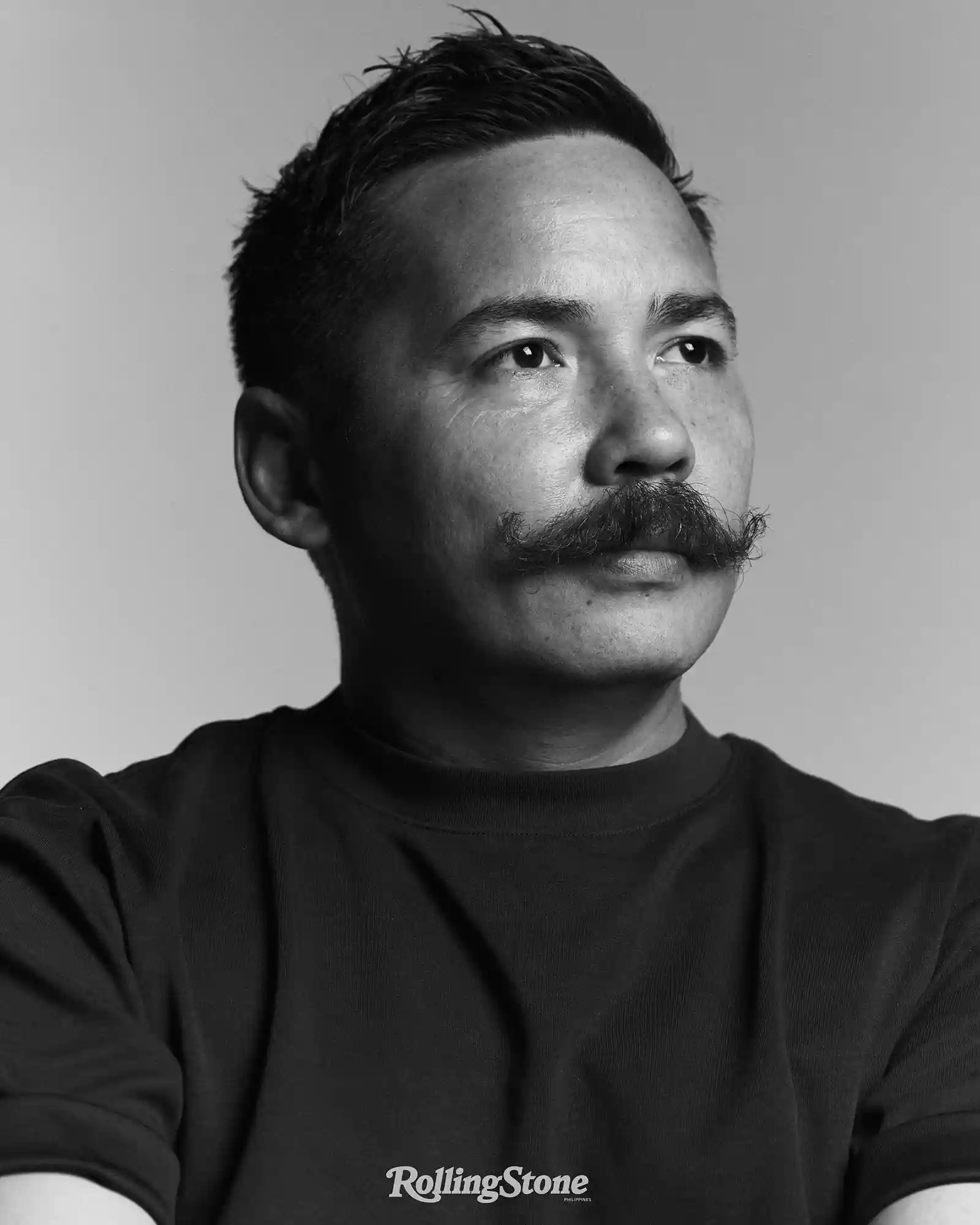
The arrival of the Michelin Guide to the Philippines saw many historic firsts in the local dining scene, among them the shock of the first two-star Michelin restaurant in chef Josh Boutwood’s Helm.
The Filipino-British chef known for concepts such as Ember, Savage, Juniper, and Helm recalled the months, weeks, and days that led to the momentous ceremony — grueling, anxiety- and nightmare-inducing moments that culminated in a few minutes of glory, and then getting back to the grind following the recognition.
In this exclusive interview with Rolling Stone Philippines Boutwood reflects on what it means to be awarded the rare two-star distinction, why he thinks being labeled “the best chef in Manila” is a misnomer, and the reality that comes after getting two stars.
Read the full story here.
Filipinos on the State of Media, and Why They Can’t Stop Doomscrolling

As more and more content battle for our ever-shrinking attention, misinformation is at a high.
Ahead of SONA 2025, Rolling Stone Philippines interviewed Filipinos from across Luzon, Visayas, and Mindanao to discuss how the flood of online content is affecting their lives and their outlook on the world.
While most subjects can sniff out fake news from credible ones, plenty of work needs to be done to make sure fewer and fewer Filipinos fall for misinformation online.
One progress a respondent from Visayas and Mindanao cited is the mainstream media’s efforts to include languages other than English and Filipino to reach more audiences.
There’s also the challenge of making factual reporting easy to digest and well, ready to compete with far more bingeable content that tends to consume most of Filipinos’ time online.
Read the full story here.
State of Affairs
Siargao Tourism is Getting Out of Hand and Residents Are Pushing Back
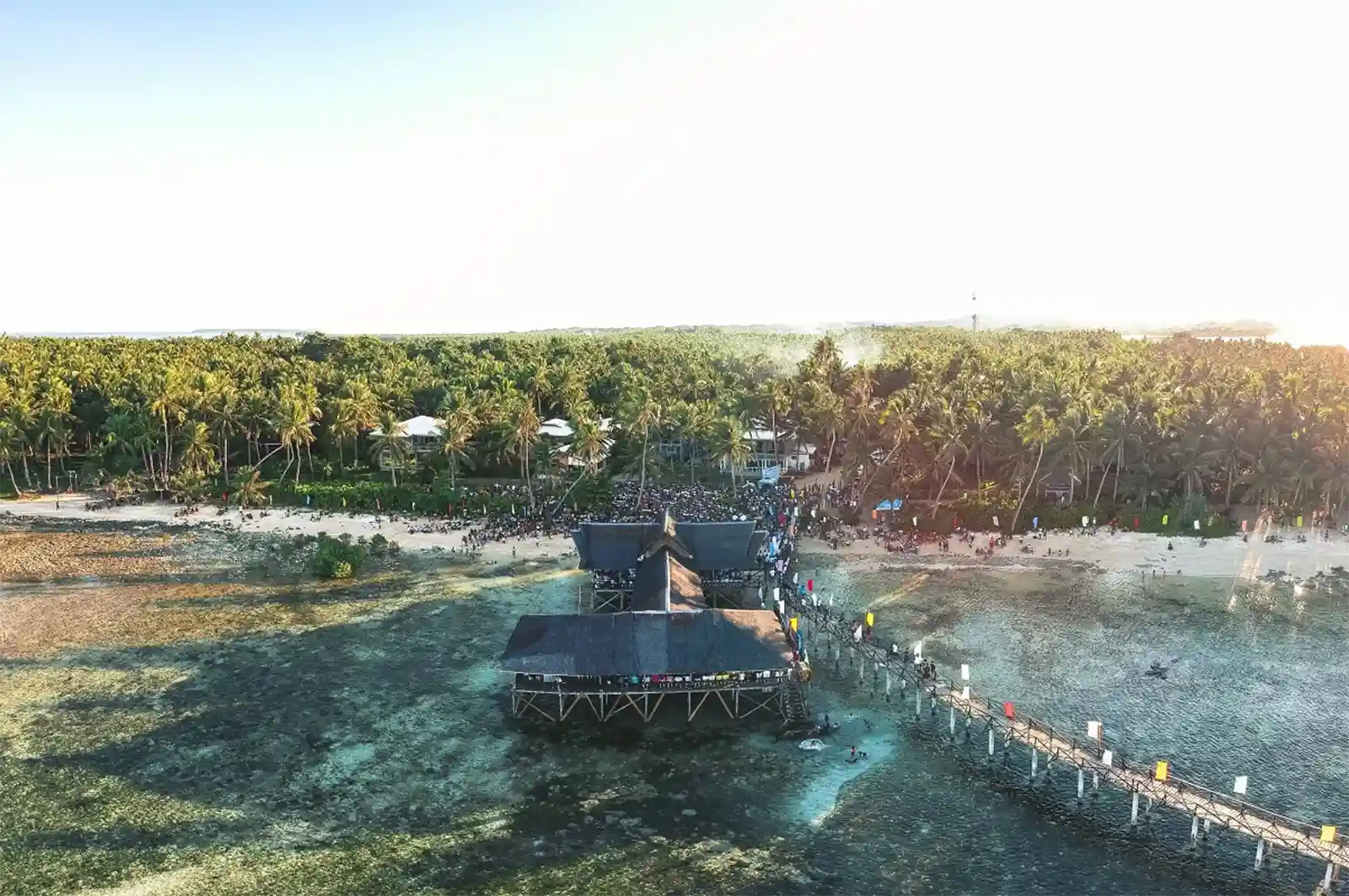
Siargao, known as the Philippines’ surf capital, has seen a surge in tourism, drawing nearly 530,000 visitors in 2023. While the influx promises economic benefits, it has also caused friction between locals and tourists, with reports of harassment, littering, and disrespect toward both the community and the environment. Rising property prices and infrastructure projects linked to tourism have also contributed to the displacement of locals.
In this story, Sofia Nicole de Asis, executive director of Siargao-based NGO Project Paradise Community, talks to our State of Affairs writer Pie Gonzaga about the efforts to address these issues. Since May, De Asis has compiled complaints from locals and business owners, with reported incidents ranging from harassment of transgender locals to environmental damage. Town halls have been held to discuss tourist misconduct and waste management, and NGOs like Lokal Lab and Project Paradise Community are working on sustainable livelihood programs and educational initiatives to support displaced communities.
“Instead of dividing everyone, our goal is to do all of these things so everybody can coexist peacefully,” de Asis said.
Read the full story here.
The Comelec 35 Walked Out to Get a Drink. They Got a Revolution
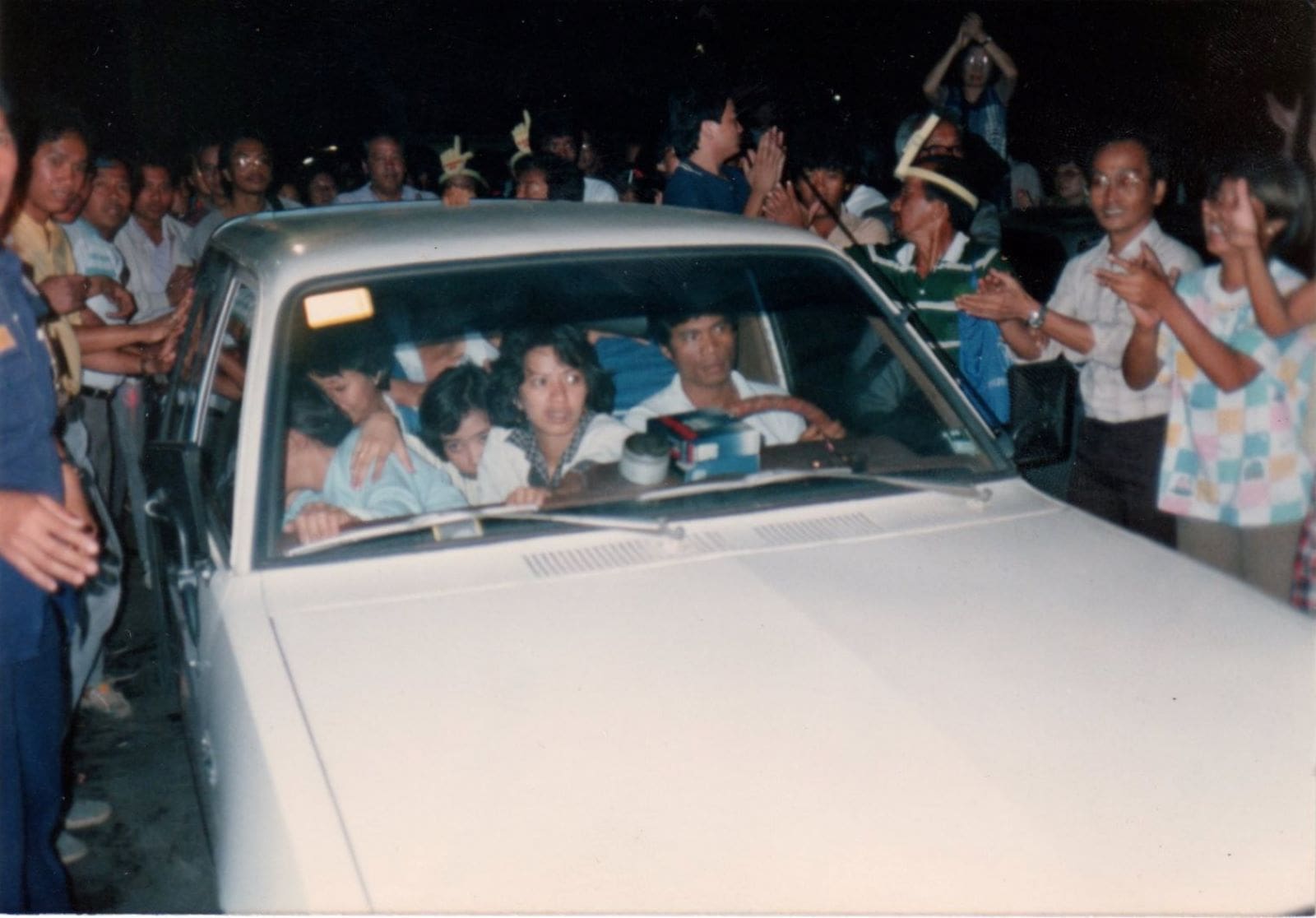
The 1986 presidential snap elections in the Philippines were intended to be a straightforward vote, but discrepancies between tabulated results and the official tally at the Philippine International Convention Center (PICC) quickly raised suspicions. On February 9, 35 employees of the National Computer Center (NCC) walked out of the PICC, intending only to get a drink. Their spontaneous exit, combined with irregularities in vote reporting and growing public unrest, became a catalyst in the events leading to the EDSA People Power Revolution, which ultimately ended Ferdinand Marcos’ dictatorial rule.
Here, three of the NCC employees talk about their roles in the tallying process and the details of the walkout, which to them are still muddy, almost 40 years after the fact. “‘Yong mga kwento [ng iba] up to today, first time I’ve heard it,” said Myrna “Shiony” Binamira. “That’s why we keep seeing each other, because then we learn something new every day.”
Read the full story here.
Four Days in the West Philippine Sea: An Eyewitness Account
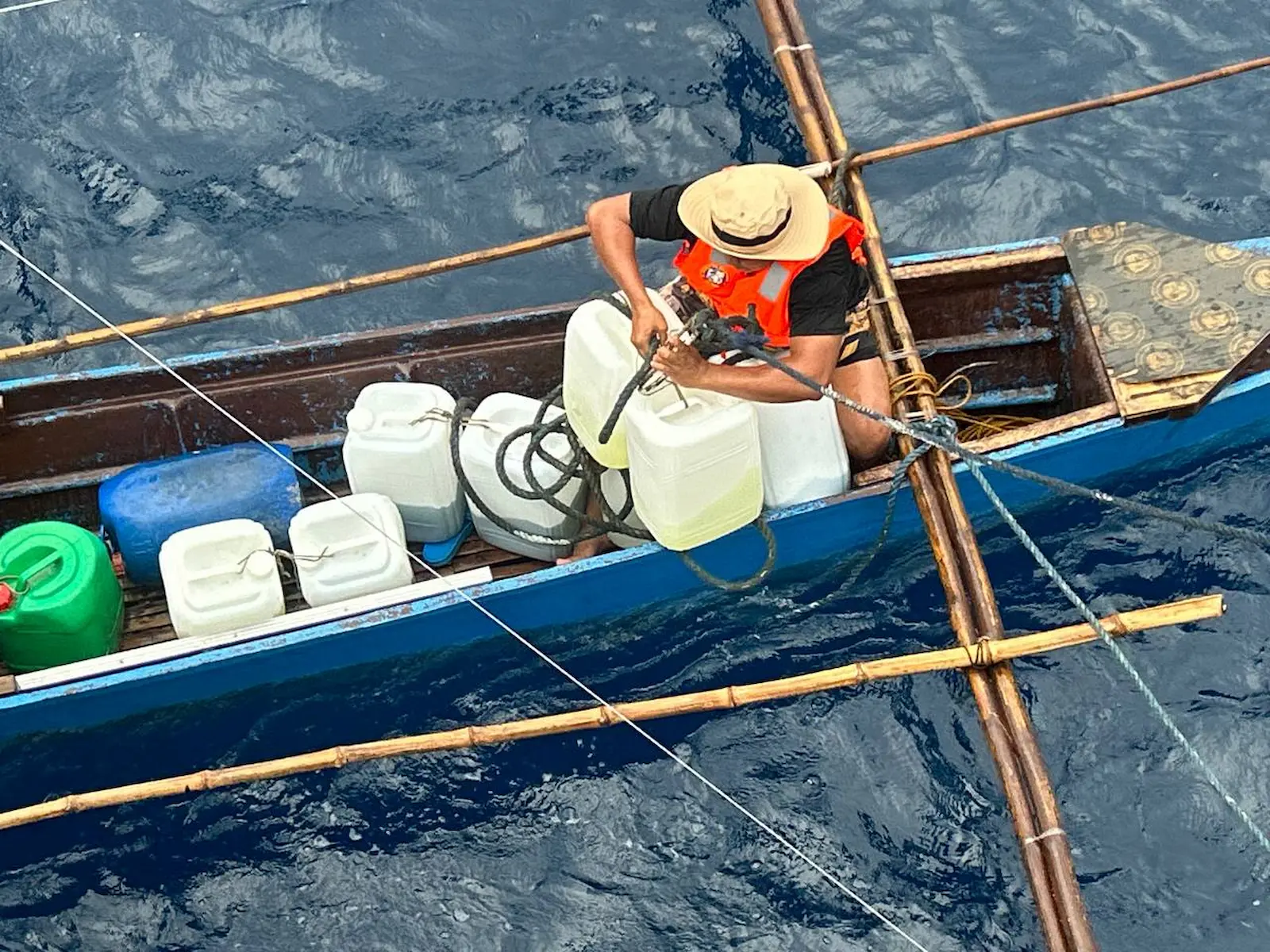
Atin Ito, a civilian-led nonprofit that provides support and supplies to Filipinos at the frontlines in the area, has been doing supply runs in the hotly contested West Philippine Sea in aid of Filipino fisherfolk there since 2023.
In May, it finished its third mission in Pag-asa Island onboard the MV Kapitan Felix Oca after holding a successful send-off concert, the first ever Concert at Sea for Peace, on deck the previous evening.
Atin Ito co-convenor and political science lecturer at the University of the Philippines, Kiko Dee detailed his experience in a first-person account of the four days he and the crew spent at sea.
“We were six hours away from Palawan (around 40 nautical miles, I was told), and the Chinese Coast Guard claimed that we were in their waters,” Dee wrote. “Later that day, I showed a Malaysian fisherman, who was joining the mission in solidarity, a map of our location relative to the Chinese shoreline. ‘Crazy,’ he replied simply. Yet that crazy is what fisherfolk from Palawan face every day to make a living. I imagine most people familiar with the WPS issue are aware of this, but experiencing it first thing in the morning is something else.”
Read the full story here.
Makati ‘Mole People’ Exposé Reveals Social Housing Crisis Among Urban Poor
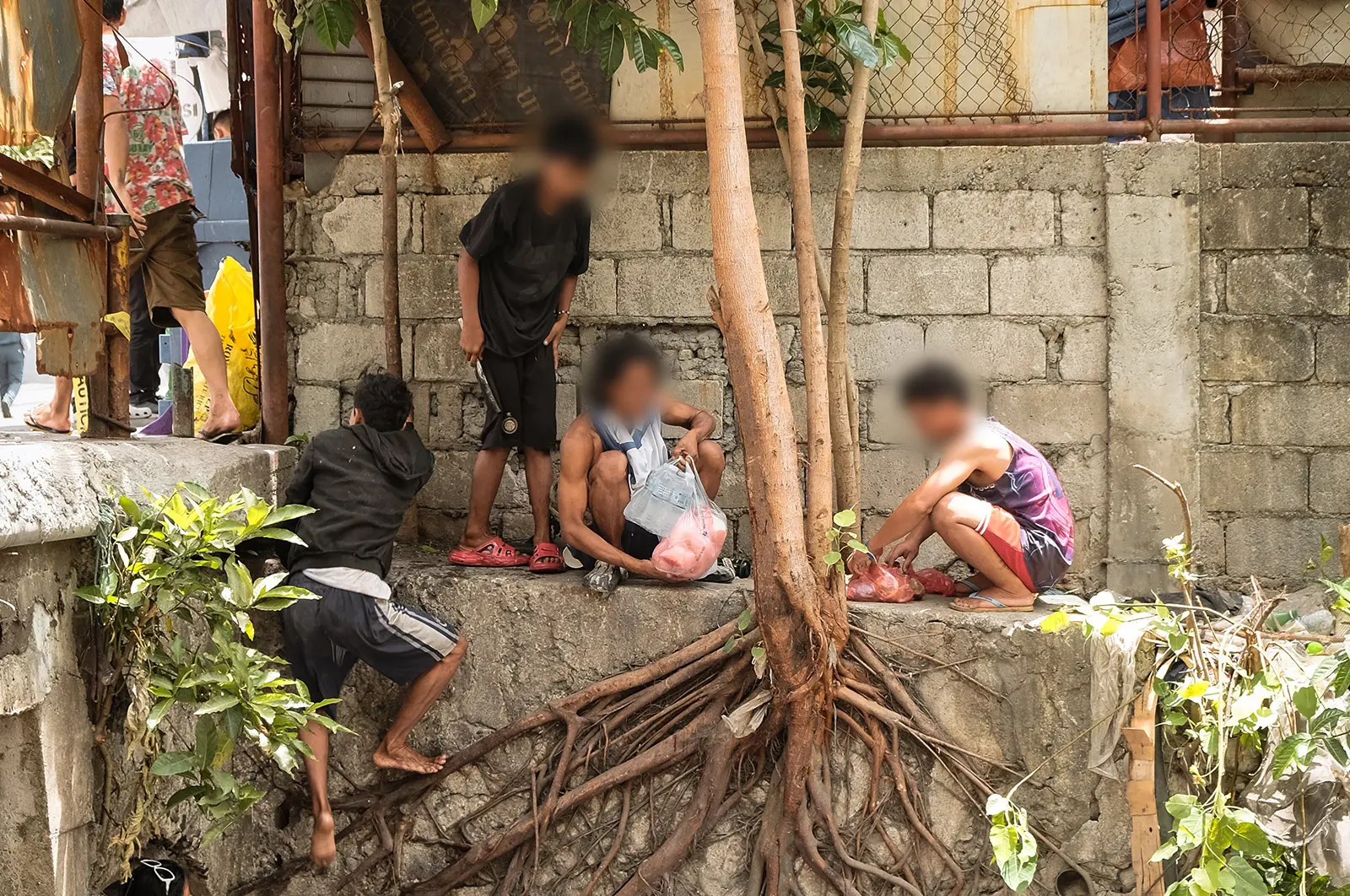
In May, a viral photo of a “mole woman” emerging from a drain revealed a hidden community of unhoused residents living in Makati City’s culverts. The situation highlights broader gaps in socialized housing, as informal workers and low-income families often cannot afford properties priced between P850,000 and P1.6 million. Authorities remain largely unresponsive to the existence of these communities, leaving many urban poor invisible in official housing programs.
In this story, Rolling Stone Philippines speaks with William, the photographer who documented the community of “mole people” living by the culverts. His account details their daily routines, survival strategies, and interactions with authorities. Philippine Resource Center for Inclusive Development’s Arvin Dimalanta also explains how the residents’ circumstances reflect structural issues in social housing, including eligibility requirements that exclude those who do not occupy land or own structures.
Read the full story here.
For Jeff Cagandahan, Intersex Filipinos Don’t Need Fixing. They Need to Be Seen
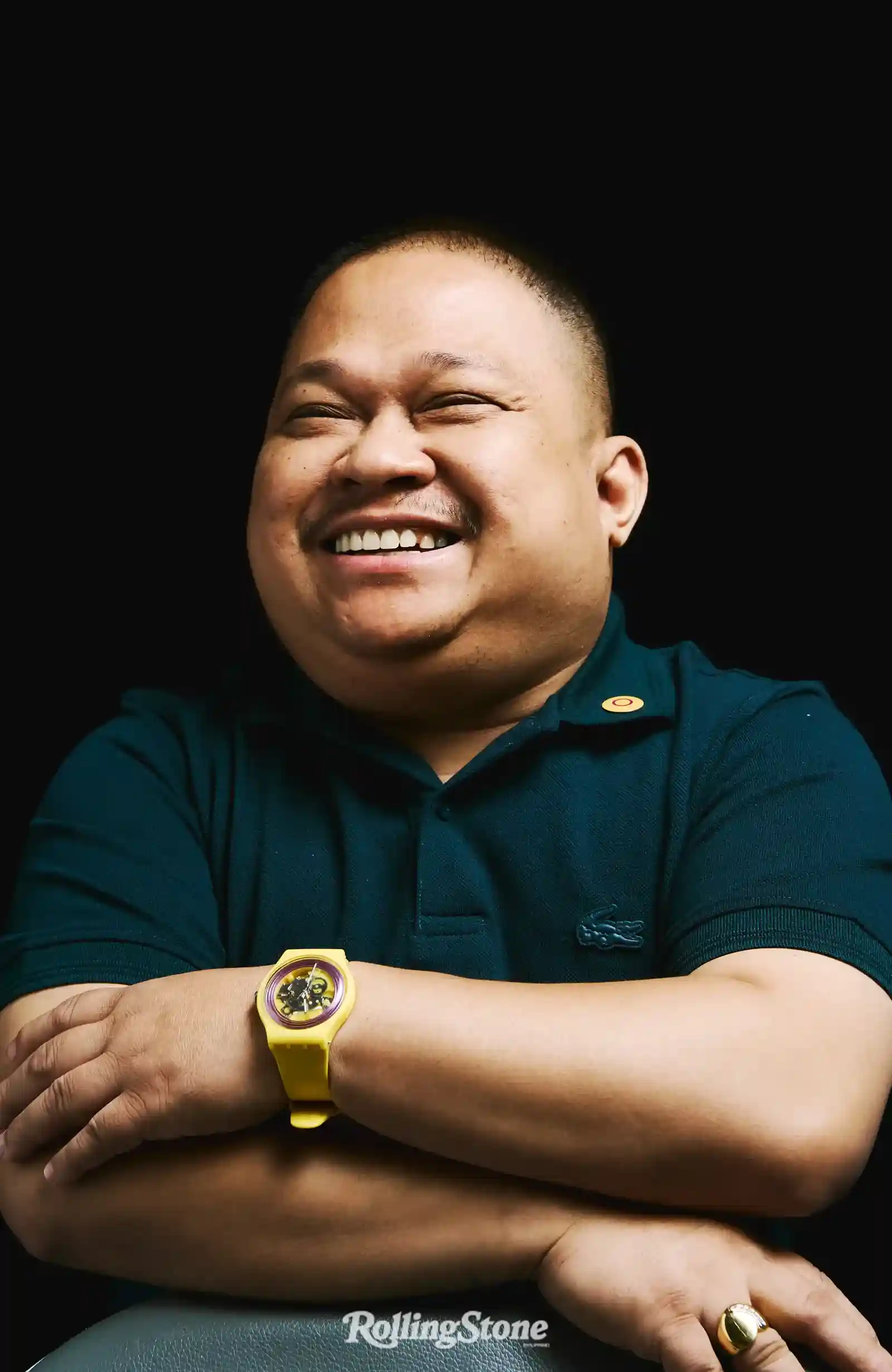
Intersex Filipinos remain largely invisible in national policy, with no formal population count and limited public or medical understanding of intersex variations. Intersex activist Jeff Cagandahan has spent more than two decades pushing for recognition and support, becoming a central figure after the Supreme Court affirmed his petition in 2008 to change his sex and name on his birth certificate. His experience reflects wider issues facing intersex people in the Philippines, from medical neglect and harmful misconceptions to legal barriers in accessing gender recognition and social protection.
In this interview, Cagandahan talks about his experiences growing up intersex, navigating a years-long judicial process, and becoming an advocate. He discusses founding Intersex Philippines, the push behind the Cagandahan Bill, and the gaps in the country’s healthcare system that leave intersex individuals without proper support. Here, he points to how visibility, education, and updated policies are necessary for intersex Filipinos, who have long been overlooked by institutions.
Read the full story here.
Should Divorce Be Legalized in the Philippines?

In the Philippines, a Catholic-majority country, the topic of divorce is, at best, contentious and, at worst, taboo.
In February, we ran a poll asking readers if they thought divorce should be legalized in the Philippines. 118, or 98 percent, voted yes while only 2 voted no. But despite how good these numbers might look for divorce bill advocates, bigger surveys show that they have more minds to change.
And even in those circles in favor of divorce, agreement doesn’t always translate to numbers, especially when it matters. Divorce For The Philippines Now (DIPi), a Facebook group with over 33,000 members, which serves as a space for individuals to express grievances about their marriages, only saw 30 members at the Senate gates on January 21 to meet with lawmakers and stage a rally. Members like Lou Baltazar, who had come from Bicol, lamented the lack of dedicated advocates. “Kung nakikita mong marami kami, sabi pinagmamalaki 33,000 members. Saan?” she said.
Read the full story here.
Philippine Forests are Dying Under the Guise of a ‘Multi-Stakeholder’ Approach
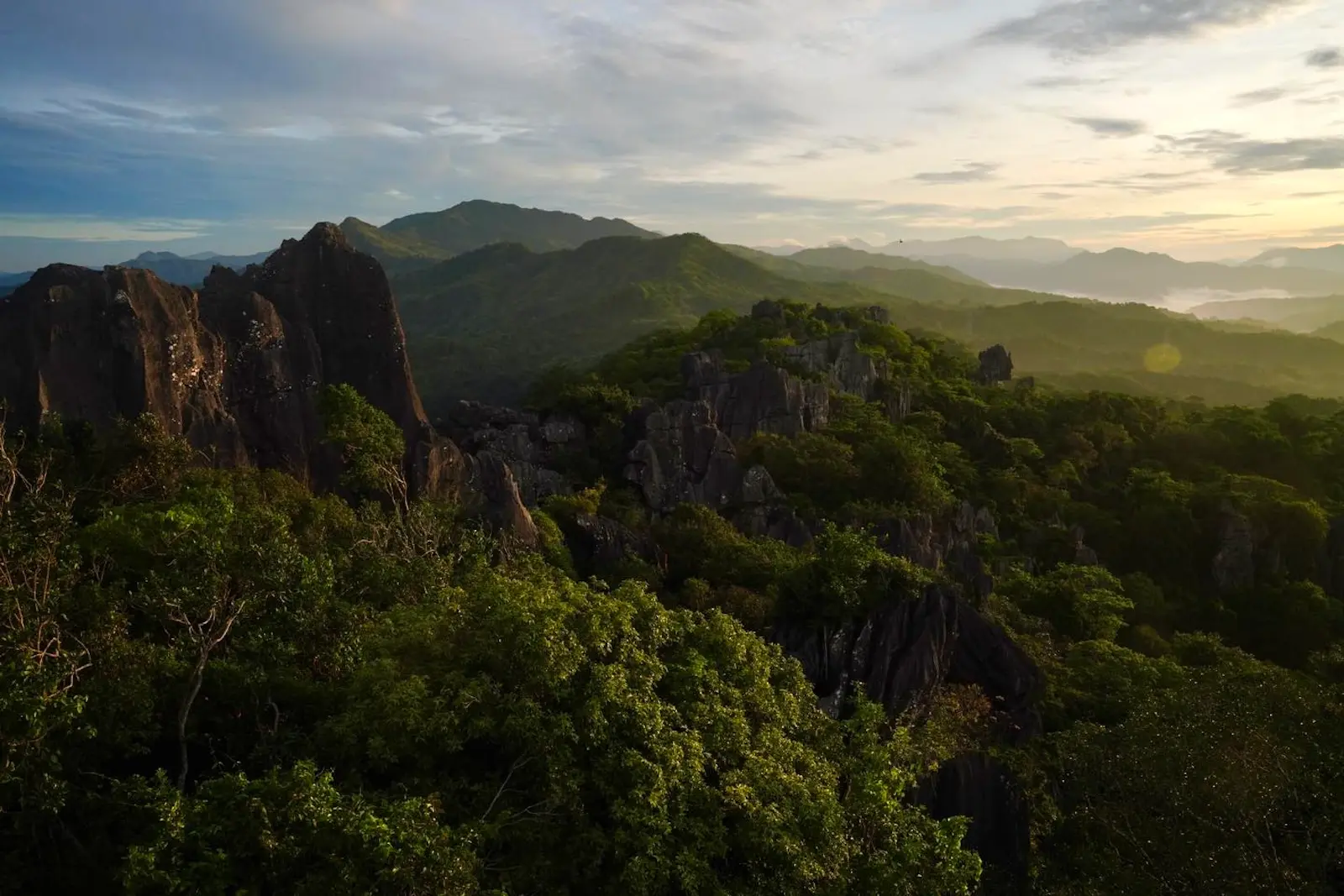
In March, the Department of Environment and Natural Resources (DENR) canceled its 23-year-old contract with Masungi Georeserve developer Blue Star Construction Development Corporation due to failure to execute the contracted government housing project and other violations.
The move threatened to undo decades of conservation efforts that Masungi has set into action to restore nearly 2,700 hectares of degraded forestland around Rizal.
Masungi Georeserve co-founder and managing trustee Ann Dumaliang wrote an impassioned piece addressing the risks that may emanate from the cancellation of their joint venture agreement with DENR.
She wrote, “This is how the phrase ‘multi-stakeholder approach’ has been stealthily attacking us. Instead of being an authentic form of democratic participation, it has created a system where illegal occupants get an equal voice alongside legal conservationists. It has become an umbrella term, a cover for greenwashing on a national level.”
Read the full story here.
For Filipinos, The State of Transport is a Matter of Time, Cost, and Survival

From cyclists in Makati to jeepney riders in Cebu, we talk to four commuters on the occasion of President Ferdinand Marcos Jr.’s fourth State of the Nation Address, about how they navigate a daily crisis shaped by inequality, poor planning, and the absence of long-term vision.
Despite the administration’s banner infrastructure program, “Build Better More,” many Filipinos are still left behind in terms of access. Respondents note the prevalence of car-centric cities and inefficient mass transport systems. Even the introduction of modern jeepneys hasn’t solved deeper structural problems.
One interviewee from Bacolod said, “It takes me an hour to get home if I’m riding the jeep. Sometimes you have to choose between spending your money or spending your time.”
Read the full story here.
Rage From the Mendiola Protests, According to Photojournalists
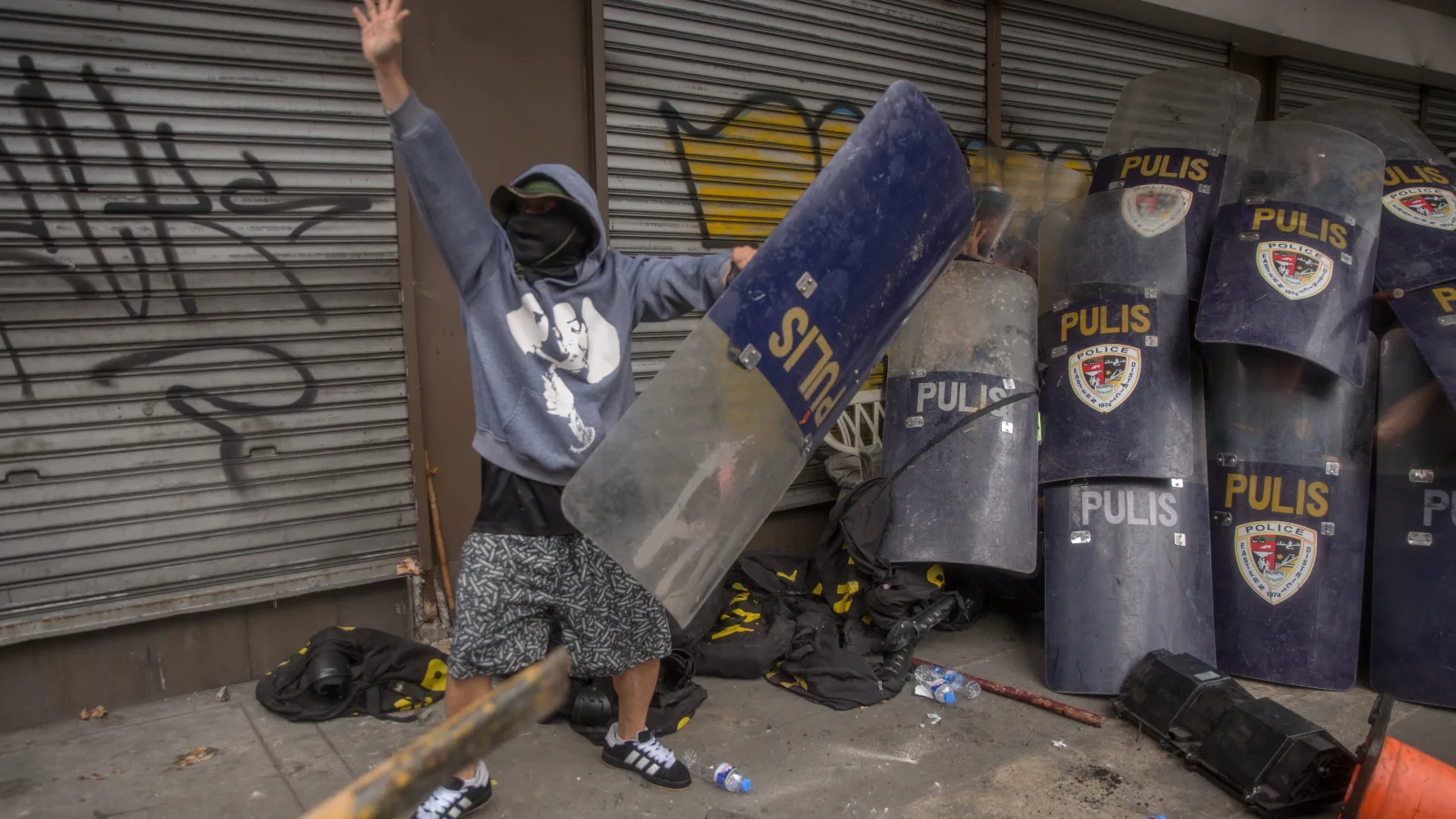
September 21 marked one of the most politically divisive moments for Filipinos in 2025, as protesters took to the streets against corruption in government flood control projects. The scandal first came to light during a Senate Blue Ribbon Committee investigation in August, which found that 20 percent of flood control projects — totaling P100 billion — were awarded to just 15 contractors. Politicians, including former House Speaker Martin Romualdez and Senators Jinggoy Estrada and Bong Go, among others, have also been linked to the scandal, prompting Filipinos to demand accountability.
While much of the September 21 rallies were peaceful, violence erupted along Mendiola Street as protesters faced tense confrontations with riot police. Award-winning photojournalist Ezra Acayan bore witness to these events, recounting to Rolling Stone Philippines how, in their profession, they had seen this type of anger building for many years.
“Kagabi, naging witness ako doon sa violent way ng pag-protest ng mga bata,” Acayan said. “Pero for many years of my career, naging witness din ako ng violence ng government natin.” Raffy Lerma, another photojournalist who extensively documented former President Rodrigo Duterte’s war on drugs, believes the rage felt by protesters at Mendiola was a rational response.
“We’re speaking of billions and billions of pesos. Maybe umabot na rin ng trillions for so many years,” Lerma stated. Is it justified? ‘Yung galit? Definitely.”
Read the full story here.
‘Mother of All Scandals’: Winnie Monsod Weighs in on Flood Control Mess

Former National Economic and Development Authority (NEDA) Director and broadcaster Winnie Monsod spares little criticism for legislators flaunting luxury watches, institutions that evade accountability, and a system that still leaves ordinary citizens picking up the burden of oversight.
Being no stranger to corruption scandals as a fixture in Philippine economics and governance, she considers the flood control ghost project to expose the “mother of all scandals.”
“It shows a vivid picture of the depth and the breadth of corruption in the Philippines involving the legislature,” she said in an exclusive interview. “I mean, it’s the largest we’ve had, other than, of course, during the time of Ferdinand Marcos Sr., when the whole economy was affected. It’s rather striking that the biggest scandals occur in Marcos administrations.”
Read the full story here.
Music
Morobeats is the Rap Collective Giving Filipino Anger a Soundtrack

One of the voices to emerge from the Trillion Peso March in Luneta Park as a response to billion-peso-worth corruption scandals on September 21 was Mindanao rap collective Morobeats.
What started as a guerrilla shoot at a construction site has become a protest anthem, “Anak Ka ng Pu!” dropped on the day of the protests, giving the anger and pent-up rage of fed-up Filipinos a soundtrack.
In this interview, Morobeats founder DJ Medmessiah reflected on the significance of their Luneta Park performance in front of a massive crowd on the anniversary of martial law.
“You know, from September 21, mas nagkaroon siya ng mukha, yung mga sinasabi namin,” Medmessiah said, alluding to how many hip-hop artists today are preoccupied with songs about flex culture or drugs. “Dati, we were battling [against those concepts]. But [those rappers] are not our enemies. We’re trying to influence them to speak out more about our country.”
Read the full story here.
Filipino Musicians and the Uphill Battle of Going ‘Global’

Across the board, Filipino music saw an upward trajectory in 2025 with major and independent artists being booked for shows abroad. Yet despite this hard-earned recognition, maintaining visibility remains an uphill battle for even the most decorated musicians.
Music writer Elijah Pareño spoke to Lorenzo Landicho, creative director of Eastern Margins, a London-based label and collective, and Audry Dionisio, general manager of Manila-based label Offshore Music, about what stakes are at play for Filipino representation, and how local artists can benefit from more cross-pollination in Asia, instead of always leaning back on Europe or the United States.
“We need solidarity that isn’t just symbolic, but structural,” Dionisio said. “Cross-country collaborations, resource sharing and the refusal to compete for scraps from a global table that wasn’t set with us in mind… We need to stop waiting for us to be invited in, and start building the house ourselves.”
Read the full story here.
Shanti Dope on Spirituality and Life After Rehab

Having found fame and notoriety at an early age, Shanti Dope, the prolific rapper behind hits like “Nadarang,” “City Girl,” and “Amatz,” now 24, reckons with the highs and lows of his hard-earned fame in this episode of The Rolling Stone Philippines Interview.
He bares all in this interview, where he opens up about undergoing a rehabilitation program. “Na pa trip ako ng kung anu-ano,” he confessed. “Noong panahon bago ako dalhin sa rehab, sobrang lala ko na rin e. Kung ano-ano na ti-ne-take ko para makatulog.”
The rapper reflects on the disillusionment he grappled with, following the lifestyles of those he looked up to, and the lows he’s gone through to distract himself from both the loneliness and pressures of his high-profile career.
Read the full story here.
How Bad are the Lyrics on Taylor Swift’s ‘The Life of a Showgirl’?

In her latest album, The Life of a Showgirl, Taylor Swift has undeniably fallen from grace as a lyricist.
Before The Life of a Showgirl, Swift released 11 studio albums, with each one seeing her play and experiment with a variety of genres. She has either written or co-written all of her major albums: Fearless, 1989, Red, the list goes on. While Swift herself has been heavily scrutinized by the public eye for her relationships, pivot from country to pop, and meteoric rise to fame as an entrepreneurial-minded pop star, she has always been, at her core, a capable songwriter. “[Songwriting] is the purest part of my job,” Swift said in an interview with Harper’s Bazaar. “It can get complicated on every other level, but the songwriting is still the same uncomplicated process it was when I was 12 years old.”
Well, in The Life of a Showgirl, it’s difficult to see where this love for songwriting has gone.
Read the full story here.
Run Clubs are Organizing ‘Coffee Raves,’ and Not Everyone is on Board

Forget run clubs being the new dating app — they’re the new [daytime] raves, where runners meet for coffee and electronic DJ sets.
This is part of a global phenomenon of “coffee raves” — a loosely defined scene mixing endorphin highs, caffeine spikes, and dance music in early morning gatherings from all over the world. Coffee raves are billed as wellness events, post-run community builders, and ways to repurpose the clubbing experience for a generation more obsessed with Strava stats than sunrise hangovers.
But the rise of wellness-centered raving, sponsored or otherwise, our music staff writer Elijah Pareño writes, raises questions about what it means to “party” now. What is the new rave, and who is it really for?
Read the full story here.
In Tacloban, a DIY Music Party Renaissance Takes Shape
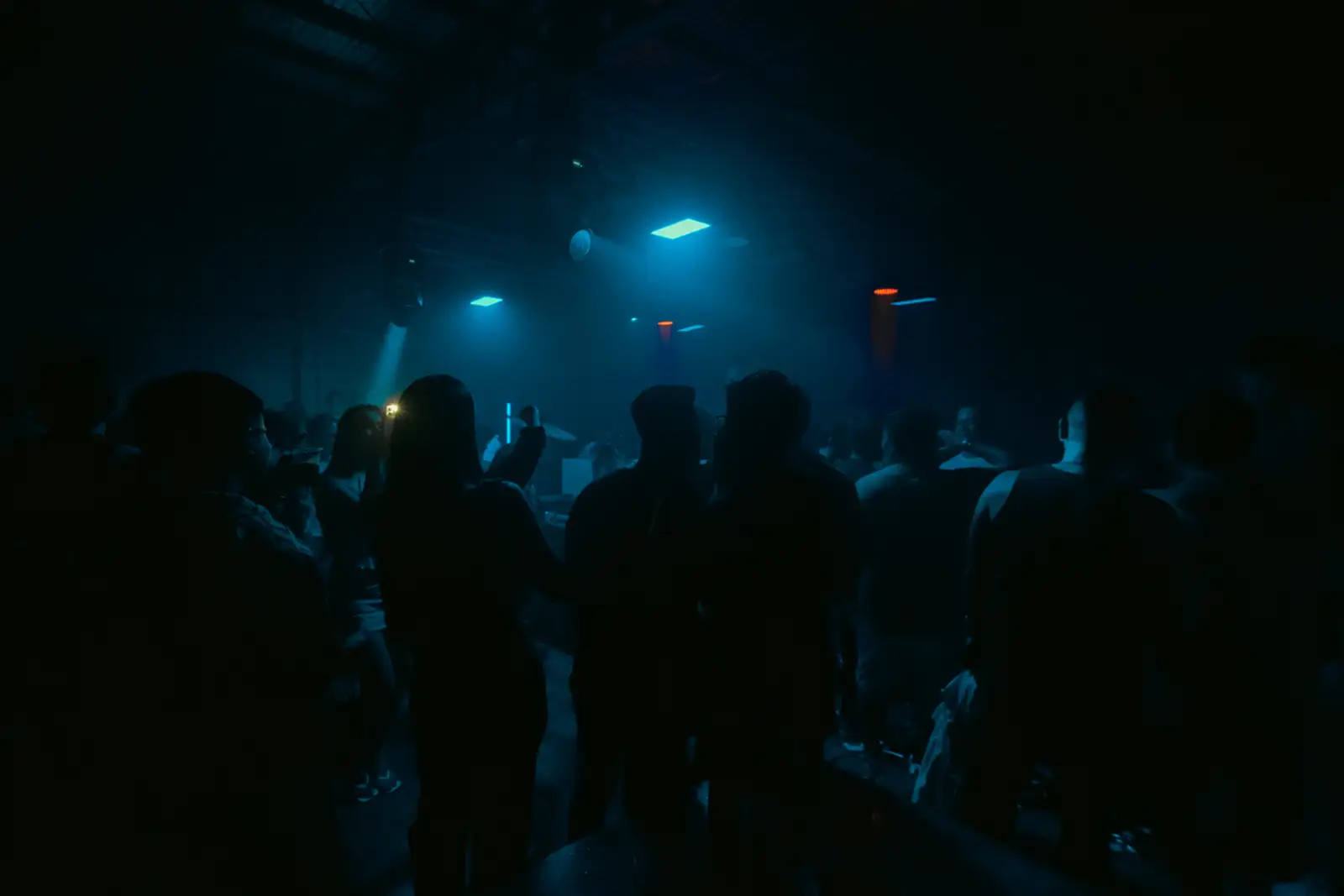
In the aftermath of Supertyphoon Yolanda in 2013 came a resurgence of Tacloban’s nightlife through DIY culture. Counterculture gigs like the bi-monthly DIY music party Now.here have electrified Tacloban, along with a string of community-driven events such as bi-weekly DJ sets ranging from deep house to nu-disco and an impromptu set in a leaky-roofed warehouse headlined by European DJs.
Writer Pauline Arnould notes of the city’s burgeoning counterculture, “The energy building here suggests that countercultural scenes are no longer confined to the country’s largest urban centers; they’re expanding into smaller cities, quietly reshaping cultural landscapes along the way.”
Read the full story here.
Filipino Artists on the State of Music, and How the Industry Isn’t Built for Them

Artists from Luzon, Visayas, and Mindanao broke down the realities of working in a music industry that still refuses to treat their labor as a profession. This investigation in particular traces how musicians outside Manila continue to build scenes with little state funding, inconsistent pay, and platforms that favor virality over craft.
Voices like Shoplifters United’s Ahmad Tanji, Pawn Records’ Libya Montes, and indie
musicians from Cebu, Davao, and Cagayan de Oro described how inequity shapes everything from live shows to royalties to the very notion of sustainability. The result was a portrait of a country rich with talent but short on support.
Amid tightening algorithms and uneven cultural policy, the stories from these artists shared a frustration across the entire archipelago: Filipino musicians are struggling because the system powering the industry has never learned to hold them up.
Read the full story here.
For Filipinos, Keeping a Music Venue Alive Means Clutching at Straws

Venue owners and organizers across the country spent 2025 fighting to keep their doors open. Grassroots music spaces showed just how fragile the live circuit has become: Rising rent, expensive equipment, and the absence of cultural funding pushed small venues into survival mode, even as they continued to nurture the communities that rely on them.
From Mow’s Bar in Quezon City to Sining Shelter in Parañaque and Viajero Café in Cagayan de Oro, each story highlighted the same tension: passion fuels the scene, but passion doesn’t pay rent in return. Organizers described a grind held together by favors, volunteer labor, and a belief that music venues are cultural infrastructures that could foster many different scenes in the years ahead.
The “venue crisis” discourse made one thing clear. The future of independent music won’t depend on how many artists the country produces, but on whether enough spaces exist to let them be heard.
Read the full story here.