

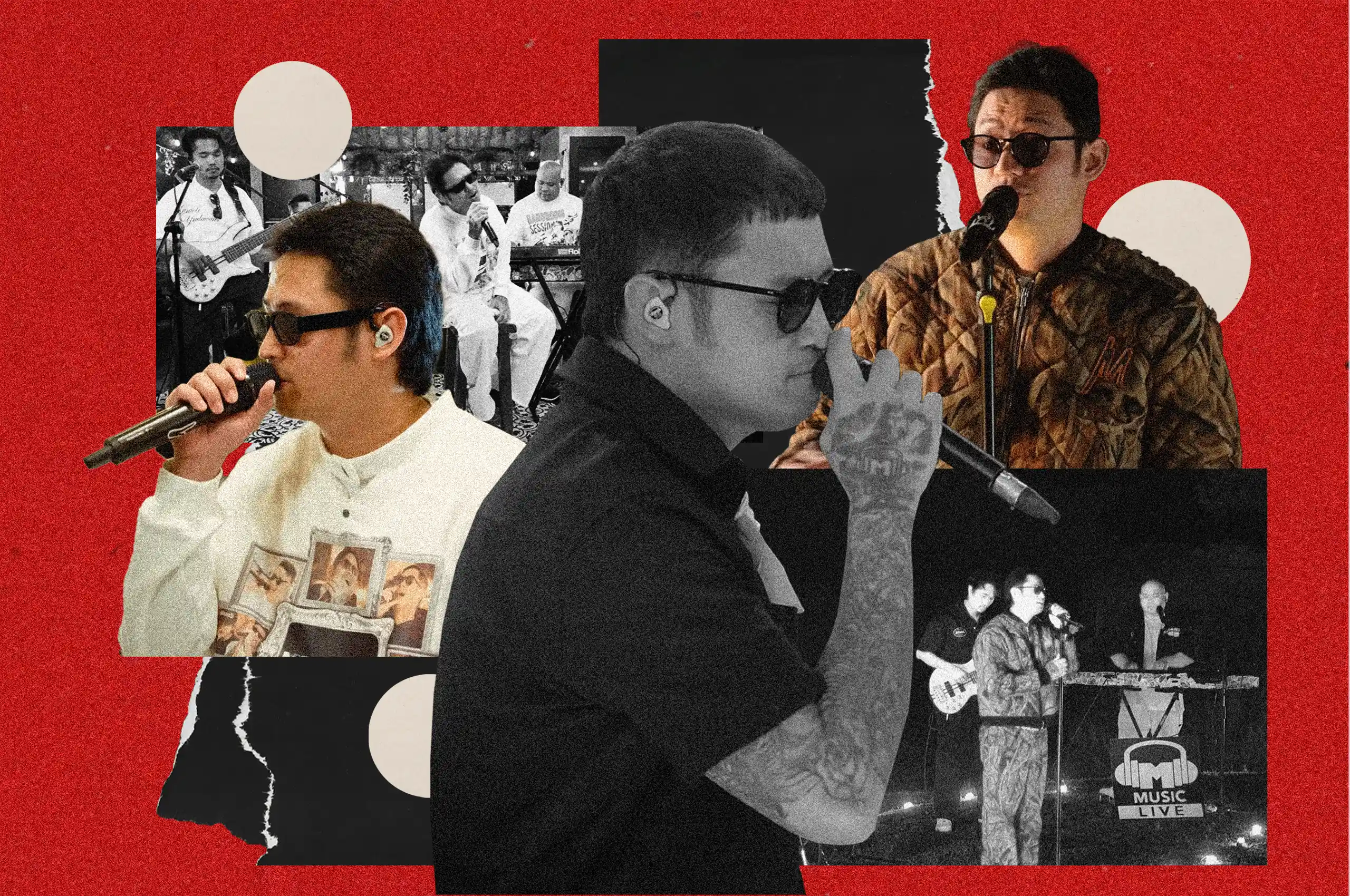
Michael Pangilinan, also known as Khel Pangilinan, has become a kind of patron saint of Filipino love song covers. He is a recurring presence in Filipino-focused reaction channels online. The singer-songwriterSinger-SongwriterA musician who writes and performs their own songs, usually with just a guitar or piano. Singer-songwriters are valued for honest, personal storytelling, and many of the most beloved voicesGo to Singer-Songwriter Glossary, best known as the first runner-up in the second season of Your Face Sounds Familiar, gained recognition for his R&B-leaning vocals through his 2014 hit “Pare, Mahal Mo Raw Ako” and as a member of the trio BuDaKhel alongside singers Bugoy Drilon and Daryl Ong. His appeal may partly explain the sustained foreign interest in Filipino vocalists, but his talent has long been anchored in a charisma that is instantly likable from the moment he begins singing.
Pangilinan amplified his image through accessible platforms, particularly YouTube. Covers rarely dominate Spotify in the same way. But his second Spotify profile, where he uploads his covers, with over 1 million monthly listeners, disproves this. His presence is strongest in intimate, everyday spaces — small groceries, barbershops, mall karaokeKaraokeA sing-along pastime in which people perform popular songs over instrumental tracks, known in the Philippines as videoke. A staple of parties, fiestas, and family gatherings, it is a sharedGo to Karaoke Glossary displays — where his performances of songs like “Bakit Ba Ikaw,” composed by Vehnee Saturno, or his cover of Sam Smith’s “Lay Me Down” continue to draw listeners and reaction channels alike.
Reactions and Build Ups
Pangilinan occupies a curious space. His performances often emphasize the art of covering a song, foregrounding vocal technique more than adhering to the source material. His first YouTube upload, a cover of Justin Bieber’s “Love Yourself,” was posted in January 2016, shortly after his competition stint, which boosted his popularity. That same year, he released a self-titled album of original songs, though those releases are less remembered than his covers.
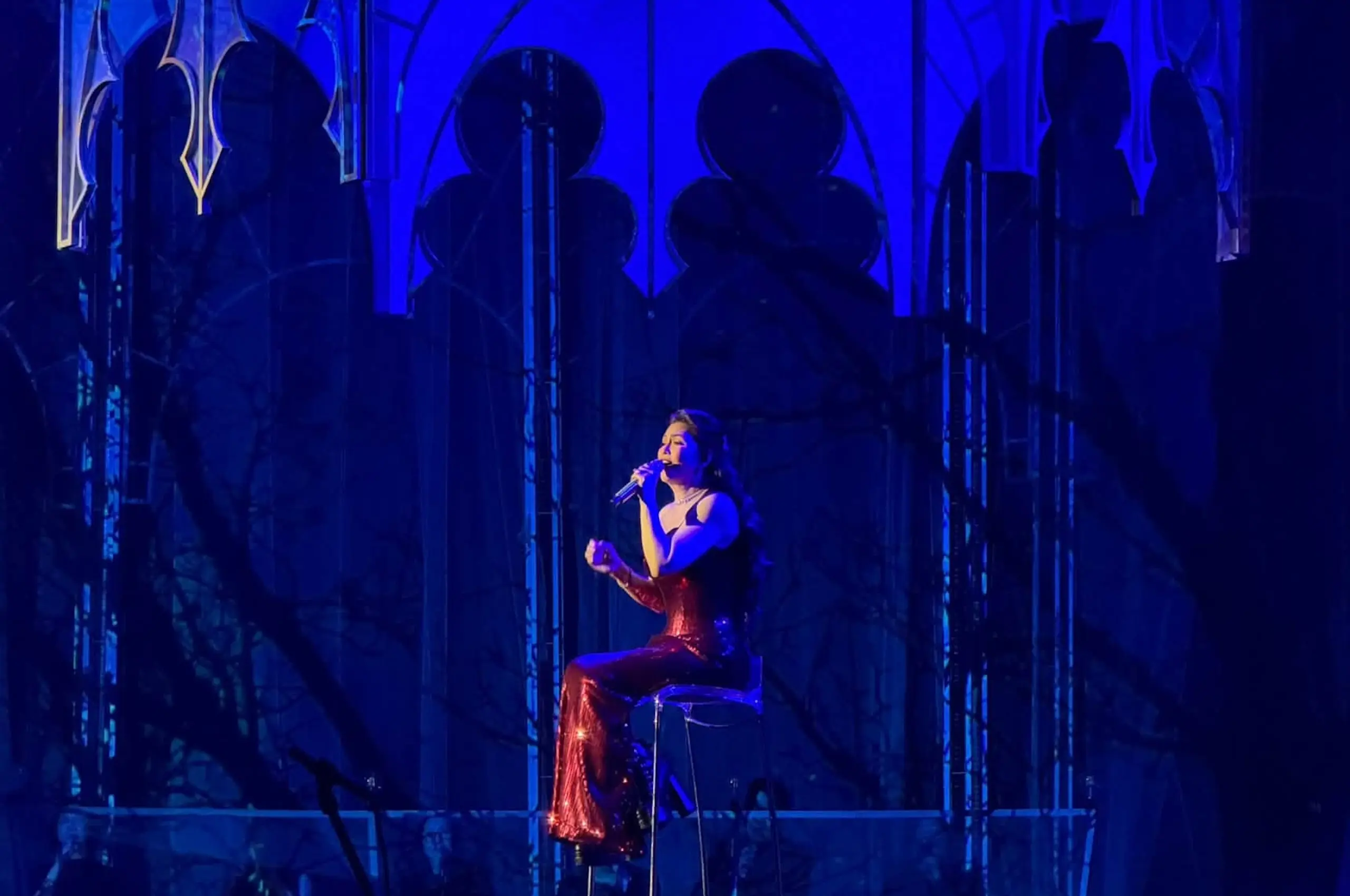
At first, Pangilinan did mall tours, appeared in brand deals, and performed in BuDaKhel shows, eventually caving into a red-lit stage aesthetic and covers ranging from Usher to Sam Smith and Brian McKnight in 2018. However, the pandemic slowed that momentum, prompting him to shift toward more casual uploads.
Reaction channels were able to amplify his presence as a cover artist. Pre-pandemic, his view counts climbed steadily, bolstered by appearances on platforms like Wish 107.5. The numbers suggested something larger than niche popularity, even if difficult to categorize.
Behind the Cover’s Success
Saturation is what sets Pangilinan apart from his contemporaries. His voice exists in the in-between spaces of daily life. Walk into a neighborhood salon, a hardware store with a TV mounted in the corner, or a café running YouTube through a Bluetooth speaker, and there’s a strong chance a Pangilinan cover will play as an accompaniment, a daily soundtrack.
That ubiquity has shaped a kind of cult status in terms of repeated listens. His BandRoom Sessions on his YouTube channel, which often stretch past the 20-minute mark, reinforce that presence. The videos are long-form showcases of stamina, uploaded consistently enough to keep the algorithmAlgorithmA set of rules a platform uses to decide what content appears in your feed, search results, or recommendations. Algorithms shape which songs, stories, and opinions get seen, and theyGo to Algorithm Glossary fed. While many of his peers strategize for collaborations, Pangilinan floods the online sphere with material of his own. What separates him from most dime a dozen cover artists is his flexible R&B vocal stylings, getting away with conversational phrasing and soul-infused melodies.
In the Filipino love song cover context, listeners want songs delivered with heightened vocal performances. Pangilinan fits that demand precisely.
His mass appeal is rooted in palatability. Pangilinan rarely alienates his audience. The live band arrangements stay close enough to the original to remain recognizable, yet his vocal runs provide the spectacle for the general public. For reaction channels, it’s obvious content baiting. For businesses curating mood through background music, it’s completely inoffensive to play in public. That balance allows him to surpass other singers who may have stronger visual branding or chart hits but lack the same volume of circulating material.
In that sense, the Pangilinan phenomenon is infrastructural. Most of the songs he covers are already established hits, be it a local Filipino fan favorite, Shamrock, or a boy band cut from O-Town. He rarely introduces unfamiliar material, and there are few instances where his versions have outright eclipsed the original in mainstream reach. Instead, he works within songs that are already household favorites.
In the context of Filipino love song covers, listeners want songs delivered with heightened vocal performances. Pangilinan fits that demand precisely. His catalog grows not through one definitive cover that replaces the original, but through steady accumulation. In that accumulation, his longevity has extended in the grander scheme of things. He is everywhere because he is uploaded to every easily accessible location.
Frequently Asked Questions
Michael Pangilinan, also known as Khel Pangilinan, is a Filipino singer-songwriter and first runner-up in Season 2 of “Your Face Sounds Familiar.” He gained recognition through his 2014 hit “Pare, Mahal Mo Raw Ako” and as a member of the trio BuDaKhel.
Pangilinan’s second Spotify profile, dedicated to his covers, has over 1 million monthly listeners, an unusual feat for cover content. His performances are frequently played in everyday spaces like groceries, barbershops, and cafés, giving him sustained ambient exposure.
Pangilinan is known for covers including “Bakit Ba Ikaw,” composed by Vehnee Saturno, and Sam Smith’s “Lay Me Down,” alongside artists like Usher and Brian McKnight, typically staying close enough to originals to remain widely recognizable.
BandRoom Sessions are long-form videos on Pangilinan’s YouTube channel, often stretching past 20 minutes, showcasing his vocal stamina and R&B-leaning style through consistent uploads that keep his content actively circulating online.
The pandemic slowed Pangilinan’s momentum from mall tours, brand deals, and BuDaKhel performances, prompting him to shift toward more casual, frequent uploads, a change that ultimately helped sustain his presence through reaction channels and algorithm-driven visibility.
Recommended Video