

From the cobbled streets of Vigan to the storied walls of Intramuros, heritage lives in the architecture that stands as memory made visible. Across cities and provinces, preservation has become an active commitment to sustaining history with care.
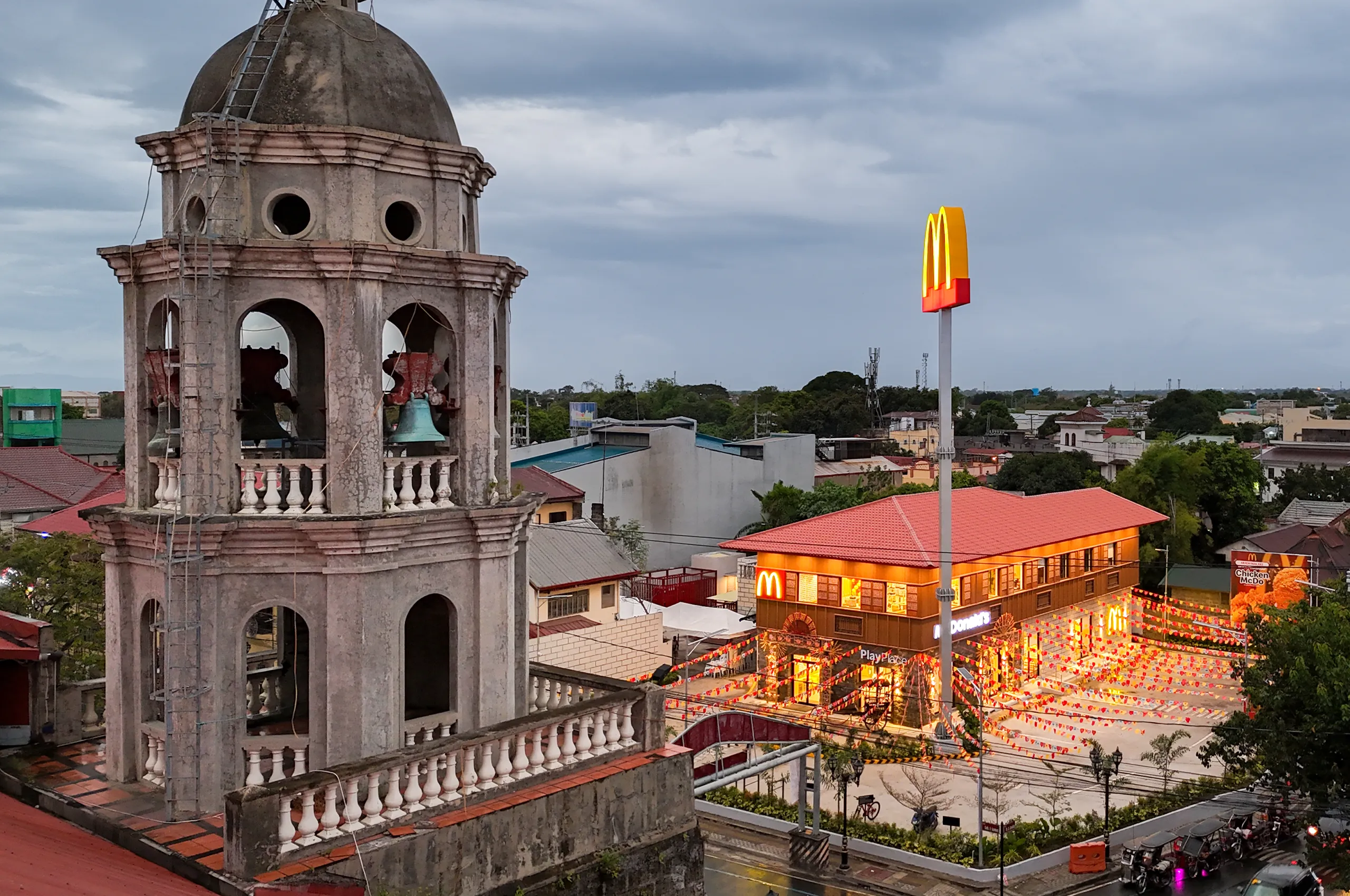
For many Filipino families, heritage and culture come together in many unexpected ways. McDonald’s Philippines has become part of that shared memory, its red and yellow arches as familiar as the sari sari store on the corner. Today, those spaces intersect, as the company opens heritage stores within historic structures and culturally significant districts, allowing everyday gatherings to take place inside buildings that hold generations of stories.
Dining Within the Walled City
Intramuros, Manila
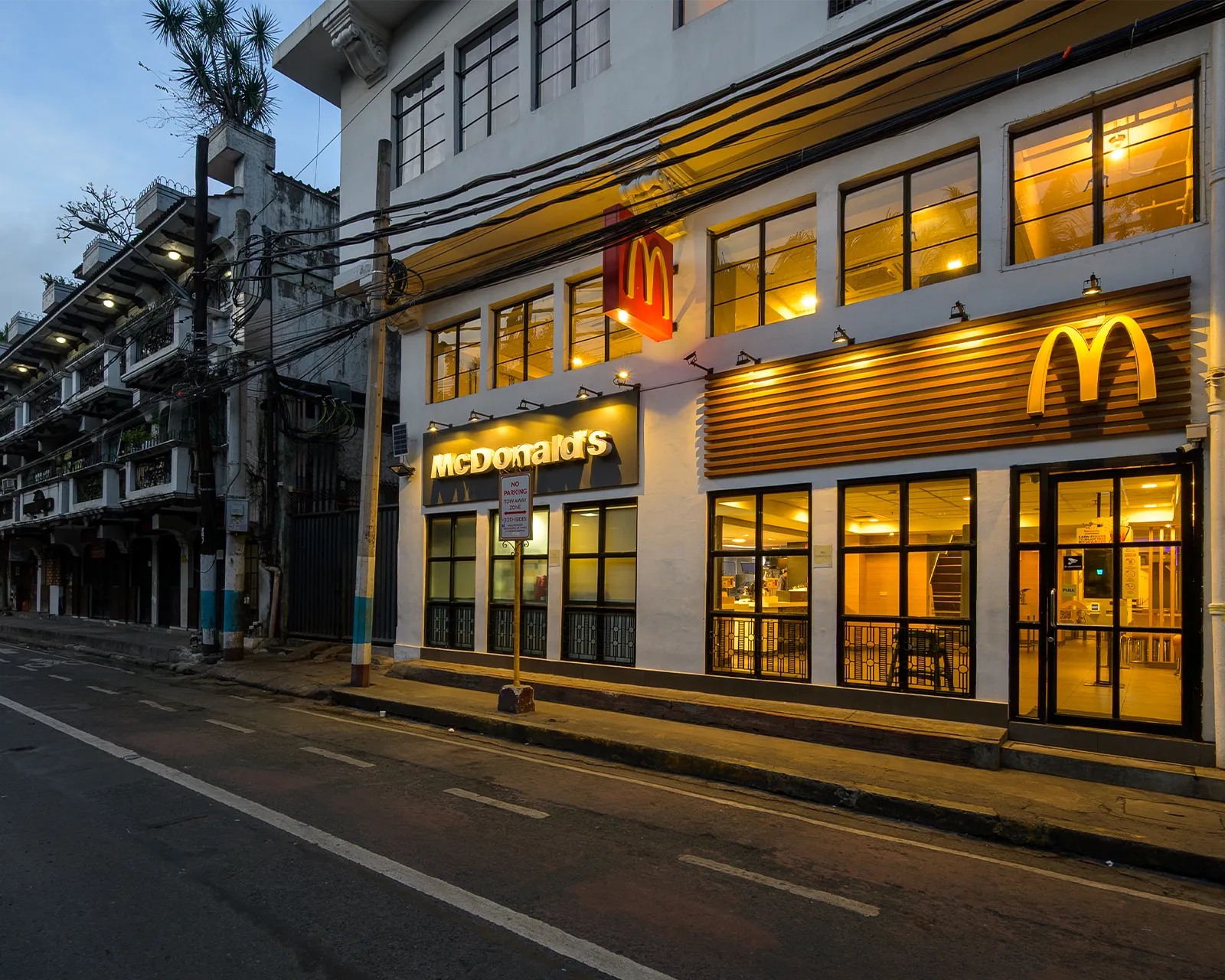
Intramuros, Manila’s historic walled city, is a living monument to the country’s colonial past. The McDonald’s at Muralla stays aligned with the surrounding walls and plazas, so diners feel like they’re part of the city’s layered story. Intramuros itself houses museums, churches, and cobblestone streets, making it a hub for both tourists and locals who want a taste of history and now, a taste of Chicken McDo.
A Glimpse of Old Town Life
San Pedro Bayan, Laguna
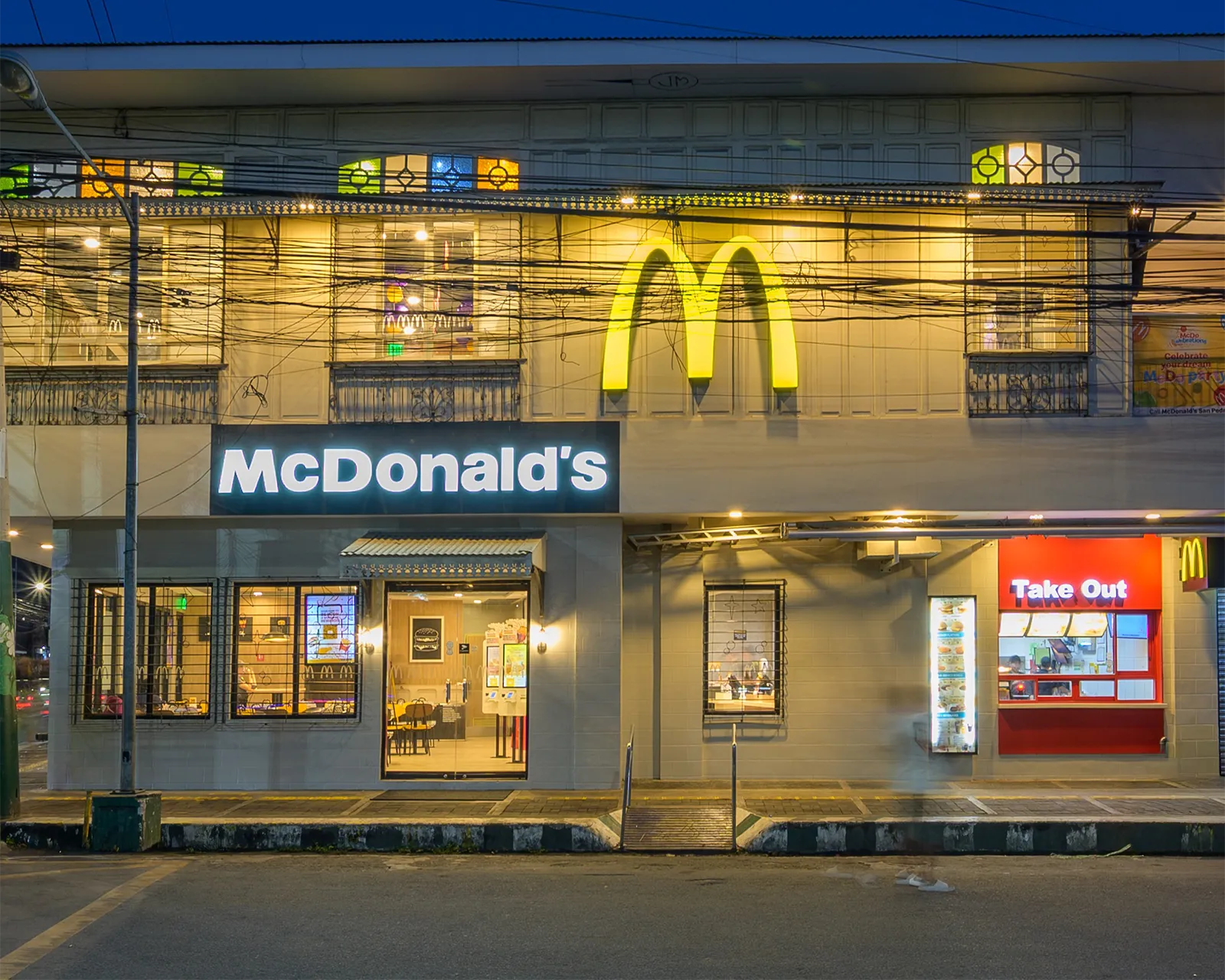
One of the oldest houses in San Pedro, located in the ancestral house of the Morando-Almendrala family in Brgy. Poblacion is now home to a McDonald’s branch, with its original windows, wooden beams, and architectural details still in place. The city has long been a center of local history, and the store blends everyday family hangouts with a real sense of heritage. It’s proof that Filipino history doesn’t live only in textbooks or special events, but in the spaces people visit every day.
A Century-Old Ancestral Home
Santa Rosa, Laguna
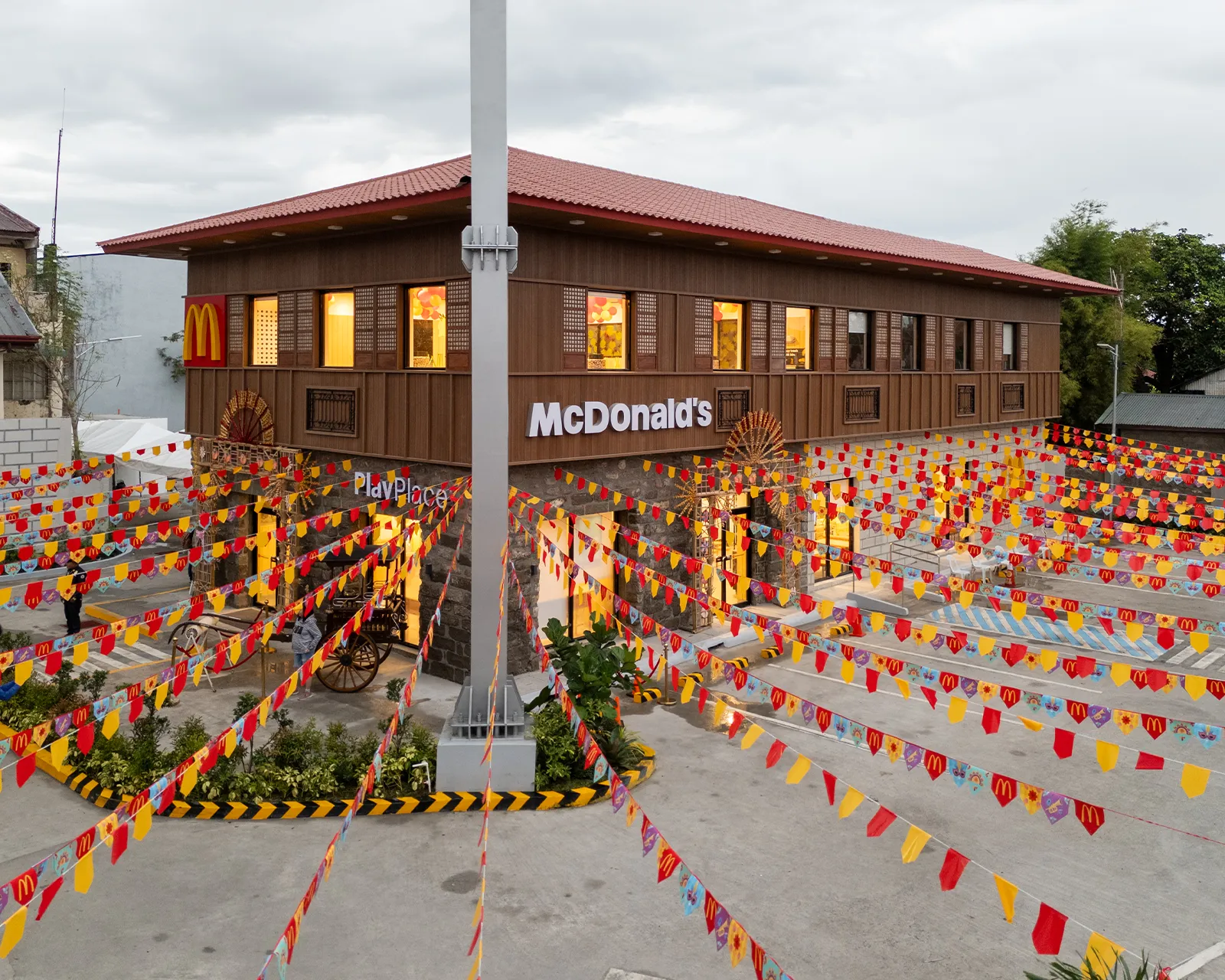
This new McDonald’s branch sits on the site of a 100-year-old ancestral home once owned by one of Santa Rosa’s prominent families. Adobe stones from the original structure were incorporated into the build, and architectural details echo the original period. The National Historical Commission of the Philippines oversaw the reconstruction, ensuring historical integrity while giving locals a modern dining experience.
The Paris of Negros
Silay, Negros Occidental
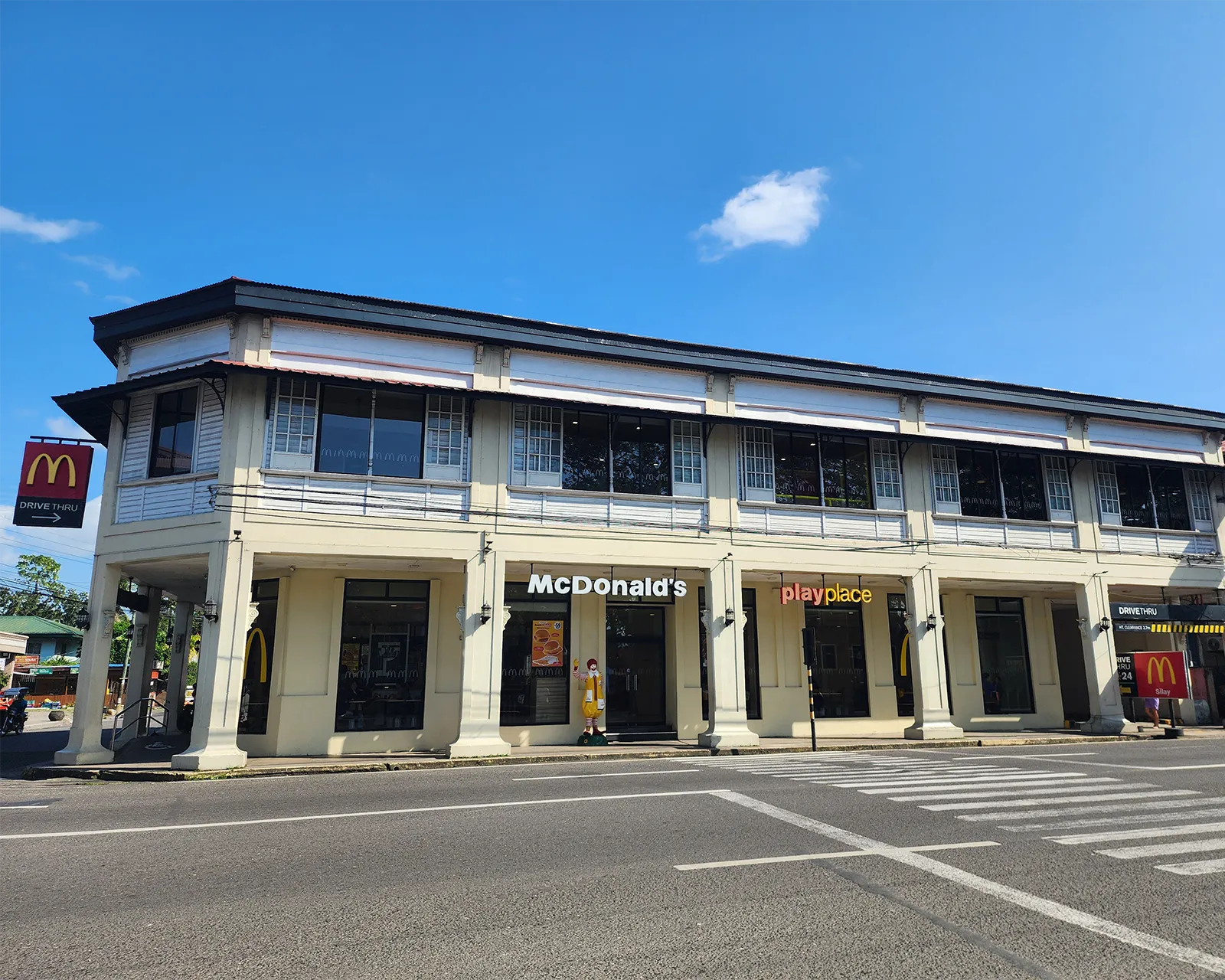
Dubbed the “Paris of Negros,” Silay is celebrated for its heritage mansions, thriving arts scene, and cultural festivals. The McDonald’s here incorporates traditional stonework and wood beams into its design, reflecting the city’s architectural elegance. This makes it more than a meal stop; it’s a space where local arts, culture, and family routines intersect.
Colonial Streets and Timeless Cobblestones
Vigan, Ilocos Sur
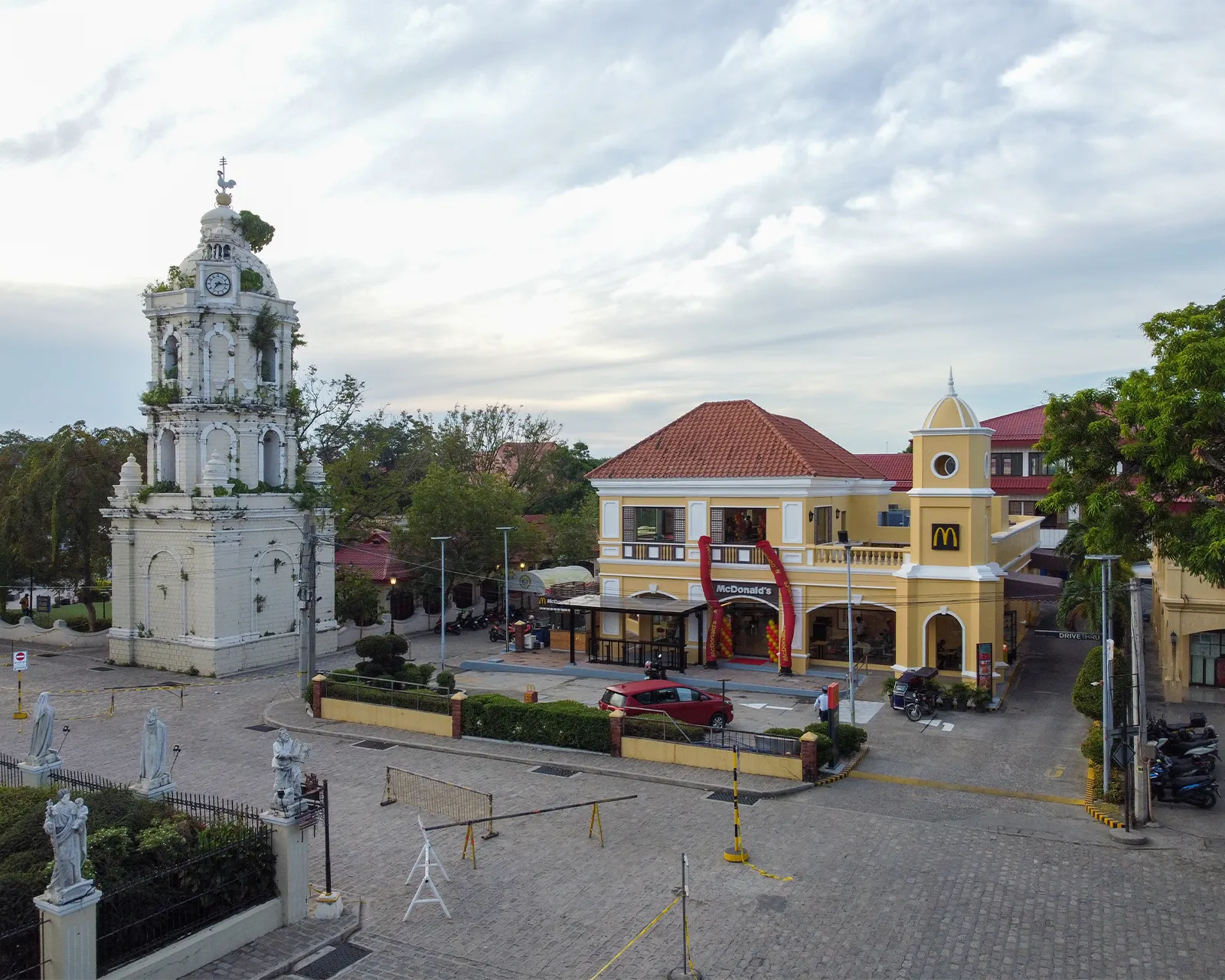
Vigan is one of the Philippines’ UNESCO Heritage Cities, famous for its cobbled streets, Spanish-era facades, and preserved ancestral homes. The McDonald’s here respects the rhythm of its surroundings, with a facade that blends seamlessly into the colonial streetscape. Walking these streets with a burger in hand, you’re part of a city that has carried its history for centuries, and now, even everyday moments become part of the story.
These heritage stores show how history and modern life can coexist, turning even a familiar fast food visit into an experience of Filipino culture. From Santa Rosa to Vigan to Intramuros, McDonald’s is proving that preserving the past does not mean skipping a Happy Meal. It means making history part of everyday moments.
Frequently Asked Questions
McDonald’s Philippines has opened heritage stores in Intramuros (Manila), San Pedro and Santa Rosa (Laguna), Silay (Negros Occidental), and Vigan (Ilocos Sur), each set within a historic structure or district.
The Santa Rosa branch sits on the site of a 100-year-old ancestral home, incorporating original adobe stones into its build under the oversight of the National Historical Commission of the Philippines.
Yes. The Vigan branch is designed to blend into the city’s colonial streetscape, respecting Vigan’s status as one of the Philippines’ UNESCO Heritage Cities.
This branch is located in the ancestral house of the Morando-Almendrala family in Brgy. Poblacion, San Pedro, preserving original windows, wooden beams, and architectural details.
Silay, Negros Occidental, is known for its heritage mansions, arts scene, and cultural festivals, earning it the nickname “Paris of Negros,” which the local McDonald’s branch reflects through traditional stonework and wood beams.