
Sisa is an all-women affair.
Director Jun Robles Lana’s historical thriller, set in the final days of the Philippine-American War, features a notable lack of men among the major ensemble. Yes, male American soldiers patrol the village they’ve turned into their headquarters, and yes, male commanders with their male Filipino rebel counterparts call the shots when it comes to deciding the war’s outcome. But their military machismo largely unfolds on the periphery, and it’s nowhere near as compelling as the intrigue stirred up by the women of the village.
The women of Sisa have their own problems to think about. Delia (Eugene Domingo) is busy fretting over her 13-year old daughter Nena (Angellie Sanoy), who’s spending too much time with a young, trigger-happy American soldier. Ofelia (Tanya Gomez) can barely leave her bed after the capture of her husband, the village leader. And they, along with the other women of the village, are united in their distaste for the young widow Leonor (Jennica Garcia), who spends her evenings warming the bed of Commander Harrison (Kuya Manzano) — allegedly. Sharp glares, side-eyes, and well-timed sarcasm all color how the women make their dislike known, and it is a delight to watch them bicker and squabble as a way of distracting themselves from their shared grief.
Things change when a seemingly deranged woman (Hilda Koronel) wanders into town. They immediately welcome her into their fold, naming her Sisa after the madwoman of Noli Me Tangere (a little on-the-nose there, ladies, but alright). Quiet, stoic, and prone to bursts of anger, Sisa is quickly labelled the town lunatic and left to her own devices. But underneath her guise of madness, Sisa’s out for revenge, and she’ll stop at nothing to get even with the Americans who ruined her and her family’s lives.
Focus on the Rage
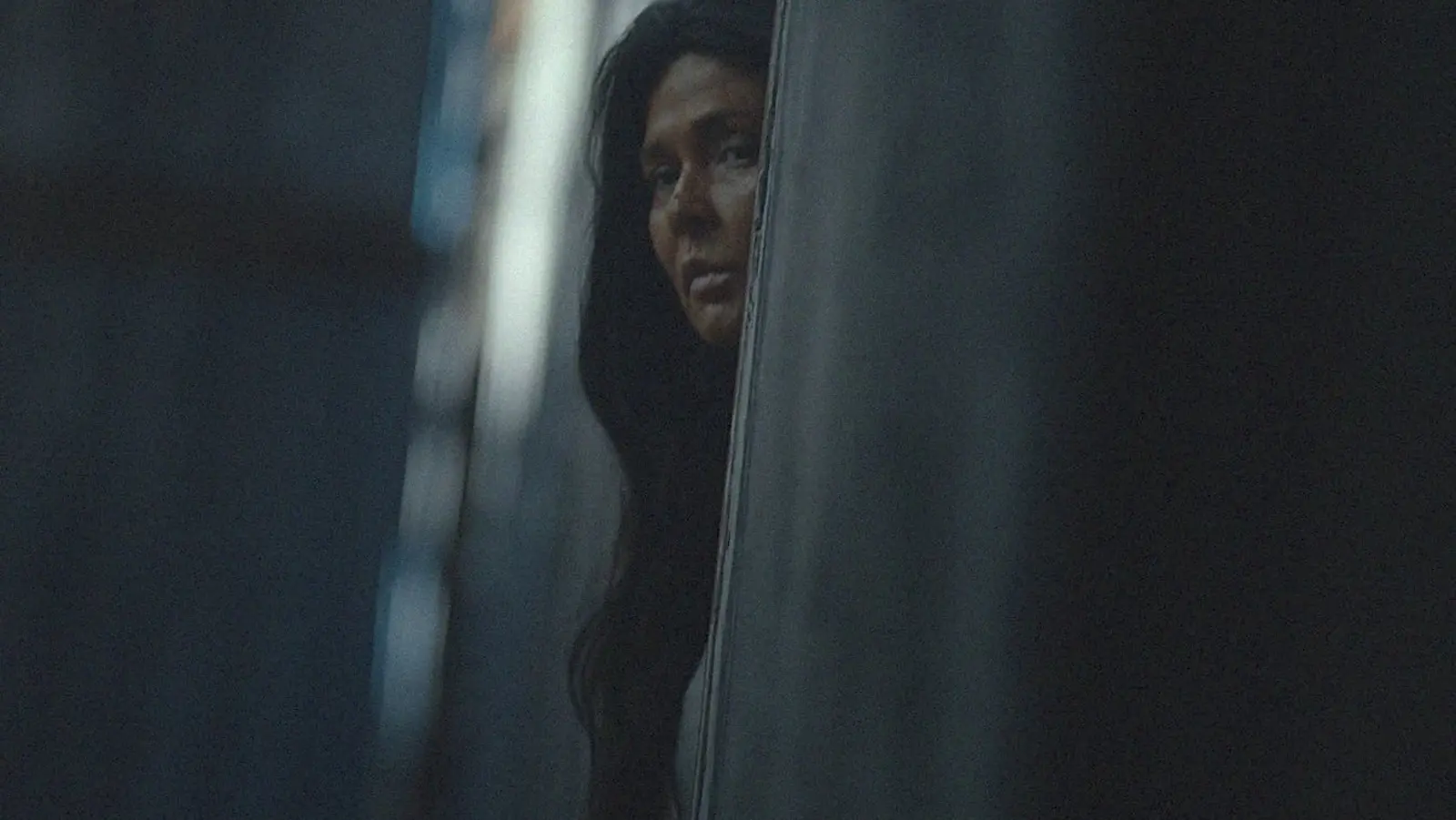
There’s no denying that Koronel is a formidable actress, even after 14 years away from the silver screen. Her movies with the late National Artist for Film Lino Brocka firmly planted her in the national spotlight, from Tinimbang Ka Ngunit Kulang, to Maynila sa mga Kuko ng Liwanag, to Insiang. And in Sisa, she does not disappoint. With far less dialogue than her female co-stars, Koronel infuses her stares and body language with a rage so great that it’s a wonder that no one realizes what Sisa is up to. Whether she’s visibly shaking as she walks by the American soldiers or frowning at Leonor as she claims, for the nth time, that the Americans are good, Sisa’s definitely seething over how the Filipino people have traded one violent colonizer for another.
But while Sisa’s trying to keep her rage in check, the same cannot be said for the women around her. Domingo, in particular, excels at portraying a mother just one push away from a downward spiral. A skilled actress in both comedy and drama, Domingo doesn’t shy away from throwing shade, sobbing, and threatening murder, sometimes all in the same breath. Delia may start off quietly grumbling about how the Americans took everything from her family, but when the last push inevitably comes, we can’t fault Delia for finally picking up an axe.
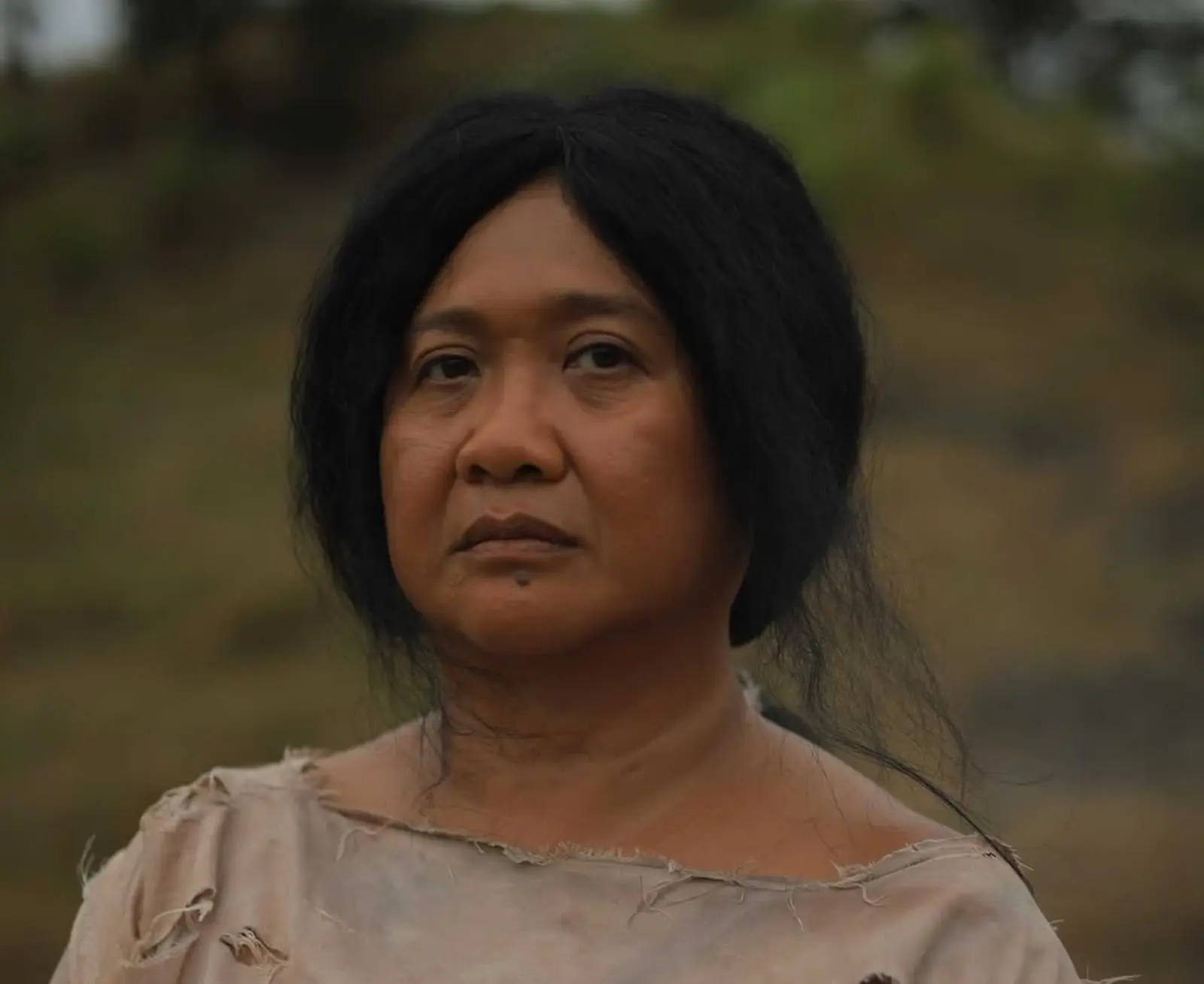
Sisa is at its best when it’s shining a light on female rage, but these moments are, unfortunately, too few and far between. Instead, we get the usual narrative of Filipinos versus colonizers, when the real and more compelling threats come from within. We already know that the American soldiers do not have the Filipinos’ best interests at heart, and we already know that the war doesn’t end in the Philippines’ favor. So it is the in-fighting and the intrigue that keep us watching Sisa, because we do not yet know how things will end for this one particular group of angry Filipino women.
But do these women get what they want in the end? By the time the final act comes around, most, if not all, of them, are looking for some form of retribution. As a director, Lana has laid more than enough pieces of their stories down to show that they are no longer satisfied living under a new colonizer’s regime. All he needs to do is complete their arcs in a finale that he’s carefully spent the last two hours building towards.
And Lana grants us this pay-off, albeit not with any grand, final showdown. Just like his past dramas (most notably Mga Kuwentong Barbero, which also features Domingo as a grieving, spiraling woman), Lana ensures that each of his main ensemble cast members gets the vengeance they long for, regardless of the consequences.
If Lana’s goal was to create a historical thriller with female rage at its core, Sisa more than delivers. It leaves no easy messages or morals with its audiences by the time the end credits roll, and it asks us only to consider how far is too far when faced with a tempting chance at revenge.
Frequently ASked Questions
Sisa was directed by Jun Robles Lana. The historical thriller is set in a remote village during the final days of the Philippine-American War.
The film features an all-women ensemble starring Hilda Koronel, Eugene Domingo, Jennica Garcia, Tanya Gomez, and Angellie Sanoy.
Hilda Koronel plays the title character Sisa, a seemingly stoic and traumatized woman who enters the village under the guise of madness while secretly plotting revenge against American forces.
The movie focuses on how the women of a war-torn village navigate grief, colonial oppression, internal squabbles, and eventual violent retribution rather than traditional battlefield combat.
Sisa shares thematic parallels and character arcs with Lana’s earlier period drama Mga Kuwentong Barbero (Barber’s Tales), which also starred Eugene Domingo dealing with grief and societal pressure.
Recommended Video