

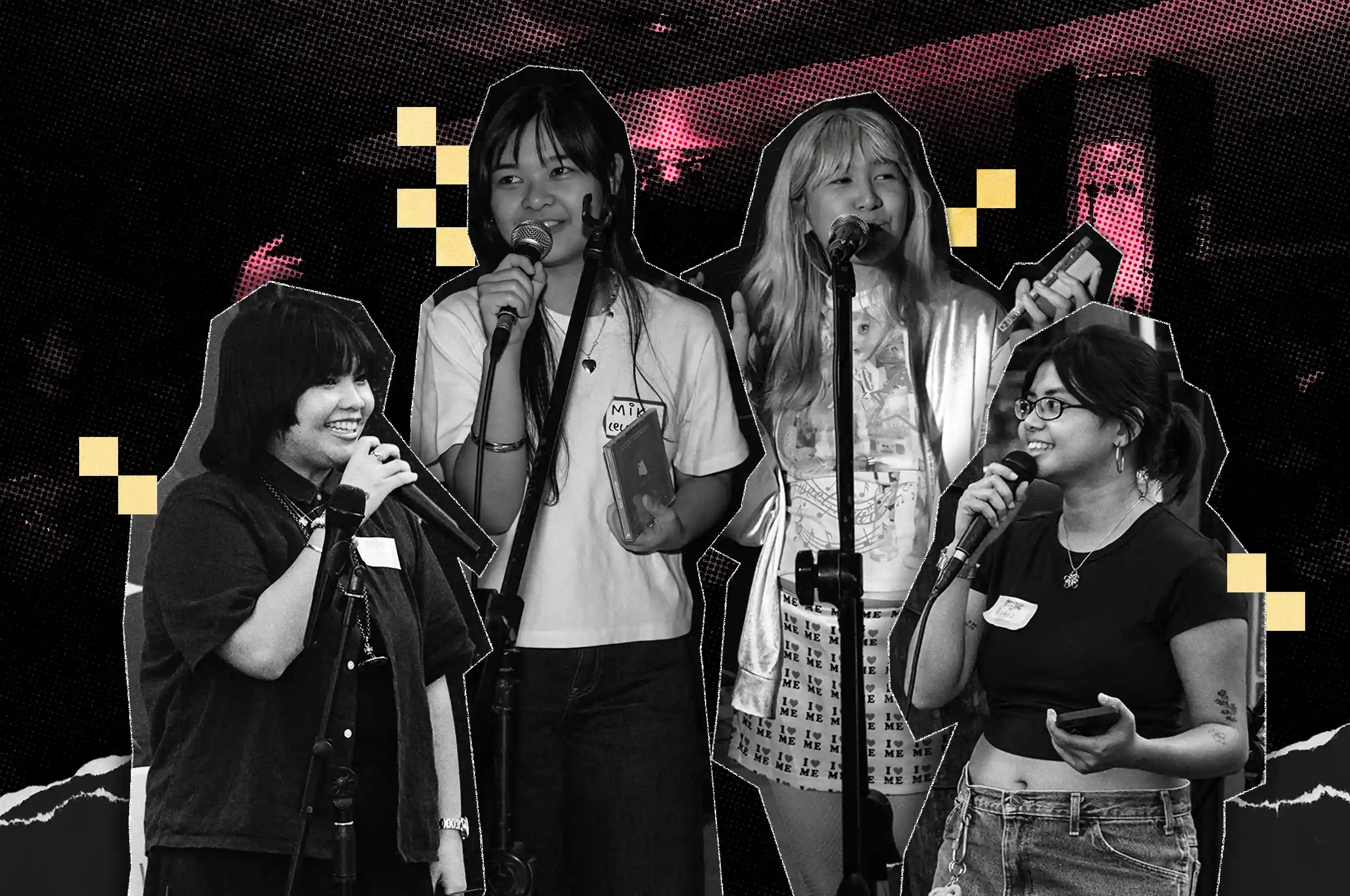
Organizing a live show in the local music landscape takes a lot of work. It’s dealing with logistics and having the mental capacity to take in the euphoric chaos unfolding right in front of you, whether it’s a band breaking their instruments mid-set, traffic-induced delays, or a slip-up in the program schedule.
Women are oftentimes the ones navigating these hurdles to staging a live show. But recognition for female organizers remains few and far between in a landscape where men often take the spotlight. Independent productions such as Elev8 Me L8r, Salvage Yard, Plethora Fair, SYQL, and others have women in key positions calling the shots at the shows people return to.
In a more male-dominated field, these organizers deal with familiar patterns: belittling comments, teasing framed as jokes, and moments where their authority is questioned. My first experience entering a Women’s Month show at Mow’s, 123Block, to name a few, felt different.
Learning to Take Up Space
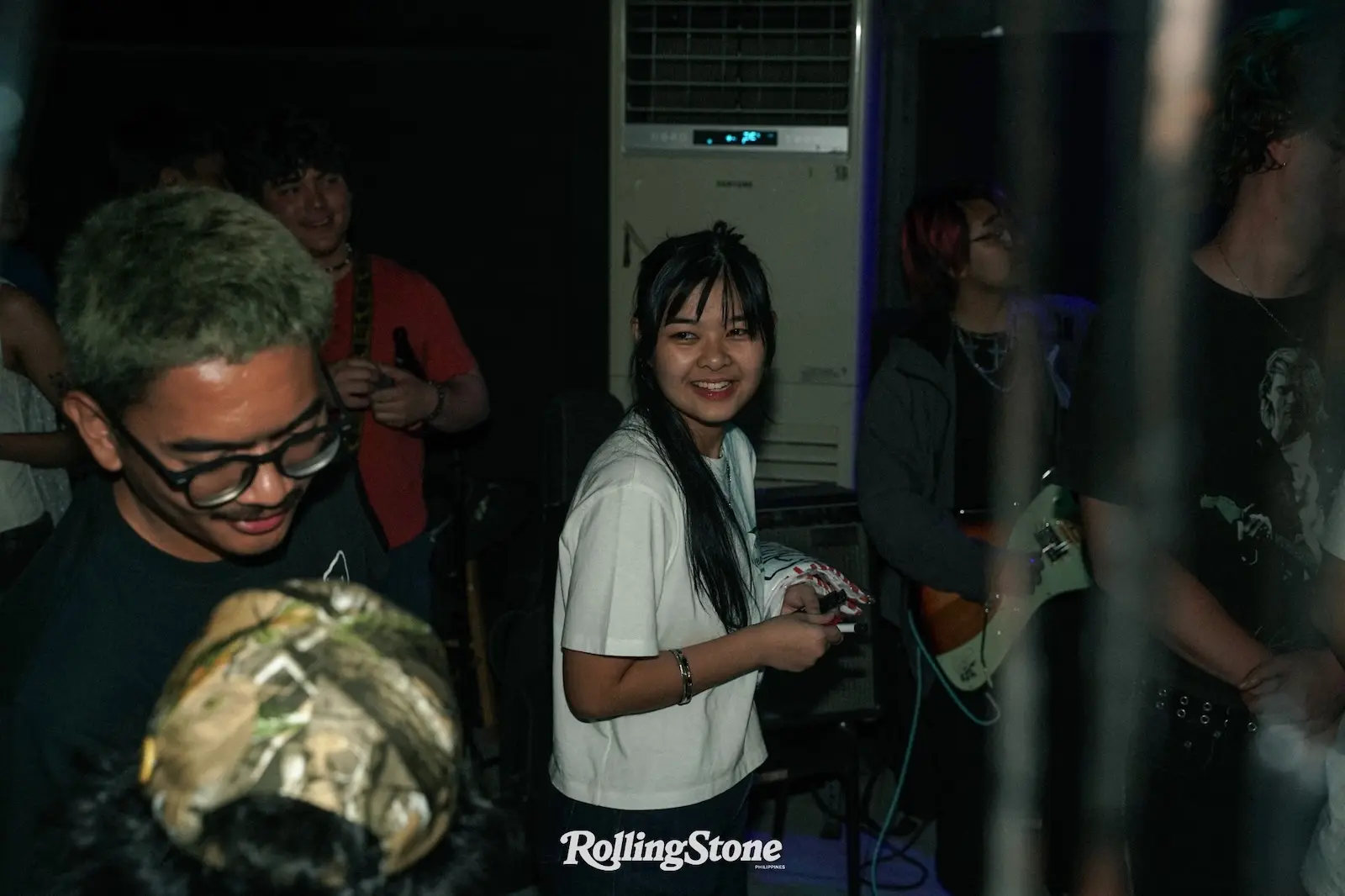
For Elisha Mikaela Ruiz, production manager and art director of the independent music collective Elev8 Me L8r, the transition from audience member to event organizer happened gradually, through proximity and the routine of going to shows. With the help of a supportive group of musicians and artists, she envisions that the scene will eventually grow in terms of demographics.
“I first entered the world of gigs in 2022 not as someone watching from the crowd, but already woven into the fabric of [the scene],” Ruiz tells Rolling Stone Philippines. “It was less a calling and more a slow unfolding.”
There is no formal entry point into organizing; You stay long enough, help where needed, and eventually you’re the one making decisions, however seemingly small or inconsequential they are. “A lot of women find their way into the scene the same way I did, through a partner who was already there,” Ruiz says. “It took deliberate effort to introduce myself outside of that description.”
Being present is one thing. Being recognized for the work is another. Stepping into that role is a deliberate choice, especially for women who do not want to be defined as just the partner of someone who’s in the scene. Early on, it also means learning how to speak in rooms where people already know each other and operate within established systems.
“A gig is not just a show. It’s an agreement between the people in the room that this is somewhere safe to be.”
Elev8 Me L8r co-organizer Pia Feliciano, co-production manager, came in from a different direction. Her background in organizing existed before entering the music scene by joining school organizations in UP Diliman. But that sense of fulfillment stays constant. Much like any female-led work, most behind-the-scenes tasks that keep the music scene afloat are thankless, invisible labor. Nonetheless, these women are finding fulfilment where possible, especially when it all comes together in a successful show.
“It’s always quite fulfilling to see people take part in and enjoy an event you planned,” Feliciano says.
Holding the Line
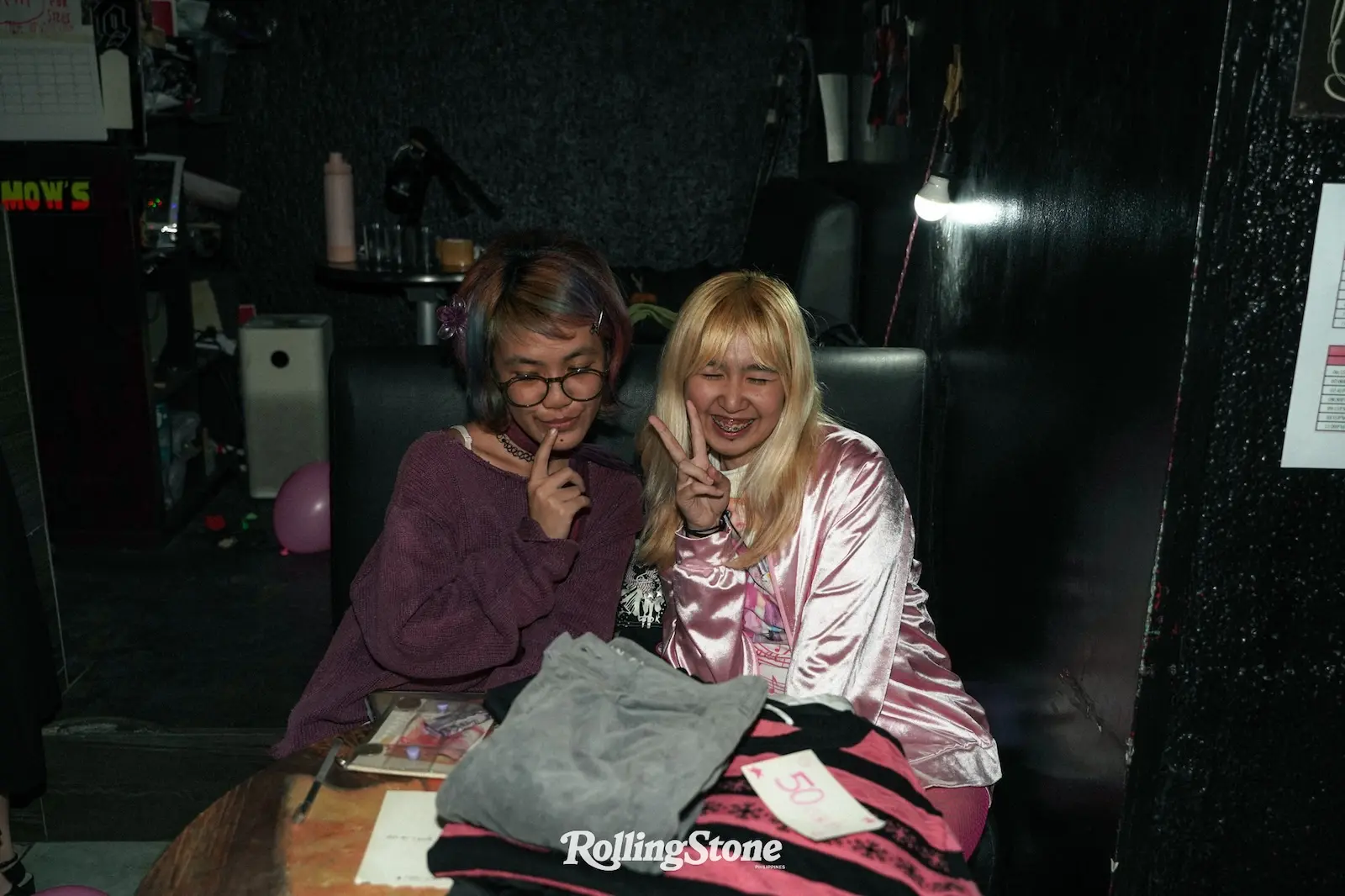
Beyond logistics, organizers also decide what kind of space a show becomes, whether it would be a show dedicated to a beneficiary, dedicated to its performers, or even just a safe space, where female creatives can enjoy the event from start to finish.
“What I’ve come to believe is that one of the most overlooked things women organizers do is hold the line,” Ruiz says. “The responsibility of the organizer is [refusing abusive powers]. To not let those people near the spaces we’re trying to build. A gigGigA live performance, especially in a smaller, independent venue like a bar, café, or music hall. Gigs are where local scenes grow, letting bands test new songs, build loyal followings,Go to Gig Glossary is not just a show. It’s an agreement between the people in the room that this is somewhere safe to be.”
The choices they make are reflected in the lineup: who gets booked, who gets invited back, and what behavior is tolerated. Cara Lopez, programming director of punk rockRockA guitar-driven genre that grew from rhythm and blues in the 1950s and splintered into countless styles, from punk and metal to alternative. With a long history of rebellion andGo to Rock Glossary collective Salvage Yard and lead singer of all-female pop-punk outfit Cherry Society, describes how these moments play out on the ground. Experience doesn’t always translate to respect. Questions are read as uncertainty. Authority is tested.
“I still deal with men who belittle me and speak with a condescending tone even when I have the experience,” she says. “I get mansplained a lot and when I feel like I have to show my whole resume just to be spoken to with respect, I know I don’t feel safe.”
Speaking up becomes part of the job. Not just for personal boundaries, but for the people who enter those spaces expecting to feel at ease. “I wanted a safe space for that specific crowd; it shouldn’t just be something that comes once a year,” she says during our interview, which fell on Women’s Month.
Organizing, in this sense, extends beyond putting a show together. It becomes a way to set terms for how people treat each other in live music spaces. What Lopez loves about women organizing shows is its “feminine touch,” which comes with a welcoming and comforting energy.
“Sana hindi lang ‘pag March, hindi lang pang cover night, hindi lang ‘pag may headliner na babae,” she says of her hopes for women in and behind the scenes. “I hope it gets to the point of it being normal.”
Making It Work
But before shows and workflows arrive anywhere near utopian arrangements, smaller, female-led teams like exhibition organizer Plethora Fair, have to stretch resources like budget, manpower, and even reach. The DIY ethos is the way, despite the lack of sponsorships and actual support from any venue, female creatives and organizers have always pushed Plethora Fair co-organizers Angel Gomez, event coordinator, and Sabine Estevanez, vendor manager, to keep making these events accessible for everyone.
“It’s actually been quite difficult for us mainly because we are a very small team,” Gomez shares. “Because of that, it’s a different venture altogether, and naturally the approach to things is also different, which brings its own set of challenges.”
“There are already so many opportunities that exist, and even more that we can continue to build together as a community of women”
Every event has its own challenge depending on the venue they occupy for an entire day, Gomez says. Small steps such as being more intentional about who they platform, listening to concerns within the community, and setting clearer standards for behavior can go a long way in making music, art, and event spaces more inclusive and respectful. Every decision counts. Resources don’t stretch far, so adjustments happen constantly within their reach as female organizers of a DIY fair that happens every now and then.
“We’ve both been exposed to the same music scene, and we’ve become somewhat familiar with finding workarounds,” Gomez says. “I also believe that there are so many skills women bring to the table that sometimes get overlooked just because we’re ‘women.’ But from what I’ve personally seen, I can proudly say it’s been amazing to witness how skilled, talented, and capable the women around me are.”
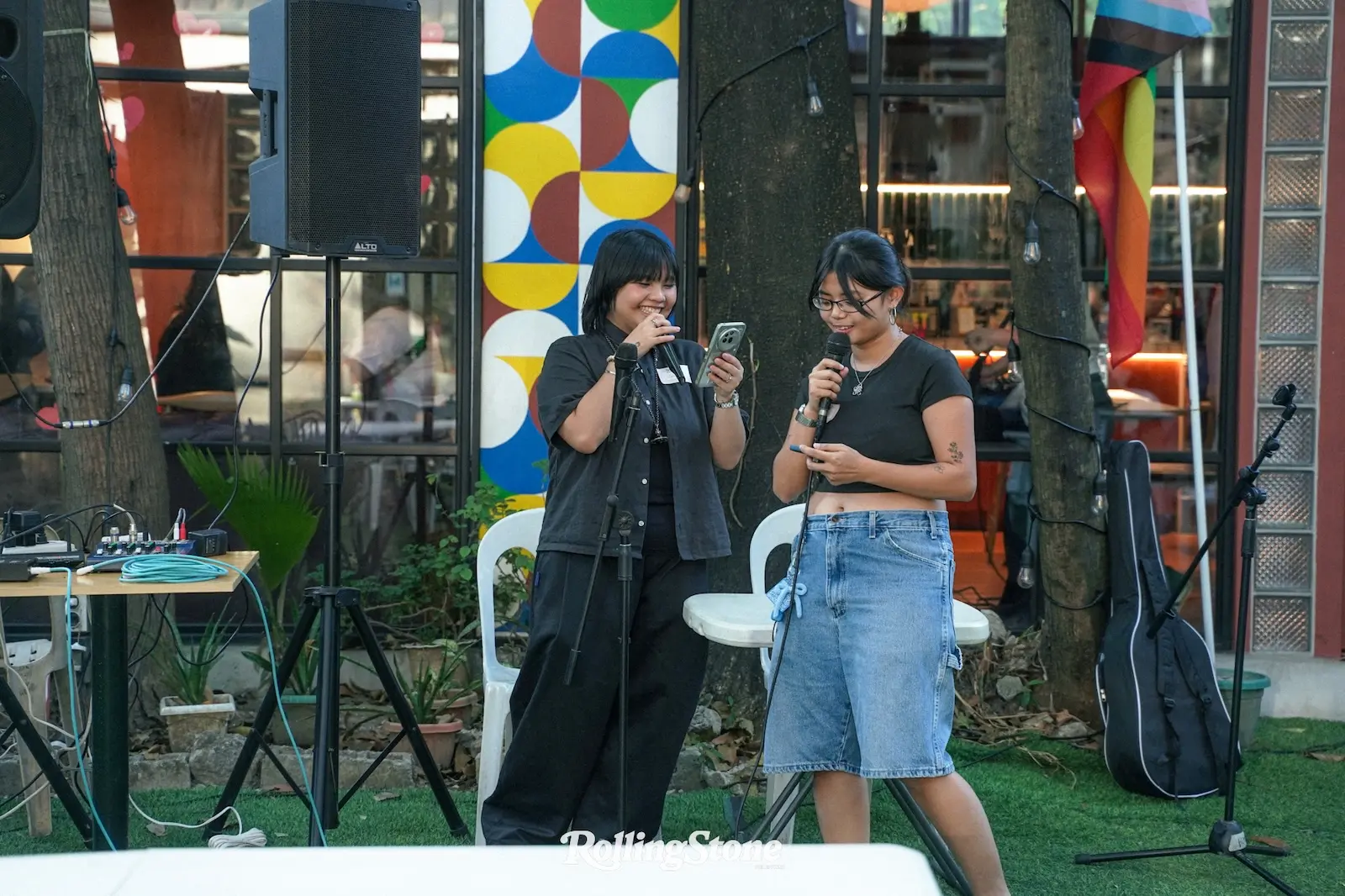
Experience fills in the gaps. You learn how to make things happen with what’s available. That attention to detail shapes how people return. Not just for the lineup, but for how the event feels overall.
“There are already so many opportunities that exist, and even more that we can continue to build together as a community of women,” Gomez says. “Not only to create great things, but also to help shape better environments and practices within the events, arts, and music scene for a more positive and meaningful change.”
Across different collectives, the approach stays consistent. The work happens behind the scenes, yet it holds everything together. And almost always, it’s women who make it work. What changes now is visibility. More people are starting to see how much of the scene needs equal amounts of love and support for all those who are holding the line and keeping it real for more young, inspiring female organizers all over.
Frequently ASked Questions
Independent productions including Elev8 Me L8r, Salvage Yard, Plethora Fair, and SYQL have women in key organizing roles, from production management to programming direction, despite operating in a largely male-dominated live music landscape.
Ruiz entered the gig scene in 2022, gradually transitioning from attendee to organizer through consistent presence and involvement, eventually becoming production manager and art director of Elev8 Me L8r, the independent music collective.
Women organizers describe facing belittling comments, condescension, and having their authority questioned despite experience. Salvage Yard’s Cara Lopez says she’s often mansplained and feels she must prove her credentials just to be treated with respect.
According to Ruiz, holding the line means refusing to let abusive individuals into event spaces, treating a gig as an agreement that the space is safe, shaping lineups and behavior standards to reflect that responsibility.
Plethora Fair organizers Angel Gomez and Sabine Estevanez say limited manpower and budget make each event a distinct challenge, requiring constant resourcefulness and workarounds to keep their DIY fairs accessible without sponsorships or venue support.
Recommended Video