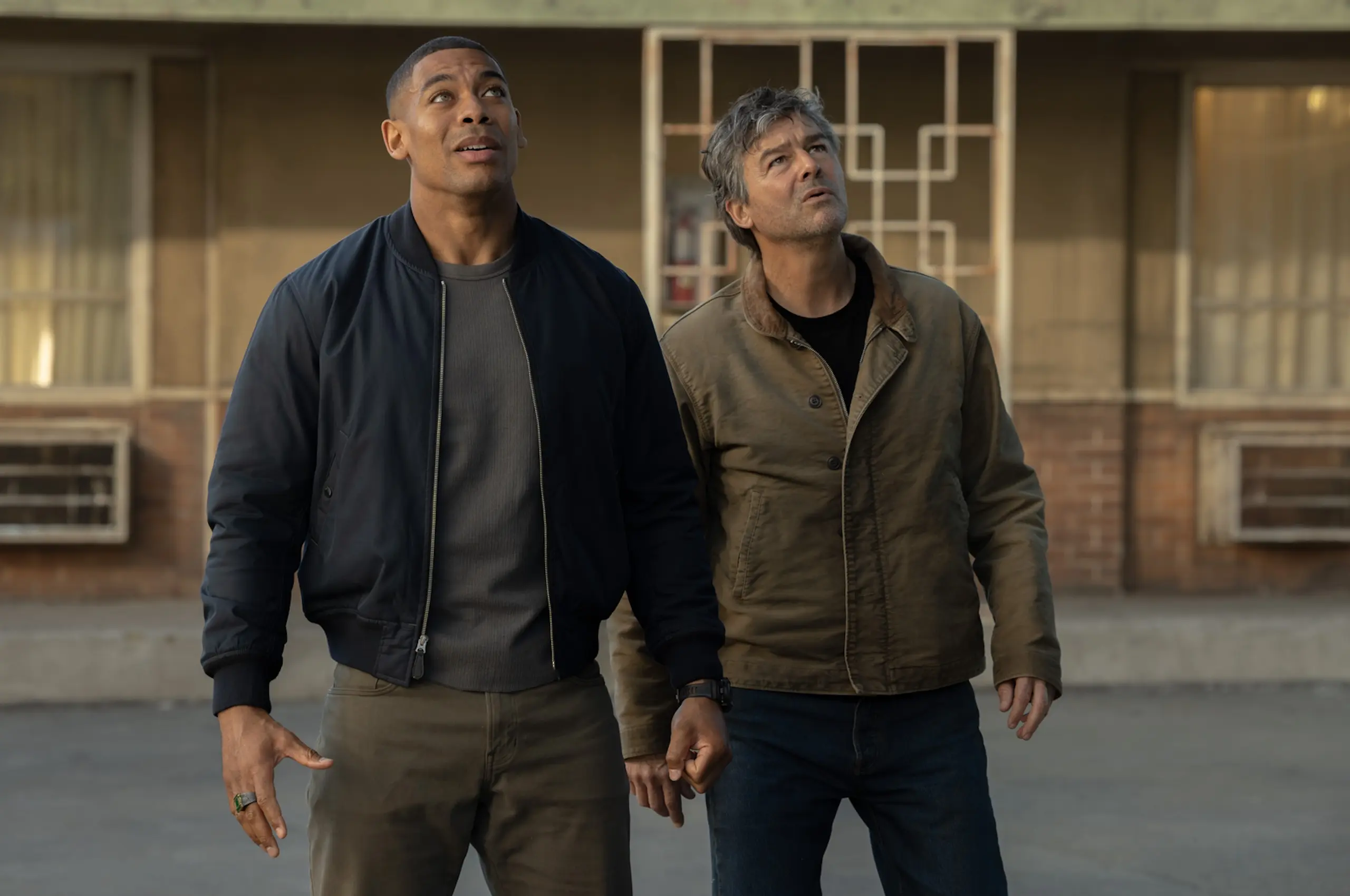



Love Story, the latest addition to Ryan Murphy’s ever-expanding “American Story” universe, has come to an end.
The miniseries follows the tragic romance between political scion John F. Kennedy Jr. (Paul Anthony Kelly) and fashion publicist Carolyn Bessette (Sarah Pidgeon), the couple that dominated American headlines in the ‘90s.
Although Murphy’s onscreen adaptation of their love affair has drawn a mixed bag of reviews (The New Yorker dubbed it a “forgettable elegy for Gen X” while Variety deemed it a “stunning portrait of love”), there’s no denying that Carolyn and John have found their way back into global pop culture. Love Story is currently FX’s most-watched limited series ever on Disney+ and Hulu, with the first five episodes having been streamed more than 25 million hours since the series premiere on February 26. It’s also spawned lookalike contests, a ‘90s fashion resurgence, and pilgrimages to New York City as fans visit the restaurants and stores that the couple frequented back in their heyday in Manhattan.
In honor of its finale, we’ve rounded up some of the biggest winners and losers to grace the series over the course of its eight episodes.
Winner: The Series Soundtrack
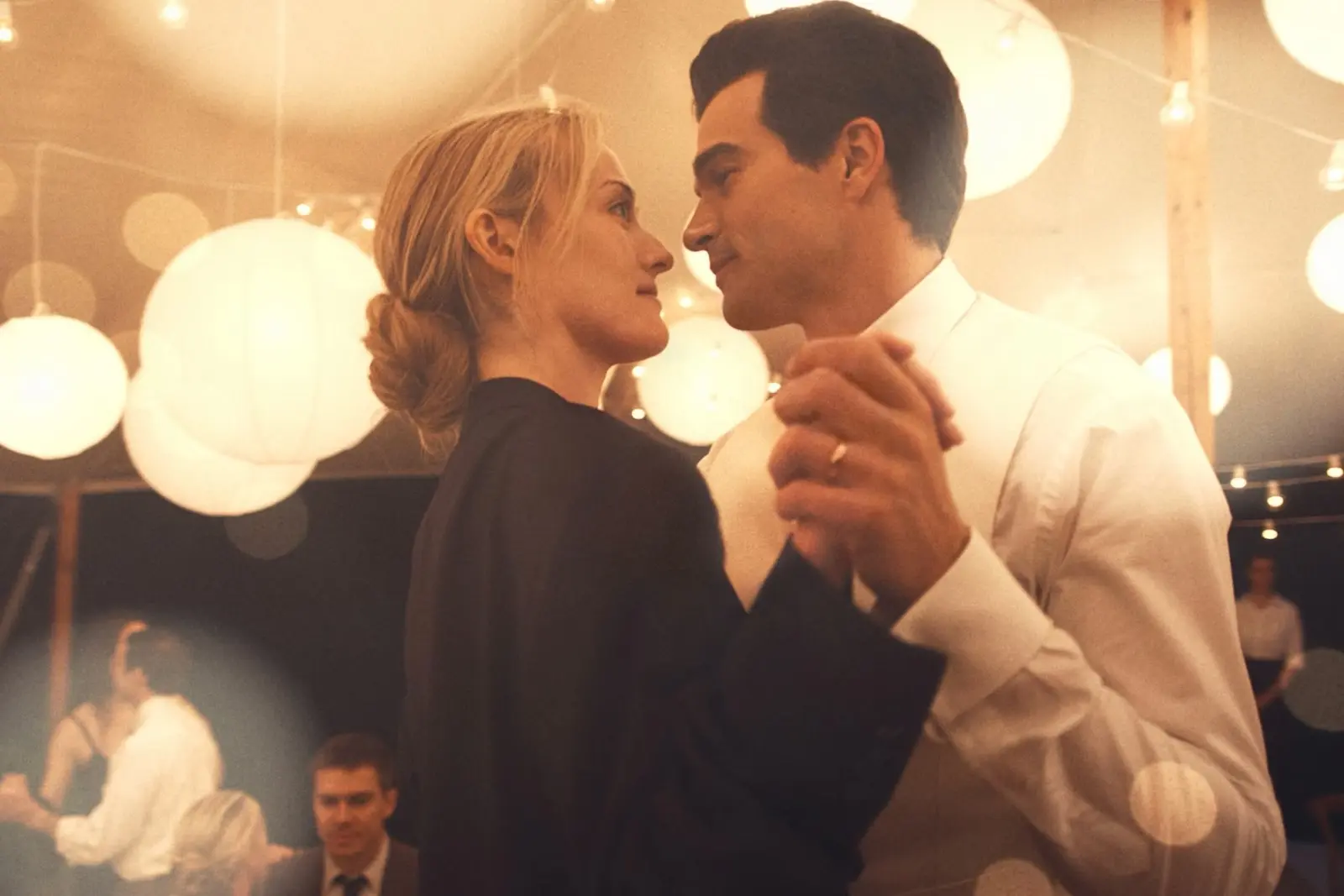
A lot goes on in Love Story (whether it’s JFK Jr. working out shirtless in Equinox or the newly married couple trying to survive hordes of paparazzi), but the series’ song selection serves as a common throughline that ties the story together. Pulp’s “Common People” plays as John and Carolyn hype themselves up for their wedding, The Velvet Underground’s “Venus in Furs” comes on after a tense fight between Carolyn and Calvin Klein (Alessandro Nivola), and Nina Simone’s “Suzanne” is the perfect background music for the couple’s skinny-dipping session the morning after their wedding. “On a music level, we wanted to keep it universal,” music supervisor Jen Malone told GQ. “It was just a great time period for music, and we didn’t want to stick to any specific genre.”
Winner: Alessandro Nivola’s Calvin Klein
While the main storyline in Love Story is, well, the love story between John and Carolyn, the show would lose a lot of its dramatic core without Nivola as the renowned fashion designer. Whether he’s going toe-to-toe with Carolyn at the Calvin Klein offices or heartbreakingly accepting her resignation, Nivola’s Calvin does not disappoint. So much so, in fact, that even GQ has pointed out the merits of a Calvin Klein spin-off series, with Nivola at the lead.
Loser: The Portrayal of Daryl Hannah
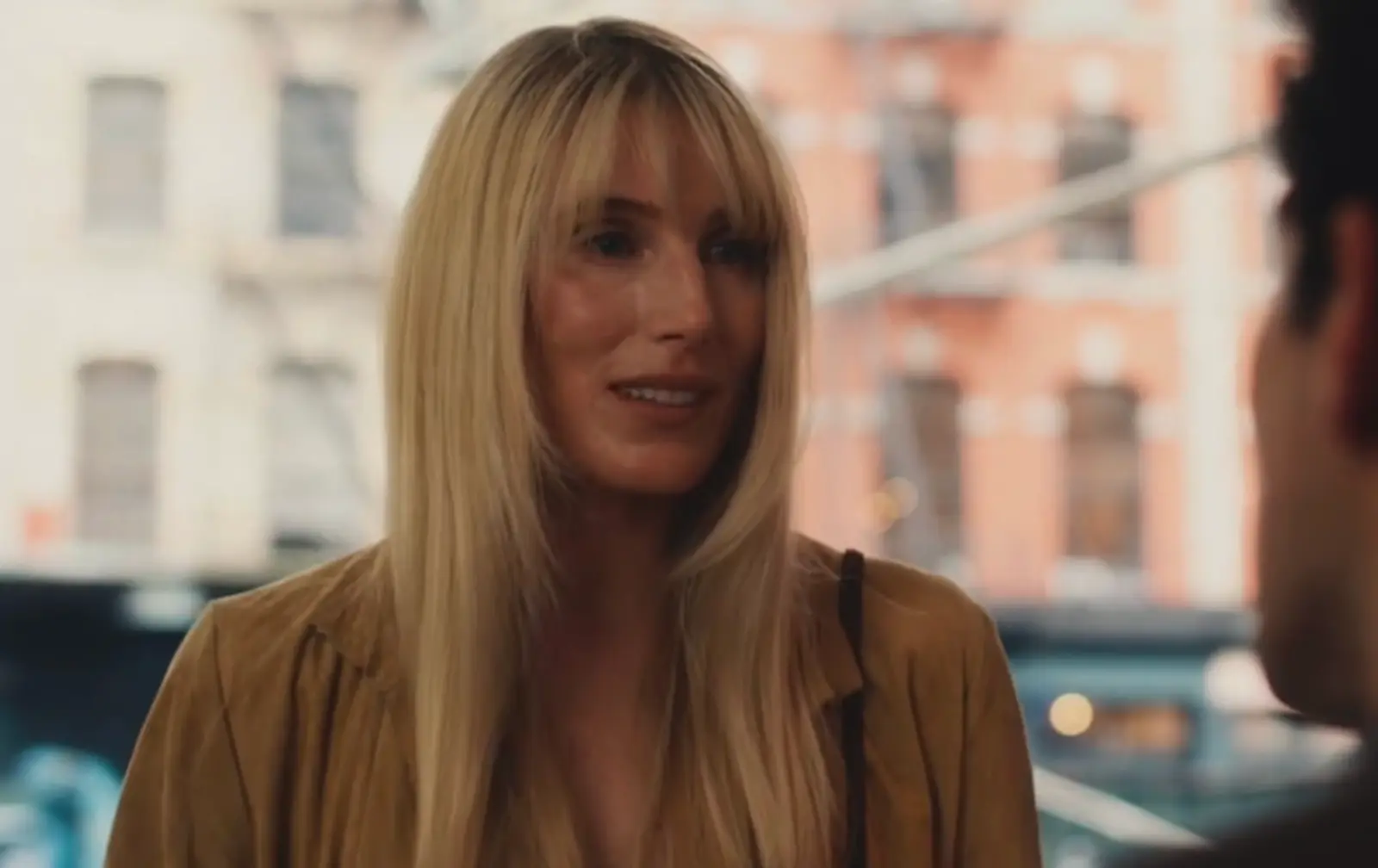
It’s never easy to adapt a real-life relationship (especially a very public one) for a limited series, and Murphy definitely made a mistake with his depiction of actress and John’s ex-girlfriend, Daryl Hannah. In the show, Hannah is portrayed as mean-spirited, calculating, and downright objectionable, making her the perfect foil to the demure and modest Carolyn. Critics quickly picked up on Murphy’s questionable writing (TIME called it “lazy”), and Hannah herself penned a scathing op-ed published by The New York Times. “Storytelling requires tension,” wrote Hannah. “It often requires an obstacle. But a real, living person is not a narrative device.”
Loser: Paul Anthony Kelly
Tall, dark-haired, and handsome, Hollywood newcomer Paul Anthony Kelly checks off all the boxes required to play the Kennedy prince. However, despite his objective yumminess, Kelly is not a strong actor. As Vulture wrote, “[Kelly] certainly looks the part… but when the material demands modulation — during blowups with Carolyn, moments of drift or self-doubt, tense collisions with his sister — he offers nothing.” Other critics have also picked up on Kelly’s acting (or lack thereof), noting that beyond his looks, he’s not bringing much else to the table. But, as they say, pretty privilege goes a long way.
Winner/Loser: Ryan Murphy Giving Us The Same Show Again
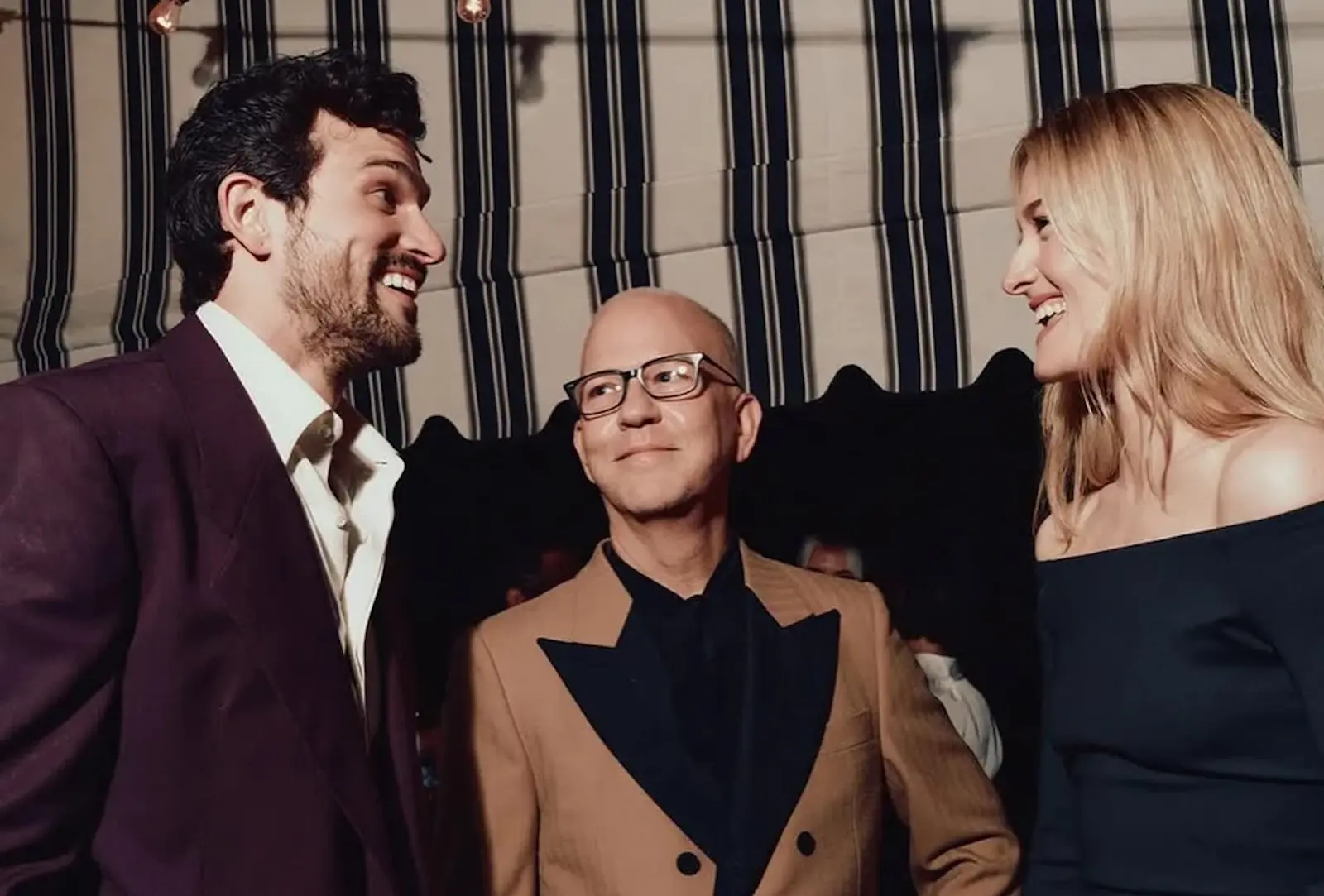
After creating more than 20 shows (American Horror Story, Glee, All’s Fair, 9-1-1, and the list goes on), Murphy has arguably more than reached his limits as a storyteller. His sharpest critics (including me) are quick to point out that he’s given us the same show over and over again, save perhaps in a different font. Several of his shows tend to follow a similar format, with the showrunner nitpicking at overly publicized cultural moments (e.g. the Monica Lewinsky scandal in Impeachment: American Crime Story, the Plainfield Ghoul’s string of murders in Monster: The Ed Gein Story). And, when it pleases him, he throws all that out the window in favor of a dramatic, and very fictional, flourish. He can’t keep getting away with this! Or… can he?
Recommended Video