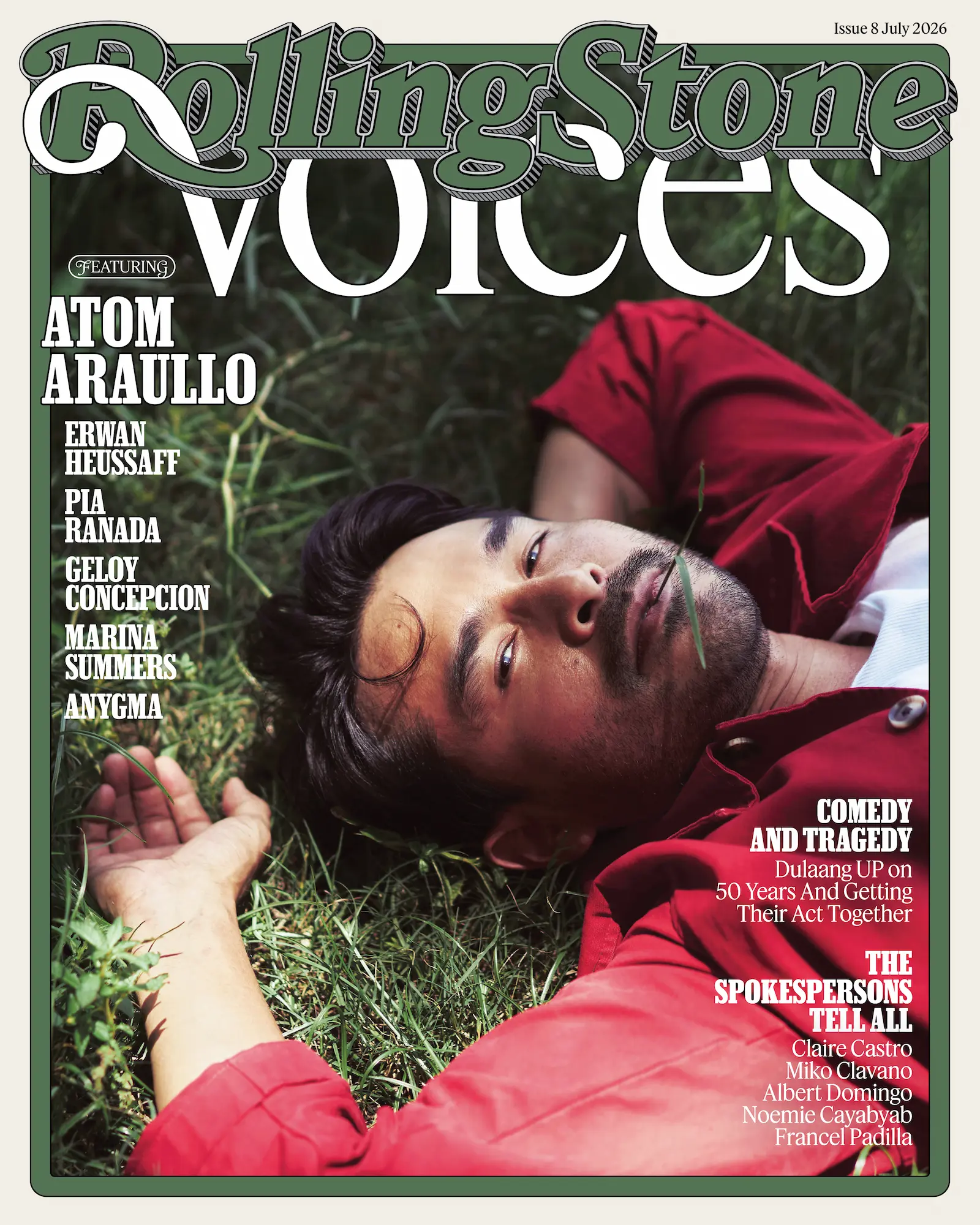


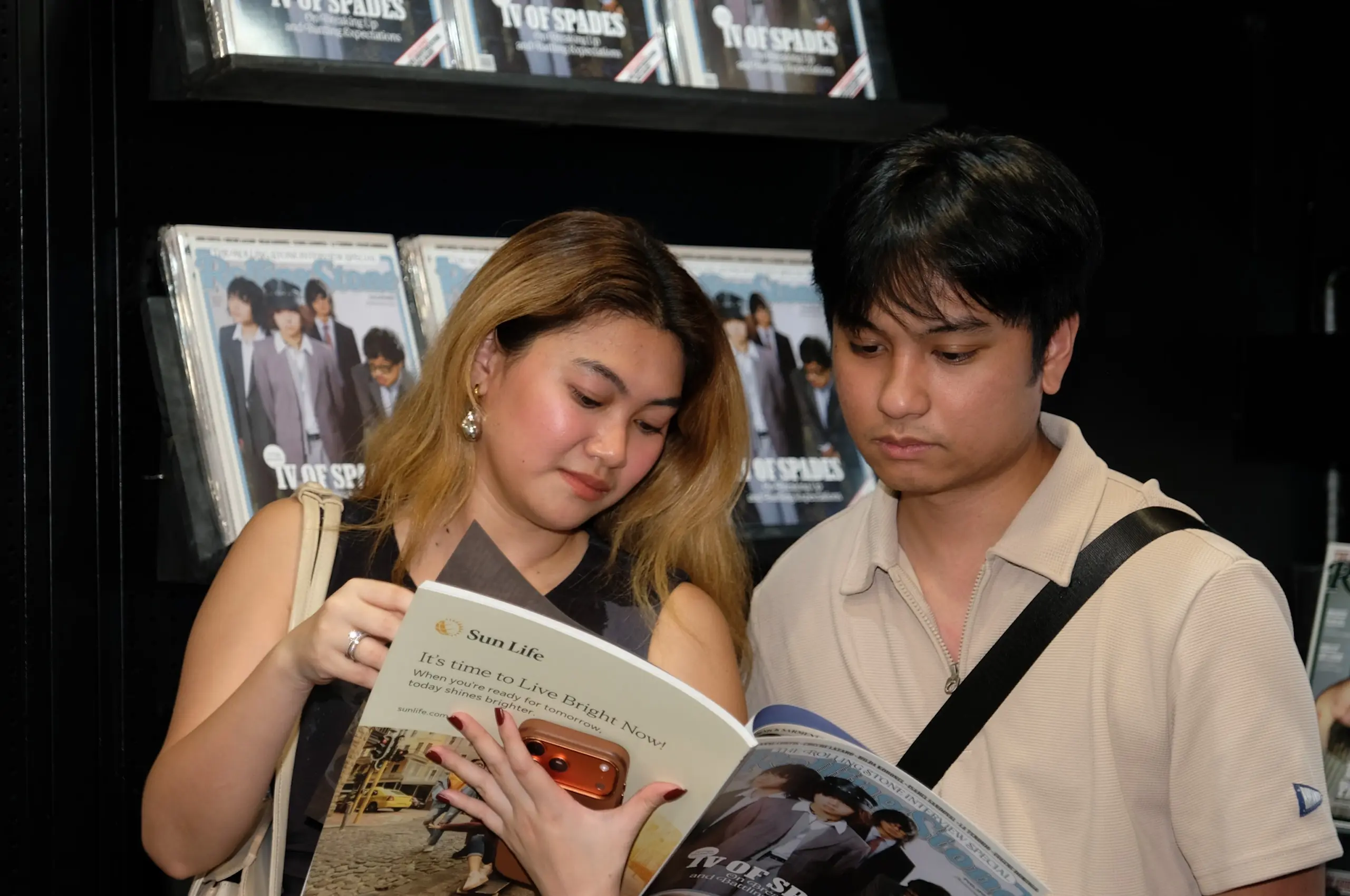
It’s tempting to be a little jaded about the trajectory of print magazines, or magazines overall, especially in these days. In recent years, the publishing industry has struggled to survive an increasing reliance on digital media, a diminishing attention economy, and the latest big bad on the block: AI. Magazines, many of which were well-established and respectable, have folded under the pressure of trying to keep up. Earlier this April, for instance, Condé Nast shut down the print magazine of Wired Italia, along with the wellness magazine Self and Glamour’s international editions in Germany, Spain, and Mexico. Just a few months prior, Teen Vogue announced it would be folded into Vogue, leaving many of its dedicated editorial team without a job.

But at the same time, there now seems to be a conscious effort to pivot towards physical media. The digital era has also brought with it “digital fatigue,” and people are beginning to crave how physical objects, like copies of their favorite magazine, can give them a reprieve from their screens and even help them grow closer to a community. “There’s that unity, that recognition, of wanting to be part of a shared culture with shared acceptable values,” Ric Gindap, the co-founder of indieIndieShort for independent, describing music, film, or art made outside the major-label or big-studio system. Indie work often gives creators more freedom and a distinct voice, and in the PhilippinesGo to Indie Glossary magazine store Spruce Gallery, toldRolling Stone Philippines. “Magazines are culture personified. Yes, the magazine is an object, but the culture behind it is the engine that connects people together.”
Gindap is no stranger to the ups and downs of print publishing. Before opening Spruce, Gindap had already been a fan of acquiring and reading print magazines, bringing back home stacks upon stacks of Monocle, The New Yorker, and more every time he traveled abroad. “I always had to pay for excess baggage,” Gindap joked while speaking at the launch of the Rolling Stone Philippines Pop-Up.
Joining Gindap on a panel focused on the state of publishing were 19th Avenida House founder Nida Ramirez and the Ateneo de Manila University Press’ Marketing Head Camille Abaya.
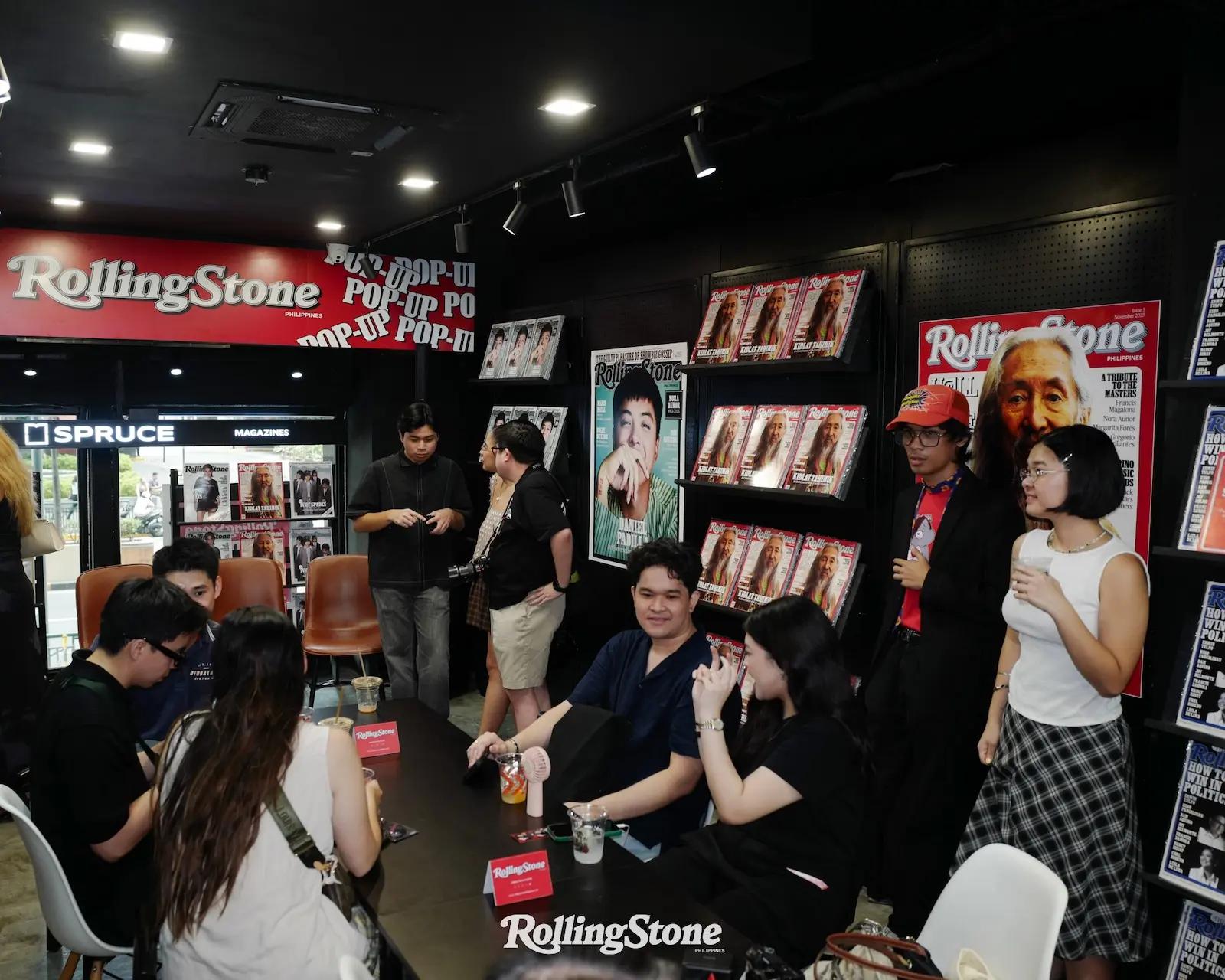
On the panel, Gindap spoke candidly about how he hadn’t expected that there would be such a large community of print supporters when he opened Spruce. “Our ambitions were modest,” he said. “We thought maybe 30 or 50 people would actually buy magazines. But when we launched, we were carrying around 300 titles. I think we sold almost half on our opening weekend. That really encouraged us because it proved that people are still reading.”
The panelists also expressed how, despite digital definitely being here to stay, a printed title will always carry with it a certain je ne sais quoi that cannot be replaced. “A lot of people enjoy both [physical and digital media],” noted Ramirez. “Even I enjoy both! But the problem with digital is that you can buy as many books as you want, but as soon as you close your gadget, they’re gone. As opposed to you seeing your shelf, filled with books, piling high… that’s part of the experience, the enjoyment: to actually look forward to getting your copy and sharing it. It’s not just you reading your copy — it’s your physical relationship with it, to sharing it with other people.”
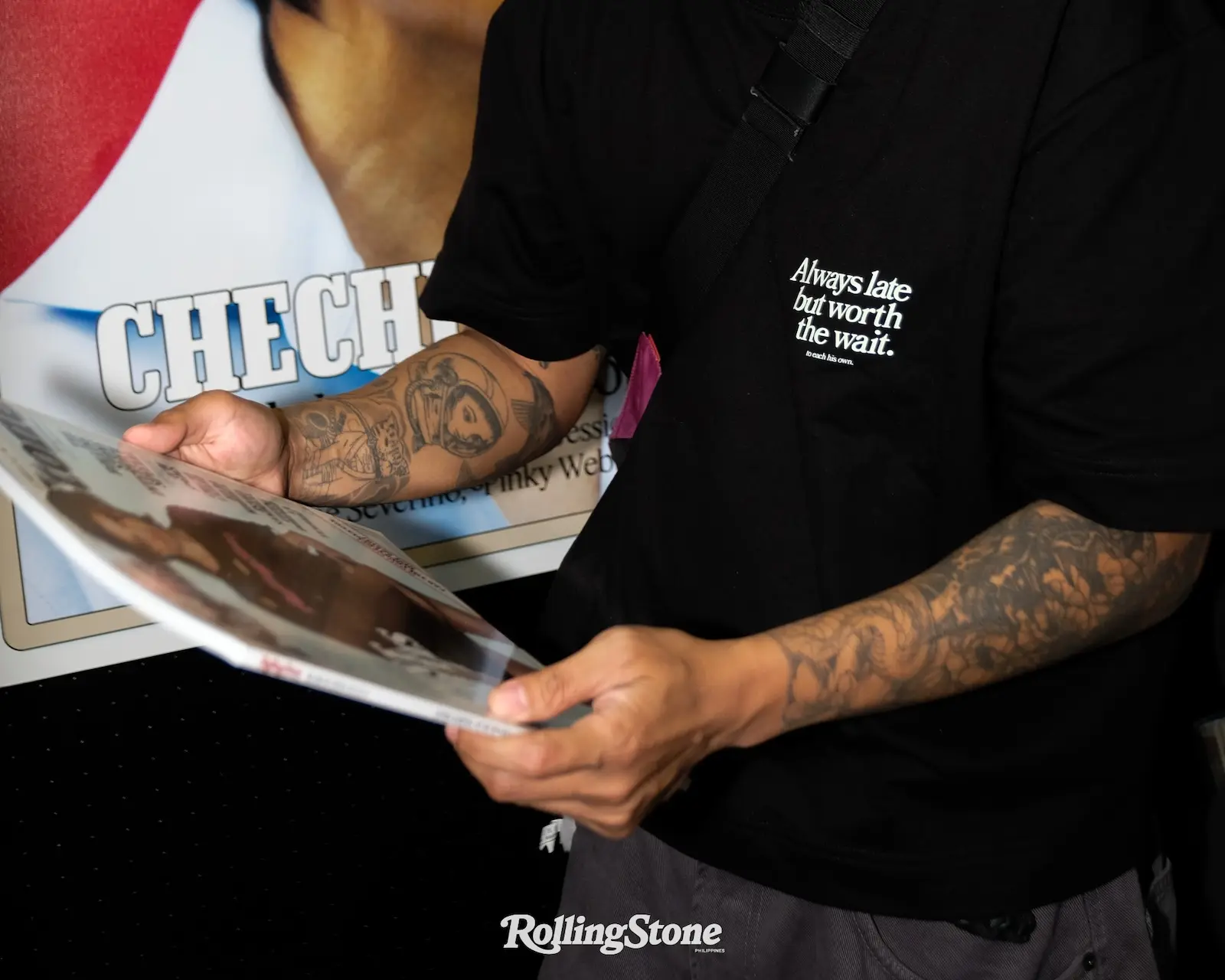
Gindap also noted how within the Philippines, particularly in Manila, there is a growing demand for print magazines with a clear narrative voice. “Manila is very hungry for more interesting titles,” he said. “In fact, the best sellers here at Spruce are not the super mainstreamMainstreamThe ideas, styles, and works that reach the widest audience and dominate popular attention, such as radio hits and blockbuster films. The word is often set against indie or underground,Go to Mainstream Glossary issues. The more obscure it is, the more Manileños seem to love reading it. They love their niche. And now you have brands like Rolling Stone Philippines that are more forward-facing, more direct… It’s a great balance. And I’m proud to say that Spruce has cultivated all ends of the print spectrum in terms of titles and potential.”
When asked about how a printed publication could survive today, all three speakers emphasized the endurance of physical media, despite naysayers pointing to its downfall. “Trends always come and go,” said Abaya. “I really do believe that print won’t go anywhere anytime soon. When we’re gone, magazines will always still be around, even after. It will always be here.”
“If this is something you really care about, go to your local government,” continued Abaya when asked about what institutional support could be given to support the future of print. “And if you have a favorite bookstore chain… it would be nice if you could let them know what type of [titles] you want to see there. The struggle for us local publishers is that, even in the procurement of these bookstore chains, we’re competing with brands like Penguin Random House. When it comes to buying books from us, these chains buy at most maybe five copies for one title, for the whole country. So it really would help if they see demand for local titles.”
Frequently Asked Questions
Print magazines are gaining popularity as readers experience digital fatigue, seeking screen-free tactile experiences, tangible media ownership, and a sense of connection through shared cultural values.
Digital fatigue causes consumers to seek physical print media as a deliberate reprieve from screens, fostering deeper personal engagement and visible collection displays in homes.
Niche and obscure magazine titles with strong, distinct narrative voices often outperform mainstream publications in independent stockists by directly serving specialized reader interests.
Print magazines coexist successfully with digital media because physical copies offer lasting tangible ownership and shared experiences that temporary screen-based reading cannot replicate.
Local print publishers struggle primarily against major global distribution networks, facing limited inventory procurement from major bookstore chains that heavily favor international titles.
Recommended Video