

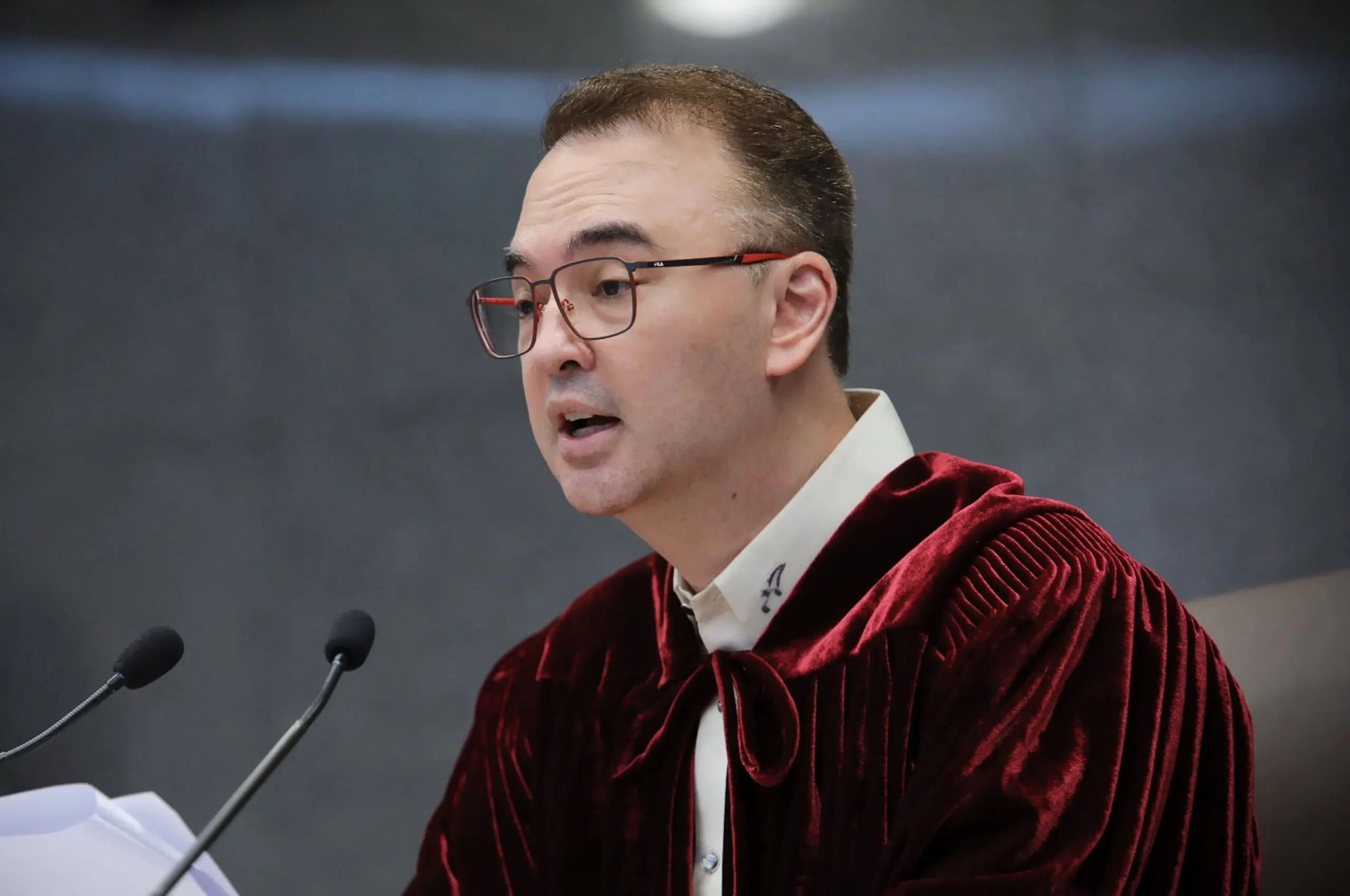
Too much has happened in Senator Alan Peter Cayetano’s first week as Senate president. Between the removal of Sen. Vicente “Tito” Sotto III from the upper chamber’s leadership on May 11, the May 13 shootout, and Sen. Bato dela Rosa’s reappearance and return to hiding, the Senate began impeachment proceedings against Vice President Sara Duterte on a disgraceful note.
“This is a very low point for the Senate as an institution, very shameful, very embarrassing — and to think na isang linggo pa lang tayo sa Cayetano presidency,” journalist and Facts First host Christian Esguerra tells Rolling Stone Philippines.
Sotto’s ouster was widely speculated to have been motivated by Duterte’s impeachment, though Cayetano denies this. The coup was also marked by dela Rosa’s return to the Senate, after rumors of an arrest warrant against him issued by the International Criminal Court (ICC) pushed the ex-police chief into hiding in November 2025.
When asked if Sotto’s unseating was expected, The Straits Times Philippine correspondent Mara Cepeda said, “We knew that they were going to try to assert control over the Senate leadership. And you really need to change the [Senate president] if you want to influence the outcome of the trial in favor of Sara [Duterte]. But we did not expect the extent of the chaos, the fear-mongering, and the violence that the Duterte bloc would go to, just to control what will be the outcome of the trial.”
Conflict journalist Chiara Zambrano agrees, saying that the trial’s outcome is “a monumental consequence of the Senate presidency.”
Senate Reputation and Integrity in Jeopardy
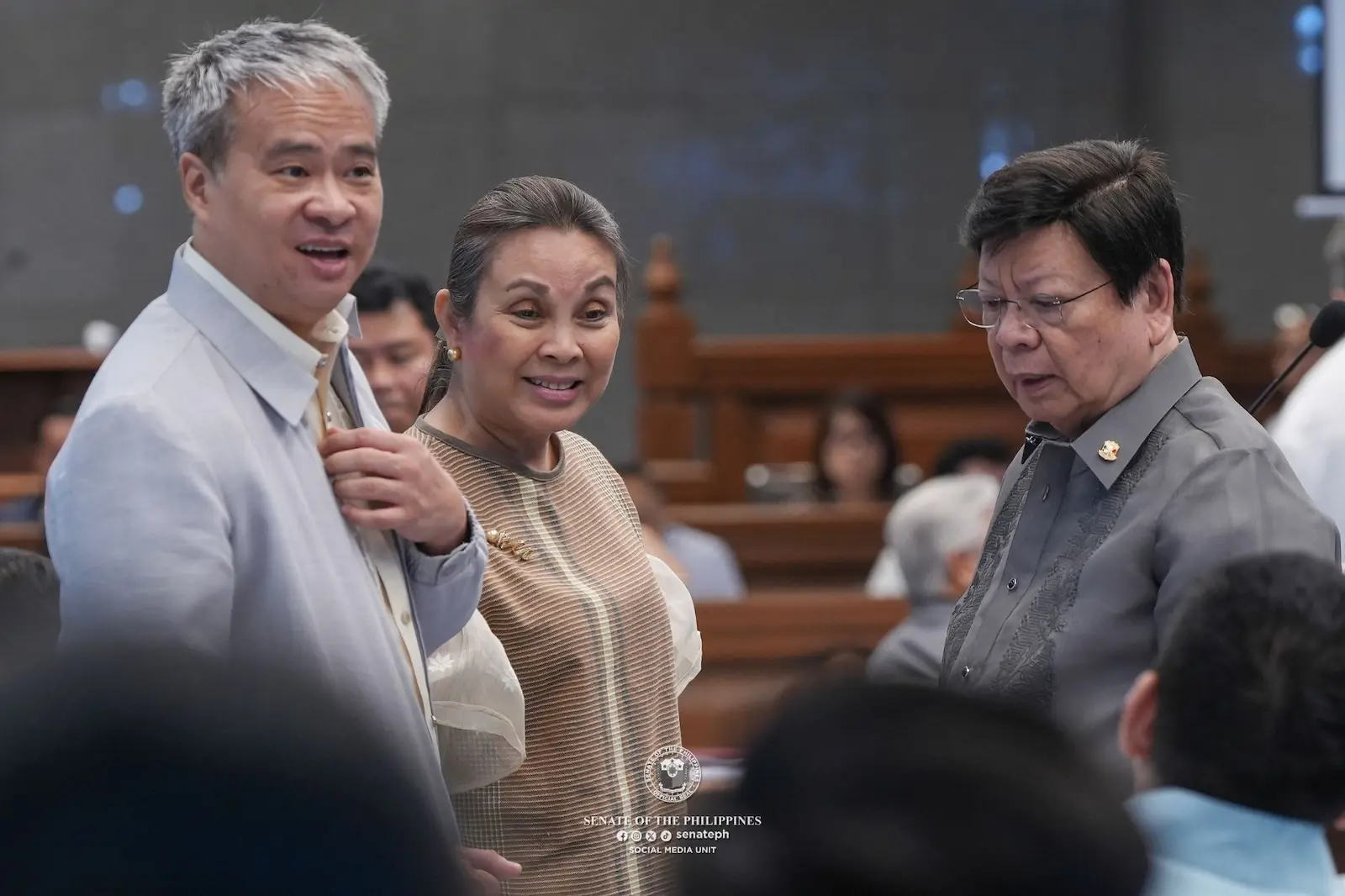
Dela Rosa’s reappearance was also cause for commotion on the day of the leadership shakeup. The ex-police chief faces an arrest warrant issued by the International Criminal Court (ICC), whose Pre-trial Chamber judges found reasonable grounds to believe that Bato dela Rosa is “allegedly criminally responsible as an indirect co-perpetrator” of killings related to Rodrigo Duterte’s war on drugs.
Because of this, Cayetano granted dela Rosa the Senate’s debated “protective custody,” creating further tension between the upper chamber and the National Bureau of Investigation, which sought to serve dela Rosa his arrest warrant. Said tension came to a head in the May 13 shootout, initiated by the now-suspended Senate Sergeant-at-Arms Mao Aplasca. The exchange of gunfire that evening was promptly followed by dela Rosa’s escape from the Senate’s protective custody.
Details of dela Rosa’s flight from authorities have gradually surfaced since the early hours of May 14. The Philippine National Police reported that dela Rosa and Sen. Robin Padilla, also a Duterte ally, were seen heading to the same white SUV in the Senate parking area just before the vehicle left the premises at 2:30 a.m., citing CCTV footage.
“They’re using the state to protect one of their own and to protect Sara Duterte, which is something that we did not really expect the Senate to do,” Cepeda says. “We expected them not to be used or not to kowtow to one family, but they’re kneeling to the Dutertes. The ruling coalition there is going to use the institution to protect the vice president, not to hold her accountable, which puts them in doubt.”
Expounding on his comment about Cayetano’s first week being a low point for the upper chamber, Esguerra says, “Many right-thinking senators also do not like what happened, and they’re not blind to the fact that this is all on Cayetano.”
Zambrano says she can’t decide how she feels about the coup and the shootout. “If you’re optimistic, you can view it as a desperate move of a group that feels like its hold on power is starting to unravel. If you’re pessimistic, maybe realistic, it can also be viewed as remnants of Duterte power, or an actual showing of how much power remains in the Duterte name, inside the Marcos presidency.”
Can the Senate Redeem Itself?
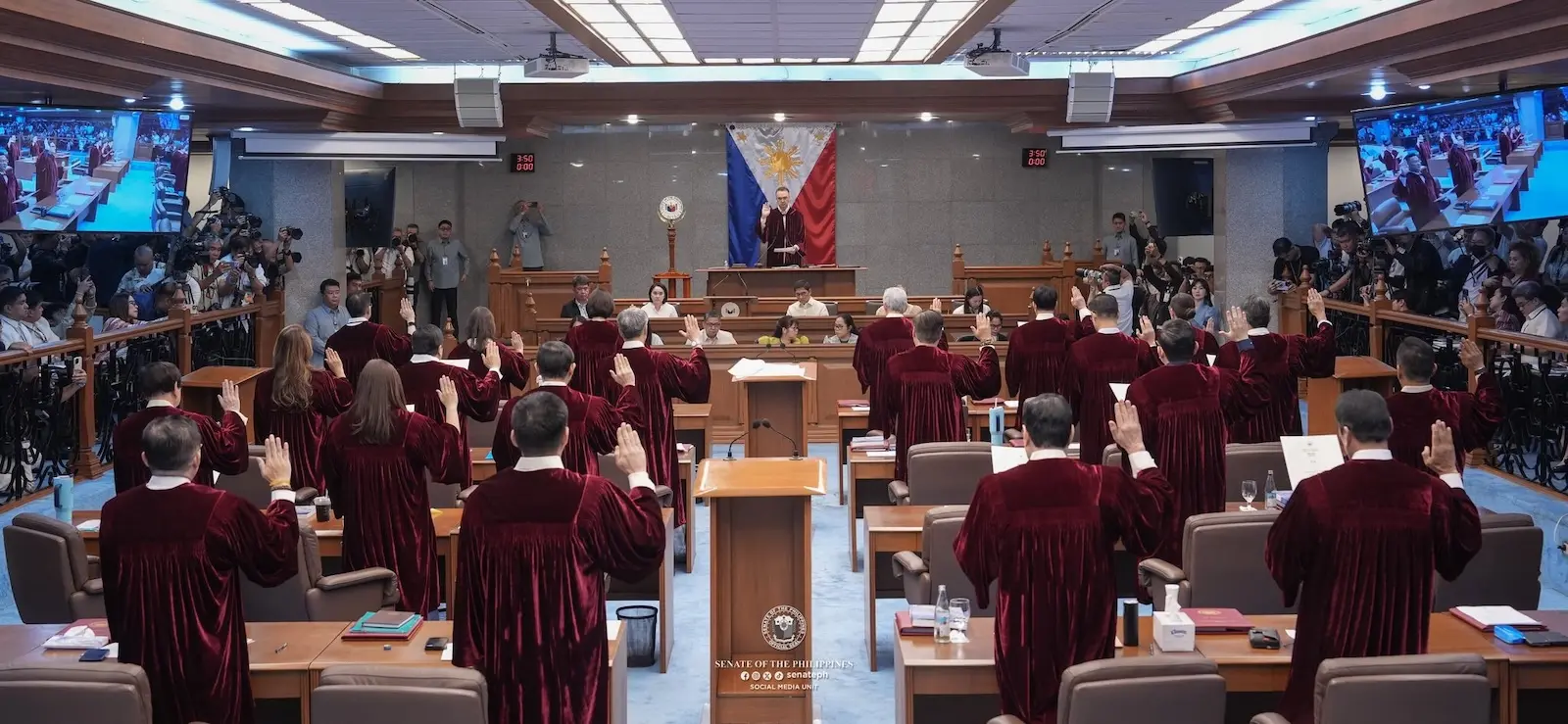
Bea Cupin, a senior political reporter at Rappler, says that in discussing another leadership change, concerns regarding the Senate’s reputation would also have to be raised. “If they muster the numbers and they choose who they actually want to replace Alan Peter Cayetano, moving forward, how do you rehabilitate, or ensure that this doesn’t happen to the institution again?” she says. “Kasi may baseline ka na eh, na puwedeng ganito ang change of leadership at puwedeng mangyari ‘to sa Senate na nagkagulo-gulo. Making sure the standards that we expect for senators to act [is heightened] ulit, that’s one thing you have to ensure.”
Cepeda says the Senate has a “chance to redeem itself after that chaotic May 13” with Duterte’s forthcoming impeachment trial. She says, “It has a chance to improve and tell the people, ‘What happened there, we didn’t want that. We’re going to assess based on the evidence.’ Or, they can just confirm now that the Senate it is now is not the Senate it was meant to be.”
For Esguerra, what happens in the trial depends on “whether all the pieces of evidence would be allowed to be presented and how damaging they would be.”
“Based on the evidence that came out in the House Justice Committee hearings, they’re pretty damaging, especially ‘pag binuksan na ‘yung bank accounts. The Senate impeachment court has the power to waive the secrecy of bank deposits, so doon magkakaalaman,” he says.
Esguerra also emphasized that narratives on social media will also play a big role in the trial’s outcome. “[Senators] would have to listen to what the people or the public sentiment would be, and if it’s organic, they cannot ignore that. They cannot muffle those voices using their own inauthentic voices, using their troll armies. So evidence is key, kasi ‘pag ipapakita mo namang garapalan ‘yung pagnanakaw, paano mo namang i-a-acquit ‘yun?”
Frequently Asked Questions
Senator Alan Peter Cayetano became Senate president on May 11, 2026, after Sen. Vicente “Tito” Sotto III was removed from the upper chamber’s leadership. The change is widely linked to Vice President Sara Duterte’s impeachment proceedings, though Cayetano denies this motivation.
Tito Sotto was ousted as Senate president on May 11, 2026, in a leadership coup widely believed to be motivated by the upcoming impeachment trial of Vice President Sara Duterte. Allies seeking to influence the trial’s outcome reportedly pushed for the change in leadership.
The May 13 shootout was initiated by suspended Senate Sergeant-at-Arms Mao Aplasca during tensions between the Senate and the National Bureau of Investigation, which sought to serve Sen. Bato dela Rosa his ICC arrest warrant. Dela Rosa escaped shortly afterward.
Bato dela Rosa faces an International Criminal Court arrest warrant after Pre-Trial Chamber judges found reasonable grounds to believe he is criminally responsible as an indirect co-perpetrator of killings tied to Rodrigo Duterte’s war on drugs campaign.
The Senate can redeem itself through the Sara Duterte impeachment trial by transparently evaluating evidence, allowing bank account disclosures, and resisting partisan pressure. Journalists say public sentiment and the admissibility of House Justice Committee evidence will be decisive factors.
Recommended Video