Malasimbo Music and Arts Festival made its return to the live music world on May 23. Now on its 15th year, the festival remains a one‑stop destination for live music that showcases a wide palette of rhythmic and sonically meditative music. The consistent live curation had dashes of world music, reggae, jazz ensembles, R&B, and house. From its Puerto Galera roots with acts like Jacob Collier, FKJ, Goldie, and Mike Love, Malasimbo leaped to the walled city in 2025, landing right at Puerta Real Gardens, Intramuros. Founder and festival director Miro Grgić broke into the venue that year with Afro‑Brazilian percussion troupe Brigada, electronic duo MOTHERBASSS, psychedelic band La Crema, and hip‑hop collective Morobeats.
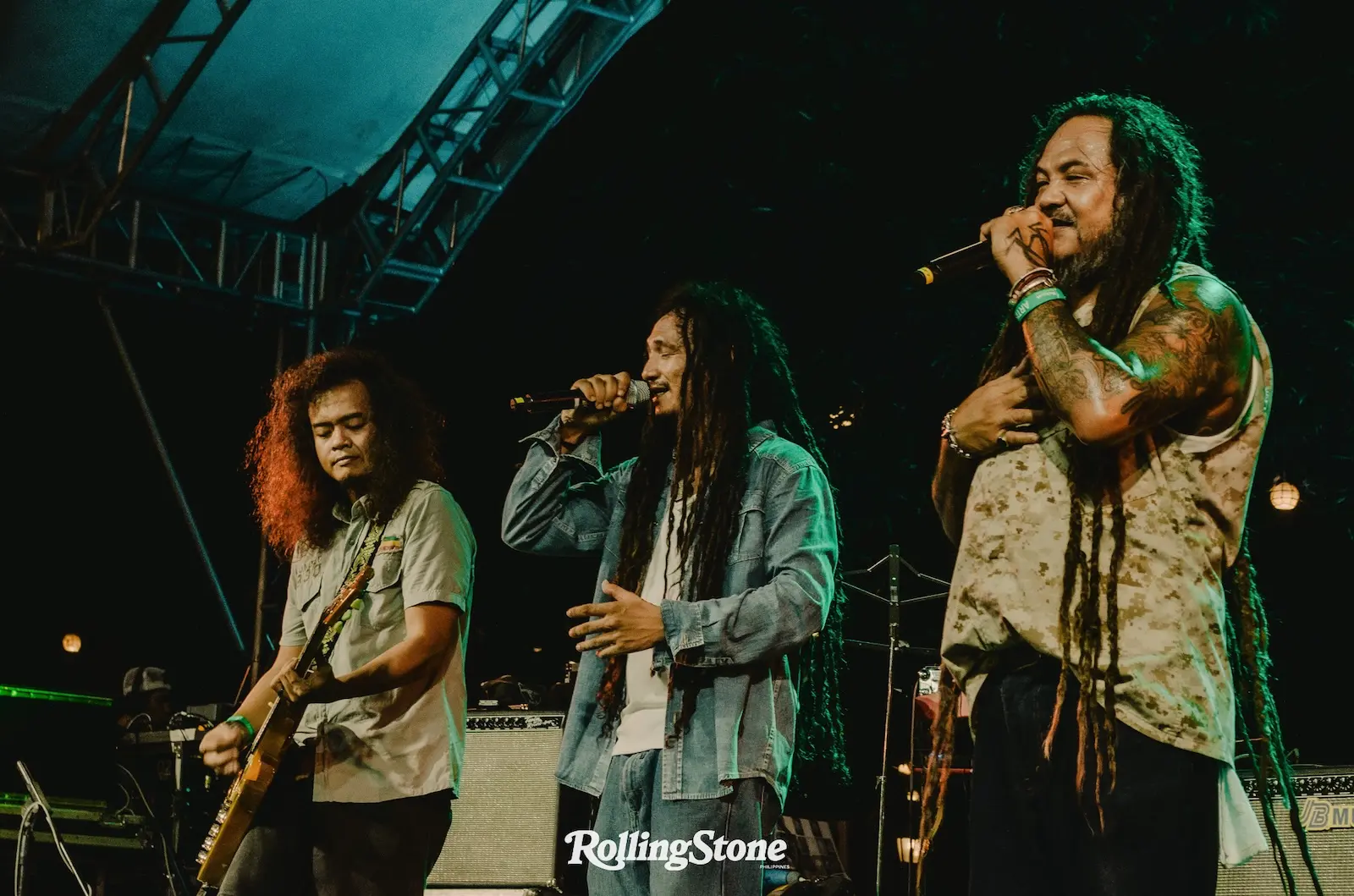
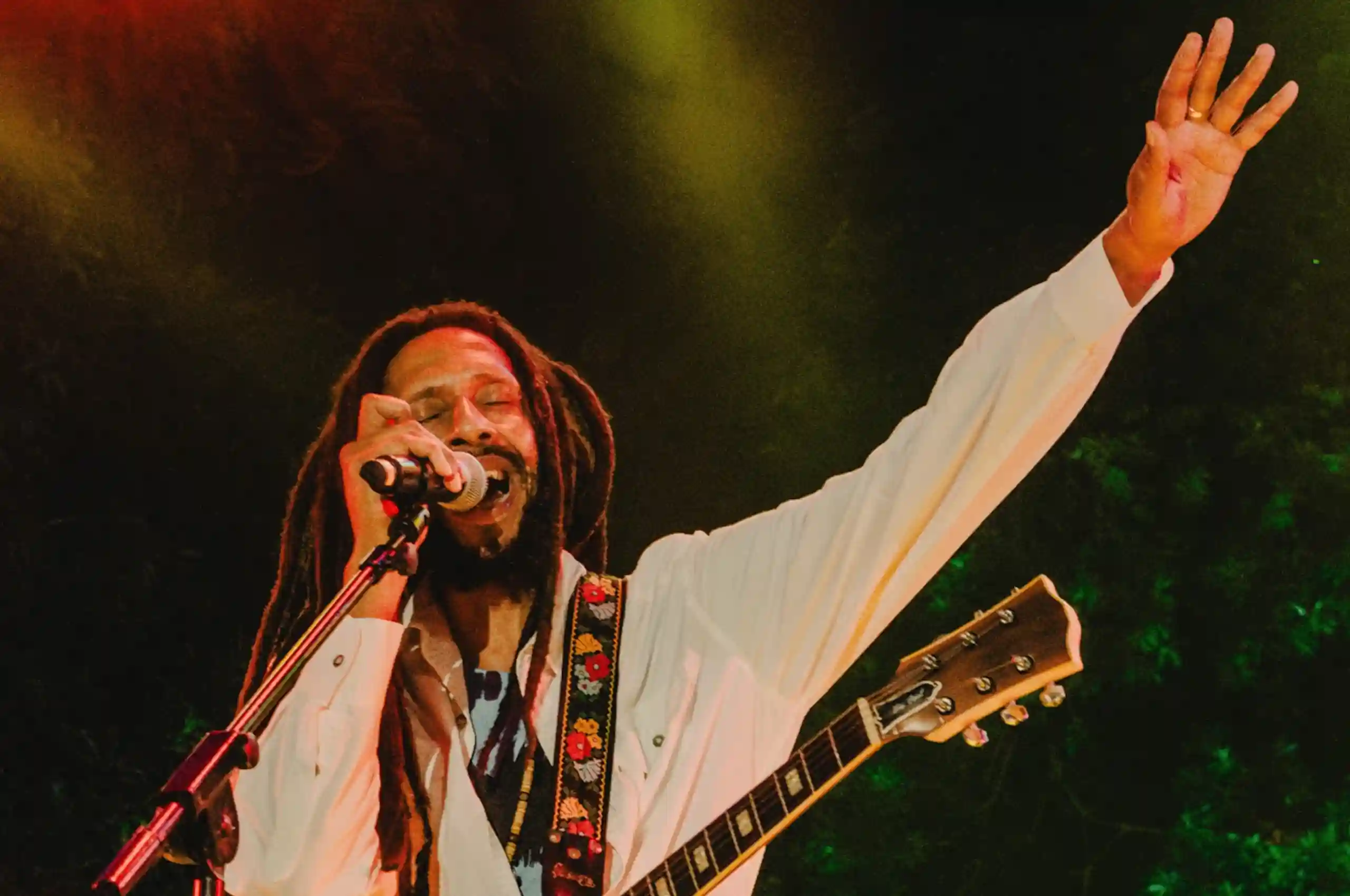
This year, Malasimbo pulled off a big one: inviting one of reggae’s most prominent heirs, Julian Marley. If Intramuros’ atmosphere weren’t fitting enough, Marley’s presence sealed the vibe with his wide live sound appropriate for a festival stage alongside local stalwarts in reggae and world music Anima Tierra, Selah Dub Warriors, and Jeck Pilpil & Peacepipe. Throughout the entire show, there were LED walls displayed beside the stage. There was one ad on the screen that flashed the Malasimbo’s next destination: the tropical sprawl of Balesin Island, just off the Quezon Province, arriving May 1 until 3, 2027. From the get‑go, the stage was set for Malasimbo 2027 a year in advance; in the meantime, Puerta Real Gardens hosted a very swell evening.
Arriving around 7 p.m., audiences crossed through the stone walls, gates, and bridge into the lagoon and were greeted by local artworks hung along Intramuros’ corridors. Olivia d’Aboville’s trademark giant dandelions glow across the field of grass before the live music stage. A red paper‑origami piece by Jinggoy Buensuceso floats above the trees, lanterns dotted across the venue. Across from the main lights and music stage, the Kids Village runs a Battle of the Brush live painting competition. On the surface it looks like a modest evening until the real festivities kick in.
Local Bands and Rain
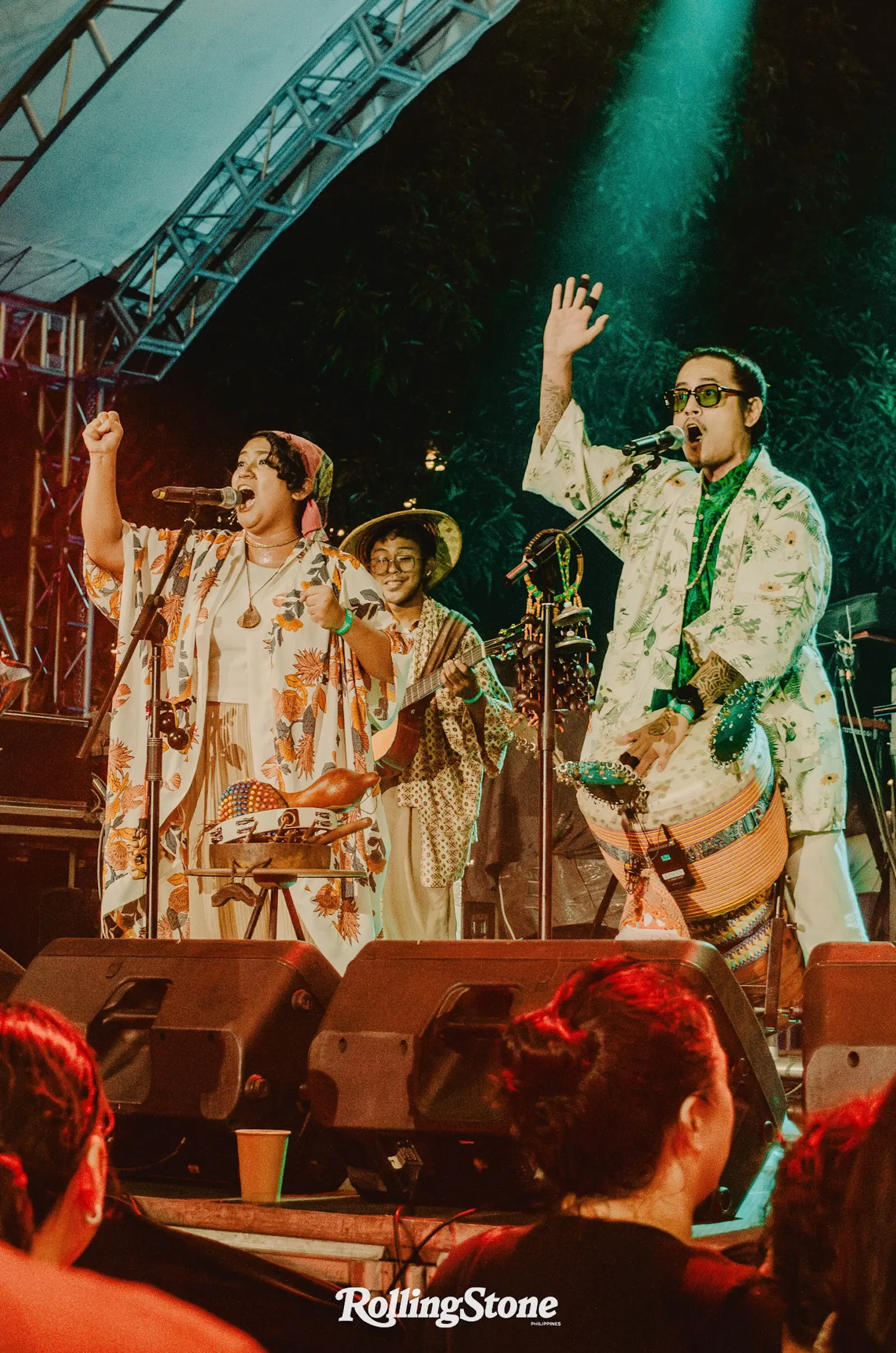
By 7:30 p.m., Cebuano unit Selah Dub Warriors take the stage to freestyle, ad‑lib, and lay down melodic heft — a reminder of what a Cebuano reggae band can deliver. They salute the Queen City with nods to Santo Niño, the Magellan’s Cross, and the city’s landmarks.
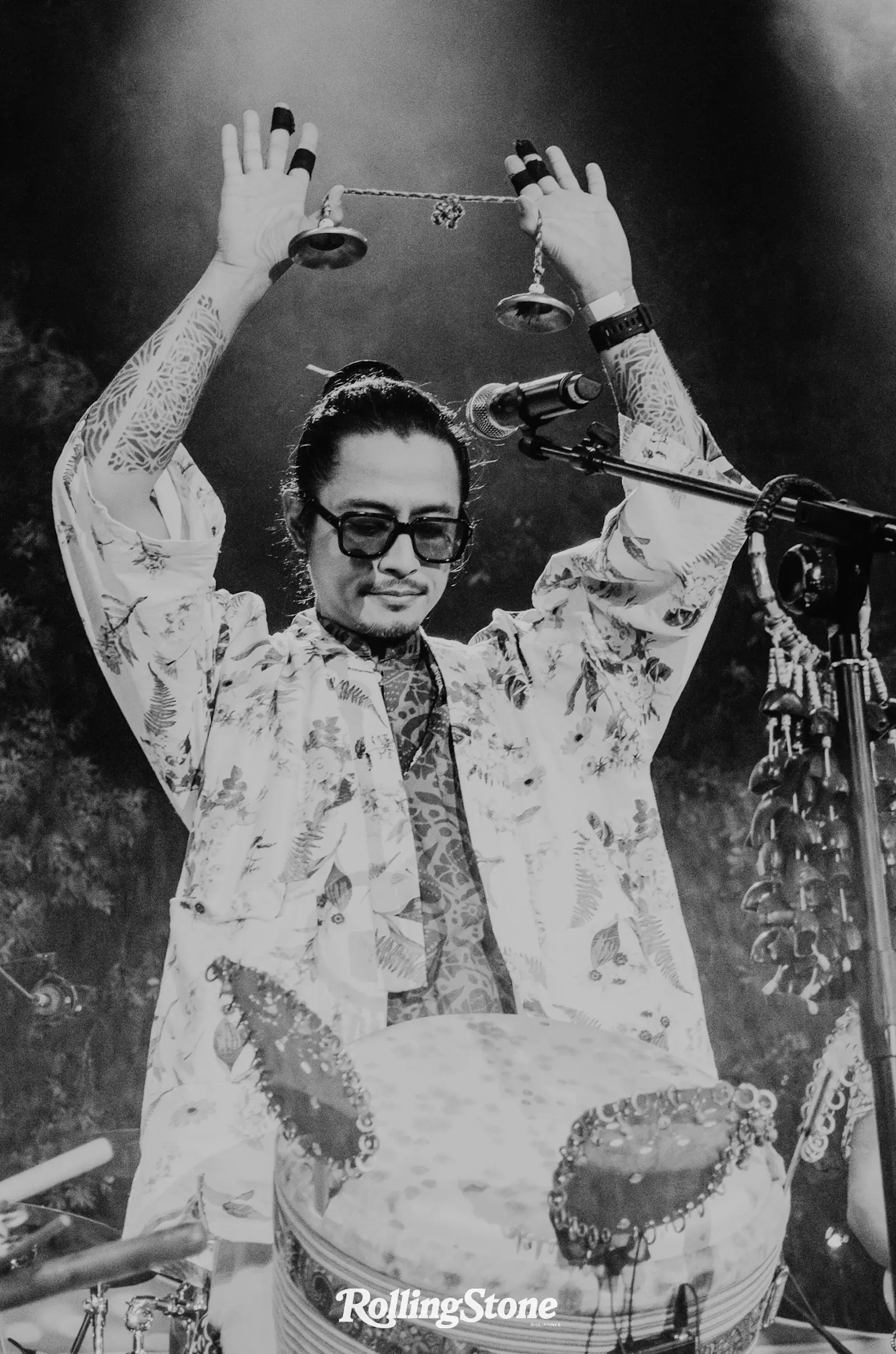
Anima Tierra, one of the night’s highlights, hit just as rain began to fall on grass, stone, and shoulders. Tech crews scrambled while plastic went over amps and mixers. The moment the band was ready, the audience abandoned the barricades and shifted into a communal groove. From the front to the back, people danced in place, started conga lines, and chose joy over drizzle. Anima Tierra’s drums only grew louder despite the hiccups, while the crowd stayed respectful and wildly receptive.
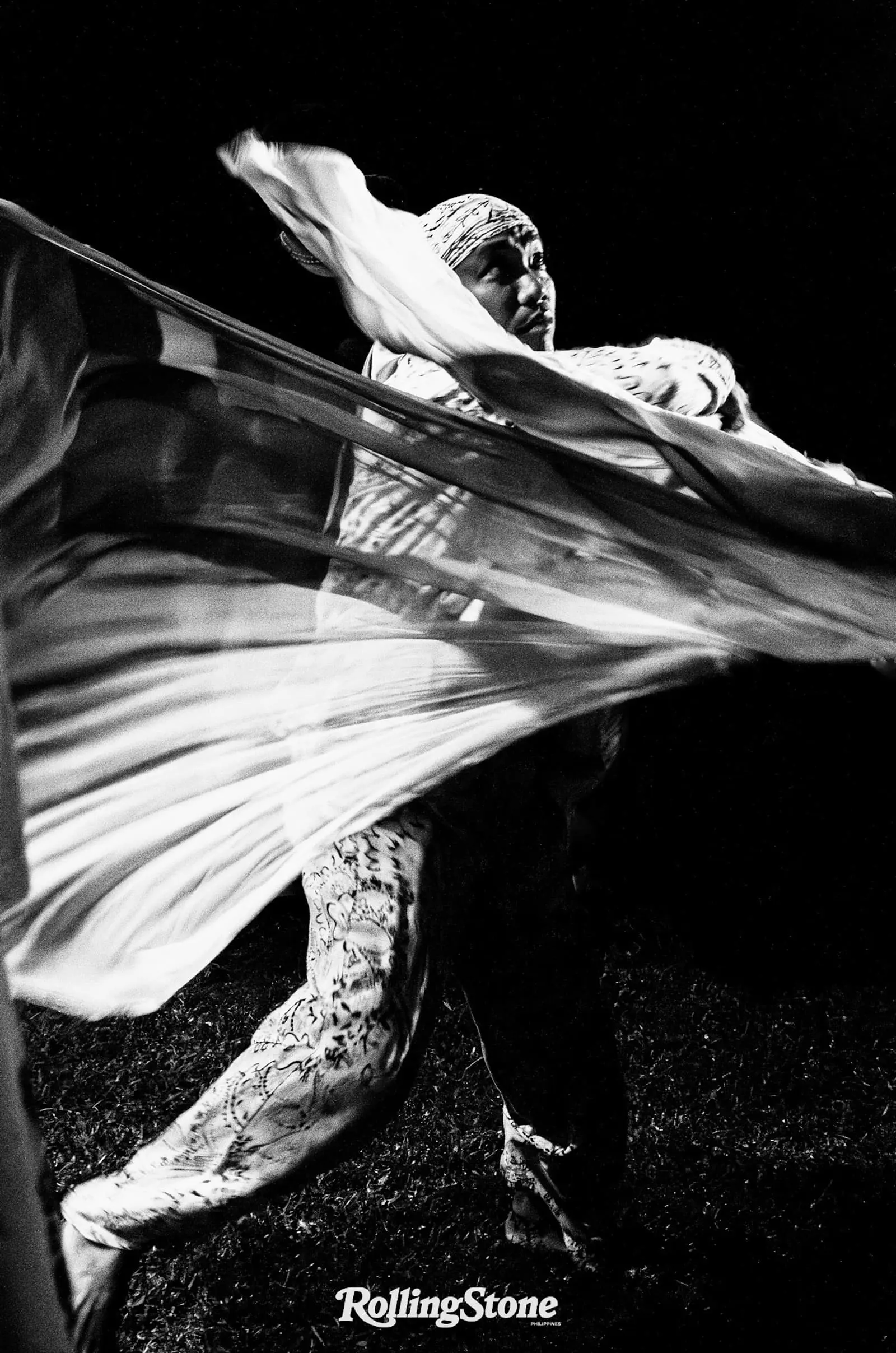
Second to the last and the final local act, Jeck Pilpil & Peacepipe kept the lift going. Pilpil’s gruff, unwavering delivery rode the swinging pulse of roots and dub. As the rain finally let up, the crowd thickened. Daloy Dance Group formed a circle, pulling attention with syncopated moves. A smaller, cuter conga loop snaked across the floor. Overhead, a dragon puppet on a pole orbited the air. At first it felt overstimulating for the senses, but then it clicked: it was all perfectly right for the occasion. Maybe the rain was a kiss from nature after all.
Marley’s Legacy Closing the Night
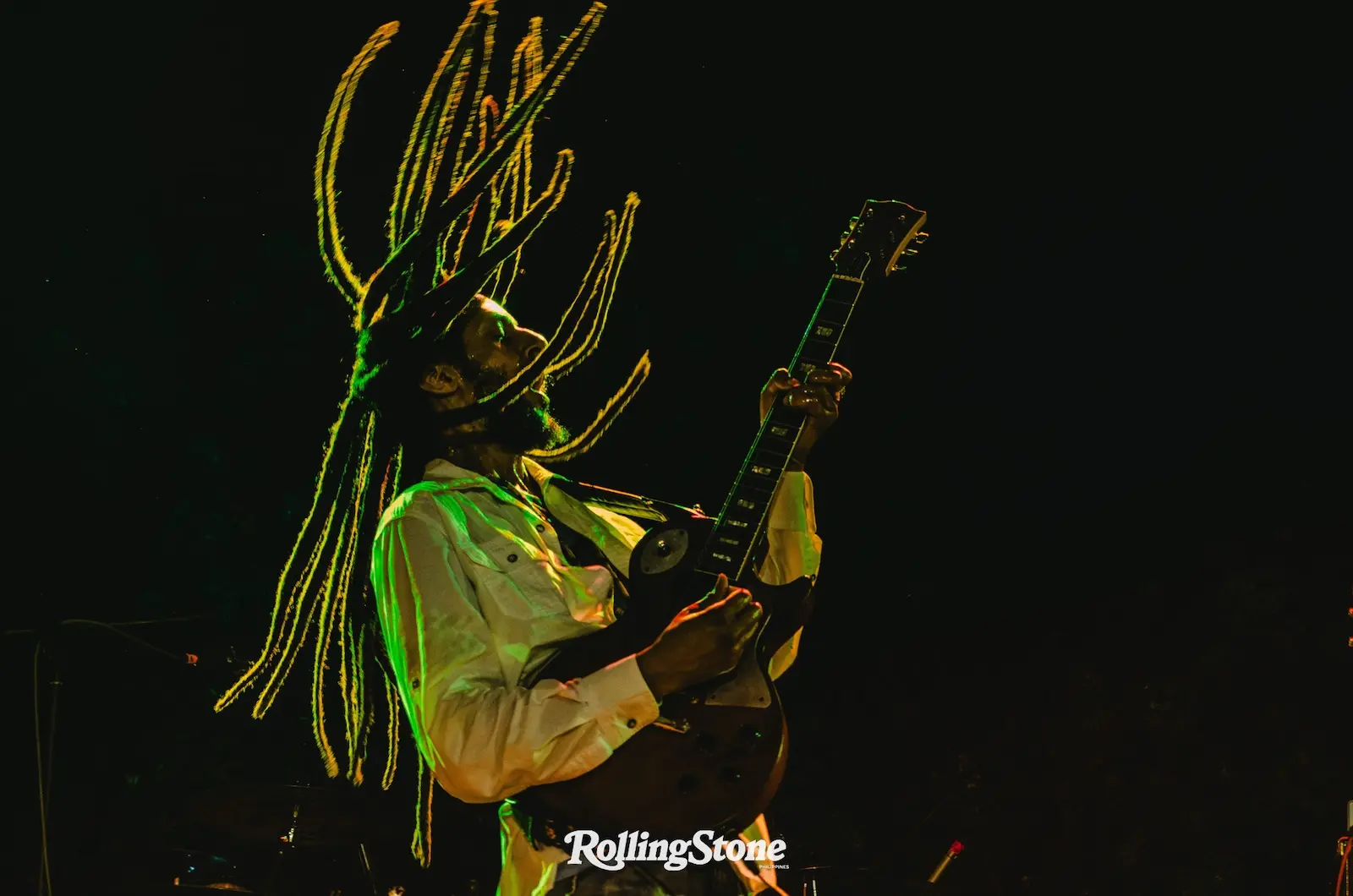
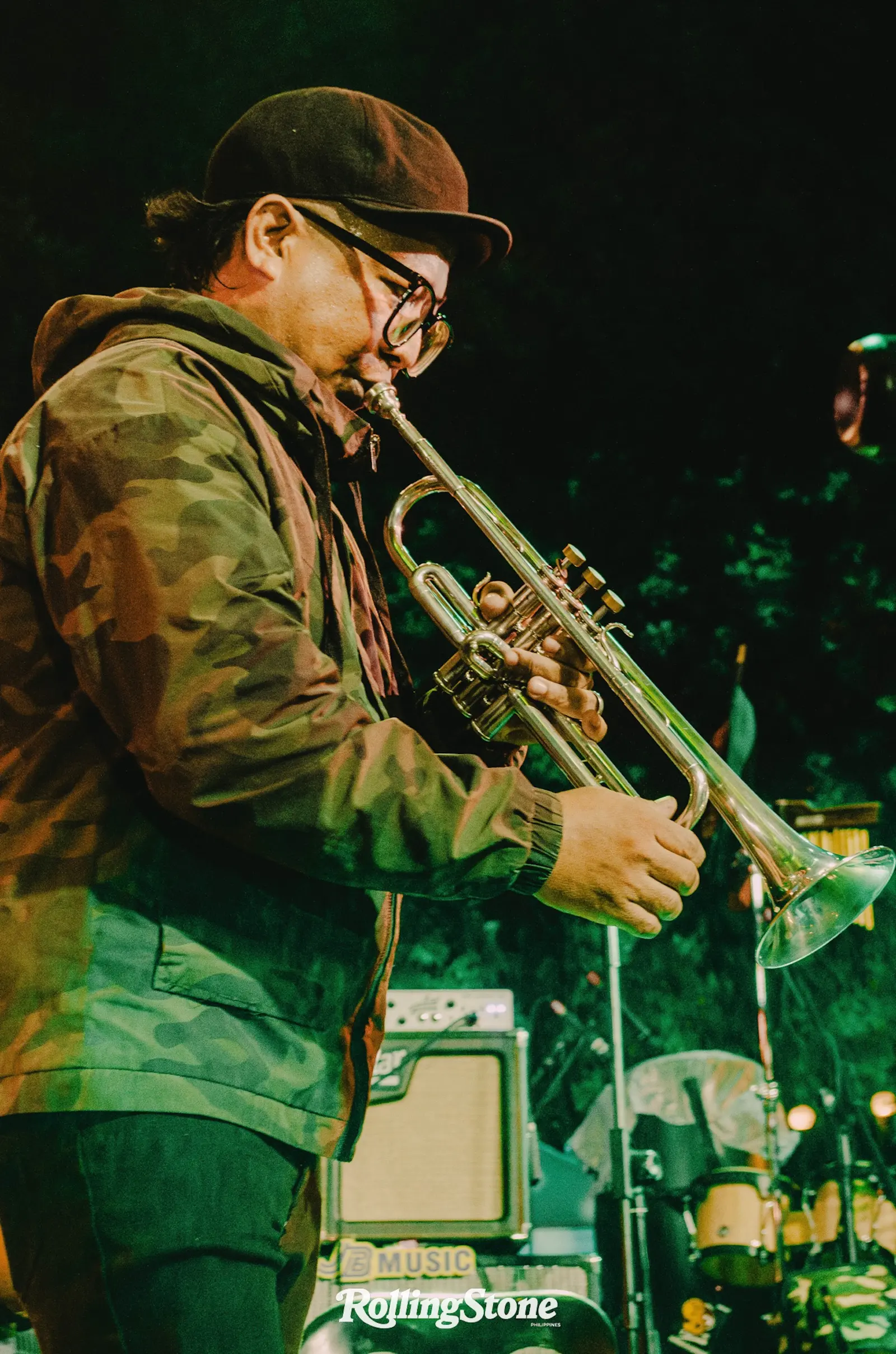
Julian Marley is the main event of the festival where it drew heavy anticipation for longtime fans and learners of reggae, gathered in what becomes a classroom under open skies. Marley’s closing stretch felt like a benediction. From “Lemme Go,” “Straighter Roads,” and “Are You The One,” to “Boom Draw,” the set went through catalog highlights, all embossed in roots and dub. Live, the spell of dub revealed itself fully. It was the magic of spring‑reverb snares that rang like tin cans in a dream, airy backing harmonies floating above the mix, four keyboards trading riffs, and those dub hypnotic echoes spiraling through a well‑tuned soundsystem. It was the spirit of reggae speaking at full force; a son honoring a lineage while standing firmly in his own light.
By the time Marley waved goodnight, the garden felt like a moving chapel of rhythm and echo. Reggae, world music, alive and well, had spoken in a voice that was reverent and current at once. Malasimbo signed off cleanly — a good night and a proper send‑off — before the festival heads back to the tropical islands next year.
Frequently Asked Questions
The Malasimbo Arts and Music Festival is organized by founder and festival director Miro Grgić since 2011.
The festival features live performances from local and international musicians, DJ sets, live painting competitions, dance performances, art installations, merchant booths, and community-driven activities.
The next Malasimbo Arts and Music Festival will be held at Balesin Island on May 1 until 3, 2027.
This year’s Malasimbo Arts and Music Festival was held at Puerta Real Gardens at Intramuros, Manila.
The Malasimbo Arts and Music Festival first began in 2011, making it 15 years.
Recommended Video