

If Lady Gaga’s “Abracadabra” music video incites the viewer to choose between dance and death, then that must be because dance is life-giving.
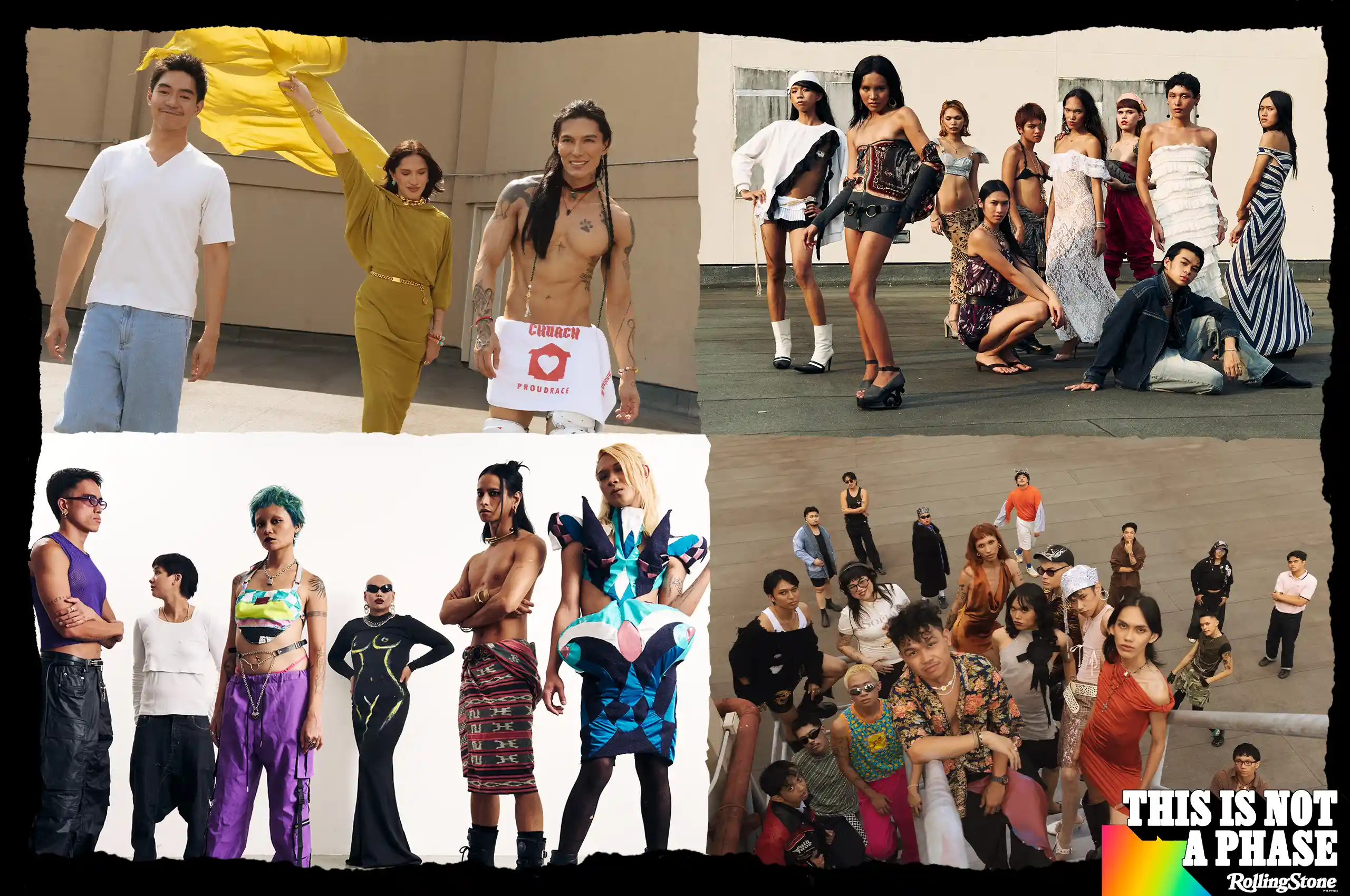
As part of our storytelling campaign, “This Is Not A Phase,” Rolling Stone Philippines highlights the queer dance collectives keeping the spirit of Pride at its most transgressive and unadulterated. First, we talk to ELEPHANT, one of Manila’s most enduring organizers in queer nightlife; and then to Planet Amor, a newly minted party collective that believes in the power of the “feminine touch.” We also sit down with CHURCHLOVESU (also known simply as CHURCH), the collective reclaiming the dance floor as a site for a different kind of spiritual experience; and Club Euphoria, a pandemic-born party group that’s proving itself as the antidote against dogmatic dance music and DJ-centered partying.
While the global pandemic and its subsequent lockdown prompted many people to never take parties and clubs for granted ever again, organizers in the scene today must also deal with newer attitudes towards going out; there’s the mainstreaming of “raves,” for instance, Gen-Z’s alleged preference for sober partying, and a larger cultural emphasis on safe spaces. This is the same landscape that queer party organizers must navigate, on top of the country’s simultaneous acceptance and systemic neglect of the LGBTQ+ community.
In the stories for this campaign, these collectives answer questions about bureaucracy, the challenges of putting up queer parties in a country without pro-LGBTQ+ legislation, grassroots organizing, and what it takes to foster truly safe spaces.
Frequently Asked Questions
ELEPHANT is one of Manila’s most enduring queer party organizers, featured in Rolling Stone Philippines’ “This Is Not A Phase” campaign alongside three other collectives sustaining Pride culture beyond mainstream events.
Planet Amor is a Manila-based queer party collective that believes in the “feminine touch.”
CHURCHLOVESU (also known as CHURCH) is a Manila queer collective that reclaims religious themes to create a different kind of spiritual communal experience on the dancefloor.
They navigate bureaucratic barriers, the absence of pro-LGBTQ+ legislation, and post-lockdown shifts in nightlife culture, all while building spaces that genuinely serve the LGBTQ+ community.
A safe space in queer nightlife goes beyond surface-level inclusivity. It requires active organizing, community accountability, and policies that protect LGBTQ+ attendees from discrimination and harm.
Recommended Video