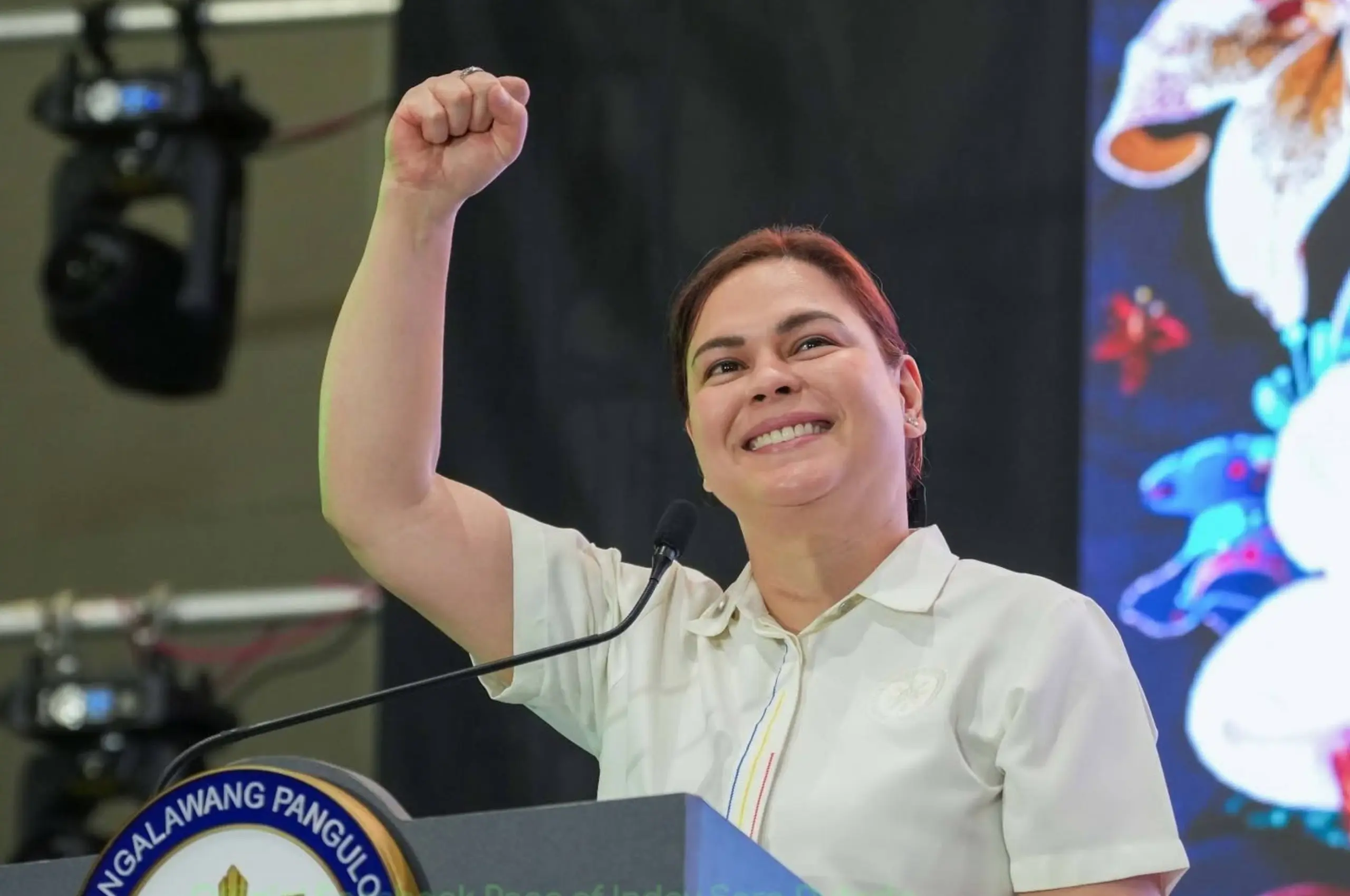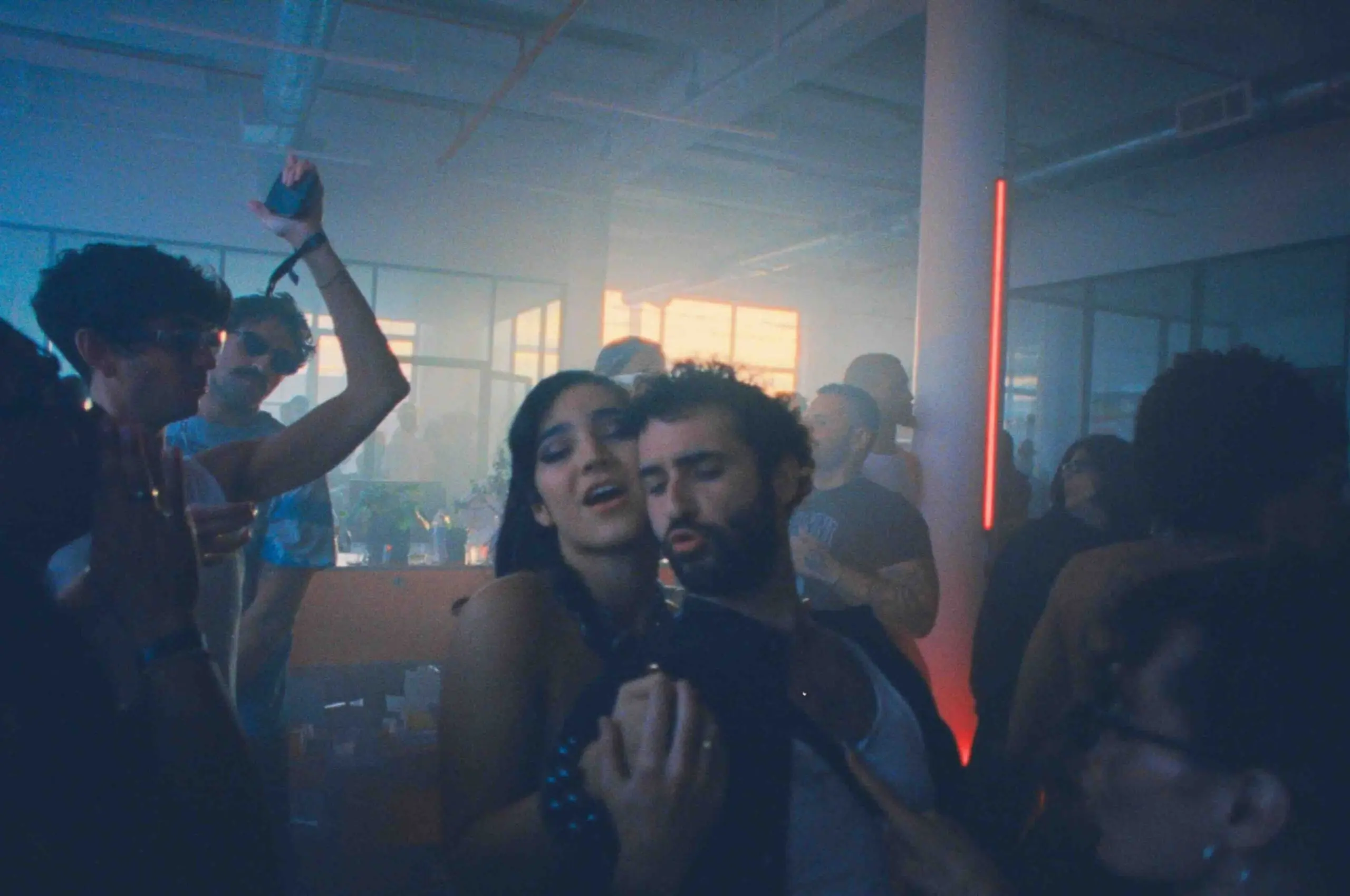


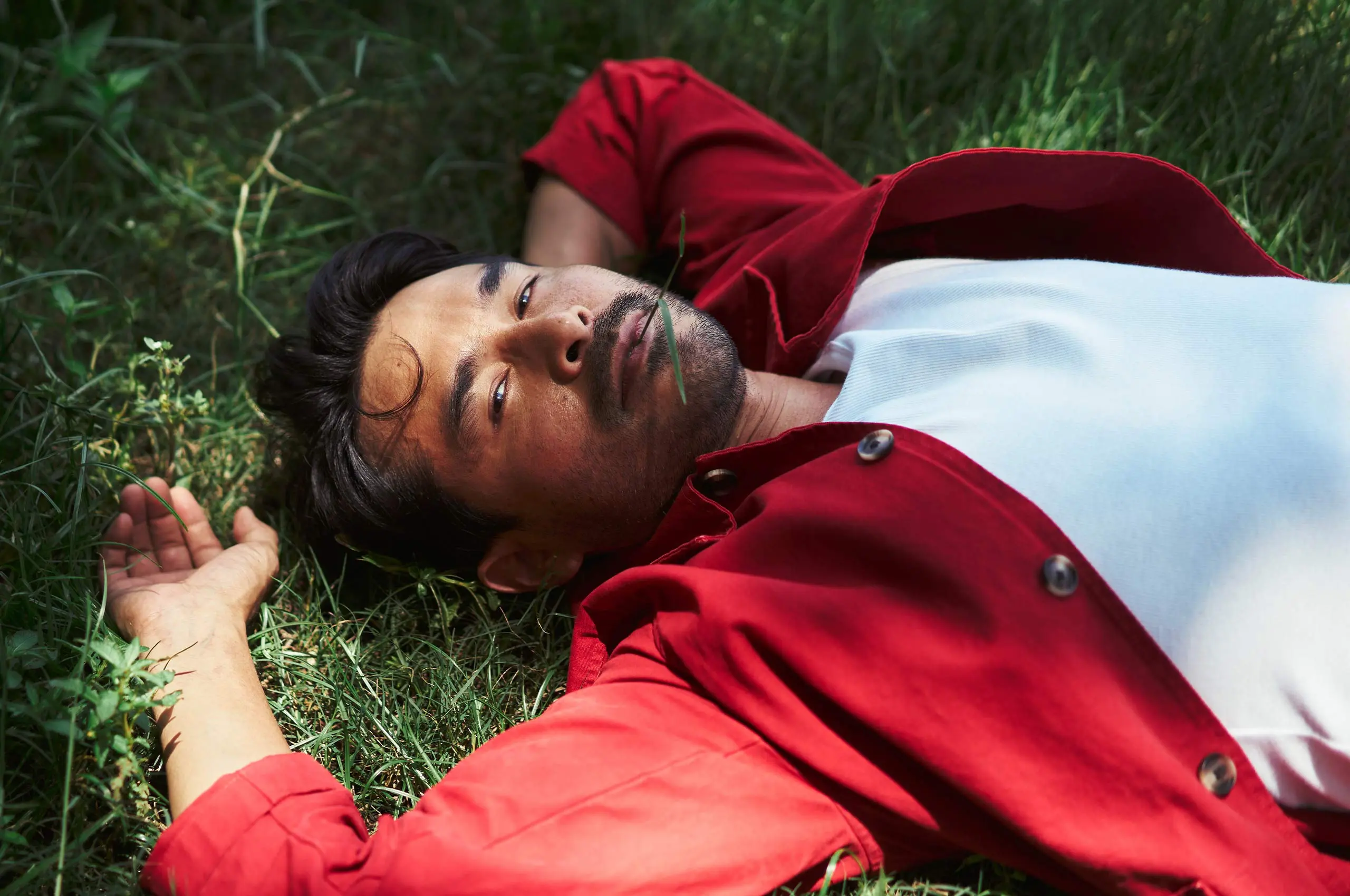
There’s this video from the ‘90s of a gaggle of children — or rather, the young journalists of 5 and Up, the news show made for kids, by kids — raising their hands at a very important oath-taking. “As a member of 5 and Up, [I] promise to follow the guidelines of good journalism,” each child solemnly repeats. “To inform and to tell the truth to other kids while having fun, going to places, and talking to people. Amen.”
One of these fledgling news correspondents was Atom Araullo.
Today, it seems Araullo took the oath to heart. Over the course of his career, Araullo has served as a broadcast journalist for ABS-CBN and GMA (where he currently hosts the news show, State of the Nation), the lead on documentary series such as i-Witness and The Atom Araullo Specials, the co-founder of independent news platform FYT, and a goodwill ambassador for the United Nations High Commissioner for Refugees.
In 2024, Araullo reached another milestone when he became the first in the country to win a civil case against his red-taggers, SMNI hosts Lorraine Badoy and Jeffrey Celiz. The two were ordered to pay Araullo P2.080 million in damages and lawyers’ fees, marking the first known application of a Supreme Court ruling that recognized red-tagging as a harmful, constitutional threat.
“Mas comfortable ang mga mamamahayag na nagtatanong imbis na tinatanong,” said Araullo for the Rolling Stone Philippines Interview. “We’re always taught in journalism to stay a fair distance away from the story that you’re doing. Pero minsan kailangan nating bumaba mula sa proverbial ivory tower, and put some skin in the game. We always talk about the importance of democracy. We always ask our audience to take some kind of risk in order to protect that democracy. We should be willing to take that risk, too.”
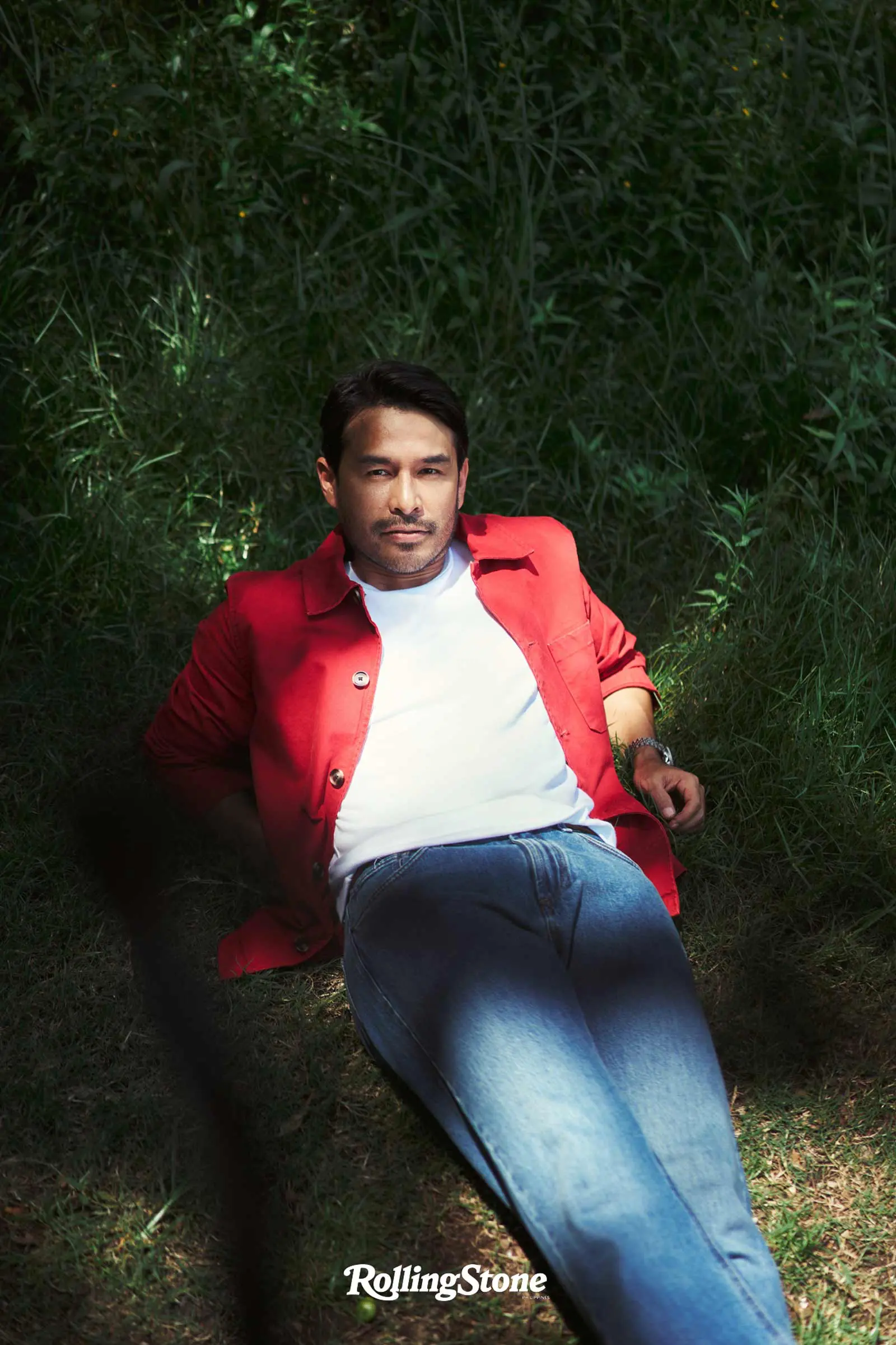
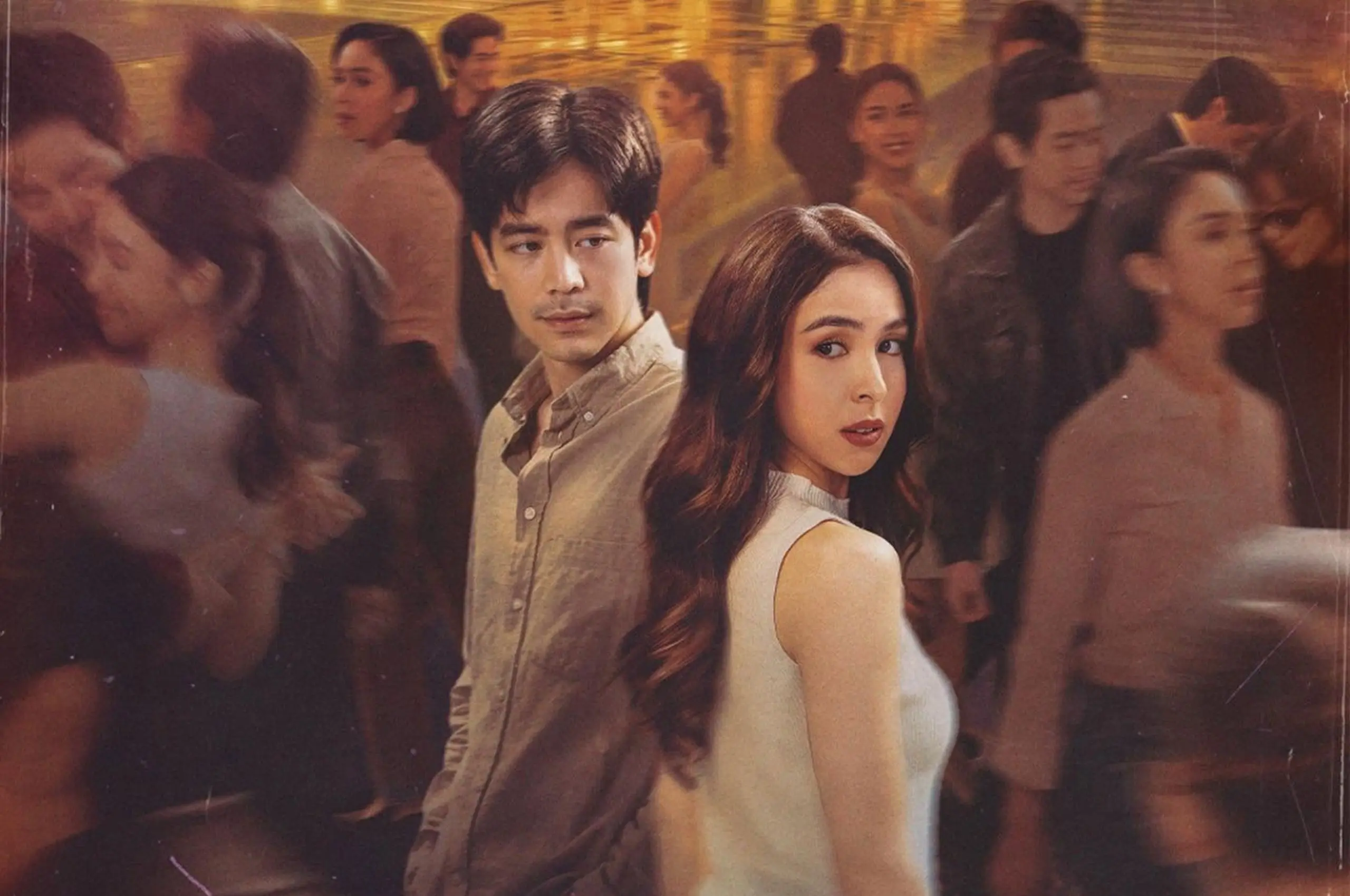
Araullo has taken a lot of risks in his prolific career. At one point, he even ventured into acting, playing the titular role in Mike de Leon’s Citizen Jake. The film made noise days before its release with de Leon heavily criticizing Araullo, both as a journalist and as an actor. “Journalists becoming actors is unconventional to say the least,” wrote Araullo in his response. “Colleagues raised their eyebrows, and surely many in the film industry did, too.” But for as much controversy the film caused, Araullo stood by it and tried to be as gracious as possible given the circumstances.
“I always say that if I’m the most interesting thing in this story, then I’ve failed in my work.”
By nature, Araullo admits that he isn’t the most confrontational person. He avoids angering or disappointing people when he can. In between our shoot at the Ninoy Aquino Parks and Wildlife Center, he posed with eager fans waiting for their chance at a selfie not wanting to let them down. But if there’s anything that over three decades’ worth of experience has taught him, it’s that good journalism sometimes means sitting in the discomfort of hard truths.
“You have to ask why we do these stories in the first place,” he said. “As far as disappointing people, I think that’s the point. [It’s] important for your story to be unpalatable for the people who are supposed to pay attention. Kailangan ang journalism may pagka-adversarial din eh. And we have to face these uncomfortable truths.”
As Araullo enters another chapter of his career, he has begun to reflect on the responsibilities of his role as a journalist, especially as it relates to serving the Filipino people. “I think the more important question becomes, ‘Why is this job important?’” Araullo explained. “How can I make a bigger impact in people’s lives? It is precisely the importance of journalism in public life that makes it important to fight for.”—MEL WANG
This interview has been edited for clarity.
I think one of the most surprising facts I managed to dig up about you was that you studied applied Physics. What drew you to the sciences?
I’ve always been a documentary nut, even when I was a kid. I remember watching a documentary about Stephen Hawking and about using Physics to unlock the secrets of the universe. Black holes, supernovas, time, space. It was really fascinating to me that people can sort of peer into an unknown world using equations, using science.
Eventually, I studied at the Philippine Science High School and we were required to kind of choose a specialization. Physics became kind of the preference. That’s what I tell people, but there’s a more intimate story behind that. My sister, who’s two batches ahead, also studied in Pisay, also took up Applied Physics. I thought my sister was the coolest person on Earth. I didn’t admit it before. But there was a bit of sibling imitation there.
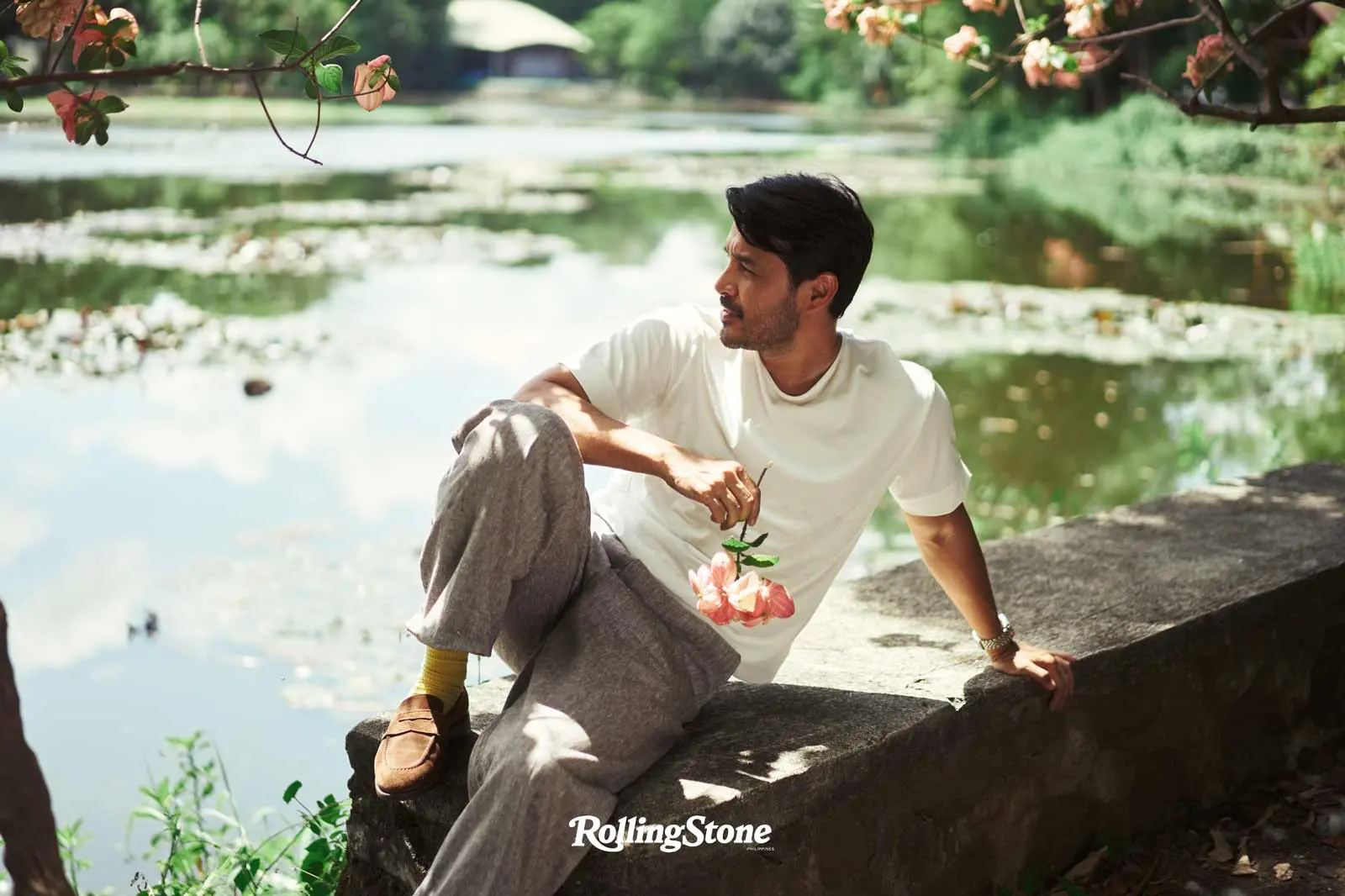
People always ask me, “Do you still get to use Physics in the work that you do now as a journalist?”
And the answer is an emphatic yes. I may not be using the equations that I learned in college, but it kind of taught me my way of thinking. To be comfortable with not knowing, to follow the evidence, and to be ready to be surprised if the evidence leads you elsewhere. And I think those things are also valuable in journalism.
There’s an interview you did with Jessica Soho before. Do you agree with her calling you an intellectual?
Grabe naman kasi ‘yung “intellectual”! Si Jessica, ang taas naman ‘yung pedestal niya! [Laughs]
I don’t think so. If anything, I overthink things. Kung iyon ang ibig-sabihin ng “intellectual,” then maybe that’s true. I don’t consider myself a very intelligent person. I know a lot of people who are way more intelligent than me.
But I like to think things through. And I like learning about different things and how they relate to each other, how it relates to my profession, why people are the way they are, how we came to this point in our lives.
I have very varied interests, from science to music to philosophy. So, for me, I think that’s quite normal. And in a way, it’s a privilege when you’re able to pursue all of those interests because that means you’re not struggling to feed yourself every day. Your basic needs are met. You don’t have to struggle to survive day to day. So it frees up your mind to kind of think about the sublime and all of these things.
A lot of people first knew you as a child reporter for 5 and Up. What was your favorite story to work on? Sabi ni Cheche Lazaro na there was a sense of them putting you at risk a little.
Well, what’s a children’s show without a little bit of risk, right? I’m kidding. [Laughs]
Mahirap pumili ng favorite story. Pero 5 and Up really opened the doors to experience things. So I think the stories that stuck were those where I was going someplace new. Naalala ko we went to Batanes, or my first time to ride a plane to go to Germany. One of my favorite stories was the one in Palawan.
So exploration, nasa dugo ko siya. Parang marami sa mga idols ko noong lumalaki ako ay explorers eh. Actually, ang una pumasok sa isip ko ay Calvin from Calvin and Hobbes, ‘yung comic ni Bill Watterson. [Laughs] He’s always daydreaming, always thinking that he’s on exotic planets. Very wild imagination. I identified with that comic a lot. That’s what I remember the most, because it really fueled my curiosity. And that eventually led to the job I have now.
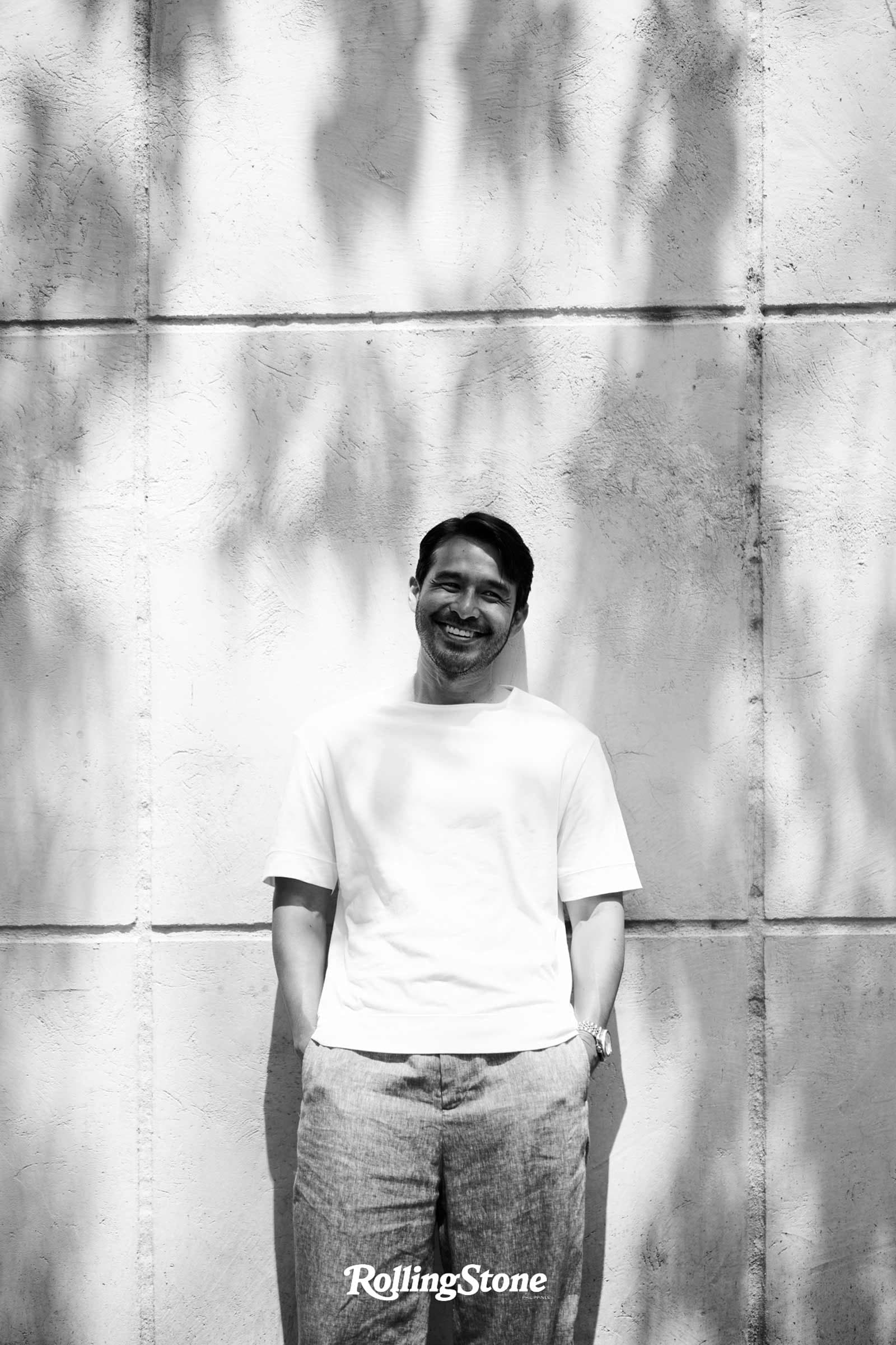
There’s a video out there of you at 10 years old taking an oath to follow the guidelines for good journalism and to tell the truth to other kids. At that age, did you know anything about journalism?
I mean, at 10 years old, obviously my idea of journalism wasn’t very sophisticated. But I’m very lucky because I got to observe the best journalists of their day — and still to this day — like Cheche Lazaro, Maria Ressa, Luchi Cruz-Valdes. Sa akin, mababaw lang ‘yung appreciation ko sa journalism. It was only later on that I understood that journalism is some kind of public service. It’s a service profession.
It gave me an idea that this natural curiosity I have, I can actually make a career out of that. And people will pay you to travel, to speak with people, to get to the bottom of things. The responsibility part only came later on, I feel. But I had the building blocks for a meaningful career in journalism.
Because I remember that oath went a little something like, “Tell the truth, talk to people, go to places, and have fun.” Totoo pa rin ‘to eh. Of course, number one, importante ang katotohanan. How do you get to the truth? You have to talk to people. You have to inhabit their world. The fun part, maybe it’s debatable. It’s not always fun. But hindi ka rin tatagal kung hindi mo mahanap ang fulfilment sa trabaho. So kahit simple siya, it’s deceptively complex.
What’s been the least fun part about being a journalist?
You have very little time to not be a journalist. You’re always on. Even when you’re on vacation, when something big happens, you’re always tuned in. You always feel like you have to do something. It’s almost like you cannot relax. And I don’t want to romanticize that. It’s a terrible way of taking care of your mental health.
At the same time, it’s difficult when you know a little about a lot of things. It can cause anxiety. But at the same time, you’re also always questioning the importance of what you do.
Please select an image.
Kung gusto mong humusay sa journalism, importante na naniniwala ka sa ginagawa mo. Kasi in and of itself, mahirap na trabaho ‘to. And a lot of people will tell you na this profession doesn’t really pay well. It’s not the easiest way to earn a million bucks. There’s a lot of responsibility, there’s a lot of pressure. You’re expected to be some kind of role model. That’s a lot of pressure.
So if you don’t feel like this matters, all of that can be too heavy; It can collapse on you. But the fulfillment part is also a difficult question to answer. A lot of journalists struggle with that question every day. I think, more and more, that’s the kind of question that I find myself asking a lot these days.
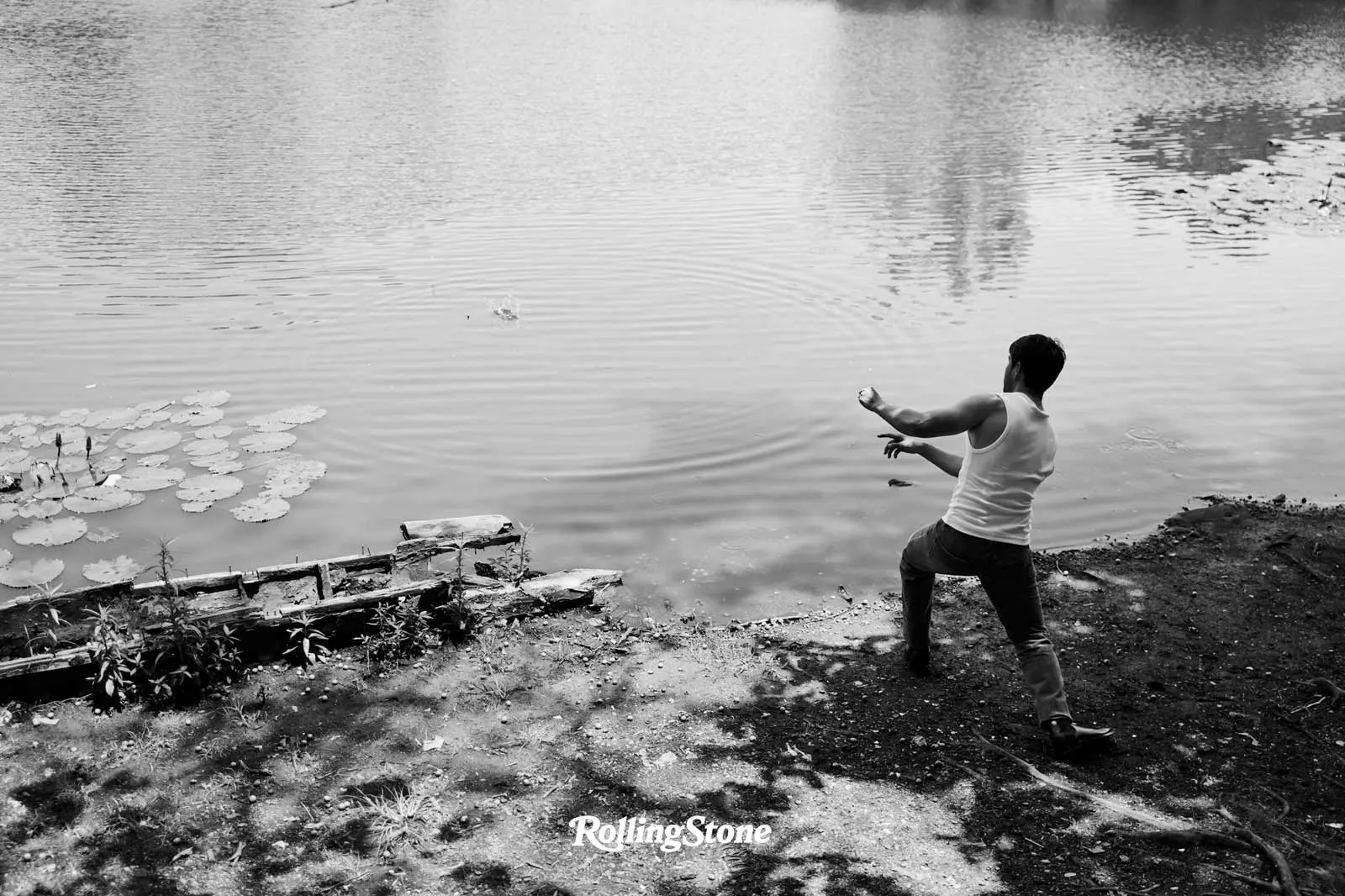
I think as a journalist, you’d like to think that your story is the focus. But there’s public attention, and I think the public tends to focus on your looks or your personal life. Does it ever feel like a distraction from your work? Or have you learned to embrace the show business side to it?
I mean, who am I to complain, right? It’s not the worst thing in the world.
Totoo, it can be awkward, especially since we do very serious stories. I always say that if I’m the most interesting thing in this story, then I’ve failed in my work. So it became fuel for me to prove myself, to prove that I’m more than just a pretty face. That I can actually do important stories and make an impact on the lives of the people watching the stories that we do.
But you know, if somebody becomes interested because I have a reasonably symmetrical face, then that’s not really a big problem, right? Because that’s how it all works. It starts with interest and then you stick around, you learn something. And I’m very happy if I have that added advantage. But I’ve learned not to take it too seriously.
You once said that being in your 40s is somehow better than being in your 20s and 30s because you have a better understanding of yourself. So what have you learned or understood about yourself?
Siguro kaya ko nang aminin na your 20s and 30s are about validation; kahit na sabihin ko pang importante sa akin noon na gumawa ng mga mahalagang istorya, i-explore ang aking potential — all of that is true.
But there’s always something there na you want to prove to yourself and prove to your audience. That slowly fades away as you grow old. I’m not saying that validation isn’t important. It’s natural for us to kind of measure ourselves in relation to others. And it’s a way to get an idea of where you’re at and if you’re happy with where your life is going. But in a way that kind of fades into the background as you grow older.
I think the more important question becomes, “Why is this job important?” How can I make a bigger impact on people’s lives? When does ambition still serve you, and when does it become a distraction? I don’t think ambition is a bad thing, but sometimes it can consume you. So I think those are the things that I feel I can handle better at this age.
I’m not too idealistic, but I’m not jaded. I’m at the perfect “not too hot, not too cold” — I’m at the Goldilocks level. The challenge now is just to be able to sustain that, to feel like you are making a difference, but doing away with the Messiah complex, that I’m here to save the world. I’m just part of history. I’m part of this whole group of journalists who are trying to make a difference.
You know, not all races are worth getting into. It’s just important sometimes to do your job well. And if you feel like you’ve done the job well, then sometimes that’s enough. You don’t have to prove anything to anyone anymore.
“It can’t just be who makes the most interesting video. [Journalism] cannot fade into the background. We must fight for its relevance. And that relevance and that attention are not guaranteed.”
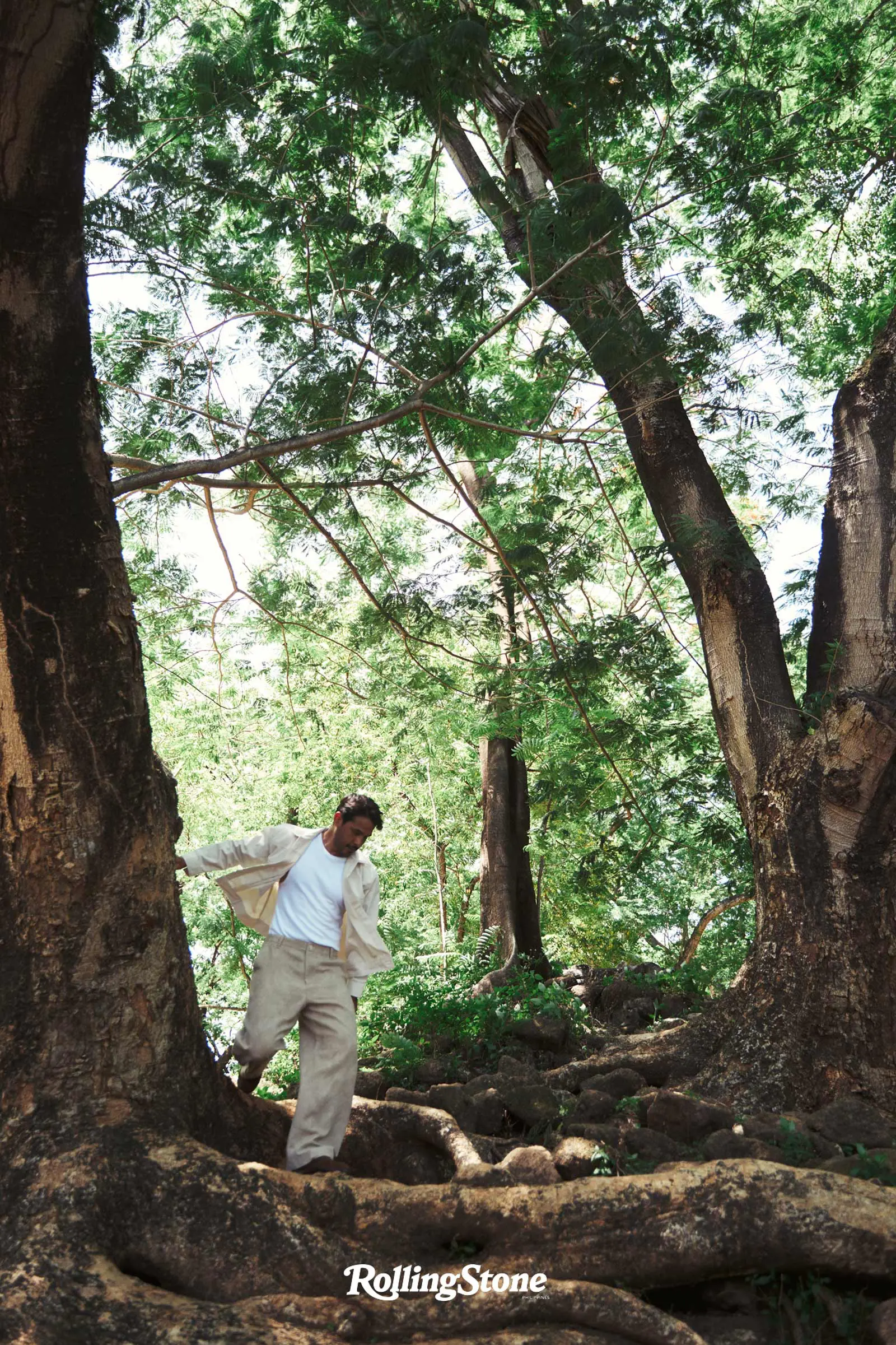
Do you dwell on failures or things you wish you could’ve done differently?
I really don’t dwell too much on failures. Parang feeling ko, mararanasan at mararanasan ko ‘yan eh. So okay lang. Having said that, there have been some huge failures in my life. Siguro ‘yung pinakamalaki na naaalala ko, nung natalo kami sa election sa UP, when I was a student activist and a member of the student council. I only bring that up because sometimes you get into a thing with the best intentions and you put your heart and soul into it, and you fail. Some things are beyond your control. The best thing you can do is learn from your mistakes, and I’ve certainly learned from my collection of mistakes up to this point.
Ngayon, hindi ko na sila masyadong naiisip as failures na. Siguro it’s more important to try. You won’t fail if you don’t try, but you also won’t get anywhere. So the fact that you had the courage to try something out… I think importante siya to give yourself that kind of grace.
It’s not a participation medal! It’s more of recognizing that you’re not going to be good at everything. You won’t win every race. But it’s important to have the courage to go ahead and try anyway.
Responsibilidad ng mga journalists kung ano ‘yung kwento at ano ‘yung dapat ipalabas. But inside large media organizations, may pressure talaga na magdala ka ng numbers. For you, how have you made sense of the demands of the business versus editorial integrity?
Media is a business, so the numbers are important. You have to recognize that you’re fighting for eyeballs, especially now. There’s so much competition, not just among mainstream media, but anything that can be shown on our devices.
At the same time, we believe in the core essence of journalism, which is that it’s a service, eh. It can’t just be who makes the most interesting video. It cannot fade into the background. We must fight for its relevance. And that relevance and that attention are not guaranteed.
Nevertheless, it’s important that journalism sticks around because it’s an essential part of democracy. So one of the ways in which we can make sure that journalism survives is we don’t lose our integrity. So it’s part of the survival of this profession. And besides, nobody wakes up one day and says, “I’m going to lose my integrity today.” It’s more of developing certain habits, not taking shortcuts, not taking the easy route.
Because the audience trusts you to do that. Sometimes, you will disappoint people, you won’t hit the numbers. But if you measure your stories against “Why is this story important” and “What impact can it make in the lives of people” versus how many people will watch it, then you won’t lose sight of the importance of the job.
I think it’s very cynical to reduce journalism to pure numbers. It’s a losing game. It is precisely the importance of journalism in public life that makes it important to fight for. That is what makes it a little bit different from the rest of the content that we watch. Integrity is central to that.
I’m not a paragon of virtue. But the great thing about journalism is that it teaches you about the process. And you just have to follow that process to make sure that you don’t lose your way. Verify sources, double-check, check all sides, follow the evidence, and be courageous to tell people what you learned from that process. That’s integrity. And if you do that day in, day out, it becomes muscle memory.
For some journalists, especially younger journalists, there is a sense that sometimes, when you’re entering the business, you’re not only competing for the attention of audiences but also people within an organization. There are conflicts of interest that shouldn’t get in the way of telling the truth. How have you made sense of that over your career?
I think that working in any organization, those challenges will exist. Journalism is just one of those things where you have to work with a group — in fact, that’s the strength of journalism. It’s almost like a collegial process. You are responsible for your story, but you have an editor. For people working in broadcast media, you have your cameraman, your producer, your colleagues in the field. And you can use that as your support system.
But of course, there are conflicts. There is competition between networks and even within them. For the most part, I think a little bit of stress and competition is good: it pushes us to do better stories.
But at the same time, going back to that idea of ambition and proving yourself, you have to ask why we do these stories in the first place. As far as disappointing other people, I think that’s the point. When you make a story, it’s important for your story to be unpalatable for the people who are supposed to pay attention. Sabi nga nila, kung walang magagalit sa story na ginawa mo, ibig sabihin hindi mo ginawa nang maayos ang trabaho mo.
Kasi ganun naman dapat eh. Kailangan ang journalism may pagka-adversarial din eh. And we have to face these uncomfortable truths. So I think that’s okay.
I am actually very unconfrontational. I don’t like angering people. I don’t like disappointing people. So that’s something I had to learn, and I won’t be able to escape that in this work.
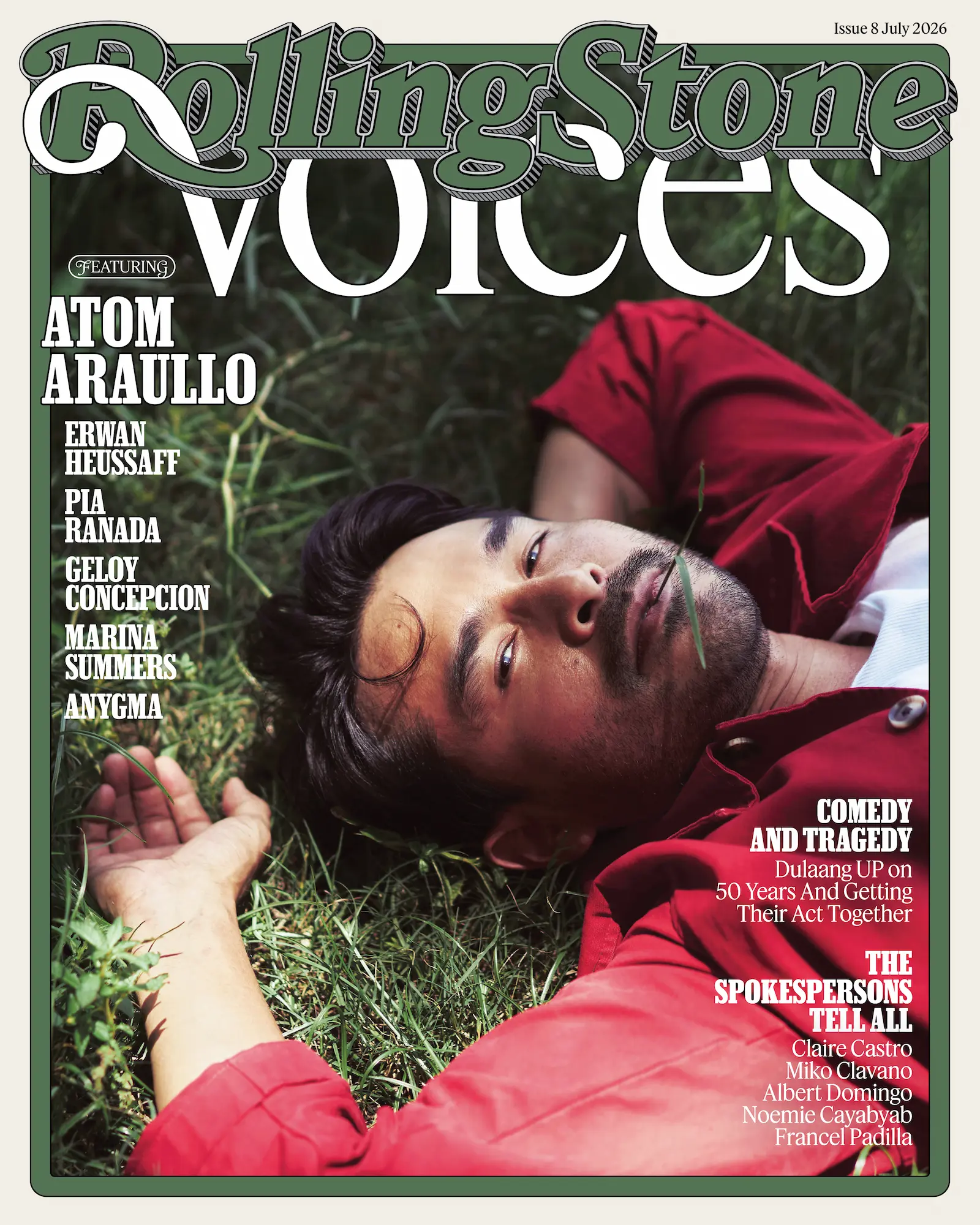
Read the rest of this cover story in the Rolling Stone Philippines’ Voices Issue, now available for pre-order on Sari-sari Shopping and in major newsstands soon.
Get digital access to the latest issue here.
Grooming by CHUCHIE LEDESMA
Hair by RHOY CERVANTES
Styled by STEVEN CORALDE of Qurator Studio, assisted by Jermainne Lagura
Photographer’s assistant GEELA GARCIA
Frequently Asked Questions
Atom Araullo is a Filipino broadcast journalist and the cover star of Rolling Stone Philippines’ Voices Issue. He currently hosts GMA’s State of the Nation, has led documentaries like i-Witness and The Atom Araullo Specials, co-founded the news platform FYT, and serves as a UNHCR goodwill ambassador.
Atom Araullo began as a child reporter on the 1990s show 5 and Up, a news program made for kids, by kids, where he took an on-camera oath to follow good journalism. He later studied Applied Physics before building a decades-long career in broadcast news.
In 2024, Atom Araullo became the first person in the Philippines to win a civil case against those who red-tagged him, SMNI hosts Lorraine Badoy and Jeffrey Celiz. A court ordered them to pay him about P2.08 million, applying a Supreme Court ruling recognizing red-tagging as harmful.
Araullo says good journalism sometimes means sitting with uncomfortable truths and being willing to disappoint powerful people. He argues reporters should “put some skin in the game” when democracy is at stake, and that integrity — verifying sources and following evidence — is central to the profession’s survival.
Yes. Atom Araullo took the title role in Mike de Leon’s 2018 film Citizen Jake, an unconventional move for a working journalist. The film drew controversy, including criticism from de Leon himself, but Araullo has said he stood by the project despite the eyebrows it raised.
Recommended Video