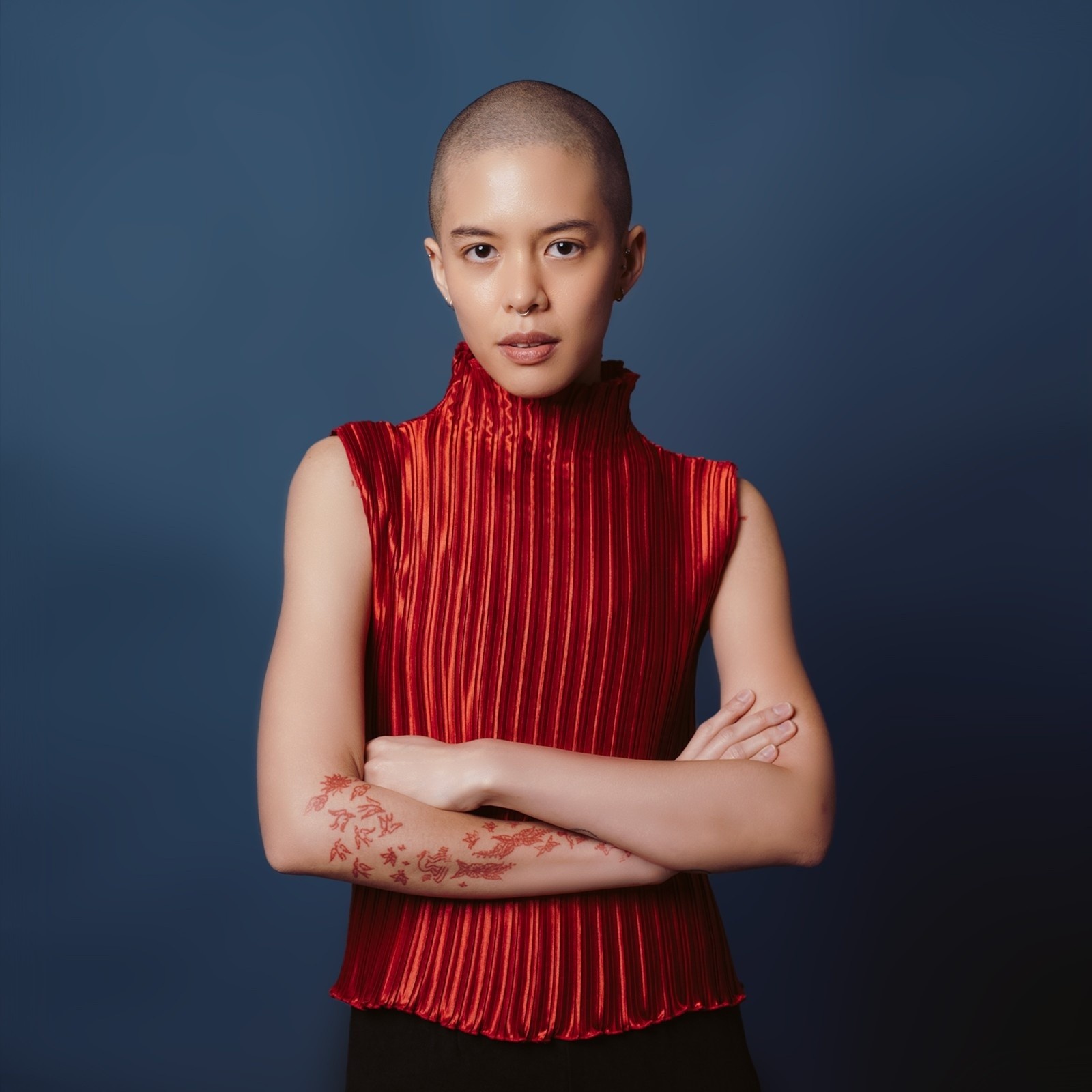


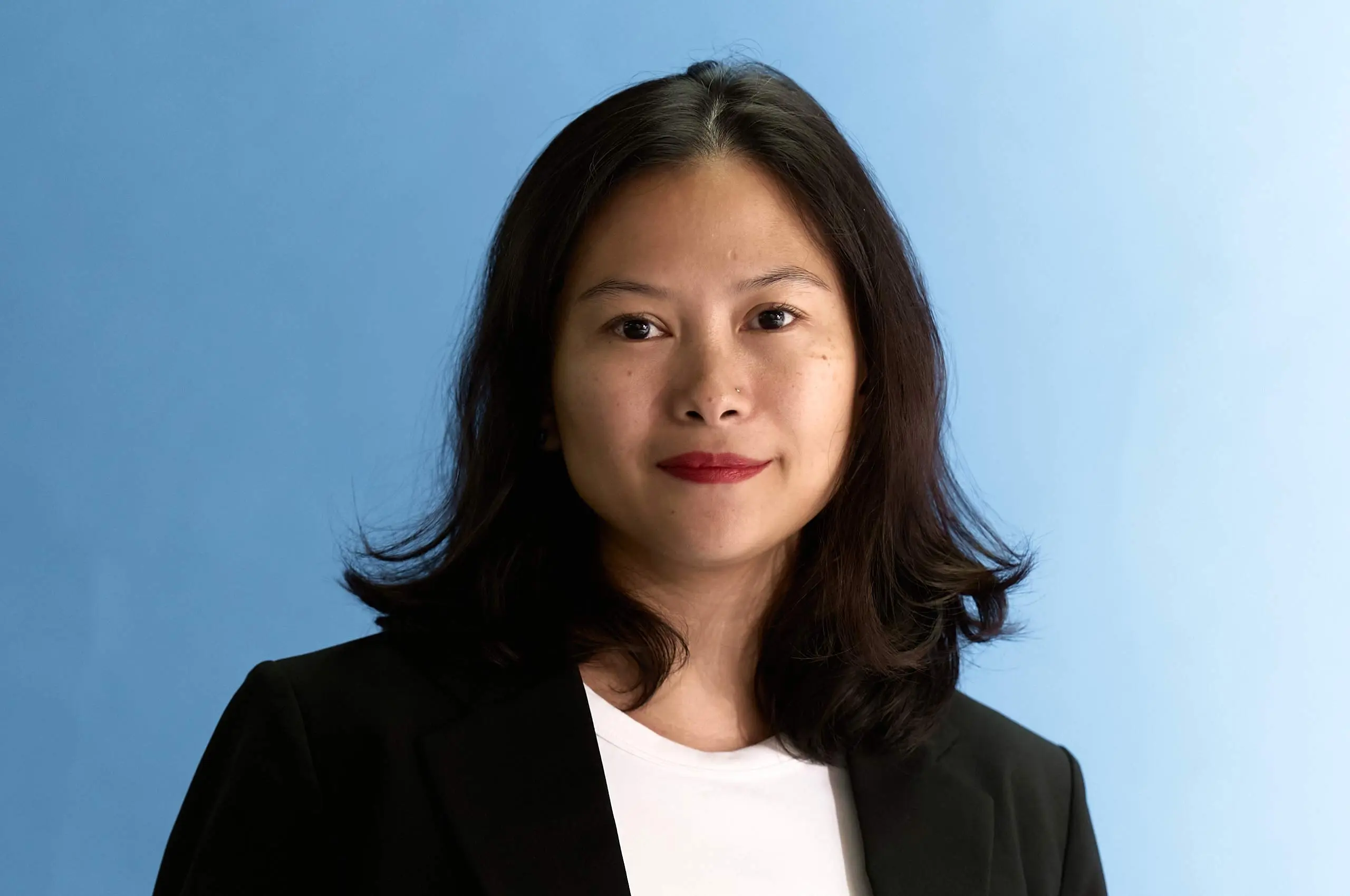
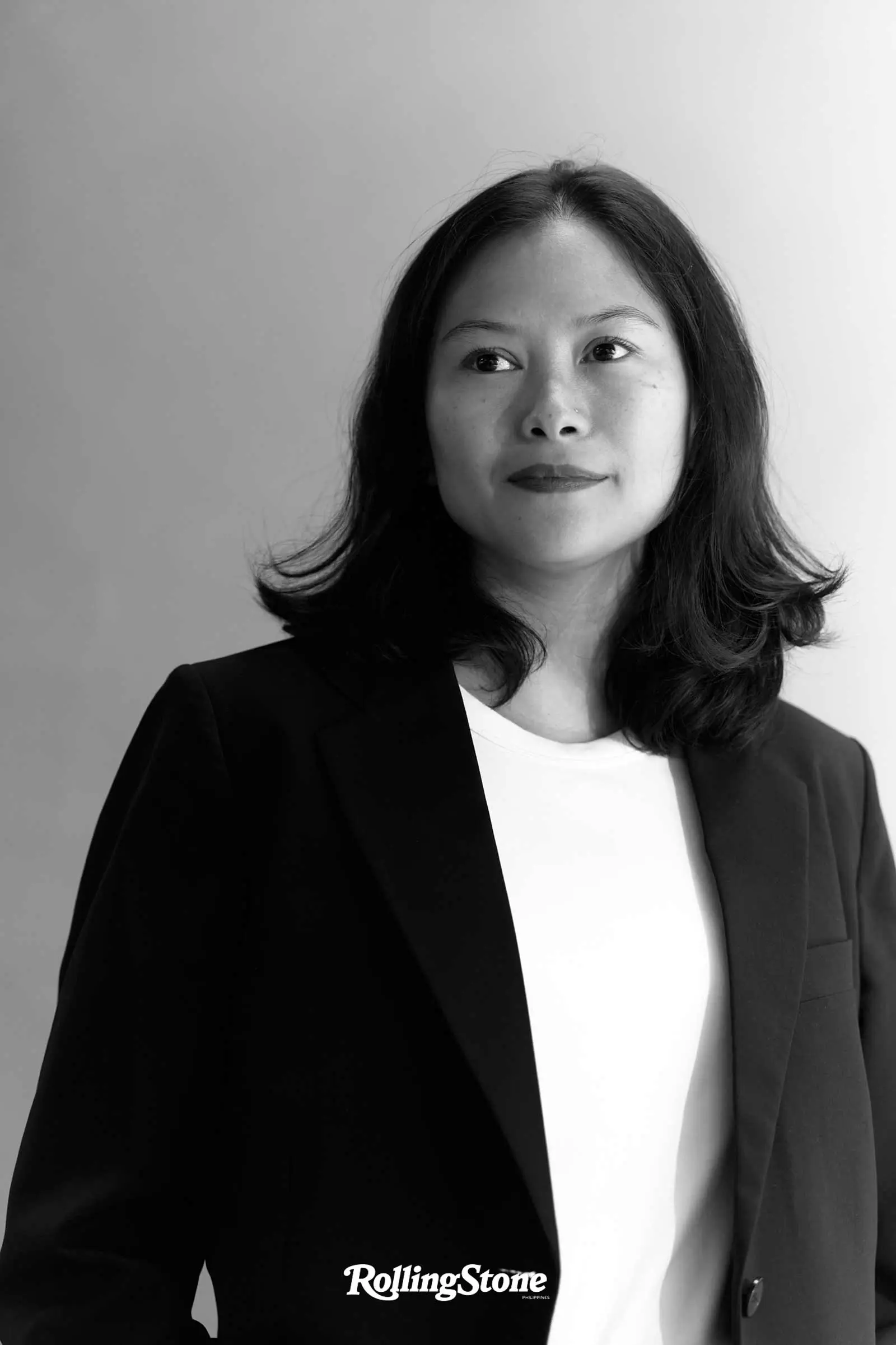
Pia Ranada’s life as a journalist changed because she wanted to fly to Davao City. In 2016, when Rappler’s newsroom was preparing for the presidential elections, reporters were asked to volunteer to cover the candidates they were interested in following. Among the names on the list was then-Davao City Mayor Rodrigo Duterte, a politician who had built a reputation around his blunt rhetoric and allegations of a vigilante death squad. Ranada saw an opportunity, not necessarily to cover a future president, but to travel somewhere she had never been before.
“I saw Rodrigo Duterte’s name on the list. And my thought was, ‘Oh, I’ve never been to Davao City. He’s the mayor of Davao City. Maybe if I volunteer, they’ll fly me to Davao City,’” she recalls. “That was all I was thinking about, as some young, carefree reporter.”
This decision eventually launched one of the most consequential chapters of her career, with years spent as Rappler’s Malacañang correspondent. She reported on the Duterte administration from inside the Palace, and became one of the country’s most visible journalists in the process. “I’m basically in the lion’s den, and I was alone,” she says.
But before this, Ranada was simply trying to find her place in a changing media landscape. She started her career at GMA News and Public Affairs, working as a writer-producer for the nighttime program Saksi. It was a formative introduction to the urgency of broadcast journalism, where stories had to be written quickly and communicated through both words and images. It was also a period when the internet and social media were beginning to reshape how news was distributed and consumed.
Eventually, she moved to Rappler, one of the country’s top digital news outlets. Her early months there were far removed from the halls of government. She became the newsroom’s first life and style reporter before eventually moving to the Nation vertical.
Given the opportunity to explore a new beat, she chose to take on environmental reporting, covering climate change and disasters.
“I think one of the best things you can do for yourself is to explore,” she tells Rolling Stone Philippines. “To open your door to as many opportunities as possible, to change it up often because that’s the only way you get to find what you’re good at, what you love, what you’re confident about doing.”
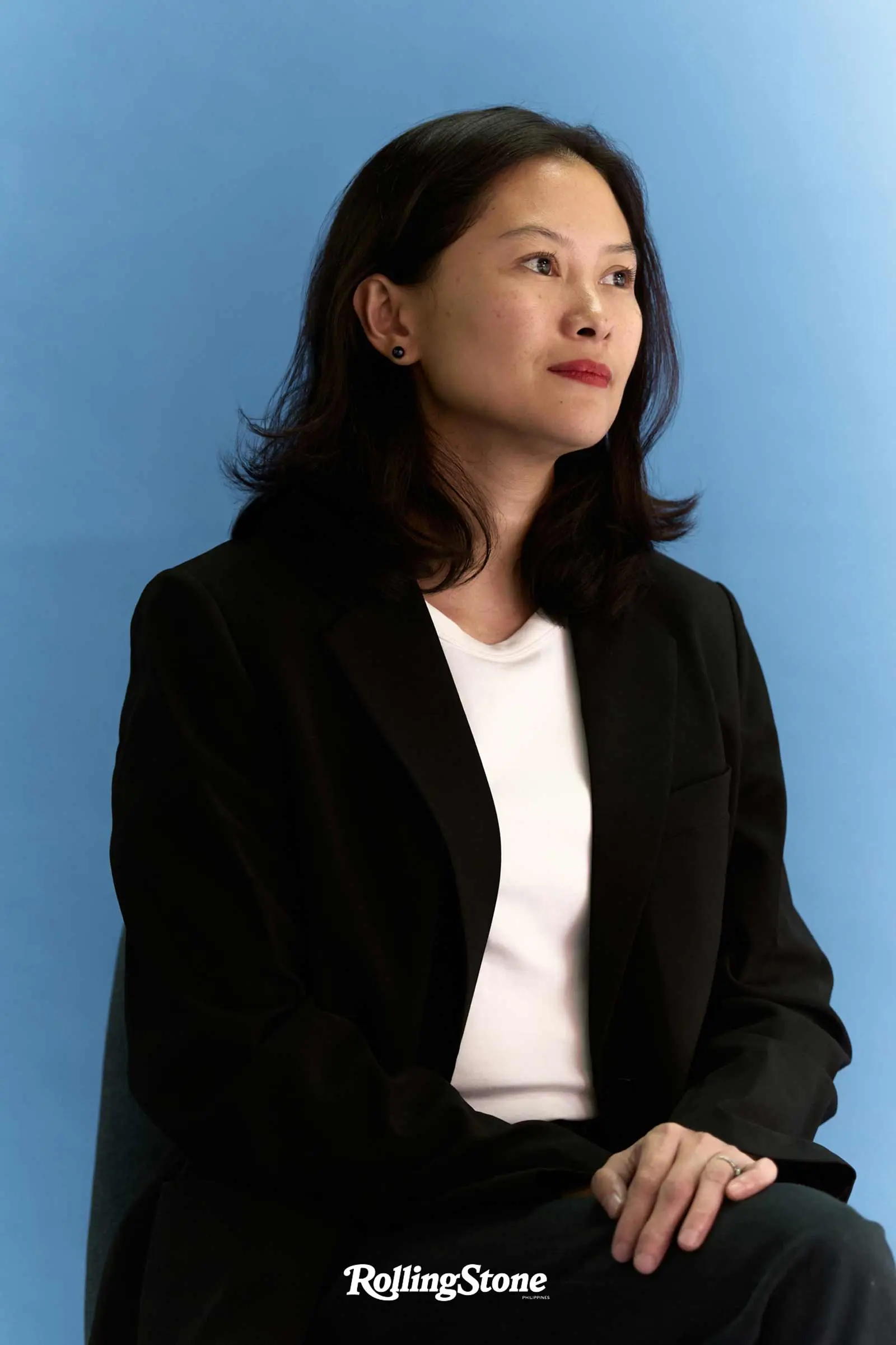
Throughout her career, she’d follow more unfamiliar stories. Her environmental reporting eventually led her closer to politics, and her coverage of Duterte’s rise brought her into the center of some of the country’s most turbulent political years in the 21st century.
In 2018, Ranada made headlines herself when she was barred from entering the New Executive Building in Malacañang, where the presidential press office was located. She has described it as one of the most difficult days of her journalistic life, when the state’s hold over press freedom became painfully clear.
Years after covering an administration that often positioned journalists as adversaries, Ranada’s understanding of journalism has expanded beyond the act of reporting. Now Head of Community at Rappler, she works on connecting journalism with the people it serves, building spaces where information can move beyond screens and become something communities can use.
After more than a decade in journalism, she has witnessed the industry’s biggest transformations: the rise of digital media, the challenges brought by artificial intelligence and disinformation, and the struggle to sustain independent newsrooms.
In this Rolling Stone Philippines Interview, Ranada talks about the evolution of her career and reflects on the challenges of reporting under the Duterte administration, the state of press freedom in the Philippines, the future of journalism in the age of AI, and why she still believes in the role of journalists in helping communities find truth.—PIE GONZAGA
This interview has been edited for clarity.
You just came back from Mindanao, kamusta naman ang mga community journalists doon?
I think the main concern of journalists in Mindanao and in BARMM is that journalism is very much under siege. We know that the biggest violence done against journalists happened in Mindanao, the Maguindanao massacre. So that’s still definitely a chilling effect on journalists. We have news outlets that have been dying out. And there are big news deserts in entire cities and towns in Mindanao and also in BARMM. Disinformation is rampant and it’s really dangerous given elections is coming up. The sources of information in that region are not always great and it’s dangerous to have manipulation going around. And we really need to revive journalism and help the journalists there.
Is there a sense in Mindanao of Manila-centricism in terms of how news is distributed? How are journalists grappling with that?
I think so. I think that’s because a lot of the more well-funded, well-resourced news outlets tend to be based in Manila and the setup in Mindanao often is that journalists there would send stories to Manila-based news organizations. So there is that tension because there are so few independent and well-resourced news outlets in the region itself, they’re not able to set their agenda as well as if they had their own news outlets.
So the struggle really is to cultivate and make journalism sustainable in those areas so that they can tell their own story. And I think journalists all over the Philippines, we should be vaulting in and helping each other out and making this possible for everyone.
“I would urge people to also appreciate that there are people in the middle and there are those gradients of thought. And I think journalism and even civil conversations and collaboration, they can thrive in those middle grounds.”
One of your first jobs was working the late-night newscast in GMA Public Affairs. What was it like working in broadcast news at the time, given much of your experience later has been in digital?
It was a good start. It was a good dipping-your-toes scenario for someone who just graduated. It’s a good way to learn the pace of a newsroom because when you work for a late-night newscast, the news is coming in, people are on graveyard shift, but there are things happening even on that shift. So, as a young writer- producer, I was a writer-producer for Saksi. I was able to see how a newsroom works and contribute even in a small way to the production of a show whose goal is to inform people.
It was a good peek into the world of media and I think the good thing about working in broadcast is the pace is very fast and you learn to master like visual language and use words paired with video, so that kind of skill I think really helped me also when I moved to Rappler, because in Rappler I was a multimedia journalist, so combining video, text, being able to livestream as a one-man team.
Your first Rappler byline was in 2011 and I believe it was about the Dutch sex work industry that was servicing disabled people. Could you tell me how you put that story together?
That was funny because I actually wrote that as a college student. I was part of an exchange program where I first met Chay Hofileña, one of the founders of Rappler. And that was probably the first time I interfaced with my future as a Rappler employee because basically, after GMA, she recruited me. And then because I was already working on that story from the exchange program in the Netherlands, where she was with me, we decided to publish that on Rappler too. That was my first story because I also did it under the mentorship of Chay Hofileña. So yeah, it was a really exciting story to write, especially for a university student, to be exposed to that culture and be able to talk to those kinds of sources and resource persons.
Why did you choose that particular subject?
It was compelling. When you think of the sex industry, you have a certain vision of it in mind, right? That it’s all for pleasure. Pleasure is something that you do on the side. It’s not necessary. But the way the interviewee, who I believe ran her own business as a sex providing company but specifically for persons with disabilities, they painted or they showed sex as something necessary like it’s a it’s something to make you healthy, and if you think about it, persons with disabilities, they kind of need it like everyone would. It’s a human need. So it was just an interesting take on the sex industry and a compelling story to write about inclusivity also.
When you entered Rappler as a reporter, your stories seem to be working mostly on culture and lifestyle. Then slowly, I noticed that you transitioned into more climate coverage, and I think that allowed you to enter a more political beat. So was that pivot intentional especially given the pressures that you might have experienced as a young reporter to prove yourself or to do certain stories?
I only covered life and style for maybe six months. That was my very first job for Rappler. And I was its first-ever life and style reporter at that point because it was also very new. So what actually happened was I was asked by Glenda Gloria, who’s the executive editor of Rappler, if I wanted to consider shifting to the Nation section of Rappler. So, as a young reporter, one of the best things you can do for yourself is to explore, to open your door to as many opportunities as possible to change it up often because that’s the only way you get to find what you’re good at, what you love, what you’re confident doing, and what brings joy to your heart. So if you always stay stuck in one place for a long time, you rob yourself of the chance to explore your other strengths.
Six months after life and style reporting, I decided I wanted to try something new. The national beat, covering a government agency, I’ve never done that before, so I decided to try it. Maybe I’ll be good. So my first nation beat was environment, and so because of those environments and disasters, I kind of became Rappler’s storm chaser in a way, like every time there’s news of a storm, we would go to the landfall area and wait for the storm to hit. So that was exciting because some of my best memories of being a reporter were from covering disasters.
You mentioned that environmental reporting was not very popular at the time. And from the perspective of audiences, you could attribute that maybe to just people not being fully immersed in that discourse and discussion yet. But from the side of the news reporters and the news outlets, why wasn’t there that niche yet at the time?
I guess because a lot of breaking news outlets tend to focus on politics just because there’s so much news about it, there’s so much drama, there’s so much at stake. There’s just so much going on in our politics that you could never run out of stories. So it’s understandable. Like we had the Senate chaos just a few days ago, right? So how can you not cover, how can you not devote as much attention as you can on politics and breaking news?
But I think it’s great that there are now more news outlets seeing that, you know, politics is not the only news worth covering in the Philippines, especially after Typhoon Haiyan. There was this new consciousness that the Philippines has a unique role to play in climate negotiations. And we have a unique voice in talking about how environmental destruction and global warming can affect communities. So I think now there’s a better appreciation from journalists and news outlets about the importance of environmental reporting.
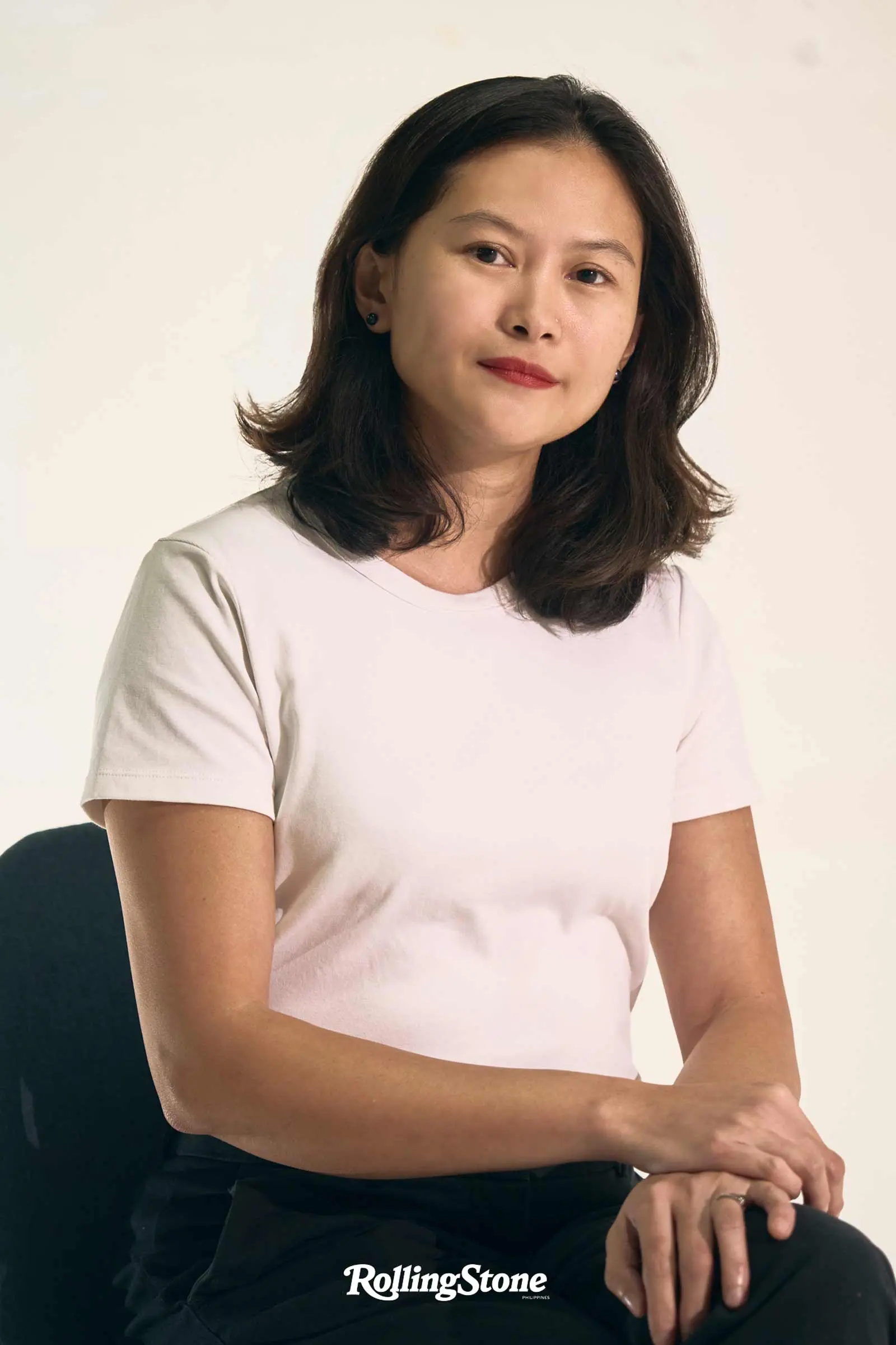
In terms of the environmental issues in the Philippines, what do you feel is a fact that most Filipinos aren’t aware of that to you as a reporter is an obvious fact?
One thing that I wish people would see is just how much there is to protect in the Philippines. Like we are on top of lists about biodiversity with a number of endangered species, rare creatures, plants, flora and fauna. Our protected areas are beautiful and they’re huge, and they can give so much to us, even medicinal cures that could help support communities. But we’re not good at protecting what we have. So, for instance, I remember doing a story on protected areas and how the ratio of forest guards and just the number of hectares of a protected area is way below the world average, or what should be the standard for protecting these areas. So just that knowledge that we have so much to lose and we’re losing it, right? If we don’t act on it, we could lose it. And that’s what I really tried to put in my stories, that appreciation of what we have to lose.
We’re also one of the most dangerous countries to be an environmental defender in, but also a journalist. As a young reporter, when you were starting out in the Nation beat, was that apparent to you?
It was apparent because we would cover the World Press Freedom Index reports all the time. And yeah, you can really feel when you do certain coverage that there are so many pitfalls or like traps. When you go to a coverage, for instance, in a conflict zone, you know there are all kinds of considerations you have to make when you cover politics even just in Manila. There are so many things that you have to be hyper-aware of that could happen afterwards.
Rappler has faced so many cases of cyberlibel. Our license was revoked for a time because of our writing. So just this knowledge that a political leader has so much power over our freedom and over our craft, and for that to be hanging over your head all the time, that does something to you mentally. Also, you have to fight against it actively to do the job. It can be hard.
“In journalism, red flags are stories. It’s not like you want to cover [someone] super clean cut. That’s kind of boring to write about.”
You eventually went to cover Duterte’s presidency in 2016, and you became Rappler’s Malacanang correspondent. Could you walk me through that first conversation that you had with your editors that you were going to cover this?
Actually, it was an email thread. Basically, our editors were saying, “Okay we’re about to cover certain candidates who are expected to run in the 2016 elections.” And in that thread, we were asked to volunteer who we want to cover out of the possible candidates. And I saw Rodrigo Duterte’s name on the list. And my thought was, “Oh, I’ve never been to Davao City. He’s the mayor of Davao City. Maybe if I volunteer, they’ll fly me to Davao City.” That was all I was thinking about, as some young, carefree reporter. And yeah, so they gave it to me because nobody else wanted to cover him.
So I ended up covering him. That’s all it took to kind of change the course of my life. It was really just to travel. I mean, also because Rodrigo Duterte was such a fascinating person at that time, right? We were just hearing about how he makes these really colorful death threats. He’d, like, kick someone out of a helicopter if he was angry with them. And obviously, like, the accusations about the death squads in Davao at the time. So for me, it was the draw of a story, really, that more than anything made me volunteer for the job.
Was it his eclectic sort of personality that drew you to him also? It wasn’t a red flag, it was more of, “Oh, there’s more to this guy.”
Yeah, because in journalism, red flags are stories. It’s not like you want to cover [someone] super clean cut. That’s kind of boring to write about. So in a way, we’re drawn exactly to what’s controversial, what’s unknown, what’s something that you’re curious about. So those make for the best stories. And at the time, I think everyone saw that Rodrigo Duterte was an interesting story. At the very least, you could say that.
You made headlines in 2018 when you were barred from entering the Malacañang, which people saw as a sort of hearkening back to the Marcos dictatorship. And in one interview, you said it was one of, if not the most, difficult day of your life in journalism and that you were afraid that a senior official had made this order for you specifically. And you were afraid for your life because of the threats that were happening online. Does that threat still follow you, up to this day?
I would say that definitely there’s less of a hostility towards journalists now. I think also because the dynamics have changed. According to a survey, I think it’s Social Weather Stations, journalism or media is the number one trusted organization to handle corruption allegations and flood control projects. And then in that list, respondents were asked, how would you rate how much you trust an institution? They responded, journalists over the Office of the President, over the Senate, over Congress, over even the Judiciary.
We can’t forget the fact that Rodrigo Duterte is no longer in power also. In fact, he’s in the Hague. So there has been that shift in dynamics.
I was just in Mindanao, right? So there are a lot of Duterte supporters there. But even while I was there, there were also a lot of people who believe in journalism.
And even a lot of Duterte supporters believe in journalism and, in fact, tell me that even if they support Duterte, they still know that I’m just doing my job. So, there are those gray areas, those nuances that I think aren’t captured as much in headlines or even in our social media feeds. We tend to see the extremist views, the ends of that spectrum. But I would urge people to also appreciate that there are people in the middle and there are those gradients of thought. And I think journalism and even civil conversations and collaboration, they can thrive in those middle grounds. And that’s what I have hope in.
How do you make sense of that, that those gray areas in a particular story might not be able to reach as many people just because of how the algorithm works and how sensationalist, extremist views online just elicit a different response. How have you navigated that as a reporter, especially reporting on Duterte?
It’s really frustrating because no matter how much journalism or even other organizations try to put facts out there, try to bring complexity to issues, complexity doesn’t sell online, on social media. And so it gets thrown away to the wayside and people focus on the extremist views. Disinformation or propaganda are what sells, things that elicit a powerful emotion or confirm your bias.
I think more than being a reporter, in my work now as a newsroom manager, I can see that that’s even more frustrating because we get to see the metrics. We see the backend. We see the work of our reporters. We see the work of our community growth team. We’re working so hard to distribute our stories, but we tend to hit a solid wall when it comes to reaching people. And it’s largely because of these algorithms and the lack of transparency from these platforms and the fact that so many people, especially Filipinos, depend on these platforms for information. So basically, we’re prevented from our own community when we rely too much on Facebook or TikTokTikTokA social media platform for creating, sharing, and discovering short-form videos, featuring music, trends, challenges, and personalized content.Go to TikTok Glossary.
Do you feel like it was easier to distribute your stories before when you were starting out because the algorithm didn’t seem as apparent back then?
Definitely, I think there was a sweet spot in those years when I was starting out and Rappler was starting out, that Facebook actually was a great ally for journalism because it helped us reach a lot of people. It grew our reader base. In a way, it made us what we are today. A lot of news outlets can say that. In 2018, I think Facebook was quite public about its decision to deprioritize news on people’s feeds. So it’s an intentional decision on their end to cut us off from people. And that’s disturbing. And ‘til now, I think a lot of news outlets are still finding their way around this.
“How can there be people, even a minority, to not side with press freedom, to not see this as an issue on press freedom?”
I want to go back to Duterte. It must be jarring to realize that he’s in the Hague, and I know that you wrote a blog about this sort of reconciling the person that you were reporting on, who is now playing the victim. Could you walk me through what that hangover might feel like for you, especially upon first receiving the news that the ICC was finally calling him in?
It was weird. I was like, “Is this really happening?” You really doubt. “Oh yeah, he’s arrested now, but he’ll probably be freed later on. Like something’s gotta happen, and this is too good to be true.” But no, he’s there. This is justice for a lot of people, especially those families whose loved ones died in the drug war, who got killed.
I also really appreciate the fact that we have a system. Maybe not in the Philippines, but globally, there is a way to hold him accountable.
And it’s important to note that journalism helped make that happen. During the ICC [pre-]trial, there were articles flashed by the prosecuting team. The prosecutor showed news reports to build the case of the drug war and the allegations against him to show what was happening. And a lot of Rappler articles were shown during the pre-trial hearing. And one of them was mine. So you know, that feeling that my work helped hold him accountable, helped a system for justice prevail, that was very empowering, and I think really boosted the morale of journalists in the Philippines.
I talked to Raffy Lerma, who has been in the front lines of Duterte’s war on drugs a few weeks ago. He was explaining how at the time, when he would give talks about his work and what was happening in the Philippines, it was hard to be hopeful. But when I spoke to him, the fact that he is in the Hague, gives him a different perspective now of where the Philippines could be and what we can aspire to. Did you feel that way also at the time, like when you were reporting on Duterte? Was there a sense of hopelessness on your end as a journalist reporting on the facts, but also putting your biases aside, as a human being. What was your level of hope when you were reporting on Duterte, and where do you place that now?
When I was a reporter covering Malacañang, I was in an environment where every day I would go to a space where everyone was hostile to me, because Malacañang is a place full of Duterte supporters who are his appointees, [including] the presidential spokesperson. When you’re in that environment where everyone you meet every day, every workday, is kind of against you, sees you as the enemy of the state, it gets to you.
So there was a time when I just had to numb that voice in my head that’s being paranoid because how can I do my work if I keep thinking that way? If you ask me what hope I had, I felt like I had to numb my muscle that hopes to focus on the job at hand, just to not get distracted, not to catastrophize about where I am. I’m basically in the lion’s den and I was alone. I was the only Rappler reporter covering Malacañang. Sometimes you just have those moments in life, it can be crisis situations, where you numb certain muscles just so that you can get through the day, and that for me lasted for six years.
You once said that the tragedy of that incident when you were barred from Malacañang was not that Duterte made the order, but that other media outfits agreed to it. And in another interview, you also said that journalists need to be allies to other journalists when people in power question you for doing your job. Did you say that because maybe there were instances among your peers that reinforced this sink-or-swim mindset when it comes to covering topics like the elections?
Yeah, because at the time, it’s kind of like you as a journalist, you expect politicians not to like you, right? That’s kind of normal. Obviously, if you write critically, they’re not going to be your best friend. But I think with the other media outlets, there were some who thought that it was just right for me to get banned, or they didn’t want to help, or take a stand against the ban.
I didn’t expect that. I thought we were all in this together. You understand my work, even if sometimes I out-scoop you. That competition falls in the face of this existential crisis that could be applied to any reporter, not just me. This could affect other reporters because it could be a precedent for another ban. That was really frustrating, and I cried. It was really emotional — the worst day of my life, I would say.
It wasn’t all the reporters. There were just a few. It was actually just a minority of the Malacañang Press Club members that didn’t want to issue a statement. In the end though, the majority won. MPC issued a statement. That solidarity won out in the end. But I guess my thought was like, how can there be people, even a minority, to not side with press freedom, to not see this as an issue on press freedom? That’s just my takeaway. I think I got stronger from that, tougher skin. And that’s just part of it, part of the journey.
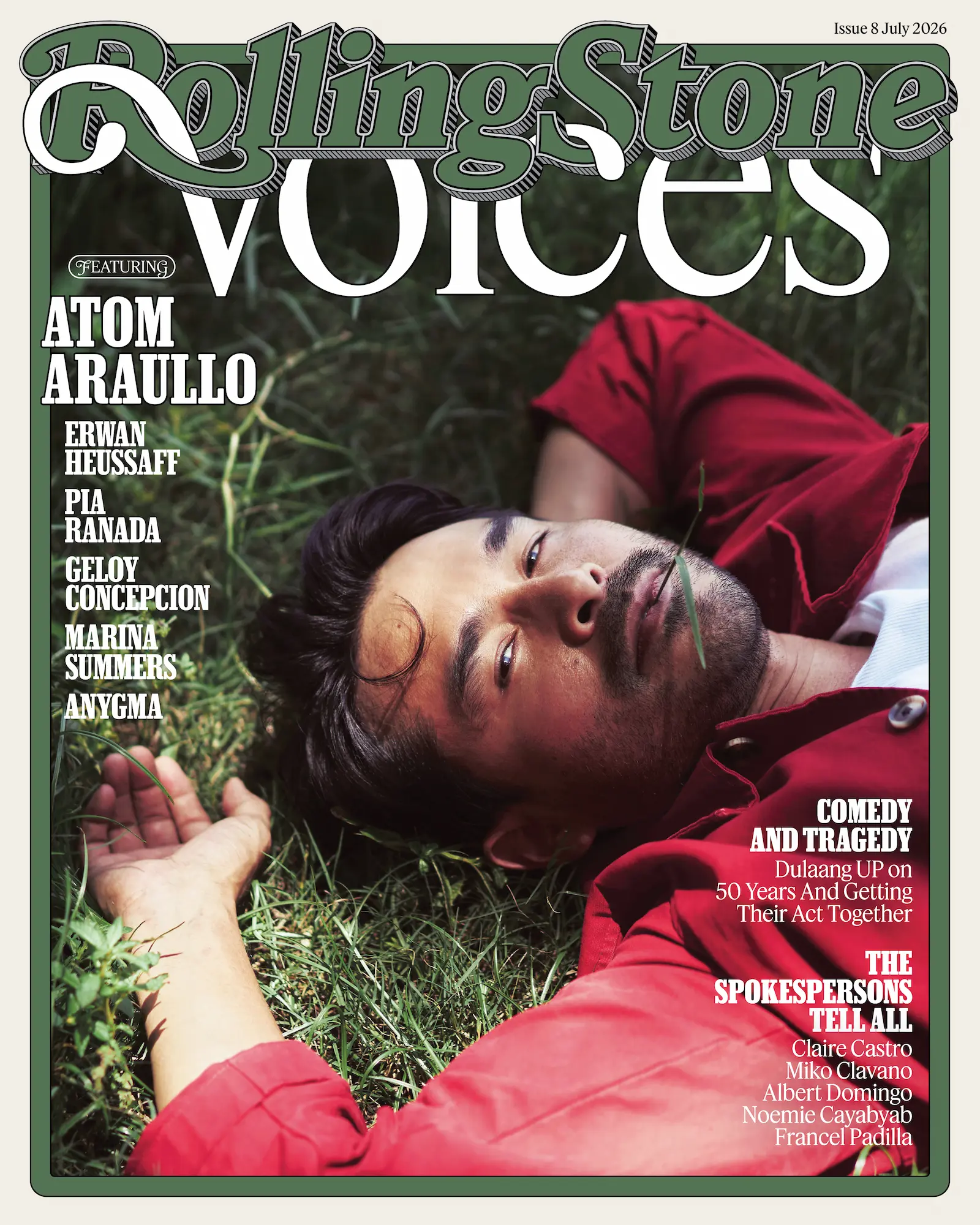
Read the rest of this cover story in the Rolling Stone Philippines’ Voices Issue, now available for pre-order on Sari-sari Shopping and in major newsstands soon.
Get digital access to the latest issue here.
ERRATUM: A previous version of this article contained a spelling error and has been edited to correct the spelling of the name Chay Hofileña.
Frequently Asked Questions
Pia Ranada is a Filipino journalist at Rappler, where she now serves as Head of Community. She became one of the country’s most visible reporters as Rappler’s Malacañang correspondent covering the Duterte administration, after earlier work at GMA News and in environmental reporting.
Pia Ranada says she volunteered to cover then-Davao City Mayor Rodrigo Duterte during the 2016 election campaign largely because she wanted to travel to Davao. That assignment led to years as Rappler’s Malacañang correspondent, reporting on the Duterte administration from inside the presidential palace.
In 2018, Pia Ranada was barred from entering the New Executive Building in Malacañang, home to the presidential press office. She has described it as one of the most difficult days of her journalistic career, and a moment when the state’s pressure on press freedom felt clear.
Pia Ranada is now Head of Community at Rappler, a role focused on connecting journalism with the people it serves and building spaces where information can move beyond screens. She works on making journalism more sustainable, especially in underserved regions like Mindanao and BARMM.
Ranada points to disinformation, social media algorithms, and the difficulty of sustaining independent newsrooms as major challenges. She argues that nuance and complexity struggle to spread online, where sensational content thrives, and notes that platforms like Facebook have deprioritized news, cutting outlets off from audiences.
Recommended Video