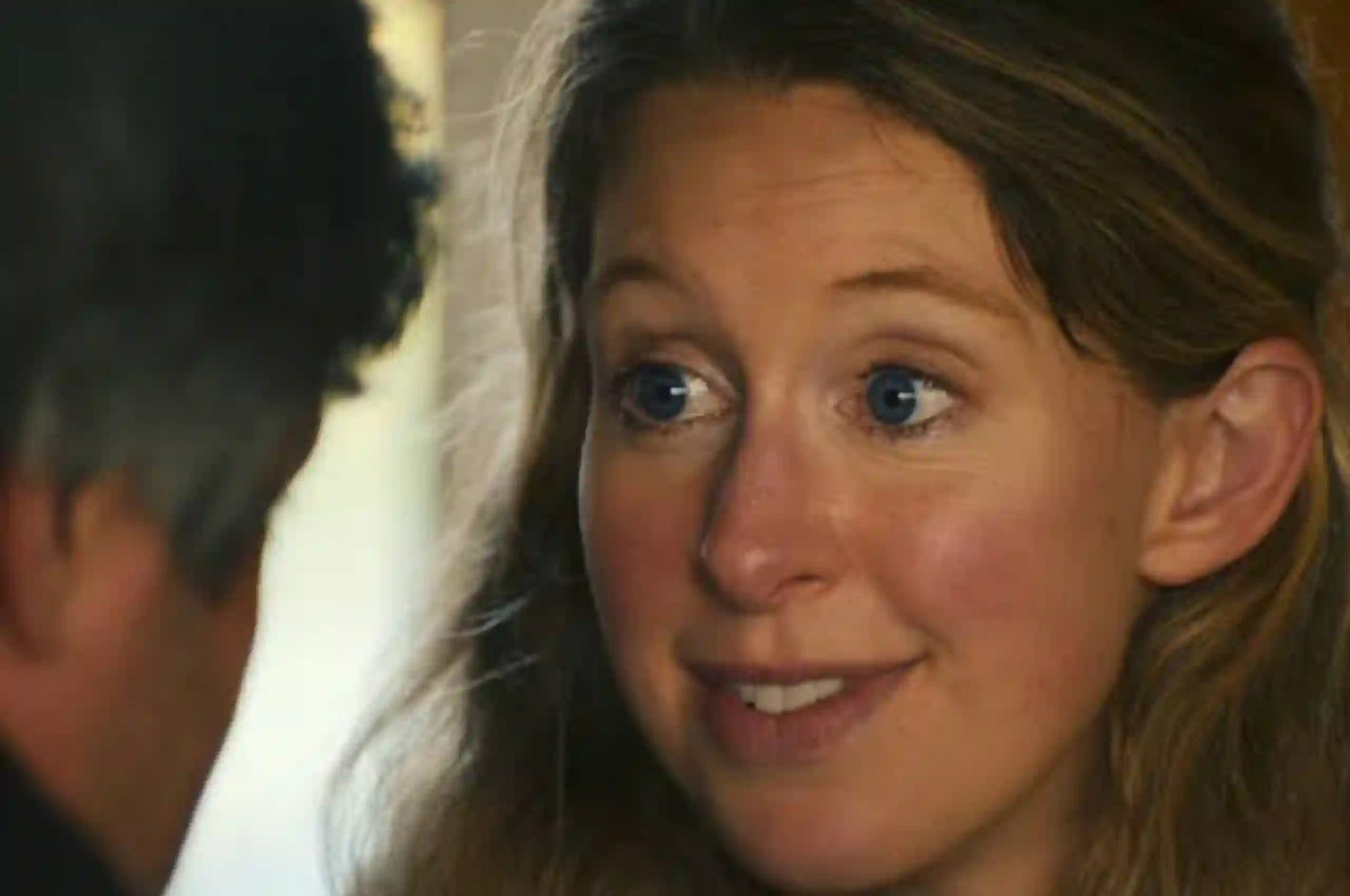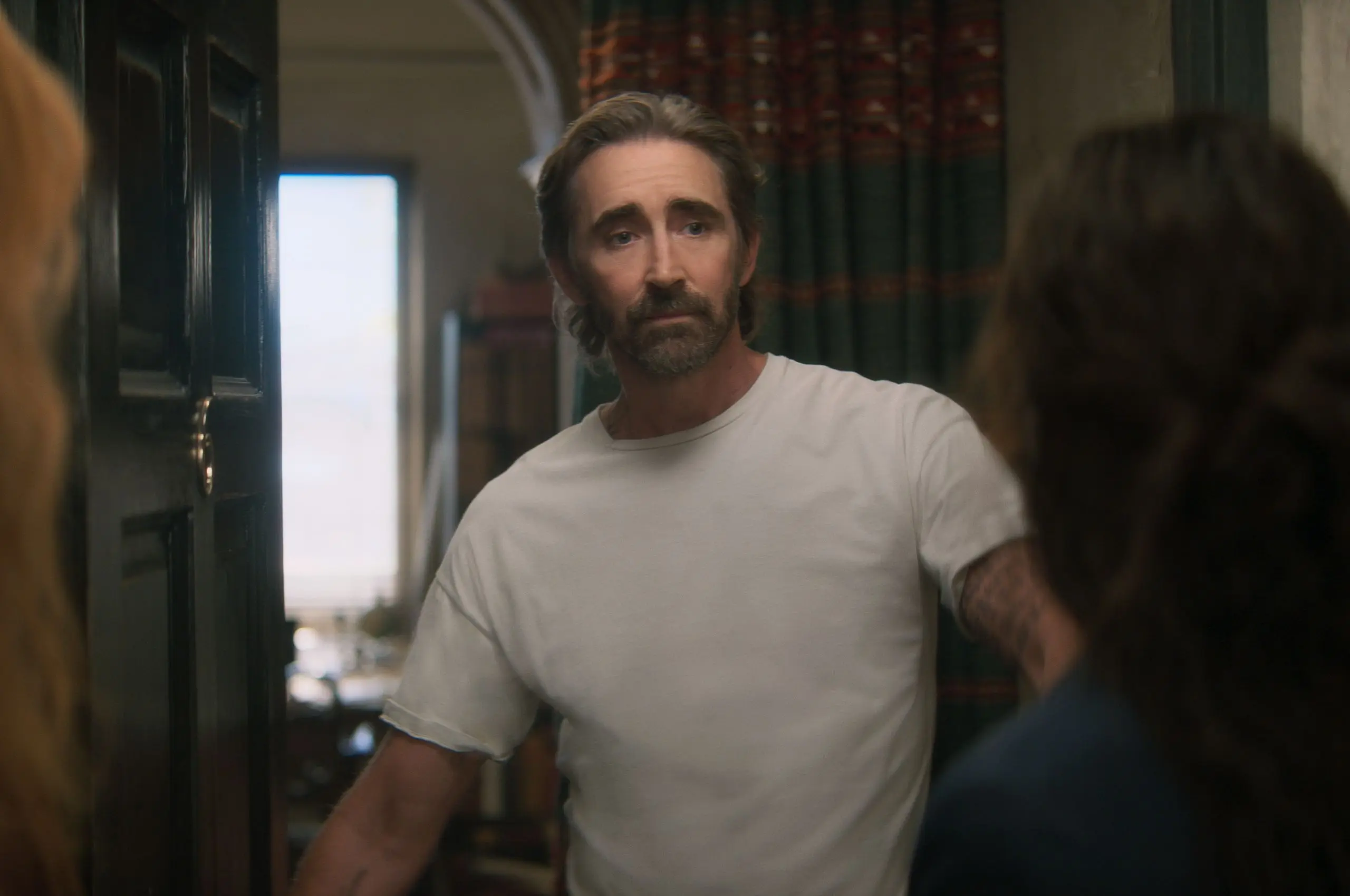


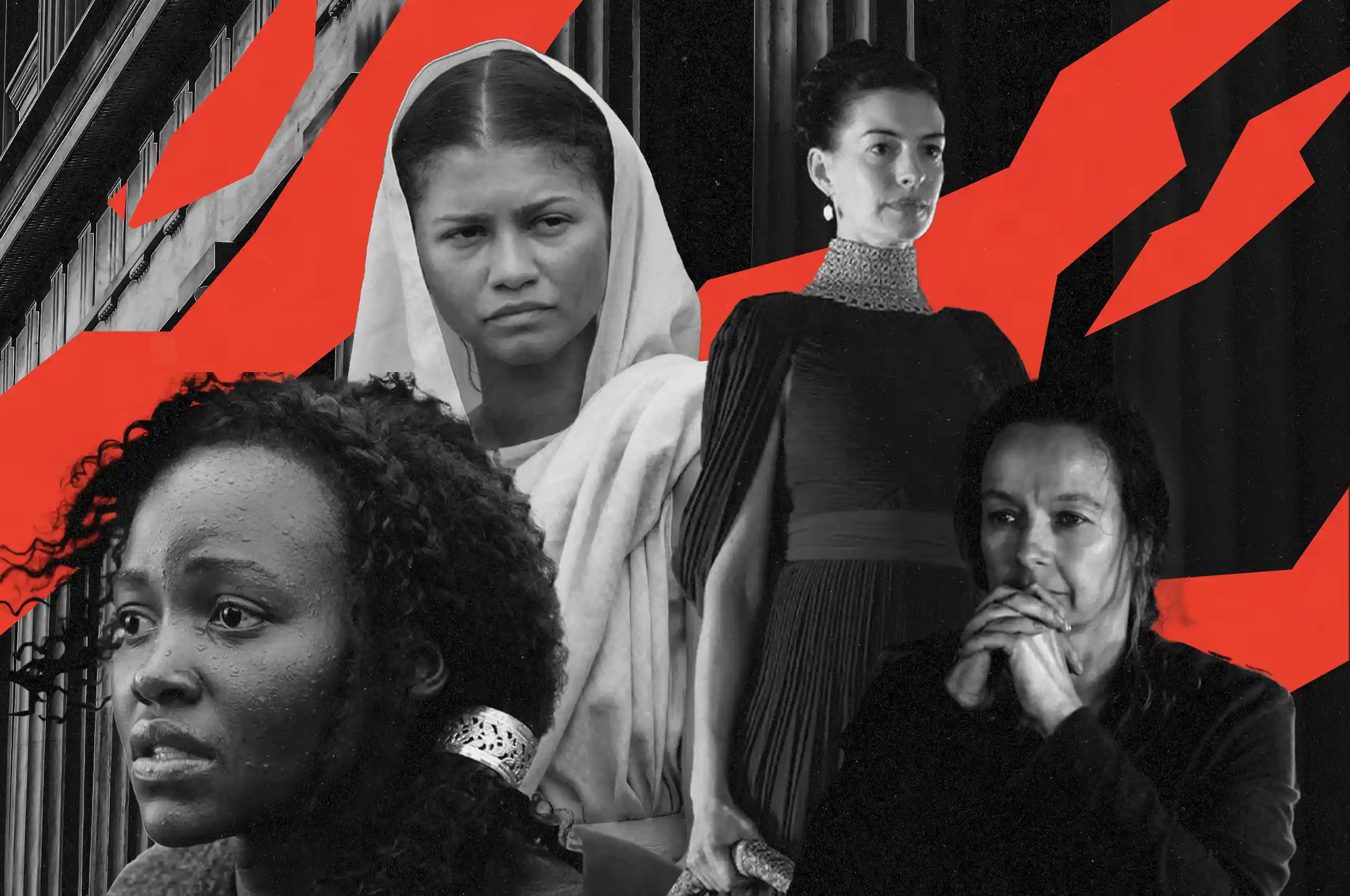
In case you aren’t caught up with the latest discourse on Film Twitter, Christopher Nolan’s The Odyssey has inadvertently become a banner for progressive politics in the culture war, with meninist edgelords comparing it to the ultra-macho, ultra-white 2004 film Troy. Yet for some female audiences, myself included, there was unsurprisingly much lacking in the way the film’s women were written.
Nolan’s adaptation of the Odyssey is one of the best blockbuster movies to come out this year — maybe even in the century so far, definitely dwarfing Troy in quality — but it isn’t without its faults. The writer-director is notorious for under-writing female characters in his films, from Rachel Dawes in Batman Begins and Mal (the dead wife) in Inception to Kitty Oppenheimer and Jean Tatlock in Oppenheimer. These characters tend to be written as accessories to the male protagonist’s development, without their own fleshed-out stories.
The Odyssey is a bit of a step up in that regard, and characters like Penelope and Circe demonstrate an interiority and complexity that is refreshing for a Nolan woman. But in distilling Odysseus’ decade-long journey into nearly three hours, Nolan once again fails to make more room for the women, who spend very little time on the screen even though they propel the story forward. As Harper’s Bazaar’s Maxwell Rabb similarly writes, “Several key, complex women characters in The Odyssey feel squandered.”
What Does Translator Emily Wilson Think?
In a film review for ELLE India, writer Ekta Sinha says that Nolan drew inspiration from British-American translator Emily Wilson’s version of “The Odyssey,” the first written by a woman in the epic’s almost 3,000-year history. “Wilson’s work challenged generations of male translators who framed the epic through deliberately archaic and I must say misogynistic language, reminding readers that Homer’s poem was never intended to feel elite or inaccessible,” Sinha writes. “More importantly, her translation restored nuance to its female characters, foregrounding their intelligence, resilience and agency rather than reducing them to archetypes.”
The nuances certainly come out throughout the film, but they’re never explored. Moreover, Wilson had told the Associated Press that while she wants to “celebrate the fact that so many more people are aware of ‘The Odyssey’ and were brought back to the poem,” she also felt that “Nolan was trying to pack everything in while missing themes that were essential to the poem.”
In Greek mythology, the Trojan War was waged for Helen, Athena guides Odysseus throughout his journey, and Penelope is his motivation to get home. He meets Agamemnon in the underworld only because his wife Clytemnestra has killed him. And Calypso keeps Odysseus on her island for seven long years because she “loves” him, but in the film, this fact is never treated as grave as it really is. In Nolan’s version of events, Athena also assumes the face of a Trojan woman who is killed in front of Odysseus during the sacking of Troy. Women haunt the narrative, yet the movie ends with so little known about them.
Complex Women, Short Screen Time
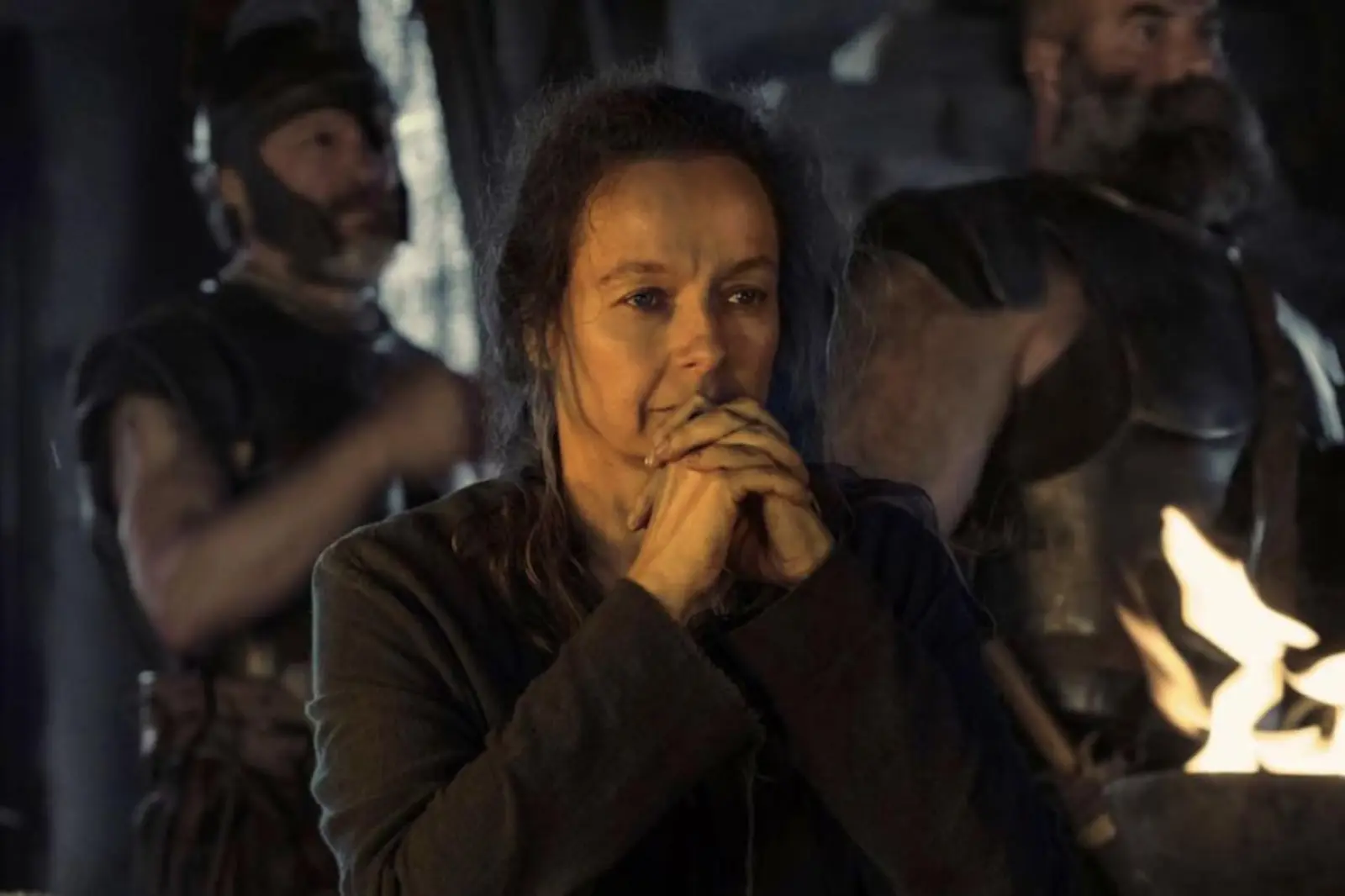
There’s the exception of Samantha Morton’s Circe, whose appearance in the story is justifiably limited to one part of the journey. I quite liked her scene and the physicality of having to mold men into pigs as opposed to the passivity of uttering a spell. It’s a way of taking agency when she’s condemned to an eternity of having to welcome wandering, violent men into her cottage.
But like the rest of the leading women in The Odyssey, Circe is limited to that one moment of exercising agency. For Anne Hathaway’s Penelope, it’s when she finally emerges from the lattice gates to face her suitors and give them a challenge. To Nolan’s credit, we learn through dialogue that she is frustrated that she’s been running Ithaca for 20 years without Odysseus, and is still expected to wait for the king to return, or choose a new one to sit on the throne. Penelope may be the king’s wife, but the laws of this world dictate that a queen regnant cannot rule — and this is an idea that would have benefited from showing rather than telling.
The same goes for Calypso, who, like Circe, must forever oscillate between isolation and tending to strange men. She exercises her agency when she finally sends Odysseus on his way, unshackling herself from the tendency to get attached to her unwilling visitors. But before then, we only see glimpses of her playing the gorgeous woman who nurses the hero back to health. It doesn’t help that Charlize Theron feels objectified, looking like she’s stepped out of a J’adore Dior commercial or Joey Gosiengfiao’s Temptation Island, even though the desert island of Ogygia borders on unlivable — though one could make the argument that it’s because Calypso is immortal.
Zendaya’s Athena is also criminally underutilized. She appears every once in a while to give Odysseus a nugget of wisdom or just a disappointed look, and in the end we find out that she’s been leading him towards the realization that war is bad. There’s certainly power in that, but it’s a total 180 from the original epic and myth. Nolan’s The Odyssey operates on the idea that Athena is only the goddess of wisdom, not of war and strategy, as Greek mythology has it. But I think it would be far more interesting to see a goddess capable of causing harm.
Nolan is, of course, free to interpret the epic as he so wishes, and he’s not the only filmmaker who’s guilty of writing only from what he knows. But when you have so many resources at your disposal, when you can execute practical effects and get Ludwig Göransson to recreate ancient Greek instruments to use in the score, and when you have the capacity to imagine and reimagine complex and expansive fictional worlds, there’s just no excuse for not getting a woman in the writer’s room to enrich the story just a little more.
Frequently Asked Questions
Somewhat. Characters like Penelope and Circe show more interiority than typical Nolan women, but the film still gives them limited screen time despite their importance to the story — continuing a pattern critics have noted in his work from Inception to Oppenheimer.
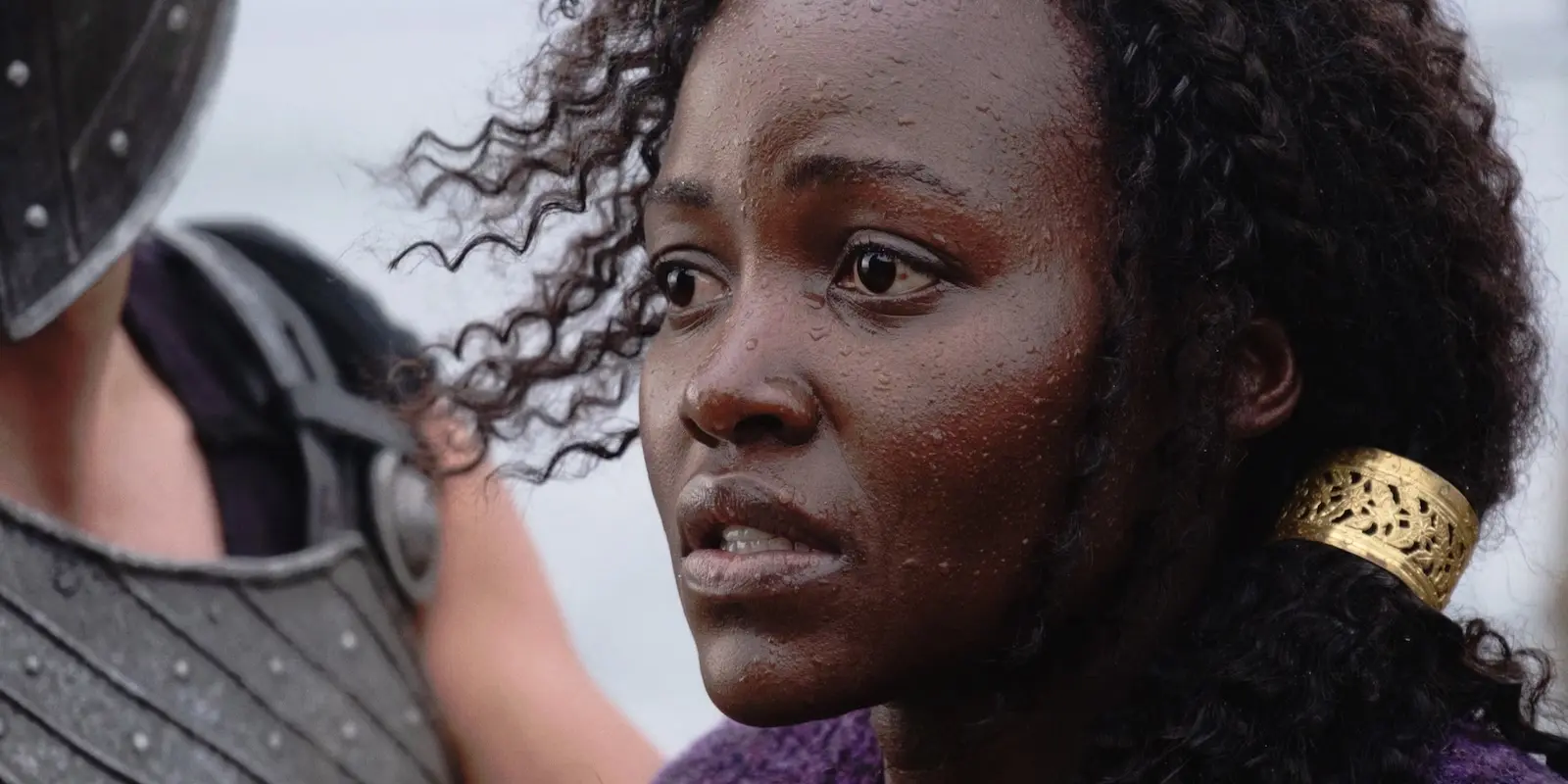
Anne Hathaway plays Penelope, Samantha Morton plays Circe, Charlize Theron plays Calypso, Zendaya plays Athena, and Lupita Nyong’o plays the twin sisters Helen and Clytemnestra.
In Greek mythology, Athena is a goddess of both wisdom and war. Nolan’s film reframes her as a goddess of wisdom alone, using her to guide Odysseus toward the realization that war is destructive — a notable departure from her more active, strategic role in the epic.
Emily Wilson welcomed the renewed public interest in the poem but felt Christopher Nolan tried to pack in too much while missing themes essential to the original epic. Her translation was notably the first English-language version of the epic written by a woman in its nearly 3,000-year history.
Critics argue the film’s female characters — Penelope, Circe, Calypso, and Athena — drive the plot yet receive minimal screen time and little development. They often function as accessories to Odysseus’ journey, echoing a criticism leveled at Nolan’s earlier films from Batman Begins to Oppenheimer.
Recommended Video