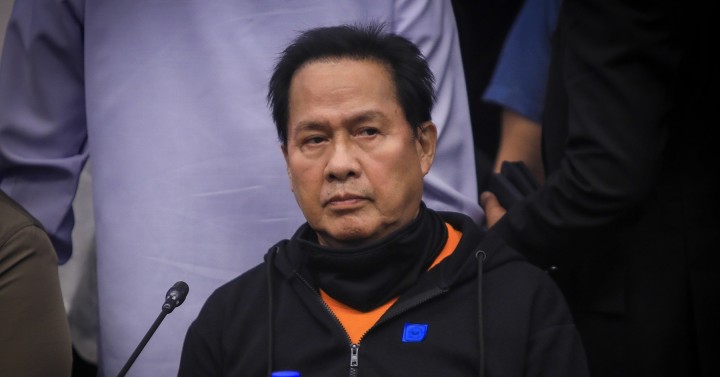
On Aug. 6, the United States formally sent its request to extradite church leader Apollo Quiboloy for his charges of sex trafficking, fraud, and cash smuggling. For many, the move may seem like a big step towards accountability, yet it also leaves behind a bittersweet realization that high-profile cases within the country only gain momentum when foreign institutions step in.
Quiboloy’s Charges: Sex Trafficking, Fraud, and the FBI Most Wanted List
Quiboloy has been detained in Pasig City Jail since 2024 following his arrest. In the United States, he faces a federal grand jury indictment for his labor and sex trafficking crimes and was previously placed on the FBI Most Wanted Fugitive List.
According to the FBI, Quiboloy allegedly led a labor trafficking scheme that brought church members to the United States using fraudulently obtained visas, and forced them to solicit donations that actually were used to finance church operations and the lavish lifestyles of its leaders. He would also allegedly require his pastoral members to have sex with him at night, which he calls “night duty.”
His lawyer Ferdinand Topacio argued that the extradition request by the U.S. was “extremely unfeasible,” citing Quiboloy’s current criminal proceedings in the Philippines. The lawyer also questioned whether the government would “again meekly surrender its jurisdiction to a foreign power.”
What Happens if Quiboloy’s Extradition to the U.S. Is Approved?
Under the Philippine Supreme Court’s extradition rules, extradition is permitted only when the crime is punishable under both Philippine law and the law of the Requesting State.
Sen. Risa Hontiveros on Aug. 7 urged the Department of Justice (DOJ) to expedite the process, saying that “it was about time” that the pastor faced his crimes. “He trafficked women and girls from around the world. Justice demands that he answer for these crimes in the very places he committed them,” Hontiveros said in a Facebook post.
Should the extradition be granted, Quiboloy will be transferred to the United States to stand trial under the American justice system. Extradition would not determine his guilt or innocence, but it allows him to be tried in the jurisdiction where the alleged crimes were committed. Domestic courts may continue to hear cases against the former televangelist that happened within Philippine jurisdiction and administer justice independently. According also to the DOJ, the government may choose to hand him over to the U.S. immediately or wait until all his local cases have concluded.
But much like the international legal proceedings involving former President Rodrigo Duterte before the International Criminal Court, Quiboloy’s case proves the growing perception that the Philippines has been increasingly reliant on international courts to reach decisive turning points.
FREQUENTLY ASKED QUESTIONS
The U.S. requested Quiboloy’s extradition on federal charges of sex trafficking, labor trafficking, fraud, and cash smuggling. He allegedly used fraudulent visas to bring church members to the U.S. and forced them to solicit donations to fund church leadership’s lavish lifestyles.
No. Extradition only transfers jurisdiction, allowing Quiboloy to stand trial in the U.S. for the alleged crimes committed on American soil. It does not establish guilt, and Philippine courts may continue hearing his domestic cases independently and in parallel.
Philippine Supreme Court rules require that the alleged offense must be punishable under both Philippine law and the requesting state’s law. The Department of Justice may also choose to delay transfer until local cases conclude.
Both cases reflect a pattern where high-profile Philippine accountability efforts gained decisive momentum only after foreign institutions intervened — the ICC for Duterte’s drug war killings and now U.S. federal courts for Quiboloy’s trafficking charges.
Quiboloy has been held at Pasig City Jail since his 2024 arrest, facing separate Philippine criminal proceedings. He was previously placed on the FBI’s Most Wanted Fugitive List before his domestic detention.