Before the Cinemalaya Philippine Independent Film Festival released its first open call in 2004, the Philippines was experiencing a steep, decade-long decline in film production and viewership. An industry that produced more than 250 films annually was lucky to produce 60. While the country still had the highest theater admissions in Southeast Asia, with over 63 million moviegoers by the end of 2004, that figure was roughly half of what it had been a decade earlier.
In Jessica Zafra’s notes about Philippine cinema for the 2004 Far East Film Festival, she diagnosed the problem as it was happening: Hollywood titles started taking over theaters, exhibitors were seeking more conservative, family-friendly titles, and the economic model was failing both filmmakers and audiences while rewarding only exhibitors and the local governments. “Roughly 52 percent of the gross goes to taxes, the municipal tax rate is 33 percent, and the money does not go back into the industry,” writes Zafra. Whatever tax rebates were offered by the now-defunct Film Ratings Board (FRB) to locally produced films were only given to a handful of titles. On top of these, the losses due to digital piracy were reportedly double the theatrical box-office gross. Time and again, scholars and filmmakers proclaimed that cinema was dead. But with the severity of the economic downturn and the aftermath of the Second EDSA Revolution, it seemed as though the final blow had been dealt.
To say that Cinemalaya breathed life into a dying industry is an overstatement, but not entirely untrue. It’s difficult to imagine that one of the country’s most important film programs — a festival that has provided financing to almost as many features as Star Cinema since 2005 — began not as a grand attempt at independent filmmaking, but as a search for television content.
At the time, film programmer Ed Cabagnot was with the Cultural Center of the Philippines (CCP) Center for Coordinating Film, which programmed everything from French and Latin American cinema to films from the People’s Republic of China and the Gawad Alternatibo, the longest-running independent film competition in Southeast Asia. Around the same time, businessman Antonio “Tonyboy” Cojuangco, a good friend of CCP President Nes Jardin, was looking at a new mode of distribution. “Tonyboy wanted to experiment in trying to curate a network of direct-by-satellite venues in the Philippines,” says Cabagnot. Cojuangco donated one of the first satellites to CCP at no cost and reserved a channel on his new cable network for arts programming. “Can you imagine? We’ve been wanting something like an arts and culture BBC in the Philippines! And it’s in our hands!”
“Nobody planned to make a fantastic festival that’s going to change independent cinema. It was all exciting and risky. In time, it paid off.”
Cabagnot didn’t expect cable programming to be entirely different. But a 24-hour cable channel demanded an endless supply of material to screen seven days a week. Initially, the team was convinced they could address these challenges by screening the titles from Gawad Alternatibo. “Maski CCP has been there since the 1970s, most of our productions were shot for documentation,” he says. But with Gawad Alternatibo composed mostly of short works, it wasn’t long before they realized they had already exhausted the available catalog. When Cabagnot met with the other members of the committee at CCP, they had to face the reality that it wasn’t working. Cabagnot says that Cojuangco came up with the solution quickly. “I remember it so clearly. He said, ‘Then let’s make our own.’” Cojuangco committed P5 million to the creation of a new slate of ten features — each with a budget of P500,000. From that conversation, Cinemalaya was born.
Cabagnot credits the festival’s unlikely success to what he calls the “tri-fold synergy of the government, the private sector, and the academe.” Cojuangco’s Philippine Multi-Media Systems Inc. supplied private investment in the films. CCP provided the institutional home, logistical support, and curatorial direction, alongside the Film Development Council of the Philippines (FDCP). The University of the Philippines (UP) Film Center contributed its academic infrastructure, connecting CCP to students who needed to take a long commute to Pasay to become patrons.
The most consequential decision was perhaps the simplest: who could make these films? The first call for entries sought to find new voices: only first-time directors could apply. “We wanted people who had never made a full-length before and the concept of a digital full-length, bago pa lang ‘yan!” says Cabagnot. “When we put this up, we didn’t know what we were getting ourselves into… Nobody planned to make a fantastic festival that’s going to change independent cinema. It was all exciting and risky. In time, it paid off.”
In the early 2000s, film festivals that gave seed grants weren’t commonplace. The closest precedent was the Experimental Cinema of the Philippines in the 1980s, which helped greenlight landmark films such as Himala, written by Ricky Lee and directed by Ishmael Bernal, and Peque Gallaga’s Oro, Plata, Mata. Cinemalaya helped revive that model for a new generation. In Micah Tadena’s “Film Practice and the Grant-Giving Film Festival” for Pelikula Journal, she details how other festivals followed: ABS-CBN launched Cinema One Originals, which offered even larger production grants but less ownership, while the QCinema International Film Festival assigned all rights to filmmakers. Other initiatives like Manny Pangilinan’s CineFilipino and Puregold’s CinePanalo followed suit. “Nowhere else in Asia will you see so many festivals that are also giving out seed grants to produce films,” Cabagnot says.
“Independent film didn’t look like it did now. Even if I had already apprenticed with a director and had done a little work with ABS-CBN, I could see no way in.”
For the filmmakers who came through that first call, however, the significance of Cinemalaya was more immediate. It offered something the industry had largely stopped offering: a way in. Mario Cornejo came of age in an era of the 1990s American independent films. “People like Robert Rodriguez, Quentin Tarantino, and Paul Thomas Anderson were my gods,” he says. In particular, Rodriguez’s Rebel Without A Crew, which chronicled how the 1992 crime thriller El Mariachi was made for less than a Cinemalaya film, was his bible. In the local scene, filmmakers like Jon Red and the people at Pelikula at Lipunan were his north stars.
But no amount of admiration made the industry easier to enter. “Independent film didn’t look like it did now. Even if I had already apprenticed with a director and had done a little work with ABS-CBN, I could see no way in.” At one point, Cornejo heard that the Fil-Am actor Ernie Reyes Jr. — a karate champion who played an Asian badass in many Hollywood films — was looking for stories in the Philippines. He came up with a few concepts for Reyes Jr., but nothing came out of them. “I never ended up even meeting the guy.”
When he first saw Cinemalaya open its call for submissions, Cornejo finally saw an opening. He came up with a three-page storyline with all of the characters and submitted it. More than 180 new filmmakers submitted to the first open call and on September 1, 2004, filmmaker Sigfreid Barros-Sanchez posted on his LiveJournal the names of the 30 semifinalists of the first Cinemalaya Independent Film Festival, which included Cornejo.
The battle was already half-won. But Cornejo had no idea how to make a film. He hadn’t even been on a film set. Filmmaking, back when it was still on actual film, was notoriously expensive, and Cornejo neither had the means nor the connections to experiment in the way that digital now allows newer filmmakers. “I had been an apprentice on commercials. I’ve worked on television, segment directing and things like that. But not a movie. I only had the book of Robert Rodriguez and listening to director’s commentaries,” says Cornejo. He approached Monster Jimenez, who had a production house called Arkeo Films, which spent most of its days creating AVPs and covering weddings. “I said ‘Hey, come! Do this with me. Let’s do this together. Let’s be a real partnership.’”
Jimenez was stumped. “It was weird. Sa tingin niya may alam ako sa pelikula because I was in one movie,” says Jimenez, who was a production assistant on Mike de Leon’s mockumentary Bayaning 3rd World. In this two-person group, she was the most experienced. To outsiders, this would have sounded insane. But she said, “Sure!”
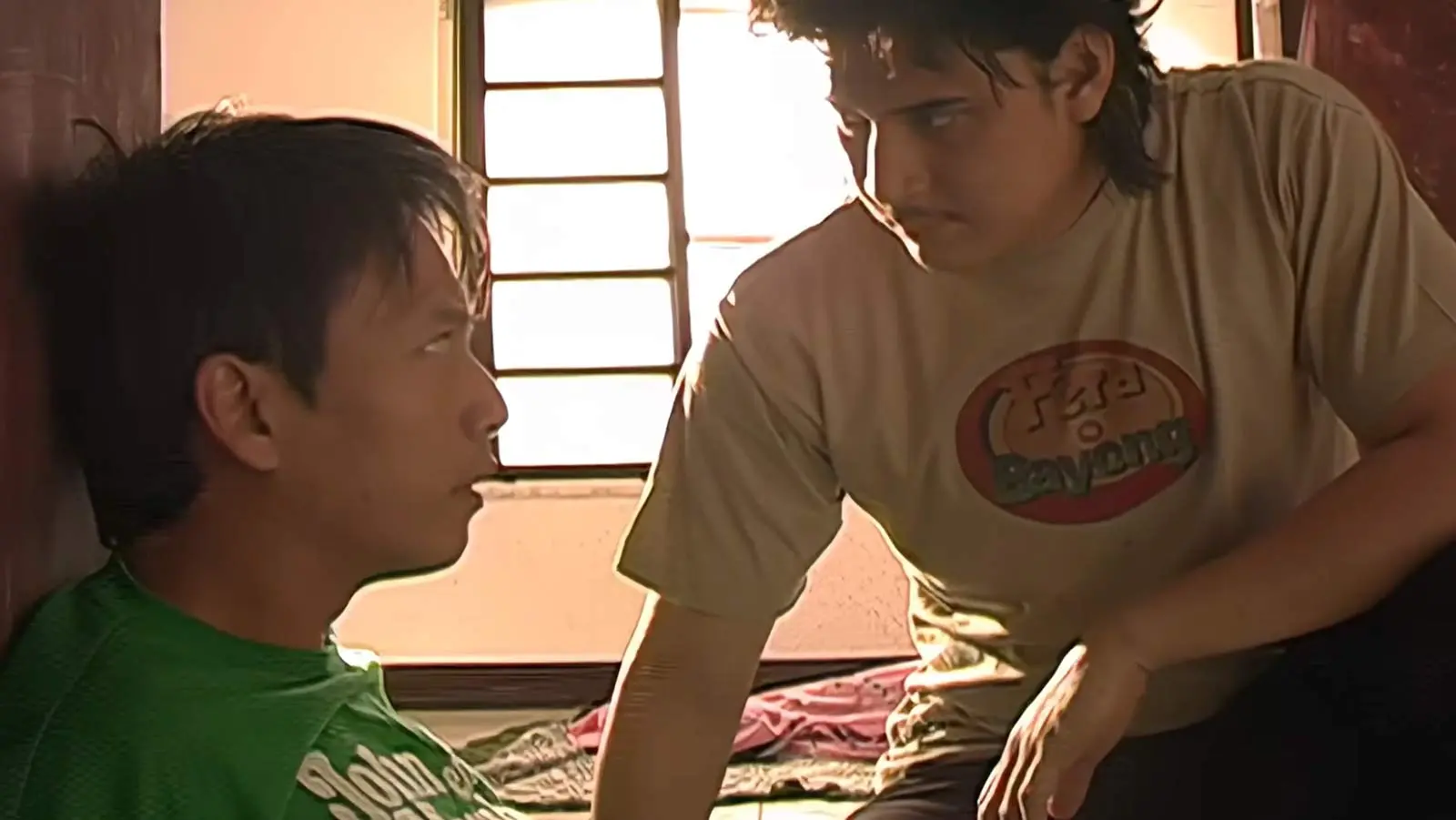
Cornejo brought them to his family’s house in Tarlac and brought a towering desktop so they could write together. With bats everywhere, they hid out in a room, buried themselves under a blanket, and took turns grabbing the keyboard from each other to type down their fleeting ideas. It took three days to get 90 percent of what would eventually be the working screenplay of their film, a comedy of errors about two petty criminals who kidnap the only daughter of a middle-class family. Cornejo submitted the draft and went to the interview alone, where he met not only the other shortlisted candidates but also one of his heroes: Peque Gallaga.
“He was so sweet and so kind and so encouraging even in the interview. I was trying to make jokes, but he was like: ‘Hey, this is good!’” Cornejo recalls. “It was very overwhelming for someone like Peque, who I had never met, to say it was good.” Gallaga asked him why he wanted to make the film, and Cornejo detailed how it was exactly how he felt current times are. “It was very difficult to make your way forward just through work. You have to know somebody. Everyone is trying to hit the big time in some way, and because traditional means of rising to the top are closed off to you, you try to find other ways.” Gallaga insisted that Cornejo was writing his way through this dilemma by making a film, and recalling this fact made him misty-eyed. A few weeks later, Cornejo discovered he’d gotten into the festival with his debut, Big Time.
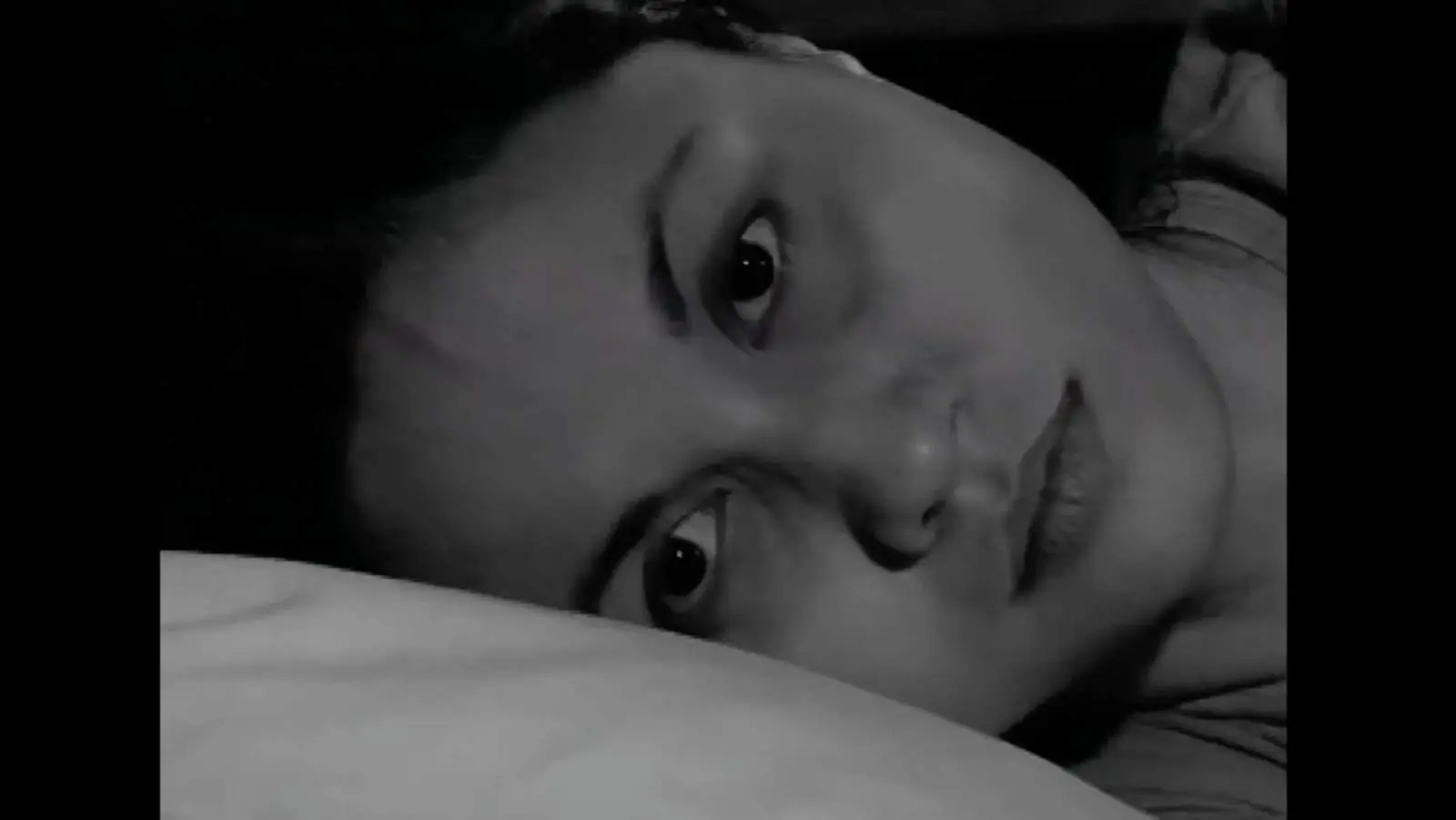
But the filmmakers soon discovered that the opportunity they had been given came with conditions of its own. On the day of the contract signing, Cornejo agreed to meet with the others before the signing and press conference at the Figaro on Harbour Square. It was there that Moira Lang, producer of Ang Pagdadalaga ni Maximo Oliveros and Sarung Banggi, told the others that they couldn’t sign the contracts yet. The terms weren’t good for all of them. They were signing away too much. To Cornejo at the time, the proposition was absurd. “You’re telling this to a bunch of filmmakers who have never had a shot in this world. This was our shot! What are you talking about? What if they take it back?” says Cornejo. The press conference was in hours. But Lang not only managed to convince everyone not to sign the agreement but also spoke to the members of the CCP to allow them to renegotiate parts of their contract.
Cornejo insisted that these events weren’t a knock on Cinemalaya. “They thought they were doing us a favor as well by giving us this contract. It’s Moira who had the foresight to say it wasn’t a fair contract. We were doing the work, but we didn’t have a chance at recouping based on their conditions,” says Cornejo. “For Moira to say that it was shortsighted, even for them… not thinking na if we build the prestige of these works abroad first and bring it back to you, it’s so much more valuable. Let us do that work of putting it in theaters and festivals. It was good for us and good for them.”
“In the end, it doesn’t matter kung indie ba ‘yan, Star Cinema ba ‘yan, bagong graduate ba ‘yan; It was the films themselves, the spirit behind the making, kung gaano ka-in touch sa emotions and sa zeitgeist.”
Shortly before the open call was released, Lang had formed a support group with her fellow Star Cinema brainstormers Jade Castro, Michiko Yamamoto, Ned Trespeces, and Emman Dela Cruz to discuss concepts they wanted to do. “Na-notice namin na ang dami naming gustong isulat na pelikula pero alam naming hindi i-a-approve,” says Lang. They’d meet once or twice a week, maybe at a coffee shop or somewhere else, to commiserate. When they heard the open call for the festival, each of them submitted a concept and three of these got into the semifinals. “Ang nabalitaan namin was 10th or 11th place ‘yung Maximo. Hindi ko alam kung anong nangyari. Basta may hindi natuloy at kami yung naging number 10.”
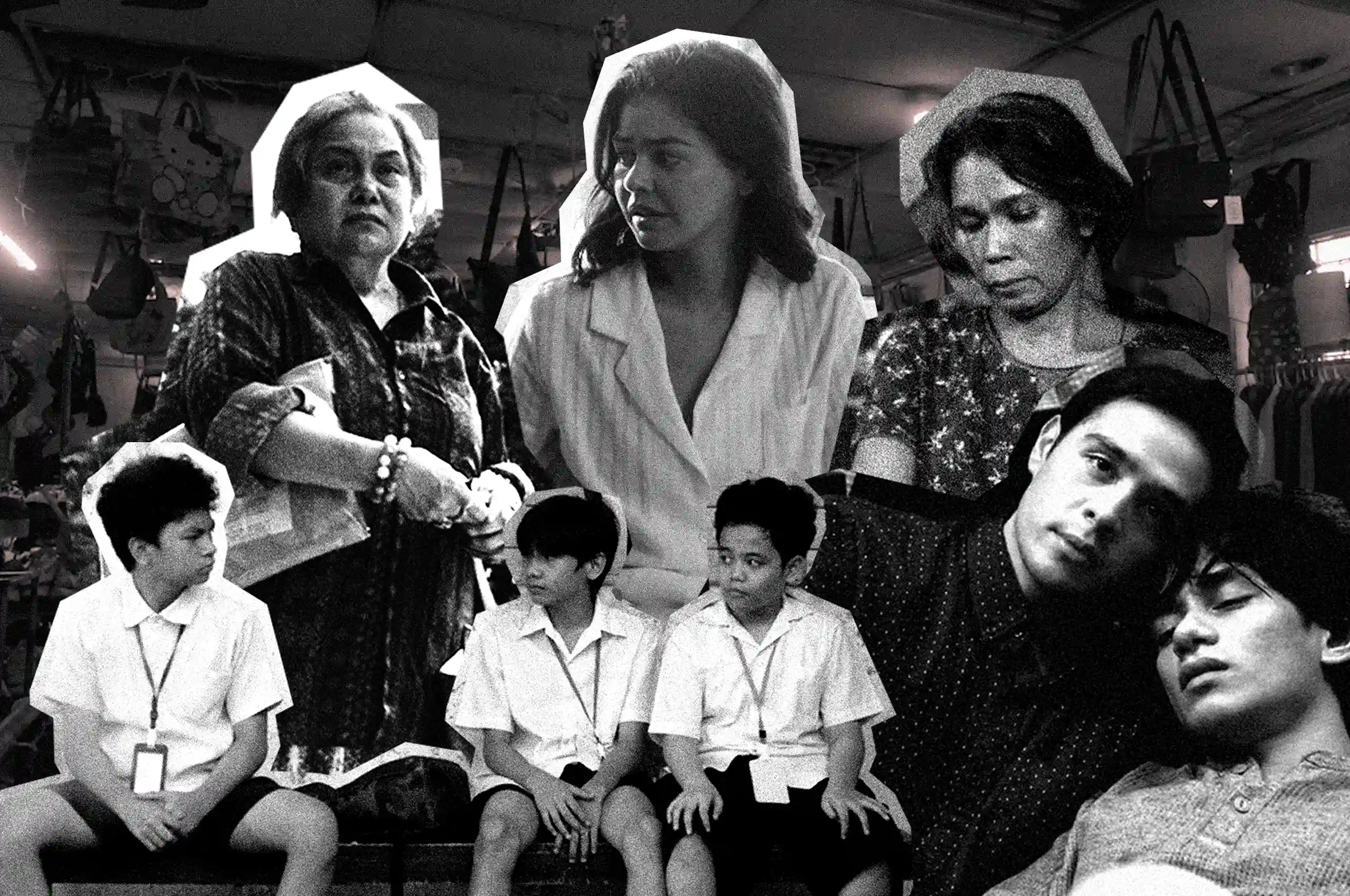
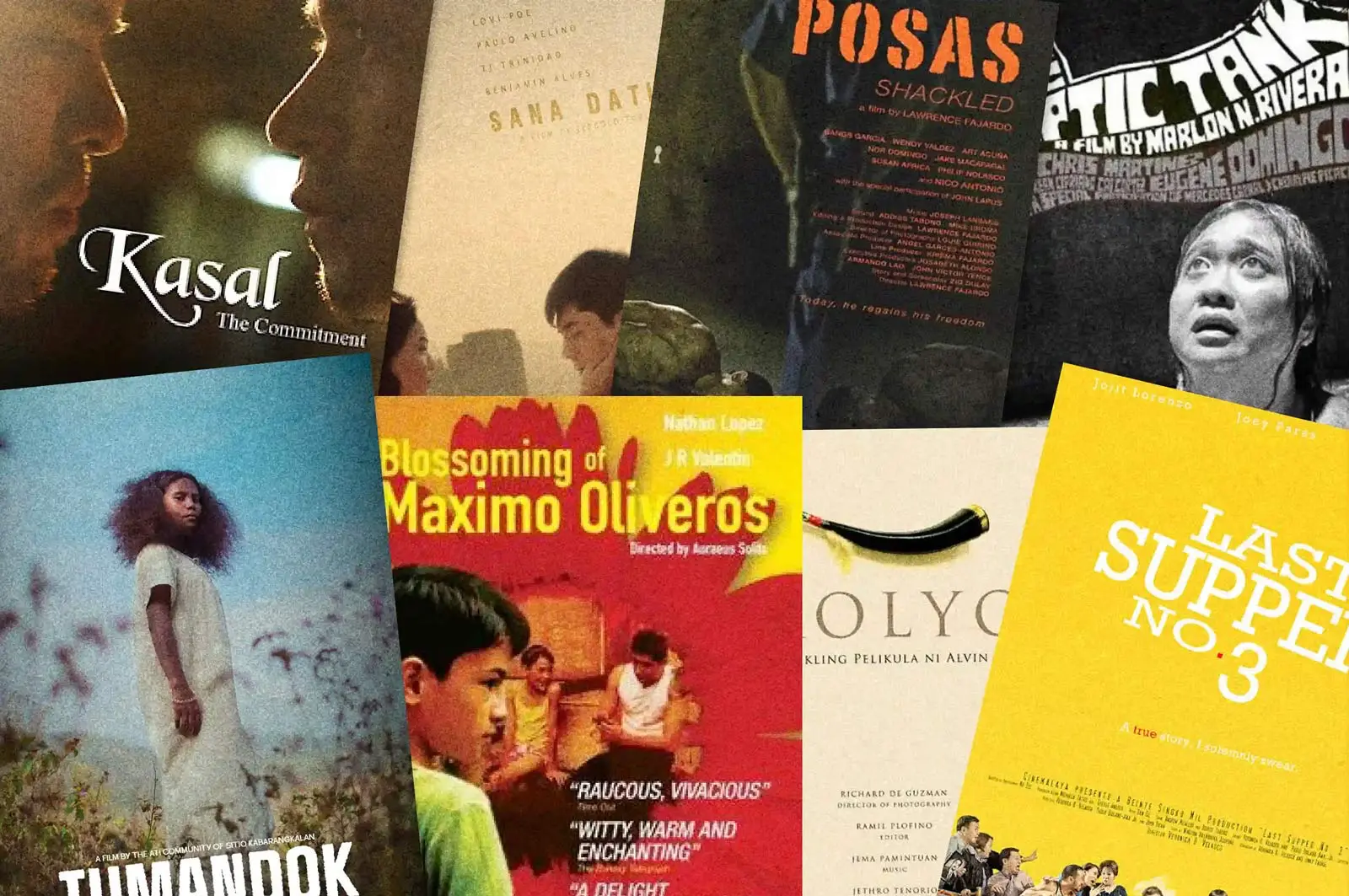
Had Cinemalaya restricted all involvement to non-professionals, Ang Pagdalaga ni Maximo Oliveros would not have been produced. Yamamoto and Lang had already written box-office hits such as Magnifico and Anak, respectively. But they knew a coming-of-age film about a queer kid who was accepted by his criminal family in the slums of Tondo wouldn’t necessarily get greenlit by major studios. Yamamoto had initially written the story with the goal of creating a trilogy of films centered around children, and Lang joined the project as a producer, seeing links with it and Dr. Gregorio Fernandez’s 1958 classic Malvarosa starring Charito Solis.
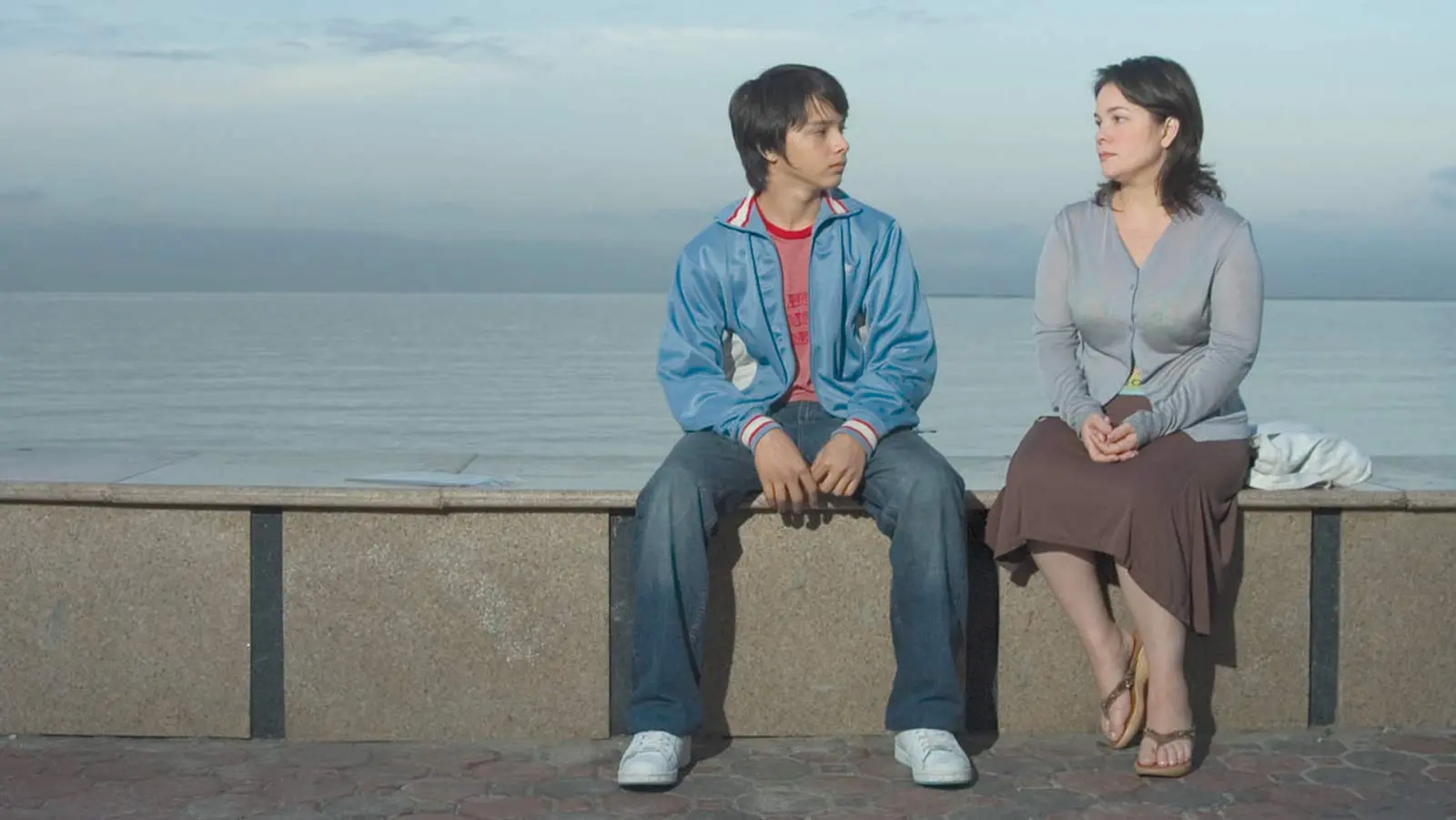
During the break at the contract signing, Lang spoke to the other filmmakers and said she foresaw problems with the distribution, especially because the films the festival selected were so different from one another. It helped that Lang was a Business Administration graduate and had already written for TV programs in Singapore. Later, an entire session was dedicated to fine-tuning the memorandum of agreement. By the end of the negotiations, filmmakers retained proprietary rights to their films. Dream Satellite TV acquired cable rights for two years (though Tadena later reports it did not ultimately distribute the first batch of films) while the CCP was granted the right to screen the films “in perpetuity” but only within CCP venues.
These early acts of solidarity not only created better terms for the first batch of filmmakers but also opened doors for what could be renegotiated by future batches. Additionally, it made the filmmakers closer and removed any competitiveness they would have had towards one another. When Jimenez’s camera broke and Arkeo Films was at risk of sinking, Lang lent the camera they used for Ang Pagdadalaga ni Maximo Oliveros and Sarong Banggi free of charge. Conversations over Yahoo! Messenger allowed them to commiserate over deadlines and difficulties. Further discussions with the CCP allowed the festival to be moved from the initial February 2005 opening to July 2005, allowing Maximo director Kanakan-Balintagos to have six different edits before they settled on its final one, removing an additional thirty minutes from the initial runtime. “Kahit nung early morning of our first screening, doon pa lang namin in-a-output ‘yung screening copy,” admits Lang.
The first batches of the Cinemalaya films had their gala nights at the CCP Little Theater and were screened alphabetically, with Ang Pagdadalaga ni Maximo Oliveros being first. As Bayang Barrios sang “Isipin Mo Na Lang” and the credits rolled, Lang recalls the stunned silence of the audience followed by thunderous applause. “Paglabas namin ng lobby, ayaw umalis ng mga tao. Andoon lang ‘yung audience. Nakangiti lang lahat. Sobrang saya nila with what they witnessed,” says Lang. “Ang layo nung time na ‘yun. Ngayon kasi, sobrang normal na ‘yung bida mo [ay] queer. Pero nung time na ‘yun, relegated to best friend roles and supporting characters ang queer characters.”
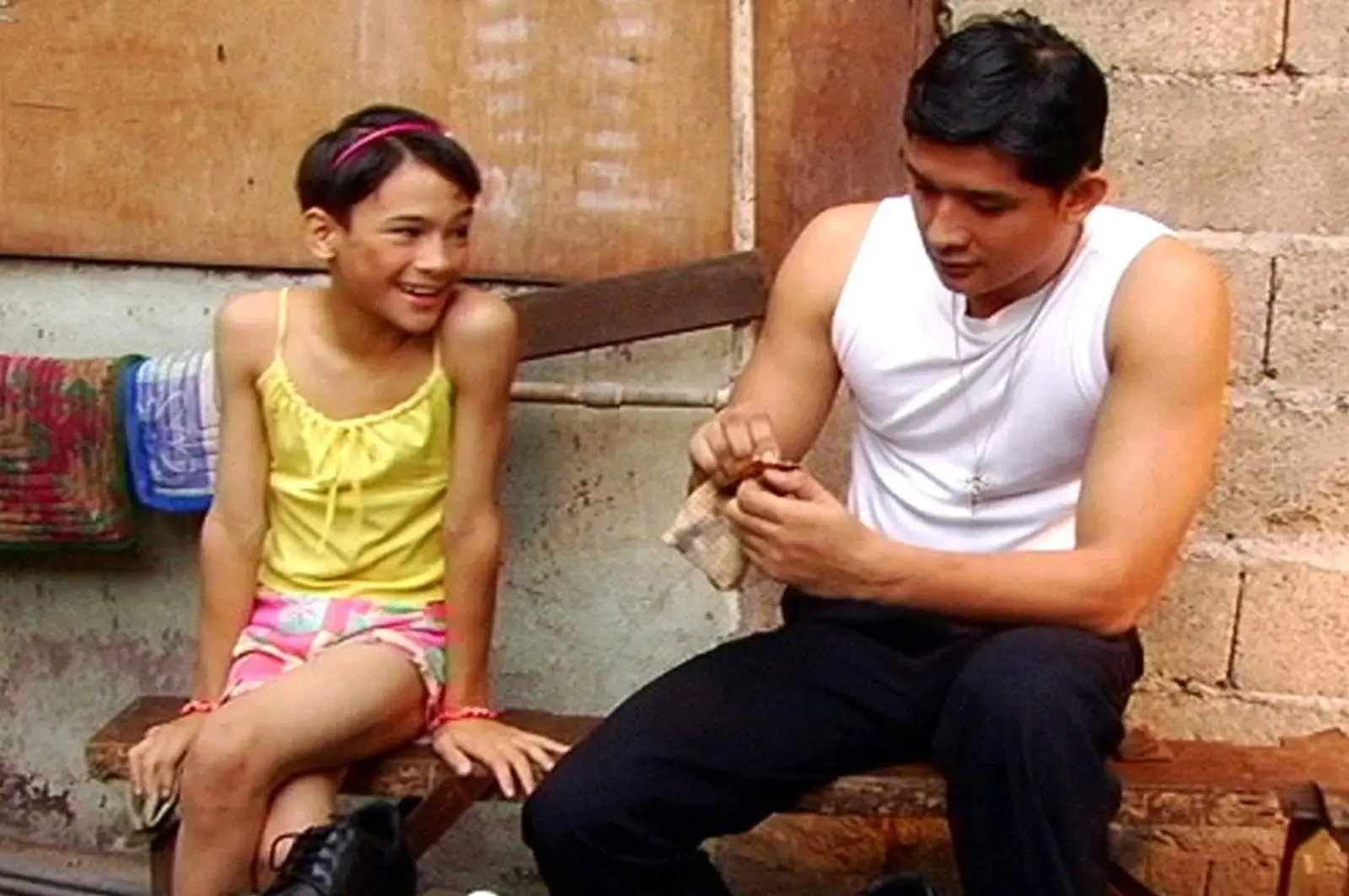
These accommodations to make the process more equitable for the filmmakers would eventually pay off. Ang Pagdadalaga ni Maximo Oliveros became the first Filipino film to win the Teddy Award at Berlinale in 2005 and the first to compete for the World Cinema Dramatic Competition at Sundance in 2006. Big Time was selected for the Chicago International Film Festival in 2006 and Imaginasia 2006. Beyond these international milestones, the renegotiated contract with CCP enabled the films to attempt a theatrical run to recoup their financing, allowing them to, at the very least, break even.
To Lang, Cinemalaya was instrumental in blurring the lines between indie and mainstream cinema. “Nakita ng mga tao na ang kwento ng mga indie, hindi masyadong malayo sa mga napapanood natin sa sinehan, sa mga full-length Filipino films na enjoyable,” she says. “In the end, it doesn’t matter kung indie ba ‘yan, Star Cinema ba ‘yan, bagong graduate ba ‘yan; It was the films themselves, the spirit behind the making, kung gaano ka-in touch sa emotions and sa zeitgeist.”
In 2011, Lang saw this crystallize when Cinemalaya programmed Zombadings 1: Patayin sa Shokot si Remington as one of its first two closing films, helping the film gain momentum through word-of-mouth and press coverage. Zombadings not only resonated with audiences the same way as Maximo, but also translated that reception into theatrical sales, earning then P32.28 million and becoming one of the highest-grossing Filipino independent films of 2011.
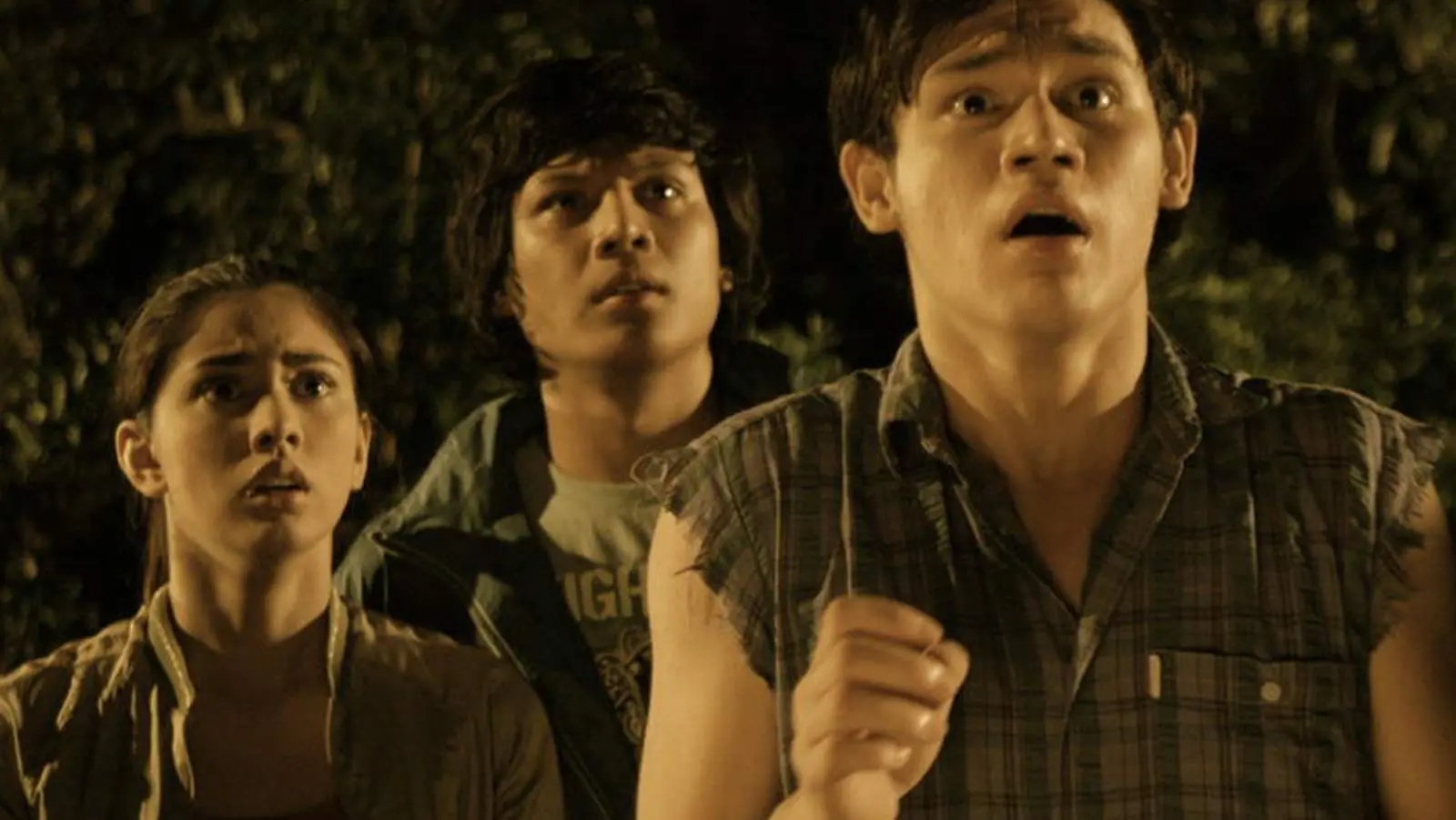
Antoinette Jadaone was an undergraduate when she first watched Big Time onscreen at the UP Film Center. The film introduced her to an independent cinema that felt very different from the mainstream movies she had grown up with. “Pasok talaga siya sa personality ko: baklaan, baliw, funny, indie,” she says. “Lumaki talaga akong Star Cinema. Pero nung first Cinemalaya pa lang, na-establish na nila ‘yung sarili nila; ‘yung independent spirit, na… ‘Ay! Pwede pala akong gumawa kahit hindi ako well-connected. Kaya nila. Baka kaya ko rin.”
Cinemalaya became a collective dream for film students, partly because it showed unconventional treatment of mundane stories. For Jadaone, Jade Castro’s Endo became one of her all-time favorites. “As a romcom girlie na galing sa Star Cinema at nanonood ng Nancy Meyers, pwede pala ‘yung ganito? Grounded on reality. ‘Di galing love team. ‘Yung love story na may sinasabi pa rin tungkol sa lipunan,” says Jadaone. “Kung ang sabi ni JP [Habac] ay ang dream niya ay ma-feature sa Young STAR, ang dream namin ay makapag-Cinemalaya,” she says. The appeal was in its openness. Anyone could submit, so long as they had a story worth telling. The festival’s annual deadline arrived around the same time as the Palanca Awards, and the two became yearly milestones for aspiring writers and filmmakers. While working as a production assistant and script continuity supervisor for Joyce Bernal, Jadaone spent her downtime writing screenplays. “Almost always, magiging semi-finalist ako,” she says, laughing. “Pero hanggang doon lang!”
She still remembers the pitching sessions at Cinemalaya president Laurice Guillen’s home in Horseshoe Village, Quezon City. Hopeful filmmakers crowded into the waiting area while dozens of pairs of shoes accumulated outside the front door. “Parang orgy, ma!” jokes Jadaone. During her first time making the shortlist, she found herself in the waiting room with Adolfo Alix Jr. “Pagpasok niya, sabi ko: ‘One slot down.’”
Jadaone had at least three projects shortlisted for the seed grant. The first was TNT, a multi-character narrative comedy co-written by The Poor Traveler co-founder and fellow Palanca Award-winner Yosh Dimen. The second was an earlier, more narrative version of Six Degrees of Separation from Lilia Cuntapay. “Ninety-eight pounds lang ako dati bago ako pinataba ng industriya. Petite at ‘di pa nakakapag-skincare kaya mukha akong gusgusing batang galing shooting,” she says. Jadaone had already directed several short films. But when the panelist asked her how she could direct the feature considering her stature, she was speechless. “Naisip ko talaga: Paano nga? Kasi meron lang naman akong kuwento. Kaya ko nga pini-pitch dito kasi baka bigyan ako ng chance,” says Jadaone, now laughing. “But in hindsight, they were looking for someone who could deliver. It’s one thing to write a script. It’s another to write and direct it.” When she was asked if she was okay with someone else directing the film, she said no.
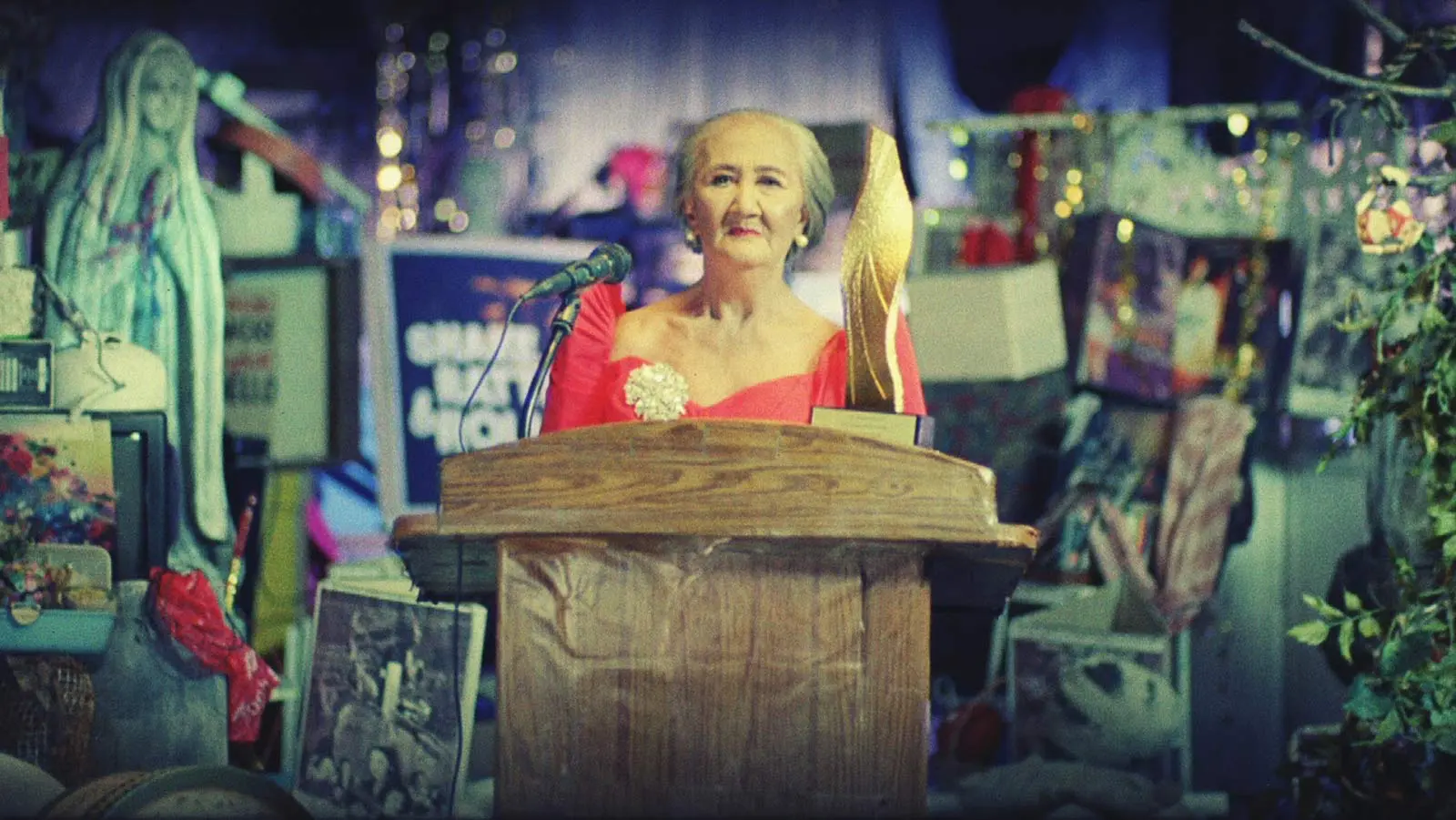
Six Degrees of Separation from Lilia Cuntapay eventually found a home at Cinema One Originals, where it was greenlit largely because it promised to finally give the veteran actress the spotlight she was overdue. In retrospect, Jadaone sees those rejections less as a failure than as detours. Several more projects were also shortlisted, including That Thing Called Tadhana and Beauty in a Bottle, which did not receive Cinemalaya grants but eventually became films elsewhere. Jadaone isn’t the first nor the last to experience this. Rae Red’s Gawad Urian Best Picture winner Babae at Baril (2019) and Martika Escobar’s Leonor Will Never Die (2022) are such examples. But the short timeframes don’t allow for the incubation nor the fundraising that some projects need. Other times, they work out.
This tension between access and expectation has only become more pronounced as Cinemalaya has grown, especially as it has been rehomed outside of CCP. Jadaone insists that Cinemalaya is relevant not only because it forces people to watch films in theaters. “Kapag Star Cinema, sure ka na after six months nasa Netflix. ‘Yung Odyssey, kahit sabihin ni [Christopher] Nolan na manood sa IMAX, lalabas ‘yan sa streaming, sa Bilibili, sa Telegram,” says Jadaone. “Pero ang Cinemalaya? Wala kang assurance, ma! Dahil hindi siya mainstream, wala siyang big artists at ‘di sikat ‘yung direktor. Kahit meron siyang kwento, hindi siya mapapanood anywhere. ‘Yun ‘yung mga kinukuha namin sa Kamuning Film Club (Jadaone’s film club at Basta Cafe in Kamuning).” Cinemalaya’s production model affects Philippine culture at large because it allows films to be made in direct response to the current historicopolitical and sociocultural situation. Treb Monteras II’s Respeto (2017) was released shortly after Rodrigo Duterte’s ascent to power and the beginning of the extrajudicial killings. JL Burgos’ Alipato at Muog and Noni Abao’s Bloom Where You Are Planted are documentaries that respond to the current political situation as it is unfolding.
Jadaone likens Cinemalaya to Sundance in the U.S., where the successes of early works like Steven Soderbergh’s Sex, Lies, and Videotape, Todd Haynes’ Poison, Quentin Tarantino’s Reservoir Dogs, Steve James’ Hoop Dreams, Richard Linklater’s Before Sunrise, Daniel Myrick and Eduardo Sánchez’s The Blair Witch Project, and Jonathan Dayton and Valerie Faris’ Little Miss Sunshine have shaped its curatorial identity. What initially started as an independent festival expanded and began to attract stars in the mainstream, who want to explore other forms of storytelling or want to lend their star power to an advocacy they feel strongly about. Jadaone shares that even producing titans like Deo Endrinal of Dreamscape and Mother Lily used to watch Cinemalaya and purchase tickets for writers, producers, and staff in training to see the festival offerings. “It has become a different kind of storytelling that people want to see.”
“It was okay to fail and experiment kasi kayu-kayo lang ito. Ngayon, alam na ng mga tao na this is a way in.”
Pam Miras already won a Gawad Urian for her undergraduate thesis Reyna ng Kadiliman in 1999 before joining Cinemalaya. Alongside her friend and fellow Ricky Lee Screenwriting Workshop alumna Sunshine Matutina, who would later win the NETPAC Award for her debut 12 Weeks, she applied to the festival’s inaugural shorts competition. There, the two found themselves among a generation of emerging filmmakers that included Sigrid Andrea Bernardo (Babae), Law Fajardo (Kultado), Joel Ruiz (Mansyon), and Rommel Tolentino (Alimuom). When a problem arose with the festival’s opening feature, Cabagnot proposed the festival open with the six short films selected instead. Miras’ Blood Bank went on to win Best Screenplay. “When you win something, it gives you the confidence to say that this might not be a bad thing kahit ang hirap niya. I must be doing something good.”
In retrospect, the importance of Cinemalaya’s shorts program is difficult to overstate. Many of the filmmakers who have become equated to contemporary Philippine cinema first emerged there; Pepe Diokno, Alvin Yapan, Tara Illenberger, Sheron Dayoc, Mikhail Red, Janus Victoria, Jerrold Tarrog, Hannah Espia, Chuck Gutierrez, Zig Dulay, Sari Estrada, Thop Nazareno, Paolo O’Hara, David R. Corpuz, Ryanne Murcia, Eero Francisco, Arvin Belarmino, Petersen Vargas, Martika Escobar, Kenneth Dagatan, Glenn Barit, Carlo Francisco Manatad, and JP Habac, only compose a fraction of the names who are alumni of the shorts competition.
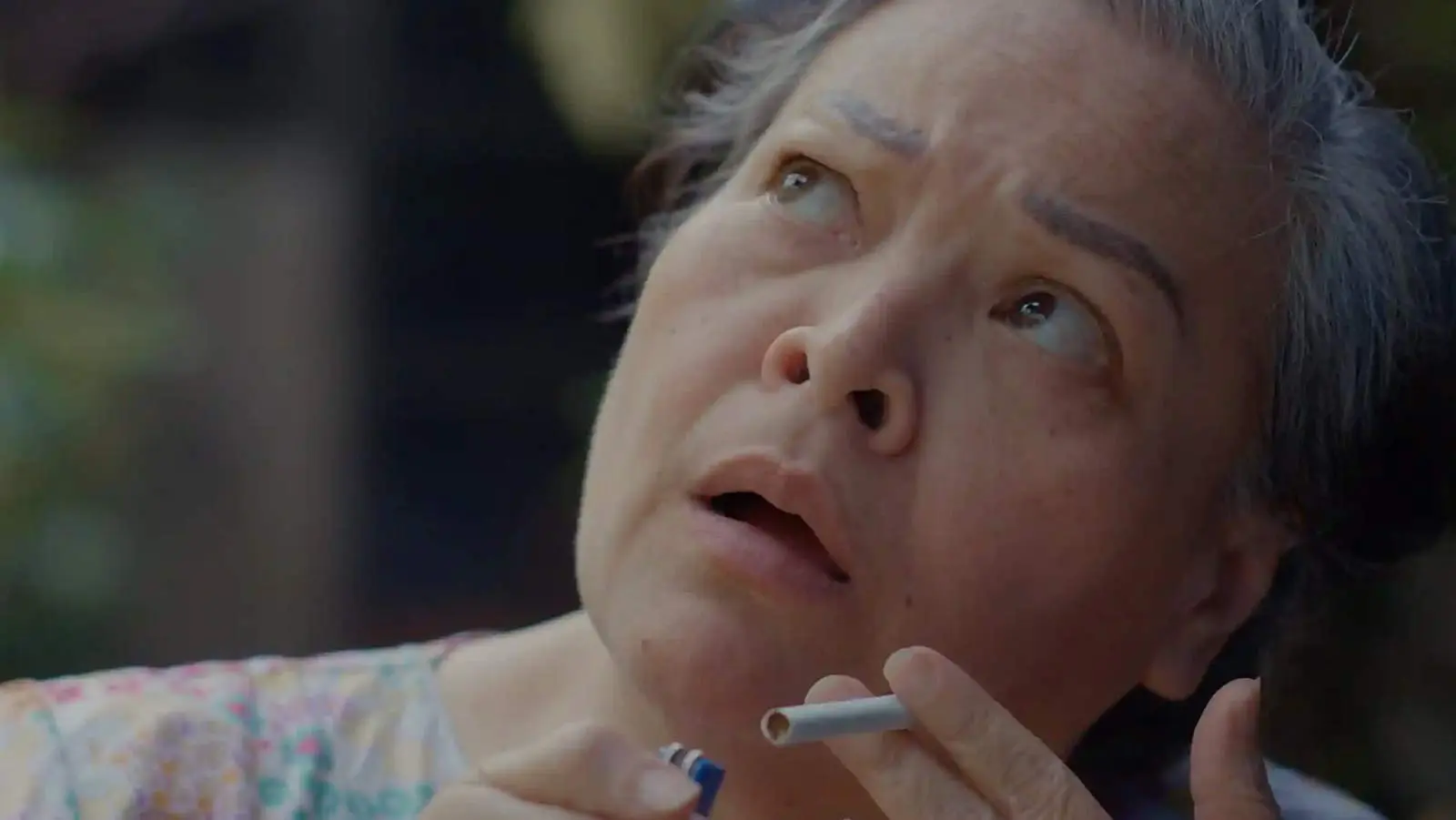
But when Miras was starting, short filmmaking occupied a very different place in the Philippine film landscape. It wasn’t seen yet as a pipeline into the industry. “I remember I was a PA on a TV show and gumagawa na ako ng pelikula nun. Sina Direk Ricky Davao, he was still alive, artista siya nun and na-chika about ‘yung short films dahil niloloko ako na nanalo ng Urian ‘yung isa kong short. Hindi nila gets ‘yung shorts!” says Miras. “Tinatanong nila ako, ‘Bakit ka gagastos ng ganyang kalaki? Saan mo ito ipapalabas? Paano ka [kikita]?’ Nobody knew.” Ironically, that uncertainty became a kind of freedom. What others might have taken as discouragement relieved Miras and her peers of the pressure to succeed. “It was okay to fail and experiment kasi kayu-kayo lang ito,” she asserts. “Ngayon, alam na ng mga tao na this is a way in.”
Today, Miras sees a paradox that applies to both shorts and features. There are now more opportunities than ever for emerging filmmakers but making a first short or feature has become considerably more complicated. “In the past, you could just get your MiniDV camera, round up your friends and write a good story that can fit your location, and ‘yun,” says Miras. “Now you have to make a proof of concept, get into a lab abroad to get the funding. It could take years. It’s harder now because there are more conditions. The more people are involved, the more is expected to perform, and the pressure to succeed is greater.”
“‘Yung ambition mo na malaki for your project, lumiliit at lumiliit. May pumipigil sa fullest potential of the story. Paano ka magiging malaya kung wala kang budget?”
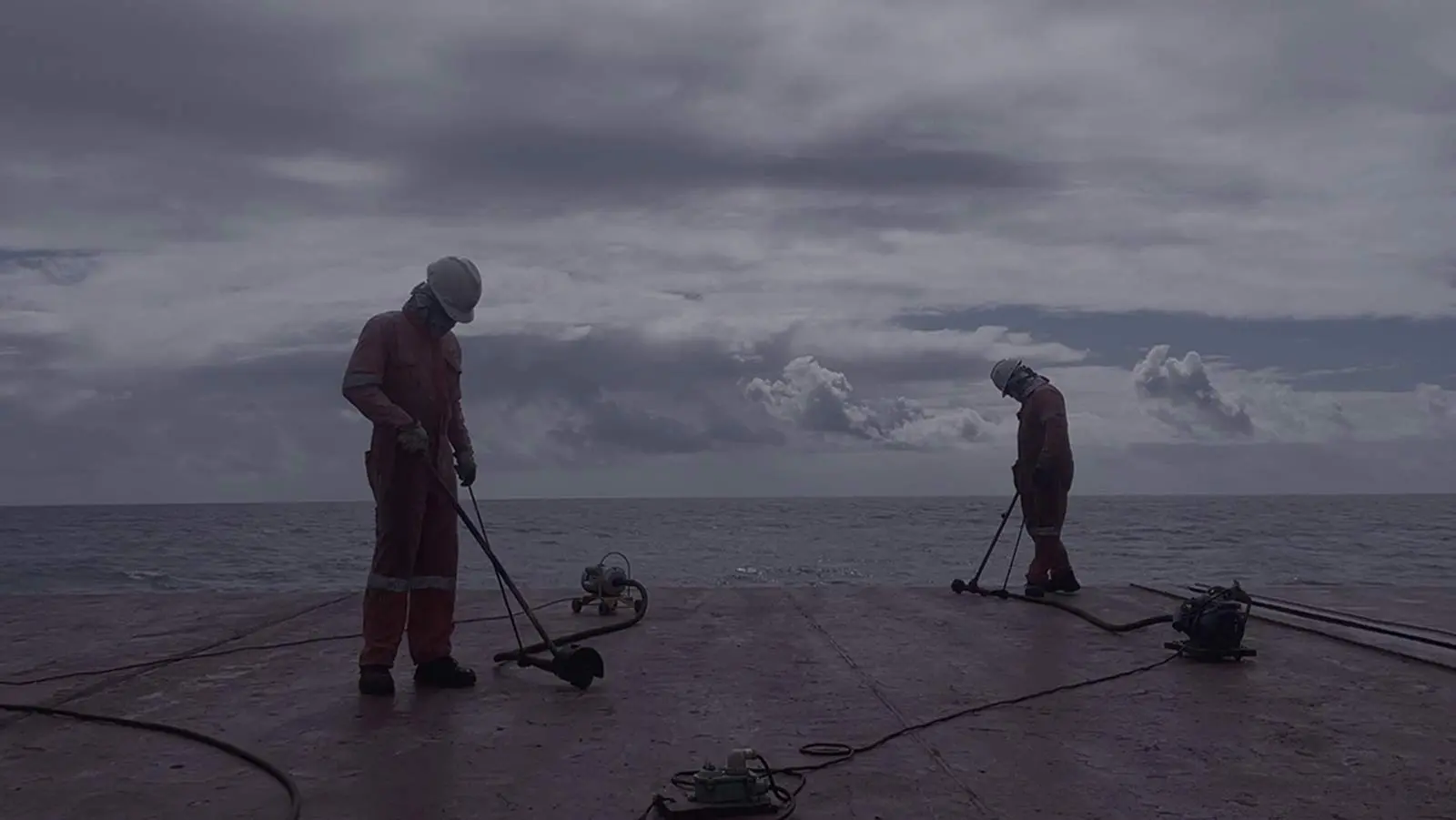
Having experienced work as a selection committee member for both feature scripts and finished shorts, Miras witnesses how this changes the process of who the festival decides to platform. Cinemalaya has grown exponentially, and its audience can now push a filmmaker into a stratospheric career or further into obscurity. Should they invite people who are already committed to filmmaking as a career? Miras argues against this, saying it could exclude not only regional voices but others with something to say but dabbling in the art form. “Natutuwa ako sa non-film school entries,” she says, citing Kung Tugnaw Ang Kaidalman Sang Lawod by Seth Andrew Blanca as a surprise in recent years. A narrative film about the horrors and power struggles seafarers face in open water, it adopts a perspective few filmmakers could make and shoots primarily with resources available on a ship. “Really great images. It’s a new voice. Mas nandoon ako.”
The Cinemalaya of today bears little resemblance to the festival that began 22 years ago, as the conditions surrounding independent filmmaking have changed far more rapidly than the support systems meant to sustain it. In an interview with Totel De Jesus of The Diarist, Cinemalaya festival director Chris Millado admits that a 70 percent slash in CCP’s budget led to a scramble for funding sources for the latest two editions. Cinemalaya President Laurice Guillen later shared during the 2025 press conference that the First Lady Liza Araneta-Marcos stepped in to cover CCP’s portion, while insisting that her involvement wouldn’t impose restrictions on the political nature of the films.
Tim Rone Villanueva, whose comedy fantasy drama Child No. 82: Anak Ni Boy Kana received three awards at last year’s Cinemalaya, including the Audience Choice Award and Best Screenplay, entered a festival edition that almost did not push through. The delays in the release of grant tranches, coupled with orders to halt production until funds were secured, made an already demanding and compressed process even more difficult and murky.
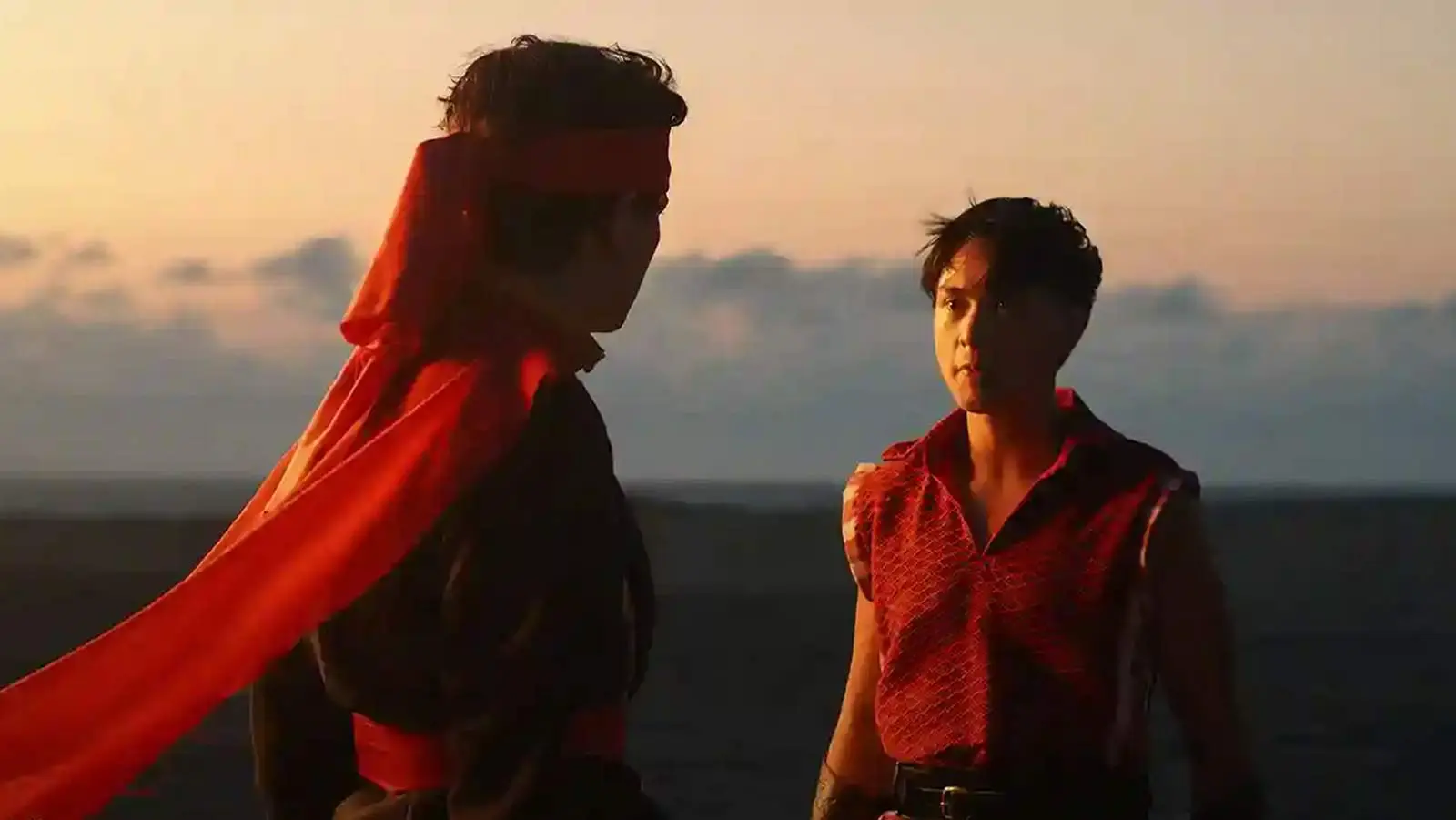
While the festival moved its dates to October to offset these changes, it only revealed a need for the festival to provide some form of assistance in seeking gap financing, says Villanueva. “Hindi lahat may nakatagong pera pang-abono at kahit may pang-abono ka, masakit siya financially.” The absence of that institutional insulation exposes filmmakers — particularly those who continue to have day jobs — to significant financial risk. Other artists have already spoken at length about the extremes they have gone to finish films not only for Cinemalaya but for other grant-giving festivals with immovable deadlines: mortgaging valuable property to improve cash flow, or taking out loans from banks and other sources with high interest rates to cover immediate production expenses. Sometimes, these are temporary sacrifices. But in many cases, they can significantly impact the quality of life of a filmmaker long after the festival.
“It’s a double-edged sword,” Villanueva says. “It will help your career basta maganda ‘yung pelikula mo. ‘Yung mga sakripisyo mo, just make it count. Pero paano kung hindi mag-count?”
The pressures that filmmakers face, however, are not entirely new. Complaints around the seed grant have existed as long as it has been alive. What has changed is the scale of the problem. However, it is worth noting that Cinemalaya has only doubled its production grant since its inception, even as production costs have inflated exponentially since what they were in 2004. Although the FDCP has stepped in to match the festival’s grant, bringing the total seed fund to P2 million pesos, rising costs for transportation, equipment, locations, and labor have largely absorbed the additional funding.
At the same time, the expectations placed on independent films have also changed. As digital cinematography has matured and streaming platforms have become an increasingly important avenue for recouping investments, many Cinemalaya projects now aspire to production values that can compete outside the festival circuit and land them on streaming platforms without actually having the means to meet the standards required for streaming.
New labor and safety requirements have added another layer. The passage of the Eddie Garcia Law (EGL), enacted to improve the safety and welfare of film workers, has likewise increased the demands placed on independent productions. Longer pre-production periods, more rigorous safety planning, regulated working hours, and greater compliance requirements have made filmmaking more humane, but they have also placed additional strain on productions working within Cinemalaya’s compressed schedules. Combined with delayed grant releases and the diminishing purchasing power of the festival grant, these structural changes have made it increasingly difficult for first-time filmmakers to mount a feature under the festival’s original model.
Cinemalaya has, in the absence of definitive financial support, attempted to address some of these pressures in other ways. The festival has extended its production timeline significantly since its inception: what once took roughly three to six months to complete has evolved into a process lasting as long as 20 months. Longer periods for script development and pre-production through the festival’s laboratory have given filmmakers more time to incubate their projects and find collaborators. But time alone cannot resolve the financial constraints of production. And once a film is completed, recouping its costs through the festival’s box office remains difficult, if not outright impossible.
For Villanueva, the limitations eventually become visible on screen. “‘Yung ambition mo na malaki for your project, lumiliit at lumiliit. May pumipigil sa fullest potential of the story. Paano ka magiging malaya kung wala kang budget?” says Villanueva. “May limitations ‘yung kaya mong gawin logistically, financially, and ‘yung time. Maraming ‘sana.’ Maraming sayang. Pero ito na ‘yung best at that time.”
“Ito ‘yung mga kwento na nakaka-inspire. Sa point of view na ‘yun, ang laki ng naibigay ng Cinemalaya sa buhay ng Pilipino.”liwa
Despite these hurdles, Cabagnot, Cornejo, Jimenez, Lang, Jadaone, Miras, and Villanueva agree that Philippine cinema is still all the better because of Cinemalaya’s continued existence and want to support its fight against these larger threats. For Lino Matalang Jr., Supervising Culture and Arts Officer from the CCP Audience Development Division, Cinemalaya has not only challenged the elitist notions people often associate with the CCP but has also built an audience, even if small, that is cognizant of the challenges of creative labor and the importance of political education. In many ways, the festival has not only blurred the lines between independent and mainstream, but also between the artists, the communities their stories come from, and the audiences.
“‘Yung katapangan at katotohanan ng mga filmmakers ay nag-re-resonate sa truth rin ng audiences. Laging may conversation, engagement, and dialogue… nakikita mo na kahit iba-iba ‘yung perspective nila sa film, ibang klaseng community ‘yung na-fo-form,” says Matalang Jr. While shifts from CCP to Philippine International Convention Center (PICC) to Ayala Malls Manila Bay and Shangri-La have made it difficult at times to create nucleation points for communities and discussions to form, he shares that the CCP has still done its best to reshape these commercial spaces into educational ones through talkbacks and small exhibits. In many ways, these challenges have only reiterated the need to meet the audience halfway, even if financial challenges have prevented the festival’s expansion into more territories outside Metro Manila. “Wala naman talaga siyang kinalaman sa espasyo. Tama rin lang na dalhin ang mga pelikula sa cinema houses. Marami pa kaming gustong gawin: dalhin siya sa regions, open parks! May mga ganoon kaming iniisip kasi kahit saan naman, dapat may pagkakataong magtanghal.”
This kind of audience development and expansion is valuable to Matalang Jr. not only because he sees audience members turn into filmmakers who participate in the program, but also educators, too. “Merong laging nanunood ng Cinemalaya na teacher mula sa Kidapawan. Every year pumupunta siya kahit mag-isa siya. Nagsimula lang siya na nagtuturo ng media arts hanggang sa dinala na niya ang mga estudyante niya dito para manood sa Cinemalaya,” says Matalang Jr. His story made Cinemalaya’s consistent decision to platform regional and indigenous stories from the likes of Dulay, Handiong Kapuno, and others all the more resonant. “‘Yung kwento ng probinsya, ng kalagayan nung K’na, ng mga nangyari sa Batanes at Bicol… ang laki ng impact na naitutulong potentially sa economics at sa mas malawak na pagtingin natin sa kultura; na nakikita natin ‘yung kung paano nabubuhay ang mga cultural minorities. Ito ‘yung mga kwento na nakaka-inspire. Sa point of view na ‘yun, ang laki ng naibigay ng Cinemalaya sa buhay ng Pilipino.”
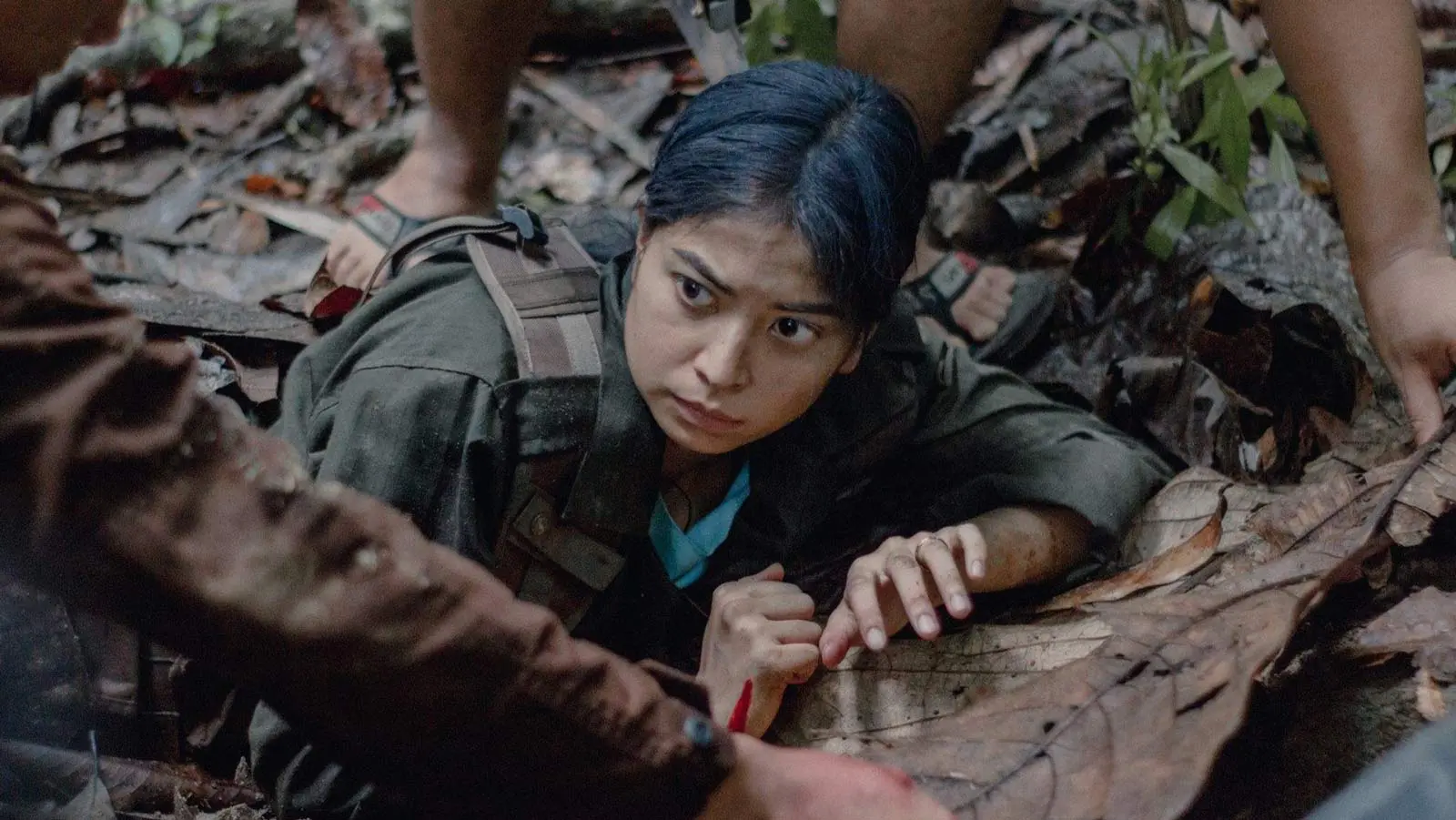
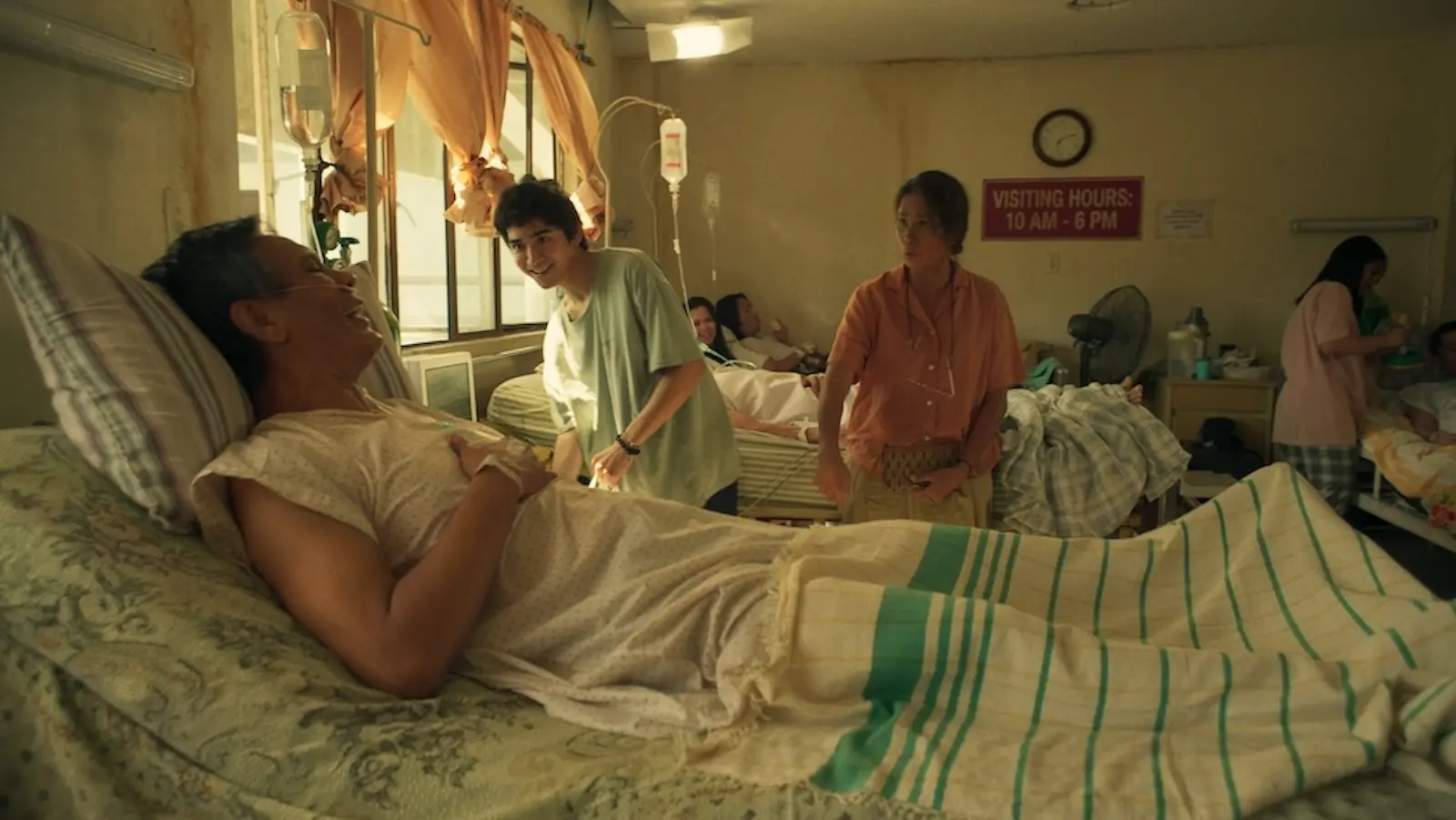
For Matalang Jr. and Cabagnot, watching Kip Oebanda’s Liway for the first time at the CCP remains one of their most memorable Cinemalaya experiences. “Ibang-iba ang nararamdaman mo na sa CCP pinanood ang Liway,” says Matalang. The significance was not lost on audiences: the building, constructed during the era of late dictator Ferdinand Marcos Sr., was now screening a film about the imprisonment of anti-Marcos dissident Cecilia Flores-Oebanda, better known as Commander Liway, and her young son Dakip forced to grow up in captivity. Created in the aftermath of the 2016 burial of Marcos Sr. at the Libingan ng mga Bayani, Liway only revealed its semi-autobiographical nature in the end, when the young protagonist’s name was revealed to be shared by the filmmaker. It remains one of the more recent examples of a film whose political nature sparked a larger conversation beyond the cinema itself. In subsequent screenings at Trinoma, Oebanda shared in a now-deleted tweet that audiences began chanting “Ang tao, ang bayan! Ngayon ay lumalaban!” as the credits rolled.
The question surrounding Cinemalaya is larger than whether a filmmaker can finish a film within a deadline. It is about what kind of independence the festival can realistically offer — and who gets to participate in that independence when making a film requires filmmakers to shoulder costs the institution itself cannot always cover. With no open call yet for concepts and no news about the future of the 2027 edition as of this writing, Villanueva insists that these considerations come to mind primarily because, as an educator, he wants to make it easier for the next generation of amateur filmmakers, particularly from working-class backgrounds who neither have a network to politically and socially insulate themselves from speaking up nor the financial means to create films without succumbing to poverty. “The advocacy is always bigger than you. Ano ba ang pananagutan mo at tungkulin mo as an artist para sa bayan? Hindi natin ‘to ginagawa para sa sarili natin. Ginagawa natin ‘to para sa lahat.”