


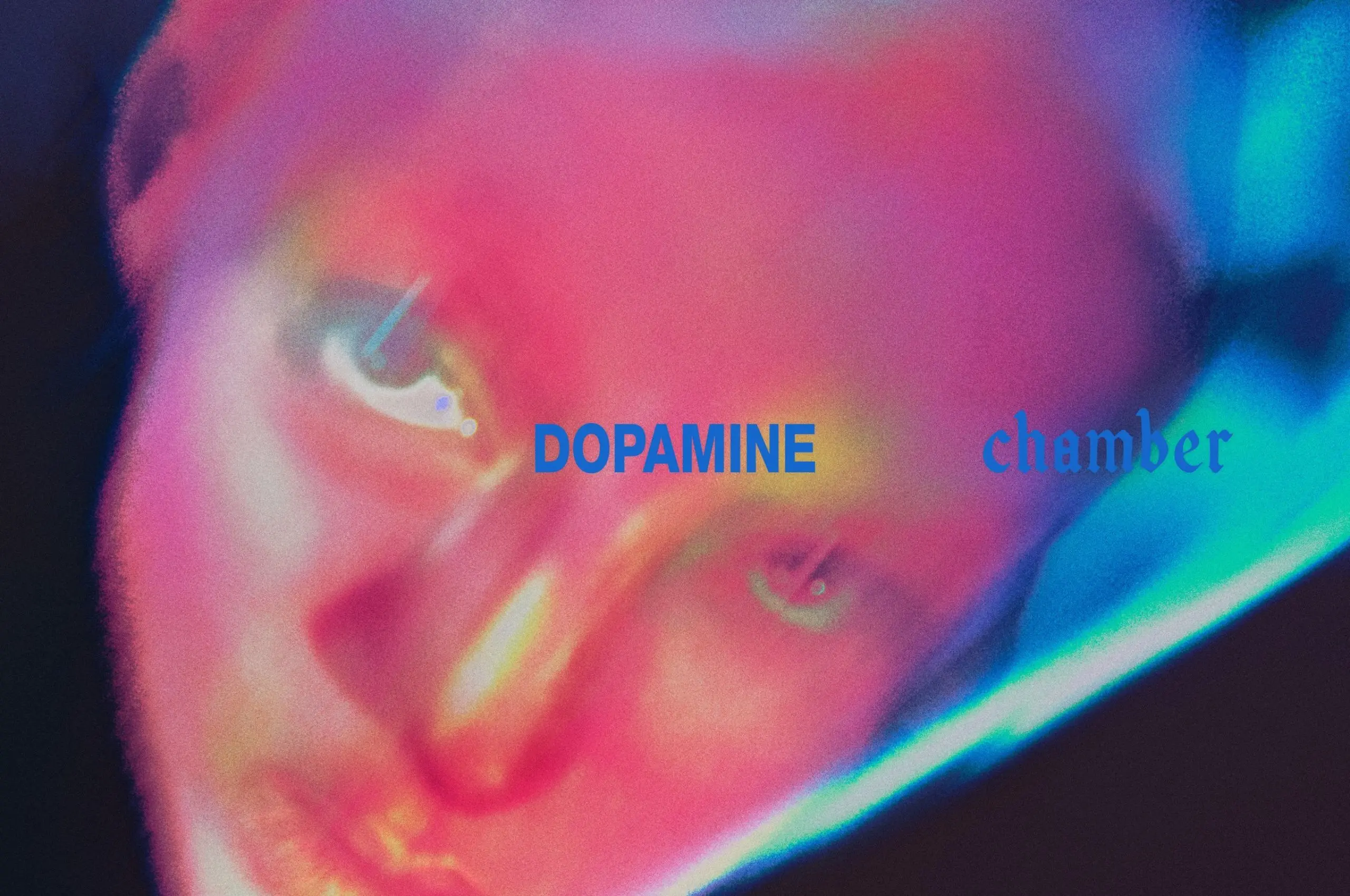
Fontaines D.C. have a knack for making the end of the world sound irresistible. On their fifth album, Dopamine Chamber, the Irish band takes the expansive rockRockA guitar-driven genre that grew from rhythm and blues in the 1950s and splintered into countless styles, from punk and metal to alternative. With a long history of rebellion andGo to Rock Glossary and electronic textures of 2024’s Romance and plunges them into an even bleaker landscape. Synthesizers shimmer like neon against a polluted sky, guitars seem to emerge from the depths of a fever dream, and vocalist Grian Chatten’s voice could probably convince you to follow him into the apocalypse, as he does in lead single “Marianne.”
The band cranks up its cynicism to the max here, with Chatten saying, “I felt it would be more powerful to leave the hope out and reflect the ugliness honestly.” Across 11 tracks, the band contemplates technological dependence, environmental collapse, and our increasingly desperate attempts to escape reality. Even the lovesick dream popPopShort for popular music, a broad genre built on catchy melodies, clear hooks, and polished production that aims to reach a wide audience. Pop constantly borrows from other styles, andGo to Pop Glossary of “Japan” is not exempt from the doom and gloom: “Why’d you go and make it real?”
The album’s title comes from a lyric in “One Man”: “Dopamine chamber just trying to kill the pain.” It’s an apt description of a phone, that bottomless portal through which the world’s horrors are sandwiched between memes and celebrity gossip. Fontaines D.C. understands that our collective doomscrolling has made it difficult to feel the full weight of anything, and its response is to create a record begging to be consumed in one sitting. There’s something funny about making an album that critiques the dopamine economy while delivering one hit after another.
Fontaines D.C.’s concern for the state of the world doesn’t come out of left field. The band has repeatedly spoken out in support of Palestine, including displaying the message “Israel is committing genocide — use your voice” during a performance at Primavera Sound in 2025. They have also contributed a cover of Sinéad O’Connor’s “Black Boys on Mopeds” to HELP(2), a charity album raising funds for War Child’s work supporting children affected by war. Their outspokenness offers real-world context for the anxieties running through Dopamine Chamber.
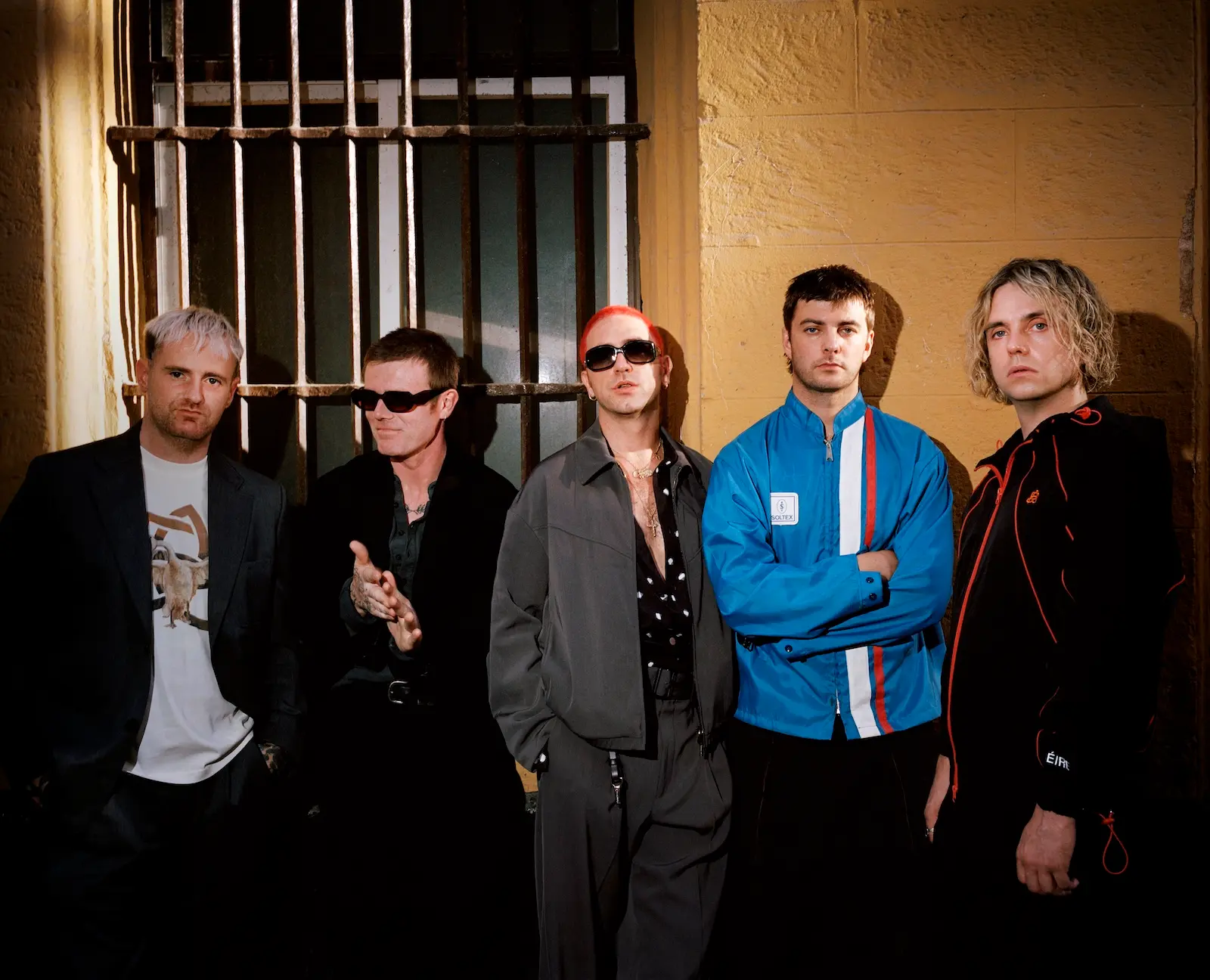
The opening track, “Six Shot Morning,” announces itself with a synthesizer before a heavy bassline ushers in Chatten’s cool, commanding delivery. Elsewhere, Fontaines D.C. continues to find new ways to make their influences feel fresh. “Mimesis” ventures into ‘80s dance-popPopShort for popular music, a broad genre built on catchy melodies, clear hooks, and polished production that aims to reach a wide audience. Pop constantly borrows from other styles, andGo to Pop Glossary, its bassline, synths, and guitars recalling New Order. “Happy For You” gets much of its character from a gloriously wet flanger effect on the guitar, while “Demolition” is an absolute rush, its drum machine giving the track a mechanical pulse. “Tongue,” another banger of a single, features a slinky bassline and pianos.
The album’s electronic flourishes feel like a natural progression from Romance, which delivered the band beyond the scruffier post-punk sensibilities of their earlier records and into arena-ready territory. A progression like this can invite accusations of selling out, but with Fontaines D.C., the expansion is earned. Their willingness to experiment has been central to their development since their 2019 debut, Dogrel, and they continue to push their sound into unfamiliar territory rather than settle into a winning formula.
Chatten’s voice remains one of the band’s greatest assets. His baritone has a gravitational pull, and he makes the most of its hypnotic qualities here, moving between a Liam Gallagher-esque swagger and the languid, dreamlike delivery of Lana Del Rey. That range helps make “Where Is Gone?,” a duet with Rosalía, such a compelling pairing. The track is an expansive and melodic orchestral ballad, with Rosalía making particularly effective use of her lower register. Chatten is equally impressive, delivering one of his strongest vocal performances on the record. As the first feature on a Fontaines D.C. album, Rosalía is certainly an inspired choice for a collaborator.
There are other highlights worth lingering over. “You Miss Me” boasts a smoky guitar hookHookThe catchy part of a song, often a melody, riff, or line in the chorus, that sticks in the listener's head. A strong hook is what makes people hum aGo to Hook Glossary and “Intimate” is a headbanger of an album closer propelled by drummer Tom Coll’s hi-hats.
Romance remains Fontaines D.C.’s most fully realized record, but Dopamine Chamber comes impressively close. The band has built on the 2024 album’s grand scale while stripping away its occasional moments of light. This new record cements their place among the defining rockRockA guitar-driven genre that grew from rhythm and blues in the 1950s and splintered into countless styles, from punk and metal to alternative. With a long history of rebellion andGo to Rock Glossary bands of this decade — and one that deserves to be in the conversation for another Grammy nomination for Best Rock Album.
Dopamine Chamber comes out on October 16.
Frequently Asked Questions
Fontaines D.C. is an Irish rock band formed in Dublin in 2014. The five-piece consists of vocalist Grian Chatten, guitarists Carlos O’Connell and Conor Curley, bassist Conor “Deego” Deegan, and drummer Tom Coll. Known for their post-punk roots and evolving, synth-driven rock sound, the band released albums including Dogrel, A Hero’s Death, Skinty Fia, Romance, and Dopamine Chamber.
Fontaines D.C. has released five studio albums, from their 2019 debut Dogrel to Dopamine Chamber, released on October 16, 2026. Their previous studio albums include A Hero’s Death (2020), Skinty Fia (2022), and Romance (2024).
Fontaines D.C.’s Dopamine Chamber has 11 tracks, including “Six Shot Morning,” “Marianne,” “Mimesis,” “Tongue,” “Where Is Gone?” featuring Rosalía, and “Intimate.”
Fontaines D.C. is known for songs such as “I Love You,” “Starburster,” “Favourite,” “Jackie Down the Line,” and “Boys in the Better Land.” The Irish rock band’s best-known tracks span its evolution from raw, post-punk songs on its debut album Dogrel to the more expansive rock sound of Romance.
Fontaines D.C. worked with British producer James Ford on Dopamine Chamber. Ford also produced the band’s previous album, Romance, and helped shape the new record’s expansive rock sound and electronic textures.
Recommended Video