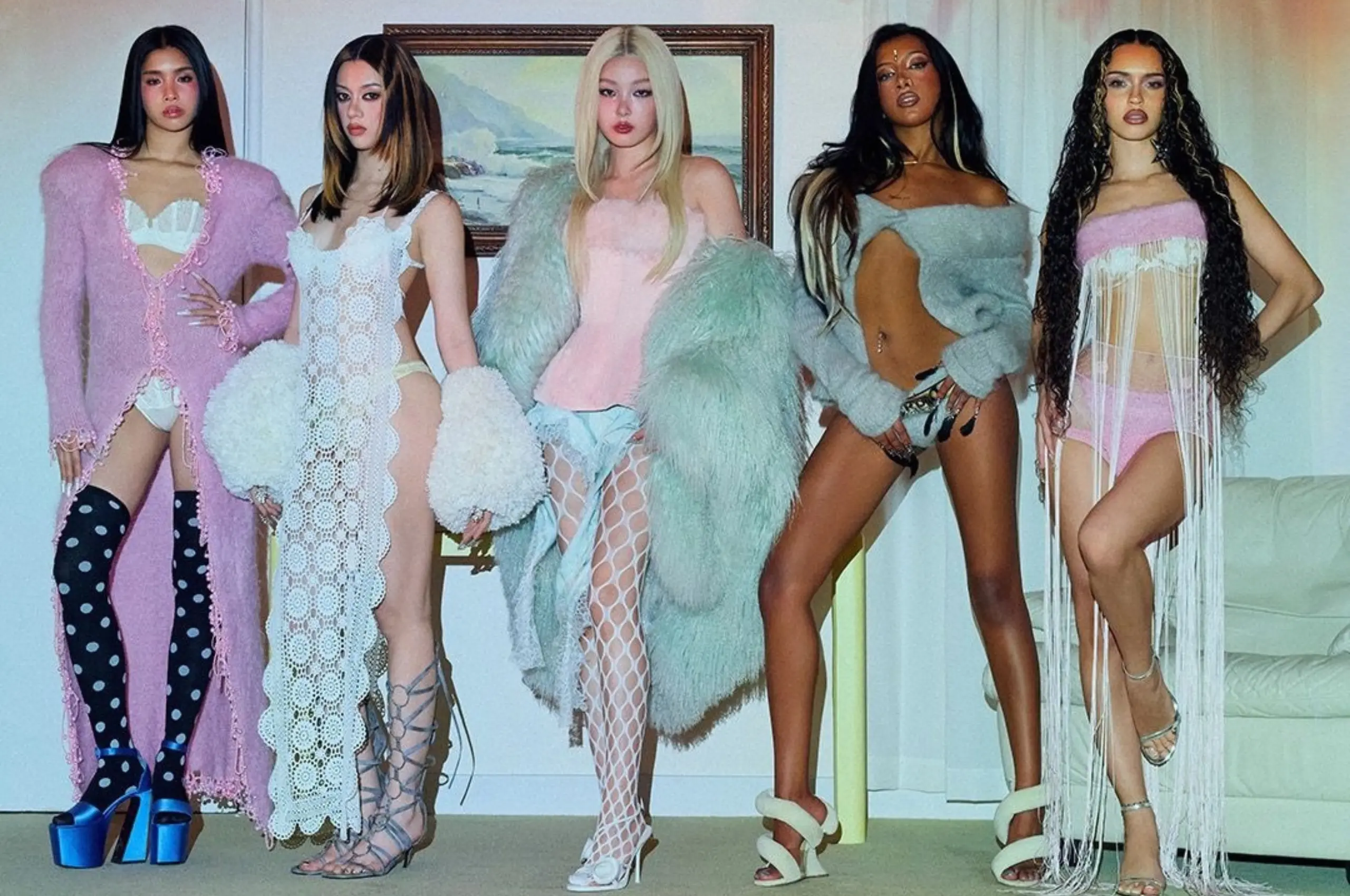


Since October 2020, Fifth Wall, an independent platform dedicated to presenting dance through multidisciplinary expression, has approached movement from different angles. This year, it seems it hasn’t exhausted all avenues, having previously taken on architecture, performance, film, art installation, and photography among other disciplines.
For its seventh edition, it’s moved settings again, this time in Pioneer at the National Bookstore Park, where it brought together Japanese dance artist Tohru Dance, filmmaker Timothy Axibal, gallery and creative production group Tarzeer Pictures, visual artist James Clar, contemporary choreographer Ea Torrado, and transfeminine multi-disciplinary artist Bunny Cadag to embody the untranslatable, uniquely Filipino sensation that is gigil.
Over the course of four days, Fifth Wall challenged these artists, as well as the audiences, to see dance through these different perspectives — as was customary to the festivalFestivalA multi-act music event, often held over several days, where many artists perform across different stages. Festivals combine live music, food, art, and community, and they give audiences a chanceGo to Festival Glossary. The lineup, as diverse as it is, founder Madge Reyes believes is an extension of the festival’s explorative nature. “We’re interested in what happens when artists from different disciplines step outside their usual territories and experiment with other ways of working,” she tells Rolling Stone Philippines.
“Fifth Wall can be a space for those encounters, where artists can take risks, test unfamiliar ideas, and discover new ways of sharing their work with an audience.”
In this interview, Reyes looks at how the last seven years have shaped Fifth Wall, how the latest roster of artists help the festivalFestivalA multi-act music event, often held over several days, where many artists perform across different stages. Festivals combine live music, food, art, and community, and they give audiences a chanceGo to Festival Glossary skew definitions and expectations of dance, and where she plans to take this growing communal initiative next.
One of Fifth Wall’s core missions is to “Foster dialogue between local and international dance communities by means of experimental and commercial activations throughout the year.” In your seventh edition, how do you find the balance between the experimental and commercial?
I don’t think we see the experimental and commercial as opposing forces. For us, the challenge is finding ways for them to coexist without compromising the integrity of the work. The experimental is at the heart of Fifth Wall, but we also recognize the importance of making dance accessible, building audiences, and creating opportunities for artists to reach people beyond the usual dance community.
By our seventh edition, we’ve become more interested in exploring how dance can exist in different contexts and formats, and how partnerships, collaborations, and commercial activations can help make that possible. It’s about being open to different ways of presenting and experiencing movement, while remaining intentional about what we put forward. Ultimately, we want to create a platform where artists can take risks, audiences can encounter something unexpected, and different communities can find a reason to engage with dance.
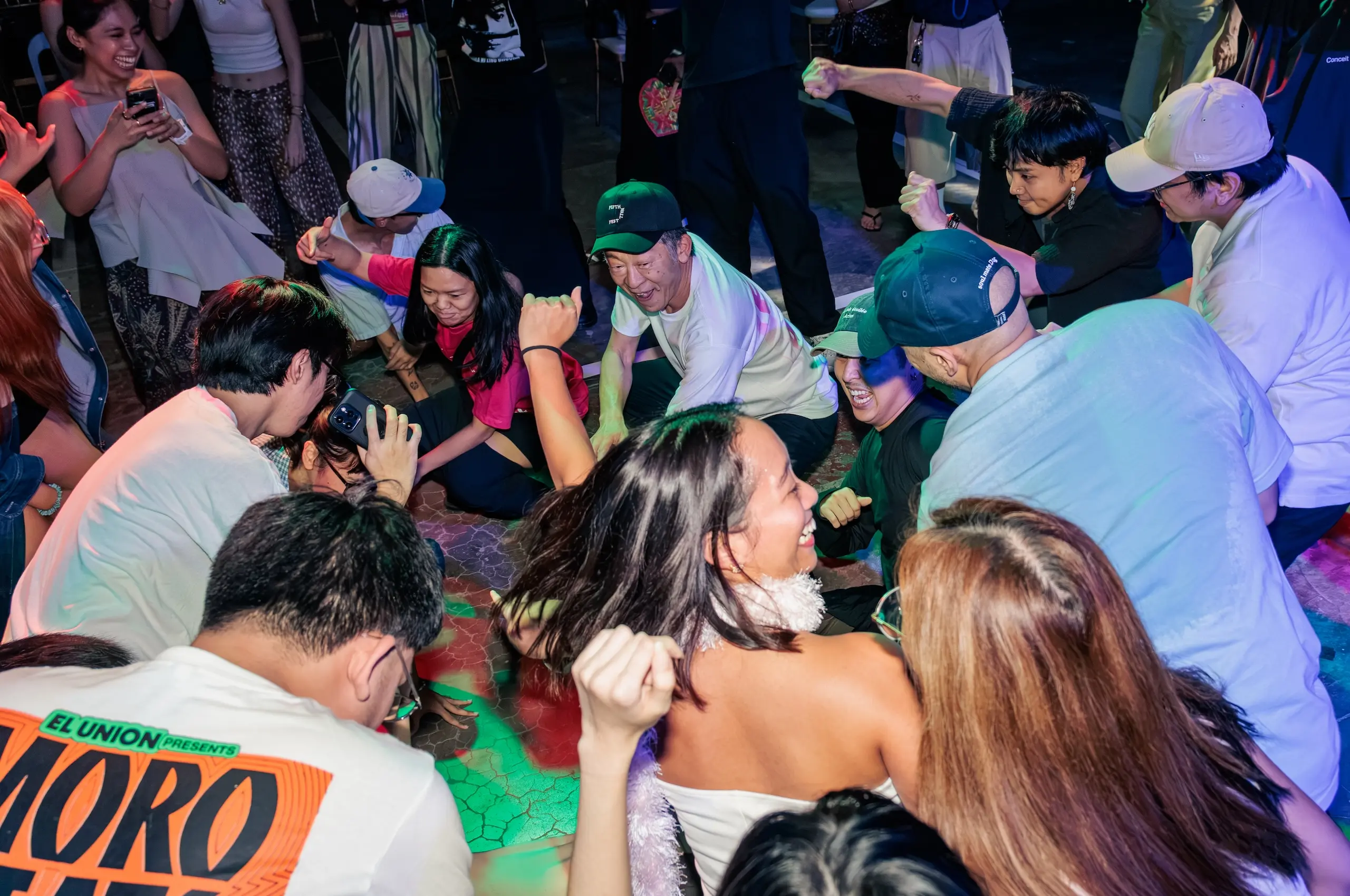
In adding Tohru Dance to your lineup this year, more than just bringing an international dance figure, you invited people to join in a “community jam.” Previous editions — and even the collective’s very ethos (breaking the fifth wall) — have already toyed with interactivity and communal experience. How did you find this interaction different?
I think what made this interaction different was the invitation to participate without necessarily having to be a dancer or know anything about dance. With Tohru, it wasn’t about watching a performance and then discussing it, but about sharing a space and moving together. There was a certain openness to it — no pressure to get the movement right or to perform for anyone.
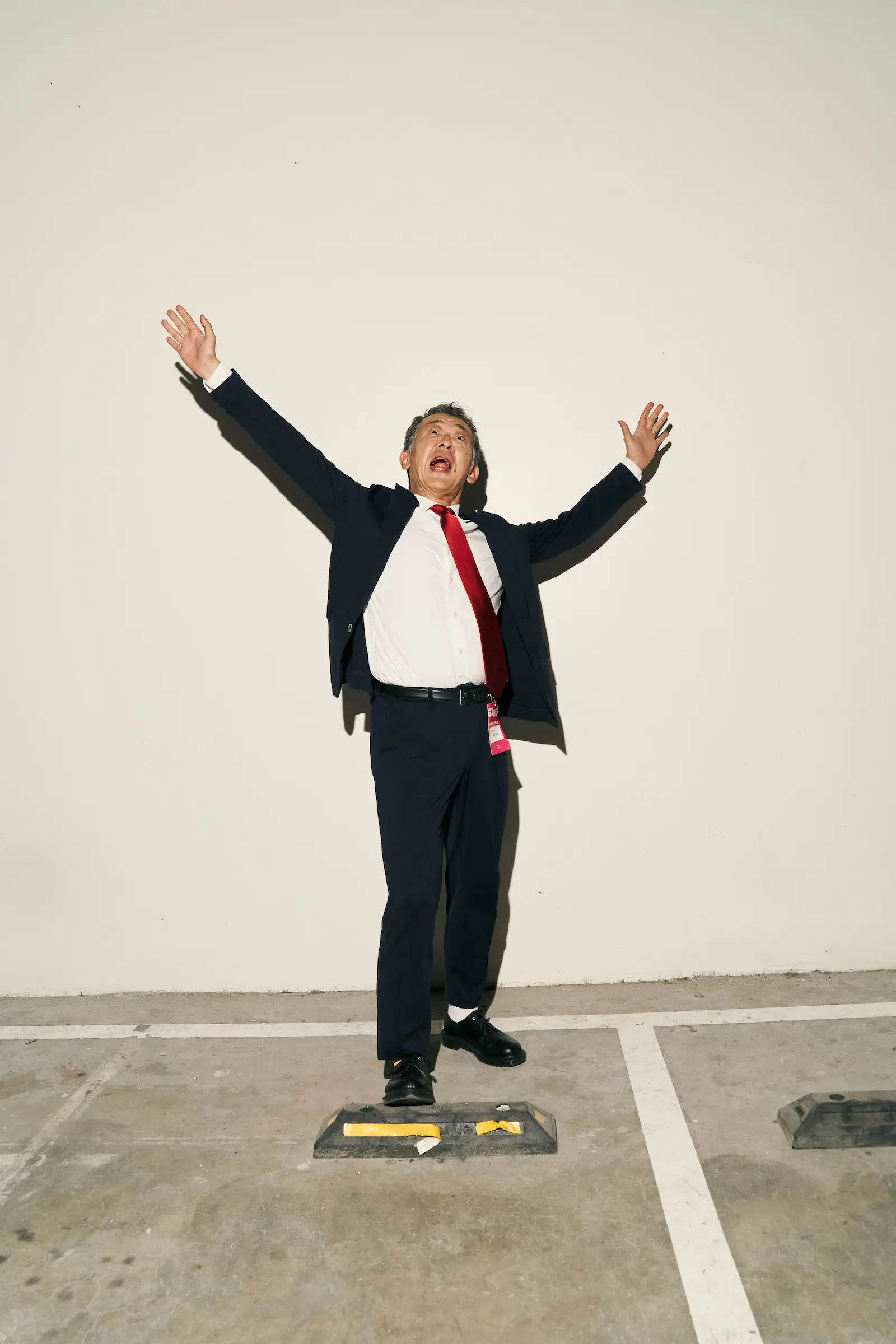
Tohru embodies the Fifth Wall ethos so perfectly. His practice naturally breaks down the distance between artist and audience, making movement something that can be shared rather than simply observed. Fifth Wall has always been interested in exploring that relationship, but this took the idea into a more immediate, physical experience. It allowed people to connect through movement, rather than simply through conversation or observation.
Having an international artist like Tohru facilitate that exchange was particularly meaningful. It wasn’t just about bringing his practice to a Filipino audience, but creating a space where people could meet, respond to one another, and discover a shared language through the body.
Other than body as medium as in Timothy Axibal and Bunny Cadag’s works — and inversely, the absence of a body as in Spectral Spectator — and tinkering with time in a transitory manner as in James Clar but also again in Axibal’s works, what throughline did you think connects this year’s lineup, and how did this curation come about?
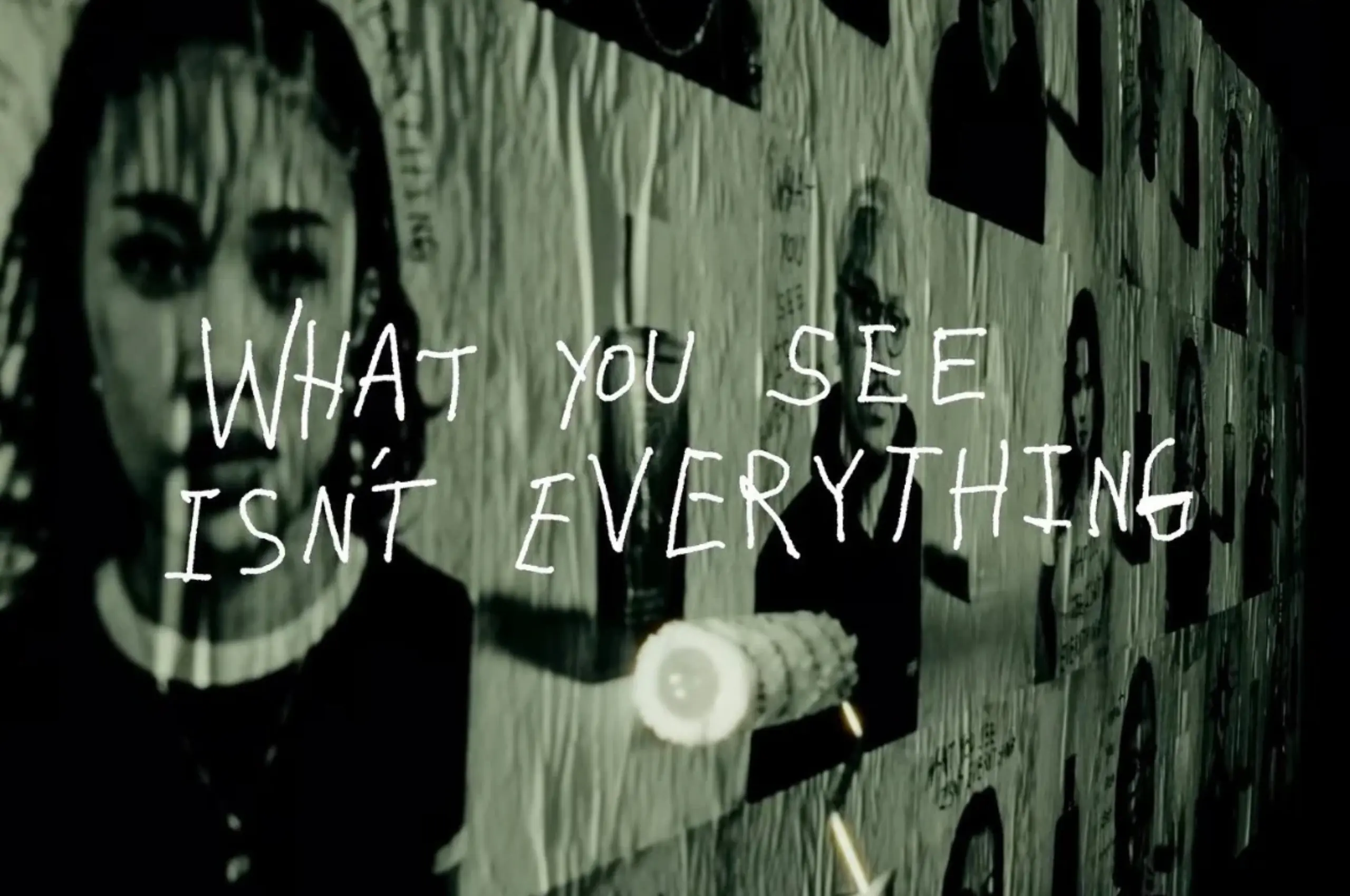
I think the common thread this year is really about perception: how we experience, remember, and make sense of things through movement, images, and time. Each work approaches this differently, but they all play with the idea that what we see isn’t necessarily all there is. Sometimes the body is very present; sometimes it’s fragmented, mediated by technology, or even absent. There are also questions around memory, identity, and how we relate to the spaces and histories we inhabit.
The curation came about through an ongoing conversation with the artists and an interest in bringing together practices that might not traditionally sit alongside one another. I wasn’t necessarily looking for works that shared a single subject or aesthetic. In fact, I wanted the lineup to have room for contrast — for each work to hold its own while creating new points of connection with the others.
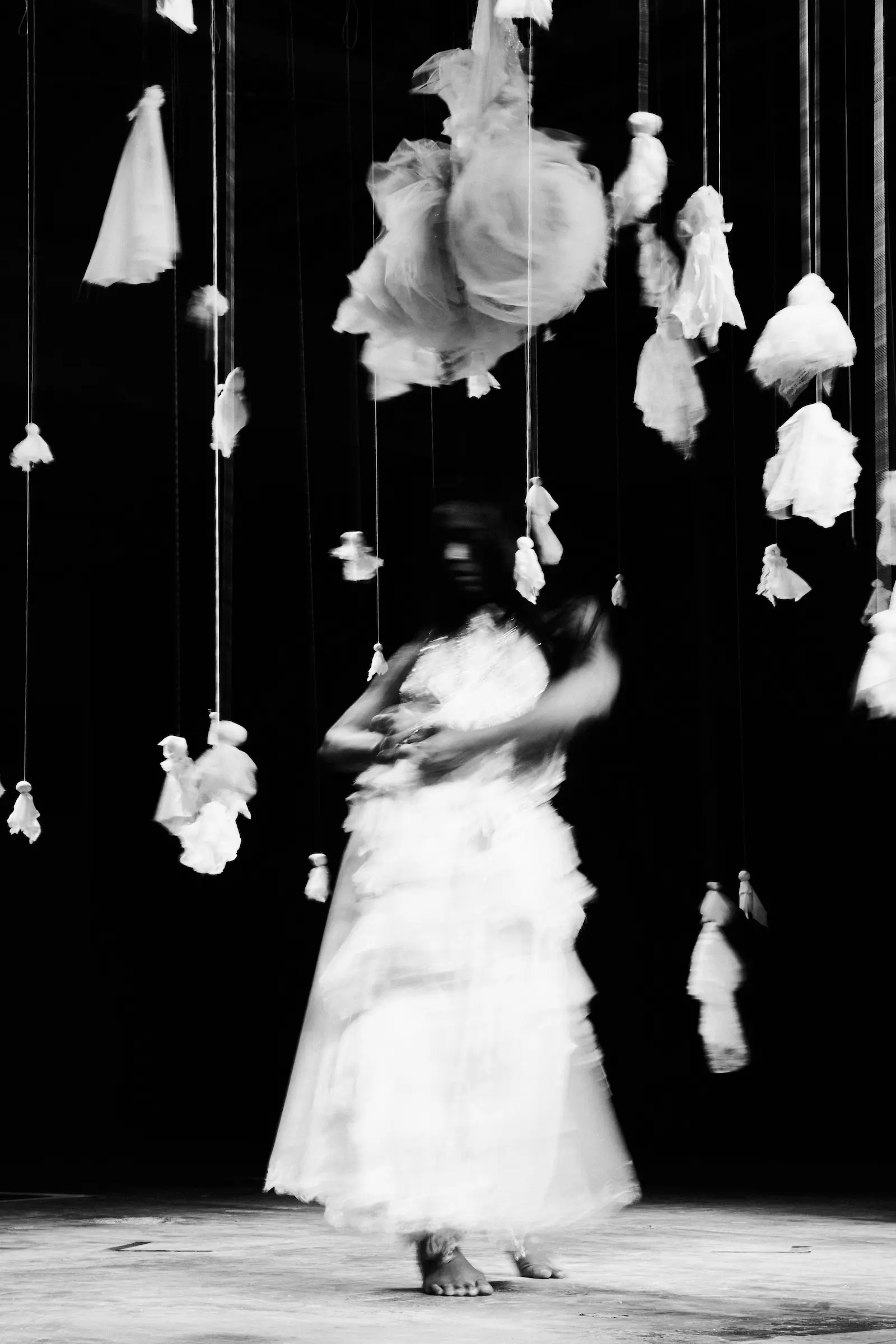
I think that’s what makes programming Fifth Wall interesting. It’s less about presenting a cohesive argument and more about creating an environment where different artistic languages can speak to one another, and where audiences can draw their own connections. Ideally, you leave the festivalFestivalA multi-act music event, often held over several days, where many artists perform across different stages. Festivals combine live music, food, art, and community, and they give audiences a chanceGo to Festival Glossary thinking about something you might not have considered before.
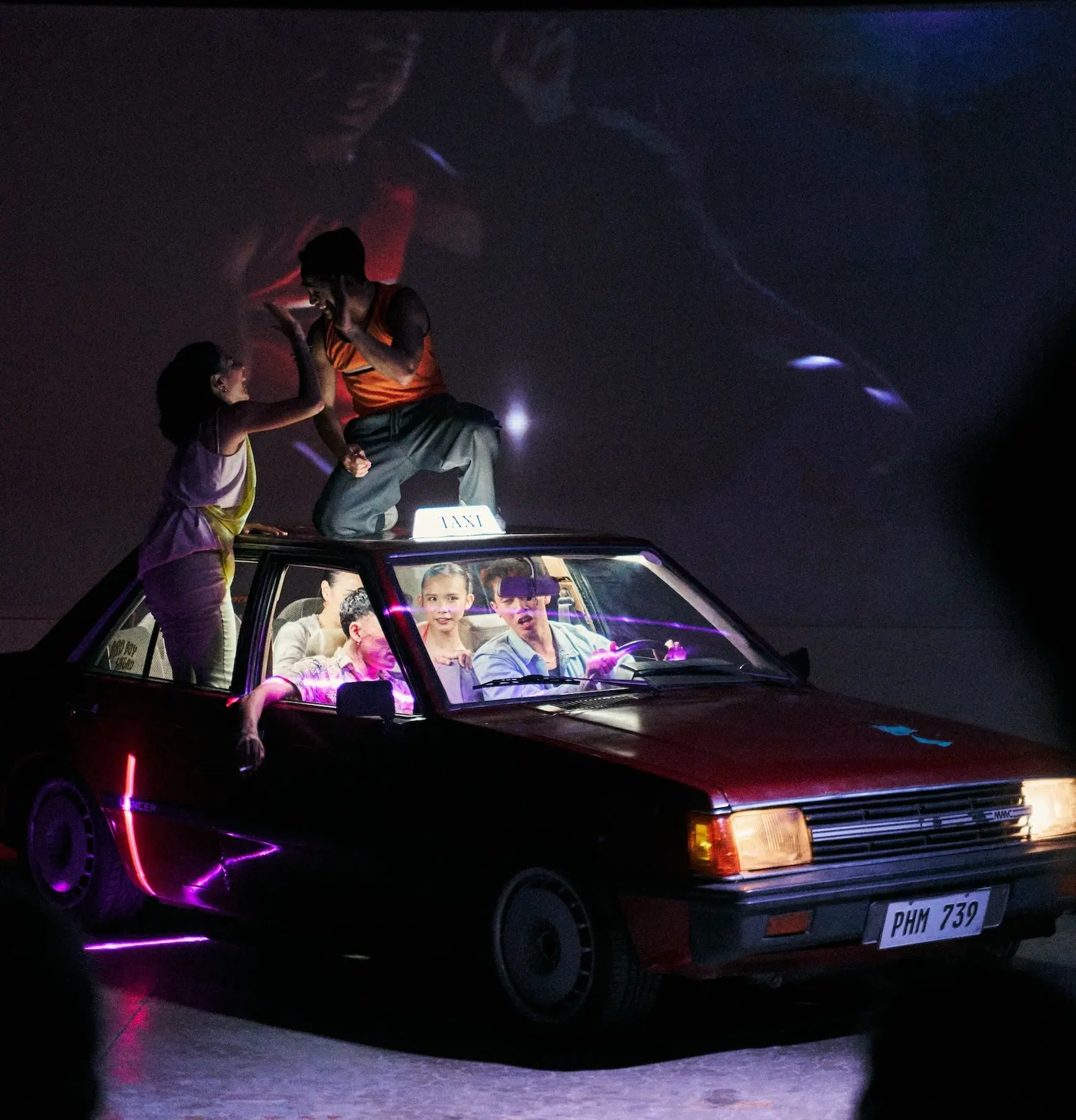
“Manila After Dark” is James Clar’s first foray into live performance. It’s, in a way, keeping up with Fifth Wall’s MO to break expectations, this time of an artist known mostly for his visual, more tangible output. How did that come to be housed in this edition of Fifth Wall? And is this something you hope Fifth Wall evolves to be: a platform where artists, who would otherwise be confined in a gallery setup, find space to do more experimental work?
I think that’s exactly the kind of possibility we want Fifth Wall to create. James and I had been in conversation about exploring movement and performance for some time, and “Manila After Dark” became an opportunity to bring that conversation to life. What interested me was how his visual practice could translate into a live, temporal experience — moving beyond the object or the image and into something that unfolds in front of an audience. It was also exciting to approach this as a collaboration, bringing together his visual language and my choreographic practice.
I do hope Fifth Wall continues to evolve in that direction. We’ve never wanted to limit ourselves to presenting dance in its conventional sense. We’re interested in what happens when artists from different disciplines step outside their usual territories and experiment with other ways of working. For me, that’s one of the most exciting things about contemporary performance: the possibility of creating something that doesn’t quite belong to one discipline. Fifth Wall can be a space for those encounters, where artists can take risks, test unfamiliar ideas, and discover new ways of sharing their work with an audience.
Fifth Wall has evolved so much and taken on so many intersecting disciplines to dance. What else do you hope to cover in the next iterations?
I think we’ve already touched on quite a few different disciplines and formats over the years, so I’m less interested in expanding simply for the sake of expansion, and more interested in continuing to find new contexts for movement to exist. We’ve explored performance, film, installations, workshops, discussions, and other forms of audience engagement. There’s still so much room to push these further and see what other possibilities might emerge.
One thing I’d really like to focus on is deepening our off-festivalFestivalA multi-act music event, often held over several days, where many artists perform across different stages. Festivals combine live music, food, art, and community, and they give audiences a chanceGo to Festival Glossary programming. I want Fifth Wall to become a more active platform throughout the year, with more artistic exchanges and collaborations that allow ideas to develop over time rather than just meeting within a festival window.
I’d also love to create more opportunities for Filipino artists to work internationally, while bringing different perspectives and practices into the local scene. Ultimately, I hope Fifth Wall continues to surprise us. I don’t want it to become too fixed in what it is or what it presents. The idea is to keep the platform open to possibilities we haven’t even thought of yet.
Recommended Video