


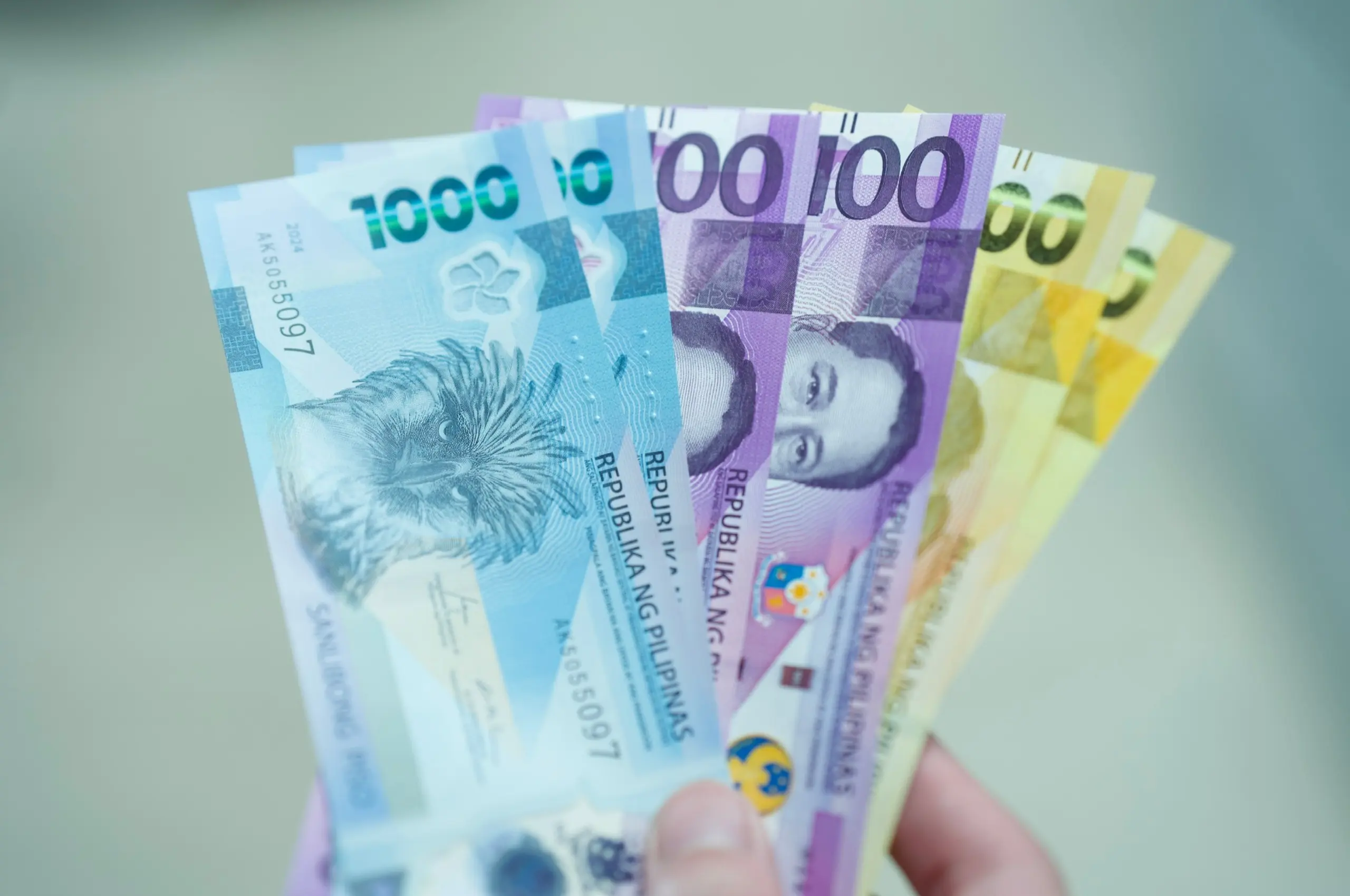
The Philippine peso hit a new low on October 28, reaching P64.17 against the United States (U.S.) dollar; the weakest the local currency has ever been under any Philippine administration. Several economists, including former central bank governor Jose Cuisia Jr., said it could even breach P65.
When asked about the situation, President Ferdinand Marcos Jr. only urged the Filipinos to remain calm. “Don’t panic. We have all the means to defend the peso,” he said, adding that the country gets its currency defense from foreign exchange reserves.
But should we? Granted, panicking is not the answer, but the plummeting currency is not something to ignore either. We’ve broken down three factors on why the peso’s fall impacts everyday Filipinos.
COST OF GOODS
According to the Philippine Statistics Authority (PSA), the September inflation rate was 7.2 percent, up from 6.1 percent the previous month, bringing the year-to-date average to 5.4 percent. Economists predict it will hit 8 percent by the end of October, adding another burden to the economy already strained by a weakening peso, rising global oil prices, and El Niño crisis costs.
PSA’s August data also revealed that more than half, or 58.7 percent, of our external trade goods are imported (including fuel, transport equipment, agricultural commodities), with only 41.3 percent exported. We have already seen rising crude prices come up at the pump, but as the peso continues to fall, along with the slowing down of economic growth due to the Middle East conflict, the Philippines needs to prepare for the possibility of oil and electricity rising further.
For IBON Foundation Executive Director Sonny Africa, “The peso is weak because the economy is weak.” He attributed it to the fact that the country produces fewer export goods to benefit from. The Philippines is a net importer but has inadequate support for local industries or production. Simply put, importing amid a weaker peso results in a higher cost of goods.
This October, the Department of Trade and Industry (DTI) announced that it will freeze the prices of basic goods, such as canned goods, milk, bread, and noodles, until December 2026, to cushion the blow of El Niño. The agency further assured that there are enough supplies until the end of the year.
LOCAL BUSINESSES / MSMEs
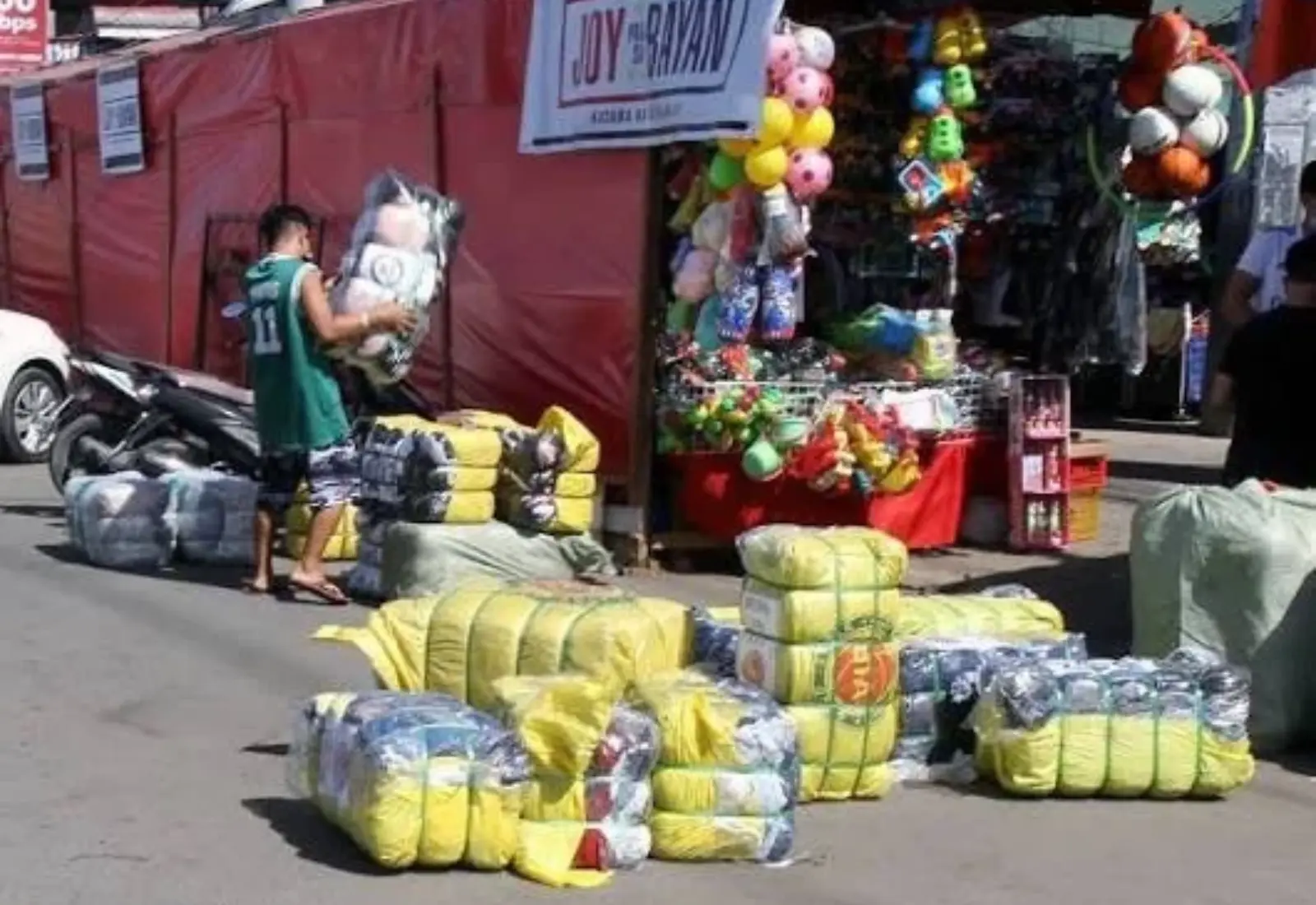
The cost of goods trickles down to the micro, small, and medium enterprises (MSMEs), which include independent retailers, logistics operators, and restaurants. The industry is particularly vulnerable to the weakening peso as it imports materials such as electricity or fuel, ingredients, cooking gas, and other equipment, and with the rise in costs — especially if it increases faster than sales — comes the inevitable need to raise prices for consumers.
Speaking on Bilyonaryo News Channel, Philippine Chamber of Commerce and Industry (PCCI) official Bryan Ang said that local businesses are now forced to be in survival mode. “Do you want to reduce your employees, or do you want to just close down and wait for better days? That is really the reality for small companies,” he said.
In early 2026, the DTI introduced a P4 billion MSME fund through its financing arm, the Small Business Corporation (SBCorp), to support businesses affected by the Middle East conflict. Business owners may borrow P30,000 to P20 million to recover their operations, said DTI Senior Trade and Industry Development Specialist Melegrina Turingan.
However, this relief could be pushed back by Bangko Sentral ng Pilipinas (BSP)’s benchmark policy interest rate of 50 basis points, going up to 5.50 percent. The interest rate would make overall debt servicing more expensive for small business owners already grappling with operating costs.
INVESTMENTS
Even foreign and domestic investments remain a fifty-fifty leverage for the Philippines.
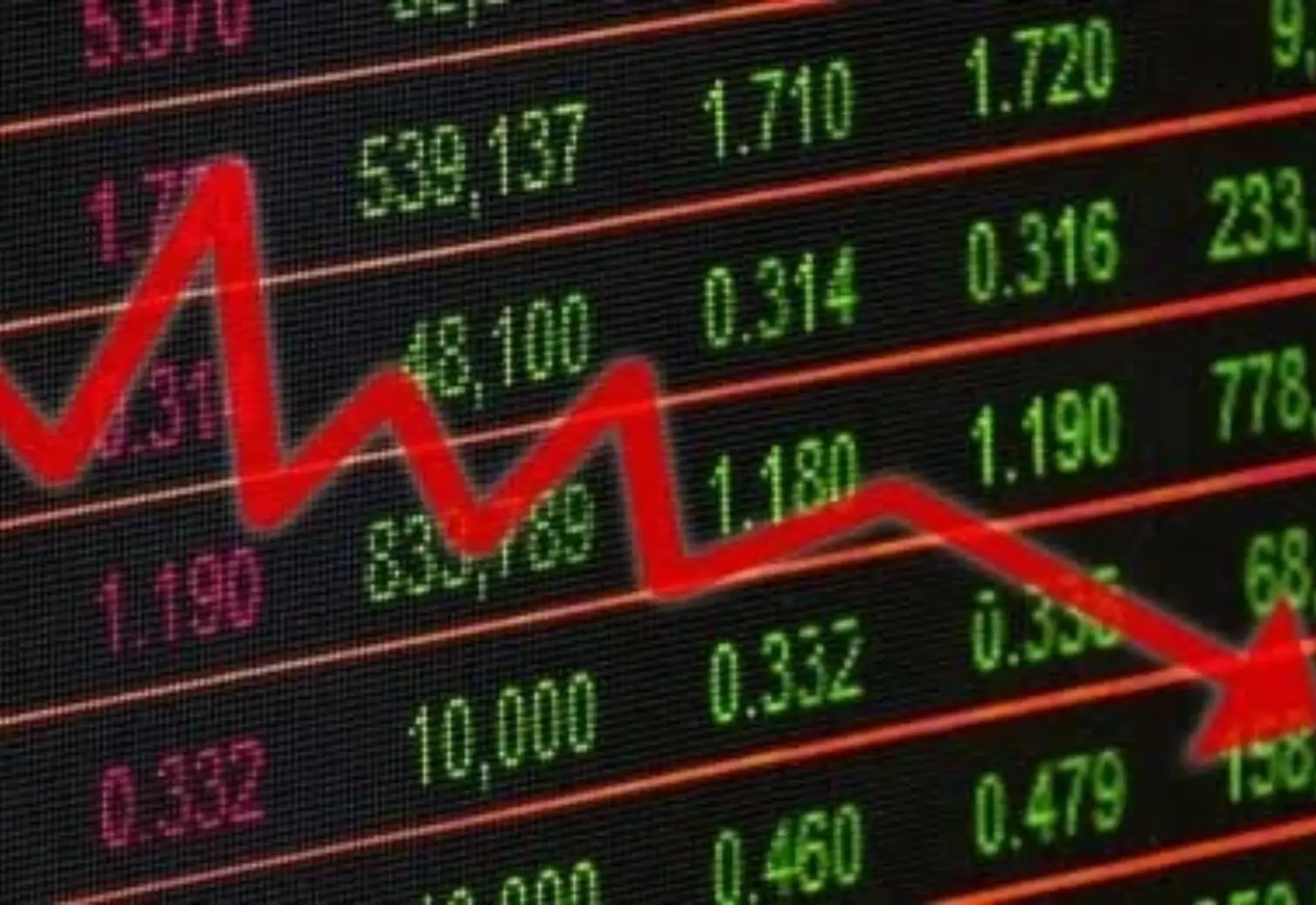
According to a report by the Philippine News Agency on October 26, the appetite of some investors remains weak given the economic risks in the country. The Philippine Stock Exchange index (PSEi) has seen a dip of 1.87 percent in its overall value, dropping by 107.64 points, a signal that market participants are cautious about investing, with others possibly selling off their shares and converting them to U.S. dollars amid peso depreciation.
“The local market dropped as inflation outlook concerns took center stage,” Philstocks Financial Inc. said in a commentary, as reported by The Manila Standard.
As for the investment projects in the country, the Public-Private Partnership (PPP) Center reported that there are already 251 PPP projects as of July 2026 — for railways, aviation, and roads — worth about P3.10 trillion in the pipeline, while 288 projects worth P3.58 trillion are already under implementation. These projects could attract equity and debt, especially from foreign investors, but with the state of the local currency, the infrastructure development creates a short-term offset due to the need to import machinery.
FREQUENTLY ASKED QUESTIONS
The peso is falling amid rising inflation, a strong U.S. dollar, higher global oil prices, El Niño costs, and a trade imbalance in which 58.7 percent of external trade goods are imports.
The peso hit P64.17 against the U.S. dollar on October 28, 2026, the weakest level under any Philippine administration.
A weaker peso raises the cost of imported goods, including fuel, transport equipment, and agricultural commodities. September inflation reached 7.2 percent, up from 6.1 percent in August, and economists project 8 percent by the end of October or early November, with oil and electricity costs possibly rising further.
MSMEs import materials such as fuel, ingredients, cooking gas, and equipment, so higher costs outpace sales force price hikes. PCCI’s Bryan Ang said small companies are in survival mode, and a BSP rate increase to 5.50 percent makes debt servicing costlier.
President Ferdinand Marcos Jr. said the country can defend the peso using its foreign exchange reserves. The DTI also froze the prices of basic goods until December 2026 and gave its SBC loan program a P4 billion budget for businesses affected by the Middle East conflict.
Recommended Video